2023-12-01 11:33
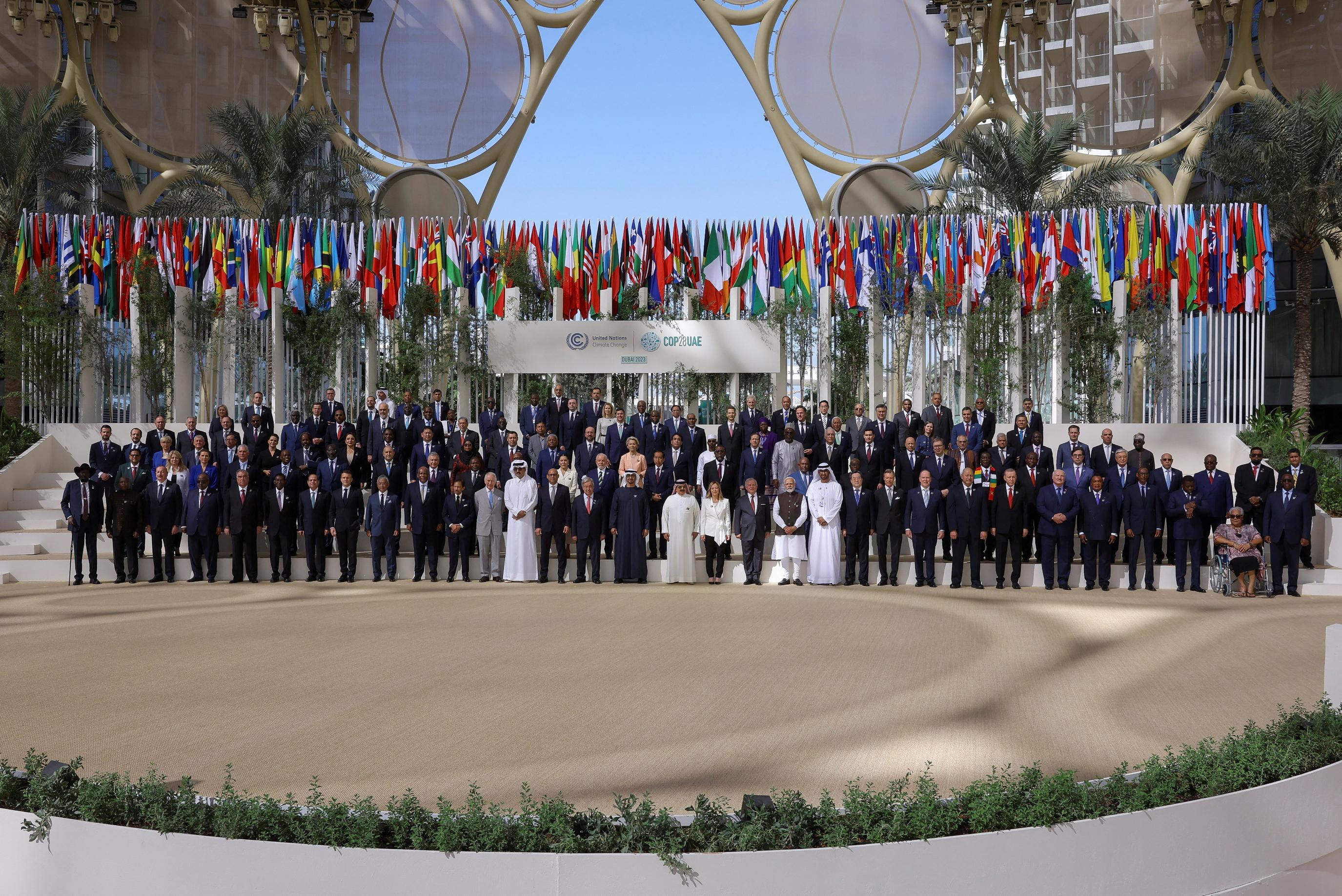
DUBAI, Dec 1 (Reuters) - World leaders from nearly 200 countries were due to address the U.N. climate summit underway in Dubai, where their countries' delegations are assessing their progress toward meeting global climate goals. Here are the latest comments: JORDAN'S KING ABDULLAH: "This year's conference of the parties must recognize even more than ever that we cannot talk about climate change in isolation from the humanitarian tragedies unfolding around us. "As we work to catch up on the lost time and progress, we cannot forget the most vulnerable. Conflict ridden communities, refugees and developing countries must not be left alone to face a global problem. Nor can we stand by as the massive destruction of a relentless war in Gaza threatens more people and holds back progress towards a better global future. Current and future generations will hold us all accountable." INDIA PRIME MINISTER NARENDRA MODI (via translator): "Friends, we do not have much time to correct the mistakes of the last century. Over the past century, a small section of humanity has indiscriminately exploited nature. However, entire humanity is paying the price for this, especially people living in the global south." "We must resolve that every country shall fulfil the climate targets it is setting for itself and the commitments it is making." BRAZIL PRESIDENT LUIZ INACIO LULA DA SILVA (via translator): "No country will solve their problems alone. We are all obliged to act together beyond our borderlines. Brazil is willing to lead as a role model." "The world is already convinced of the potential of renewable sources of energy. Now is the time to face the debate about the slow motion pace of the decarbonisation of the planet, and to work towards an economy that will be less reliant on fossil fuel. We have to do it, and in a way that is urgent and fair." KING CHARLES III: "I pray with all my heart that COP28 will be another critical turning point towards transformational action at a time when, already, as scientists have been warning for so long, we are seeing alarming tipping points being reached." "Unless we rapidly repair and restore nature’s economy, based on harmony and balance, which is our ultimate sustainer, our own economy and survivability will be imperilled." U.N. SECRETARY-GENERAL ANTONIO GUTERRES: "We cannot save a burning planet with a fire hose of fossil fuels... The 1.5-degree limit is only possible if we ultimately stop burning all fossil fuels. Not reduce. Not abate." "I urge governments to help industry make the right choice – by regulating, legislating, putting a fair price on carbon, ending fossil fuel subsidies, and adopting a windfall tax on profits." ___ For daily comprehensive coverage on COP28 in your inbox, sign up for the Reuters Sustainable Switch newsletter here. https://www.reuters.com/business/environment/cop28-what-are-they-saying-un-climate-summit-2023-12-01/
2023-12-01 11:32
LONDON, Dec 1 (Reuters) - November was the best month in over three decades for a classic stock and bond portfolio, as both markets posted their best returns in years, according to a Bank of America Global Research report on Friday. A typical 60/40 portfolio - one that holds 60% in stocks and 40% in bonds - would have returned 9.6% in November, the most since December 1991, which saw the dissolution of the USSR, BofA said. They cautioned though: "pull backs follow monster months" and such a portfolio lost 3.2% in the first quarter of 1992. MSCI's all country world stock index rose 9% in November, its biggest monthly gain since November 2020. (.MIWD00000PUS) The yield on the benchmark 10-year U.S. Treasury note fell 52 basis points in the month, its most since 2011. A bond's yield moves inversely to its price. In the week to Wednesday, investors poured $75.6 billion into cash, $3.7 billion into bonds and $2.6 billion into stocks, the report also said, and high yield bonds saw their biggest four-week inflow since June 2020. https://www.reuters.com/markets/average-6040-portfolio-has-best-month-november-since-1991-bofa-2023-12-01/
2023-12-01 11:03
A look at the day ahead in U.S. and global markets by Samuel Indyk As markets continue to push back against the Federal Reserve's higher-for-longer message, traders will be watching Chair Jerome Powell's comments on Friday - the last opportunity the central bank has to set expectations before their December meeting. The Fed enters its blackout period on Saturday before its Dec. 14 announcement, and Powell, due to speak at Spelman College, has a tough job getting the market to believe him when he says that interest rates will stay high through 2024. That's because inflation continues to ease. Data on Thursday showed the PCE price index, the Fed's targeted measure of inflation, eased in October to its lowest level since March 2021, while the consumer price index, released earlier last month, increased just 3.2% on an annual basis in October, down from a peak of 9.1% in June 2022. Powell's job of shaping markets might have been made even more difficult this week when influential policymaker and usual policy hawk Christopher Waller brought up the possibility of rate cuts if inflation continues on its downward trend. Markets are now fully pricing a rate cut by the May meeting with almost a 50% chance they move in March, according to the CME's FedWatch tool. A week ago, that stood at a 21% chance. Money markets are also pricing well over 100 basis points of cuts next year and the dramatic repricing has seen bond yields tumble, particularly in the short end of the curve, with the U.S. benchmark 2-year yield dropping around 27 basis points this week alone. The 10-year yield is down around 15 basis points and on Thursday hit its lowest level in 2-1/2 months at 4.247%. It peaked above 5% on Oct. 23. This has helped push the dollar lower. On Wednesday, the dollar index , which measures the currency against six major peers, touched its lowest level since Aug. 11 and dropped over 3% last month, its worst month in a year. While November was bad for the dollar, it turned out to be a blowout month for equity markets with MSCI's World Stock Index (.MIWO00000PUS) ending higher by 9% - its biggest one-month jump since a 12% rise in November 2020 when markets cheered vaccines against COVID-19. December has begun on a similar, if slightly less cheery, note, with Europe's STOXX 600 (.STOXX) gaining 0.7% and Wall Street futures trading slightly higher. Key developments that should provide more direction to U.S. markets later on Friday: * U.S. S&P Global manufacturing PMI, ISM manufacturing PMI, Canadian labor market data * Speakers: Fed Chair Powell, Fed's Goolsbee, Fed's Cook, ECB's Lagarde * Rating Agencies: S&P on France, Fitch on UK, Greece and Ireland, DBRS on Germany and Spain https://www.reuters.com/markets/us/global-markets-view-usa-2023-12-01/
2023-12-01 11:00
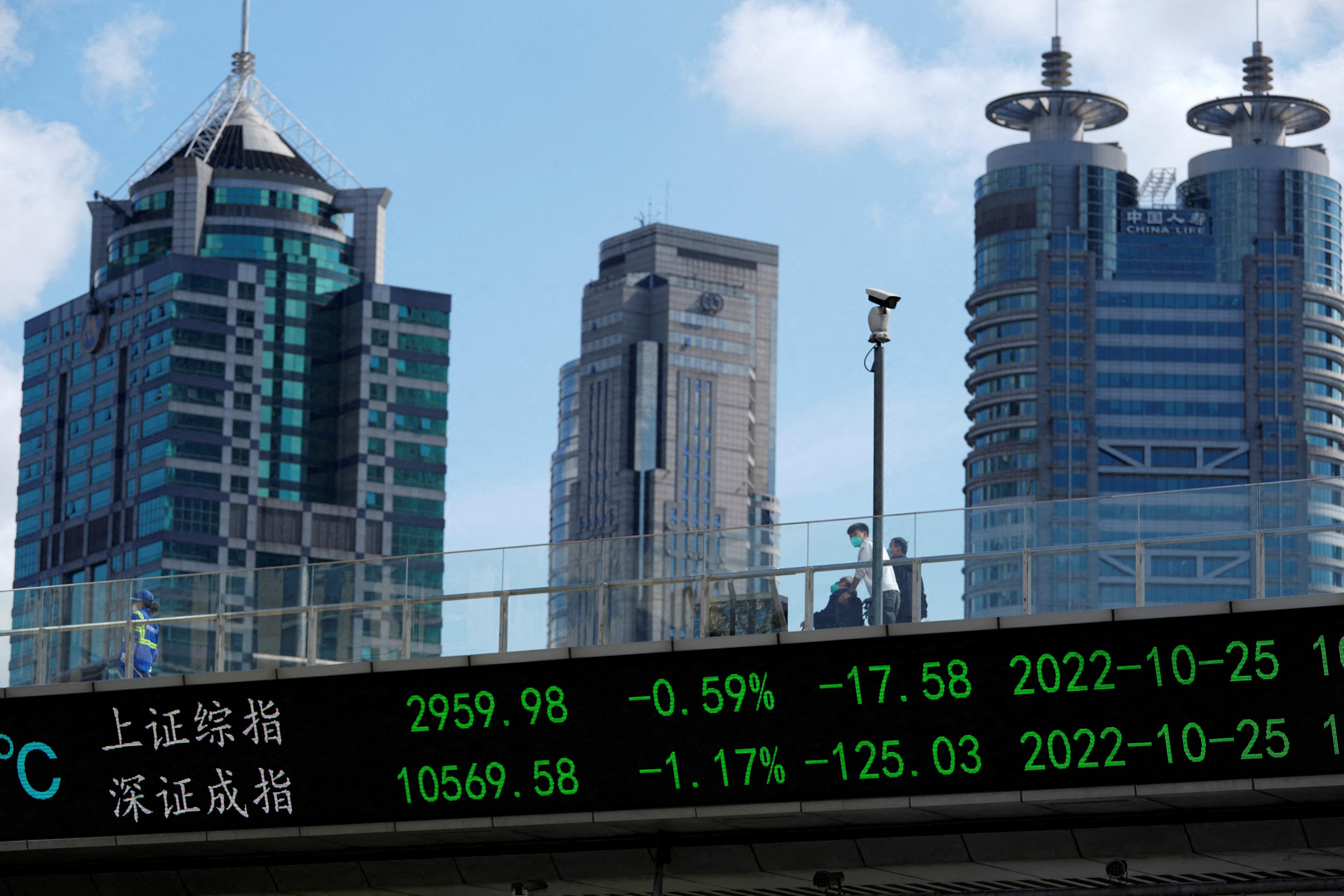
LONDON, Dec 1 (Reuters) - Even allowing for China's messy cyclical ebb and flow and global political tensions of the day, the exit of long-term foreign capital from the world's second-biggest economy is startling. China's spluttering post-Covid recovery this year and the depth of its unfolding property bust has reasonably seen a dramatic underperformance of Chinese markets - compounded by geopolitical posturing that's sowing long-term doubts about both domestic regulation and the country's strategic orientation. Tactical traders desperate to retain a presence in the giant Chinese economy and hungry for "cheap" valuations in a relatively expensive global marketplace continue to tout its attractions and predict turning points. But the exit of longer-term investors paints a far more worrying picture and suggests deeper-seated concerns. A survey by the Official Monetary and Financial Institutions Forum of 22 public pension and sovereign wealth funds managing $4.3 trillion in assets showed not one had a positive outlook for China's economy or saw higher relative returns there. Three-quarters of them cited regulation and geopolitics as chief deterrents. Preferring to concentrate on inflation-proofing portfolios over the next two years, mainly via infrastructure investments or "green" assets, almost a third of these gigantic funds plan to increase allocations to Europe and North America. They showed little or no appetite to boost emerging market holdings at large. Even within existing emerging market exposure, India was now identified as the most favoured play. And Brazil was seen on par with China, where 80% said their only exposure was now solely due to its inclusion in benchmark indexes. With an otherwise huge focus on green investments and the energy transition, that aversion toward emerging markets may seem at odds with climate concerns. But the extent of the political and economic jitters merely mirrors other signs of a long-term China exit well beyond portfolio flows. Earlier this month, China recorded its first-ever quarterly deficit in "bricks and mortar" foreign direct investment (FDI). Direct investment liabilities - a broad measure of FDI that includes foreign companies' retained earnings in China - were in deficit to the tune of $11.8 billion in the July-September period. That was the first quarterly shortfall since China's foreign exchange regulator began compiling the data in 1998 and likely was linked to the impact of "de-risking" by Western countries from China, as well as China's interest rate discount. And the number reflects comments earlier this year from U.S. Commerce Secretary Gina Raimondo, who in a tense trip to Beijing claimed many U.S. businesses now saw China as "uninvestable". 'MORE THAN WORDS' Nicholas Lardy, a non-resident senior fellow at the Peterson Institute for International Economics in Washington, points out the data imply foreign firms in China are not only declining to reinvest earnings but - for the first time - are large net sellers of existing investments to Chinese companies and are repatriating the funds. Those outflows, estimates Lardy, exceeded $100 billion in the first three quarters of 2023. Alongside the global tensions, regulatory crackdowns and cross-border investment curbs that affected new equity listings and mergers and acquisitions, Lardy points to Beijing's closure of foreign consultancy and due diligence firms critical to foreigners' evaluation of potential new investments. Chinese President Xi Jinping's assertion in San Francisco this month that China's modernisation offers huge opportunity for the world will do little to revive the net FDI inflows the country has enjoyed for more than four decades, Lardy said. "A safe assumption is that it will take more than words to accomplish this objective," he wrote. What's more, a multi-year aversion to China investments then risks colliding with deteriorating long-term economic growth dynamics - heightened by rising youth unemployment and dire demographics. So what of the cyclical economy in the short term and "cheap" assets? Despite some recent upgrades of China growth forecasts, yet another business survey this week raised red flags. Manufacturing activity shrank for a second straight month in November and at a quicker pace, suggesting ever more stimulus will be needed to restore confidence. And much of the shorter-term debate then returns to what level of government support is yet needed and what is coming - and what it can do to put a line under the real estate crash. No surprise then that easier credit forms a centrepoint of any short-term trading opportunities being discussed. But, as Morgan Stanley strategists point out, there may be no obvious quick fix for the property bust. "There is no easy way out of the housing conundrum, or any deleveraging crisis: losses need to be recognised, bad debts need to be restructured and new equity support - or a bailout - might be needed to limit the scope of 'collateral damage' as some undershooting is often inevitable," they said. That then leaves any value hunters skulking on the sidelines even if, as Morgan Stanley's team suggests, there's "a bias to get more constructive" on China from some investors. And despite that short-term bias, it acknowledges "the conviction is very low." Turning longer-term funds around may take much longer still - and possibly require the sort of political changes Beijing itself may not even be willing to make. The opinions expressed here are those of the author, a columnist for Reuters https://www.reuters.com/markets/global-pension-funds-now-balking-china-mike-dolan-2023-12-01/
2023-12-01 08:40
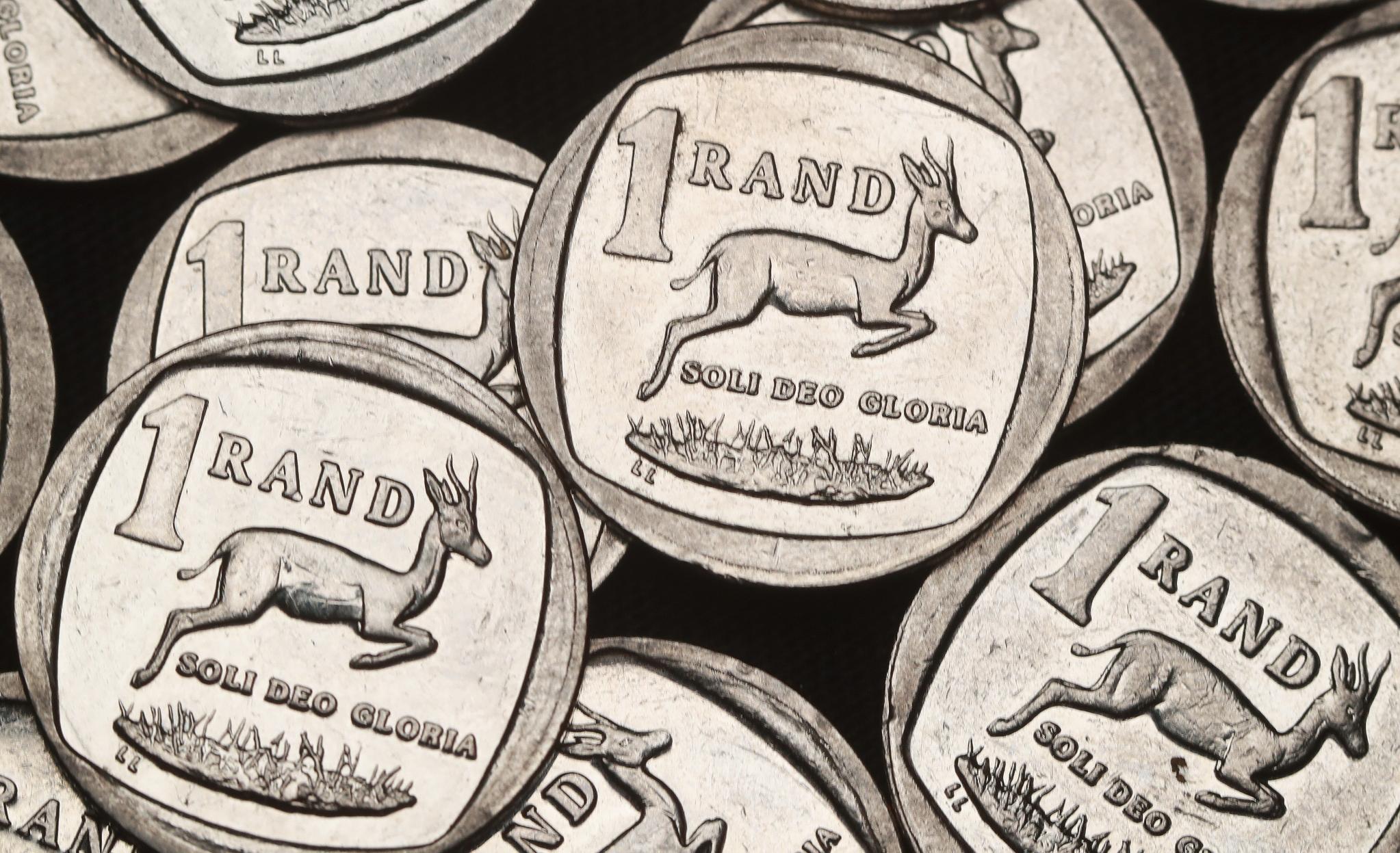
JOHANNESBURG, Dec 1 (Reuters) - South Africa's rand strengthened against the dollar on Friday, reversing its losses from the previous day, as U.S. Federal Reserve Chair Jerome Powell said the Fed would move "carefully" on interest rates. At 1619 GMT, the rand traded at 18.6150 against the dollar , about 1.2% stronger than its previous close. The dollar was last trading flat against a basket of global currencies, after falling in the wake of Powell's comments. Powell reaffirmed the U.S. central bank's intent to be cautious in its upcoming monetary policy decisions, but also said it was too early to declare the Fed's inflation fight finished. South Africa handed state-owned rail and ports firm Transnet a 47 billion rand ($2.5 billion) lifeline on Friday, which it said would help Transnet meet its immediate debt obligations. Transnet's single $1 billion international bond, which matures in 2028, rose on the news, with its price up as much as 1.8 cents to 98.9 cents, its highest price since Aug. 1 according to Tradeweb data . The logistics utility's underperformance has impacted commodity exports and other sectors such as manufacturing and retail, weakening Africa's most advanced economy. On the stock market, both the Top-40 (.JTOPI) index and the broader all-share (.JALSH) index ended the day about 0.2% higher. South Africa's benchmark 2030 government bond was unchanged, with the yield at 9.980%. https://www.reuters.com/markets/currencies/south-african-rand-little-changed-ahead-comments-by-feds-powell-2023-12-01/
2023-12-01 08:30
ZURICH, Dec 1 (Reuters) - Switzerland's economy grew by 0.3% during the third quarter, the government said on Friday, as the service sector helped offset stagnating manufacturing growth. The rate - adjusted for sporting events - was up from the flat development in gross domestic product in the previous April to June period, and was better than the 0.1% forecast in a Reuters poll. Year on year, the Swiss economy grew 0.9%, stronger than the 0.5% forecast. "The international environment remains challenging, with value added in industry stagnating accordingly," said the State Secretariat for Economic Affairs (SECO), noting however that the service sector was once again able to provide a support. GDP in the European Union, Switzerland's biggest export market, was flat in the third quarter, Eurostat said last month, while Swiss surveys have shown subdued economic activity. Switzerland's November manufacturing purchasing managers' index remained below the government's threshold of 50 for the eleventh month in a row, rising to 42.1 points, as production kept on contracting. "The weakness in manufacturing has spread to the labour market, with the employment component dropping to 46.0 points, its lowest level since October 2020 and the second consecutive print below the growth threshold," procure.ch and UBS wrote. The Swiss government said in September it expects the country's economy to grow by 1.3% this year, followed by a 1.2% increase in 2024, both slower than the country's long term average growth rate of 1.7%. It is due to give its latest forecasts on Dec. 13. https://www.reuters.com/world/europe/swiss-gdp-grows-by-03-third-quarter-2023-12-01/