2023-11-30 18:13
OTTAWA, Nov 30 (Reuters) - The Canadian economy unexpectedly contracted at an annualized rate of 1.1% in the third quarter, data showed on Thursday, avoiding a recession but showing growth stumbling ahead of next week's interest-rate decision. The third-quarter reading came in below the 0.2% gross domestic product (GDP) increase forecast by analysts in a Reuters poll, and below the Bank of Canada's (BoC) 0.8% projected gain. The economy avoided slipping into a technical recession - defined as two consecutive quarter-on-quarter contractions - because second-quarter GDP data was revised up to a 1.4% gain from an initial report of a 0.2% decline, Statistics Canada said. "I think the big picture here is the economy is struggling to grow, but it is keeping its head just above recession," said Doug Porter, chief economist at BMO Capital Markets. "I would almost say it's swimming upstream." After the release of the data, the Canadian dollar was trading 0.2% lower at 1.3620 to the U.S. dollar, or 73.42 U.S. cents, as the greenback notched gains against a basket of major currencies. The BoC has remained on the sidelines since July after lifting its benchmark interest rate to a 22-year high of 5% to tame inflation. Money markets expect a rate cut as soon as March and a hold at the next announcement on Wednesday. "The bottom line is that the economy is still sputtering along," said Royce Mendes, head of macro strategy at Desjardins Group. "Our view continues to see the Bank of Canada beginning a rate-cutting cycle in the second quarter of 2024." Governor Tiff Macklem last week said interest rates might be at their peak because excess demand has vanished and weak growth is expected to persist for many months. The BoC will start cutting interest rates in the second quarter of next year as inflation and the economy slow, according to a Reuters poll published earlier on Thursday. "If you look at the data in aggregate for the Bank, what this means is that conditions are tight enough for now," said Bipan Rai, North America head of FX Strategy at CIBC Capital Markets. Real GDP most likely edged up 0.2% in October after a 0.1% gain in September, Statscan said. A decrease in exports and slower inventory accumulation weighed on the economy in the third quarter and were partially offset by increases in government spending and housing investment, Statscan said, noting that new housing construction increased for the first time since early 2022. The month-over-month GDP gain in September, led by goods-producing industries, exceeded analysts' forecast for it to remain flat. In an advance estimate for October, Statscan said increases in mining, quarrying, and oil and gas extraction, retail trade, and construction sectors were partially offset by decreases in the wholesale trade sector. https://www.reuters.com/markets/canadas-economy-shrinks-11-q3-growth-seen-october-2023-11-30/

2023-11-30 18:09
Consumer spending increases 0.2% in October Personal income gains 0.2%; saving rate climbs to 3.8% Core PCE price index rises 0.2%; up 3.5% year-on-year Weekly jobless claims rise 7,000 to 218,000 Continuing claims jump 86,000 to 1.927 million WASHINGTON, Nov 30 (Reuters) - U.S. consumer spending rose moderately in October, while the annual increase in inflation was the smallest in more than 2-1/2 years, signs of cooling demand that bolstered expectations the Federal Reserve's interest rate hiking campaign was over. Those hopes were reinforced by other data on Thursday showing the labor market gradually easing. More Americans applied for unemployment benefits last week and the number on jobless rolls surged to a two-year high in mid-November. Though the rise in the so-called continuing claims was consistent with anecdotal evidence of slowing demand for labor, it also reflected challenges adjusting the data for seasonal fluctuations following an unprecedented surge in filings for unemployment benefits early in the COVID-19 pandemic. "The data this morning provide more ammunition for (Fed Chair Jerome) Powell and others at the Fed who are looking at an extended hold for policy, rather than an additional rate hike to curb inflation pressures," said Conrad DeQuadros, senior economic advisor at Brean Capital in New York. "There is a hint that searches for a new job by recently laid-off individuals may be taking longer." Consumer spending, which accounts for more than two-thirds of U.S. economic activity, increased 0.2% last month after an unrevised 0.7% gain in September, the Commerce Department's Bureau of Economic Analysis said. The increase was in line with economists' expectations. A 0.4% rise in outlays on services, including healthcare, housing and utilities as well as international travel, was partially offset by a 0.2% drop in spending on goods like new light trucks, probably the result of shortages caused by the recently ended United Auto Workers strike. The moderation in consumer spending followed a brisk growth pace in the third quarter and reflects the impact of higher borrowing costs and depleted excess savings among low-income households. Though wages remain elevated, the pace of increase has slowed from earlier in the year as labor market momentum ebbs. Personal income rose 0.2% last month after climbing 0.4% in September. Wages edged up 0.1% after rising 0.5% in September. Slower wage growth is seen combining with the resumption last month of student loan repayments for millions of Americans to crimp spending next year. Fears that the economy could slide into recession in early 2024 could see households reluctant to spend and instead build their savings. The saving rate rose to 3.8% from 3.7% in September. So far, the economy has defied predictions of a recession, growing at a robust 5.2% annualized pace in the third quarter, the fastest in nearly two years. Inflation-adjusted consumer spending rose 0.2% last month. Economists expect spending this quarter to slow to around a 2% pace. Most believe the economy will settle into a period of very slow growth, and avoid an outright recession. The Atlanta Fed lowered its fourth-quarter GDP growth estimate to a 1.8% rate from a 2.1% pace earlier. Stocks on Wall Street rose, with the Dow Jones industrial index (.DJI) touching its highest level this year. The dollar gained versus a basket of currencies. U.S. Treasury prices fell. INFLATION COOLING Inflation as measured by the personal consumption expenditures (PCE) price index was unchanged in October after rising 0.4% in September. Food prices climbed 0.2% and the cost of energy products fell 2.6%. In the 12 months through October, the PCE price index increased 3.0%. That was the smallest year-on-year gain since March 2021 and followed a 3.4% advance in September. Excluding the volatile food and energy components, the PCE price index gained 0.2% last month. The so-called core PCE price index rose 0.3% in September. Monthly inflation readings of 0.2% on a sustainable basis are needed to bring inflation back to the U.S. central bank's 2% target, according to economists. The core PCE price index advanced 3.5% on a year-on-year basis in October, the smallest rise since April 2021, after increasing 3.7% in September. The so-called super core, which is PCE services excluding energy and housing, rose 0.1% after increasing 0.4% in the prior month. The super core was up 3.9% year-on-year in October, slowing from a 4.3% increase in September. The Fed tracks the PCE price indexes for monetary policy. Policymakers are watching the super core PCE price index to try and gauge their progress in combating inflation. Subsiding demand and inflation have raised optimism that the Fed is probably done raising rates this cycle, with financial markets even anticipating a rate cut in mid-2024. Policymakers on Thursday suggested that rate hikes were likely over, but pushed back on market expectations that there will be a quick pivot to rate cuts. Since March 2022, the Fed has raised its benchmark overnight interest rate by 525 basis points to the current 5.25%-5.50% range. A separate report from the Labor Department showed initial claims for state unemployment benefits increased 7,000 to a seasonally adjusted 218,000 for the week ended Nov. 25. The number of people receiving benefits after an initial week of aid, a proxy for hiring, increased 86,000 to 1.927 million during the week ending Nov. 18, the highest since November 2021, the claims report showed. Some economists were skeptical of the jump in continuing claims noting difficulties stripping out seasonal fluctuations from the data. Goldman Sachs estimated that seasonal distortions accounted for the 269,000 increase in continuing claims since early September, and expected them to raise the level by an additional 125,000 by next March. "We should keep in mind, however, that the seasonal adjustment process for the continuing claims data looks unusual relative to past comparable years so the recent upward trend in filings may not be a reliable reflection of underlying conditions in the labor market," said Daniel Silver, an economist at JPMorgan in New York. Still, the labor market is cooling in tandem with overall demand in the economy. The Fed's Beige Book report on Wednesday described demand for labor as having "continued to ease" in the several weeks to mid-November, with most districts reporting "flat to modest increases in overall employment." https://www.reuters.com/markets/us/us-consumer-spending-slows-october-weekly-jobless-claims-rise-slightly-2023-11-30/

2023-11-30 17:16
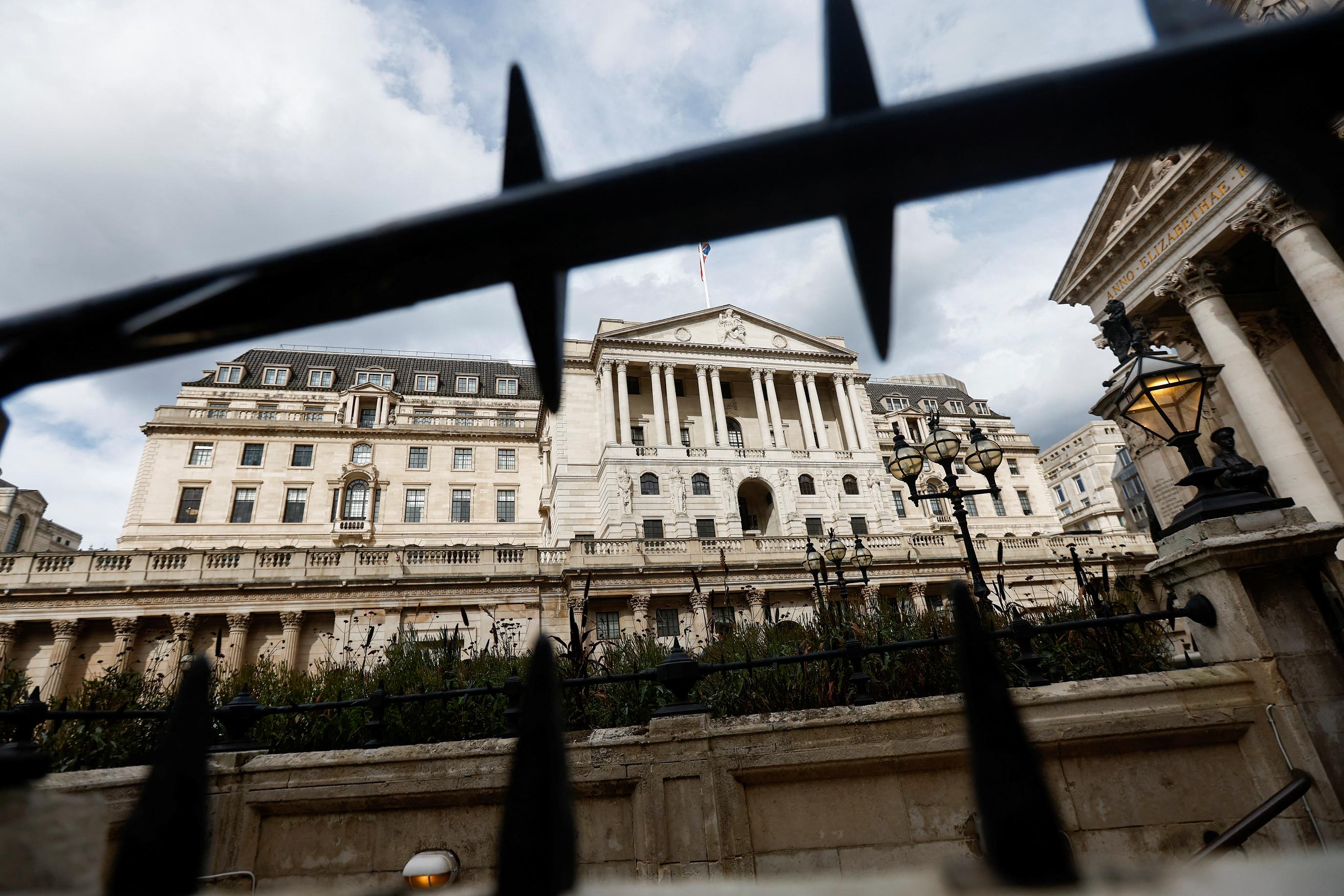
LONDON, Nov 30 (Reuters) - Bank of England interest rate-setter Megan Greene said interest rates might have to stay high for an extended period as she was more worried about persistently high inflation than some recent data suggesting the economy is in a downturn. Greene - among the BoE's policymakers who are most worried about inflation - acknowledged the growing risk that higher borrowing costs might exacerbate some signs of weaker activity, making borrowing cost decisions "more finely balanced." "But the data on output remains mixed, and I continue to worry more about inflation persistence," Greene said in the text of a speech she gave at Leeds University on Thursday. Greene voted to keep on raising rates at the last two meetings of the BoE's Monetary Policy Committee but most of her colleagues opted to keep them at a 15-year high, after 14 back-to-back increases between December 2021 and August this year. Greene said she believed that the labour market might generate more inflation heat than in the past and the real neutral interest rate - which neither stimulates nor restricts the economy - might also be higher. "These shifts ... suggest policy may have to be restrictive for an extended period of time in order return inflation to 2% over the medium-term," she said in her speech. In a subsequent question-and-answer session, Greene said doing too little with monetary policy was a bigger risk than doing too much, and a stronger-than-expected purchasing managers' survey published last week and resilient consumer confidence suggested the economy could be stronger than thought. "I think that there is not only a risk of weaker activity than expected, there's also a risk of stronger activity than expected, and that's why I continue to put my focus on inflation persistence," she said. Another risk was that tension in the Middle East could push up energy costs and inflation. "I've been a bit surprised by pricing in the energy markets that none of that has really been priced in yet. But I do think that it's a risk," Greene said. "As central bankers, we worry about inflation expectations becoming de-anchored," she said. "I don't think that they have been, but if we had another energy shock, then we would have inflation higher than target for even longer and there is a worry about inflation expectations becoming more de-anchored." The BoE is widely expected to keep rates on hold on Dec. 14 after its next meeting. Investors are fully pricing a first cut only in August next year. Governor Andrew Bailey and other top officials have stressed they are not close to such a move. https://www.reuters.com/world/uk/boes-greene-says-rates-might-need-stay-high-extended-period-2023-11-30/
2023-11-30 17:06
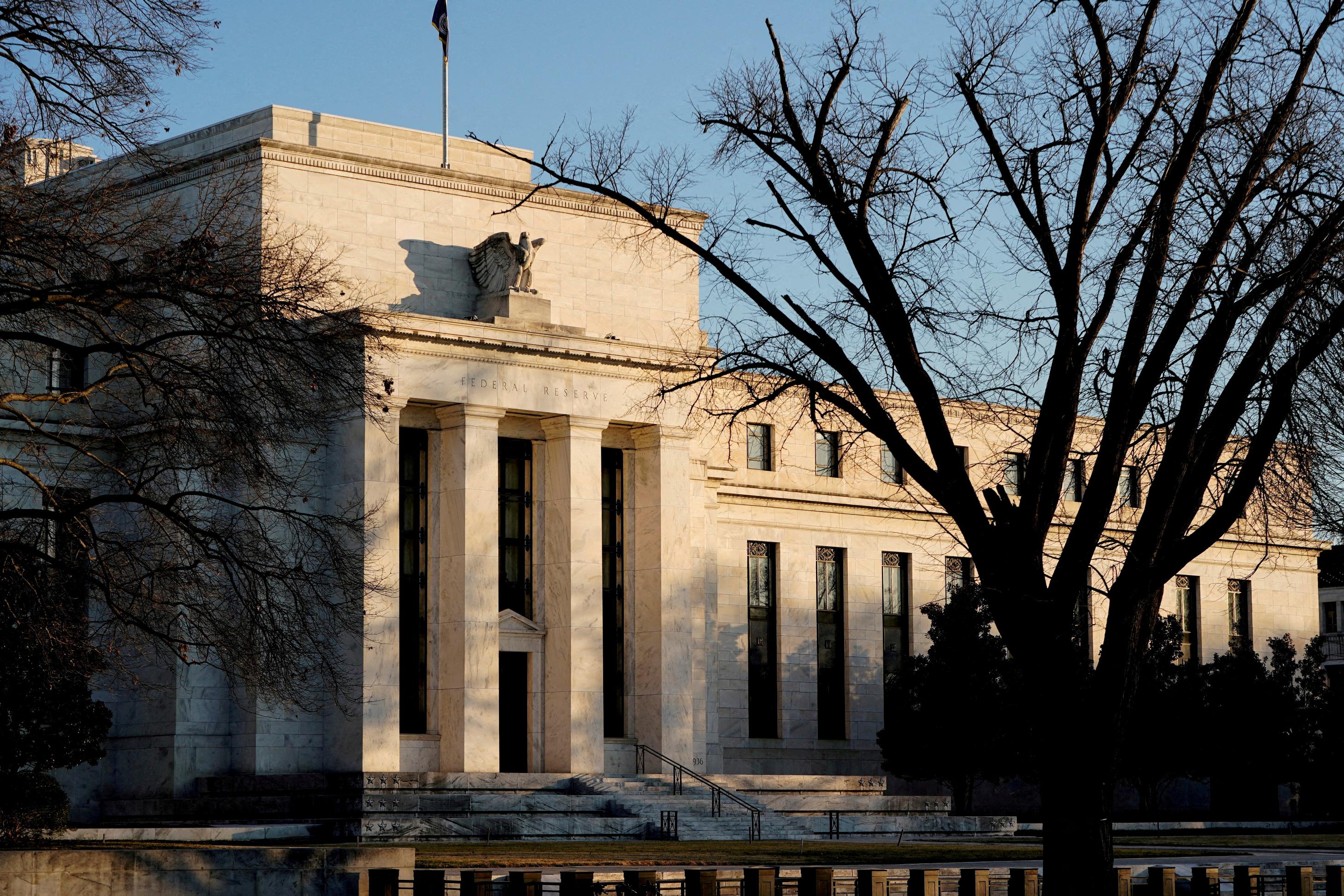
NEW YORK, Nov 30 (Reuters) - The Federal Reserve will likely hesitate to cut interest rates next year for fears of a rebound in inflation, but by keeping interest rates high for long it will reduce the chances of a U.S. economic soft landing, an executive at Vanguard said The world's second-largest asset manager expects a mild U.S. recession in 2024 which will prompt the Fed to start cutting interest rates at some point in the second half of next year, Roger Aliaga-Diaz, global head of portfolio construction at Vanguard, told Reuters on Thursday. While economic data would currently point to a so-called soft landing, which is a scenario in which inflation comes down without a recession, fears that price pressures could rise again are likely to prompt the Fed to keep interest rates high for longer than they should, he said. "The risk of the Fed is asymmetric: the risk of cutting too early and inflation flaring up is much worse than the risk of staying higher and going into a mild recession," he said. Data showing that consumer spending and inflation rose moderately last month provided more evidence that the Federal Reserve could cease hiking interest rates, backing recent moves in financial markets that have cheered the likely end of the most aggressive U.S. tightening cycle in four decades. Traders are betting that the Fed will hold interest rates steady for three more meetings before starting to cut interest rates in May - earlier than previously expected. Vanguard, which manages $7.6 trillion in assets, expects gross domestic product growth next year to be 0.5%, with one or two quarters of negative growth. The Fed will likely cut rates by 100 to 150 basis points next year, said Aliaga-Diaz. In coming meetings, the central bank will likely keep interest rates on hold but it will keep open the possibility of additional hikes, he said. "The reputation risk for them is so big ... they don't want to do a victory lap too early," he said https://www.reuters.com/markets/us/overly-cautious-fed-could-lead-mild-us-recession-next-year-vanguard-2023-11-30/
2023-11-30 16:31
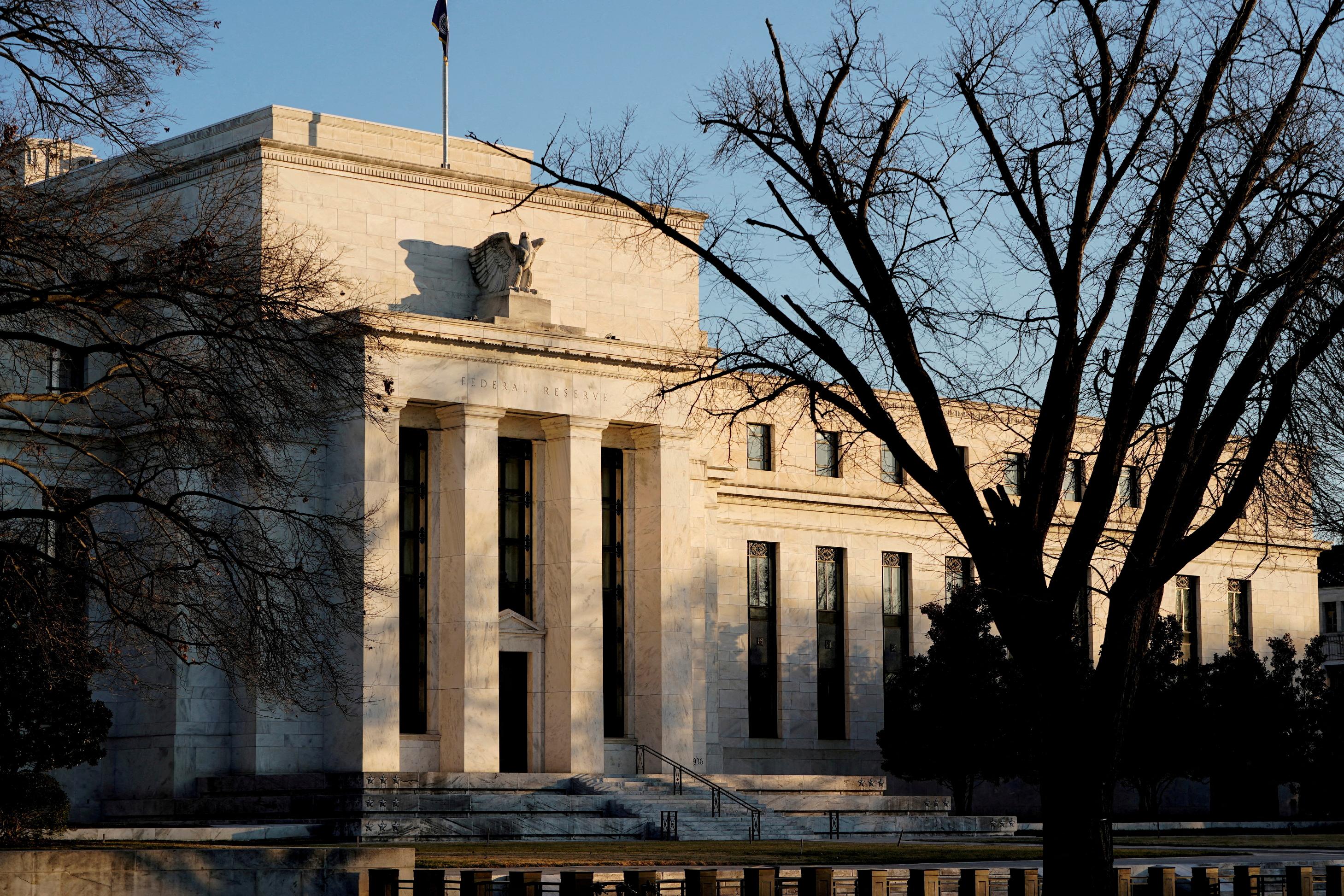
Nov 30 (Reuters) - The labels "dove" and "hawk" have long been used by central bank watchers to describe the monetary policy leanings of policymakers, with a dove more focused on risks to the labor market and a hawk more focused on the threat of inflation. The topsy-turvy economic environment of the coronavirus pandemic sidelined those differences, turning U.S. Federal Reserve officials at first universally dovish as they sought to provide massive accommodation for a cratering economy, and then, when inflation surged, into hawks who uniformly backed aggressive interest rate hikes. Now, as Fed policymakers note improvement on inflation and some cooling in the labor market but also stronger-than-expected economic growth, divisions are more evident, and the choices more varied: to raise rates again, skip for now but stay poised for more later, or take an extended pause. All 12 regional Fed presidents discuss and debate monetary policy at Federal Open Market Committee (FOMC) meetings that are held eight times a year, but only five cast votes at any given meeting, including the New York Fed president and four others who vote for one year at a time on a rotating schedule. The following chart offers a look at how officials currently stack up on their outlooks for Fed policy and how to balance their goals of stable prices and full employment. The designations are based on comments and published remarks; for more on the thinking that shaped these hawk-dove designations, click on the photos in this graphic. Reuters over time has shifted policymaker designations based on fresh comments and developing circumstances - for an accounting of how our counts have changed please scroll to the bottom of this story. Note: Fed policymakers began raising interest rates in March 2022 to bring down high inflation. Their most recent policy rate hike, to a range of 5.25%-5.50%, was in July. Most policymakers as of September expected one more rate hike by the end of this year, but recently many have expressed more confidence that none will be needed. Neither Jeff Schmid, who has been Kansas City Fed's president since August and will be a voter on the FOMC in 2025, nor Adriana Kugler, a permanent voter who was confirmed to the Fed's Board of Governors in September, have yet made any substantive policy remarks. The St. Louis Fed has begun a search to replace its former president, James Bullard, who took a job in academia; the new chief will be a voter on the policy-setting committee in 2025. Interim St. Louis Fed chief Kathleen O'Neill Paese appears to lean hawkish. Below is a Reuters count of policymakers in each category, heading into recent Fed meetings. https://www.reuters.com/markets/us/fed-hawks-doves-latest-us-central-bankers-2023-11-30/
2023-11-30 15:53
TOKYO, Nov 30 (Reuters) - Harris Associates is finding plenty of investment opportunities in Europe, while taking a more cautious stance on Japan, its vice chairman and chief investment officer of international equities told Reuters. Harris Associates is a Chicago-based investment company that had $95 billion in assets under management as of the end of September. The firm, known for "value investing", is an affiliate of French Natixis Investment Managers. Vice Chairman David Herro said the company's Oakmark International funds were overweight Europe, with a particular interest in financial stocks. "Our attraction to the values is based on price and quality (of the company). Right now, the biggest pocket of value that we see is European equities," he said. Herro said European stocks, especially the German market, are undervalued in terms of their return on equity and price-earnings ratio, as equity prices have been driven down by energy prices and global events such as the war in Ukraine. Harris Associates, however, is approaching Japanese stocks more selectively, Herro said, adding the company's holdings have fallen as stock prices rose in the "Abenomics" rally. Compared to Europe, the Japanese market was not as undervalued and there is room for the return on equity to grow, he added. However, while the overall market might not present the same opportunities as Europe, Harris Associates finds stocks in certain sectors, such as IT services and human resource services, attractive. Drugstore stocks like Sugi Holdings (7649.T) and Sundrug (9989.T) were also worthwhile, he said. The price of stocks in Japan was one of the barriers preventing Harris Associates from taking a more bullish stance, Herro said, as these have ticked up since the early 2010s. As a result, Harris Associates' proportion of Japanese stocks dropped from as high as 23-24% to nearly zero at one point. Its most recent ratio stood around 3-4%. Herro said Harris Associates would like to see more pressure from the Tokyo Stock Exchange and shareholders, including Japan's Government Investment Pension Fund, on companies to improve capital efficiency and balance sheets. "There is opportunity, but you just have to remove a lot of dirt and a lot of rocks, and filter to find gold. So it’s there, it’s just hard to find it," adding that the conditions to find such nuggets of gold in Japan are "getting better". https://www.reuters.com/business/finance/harris-associates-says-cautious-japan-all-europe-2023-11-30/