2023-11-30 05:53
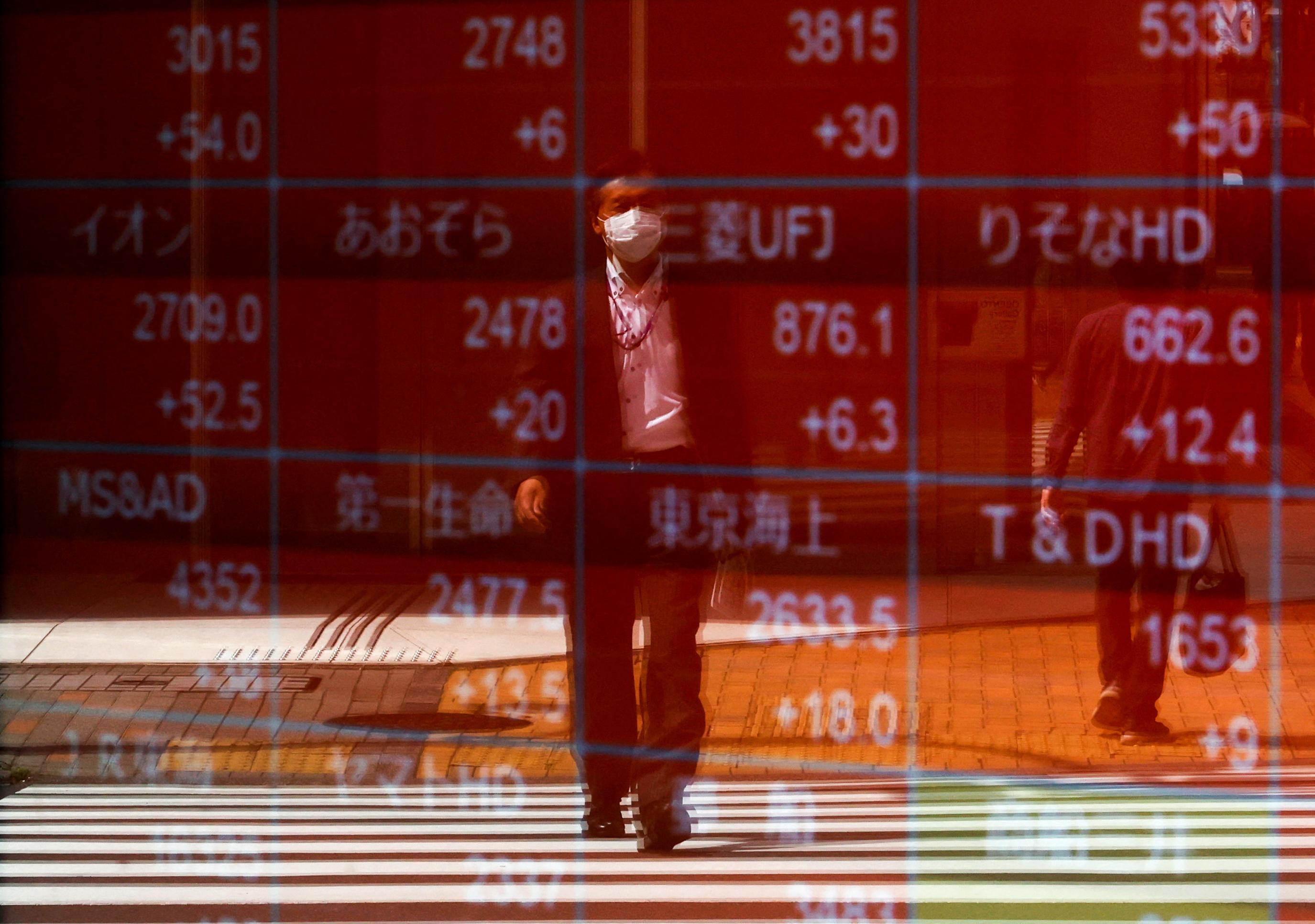
Stock indexes show biggest monthly gain since Nov 2020 Treasury yields gain along with U.S. dollar Oil falls after OPEC+ meeting Graphic: World FX rates NEW YORK/LONDON, Nov 30 (Reuters) - MSCI'S global stock index rose on Thursday while the Dow closed at its highest level since mid-January 2022, and bond yields and the dollar gained after Federal Reserve officials sounded caution about interest rate cuts. The U.S. Commerce Department said consumer spending, which accounts for more than two-thirds of U.S. economic activity, increased 0.2% last month in line with economists' expectations. The annual inflation increase was the smallest in more than 2-1/2 years, signaling cooling demand. U.S. Treasury yields climbed even after economic data provided more evidence that the Fed could end rate hikes. After a sharp decline in recent weeks, the benchmark 10-year yield is on pace for its biggest monthly drop since August 2011. The dollar gained as investors took profits on bets it would weaken further and shrugged off economic data suggesting the Fed could be done hiking rates. "Just about all the data today was favorable for investors. Most importantly, we continue to see a deceleration in the Fed's preferred measure of inflation, the core PCE price index," said Russell Price, chief economist at Ameriprise Financial Services Inc, in Troy, Michigan. He said this "should be a good thing for Fed decision-making in the next few meetings." While the closely watched U.S. inflation data was in line with economists' expectations, some traders appeared to have priced in slower inflation, said John Augustine, chief investment officer at Huntington Private Bank. "The market was anticipating that there would be a downside surprise, that inflation would come down faster and spending would fall faster than consensus," said Augustine. Also on Thursday, Fed policymakers offered mixed messages with pushbacks on investor bets for a quick pivot to rate cuts. New York Fed Bank President John Williams said if price pressures and imbalances persist "additional policy firming may be needed." And San Francisco Fed President Mary Daly said she is thinking about whether policy is "sufficiently restrictive to restore price stability" rather than about rate cuts. MSCI's gauge of stocks across 47 countries (.MIWD00000PUS) rose 0.2%, on track for a monthly gain of 9%, after three straight months of declines. This would mark its biggest monthly percentage increase since 2020 when investors reacted to the first COVID-19 vaccine breakthroughs. Earlier the pan-European STOXX 600 index(.STOXX) had closed up 0.55%, confirming its biggest monthly percentage gain since January as weak economic data from Europe bolstered bets for rate cuts. The Dow Jones Industrial Average (.DJI) rose 520.47 points, or 1.47%, to 35,950.89, the S&P 500 (.SPX) gained 17.22 points, or 0.38%, at 4,567.8 and the Nasdaq Composite (.IXIC) dropped 32.27 points, or 0.23%, to 14,226.22. The Dow, which is an index of 30 blue-chip U.S. stocks, hit its highest intraday level so far in 2023 and registered its biggest monthly percentage gain since October 2022. Its biggest boost came from Salesforce Inc (CRM.N) after the company's strong quarterly report. Yields in U.S. Treasuries and bonds of other major countries have tumbled in November from peaks of more than a decade in October. U.S. Treasury yields, which usually drive global borrowing costs, have fallen the most since 2008. On Thursday, benchmark 10-year notes were up 7.1 basis points at 4.342%, from 4.271% late on Wednesday. The 30-year bond was last up 5.8 basis points to yield 4.509% while the 2-year note was up 5.5 basis points to yield 4.703%. In currencies, the dollar index rose 0.681%, with the euro down 0.76% to $1.0885. The Japanese yen weakened 0.66% versus the greenback at 148.21 per dollar, while Sterling was last trading at $1.2624, down 0.55% on the day. In energy, oil prices settled lower after OPEC+ producers agreed to first-quarter oil output cuts that fell short of market expectations. U.S. crude settled down 2.44% at $75.96 per barrel and Brent ended at $82.83, down 0.32% on the day. Gold prices fell on Thursday but eyed a second straight monthly gain as expectations the Fed could cut interest rates enhanced the appeal of non-yielding bullion. Spot gold dropped 0.4% to $2,035.94 an ounce. U.S. gold futures fell 0.52% to $2,036.40 an ounce. https://www.reuters.com/markets/global-markets-wrapup-1-2023-11-30/
2023-11-30 05:53
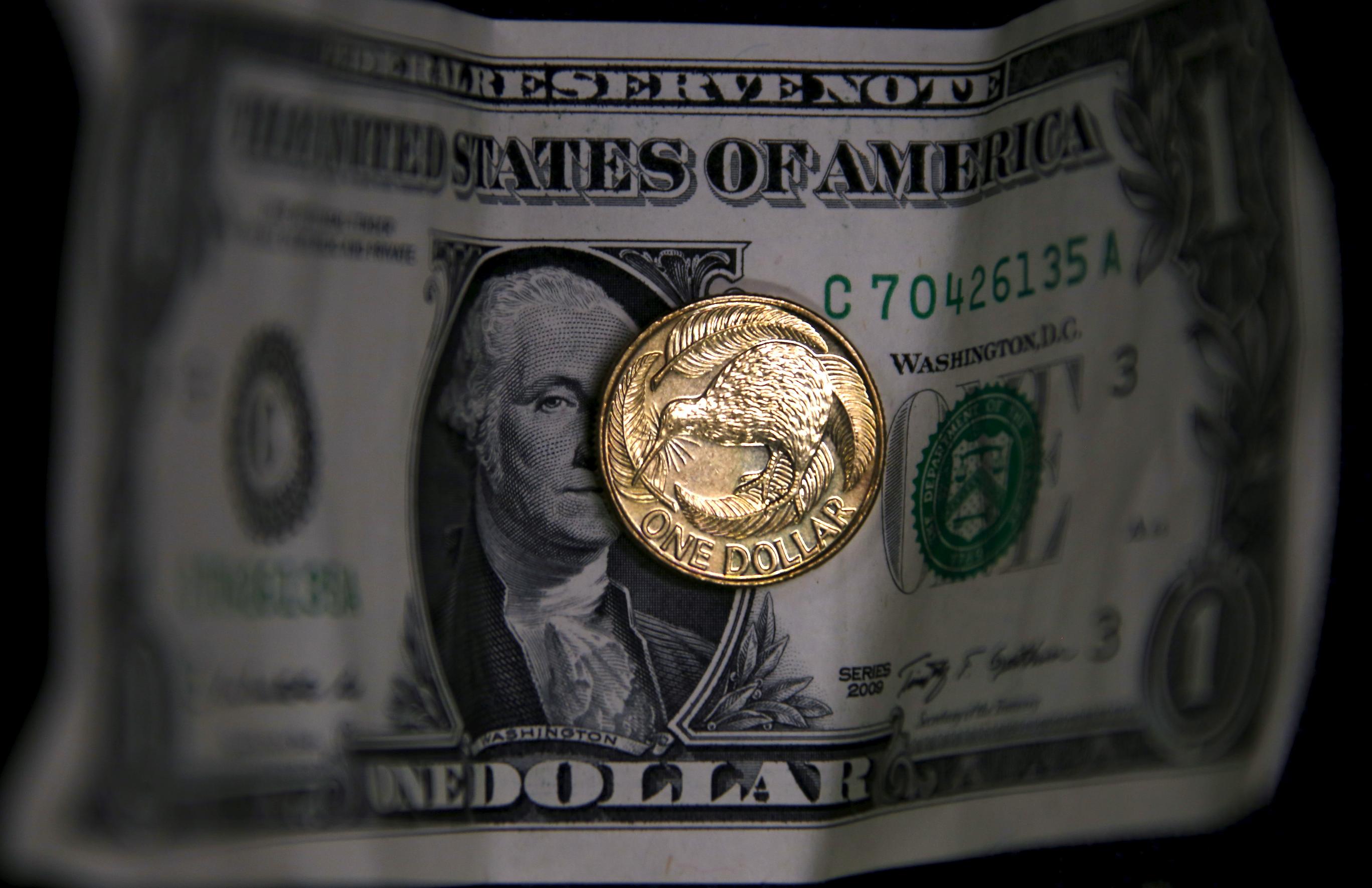
Euro falls after inflation data Dollar rises, but set for weakest month in a year U.S. inflation moderates in October Yen back from the brink; strongest month in 2023 Month-end activity muddles FX action NEW YORK, Nov 30 (Reuters) - The dollar gained on Thursday as investors took profits on bets the currency would weaken further and shrugged off data showing signs the U.S. economy is slowing. Thursday's economic data suggested that the Federal Reserve is likely done raising interest rates and may start easing by the middle of next year, typically a dollar-negative factor. Euro weakness after a soft euro zone inflation report also partly helped boost the greenback, analysts said. The dollar index, which measures its value against six major currencies, rose 0.6% to 103.38 and was on track to post its best daily gain in more than a month. On a monthly basis, the dollar has posted a 3% loss, on pace for its worst monthly showing in a year. Some analysts said the dollar may have benefited from month-end demand, as investors squared up positions for November, a period that featured a sharp sell-off in the U.S. currency with the market pricing in rate cuts next year. Others, however, expected a dollar sell-off at month-end with stocks' sharp gains for November. There were sell dollar signals at some of the biggest U.S. banks, analysts said. "We were expecting dollar selling at month-end given how much U.S. equities rallied. That typically means foreign asset managers would have sold dollars forward," said Vassili Serebriakov, FX strategist, at UBS in New York. "But it's possible that some of the selling happened earlier in the month. So maybe there's less dollar selling at month end." Dollar gains persisted despite reports that showed U.S. inflation continued to moderate in October and jobless claims rose in the latest week suggesting a slowing labor market. Inflation as measured by the personal consumption expenditures (PCE) price index was unchanged in October after climbing 0.4% in September. In the 12 months through October, the PCE price index increased 3.0%. That was the smallest year-on-year gain since March 2021 and followed a 3.4% advance in September. Meanwhile, initial claims for state unemployment benefits increased 7,000 to a seasonally-adjusted 218,000 for the week ended Nov. 25. Economists had forecast 226,000 claims. In other currencies, the euro fell after euro zone inflation eased by more than forecast this month, fuelling bets of early European Central Bank rate cuts. Consumer price growth in the 20 countries that share the euro currency dropped to 2.4% in November from 2.9% in October, well below expectations for a fall to 2.7%. The euro last changed hands at $1.0889 against the dollar, down 0.7% . It is still poised to show a monthly gain of 3%, the largest since November 2022. Against the yen, the dollar rose 0.7% to 148.20 yen . For November, the greenback was down 2.3%, on pace for its largest monthly fall since December last year. "The broader picture is that the dollar has weakened quite substantially in November. It's still probably a two-way risk from here in terms of the Fed December meeting," Serebriakov of UBS said. "The U.S. data hasn't slowed significantly. Inflation has but activity data remains relatively resilient," he added. U.S. rate futures have priced in about a 47% chance of a rate cut at the March 19-20, 2024 meeting, rising to about 78% probability at the April 30-May 1 meeting, the CME FedWatch Tool showed on Thursday. Overall, the rates market sees roughly 100 basis points (bps) of cuts by the end of 2024, according to LSEG data. ======================================================== Currency bid prices at 4:30PM (2130 GMT) https://www.reuters.com/markets/currencies/dollar-drifts-near-three-month-low-focus-inflation-data-2023-11-30/
2023-11-30 05:47
A look at the day ahead in European and global markets from Wayne Cole. Let's start with Treasuries because, if this were sports, we'd be calling it a comeback for the ages. Not long ago the market was collapsing so fast that, going by some headlines, civilisation as we know it was under threat. Now, with some encouraging hints from Fed officials, 10-year notes are poised to celebrate their best month since the 2008 global crash, with yields down 61 basis points for November so far. Yields on two-year paper are down 31 bps just this week, the steepest drop since the U.S. mini-banking crisis in March. And almost all of that came because one Fed governor said that, should inflation keep falling for a few months, then policy would need to be loosened just to stop real rates from rising. Then again, it did come from Governor Waller, normally such a reliable hawk that the sudden conversion to dovishness had a far greater impact. Markets also assume he would not have flagged such a possibility without running it by Fed Chair Powell first. And Powell just happens to have a Q&A appearance on Friday, so of course bulls are betting that he will accommodate their rate-cut wishes. Rarely has a "fireside chat" had so much staked on it. Futures have now fully priced in a quarter-point cut in May, and are even 50-50 for March. Fed fund futures for December next year have surged 35 ticks so far this week, taking the total easing expected for 2024 to 115 bps. Note that influential Fed New York President Williams is speaking later on Thursday, and he carries a lot of weight with investors. Markets will also be vulnerable to any upside surprise from the U.S. personal consumption expenditures (PCE) report, which they are counting on to echo the benign CPI data and show core inflation slowed to 3.5% in October. The European Union has inflation data of its own later on Thursday and analysts suspect the risks are for a downside surprise following subdued readings from Germany and Spain. The median forecast is already for the EU's HICP inflation to slow to 2.7%, the lowest since mid-2021. That is one reason futures are almost fully priced for an ECB rate cut as soon as April. The dizzying drop in Treasury yields has left the dollar looking a little green in the gills. The dollar index looks set for its worst month since November last year, with a loss so far of 3.7%. It is also down 3.1% on the yen , which if sustained would be the sharpest fall this year, while the euro is ahead by 3.8% for the month. The dollar has lost 2.6% on the yuan, a major move for such a tightly managed currency pair, and failed to get any lift from a rather disappointing China PMI survey on Thursday. Key developments that could influence markets on Thursday: - Appearances by ECB members Lagarde, Enria, McCaul and Jochnick - BoE Monetary Policy Committee member Greene speaks, as does Riksbank Deputy Governor Bunge - EU HICP flash inflation data for Nov, German retail sales and unemployment figures, French CPI, PPI and consumer spending - U.S. data on PCE, weekly jobless claims, pending home sales and the Chicago PMI https://www.reuters.com/markets/europe/global-markets-view-europe-2023-11-30/
2023-11-30 05:22
JAKARTA, Nov 30 (Reuters) - Indonesia's oil and gas lifting is expected to come in below target this year due to disruptions like a pipe leakage and a fire at a power cable, the country's upstream oil and gas regulator SKK Migas said on Thursday. Extrapolating on output data between January to October, SKK Migas chief Dwi Soetjipto estimated this year's oil lifting will stand at 606,300 barrels per day (bpd), below a target of 660,000 bpd. Gas lifting for the year was estimated at 5,400 million standard cubic feet per day (mmscfd), also below this year's 6,160 mmscfd target, he said. Last year's oil lifting was 612,300 bpd, while gas lifting was 5,347 mmscfd. Dwi blamed incidents in aging facilities operated by Pertamina's units in offshore northwest Java and southeast Sumatra in the third quarter for the drop in oil lifting. Indonesia's oil and gas production has also been hit by project delays due to the COVID-19 pandemic, Dwi said. https://www.reuters.com/business/energy/indonesias-2024-oil-gas-lifting-estimated-below-targets-upstream-regulator-2023-11-30/

2023-11-30 05:07
LONDON/NEW YORK, Nov 30 (Reuters) - After making hay when a summer bond rout propelled the U.S. dollar to 10-month highs, hedge funds are now pondering what lies ahead for the greenback. The dollar, down 3.5% in November against a basket of other major currencies, is set for its worst monthly performance in a year as expectations of interest-rate cuts next year grow, toppling Treasury yields from multi-year highs. Five funds shared their views on the fate of the dollar. This does not represent recommendations or trading positions, which some hedge funds cannot reveal for regulatory reasons. 1/ AQR CAPITAL MANAGEMENT * Systematic asset manager * Size: $95 billion assets under management (AUM) * Founded in 1998 * Key trade: Long dollar, short Swiss franc Managing director Jonathan Fader believes that an end to U.S. rate hikes does not necessarily imply dollar weakness. Over the last 40 years, the dollar has tended to average steady or a bit stronger in the months following a final hike, says Fader, who is "constructive" on the currency. "In particular, growth trends in the U.S. look notably stronger than in most other major economies around the world," he said. Fader believes the best way to capitalise on ongoing dollar strength would be to buy the greenback against currencies exposed to negative price trends, weaker economic fundamentals and dovish monetary policy, such as the Swiss franc. The Swiss franc is up around 5% against the dollar so far this year . 2/ FLORIN COURT CAPITAL * Diversified systematic asset manager * Size: $1.8 billion AUM * Founded in 2016 * Key trade: Long Latin American emerging markets currencies/short dollar Doug Greenig, Florin Court's chief investment and executive officer, reckons the dollar will slowly decline as geopolitical tensions disperse power to different parts of the world. He expects the U.S. economy to slow sharply which, alongside falling inflation, will likely hurt the dollar against some emerging market currencies. "The year-on-year reduction in the U.S. broad money supply is huge. It's even bigger when you factor in the inflation-adjusted money supply," said Greenig, adding this would make it "very hard" to sustain growth. "This is the punch draining out of the punch bowl." Greenig noted that because many emerging market countries raised rates earlier and more aggressively than advanced economies, bond yields in countries such as Brazil, Colombia, Hungary and Poland look attractive. 3/ NWI MANAGEMENT LP * Global macro hedge fund * Size: $2.2 billion AUM * Founded in 1999 * Key trade: short offshore Chinese Yuan against a trade-weighted CFETS (China Foreign Exchange Trade System) basket of currencies (.CFSCNYI) Tara Hariharan, managing director of global macro research at NWI, said the hedge fund is structuring its currency bets to limit the effect of swings in the dollar, as the resilience of the U.S. economy has made it difficult to call a peak for the greenback. One of the trades she recommends involves China. Hariharan said yuan depreciation risks loom as China's capital outflows rise, multinationals repatriate more earnings and the economy slows further. "The yuan may be seasonally supported by Chinese New Year-related demand until late January but then may turn lower," she said. NWI also does not rule out a forced weakening of the yuan to improve China's export competitiveness. 4/ GARDE ASSET * Brazilian hedge fund, with global macro strategy * Size: $300 million AUM * Founded in 2013 * Key trade: Long Mexican peso Garde CEO Carlos Calabresi favours Mexico's currency because interest rates have been at an historic high of 11.25% since March and its balance of payments is in good shape. He also believes the country will receive huge foreign investment from so-called "nearshoring" as manufacturing capacity is moved closer to the U.S. market from, for example, Asia. These trends are likely to lead to a strengthening of the Mexican peso, which is up roughly 13% against the dollar this year. 5/ CIBC ASSET MANAGEMENT * Canadian asset manager, with an active currency strategy * Size: $145 billion AUM * Founded more than 50 years ago * Key trade: Long Brazilian real Michael Sager, CIBC Asset Management's head of multi-asset and currency management, believes the Brazilian real is likely to strengthen in the short term given a double-digit benchmark interest rate, currently 12.25%, that attracts foreign capital. The Brazilian real, trading at 4.8908 per dollar , is up roughly 8% so far this year against the dollar. Inflation, at around 5%, is also under control, as the Brazilian central bank was one of the first monetary authorities to begin hiking rates, said Sager. Additionally, Latin America's largest economy has strong exports and low debt levels compared to other major economies. "If you put all of those pieces together, to us this is what a strong fundamental country and currency should look like," he said. https://www.reuters.com/markets/us/how-hedge-funds-view-fate-king-dollar-2023-11-30/
2023-11-30 03:01
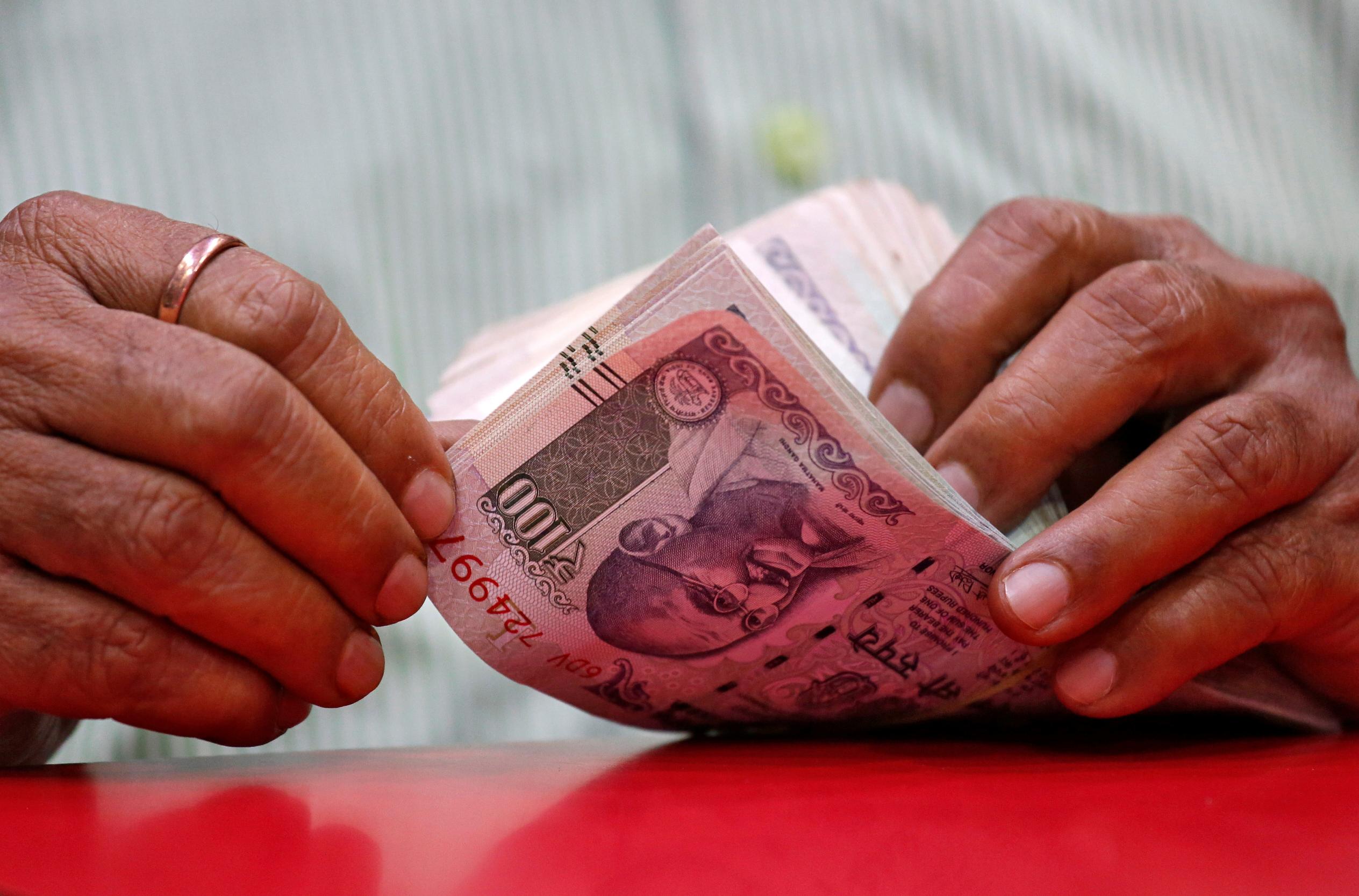
MUMBAI, Nov 30 (Reuters) - The Indian rupee is expected to open little changed on Thursday as persistent dollar demand countered increasing confidence that the U.S. Federal Reserve will cut rates in the second quarter of next year. Non-deliverable forwards indicate the rupee will open nearly unchanged from 83.3250 in the previous session. The rupee has not participated in the dollar's broad decline this month. The dollar index is down 3.6% this month, while the USD/INR is slightly higher. The rupee's "absolute lack of acknowledgement" to the changing dollar and the U.S. interest rate outlook is "confounding to say the least", an FX trader at a bank said. "Obviously, there is persistent dollar demand and then you have the absolute lack of interest." It was a relatively quiet day for Asian currencies on the last day of what has been a good month. The build-up in expectations that the Fed will deliver rate cuts in 2024 has pushed down U.S. Treasury yields and boosted Asian currencies. The 10-year U.S. Treasury yield has slumped 60 basis points (bps) in November and the two-year yield, which is Fed-outlook sensitive, is down more than 40 bps. Comments by Fed officials this week have prompted a further dovish recalibration of market expectations around rate cuts. Fed Governor Christopher Waller, a hawk, flagged a possible pivot ahead, prompting investors to fully price in a 25 bps rate cut in May next year. DBS said investors fully pricing in rate cuts by May was "a tad more aggressive" relative to their expectations that the first rate cut will be delivered in June. It expects a total of 100 bps of rate cuts in 2024. U.S. initial jobless claims data due later in the day will provide cues on the labour market, an important cue in the debate on rate cuts. KEY INDICATORS: ** One-month non-deliverable rupee forward at 83.3850; onshore one-month forward premium at 4.75 paisa ** Dollar index down at 102.76 ** Brent crude futures down 0.1% at $83 per barrel ** Ten-year U.S. note yield at 4.27% ** As per NSDL data, foreign investors bought a net $214.2mln worth of Indian shares on Nov. 28 ** NSDL data shows foreign investors bought a net $52.8mln worth of Indian bonds on Nov. 28 https://www.reuters.com/markets/currencies/rupee-battles-persistent-dollar-demand-face-dovish-fed-outlook-2023-11-30/