2023-11-27 20:40
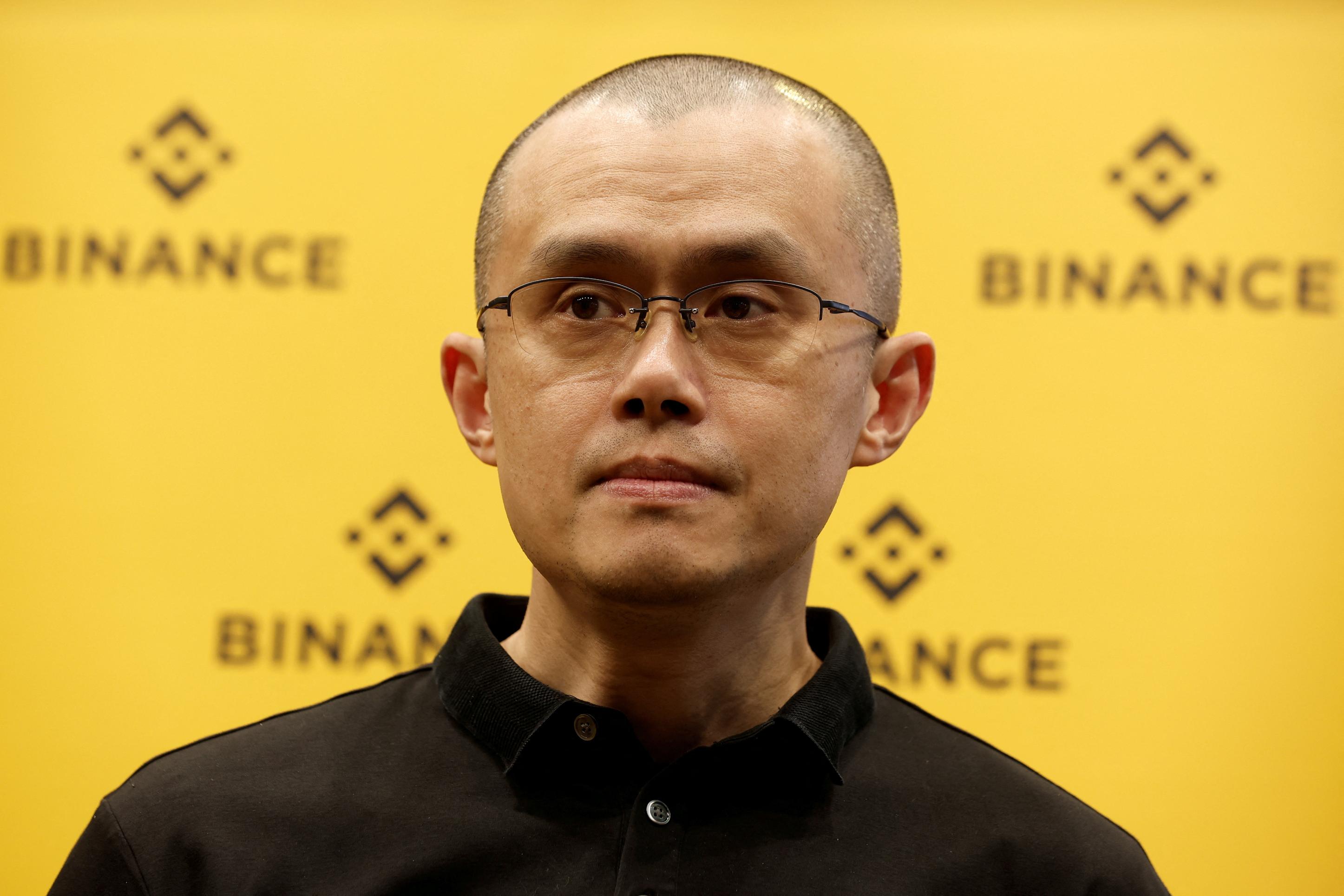
OSLO, Nov 27 (Reuters) - Danish shipping firm Maersk (MAERSKb.CO) has sold 20,000,000 shares in Norway's Hoegh Autoliners (HAUTO.OL), cutting its holding to zero, according to a stock exchange filing. The sale at a price of 90.00 Norwegian crowns ($8.34) per share represented approximately 10.48% of the share capital and votes in Hoegh Autoliners, the Norwegian firm said. ($1 = 10.7960 Norwegian crowns) https://www.reuters.com/markets/deals/denmarks-maersk-sells-remaining-share-holding-norways-hoegh-autoliners-2023-11-27/
2023-11-27 20:38
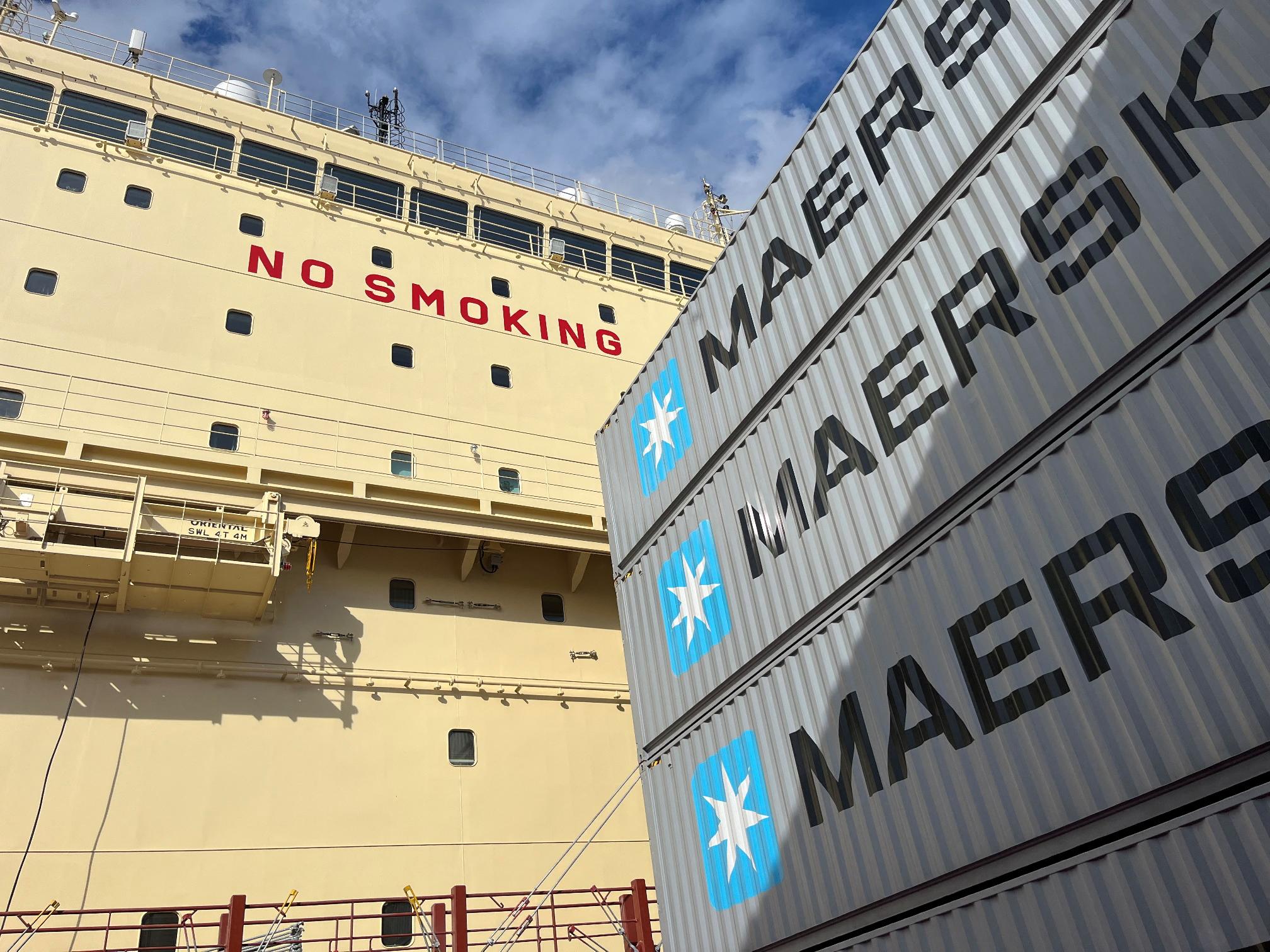
Nov 27 (Reuters) - Following a year of record heat and drought, this year's U.N. climate summit will feature a contentious set of issues for countries working to find common ground in tackling climate change, including whether to phase out fossil fuels and how to finance the energy transition in developing countries. Here are the key issues in the two-week COP28 negotiations starting Nov. 30 in Dubai. TAKING STOCK OF CLIMATE PROGRESS The main task at COP28 is a first-time assessment of countries' progress towards meeting the 2015 Paris Agreement's goal of limiting the global temperature rise to "well below" 2 degrees Celsius, while aiming for 1.5C. With global efforts lagging, countries will try during this "global stocktake" to agree on a plan to get the world on track to meet climate goals, which could include urgent steps towards cutting CO2 emissions or boosting green technology investments. As the COP28 talks begin, countries are at odds over whether this exercise should put the onus on all countries or just the world's wealthiest countries to do more because they released the most planet-warming emissions historically. Countries are expected to update their national emissions-cutting targets and plans by 2025. FUTURE OF FOSSIL FUELS The toughest talks at COP28 may focus on the future role of fossil fuels, and whether countries should commit to start phasing out the use of CO2-emitting coal, oil and gas. Countries agreed at COP26 to phase down the use of coal, but they have never agreed to quit all fossil fuels - the main source of planet-warming emissions. The United States, European Union and many climate-vulnerable countries are insisting on a final COP28 deal that commits countries to phase out fossil fuels. But the Group of 20 failed to agree on this point at their summit in July, and countries including Russia have said they would oppose a fossil fuel phase-out. While the UAE's incoming COP28 President Sultan al-Jaber has said the phase down of fossil fuels is "inevitable", countries are waiting to see if the UAE will push other oil-rich nations to back the idea at COP28. Jaber has faced criticism for his dual role as head of the UAE's state-owned oil and gas company ADNOC, and incoming president of the climate talks. TECHNOLOGIES TO TACKLE EMISSIONS The UAE and other countries whose economies are dependent on fossil fuels want COP28 to include a focus on nascent technologies designed to capture and store CO2 emissions underground. While the International Energy Agency says these emissions-abatement technologies are crucial for meeting global climate goals, they are also expensive and not currently used on a large scale. The EU and others worry they will be used to justify continued fossil fuel use. BOOSTING CLEAN ENERGY CAPACITY Countries will consider setting goals to triple renewable energy capacity and to double energy savings by 2030 - a proposal made by the European Union, United States and the UAE's COP28 presidency. This looks set to win broad support, with G20 major economies including China already backing the renewables goal. But the EU and some climate-vulnerable countries insist on pairing this pledge to boost renewables with phasing out fossil fuels, setting up a clash. FINANCING FOR THE COSTS OF CLIMATE CHANGE Tackling climate change and its consequences will take an astonishing amount of investment - far more than the world has budgeted so far. Developing countries will need at least $200 billion every year by 2030 to adapt to worsening climate impacts like coastal sea rise or storms, according to the U.N.. Additionally, they will need funding to help replace polluting energy with clean sources. There are also the costs of the damage already being caused by climate disasters. At COP28, countries will be tasked with setting up a "loss and damage" fund to help with this, which developing nations say should unlock at least $100 billion by 2030. These enormous price tags make the U.N. climate talks tense. Vulnerable nations want more money spent on adapting to a world that is sure to become warmer over the next few decades. They want wealthy nations, whose past CO2 emissions largely caused climate change, to pay up. The EU and U.S. have said they will put money in the climate damage fund at COP28, but they also talk about the need for private finance to help. Wealthy countries also face pressure to prove they have met an overdue climate funding pledge to provide $100 billion per year to developing countries. 'SIDE DEALS' Outside of the official U.N. negotiations, governments and companies will be making their own announcements. The United Arab Emirates plans to launch a voluntary pledge from oil and gas companies to cut emissions, in a bid to bring the fossil fuel industry into the climate fight. Other initiatives set to be announced on the sidelines of COP28 include pledges to curb emissions of the greenhouse gas methane, limit emissions from air conditioning and restrict private finance for coal plants. https://www.reuters.com/business/environment/whats-plan-this-years-cop28-climate-summit-2023-11-27/
2023-11-27 20:35
LISBON, Nov 27 (Reuters) - Environmental groups have filed a legal action in a Lisbon court against Portugal over an alleged failure to put into practice its own regulation to tackle climate change, they said on Monday. Portugal approved in 2021 a set of regulatory policies and legal instruments to combat climate change, but the three environmental groups - Ultimo Recurso, Quercus and Sciaena - say "little progress" has been made to meet goals and deadlines. In a joint statement, the associations said the government was yet to create a portal for citizens to track the status of regulation and publish a carbon budget, which would establish a CO2 emissions cap. They also said the government had not fully implemented measures of its national energy and climate plan (PNEC) as well as sector-specific policies for climate mitigation. The government said in June it was reviewing the PNEC and that by 2026 Portugal would generate 80% of its electricity from renewable sources. Renewables supplied around 68% of the country's electricity from January to October this year. "What evidence does the government need more to act on compliance with the urgency of the climate crisis? Every deadline we miss ... increases the likelihood of catastrophic climate events," said Francisca Costa, from Ultimo Recurso, which means "last resort" in Portuguese. The Portuguese government did not immediately reply to a request for comment. As global temperatures and emissions climb, activists are increasingly turning to courtrooms to challenge governments and fossil fuel companies' activities. In the last five years, the number of climate-related court cases more than doubled. Analysts say the strategy appears to be working, with more than half of cases with judicial outcomes leaning toward stronger climate action, according to a 2023 report from the London School of Economics and Political Science (LSE). https://www.reuters.com/business/environment/environmental-groups-take-portugal-court-over-climate-inaction-2023-11-27/

2023-11-27 20:34
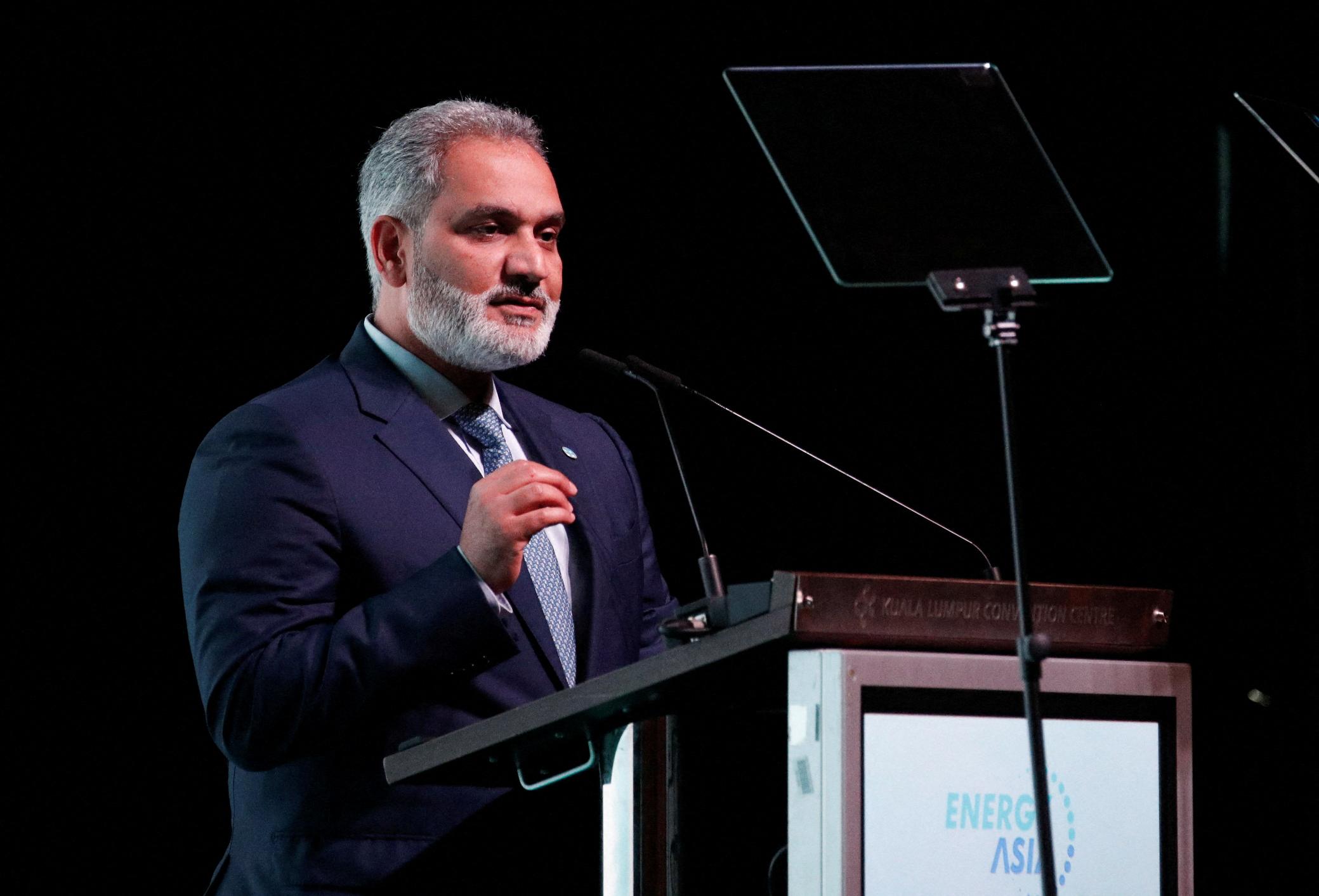
OPEC dropped IEA as a source for data on oil market last year OPEC, IEA have disagreed on demand outlooks, energy transition IEA called carbon capture an illusion COP28 climate summit begins Nov. 30 in Dubai DUBAI, Nov 27 (Reuters) - OPEC Secretary General Haitham Al Ghais on Monday accused the International Energy Agency (IEA) of vilifying the oil and gas industry, in the latest clash between the groups over climate policy. Al Ghais was referring to a note published by the West's energy watchdog on Thursday that said the fossil fuel industry was facing a "moment of truth" where producers had to choose between deepening the climate crisis or shifting to clean energy. "This presents an extremely narrow framing of challenges before us, and perhaps expediently plays down such issues as energy security, energy access and energy affordability," Al Ghais said in a statement. "It also unjustly vilifies the industry as being behind he climate crisis." The Organization of the Petroleum-Exporting Countries (OPEC) and the Paris-based IEA have repeatedly clashed in recent years over issues such as long-term oil demand prospects and investment in new hydrocarbon supplies. The latest fall-out comes as the United Arab Emirates (UAE), a major OPEC producer, prepares to host the COP28 U.N. climate summit at the end of the week. Al Ghais has said OPEC would be present at the climate talks. The IEA sees world fossil fuel demand peaking by 2030 as more electric cars hit the road and China's economy grows more slowly while shifting towards cleaner energy. OPEC, de facto led by top oil exporter Saudi Arabia, disagrees with the prediction. It has described such projections as "dangerous", saying they are often accompanied by calls to stop new oil and gas investments which would then jeopardise energy security. In Thursday's note, the IEA was also critical of carbon capture technologies. "The industry needs to commit to genuinely helping the world meet its energy needs and climate goals – which means letting go of the illusion that implausibly large amounts of carbon capture are the solution," the IEA statement published on its website said. The UAE, the second Arab country to host the climate summit after Egypt in 2022, has alongside other Gulf energy producers called for what they consider a more realistic energy transition in which fossil fuels would keep a role in securing energy supplies while industries decarbonise. Al Ghais said it was regrettable the IEA called technologies such as carbon capture utilization and storage (CCUS) an "illusion", as they were seen in U.N. Intergovernmental Panel on Climate Change reports as part of the solution. "The truth that needs to be spoken is simple and clear to those who wish to see it. It is that the energy challenges before us are enormous and complex and cannot be limited to one binary question," Al Ghais said. OPEC+, which groups OPEC and allies such as Russia, decided last year it would stop using data from the IEA when assessing the state of the oil market. Saudi Arabia has also blamed the IEA - and its initial prediction for a 3 million barrel per day (bpd) fall in Russian production on the back of the war in Ukraine - for Washington's decision to sell oil from its reserves. https://www.reuters.com/markets/commodities/opec-head-accuses-iea-vilifying-fossil-fuel-industry-2023-11-27/
2023-11-27 20:34
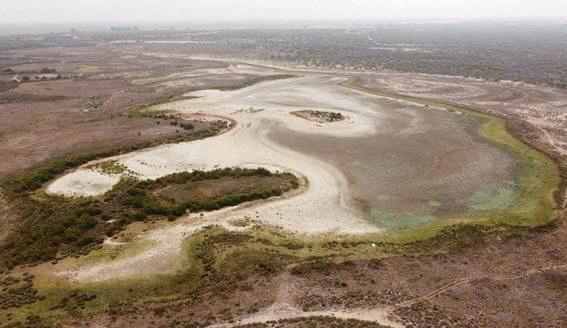
MADRID, Nov 27 (Reuters) - Spain's government and the southern Andalusia region on Monday signed an agreement to protect the endangered Donana wildlife reserve, bringing an end to a two-year dispute. The national park, threatened by climate change and illegal irrigation, is in critical condition with lagoons drying out and biodiversity declining. Scientists have called for a reduction in the pumping of water in an area where 38% of population lives from farming or related activities. Droughts in southern Spain linked to climate change have exacerbated conflicts between farmers and environmentalists over scarce water resources. Farmers in five towns north of Donana will be compensated if they agree to stop irrigating and convert their land to forest or adopt rain-fed or sustainable crops, Environment Minister Teresa Ribera said. In exchange, Andalusia's conservative regional government withdrew a plan to legalise more water pumping for irrigation, which had sparked an outcry from environmentalists and a clash with the Socialist-led national government. The deal includes the investment of 1.4 billion euros($1.53 billion) in the area until 2027 for measures such as improving water management, conservation and the restoration of biodiversity while compensating farmers. The agreement will also seek to improve conditions for seasonal workers such as strawberry pickers. The "historic" deal reconciles the protection of Donana with economic development, Andalusia's regional leader, Juan Manuel Moreno, told a news conference, adding that the livelihoods of many families in the area were at risk before the agreement. Environmental group Greenpeace welcomed the deal but expressed concern about the potential for illegal irrigators to benefit from the compensation payments. "If this were the case, it would financially reward those who break the law," Greenpeace said in an emailed statement. The Donana national park lies atop a 2,700-square km (1,040 square mile) underground water reserve, one of the largest of its kind in Europe and an area almost twice the size of London. The wetlands harbour many endemic and threatened species, such as freshwater eels and turtles, and provide an important refuge for migratory birds heading south after breeding in northern Europe. ($1 = 0.9168 euros) https://www.reuters.com/sustainability/land-use-biodiversity/spain-strikes-deal-end-dispute-over-endangered-donana-wetland-2023-11-27/
2023-11-27 20:02
Nov 27 (Reuters) - Former Binance chief Changpeng Zhao must stay in the United States for the time being, a federal judge said on Monday, after the founder of the world's largest cryptocurrency exchange pleaded guilty to violating U.S. anti-money laundering laws. Zhao will be required to stay in the United States until the Seattle court considers whether he should remain through his sentencing hearing in February, or if he should be allowed to return to the United Arab Emirates, where he is a citizen. Zhao, who is also a citizen of Canada, stepped down as CEO of Binance last week after pleading guilty to willfully causing the exchange to fail to maintain an effective anti-money laundering program. U.S. District Judge Richard Jones in Seattle said he would review whether Zhao should have to stay in the United States after the U.S. government appealed a decision by another judge allowing Zhao to return to the UAE before his Feb. 23 sentencing hearing. Zhao agreed to a $175 million bond as part of the bail agreement. Binance Holdings agreed to pay over $4.3 billion and pleaded guilty to breaking U.S. anti-money laundering and sanctions laws. Binance said last week it had worked hard to make the company "safer and even more secure." Lawyers for Zhao did not immediately respond to a request for comment on Monday. Last week, Zhao conceded: "I made mistakes, and I must take responsibility." Zhao faces a maximum prison sentence of 18 months under federal guidelines and has agreed not to appeal any sentence up to that length. Prosecutors will take a position on how much jail time to seek closer to Zhao's sentencing, a Justice Department spokesperson said last week. The government had said it may be unable to secure Zhao's return to the United States given it has no extradition treaty with the UAE. Lawyers for Zhao disputed that he was a potential flight risk, noting that he paid a "substantial" bail package and voluntarily came to the United States to accept responsibility for his actions. https://www.reuters.com/markets/deals/former-binance-ceo-changpeng-zhao-must-stay-us-time-being-judge-says-2023-11-27/