
2023-11-27 16:49
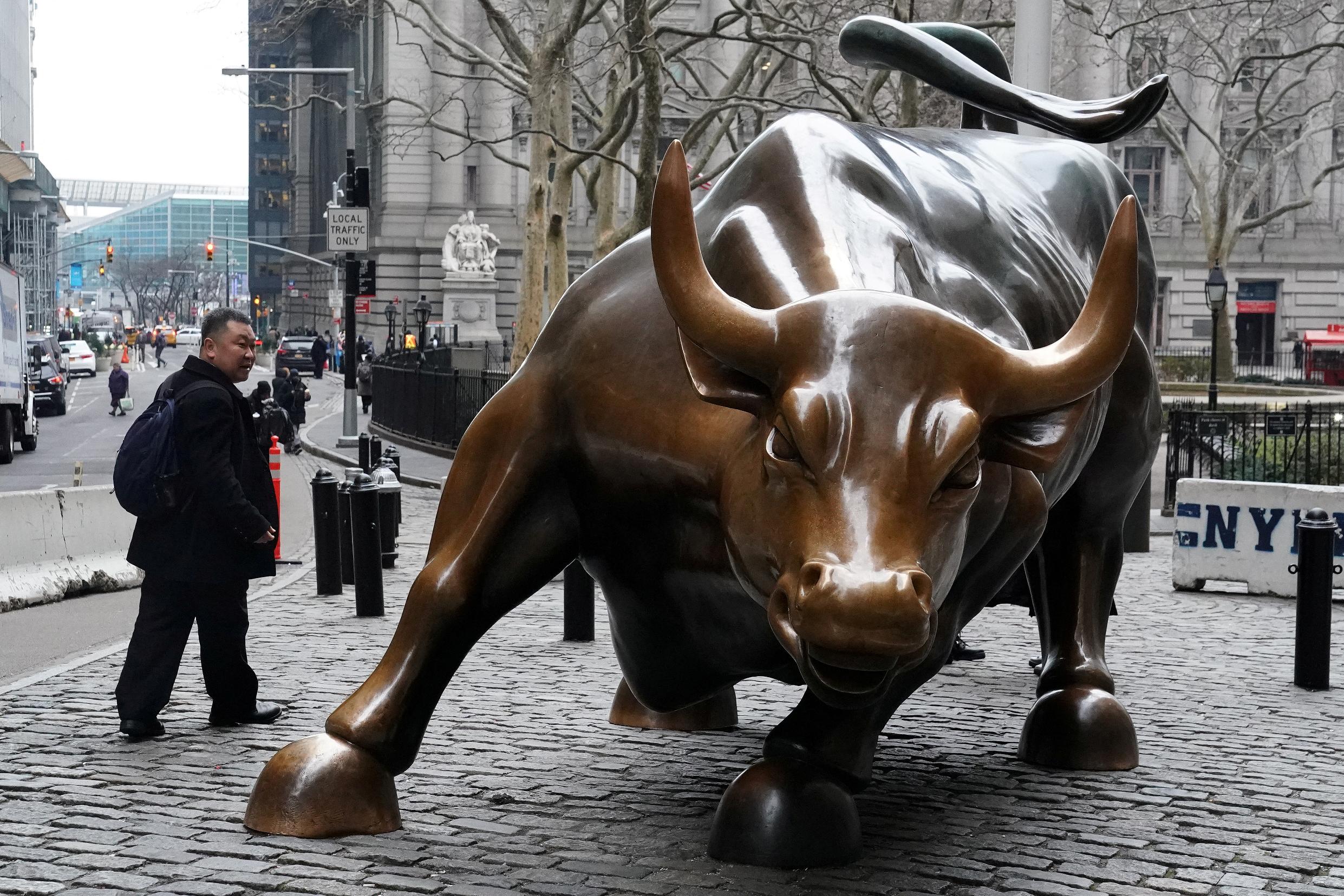
NEW YORK, Nov 27 (Reuters) - U.S. stocks are in a bull market and will post "solid" gains in 2024, even as returns are lower than this year, BMO Capital Markets strategists said on Monday. In a market outlook report, BMO Chief Investment Strategist Brian Belski and his team projected the benchmark S&P 500 (.SPX) would end 2024 at 5,100, nearly 12% above Friday's closing level. The index is up more than 18% so far in 2023. "We continue to believe that US stocks are in a bull market that has now entered its second year," the BMO strategists wrote in their report, adding that historical bull market performance patterns "suggest lower, but still solid gains." Investors have various definitions of a bull market, although one common definition requires the S&P 500 to reach a new all-time high to confirm a bull market. The index has yet to breach its January 2022 record closing high of 4,796.56 in its rally this year. Separately on Monday, strategists at Deutsche Bank also forecast the S&P 500 would end 2024 at 5,100. BMO sees S&P 500 earnings rising about 13.6% in 2024, a "significant rebound" from this year. Earnings are expected to climb just 2.6% for 2023, according to LSEG data. "We also believe that volatility is likely to subside as macro-environment resiliency continues to surprise alongside falling inflation," the BMO strategists said. The firm expects "very different" market leadership patterns next year with much more participation outside of the megacap stocks that have propelled equity indexes higher this year. "We believe investors will need to own a little bit of 'everything' and not tilt too far in one direction or another from a sector, style, and size perspective - a sharp contrast to the trends that prevailed during 2023," the BMO strategists said. https://www.reuters.com/markets/us/bmo-sees-solid-us-stock-gains-ahead-sp-500-ending-2024-5100-2023-11-27/
2023-11-27 16:31
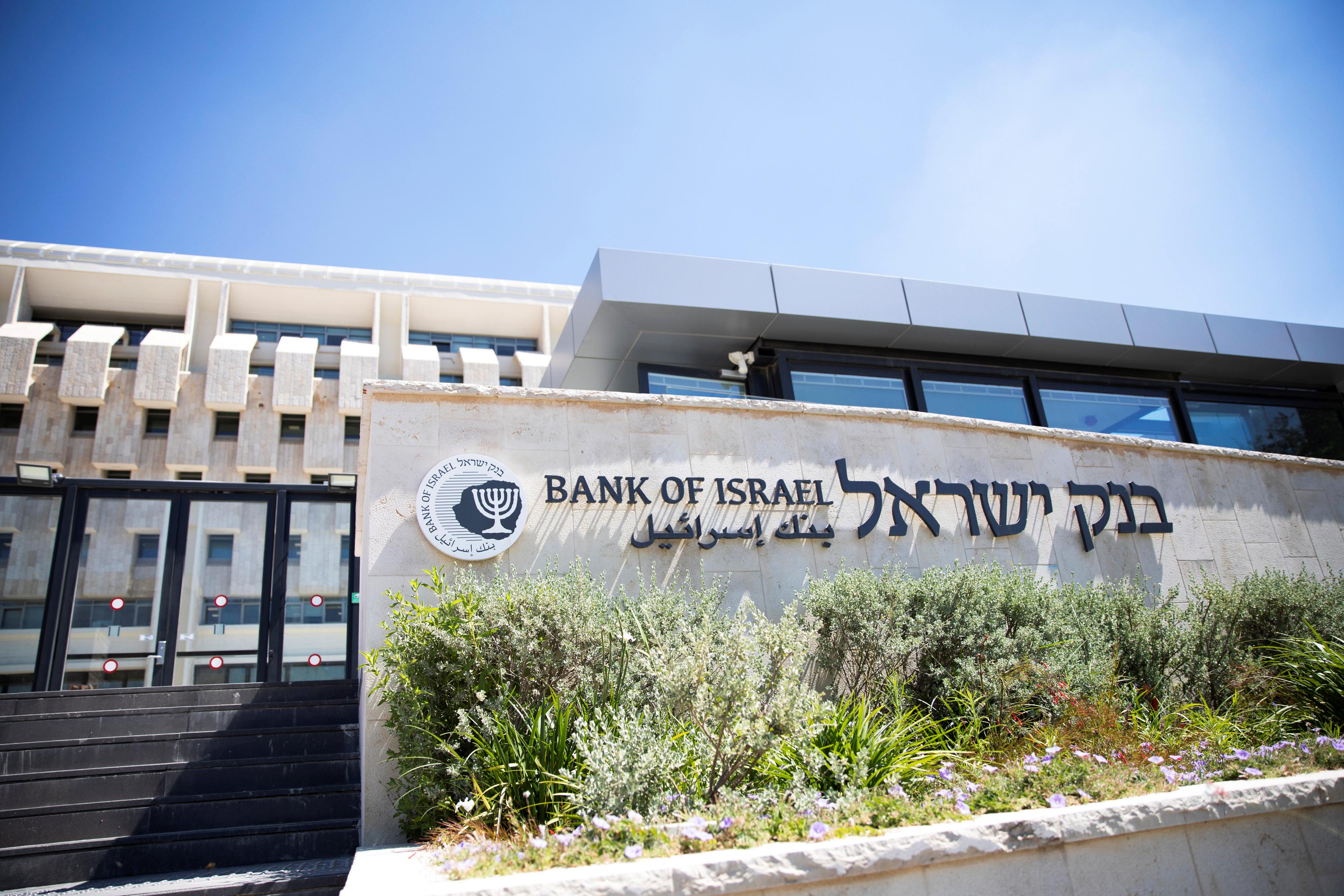
JERUSALEM, Nov 27 (Reuters) - The Bank of Israel kept short-term borrowing rates unchanged for a fourth straight decision on Monday and said that it was too soon to lower interest rates due to economic and financial uncertainty during Israel's war against Hamas. The central bank held its benchmark rate (ILINR=ECI) at 4.75% - its highest level since late 2006. It had raised rates 10 straight times in an aggressive tightening cycle that has taken the rate from 0.1% last April before pausing in July and again in August and October. All 14 economists polled by Reuters had forecast no rate change but with inflation coming down and the economy set to slow as a result of the war, analysts believe rate cuts could begin at the subsequent policy decision on Jan. 1, 2024. "We need to recognise the fact that we are still in an environment of very high uncertainty," Bank of Israel Governor Amir Yaron told a news conference after the decision. "The hasty use of the interest rate tool in an environment of such significant uncertainty, if things reverse, it will only increase volatility in the financial markets and it could require time or bigger tools to fix it. Therefore, for now we are waiting for the entrenchment of stability in the financial markets and only after that we can weigh using monetary tools moreover." Yaron noted that Israel's risk premium remained high, even though the shekel has recovered 8% versus the dollar after sliding 6% at the outset of the war. The central bank cut its forecasts for economic growth in 2023 and 2024 in view of the impact of the war, now seeing an expansion of 2% next year, down from 2.8% a month ago - given an expectation that the war will be contained near the Gaza border and continue into 2024. The forecast estimates that the budgetary costs of the war - expenditures plus loss of income - are expected to total 10% of GDP. WAR SPENDING Central bank economists also trimmed their 2023 growth estimate to 2% from 2.3%, and expect an inflation rate of 2.4% in the coming year. Their staff estimate envisaged the key interest rate falling to range of 3.75% to 4.0% by the end of 2024. Officials have previously cautioned that steep rate cuts at the moment would weaken the shekel and push up inflation. In its statement, the central bank pointed to the conditions needed for it to provide a more supportive monetary policy. "The interest rate path will be determined in accordance with developments in the war and the uncertainty derived from it," it said. Israel's inflation rate eased to 3.7% in October from 3.8% in September to remain above an annual target range of 1%-3%. Yaron said that despite stable inflation, much still depended on the relative severity of the supply limitations and the decline in demand stemming from the war. The central bank estimated state spending on the war of around 160 billion shekels ($43 billion) and Yaron urged fiscal discipline by cutting less essential spending. Yaron this month accepted a second five-year term to begin in 2024. Earlier on Monday, the head of parliament's finance committee, Moshe Gafni, lashed out at Yaron and called him a "bad governor". ($1 = 3.7154 shekels) https://www.reuters.com/world/middle-east/bank-israel-again-holds-key-interest-rate-475-during-war-2023-11-27/
2023-11-27 15:58
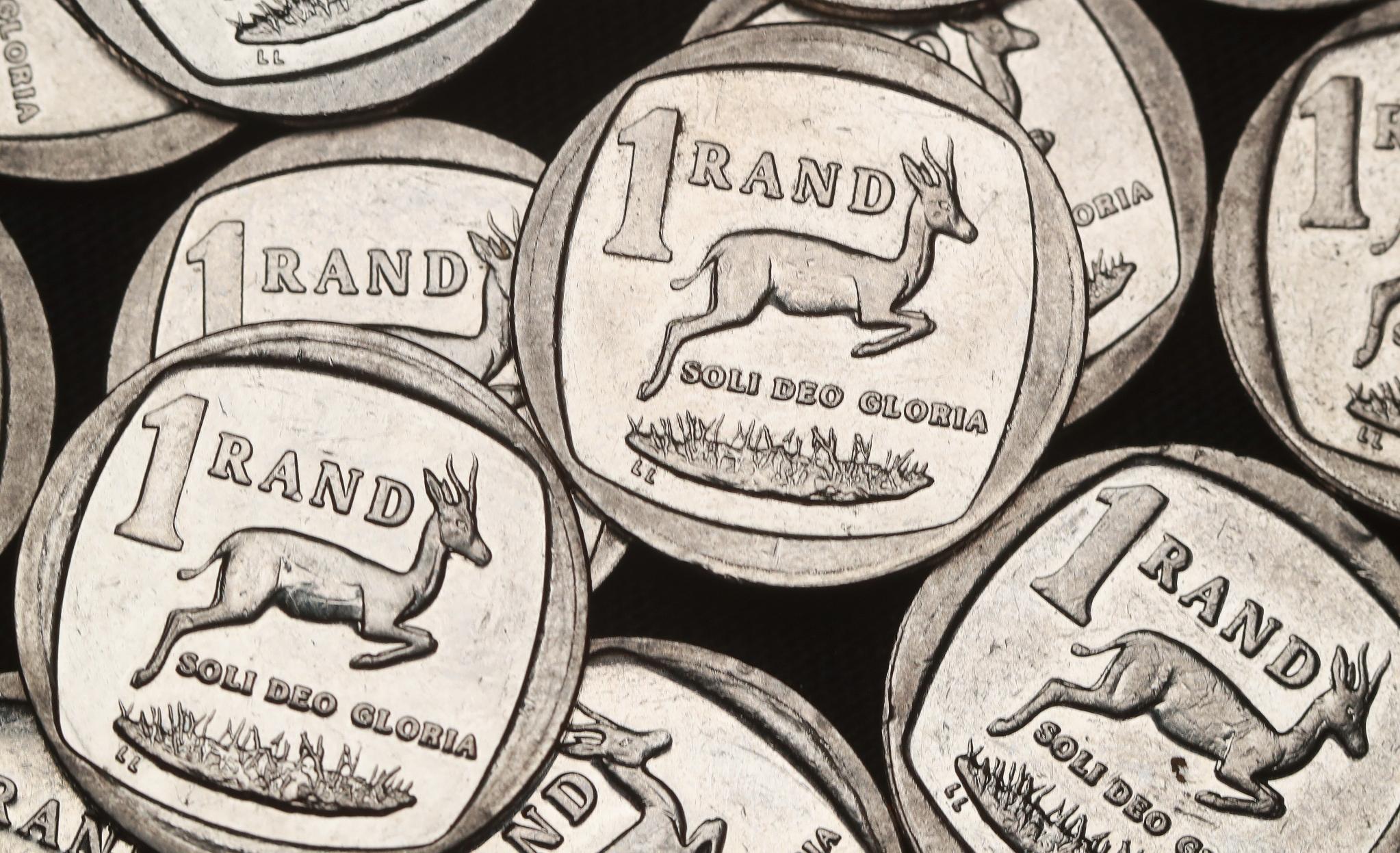
JOHANNESBURG, Nov 27 (Reuters) - The South African rand was little changed in early trade on Monday, ahead of a week jam-packed with economic data releases. At 0655 GMT, the rand traded at 18.7950 against the dollar , near its previous close of 18.8000. The dollar last traded around 0.1% weaker against a basket of global currencies. This week "starts slow but ends with some top-tier events," said Rand Merchant Bank analysts in a morning briefing. Global focus will be on inflation data out of some of the world's biggest economies and a speech by U.S. Federal Reserve Chair Jerome Powell on Friday. Locally, investors will focus on trade and budget balance and supply-side inflation data later in the week. Like other risk-sensitive currencies, the rand often takes cues from both local and global events. South Africa's benchmark 2030 government bond was marginally weaker in early deals, with the yield up 0.5 basis points to 10.200%. https://www.reuters.com/markets/currencies/south-african-rand-little-changed-start-data-filled-week-2023-11-27/
2023-11-27 15:58
JOHANNESBURG, Nov 27 (Reuters) - The South African rand was stronger on Monday, helped by the dollar falling at the start of a week laden with major global and domestic economic data releases. At 1540 GMT, the rand traded at 18.7150 against the dollar , about 0.5% stronger than its previous close. The dollar index , which measures the currency against six major peers, was down 0.05% after earlier slipping as much as 0.2%. This week's global focus includes an OPEC+ meeting, the release of the Federal Reserve's tracked measure of inflation, and consumer prices data in the euro zone and Australia. Locally, investors will scrutinise trade (ZATBAL=ECI), budget balance (ZABUDM=ECI), producer inflation (ZAPPIY=ECI) and private sector credit (ZACRED=ECI) figures for insights about the health of Africa's most industrialised economy. On the Johannesburg Stock Exchange, the blue-chip Top-40 (.JTOPI) and broader All Share (.JALSH) indices closed more than 0.4% lower. The yield on the benchmark 2030 government bond fell 5 basis points to 10.145%. https://www.reuters.com/markets/currencies/south-african-rand-gains-start-data-filled-week-2023-11-27/

2023-11-27 14:03
WASHINGTON, Nov 27 (Reuters) - Economists who have studied employment during the recovery from the coronavirus pandemic agree that Black, Hispanic, and less-educated workers saw outsized gains relative to whites or college degree holders whose fortunes typically outpace others. But as the demand for workers begins to ease, they are also hoping the U.S. may break the historic pattern where the burden of rising joblessness falls most heavily on those same groups. After an initial half-percentage-point rise in the unemployment rate from the historically low 3.4% in April, there is reason for optimism, but also a dose of developing concern, said William M. Rodgers III, vice president and director of the Institute for Economic Equity at the St. Louis Federal Reserve. So far, he said at a Boston Fed labor market conference earlier this month, measures like the employment-to-population ratio largely have not behaved differently for key racial groups, for women versus men, or among those with different education levels. Through what he calls the current "tight labor market recovery period," beginning in March 2022 and coinciding with both the start of Fed interest rate increases and a run of below-4% unemployment, less advantaged groups have held onto employment gains made during the pandemic recovery. The employment-to-population ratios for Black men and Black women, for example, remained on average higher from March 2022 through September 2023 than they were before the health crisis. The employment-to-population ratio for those aged 25 and over without a high school diploma has trended higher in recent months even as it has flatlined for those with more education. For younger workers, however, and particularly for younger Blacks not enrolled in school, job outcomes have begun to worsen in what Rodgers said is a possible sign that whatever benefits the current tight labor market has provided to those at the margins of the economy, they may not be permanent. For most segments of the population "we're not seeing an appreciable increase in their jobless rates, which is good news" as job openings fall and the demand for workers cools, Rodgers said. But the "sobering news," he added, was a recent rise in joblessness for younger people. Rodgers is not alone in his concern. Torsten Slok, chief economist at Apollo Global Management, said the jump in the unemployment rate for 16- to 19-year olds, from 9.2% in April to 13.2% in October, warranted a close watch as "a leading indicator of broader labor market weakness." REAL WAGE GROWTH Faced with the worst breakout of inflation in 40 years, the Fed raised interest rates aggressively from March 2022 through this past July and now seems to have reached the peak of its tightening cycle. Throughout that process, policymakers have hoped to engineer a return from the fast pace of price increases to the Fed's 2% inflation target while leaving the employment gains of recent years intact. Fed Chair Jerome Powell has often pointed to 2019, the year just before the pandemic, as a sweet spot for the U.S. economy, with the unemployment rate steadily below 4%, inflation remaining low, wage gains flowing to less well-paid workers, and a narrowing of the longstanding unemployment wedge between whites and racial and ethnic minorities. The performance of the economy during that period led many Fed officials to revise their thinking about how low the unemployment rate might fall without posing a risk of wages rising so fast they triggered broader inflation. Research has since tended to suggest that there may be untapped pools of labor that only become available when the job market is tight - an argument for keeping monetary policy looser than not. In the face of a marked slowdown in inflation, the Fed will see in the coming months whether it has in fact pulled off an elusive "soft landing," and in particular whether the experience of the pandemic - when enormous fiscal stimulus was followed by a massive reshuffling of the job market - has done anything to change the basic distribution of jobs, income and opportunity across the economy. A study by the JPMorgan Chase Institute released earlier this month, for example, found that median income gains for Blacks and Hispanics had outpaced inflation even during the breakout price increases of the pandemic era, with inflation-adjusted incomes higher through August than at the end of 2019. Inflation-adjusted incomes for whites and Asians, by contrast, were slightly lower. Workers in the bottom pay quartile also saw median "real" income gains of 6% since 2019, more than the rest of the income distribution. Despite inflation "we still see real wage growth, and it's higher for Black and Hispanic families," said the institute's president, Chris Wheat, adding that the difference may be driven by things like the change in the occupational and wage mix during the pandemic, when in-person services required higher wages to lure people back to work, and an increase in workers' bargaining power in general. 'REMARKABLY EQUITABLE' Findings like that have given some hope that the gains can persist this time, rather than be lost under the last-hired-first-fired dynamic that typically occurs, Cecilia Rouse, the former head of the Council of Economic Advisers under President Joe Biden and incoming president of the Brookings Institution think tank, said at this month's Boston Fed conference. The labor market recovery so far has been "remarkably equitable," she said. But the next few months may be telling. After surging at the start of the pandemic for example, the gap between the unemployment rate for whites and Blacks fell quickly as the economy reopened and hit a record low of 1.6 percentage points in April. It has since risen to 2.3 points, and the percentage rise in the number of Blacks who are unemployed has been nearly double that of whites. Pandemic-era programs threw a safety net under many families, and the tight job market that has since developed helped many get a foothold, Rouse said. "Will this last and what's to come?" she said. "You can already see that we're losing a little bit of ground." https://www.reuters.com/markets/us/us-job-market-softens-gains-minority-groups-hang-balance-2023-11-27/
2023-11-27 13:34
The first African to lead the multilateral lender Follows criticism the system dominated by Global North To join in March 2024; replaces Mafalda Duarte WASHINGTON, Nov 27 (Reuters) - The $11 billion multilateral lender Climate Investment Funds, which works with the World Bank and others to accelerate investment in the developing world, has appointed Tariye Gbadegesin as its new chief executive, the first African to take the helm. Gbadegesin, a dual U.S. and Nigerian national, was appointed in the week the COP28 climate talks kick off. Development banks have been criticized for being led by people born and based in the Global North. Gbadegesin takes up her role in March 2024. She has over 20 years experience in investing in developing economies and is currently chief executive of ARM Harith Infrastructure Investments, a pan-African infrastructure fund. She replaces Mafalda Duarte, who left in July 2023 to lead the Green Climate Fund. Luis Tineo, interim CEO, will lead CIF until March, 2024. "Developing countries are at the forefront of the climate crisis, and we will only meet this decisive moment by working together to scale climate finance where it is needed most," Gbadegesin said in a statement. "This is an exciting time for the global community, as we seek to build a multilateral system fit for purpose to keep 1.5C alive while lifting millions out of poverty." The CIF has been involved in financing the retirement of coal-fired power plants in middle-income nations, such as South Africa and Indonesia through so-called Just Energy Transition Partnerships, allocating $1 billion to the programme. Gbadegesin is also co-chair of the Voluntary Carbon Markets Integrity Initiative (VCMI) and has worked at the International Monetary Fund, consultants Boston Consulting Group and PwC and the Africa Finance Corp. "Tariye is a trailblazer, a strategic thinker and relationship-builder with deep expertise, knowledge and experience in climate finance,” said CIF Trust Fund Committee Co-Chairs, Bob Natifu and Edward Webber. Among the largest multi-lateral climate funds in the world, CIF offers projects highly concessional capital that can leverage development bank and private sector money to fund low carbon, climate-resilient development. Set up in 2008, the group has mobilised more than $64 billion in additional financing for projects in more than 70 countries, including flagship efforts to retire coal-fired power plants early in countries including Indonesia. As well as the World Bank Group, including the International Finance Corp, CIF invests through the African Development Bank, the Asian Development Bank, the European Development Bank, and the Inter-American Development Bank. Gbadegesin will take over the fund after CIF's capitalization grew by over 35% and launched several strategic initiatives under Duarte's tenure. https://www.reuters.com/sustainability/sustainable-finance-reporting/climate-investment-funds-appoints-tariye-gbadegesin-ceo-2023-11-27/


