2024-08-08 05:26
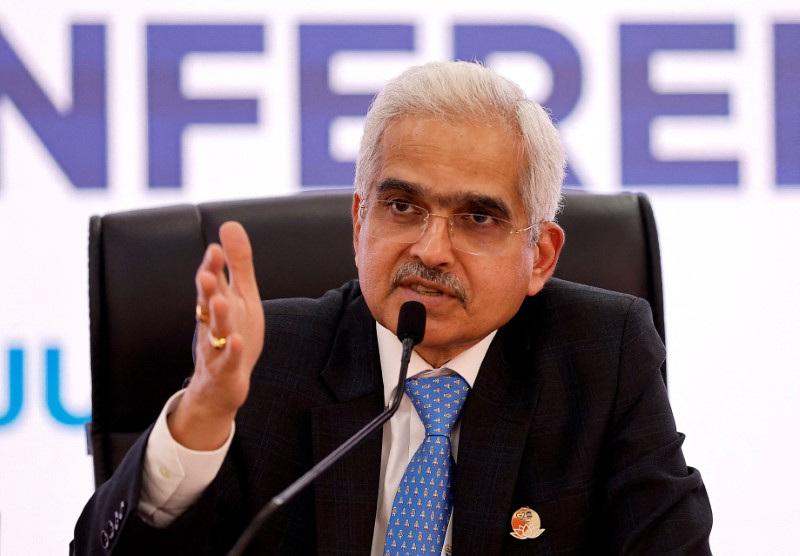
MUMBAI, Aug 8 (Reuters) - India's foreign exchange reserves (INFXR=ECI) , opens new tab hit a record high of $675 billion as of Aug. 2, Shaktikanta Das, the governor of the central bank, said on Thursday. The reserves rose by $7.6 billion in the reporting week, as per Reuters' calculations. They had fallen by $3.5 billion in the prior week, the biggest in over three months. The Reserve Bank of India (RBI) intervenes in the foreign exchange market to curb excess volatility in the rupee. Changes in foreign currency assets are caused by the RBI's intervention as well as the appreciation or depreciation of foreign assets held in the reserves. Foreign exchange reserves also include India's reserve tranche position in the International Monetary Fund. The currency was trading at 83.95 on Thursday, after hitting a record low of 83.9725 in the previous session. Sign up here. https://www.reuters.com/world/india/indias-forex-reserves-hit-record-high-675-bln-aug-2-2024-08-08/
2024-08-08 05:18
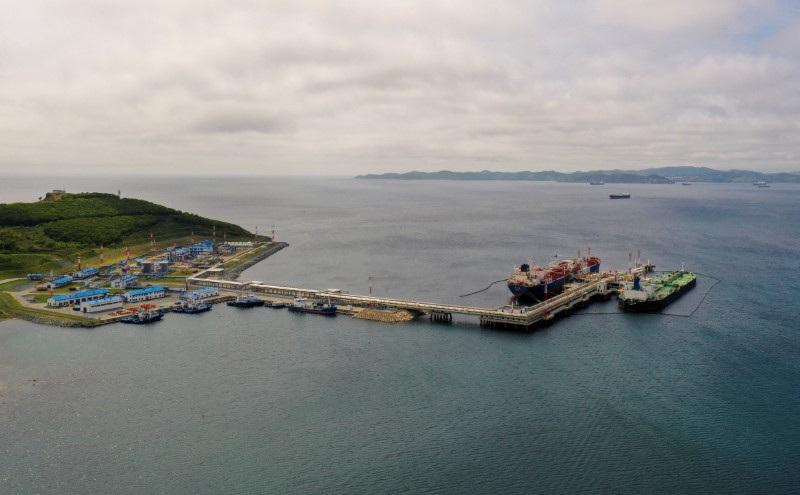
Insurers cover Russia oil cargoes if sold below $60/bbl Russia Urals crude sold for $69.4/bbl so far this year-LSEG data Insurers, ship owners not expected to investigate the price Rely on 'attestations' from parties to Russian oil trade Top insurer group says process is 'flawed' LONDON, Aug 8 (Reuters) - A group of Western insurers have provided cover for tankers carrying Russian crude, keeping its oil flowing after many in the trade sector withdrew for fear of breaching the rules of a G7 price cap, data from traders and shippers shows. The data seen by Reuters showed that five insurers, including American Club, Luxembourg-headquartered West of England and Norway's Gard, provided cover for 10 tankers that sailed from Russia to Asia this year. American Club and West of England provided insurance for two vessels - the Gioiosa and the Orion I - that made similar voyages in early 2024. Both vessels took on board crude from the state-owned Russian oil company Rosneft (ROSN.MM) , opens new tab in Russia's Baltic and sailed to China, the data showed. American Club said the ship, which flew the Panama flag, was on its cover list. West did not comment on specific tankers. Norway's Gard, which data showed covered a separate vessel, also declined to comment on specific ships. The three non-profit mutuals, who insure ships against oil pollution, injury and loss of life, say they are providing a service to their members. The extent of the ongoing provision by Western insurers in covering specific Russian oil deals has not been previously reported since the cap was imposed in 2022 following the war in Ukraine. The cap, imposed by the Group of Seven industrialised nations and their allies to curb Moscow's ability to finance the war, only allows Western insurers and ships to participate in Russian oil trade if the oil is sold below $60 a barrel. Many of those who stopped trading such cargoes said they were doing so because they could not be certain about the price of the oil carried by the ships they were insuring. Russia, which has banned its firms from complying with the price cap, sold its flagship Urals crude at Baltic ports for an average of $69.4 per barrel so far this year, well above the price cap, LSEG data shows. Insurers and ship owners are not expected to investigate the price. Instead, Western enforcement agencies including the U.S. Treasury require insurance companies to request so-called attestations from the parties that buy and sell the crude that the oil changed hands below the price cap. 'FLAWED' PROCESS The International Group (IG) of P&I Clubs - which provides insurance for 90% of the world's fleet - said in April the attestation process was flawed and risked exposing its members to breaches of the price cap. The IG did not respond to a request for comment on the risks for this story. The insurers identified by Reuters said separately they rely on the attestation letters from the participants in the trade that all work was legal and complied with Western sanctions. Reuters could not contact any of the parties as they were not named due to commercial confidentiality. IG member American Club said it did not have direct access to price information when providing cover for the Gioiosa tanker. Gard said it relied on price cap attestation and was also checking additional sources of data and information. Both companies referred further questions on the cap to the IG. The other insurance providers for Russian oil included Maritime Mutual from New Zealand and IG member London P&I Club, Reuters research based on the shipping and trading data showed. Maritime Mutual and London P&I did not respond to a request for comment on the potential risks. However, Maritime Mutual, which is not part of the IG group, provided Reuters with a copy of its Russian oil insurance policy and a blank copy of an attestation letter which states that coverage will be withdrawn if a shipment violates the price cap. The letter asks a company seeking cover – usually a charterer or a shipper - to tell its insurer the name of the vessel, its port and date of loading and discharge. It asks the charterer to attest the shipment is in compliance with the price cap but does not require inclusion of the price paid anywhere in the attestation. West also told Reuters the price cap regime treats ship owners and insurers as indirect participants of the transactions, known as tier three, hence they are not obliged to verify prices. "The charterer/trader will never give away that (price) information and give away their margins," Tony Paulson, West's head of Asia and corporate director, told a Lloyd’s List podcast last month. Gard, West P&I, American Club said they would end the cover if information emerged that the attestation was inaccurate and the price was above the cap. Sign up here. https://www.reuters.com/business/energy/western-insurers-provide-cover-russian-oil-despite-price-cap-concerns-2024-08-08/
2024-08-08 04:33
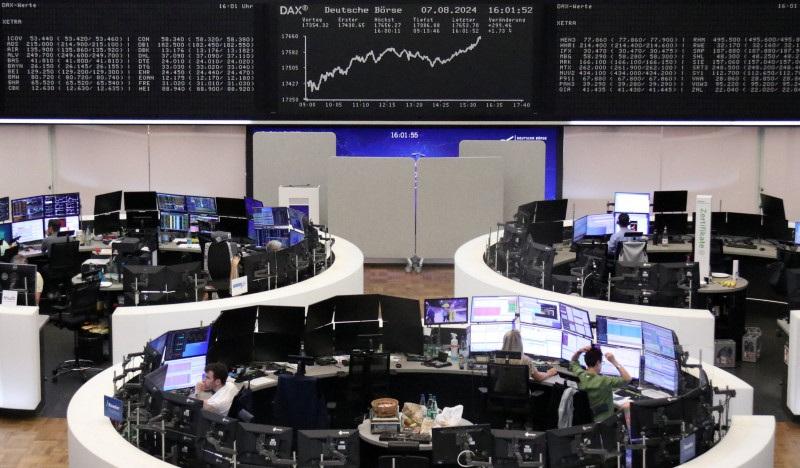
A look at the day ahead in European and global markets from Kevin Buckland Investors would be well advised to put those neck braces back on, with the start to Thursday's trading showing that market whiplash is still a worry. Japan is a case in point, with the Nikkei (.N225) , opens new tab starting the day by tumbling as much as 2.5% before entering the midday break in the green. Gains of nearly 0.9% for the yen versus the dollar evaporated over the same period. And while tech was still a standout underperformer across the region following Wednesday's more than 1% slump for the Nasdaq Composite (.IXIC) , opens new tab, an early slide as steep as 1.3% for Nasdaq futures had flipped to a 0.4% advance. There was no obvious trigger. Likely more along the lines of the sky having not fallen yet, giving some people courage to scoop up potential bargains. Bond investors spooked by Wednesday's poor 10-year Treasury auction sent the yield spiking nearly 9 basis points to 3.977% overnight, but more than half of that move was unwound in early Thursday trading. Worries about a U.S. hard landing, a massive unwind of yen carry trades, fears of an AI bubble: there is a long and compelling list of reasons to hit the eject button on bets that possibly soared too close to the sun. And while Asia's mood has improved as the day progresses, pan-European STOXX 50 futures still signal a 0.9% slide at the open. There's little on the European docket of note today, bar a smattering of earnings reports, including from Allianz (ALVG.DE) , opens new tab and Deutsche Telekom (DTEGn.DE) , opens new tab. That puts the macro spotlight squarely on the weekly jobless claims figures out of the U.S. later in the day, after last week's sharp slowdown in payrolls exacerbated concerns of an economic downturn, with global repercussions. The Richmond Fed's Thomas Barkin is on speaking duty today, after saying last week he won't prejudge the path of monetary policy. Key developments that could influence markets on Thursday: -Earnings from Allianz, Deutsche Telekom -U.S. weekly jobless claims -Richmond Fed President Thomas Barkin speaks at a webinar Sign up here. https://www.reuters.com/markets/europe/global-markets-view-europe-2024-08-08/
2024-08-08 04:21
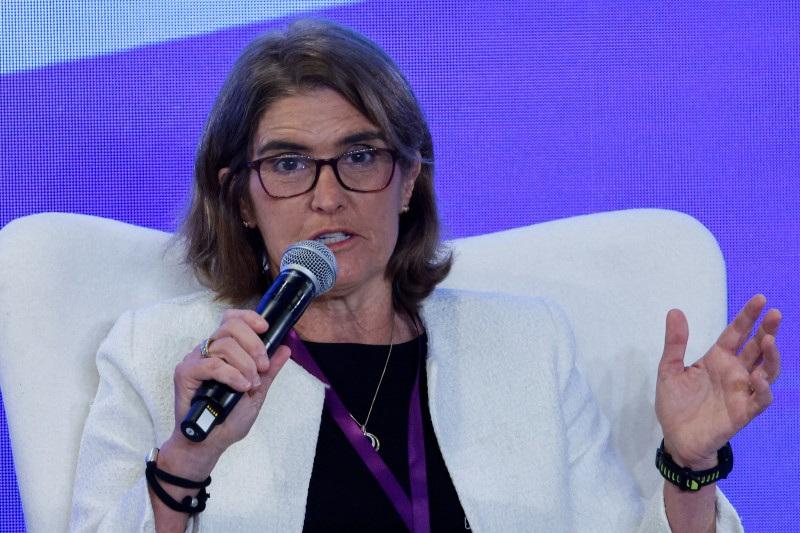
SYDNEY, Aug 8 (Reuters) - Australia's central bank will not hesitate to raise interest rates if needed to control inflation, its chief said on Thursday, reinforcing its hawkish messaging as the pace of underlying inflation remained high. Reserve Bank of Australia (RBA) Governor Michele Bullock, in a speech in her home town of Armidale, New South Wales, reiterated that the board was vigilant to the upside risk of inflation, days after the bank decided to hold rates steady. "I know this (raising rates) is not what people want to hear. But the alternative of persistently high inflation is worse. It hurts everyone," Bullock said. The central bank has held its policy steady since November, judging the current cash rate of 4.35% - up from the 0.1% during the pandemic - to be restrictive enough to bring inflation down to the bank's 2%-3% target band while preserving employment. However, core inflation, which ran at 3.9% last quarter, is only projected to slow towards the end of 2025. Bullock, who all but ruled out a near-term rate cut on Tuesday, said the central bank does not see rates coming down quickly given the inflation risk, still-strong employment data and anecdotes from businesses. "We just cannot see what it is at the moment that is going to allow us to lower interest rates. Remember that we didn't go as far as everyone else.. So we need to be a little bit careful," she said. If the economy does start to slow down more quickly than previously thought, the central bank won't hesitate to cut rates, she added. Despite the hawkish comments from Bullock, markets are still wagering a 46% chance that the bank could begin lowering rates in November. A first easing in December is almost fully priced in. Australian bank Westpac, however, now says it expects the first rate cut to happen in February, a delay from its previous call for a November rate cut. "The RBA’s conviction levels around these forecasts are evidently not high enough to consider moving in the short term," said Luci Ellis, chief economist at Westpac. Sign up here. https://www.reuters.com/markets/australias-central-bank-wont-hesitate-raise-rates-if-needed-governor-says-2024-08-08/
2024-08-08 00:24
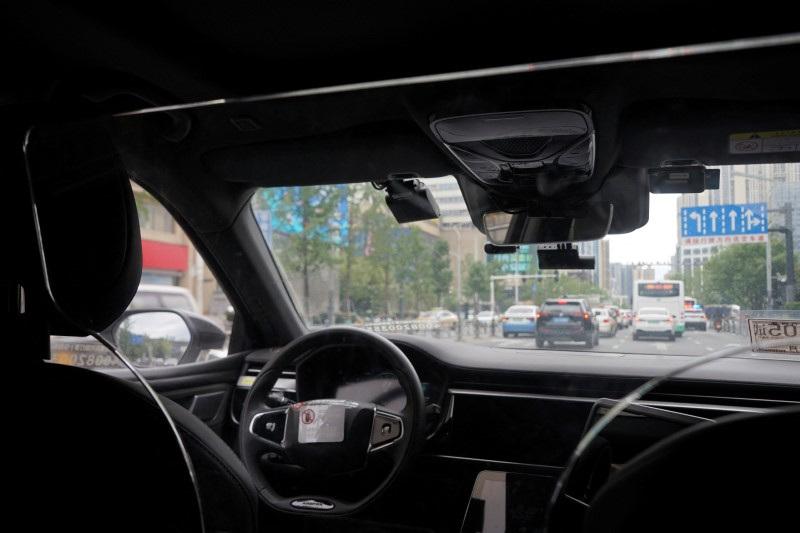
WUHAN, Aug 8 (Reuters) - Liu Yi is among China's 7 million ride-hailing drivers. A 36-year-old Wuhan resident, he started driving part-time this year when construction work slowed in the face of a nationwide glut of unsold apartments. Now he predicts another crisis as he stands next to his car watching neighbours order driverless taxis. "Everyone will go hungry," he said of Wuhan drivers competing against robotaxis from Apollo Go, a subsidiary of technology giant Baidu (9888.HK) , opens new tab. China's Ministry of Industry and Information Technology declined comment. Ride-hailing and taxi drivers are among the first workers globally to face the threat of job loss from artificial intelligence as thousands of robotaxis hit Chinese streets, economists and industry experts said. Self-driving technology remains experimental but China has moved aggressively to green-light trials compared with the U.S which is quick to launch investigations and suspend approvals after accidents. At least 19 Chinese cities are running robotaxi and robobus tests, disclosure showed. Seven have approved tests without human-driver monitors by at least five industry leaders: Apollo Go, Pony.ai, WeRide, AutoX and SAIC Motor (600104.SS) , opens new tab. Apollo Go said in May it planned to deploy 1,000 robotaxis in Wuhan by year-end. In 2022, it had forecast it would be operating in 100 cities by 2030. Pony.ai, backed by Japan's Toyota Motor (7203.T) , opens new tab, operates 300 robotaxis and plans 1,000 more by 2026. Its vice president has said robotaxis could take five years to become sustainably profitable, at which point they will expand "exponentially". WeRide is known for autonomous taxis, vans, buses and street sweepers. AutoX, backed by e-commerce leader Alibaba Group (9988.HK) , opens new tab, operates in cities including Beijing and Shanghai. SAIC has been operating robotaxis since the end of 2021. "We've seen an acceleration in China. There's certainly now a rapid pace of permits being issued," said Boston Consulting Group managing director Augustin Wegscheider. "The U.S. has been a lot more gradual." Alphabet's (GOOGL.O) , opens new tab Waymo is the only U.S. firm operating uncrewed robotaxis that collect fares. The company has a total of about 700 cars operating in San Francisco, Los Angeles, Phoenix and Austin, Texas, but not all of them are in service at all times, a company spokesperson said. Cruise, backed by General Motors (GM.N) , opens new tab, restarted testing in April after one of its vehicles hit a pedestrian last year. Cruise said it operates in three cities with safety its core mission. "There's a clear contrast between U.S. and China" with robotaxi developers facing far more scrutiny and higher hurdles in the U.S., said former Waymo CEO John Krafcik. Robotaxis spark safety concerns in China, too, but fleets proliferate as authorities approve testing to support economic goals. Last year, President Xi Jinping called for "new productive forces", setting off regional competition. Beijing announced testing in limited areas in June and Guangzhou said this month it would open roads citywide to self-driving trials. Some Chinese firms have sought to test autonomous cars in the U.S. but the White House is set to ban vehicles with China-developed systems, said people briefed on the matter. Boston Consulting's Wegscheider compared China's push to develop autonomous vehicles to its support of electric vehicles. "Once they commit," he said, "they move pretty fast". 'STUPID RADISHES' China has 7 million registered ride-hailing drivers versus 4.4 million two years ago, official data showed. With ride-hailing providing last-resort jobs during economic slowdown, the side effects of robotaxis could prompt the government to tap the brakes, economists said. In July, discussion of job loss from robotaxis soared to the top of social media searches with hashtags including, "Are driverless cars stealing taxi drivers' livelihoods?" In Wuhan, Liu and other ride-hailing drivers call Apollo Go vehicles "stupid radishes" - a pun on the brand's name in local dialect - saying they cause traffic jams. Liu worries, too, about the impending introduction of Tesla's (TSLA.O) , opens new tab "Full Self-Driving" system - which still requires human drivers - and the automaker's robotaxi ambitions. "I'm afraid that after the radishes come," he said, "Tesla will come." Wuhan driver Wang Guoqiang, 63, sees a threat to workers who can least afford disruption. "Ride-hailing is work for the lowest class," he said, as he watched an Apollo Go vehicle park in front of his taxi. "If you kill off this industry, what is left for them to do?" Baidu declined to comment on the drivers' concerns. In response to a question about the profitability of the service, Baidu referred Reuters to comments in May by Chen Zhuo, Apollo Go's general manager. Chen said the firm would become "the world's first commercially profitable" autonomous-driving platform. Apollo Go loses almost $11,000 a car annually in Wuhan, Haitong International Securities estimated. A lower-cost model could enable per-vehicle annual profit of nearly $16,000, the securities firm said. By contrast, a ride-hailing car earns about $15,000 total for the driver and platform. 'ALREADY AT THE FOREFRONT' Automating jobs could benefit China in the long run given a shrinking population, economists said. "In the short run, there must be a balance in speed between the creation of new jobs and the destruction of old jobs," said Tang Yao, associate professor of applied economics at Peking University. "We do not necessarily need to push at the fastest speed, as we are already at the forefront." Eastern Pioneer Driving School (603377.SS) , opens new tab has more than halved its instructor number since 2019 to about 900. Instead, it has teachers at a Beijing control centre remotely monitoring students in 610 cars equipped with computer instruction tools. Computers score students on every wheel turn and brake tap, and virtual reality simulators coach them on navigating winding roads. Massive screens provide real-time analysis of driver tasks, such as one student's 82% parallel-parking pass rate. Zhang Yang, the school's intelligent-training director, said the machines have done well. "The efficiency, pass rate and safety awareness have greatly improved." Sign up here. https://www.reuters.com/business/autos-transportation/chinas-drivers-fret-robotaxis-pick-up-pace-passengers-2024-08-08/
2024-08-08 00:23
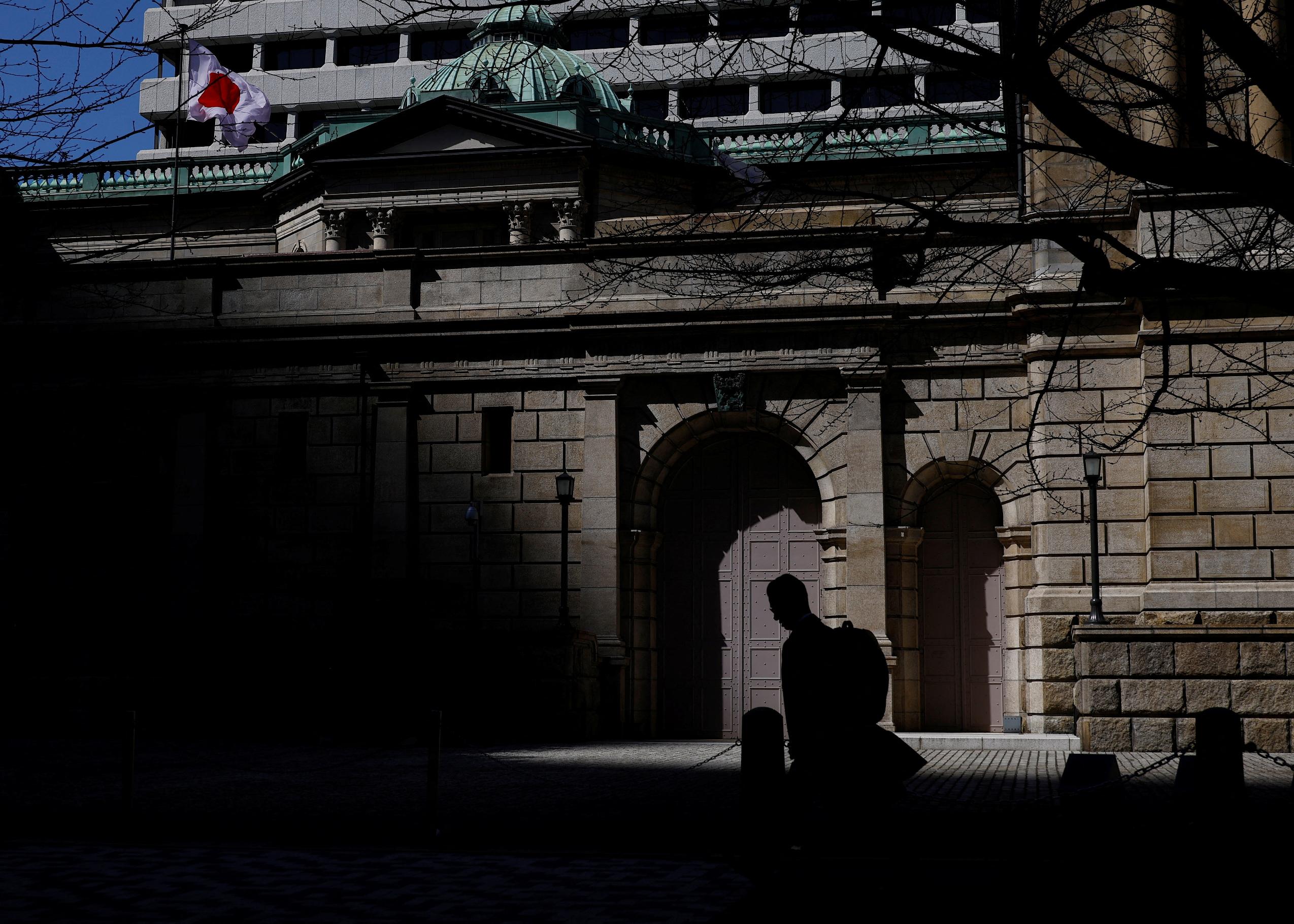
TOKYO, Aug 8 (Reuters) - Some Bank of Japan board members called for the need to keep raising interest rates with one saying they should eventually be increased to at least around 1%, a summary of opinions voiced at the bank's July policy meeting showed on Thursday. At the July 30-31 meeting, the BOJ raised its short-term policy target to 0.25% from a range of 0% to 0.1% and released a detailed plan on how to taper its huge asset buying in another landmark shift away from a decade-long stimulus programme. Some in the nine-member board said inflation-adjusted real interest rates will remain very low even after the rate hike, which meant the BOJ would continue to support the economy with loose monetary policy, the summary showed. "The BOJ must proceed with further adjustment of the degree of monetary accommodation as appropriate" even after hiking rates in July if companies continue to raise prices, wages and ramp up capital expenditure, one member was quoted as saying. Another opinion also called on the BOJ to keep raising interest rates in a "timely and gradual manner", as Japan's neutral rate - or the level of borrowing costs that neither cools nor overheats the economy - seems to be at least around 1%, the summary showed. The BOJ does not issue an official estimate of the neutral rate, though analysts see it at anywhere between 1% and 1.5%. Sign up here. https://www.reuters.com/markets/rates-bonds/boj-debated-further-rate-hikes-july-one-saw-neutral-rate-1-summary-shows-2024-08-08/