2024-08-06 05:35
MUMBAI, Aug 6 (Reuters) - India's gold industry, with the support of the World Gold Council (WGC), has established a self-regulatory organisation in a bid to increase consumer confidence and restore trust, the WGC said on Tuesday. The newly-formed Indian Association for Gold Excellence and Standards (IAGES) aims to promote fair, transparent and sustainable practices in the bullion industry, along with regulatory compliance, a code of conduct, and an audit framework, said Sachin Jain, CEO of WGC's Indian operations. India is the world's second-biggest gold consumer after China, but the industry has a trust deficit with consumers and even the government due to poor practices by a small section of the business, he said. "The purpose of this association is to provide accreditation based on a very strict audit. After the audit, the member will earn the IAGES logo, which they can display," Jain told Reuters, without specifying details of the audit framework. Industry bodies such as Indian Bullion and Jewellers Association (IBJA), All India Gems and Jewellery Council of India (GJC) and Gem and Jewellery Export Promotion Council (GJEPC) would be part of the IAGES, Jain said. The WGC would take the initiative to popularise IAGES among retail consumers and would also finance the campaign, he added. India's gold demand in the June quarter fell 5% from a year ago, but consumption in the second half of 2024 is set to improve due to a correction in local prices following a steep reduction in import taxes, the WGC said last month. Sign up here. https://www.reuters.com/markets/commodities/indian-gold-industry-forms-self-regulatory-body-with-wgc-backing-2024-08-06/

2024-08-06 05:14
Aug 6 (Reuters) - Norwegian salmon farmers face challenges from an unusually harsh winter and the El Nino climate phenomenon which led to record fish mortality and concerns over long-term forecasts ahead of a warmer summer. El Nino — a climate pattern raising temperatures across the planet — followed by colder waters and a 20-year high in jellyfish attacks have driven fish mortality to a record 16.7% so far this year, the Norwegian Veterinary Institute said. "This winter has been something close to a perfect storm for the industry when it comes to challenging farming conditions," Carnegie analyst Philip Scrase said. Norway, the largest producer of farmed Atlantic salmon, accounting for 50% of the global market, hopes for a healing summer after a tough first half of the year. But record high temperatures and warmer waters increase the threat of sea lice for salmon farmers. "Treating sea lice (vaccines) often stresses the fish, posing a threat to its welfare and its resilience to other diseases," DNB analyst Alexander Aukner said. To protect the fish, companies like Leroy Seafood (LSG.OL) , opens new tab are testing special underwater cages deep in the sea to keep the lice at bay. Farmers are also keeping young salmon longer in land-based facilities to shield them from harsh climate conditions, though this has not improved mortality rates. Some facilities are running at too high temperatures, causing fish to outgrow their organs and die when they enter seawater, said Christian Olsen Nordby and Kristoffer Haugland from Arctic Securities. EXPORT BAN, PROCESSING JAM Salmon exports make up about 2% of Norway's annual GDP, with 1.2 million tonnes of salmon valued at $11.2 billion exported last year, Norwegian Seafood Council said , opens new tab. To protect the industry's reputation, Norway has banned , opens new tab the export of wounded fish, classified as low-grade salmon. This forces farmers to increase domestic processing of low-grade salmon into premium products like fillets or smoked goods that they can sell abroad legally. Before the ban, unprocessed fish bypassed tariff barriers to reach European markets, but now farmers need to sell the surplus injured fish at a discount to third-party processors, Scrase said. Those with filleting capacity, like SalMar (SALM.OL) , opens new tab, meanwhile face inefficiencies in their facilities due to a lack of workers needed to handle the higher volumes. To tackle this, world's largest producer Mowi (MOWI.OL) , opens new tab and smaller rival Grieg Seafood (GSFG.OL) , opens new tab are upgrading their processing facilities. However, Scrase noted that salmon spot prices were sliding, as the availability of premium salmon eases supply constraints. ENOUGH FOR A GUIDANCE CUT Despite farmers' efforts, analysts doubt the industry's ability to maintain harvest volumes. SalMar lowered its 2024 volume guidance earlier this year, while other major players have kept projections unchanged. Kontali, an aquaculture data provider, has revised its 2024 volume growth estimate for Norway and the global market to just 1%, reflecting lower sea biomass. Aukner and Scrase expect many farmers to struggle to meet their volume targets this year, though the summer is crucial to determine full-year volumes. "We are yet to see material downgrades in harvest volumes, but the 'buffer' in volume guidance has definitely been eaten into and reduced," Nordby and Haugland said. ($1 = 10.9335 Norwegian crowns) Sign up here. https://www.reuters.com/markets/commodities/norway-salmon-farming-industry-grapples-with-harsh-climate-effects-2024-08-06/

2024-08-06 05:09
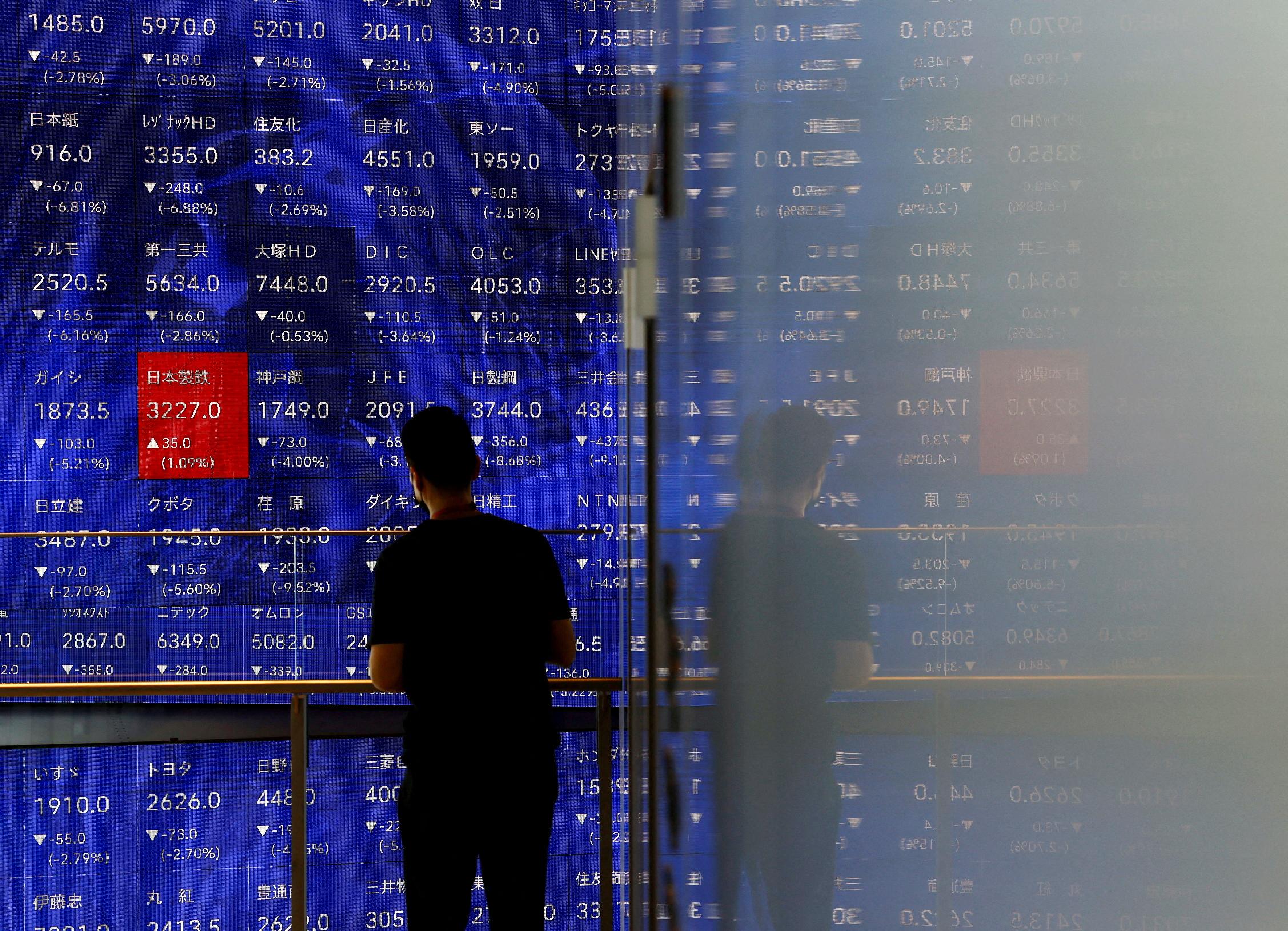
TOKYO, Aug 6 (Reuters) - Japanese leaders rushed on Tuesday to assuage concerns about the sharp swings in the country's financial markets, with the prime minister urging calm and senior finance officials convening an emergency meeting to discuss the global stock market sell-off. The executives from Japan's Ministry of Finance, the Financial Services Agency and the Bank of Japan (BOJ) held the trilateral meeting on Tuesday afternoon, said Atsushi Mimura, the country's top currency diplomat, emphasising close coordination between the government and the central bank. "The government and the BOJ agreed that it is important to monitor developments in economic and financial markets domestic and abroad with a sense of urgency while calmly assessing what is happening," Mimura told reporters after the meeting. The gathering is typically held in times of market turbulence, partly as a gesture that authorities are willing to act. A similar meeting was last held on March 27 this year following a sharp decline in the value of the yen. Stocks tumbled across the world on Monday as a sell-off that began last week picked up momentum, only to recover some ground on Tuesday, leaving bruised investors feeling whip-lashed. The Nikkei stock index (.N225) , opens new tab soared on Tuesday in a relief rally after plummeting 12.4% on Monday, its biggest percentage drop since the 1987 Black Monday crash. It ended Tuesday's trade up 10.2% at 34,675.46. Mimura declined to comment on factors driving the stock plunge but said the three parties shared a view that the Japanese economy will continue to gradually recover. Japanese Prime Minister Fumio Kishida urged caution, saying it was important to make calm judgements about the market. He offered an optimistic outlook for the world's fourth largest economy, citing factors such as the first rise in inflation-adjusted real wages in more than two years in June. "We recognise the Japanese economy continues to make a strong transition to a new stage," Kishida told reporters in Hiroshima earlier on Tuesday. Japanese Finance Minister Shunichi Suzuki said the government would monitor and analyse financial market moves and work closely with relevant authorities, including the BOJ. "It's important to realise resilient economic growth while responding to changes in front of us," Suzuki said. Sign up here. https://www.reuters.com/markets/asia/japan-will-continue-monitor-analyse-financial-market-moves-finmin-says-2024-08-06/
2024-08-06 04:58
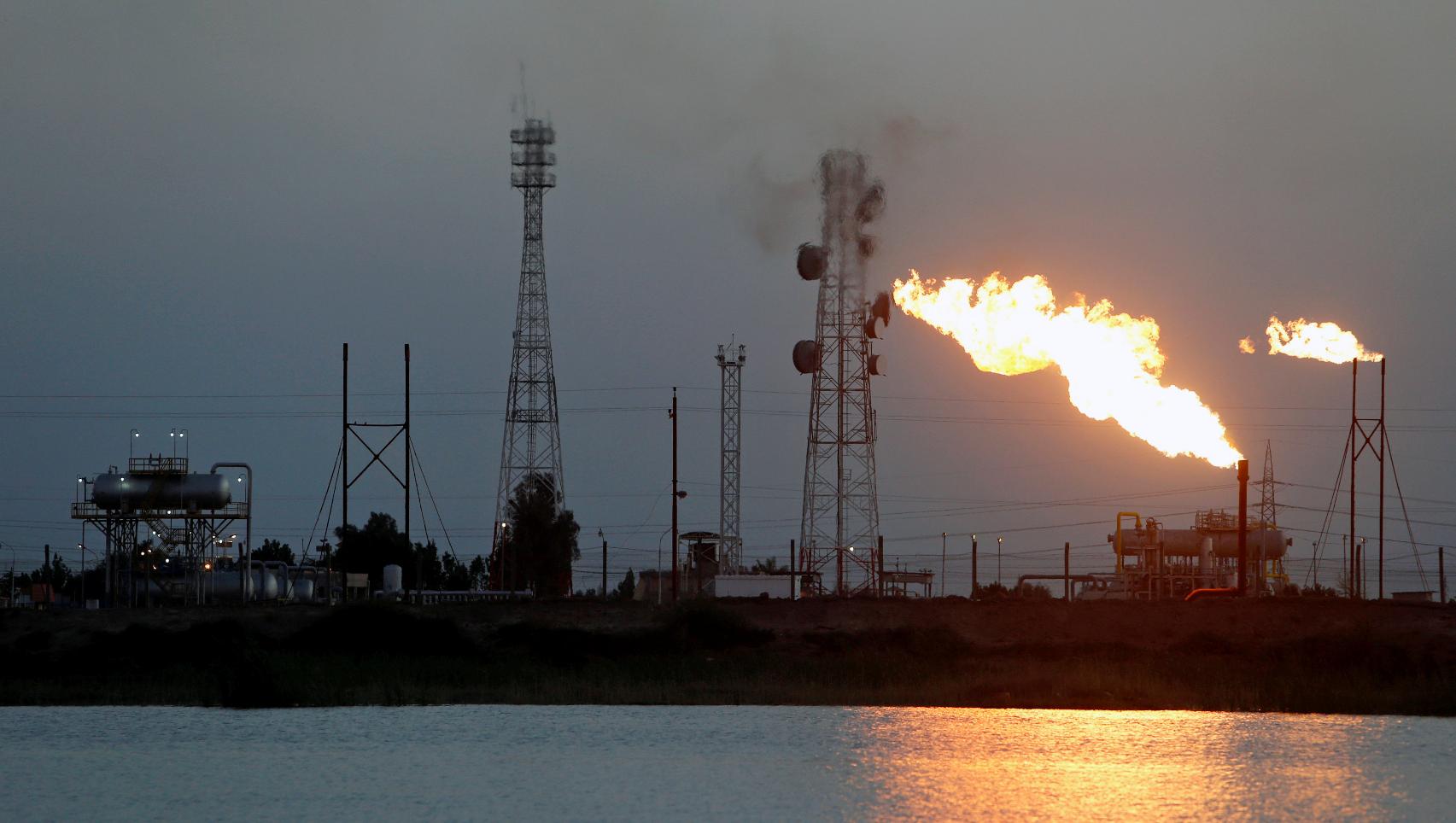
LAUNCESTON, Australia, Aug 6 (Reuters) - Asia's beleaguered oil refiners have received welcome relief on two fronts as crude prices slide and top supplier Saudi Arabia offered some relief. Saudi Aramco , the kingdom's state-controlled producer and the world's largest oil exporter, raised its official selling prices (OSPs) for September-loading cargoes for Asian customers by less than expected. The benchmark Arab Light grade saw an increase of 20 cents a barrel to a premium of $2 barrel above the Oman/Dubai average, Aramco said in a statement on Monday. While this was the first increase in the OSP in three months, it was less than half of the 50 cent hike expected by Asian refiners surveyed by Reuters ahead of the announcement. While there is a risk in over-analysing what is effectively a relatively small difference between the actual and expected OSPs, it's likely that the Saudis have concerns about the state of demand in the oil market. By keeping OSPs at elevated levels at the start of the year, the Saudis have encouraged refiners in Asia, which buy about 70% of the kingdom's oil exports, to seek cheaper crude from alternative suppliers, such as the United States, Brazil and even Russia. It appears that Saudi Arabia has been losing some market share in Asia, with LSEG Oil Research data showing the volume supplied to the region's refiners in July fell for a second month and was the lowest since April on a per day basis. Asia imported 4.64 million barrels per day (bpd) from Saudi Arabia in July, down from 4.99 million bpd in June and 5.68 million bpd in May, LSEG data show. China and India, the world's top two oil importers, show the problem the Saudis are encountering. China imported 1.47 million bpd from Saudi Arabia in July, down from 1.85 million bpd in June, while imports from Russia were 1.81 million bpd in July and 1.93 million bpd in June. Russia has overtaken Saudi Arabia as the top supplier to China, a reflection that Russian crude is being offered at a discount given the limited number of buyers since sanctions were imposed on Moscow in the wake of the invasion of Ukraine in 2022. India's imports from Saudi Arabia were 530,000 bpd in July, which was up from 390,000 bpd in June. However, India's imports from Saudi Arabia are now only about a quarter of those from Russia, with arrivals in July of 1.94 million bpd and 2.13 million bpd in June. Prior to the Western sanctions on Russian crude, India was a minor buyer and the bulk of its oil came from nearby Middle East producers, led by Saudi Arabia. MARKET SHARE It's likely that Aramco wants to stem some of the loss of market share in Asia, and by limiting the increase in its OSPs for September cargoes, it may be hoping to secure more volumes in long-term supply deals that are coming up for re-negotiation. It's also likely that Aramco wants to provide some relief to refineries in Asia, which have been caught between relatively high crude prices but struggling product prices amid soft demand for refined fuels, especially the key industrial and heavy transport fuel diesel. The profit margin for processing a barrel of Dubai crude at a typical Singapore refinery has recovered from its 12-month low of 90 cents on May 30, ending at $5.23 on Monday. The recovery has largely come as oil prices have eased, with Brent crude futures dropping to $75.05 a barrel on Monday, the lowest in 20 months, and down 15% over the past month. Even though refining margins have improved as crude prices softened, the current level is still 47% below the peak so far in 2024 of $9.91 a barrel, reached on Feb. 13, and only about one-third of the $15.40 refiners were enjoying in late August last year. Weak refining margins tend to crimp demand for crude as refiners look to cut costs and trim processing rates. However, the main issue for Saudi Arabia, and indeed its allies in the OPEC+ group of exporters, is the ongoing weakness in the crude price, which is a reflection of weak demand growth and mounting concern over recession in major economies, including the United States, the world's largest. Asia's crude oil imports dropped to the lowest in two years in July as demand remained weak in top importer China and eased in number two India. A total of 24.88 million bpd arrived in July in Asia, down 6.1% from the previous month and the lowest on a daily basis since July 2022, according to LSEG data. For the first seven months of the year, Asia's imports averaged 26.78 million bpd, down 340,000 bpd from the same period in 2023. This weak demand in Asia is something Aramco is recognising with its lower-than-expected OSP increase for September. If there is a surprise, perhaps it's that the OSP was increased at all, rather than left unchanged, or even lowered. The opinions expressed here are those of the author, a columnist for Reuters. Sign up here. https://www.reuters.com/markets/commodities/saudis-small-crude-price-hike-asia-shows-bigger-concerns-russell-2024-08-06/
2024-08-06 04:37
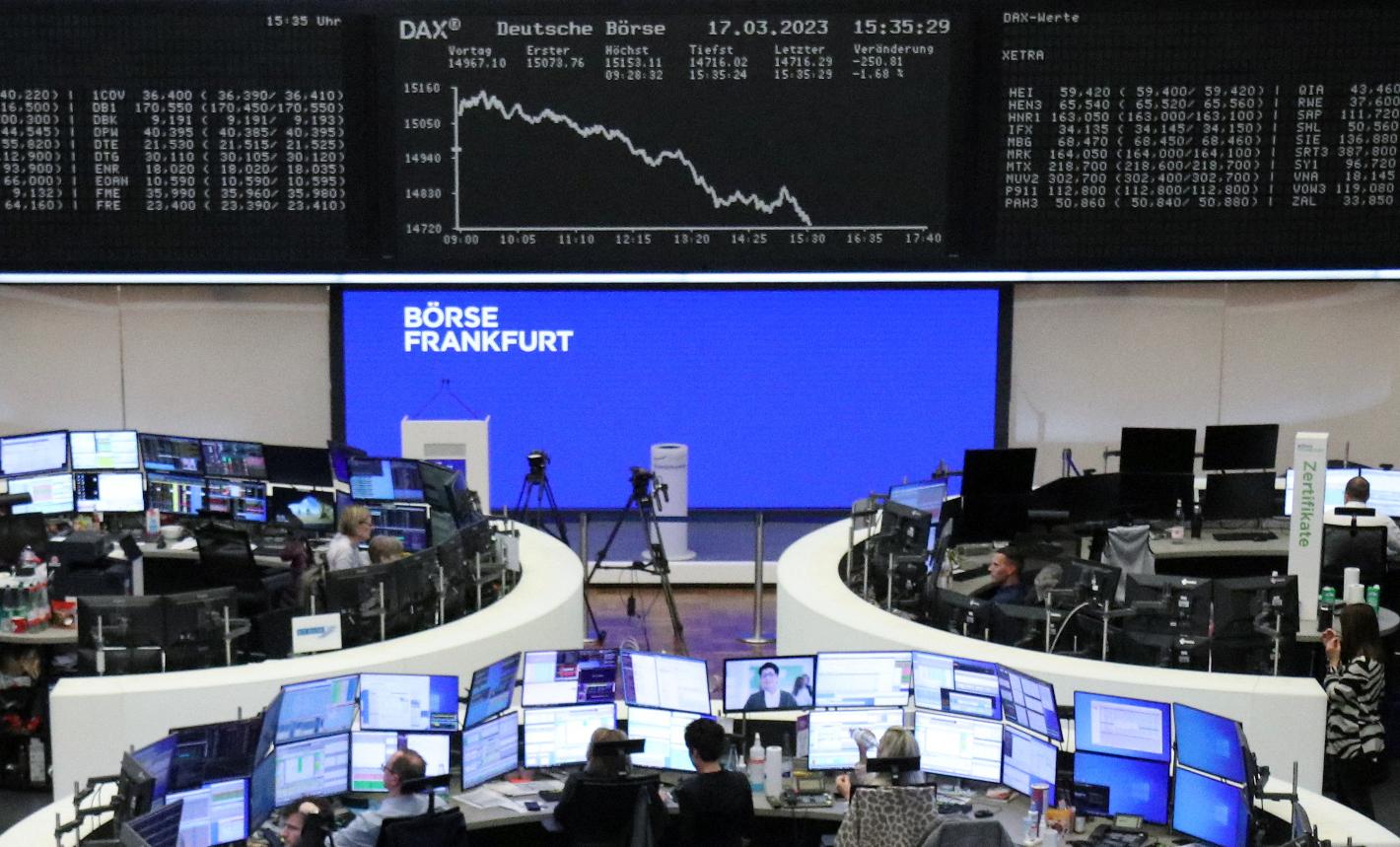
A look at the day ahead in European and global markets from Vidya Ranganathan It's happening all-at-once again in markets. A powerful rally has lifted Japan's Nikkei and Asian stock markets, and European and U.S. stock futures indicate they will follow too. Given the confluence of factors that drove the selloff - Japan's rate hike, an unwind of yen-funded global trades, weakness in U.S. jobs and Middle East tensions - strangely, all it took was a soothing message from central bank officials to turn things around. As Europe wakes up, the Nikkei(.N225) , opens new tab is up 9%, nearly erasing the 12.4% decline on Monday that pushed it into bear market territory. Wall Street is looking steadier, with S&P 500 futures rebounding 1.5%. The three-day rout cost the S&P 500 (.SPX) , opens new tab 8% of its value. The Europe-wide STOXX 600 index (.STOXX) , opens new tab, seems set to rise, after it logged its steepest three-day decline since June 2022 on Monday, closing below the key 500-point mark for a second day. Sceptics are quick to remind us that Japan is not the proverbial canary, as it has always come back fast from a sell-off. Given lingering concerns over inflated tech earnings and the view the Fed may have held rates too high for too long, the carnage may not be over. Add to that the still heavy overhang of yen-funded investments globally, not just in U.S. stocks but also in emerging market high-yielders such as India's rupee , Mexico's peso and South Africa's rand . Currencies are reversing some of Monday's sharp moves, with the dollar edging up to 145.50 yen from as deep as 141.675 and up against the safe-haven Swiss franc too. As fear gauges go, junk bond spreads have blown out and are ones to watch. Another recession indicator - the gap between two-year and 10-year Treasury notes - turned positive for the first time since July 2022 on Monday. The Nikkei volatility index (.JNIV) , opens new tab is still double levels it was at last week. The STOXX volatility index (.V2TX) , opens new tab ended Monday not too far from its highest level since March 2022, while S&P volatility (.VIX) , opens new tab is also still elevated. As fear subsides, Germany's safe-haven two-year bond yield should recover further. It hit its lowest level since March 2023 on Monday. Key developments that could influence markets on Tuesday: Sign up here. https://www.reuters.com/markets/europe/global-markets-view-europe-2024-08-06/
2024-08-06 03:38
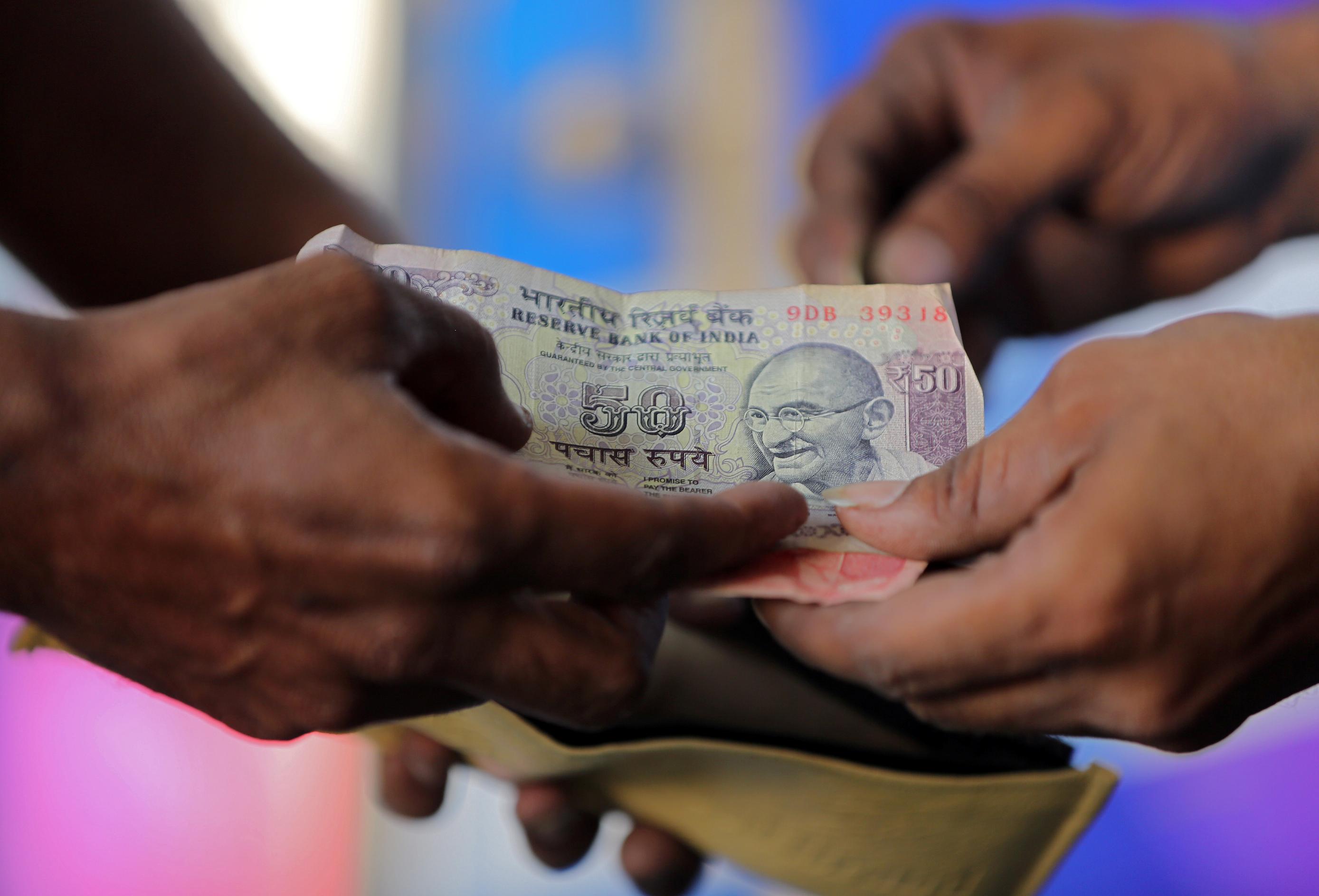
MUMBAI, Aug 6 (Reuters) - The Indian rupee is expected to open weaker on Tuesday, reaching an all-time low on dollar demand in the non-deliverable forward market, and slight trimming in for U.S. Federal Reserve rate cut expectations. Non-deliverable forwards indicate the rupee will open at 83.97-83.99 to the U.S. dollar, slipping past Monday's close and lifetime low of 83.8450. The 1-month dollar/rupee NDF climbed to 84.25 overnight amid worries over the fallout of the unwinding of the Japanese yen carry trade. The 1-month had retraced a part of its up move and was last at 83.06/83.08. The upward pressure on dollar/rupee in the NDF market and broadly is "quite evident", a currency trader at a bank said. The rupee's losses on Monday would have been larger had it not been for the Reserve Bank of India dollar sales in the onshore over-the-counter market. In the onshore over-the-counter market, "you have higher level of comfort" of the Reserve Bank of India intervention relative to the NDF market, the trader pointed out. The RBI has, in the past, intervened in the NDF market just before onshore OTC open to cool off the dollar/rupee spot and "that is likely again today", a forex dealer at a foreign bank said. ASIAN SHARES RECOVER Asian shares recovered from Monday's selloff fuelled by worries of a U.S. recession. The in-focus Japan's equity gauge was up about 10%, U.S. equity futures advanced and Indian equities were poised to open higher. Risk assets were supported by assuring comments by a Federal Reserve official that a weak July jobs report did not indicate a recession and a robust U.S. services data print. Stabilisation signs are emerging, ING Bank said in a note. The U.S. services report suggests the situation "looks ok" with the economy growing, adding jobs and with inflation above target, James Knightley, chief international economist, US at ING Bank said. Investors are now pricing in 110 basis points of rate cuts by the U.S. Federal Reserve this year, having reached 125 bps at one point on Monday. KEY INDICATORS: ** One-month non-deliverable rupee forward at 84.06/84.08; onshore one-month forward premium at 8 paise ** Dollar index down at 102.79 ** Brent crude futures up 1.3% at $77.3 per barrel ** Ten-year U.S. note yield at 3.84% ** As per NSDL data, foreign investors sold a net $402.1mln worth of Indian shares on Aug. 2 ** NSDL data shows foreign investors bought a net $230.4mln worth of Indian bonds on Aug. 2 (This story has been refiled to correct the syntax in paragraph 6) Sign up here. https://www.reuters.com/markets/currencies/rupee-may-dip-near-84usd-ndf-dollar-demand-rbi-intervention-likely-2024-08-06/