2024-08-02 15:40
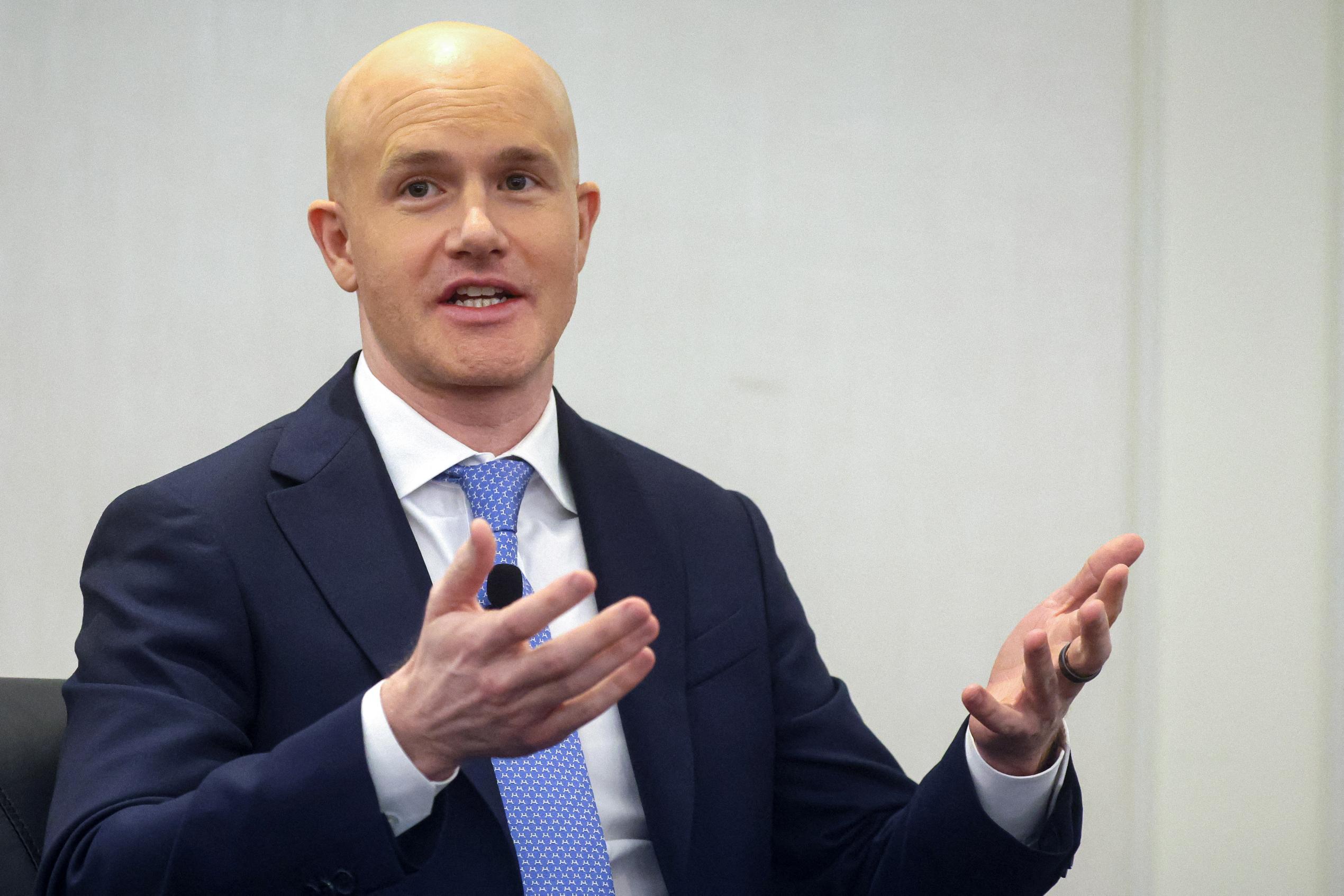
Crypto law a mainstream issue in Washington - Coinbase CEO Supreme Court's overturn of 'Chevron deference' may help Regulatory scene changing as political dynamics shift - analysts Aug 2 (Reuters) - The next U.S. administration will be "constructive" on crypto regardless of which party wins, Coinbase (COIN.O) , opens new tab CEO Brian Armstrong said late on Thursday, underscoring the industry's growing political influence ahead of the November election. The highly volatile crypto sector is seen as a risky fringe industry and has drawn intense scrutiny from the U.S. Securities and Exchange Commission, which has accused it of flouting securities laws. But support from Wall Street institutions and corporate titans like Elon Musk and the approval of U.S. exchange-traded crypto funds have boosted its mainstream appeal. The Republican and Democratic parties have also acknowledged the industry's growing clout in recent weeks. "(Crypto) advocates are making their voices heard as an important voting bloc. Politicians on both sides of the aisle have taken notice, and there is growing momentum to pass comprehensive crypto legislation," Armstrong told analysts. The largest U.S. crypto exchange is fighting the SEC in court after the regulator sued Coinbase last year alleging it failed to register as an exchange. Meanwhile, three major pro-crypto super political action committees - Fairshake, Defend American Jobs and Protect Progress - that did not exist until this election cycle - have raised more than $230 million to support friendly candidates. That campaign is moving the needle for both parties. Republican presidential candidate Donald Trump vowed to create a "stockpile" of bitcoin last week. Democratic vice president Kamala Harris's advisers have also reached out to top crypto companies to "reset" relations, the Financial Times reported. "Donald Trump is pro-crypto which theoretically creates a tailwind for the industry if he wins," Dan Coatsworth, investment analyst at AJ Bell told Reuters. "We don't yet know Kamala Harris' position but there are reports she could take a softer stance... than Joe Biden." That would be major win for the sector, which for years warned that the SEC crackdown will push crypto entrepreneurs overseas. Mike Colonnese, an analyst at brokerage H.C. Wainwright & Co, said a regulatory shift "has the potential to bring a new wave of institutional capital into the space that would've otherwise been sidelined". 'CHEVRON DEFERENCE' Coinbase CEO Armstrong lauded a recent Supreme Court decision that overturned a doctrine called "Chevron deference" that had called for judges to defer to federal agency interpretations of laws deemed to be ambiguous. Widely viewed as a blow to federal agency powers, the ruling said it is the job of courts, not agencies, to interpret laws. "We see this case as a sign of Supreme Court skepticism to agency overreach, which we view as a positive overall for our industry," said Armstrong, a vocal critic of the SEC. Coinbase last month added to its board former U.S. Solicitor General Paul Clement, a lead lawyer on the case which led to the Chevron ruling. "Shifts in the U.S. election landscape and the Supreme Court’s overturning of the long-standing Chevron precedent has changed our view on Coinbase's regulatory risks," analysts at Citigroup wrote in a note last month. Sign up here. https://www.reuters.com/technology/coinbase-expects-us-be-crypto-friendly-irrespective-election-outcome-2024-08-02/
2024-08-02 15:36
LONDON, Aug 2 (Reuters) - (This Aug. 2 story has been corrected to say 'wanes for,' not 'hit by,' in the headline and to clarify that the 15% refers to those willing to increase their exposure to multi-manager strategies in paragraph 2) Global investor appetite for the most expensive multi-strategy hedge funds has fallen, Goldman Sachs (GS.N) , opens new tab said in a report to clients seen by Reuters on Friday, though more investors plan to add hedge funds to their portfolios. Goldman Sachs' data from a survey of more than 300 investors like family offices, sovereign wealth funds and pension schemes showed that just 15% expressed an interest in increasing their exposure to multi-manager strategies with so-called pass-through fees, where the hedge fund passes on its costs. The figure has declined from just over a fifth of investors willing to take on the extra fees this time last year, said Goldman Sachs. The biggest multi-manager hedge funds charging pass-through fees now take more than half of gains back, leaving investors with an average 42% return on investment, after expenses and performance fees were deducted, said an earlier report by Barclays (BARC.L) , opens new tab. "If pass-through fees make the meal smaller, as an investor you have to decide if the meal is still big enough or of such high quality that you can live with a much smaller meal. It's when you have a small, not so great meal that your cook has a problem!" said Harald Berlinicke, partner at Sarnia Asset Management. These hedge funds saw their highest proportion of outflows totalling 1.5% of assets managed in the first half of the year, with net outflows overall about 1.1% of assets managed across all strategies, except systematic investing strategies, which saw net inflows. "The flows picture has remained challenging thus far in 2024," Goldman's report said. Goldman said endowments and foundations may have withdrawn funds to pay for other parts of a portfolio tied up in private markets. The survey also showed, however, that the highest proportion of investors since 2020 planned to add more hedge funds to their portfolios. Hedge funds beat private credit for the first time as the most popular asset class overall. The much-hyped strategy where companies borrow directly from specialised funds, bypassing banks and the bond market, saw the proportion of investors looking to cut their exposure almost double to 11% from 6% in 2023, the bank said. Most investors willing to increase spending on alternative investments that Goldman surveyed generally did not change their minds from a similar survey the bank ran in 2023 except for a huge drop in interest funds that take long only positions in bonds. Customer optimism for hedge funds has rebounded to the highest level since 2020, with over 85% of investors telling Goldman that performance of their hedge fund portfolios exceeded or met expectations for this year, up from 67% in 2023. "Given this year’s decent returns, the multi-strat space is a long way from any sort of crisis," said Jon Caplis, chief executive of hedge fund research firm PivotalPath. Multi-strategy hedge funds tracked by PivotalPath have returned more than 6% through June. "However, we are seeing an increasing dispersion between the better performing multi-strats and some of the pretenders to the throne who have ambition, but also struggle for scale and talent," said Caplis. Sign up here. https://www.reuters.com/business/finance/hedge-fund-investor-appetite-hit-by-high-fees-private-credit-says-goldman-sachs-2024-08-02/

2024-08-02 13:17
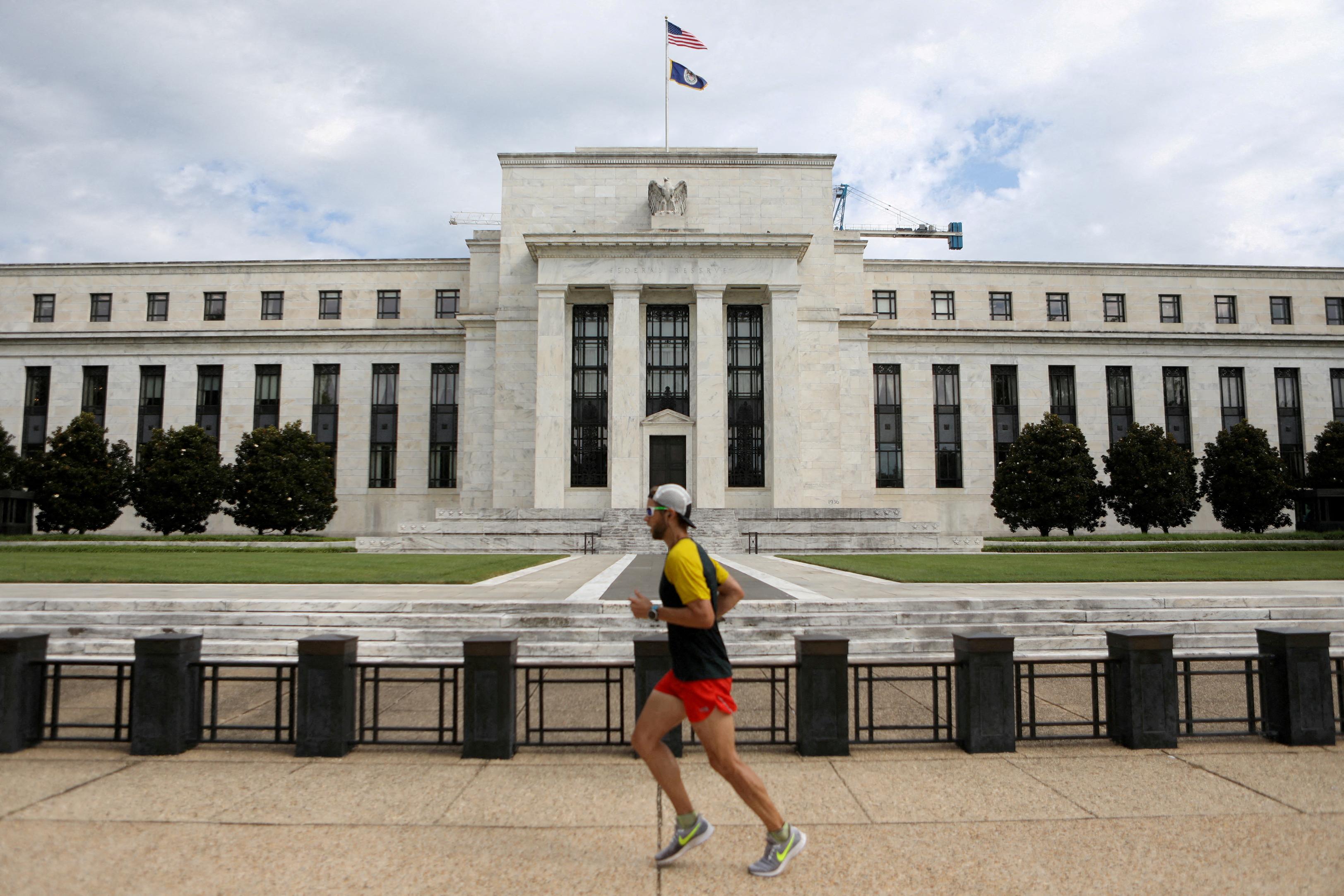
Aug 2 (Reuters) - U.S. job growth slowed more than expected in July, while the unemployment rate increased to 4.3%, which could heighten fears that the labor market is deteriorating and potentially making the economy vulnerable to a recession. Nonfarm payrolls increased by 114,000 jobs last month after rising by a downwardly revised 179,000 in June, the Labor said on Friday. Economists polled by Reuters had forecast payrolls advancing by 175,000 jobs after a previously reported 206,000 gain in June. Hurricane Beryl, which knocked out power in Texas and slammed parts of Louisiana during the payrolls survey week, likely contributed to the below-expectations payrolls gain. Traders bet that the Federal Reserve will start easing policy in September with a big half-percentage-point interest rate cut, versus what was seen before the report as a 70% chance of a more usual quarter-point cut. MARKET REACTION: STOCKS: S&P 500 E-minis extended losses and were down 1.69% BONDS: The yield on benchmark U.S. 10-year notes tumbled to 3.835%, the two-year note yield fell to 3.945% FOREX: The dollar index extended a loss to -0.7% COMMENTS: MARC OSTWALD, CHIEF ECONOMIST AND GLOBAL STRATEGIST, ADM INVESTOR SERVICES INTERNATIONAL, LONDON "It was a weak reading. There wasn't really an impact from Hurricane Beryl. You had nice increases in manufacturing, construction and retail and indeed leisure and hospitality - all of which should have been hit if it had. So you can't explain the weak reading with that. The unemployment rate rose, more due to migration than anything else because labor force participation increased, You've got two forces, one of labor demand easing, not falling off a cliff but definitely easing - and a larger labor force." "I wouldn't say the Fed's behind the curve - you can't fine tune these things. But this essentially cements a rate cut in September, whatever we get from July CPI." "The last thing the stock market needs right now is another definitive signal that the economy is slowing. It's good news for bonds and credit, but not for equities although there are some other factors going on there." STUART COLE, CHIEF MACRO ECONOMIST, EQUITI CAPITAL, LONDON "A soft number, which must leave a September cut from the Fed starting to look like a nailed-on certainty. A big miss on the headline number, a sizeable downwards revision to last month’s print, and a 2% rise in the rate of unemployment – it is no surprise that Powell has recently been highlighting concerns among some FOMC members about the dangers of delaying for too long a cut in interest rates, and then going too timidly thereafter." "And what is potentially even more worrying for the Fed is that, whereas in the past a softer data would see equities rally on the expectation that inflation was coming down and interest rate cuts were on the horizon, the fact that equities have reacted negatively to today’s number suggests the thinking is that the Fed is already behind the curve and should have been cutting rates already. The two CPI reports to be released between now and the September Fed meeting probably now have to be pretty shocking if the Fed is going to defer cutting rates again." MELISSA BROWN, MANAGING DIRECTOR, APPLIED RESEARCH, SIMCORP, NEW YORK "The top line number is a little shocking relative to expectations. It's much lower than expected. But it's a positive number. It's not the lowest we've seen. The job gains could be low enough to trigger the Fed to act at the next meeting but they're not so low that the signs are flashing recession." "The unemployment number is higher than expected and higher than its been for a while. That's a bit of a concern but it's still relatively low." "There's still a lot of data to come out between now and the next meeting. A 50 basis-point cut is possible but given the Fed's caution, not that likely. It'll really depend on the data over the next few weeks." "Hourly earnings was slightly below. What that means is the next inflation report will be quite important, where general inflation stands versus earnings gains," "To me it's a little surprising the market is reacting so badly because at the same time the likelihood of a bigger rate cut has gone up and the market tends to like that." WASIF LATIF, PRESIDENT AND CHIEF INVESTMENT OFFICER, SARMAYA PARTNERS, PRINCETON, NEW JERSEY “This is what a growth scare looks like. The market is now realizing that the economy is indeed slowing. Unemployment is an auto-correlation number. So once it starts moving in a certain direction, it generally continues to moving that direction for some successive data points. I think the market is also quickly realizing the Fed may have made a mistake by not cutting. Historically, the Fed has been that they have tended to wait longer and end up pushing the economy into a slower zone. Obviously, they've been data dependent. But now that the data's out, they will probably do what they need to do in September. But September is a lifetime away right now for the market, which is panicking.” “You would expect bonds to rally in this environment because of the economic slowdown, the flight to quality etc. But you're also seeing gold hitting all-time highs the because now we're at a point where the market is pricing in greater Fed cuts and I think the gold price is saying that's all well and good.” BRIAN JACOBSEN, CHIEF ECONOMIST, ANNEX WEALTH MANAGEMENT, MENOMONEE FALLS, WISCONSIN “If Powell knew then what he knows now, he probably would have cut rates. By keeping rates on hold while inflation fell, they’ve applied too much pressure on the brakes. The decline in hours for the manufacturing work week is not a good sign for this being just a soft patch. The Fed can’t bank on economic momentum bailing them out from being too slow to recognize how quickly things are changing.” Sign up here. https://www.reuters.com/markets/rates-bonds/view-soft-us-payrolls-number-opens-door-september-fed-cut-2024-08-02/
2024-08-02 13:10
Russian key rate seen ending 2024 at 18% Rouble to weaken to 96.1 vs dollar in 12 months Russia's GDP growth forecast at 3.6% in 2024 Inflation expected to end 2024 at 6.9% Aug 2 (Reuters) - Russia's central bank has no room to lower rates from 18% this year, a Reuters poll showed on Friday, with analysts forecasting inflation above the bank's 4% target in an overheating economy propelled by military production and consumer spending. Russia's economic growth relies heavily on large-scale government spending on arms production as Moscow funds its war in Ukraine, contributing to soaring real wages in a tight labour market with unemployment at a record low. The consensus forecast of 14 analysts polled by Reuters in late July and early August suggested the Bank of Russia's key rate (RUCBIR=ECI) , opens new tab would end the year at 18%, up from 17.75% in the previous poll. The central bank warned of economic overheating as it hiked rates to 18% last week, vowing to bring down stubborn inflation, currently running at about 9%. Mikhail Vasilyev, chief analyst at Sovcombank, was one of four economists expecting tighter monetary policy by year-end, predicting another hike, in September or October, to 20%. "We believe that the opportunity for a key rate cut will open up only in mid-2025, when inflation will steadily slow towards the 4% target," Vasilyev said. Analysts forecast year-end inflation sharply higher at 6.9%, up from 6.4% in last month's poll. That would follow annual inflation of 7.4% in 2023 and 11.9% in 2022. Expectations for Russia's 2024 gross domestic product growth were also markedly raised to 3.6% from 3.1% in the previous poll, as Russian government and consumer spending remains strong. GDP grew 4.7% in the first half of the year, the economy ministry estimated this week. The rouble, currently buttressed by capital controls, state foreign currency interventions, high rouble interest rates and oil prices, is seen weakening to 96.1 to the dollar over the next year, slightly stronger than in the previous poll. Sign up here. https://www.reuters.com/markets/rates-bonds/no-room-russia-cut-rates-this-year-inflation-climbs-economy-overheats-2024-08-02/

2024-08-02 12:53
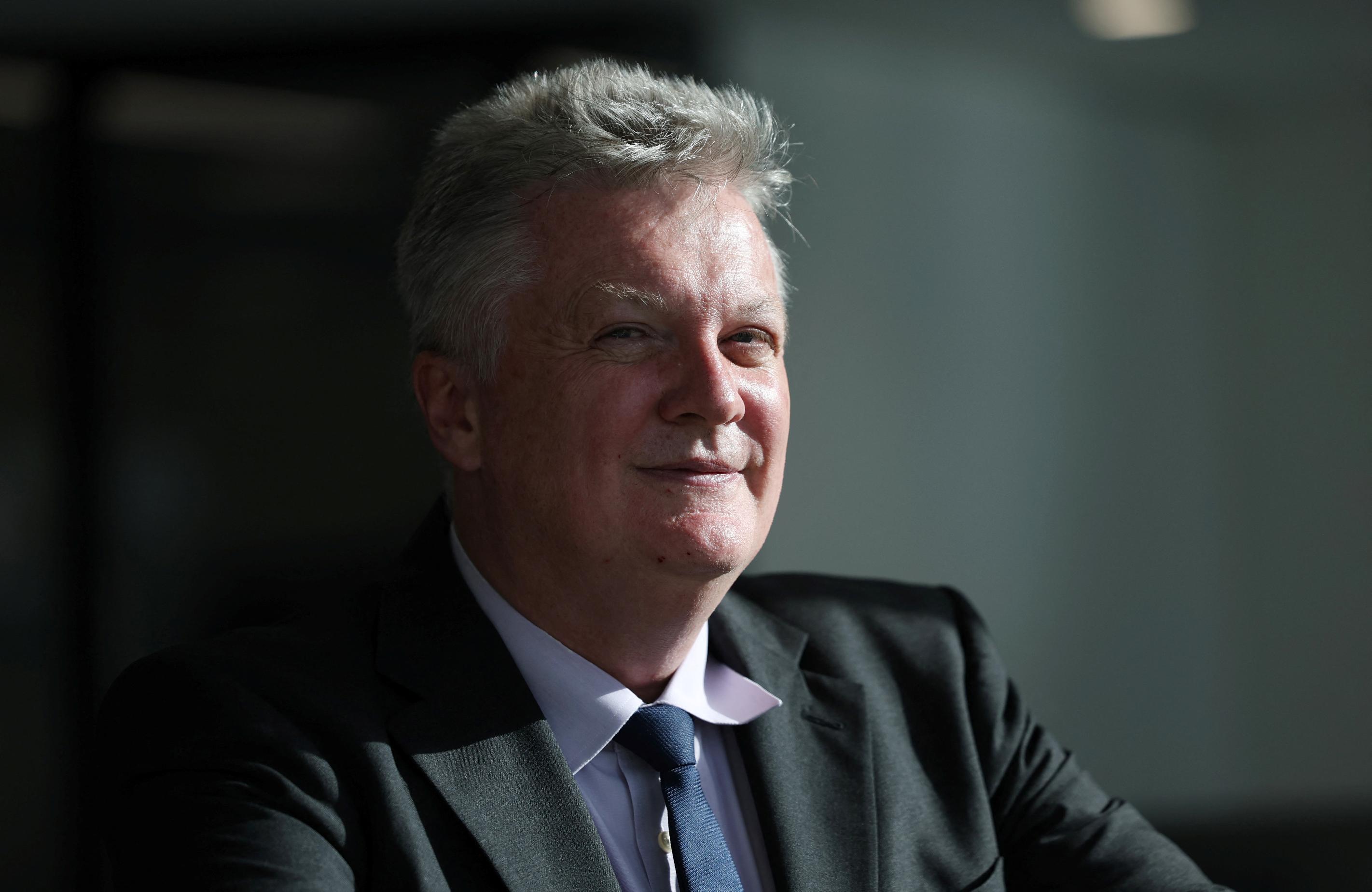
LONDON, Aug 2 (Reuters) - Bank of England Chief Economist Huw Pill said on Friday that the fight against high inflation was not won and there was no guarantee that interest rates would fall again soon. "I think we can't be complacent, we can't declare 'job done' because there are some sort of dynamics in the UK economy, a sort of persistent component, that we need to be cautious about," Pill told an online presentation organised by the BoE. "I think we shouldn't be yet promising that rates are going to move down further in the very short term," he said. Pill voted against the BoE's decision to cut borrowing costs for the first time in more than four years which was announced on Thursday. BoE Governor Andrew Bailey, who was part of the five-strong majority on the Monetary Policy Committee which backed the cut in Bank Rate, has also said the timing of further reductions in borrowing costs remains to be determined. Investors are fully pricing another quarter-point reduction in Bank Rate - which now stands at 5.0% - in November. Inflation in Britain has fallen from more than 11% in October 2022 to 2% in the most recent data, but wage growth and inflation in the services sector remain stronger, representing risks for price growth ahead. In his comments on Friday, Pill said progress on tackling inflation was being made but Britain was "not out of the woods." He also said he did not believe above-inflation increases in public sector pay announced by the government posed a big inflationary risk. Sign up here. https://www.reuters.com/world/uk/boes-pill-says-job-not-done-inflation-rates-might-not-fall-again-soon-2024-08-02/
2024-08-02 12:48
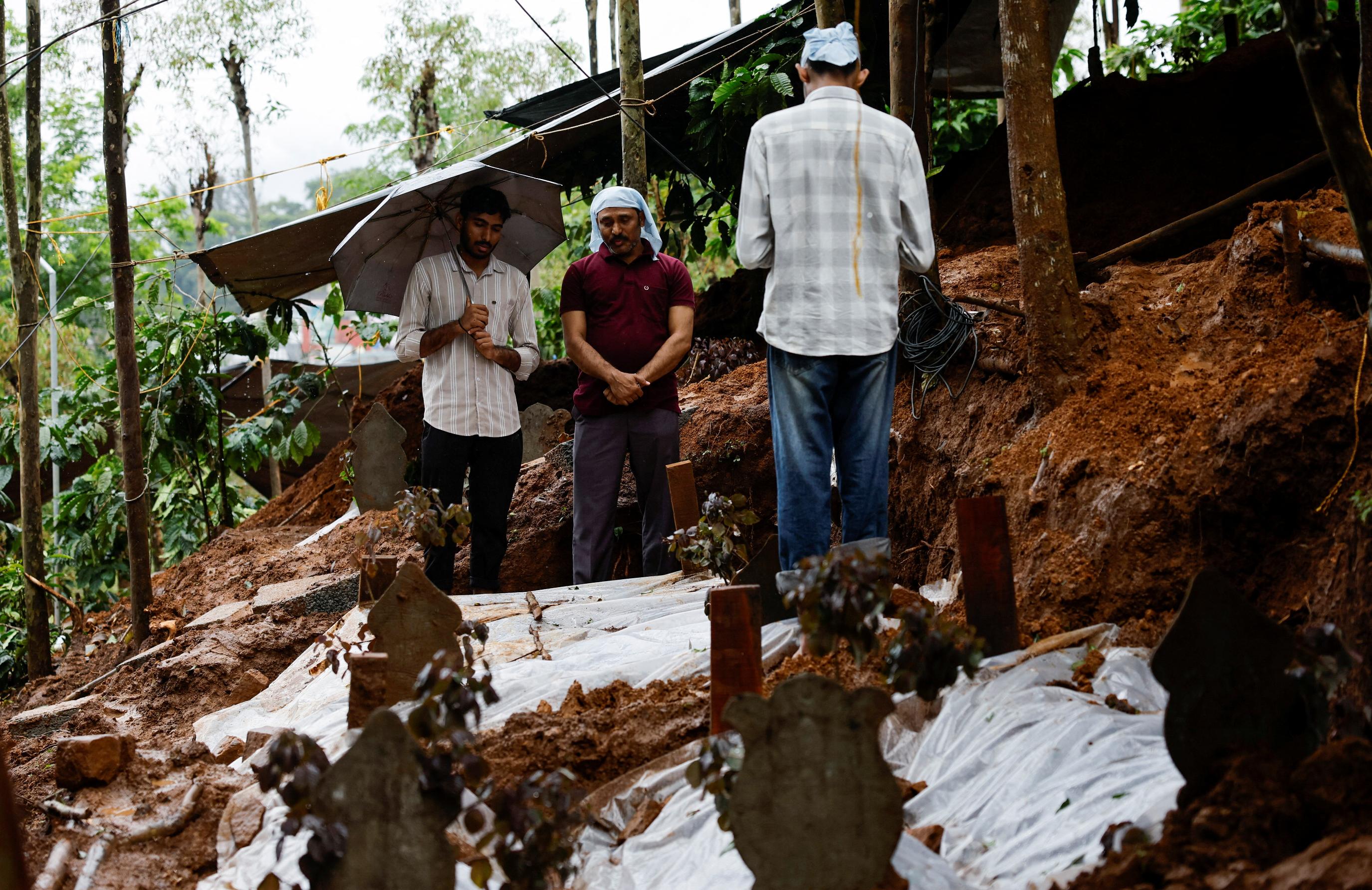
CHOORALMALA, India, Aug 2 (Reuters) - With a steeply pitched tiled roof piercing misty green hills in southern India and a stream gushing through rocks nearby, the Stone House Bungalow was one of the most popular resorts in the Wayanad area of Kerala state. It was empty when two landslides early on Tuesday washed away the 30-year-old stone building: staff and tourists had left after rain flooded its kitchen a few days earlier. But neighbouring dwellings in Mundakkai village were occupied and 205 people, almost all locals, were killed and scores are missing. Tourists had been warned to leave the day earlier because of the rain. Local authorities are now counting the cost of the disaster and questioning whether the rapid development of a tourism industry was to blame for the tragedy. Weather-related disasters are not unusual in India, but the landslides in Kerala state this week were the worst since about 400 people were killed in floods there in 2018. Mundakkai, the area worst affected by the landslides, was home to some 500 local families. It and neighbouring villages housed nearly 700 resorts, homestays and zip-lining stations attracting trekkers, honeymooners and tourists looking to be close to nature, a local official said. Cardamom and tea estates dotted the hills. ((For a Graphics version of this story click here , opens new tab)) Experts said they had seen Tuesday's disaster coming for years and several government reports in the past 13 years had warned that over-development in the ecologically sensitive areas would increase the risk of landslides and other environmental disasters such as floods by blocking natural water flows. The warnings were largely ignored or lost in bureaucratic wrangling. A fast-growing India is rapidly building infrastructure across the country, especially in its tourist destinations, including the ecologically fragile Himalayan foothills in the north where there has been a rise in cave-ins and landslides. Just three weeks before the latest disaster, Kerala state Tourism Minister P. A. Mohammed Riyas said in the local legislature in answer to a question that Wayanad was "dealing with an influx of more people than it can handle, a classic example of a place facing the problem of over-tourism". The area is just six hours by road from Bengaluru, India's tech hub, and is a favoured weekend destination for the city's wealthy IT professionals. However, officials were unable to share any documentary evidence with Reuters of resorts and tourist facilities flouting building regulations, although they said some had done so. Noorudheen, part of Stone House's managing staff who goes by one name, said no government or village authority had warned the management against building or operating a resort there. There was no sign that the landslides were directly caused by over-development. Residents said regions higher up in the hills were loosened by weeks of heavy rain and an unusually heavy downpour on Monday night led to rivers of mud, water and boulders crashing downhill, sweeping away settlements and people. But experts said the unbridled development had worsened the situation by removing forest cover that absorbs rain and blocking natural runoffs. "Wayanad is no stranger to such downpours," said N. Badusha, head of Wayanad Prakruthi Samrakshana Samiti, a local environment protection NGO. "Unchecked tourism activity in Wayanad is the biggest factor behind worsening such calamities. Tourism has entered ecologically sensitive fragile areas where it was not supposed to be." SURGE IN TOURISM Wayanad received more than 1 million domestic and foreign tourists last year, nearly triple the number in 2011 when a federal government report warned against over-development in the broader mountain range the district lies in, without clearly spelling out the consequences. "The geography is really too fragile to accommodate all that," K. Babu, a senior village council official in Mundakkai, said in his office this week as he coordinated rescue efforts. "Tourism is doing no good to the area...the tourism sector was never this active." A Wayanad district disaster management report in 2019 warned against "mindless development carried out in recent decades by destroying hills, forests, water bodies and wetlands". "Deforestation and reckless commercial interventions on land have destabilised the environment," Wayanad's then top official, Ajay Kumar, wrote after landslides in the district that year killed at least 14 people. Reuters reached out to the Wayanad district head, its disaster management authority, Kerala Chief Minister Pinarayi Vijayan's office and the federal environment ministry seeking comment but there were no responses. Mundakkai used to be a small village sitting on the eastern slope of one of the forested green hills of the Western Ghats mountain range that runs parallel to nearly the entire length of India's western coast for 1,600 km (1,000 miles). Rashid Padikkalparamban, a 30-year-old Mundakkai native who lost six family members including his father to the landslides, said that the place came to the attention of outsiders mainly after 2019 and turned it into a major tourist attraction. "They discovered a beautiful region full of tea and cardamom plantations, and a river that swept through it," he said at a school-turned-relief camp. Many locals sold their lands to outsiders, who then built tourist retreats in the area, he said. 'GOD'S OWN COUNTRY' Kerala, a sliver of land between the Western Ghat mountains to the east and the Arabian Sea to the west, is one of the most scenic states in India, and is advertised as "God's Own Country". But it has witnessed nearly 60% of the 3,782 landslides in India between 2015 and 2022, the federal government told parliament in July 2022. Studying the ecological sensitivity of the Western Ghats, a federal government-appointed committee said in 2011: "It has been torn asunder by the greed of the elite and gnawed at by the poor, striving to eke out a subsistence. This is a great tragedy, for this hill range is the backbone of the ecology and economy of south India." The committee, headed by ecologist Madhav Gadgil, recommended barring mining, no new rail lines or major roads or highways in such areas, and restrictions on development in protected areas that it mapped out. For tourism, it said only minimal impact tourism should be promoted with strict waste management, traffic and water use regulations. State governments, including Kerala, did not accept the report, and a new committee was set up, which in 2013 reduced the overall protected area from 60% of the mountain range to 37%. But all the states along the mountain range wanted to reduce the protected area even further, minutes of successive meetings until 2019 show. The federal government issued drafts to implement the recommendations for all stakeholders, but is yet to issue a final order. Gadgil told Reuters his committee had "specifically recommended that in ecologically highly sensitive areas there should be no further human interventions, such as reconstruction". "The government, of course, decided to ignore our report," he said, because tourism is a cash cow. Kerala Chief Minister Vijayan dismissed questions about the Gadgil recommendations, telling reporters his focus was on relief and rehabilitation and asking people to not "raise inappropriate propaganda in the face of this tragedy". While experts bemoan tourism-led development, locals like Mundakkai's Padikkalparamban said it brought jobs to an area that did not have many options earlier. "After the plantation estates, resorts are the second biggest job-generating sector in the area now," he said. But K.R. Vancheeswaran, president of the Wayanad Tourism Organisation that has some 60 resorts and homestays as members but none in the vicinity of the landslides, said the industry needed to take some of the blame. "If human activities are going to be unbearable to nature, nature will unleash its power and we will not be able to withstand it," Vancheeswaran said. "We have had to pay a very, very high price, so let us try to learn from it." Sign up here. https://www.reuters.com/world/india/how-missed-warnings-over-tourism-aggravated-deadly-india-landslides-2024-08-02/