2024-08-01 19:26
HOUSTON, Aug 1 (Reuters) - Shares in U.S. oil producer Hess (HES.N) , opens new tab suffered their largest daily percentage drop in 20 months on Thursday on fallout from the lengthy new delay to its proposed sale to Chevron (CVX.N) , opens new tab An arbitration panel organized to hear an Exxon Mobil (XOM.N) , opens new tab challenge to the $53 billion sale will not meet until next May, pushing back any closing until the second half of 2025. The two companies originally had hoped to conclude the merger earlier this year. Hess' stock fell $11.25, or 7.35%, the largest daily percentage drop since November 2022. Chevron shares were also off 4%, or $6.57, at $153.93 in midday New York trading. Exxon and CNOOC Ltd (0883.HK) , opens new tab filed arbitration claims claiming a pre-emption right to any sale of Hess’ lucrative stake in a Guyana oil-producing joint venture. The challenge threatens to block Chevron’s biggest deal since its 2001 acquisition of Texaco for $36 billion. Exxon and CNOOC have argued Chevron's bid for Hess triggered a right of first refusal clause in their Guyana joint operating agreement. Chevron and Hess dispute that claim. The all-stock sale, announced last October, has been stalled by a second request for information by antitrust regulator, the U.S. Federal Trade Commission. Its review should be completed this quarter, a spokesman for Hess said. Sign up here. https://www.reuters.com/markets/deals/hess-shares-fall-most-20-months-lengthy-new-delay-chevron-sale-2024-08-01/

2024-08-01 17:05
LONDON, Aug 1 (Reuters) - Big investors are growing more confident about a comeback for neglected UK assets, with the Bank of England's move to cut interest rates from a 16-year high burnishing the feel-good factor from the new British government's landslide election win. The BoE cut rates by a quarter point to 5.0% on Thursday, in a decision markets had thought was on a knife-edge. The result, money managers said, signaled Britain's battle with weak growth and high inflation might be coming to an end just as an era of political turmoil and uncertainty was also potentially over. Shaken for years by Brexit, successive leadership changes under the former Conservative government and by ex-Prime Minister Liz Truss' disastrous 2022 mini-Budget, UK stocks are weakly valued and government bonds are trailing U.S. peers. But while the BoE's policymakers voted 5-4 for a cut, showing deep division over whether inflation has been tamed, they also cheered investors by raising their economic growth projections. "The unusual combination of a rate cut and an upgraded growth forecast should be a clear positive for markets," Principal Asset Management chief global strategist Seema Shah said. "The UK today has fiscal policy that looks much more normal than in periods of crisis during the recent past and the macro (economic) backdrop looks better given growth is picking up," Lombard Odier macro strategist Bill Papadakis said. "This development in monetary policy is really the cherry on the cake." Papadakis said he had turned positive on UK stocks around the time former Prime Minister Rishi Sunak called the election in late May and would hold the position, predicting signs of weakness in British markets on Thursday were temporary. Sterling briefly fell to its lowest in nearly a month after the decision, before recouping much of those losses to trade around 0.7% down on the day at $1.2772. Two-year gilt yields , the most sensitive to BoE policy, fell 11 basis points to 3.703%, while the FTSE 250 (.FTSE) , opens new tab dipped 0.65% but was still close to its highest since early 2022. BACK IN BUSINESS? Investors have yanked money out of British equity funds for at least two years, according to Lipper data. Although the FTSE 250 mid-cap share index (.FTMC) , opens new tab has risen as much as Wall Street's mighty S&P 500 (.SPX) , opens new tab in the last three months, with an 8% gain, it is still valued at close to a record discount to the benchmark U.S. index. The international bond markets that price government's creditworthiness minute-by-minute have warmed to the UK, however, with the benchmark 10-year gilt yield almost a full percentage point lower year to-date at 3.874% as the security's price has risen. Gilts are continuing their long-term trend of underperforming U.S. Treasuries, but are starting to attract more interest. Harry Richards, fixed income investment manager at Jupiter Asset Management, said he added UK government bonds to the largest funds he manages around three months ago, for the first time since the 2008 financial crisis. "It was never something we found that attractive," he said, adding that he changed his view because he believed UK inflation would fall quickly and longer-dated gilts were undervalued. International investors, he predicted, would come back to UK debt markets. "The Liz Truss debacle led to a lot of foreign investors saying they didn’t want anything to do with UK fixed income," he said. "International investors can now feel more comfortable." CHAOS NO MORE Labour leader Keir Starmer achieved a historic election majority for his the left-of-centre party in July after pledging to rebuild wealth and crumbling infrastructure. Starmer and his finance minister Rachel Reeves have also promised not to increasing borrowing for day-to-day spending, having inherited a national debt pile approaching 100% of economic output. "Reeves is treading very carefully and the gilt markets like that," said Jason Simpson, fixed income strategist at State Street's SPDR ETF business. He added that this situation was febrile, with bond investors still twitchy about the cautious tone changing. Shamil Gohil, a fixed income manager at Fidelity International, said he was positive on UK gilts, but viewed Reeves' first Budget in October as a major risk event. STERLING SHIMMERS In terms of short-term currency speculation at least, bullishness on Britain is high. Sterling is this year's top performing currency against the U.S. dollar and hedge funds and other traders are sitting on their largest ever derivatives bet that the pound will rise, data from the U.S. markets regulator showed . Thursday's rate cut was unlikely to dent sterling's allure, because UK rates at 5% remained relatively high and Britain's political, growth and inflation outlooks were better, said April LaRusse, head of investment specialists at Insight Investment. "I don’t think this is the beginning of some repricing of sterling. I think on the whole the UK looks pretty attractive.” Sign up here. https://www.reuters.com/markets/bank-england-rate-cut-boosts-comeback-factor-uk-markets-2024-08-01/

2024-08-01 14:44
BoE cuts interest rates to 5.00% from 5.25% Monetary Policy Committee votes 5-4 for cut Rate cut in line with Reuters poll forecast Bailey says BoE must be careful on further rate cuts Investors bet on a further rate cut before year-end LONDON, Aug 1 (Reuters) - The Bank of England cut interest rates from a 16-year high on Thursday after a tight vote by its policymakers who were split over whether inflation pressures had eased sufficiently. Governor Andrew Bailey led the 5-4 decision to reduce rates by a quarter-point to 5% and he said the BoE would move cautiously going forward. It was the central bank's first cut since March 2020, at the start of the COVID-19 pandemic, giving Britain's new government a boost as it seeks to speed up the pace of economic growth. But Bailey stressed the BoE was not committing to a series of quick reductions in borrowing costs. "We need to make sure make sure inflation stays low, and be careful not to cut interest rates too quickly or by too much," he said in a statement. Most economists polled by Reuters had expected a cut while financial markets had seen just over a 60% chance. Sterling slipped to its lowest against the U.S. dollar since early July and bond yields also fell slightly after the BoE's announcement with the yield on 10-year gilts touching its lowest since March. Bailey insisted the BoE would take its decisions on rates "from meeting to meeting" but investors were betting on another rate cut this year with the chance of a move at its next meeting in September seen as a roughly 55% probability. "The Bank of England is staying tight-lipped on when it expects to cut rates again," ING economist James Smith said. "But we think better news on services inflation and wage growth can unlock one, or more likely two rate cuts by year-end." Borrowing costs had been on hold for almost a full year - the longest period they have been left unchanged at the peak of a BoE tightening cycle since 2001. In June, the BoE's Monetary Policy Committee voted 7-2 to keep rates on hold. Minutes of the August meeting showed the decision to cut them was "finely balanced" for some members. None of the policymakers whose votes changed the balance - Bailey and Deputy Governors Sarah Breeden and new MPC member Clare Lombardelli - had spoken publicly about monetary policy since June. Speaking opportunities had been limited by the July 4 election which brought the Labour Party to power. The BoE said policymakers had been briefed on this week's announcements of big public-sector pay increases and on fiscal policy, but their impact would only be incorporated into the BoE's forecasts after the Oct. 30 budget. Finance minister Rachel Reeves welcomed the rate cut but said millions of families still faced higher mortgage rates and she reiterated her plan to "fix the foundations of our economy after years of low growth." British consumer price inflation returned to the BoE's 2% target in May and stayed there in June, down from a 41-year high of 11.1% struck in October 2022. This leaves British inflation lower than in the euro zone - where the European Central Bank cut rates in June - and the United States, where on Wednesday the Federal Reserve opened the door to a September cut. INFLATION TO RISE The BoE expects headline inflation to rise to 2.75% in the final quarter of 2024 as the effect of steep falls in energy prices fades, before returning to its 2% target in early 2026 and later sinking below. The long time lags for interest rates to affect inflation mean the BoE is more focused on what it sees as medium-term drivers of inflation: services prices, wage growth and tightness in the labour market. The BoE linked June's strong services inflation to "volatile components" and regulated prices that were influenced by high headline CPI earlier in the year. Wage growth at nearly 6% is almost double the rate the BoE views as consistent with 2% inflation but is slowing in line with the central bank's expectations. The BoE now thinks Britain's economy will expand by around 1.25% this year, up from a previous forecast of 0.5%, after stronger-than-expected growth earlier this year. Based on International Monetary Fund forecasts, that would be stronger growth than in France, Italy and Germany. Surveys of businesses published earlier on Thursday suggested growth in Britain last month was stronger than in much of the euro zone and Asia. The BoE said unemployment will rise slightly, reducing upward pressure on inflation. However, it acknowledged the risk that price pressures might prove more persistent and keep inflation above target for longer than its main forecast. Next month the BoE must decide whether it continues the annual 100 billion-pound pace of reductions in its bond holdings. The BoE repeated its view that these sales had a limited impact on the gilt market and said the high level of interest rates would allow it to fine-tune monetary conditions if it proved greater in future. Sign up here. https://www.reuters.com/markets/europe/bank-england-cuts-rates-16-year-high-will-be-careful-next-moves-2024-08-01/

2024-08-01 14:16
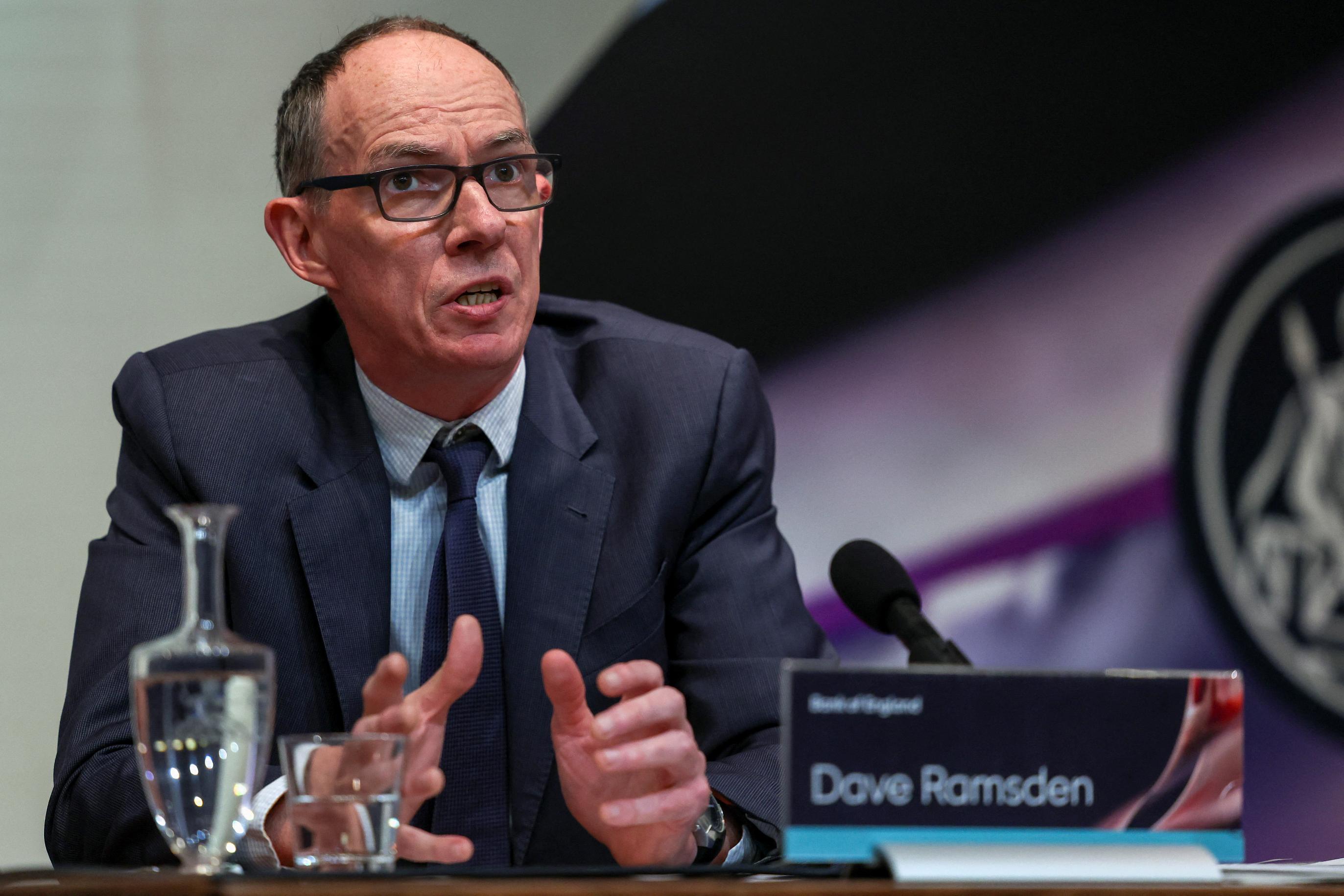
LONDON, Aug 1 (Reuters) - The Bank of England can carry on with its programme of bond sales - known as quantitative tightening - over the coming year even as interest rates fall, Deputy Governor Dave Ramsden said on Thursday. "We're confident that QT can keep operating in the background, for the next year, consistent with our principles," Ramsden said at a press conference after the BoE cut interest rates for the first time since 2020. In its latest report, the BoE repeated its view that the impact of its QT sales so far had been limited, adding that the level of interest rates would allow it to fine-tune monetary conditions if the impact proves greater in future. "And given where Bank Rate now is, if there needs to be some kind of adjustment, we've got more than enough space to do that," Ramsden said. Tomasz Wieladek, chief European economist at asset management firm T. Rowe Price, said the BoE's report did not mention a surge of purchases of gilts by large overseas official investors which had pushed down yields and weakened the observed impact of QT. "This has reduced the effects of QT by roughly 60-70%," Wiedalek said, adding he doubted the trend would continue. "The effect of QT will likely be much stronger in the next two years than in the past two years," Wiedalek said. The BoE bought some 875 billion pounds ($1.1 trillion) of gilts over more than a decade after the 2008-09 financial crisis, using freshly created reserves to stimulate Britain's economy, a process known as quantitative easing. It is now in the process of selling down its holdings of gilts through a combination of active sales and allowing bonds to mature. Its stock currently stands at 691 billion pounds. ($1 = 0.7801 pounds) Sign up here. https://www.reuters.com/markets/rates-bonds/boe-can-carry-with-bond-sales-programme-ramsden-says-2024-08-01/
2024-08-01 13:32
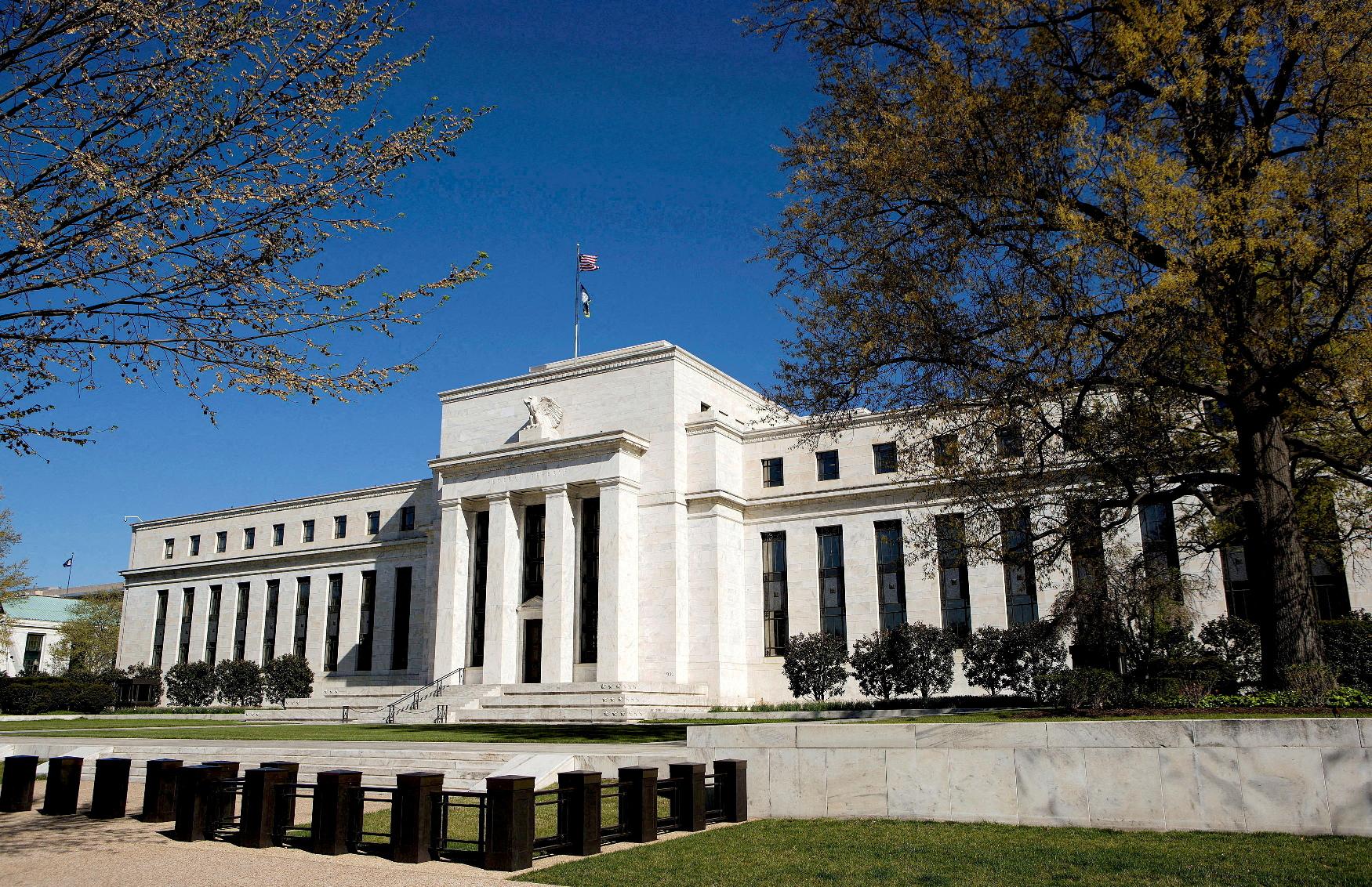
LONDON, Aug 1 (Reuters) - The global rate cut cycle is picking up steam, with half of developed markets' central banks having begun easing, and the U.S. Federal Reserve setting up a move in September. Investors are also watching the Bank of Japan - which is going the other way after it raised interest rates on Wednesday to their highest in 15 years. Here's where leading central banks stand and what they are expected to do next: 1/ SWITZERLAND The Swiss National Bank in March implemented the first rate cut among developed market economies of this cycle and lowered borrowing costs again to 1.25% in June. It is expected to cut again in September. Swiss inflation has moderated to 1.3% year-on-year, firmly within the SNB's target range. 2/ CANADA Traders widely expect more rate cuts from the Bank of Canada, which is shifting gear from suppressing inflation, to safeguarding the economy and has lowered borrowing costs by half a percentage point to 4.5% since June. Population growth has helped Canada avoid a recession, but driven unemployment higher, while previous rate hikes have dampened consumer spending and housing demand. 3/ SWEDEN Sweden's Riksbank ended a long era of monetary tightening in May, with its first rate cut of this cycle and stands ready to cut two or three times more after inflation cooled off and the economy contracted sharply. Swedish interest rates stand at 3.75%, looking steep compared to the 1.3% consumer prices rose by in June from a year earlier, on the EU harmonised measure. 4/ EURO ZONE The European Central Bank kept rates unchanged at 3.75% last month, following a cut in June, and resisted discussing its next move. Overall, euro zone inflation has dropped close to the ECB's target. But service sector price pressures have kept some of its policymakers cautious. Money markets price a roughly 70% chance of another rate cut in September. 5/ BRITAIN The Bank of England cut interest rates from a 16-year high on Thursday after a narrow vote in favour from policymakers divided over whether inflation pressures had eased sufficiently. The cut was the first since March 2020. Governor Andrew Bailey - who led the 5-4 decision to lower rates by a quarter-point to 5% - said the BoE's Monetary Policy Committee would move cautiously going forward. 6/ UNITED STATES Federal Reserve chair Jerome Powell on Wednesday put the U.S. central bank on course for its first cut of this cycle in September, following a reassuring step down in U.S. inflation. The Fed is looking towards its first 25 bps cut after holding rates in the 5.25% to 5.5% range for a year as it shifts its focus to the risks of the economy weakening and unemployment rising. Money markets are pricing 46 bps of cuts by November and almost 71 bps by December. 7/ NEW ZEALAND The Reserve Bank of New Zealand held its cash rate steady at 5.5% at its July meeting, but opened the door to possible easing if inflation slows. Traders see the RBNZ most likely staying on hold at its August 14 meeting then cutting rates in October. 8/ NORWAY Norway's annual core inflation, which strips out energy prices and taxes, fell faster than expected to 3.6% in June. That remains uncomfortably high for the Norges Bank, which anticipates holding rates at their 16-year high of 4.50% until early 2025, although futures markets price a roughly 50% chance of a move in December. 9/ AUSTRALIA Lower-than-expected core inflation data released Wednesday has changed the picture for the Reserve Bank of Australia. Markets had seen an outside chance of a rate hike at the RBA's Aug. 5-6 policy meeting, but that's now off the table. Traders see a 70% chance they will cut rates from their current 12-year high by year-end instead. 10/ JAPAN The Bank of Japan is the outlier. The standout dove until last year, the BOJ, on Wednesday raised its key policy rate to 0.25% from 0-0.1%, levels unseen in 15 years, and unveiled a detailed plan to slow its massive bond buying programme. BOJ Governor Kazuo Ueda did not rule out another hike this year and stressed the bank's readiness to keep raising borrowing costs to levels deemed neutral to the economy. That helped push the dollar below 150 yen for the first time since March. Sign up here. https://www.reuters.com/markets/rates-bonds/major-central-banks-rate-cuts-gather-pace-2024-08-01/
2024-08-01 13:23
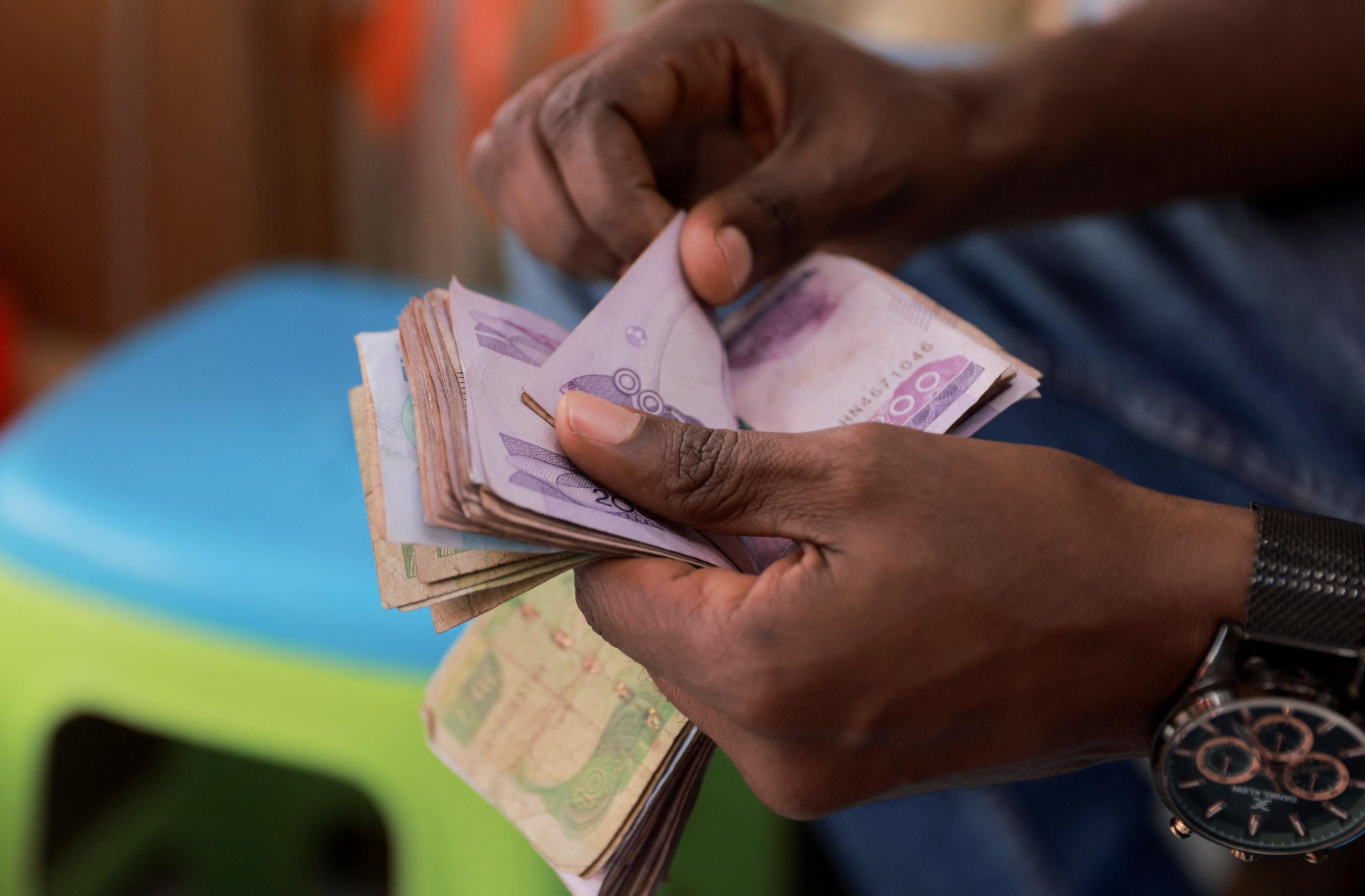
ADDIS ABABA, Aug 1 (Reuters) - At least two Ethiopian local governments have ordered the closure of dozens of businesses found hiking prices of basic commodities after the central bank floated the national currency, officials said on Thursday. The Ethiopian birr weakened by 28% against the dollar this week after the central bank adopted a market-determined foreign exchange rate to secure a new International Monetary Fund lending programme and to put debt restructuring back on track. "The businesses were caught making unreasonable price increases mostly on food items ... The stocks were imported before the new exchange rate," said Sewnet Ayele, a spokesperson for the Addis Ababa City Trade Bureau. Some 71 businesses have been affected by the closure order, Sewnet said. In Oromiya region, another 19 businesses were closed and three people detained, said Meseret Assefa, head of the Trade Bureau of Oromiya. "Those whose business are closed were the ones who increased prices on items just immediately after the (exchange rate) announcement," Meseret said. The main commodity whose price has gone up is cooking oil, which is selling at 25%, or 300 birrs, more, said a trader in Addis Ababa, who did not wish to be named. Other commodities whose prices have gone up by a smaller margin include rice, said the trader. Although the removal of foreign exchange trading restrictions helped Ethiopia to clinch the IMF deal and funding from other creditors like the World Bank, some Ethiopian analysts fear it will cause price hikes that hit the poor hardest. The government and its development partners say the liberalisation will help the private sector make a bigger contribution to the economy and boost long-term growth. Sign up here. https://www.reuters.com/markets/currencies/ethiopian-local-authorities-crack-down-price-hikes-after-currency-float-2024-08-01/