2024-08-01 08:59
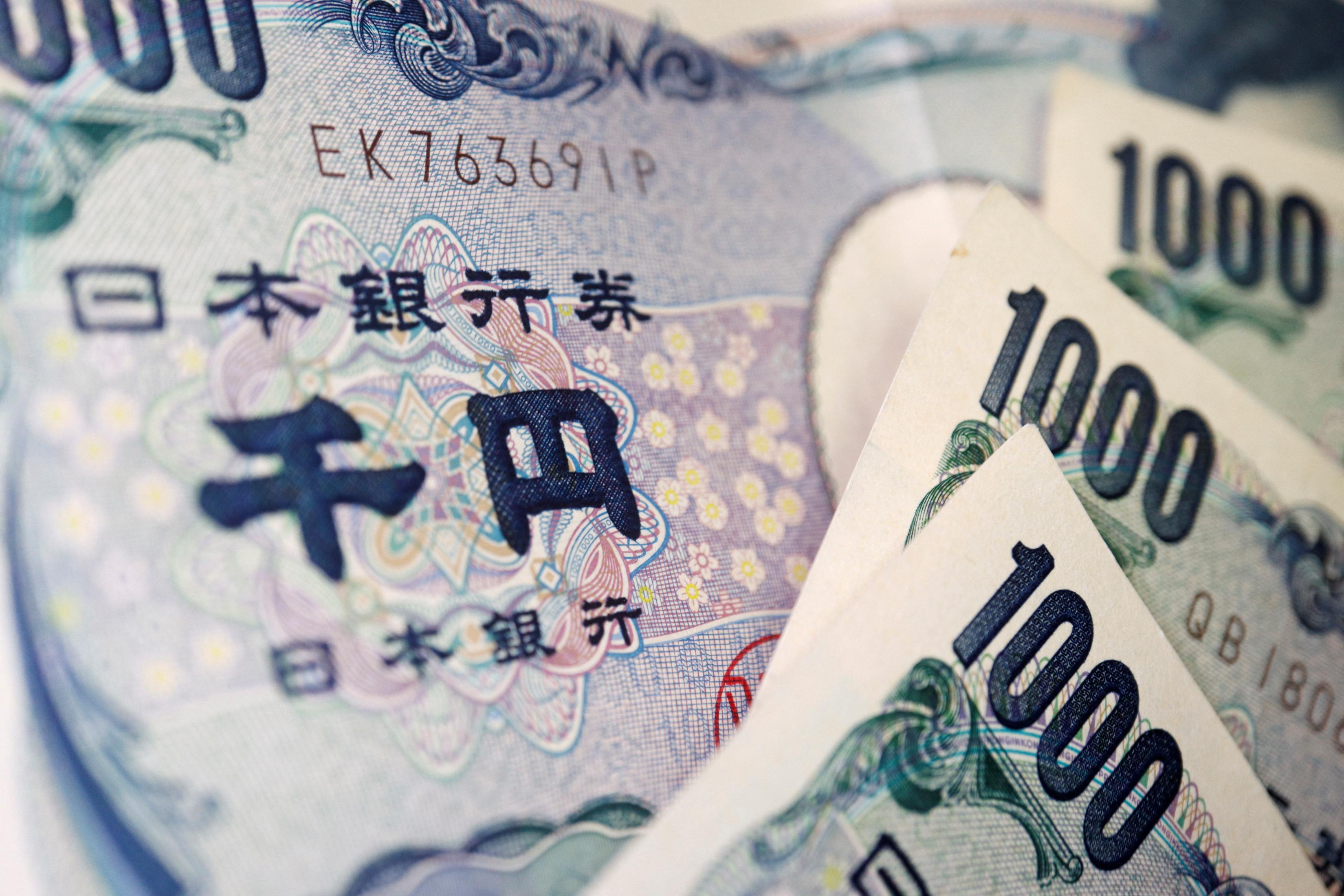
SINGAPORE, Aug 1 (Reuters) - A dramatic rally in the yen is tapping one of the most powerful forces in markets: momentum. And as trend-followers who rode the currency's slide to a 38-year low start to flip their bets, investors of all stripes are rushing to get out of the way. The yen is up 8% on the dollar in three weeks and the speed of the rally has caught market participants off guard. Funds and trend-following commodity trading advisers (CTAs), who took short positions in calmer times, face losses or at least a new risk calculus, as the yen has sharply retraced a slide that took it from 140 a dollar in January to 161 in July. At about 150 to the dollar on Thursday, about half the year's paper-gain for yen shorts is gone and the volatility leaves the position less and less comfortable by the day. With policy meetings in the U.S. and Japan done, and confirming opposite trajectories for interest rates, analysts and dealers say leveraged players' next move will drive the currency market, and that probably means more gains for the yen. "It's really the price action that drives dollar/yen," said James Malcolm, macro strategist at UBS. And with trend-followers all picking up the same signals from the market shift, an already big move can get even bigger - and fast. "Sub-152, a lot of these triggers begin to come in for CTAs, not just reducing the dollar longs," he said. "But actually starting to turn short dollars in dollar-yen." Being short the yen, whose short-term yields had been anchored at zero since the start of the century, was the world's juiciest currency trade for years - all the more so while the yen steadily declined and forex volatility (.DBCVIX) , opens new tab was low. Now the factors underpinning the assumption that the yen would stay both cheap and stable are suddenly shifting. A rising stock market (.N225) , opens new tab is encouraging more Japanese to bring money back home, and the trade deficit has narrowed. Japanese investors have withdrawn a net 2.2 trillion yen ($15 billion) from foreign equities so far this year, a larger sum than the net 621.2 billion yen investment flows to foreign bonds, according to official data. At the same time, within four months the Bank of Japan has hiked rates twice and dismantled a policy of capping yields that had acted as a safety-net for short yen positions by ensuring that its interest rates stayed at rock-bottom. "We remain convinced that the past two years of yen weakness does not represent a structural shift; the sell-off is cyclical in nature and fully reversible," said Macquarie strategist Gareth Berry, who forecasts dollar/yen at 125 by the end of 2025. REGIME CHANGE Speculators have cut their bearish bets against the yen by the most in a month since March 2020. At $8.61 billion, the net short position is 40% below April's near-seven year high, according to data from the U.S. markets regulator . "Dollar/yen technicals have flipped. With a decidedly more hawkish BOJ, markets are now focused on how much they can hike, not if they will," said Rong Ren Goh, a portfolio manager in the fixed income team at Eastspring Investments. Goh expects more yen gains, as the market is still short the currency. To be sure, there are fundamental reasons for the yen to remain weak. Japan's policy rate is some 500 basis points (bps) below the U.S. Fed Funds rate and markets project that even in a year's time the gap will be larger than 300 bps. But investors who remember the last time yen-carry trades unwound in 1998 dread the kind of pain caused by the yen's rally from 147 to the dollar to 101 within weeks, and are getting out of the way. Tareck Horchani, head of prime brokerage dealing at Maybank Securities in Singapore, expects hedge funds will avoid 'naked' short yen trades, and bet instead via options on even higher volatility . Bart Wakabayashi, Tokyo branch manager at State Street, says non-leveraged investors have poured in to yen in recent weeks, with the flow among the most extreme in the past five years, as money managers square underweight yen positions back to neutral. "What's on everybody's mind is this positioning fallout and how long is it going to last," said Wakabayashi. "We smashed our way through the 200-day moving average ... so this process has probably now created a different technical regime". Charts had moved such that the dollar could now face resistance around 150.5 yen and the pair might be in a 145-150 range, he said. ($1=150.2000 yen) Sign up here. https://www.reuters.com/markets/asia/investors-scramble-get-out-way-rising-yen-2024-08-01/
2024-08-01 07:54
MEPPADI, India, Aug 1 (Reuters) - Whenever it rains very heavily in the hills of Wayanad in southern India, many people stay awake, recalling a 2019 landslide that killed about 20 people. Last Monday too, housewife M Fathima said she and her extended family in Mundakkai village stayed awake as incessant rain poured down during the day and into the night. "When the first landslide hit around 1 a.m., we were all awake," said Fathima, 52. "Everyone in the room was crying. It felt like death was imminent." At least one other landslide followed. The family of about 20 people moved out early on Tuesday with other villagers who survived the two landslides, Fathima said. It was night, and houses were scattered so they were unaware that scores had died in the area. Nearly 100 of the villagers, including children and pregnant women, trekked for miles through the devastation of debris, wet soil, large rocks and uneven terrain downhill, Fathima said. Rescuers reached them soon and shifted them to a relief camp in the town of Meppadi, but Fathima remains distressed. "We don't know what is left of our houses once we go back," she told Reuters from the camp. The landslides on Tuesday that hit Wayanad district in Kerala state, a popular tourist destination, killed more than 170 people and left hundreds homeless, with more than 8,000 people sheltered in the safety of camps. Most victims died in their sleep, as torrents of mud, boulders, water and trees swept through tea and cardamom estates and plantation villages, burying people or washing them away. CAN'T AFFORD ANOTHER HOUSE Authorities and some experts have blamed the disaster on unexpected very heavy rain caused by the warming of the Arabian Sea. Rescue has been slowed by incessant rain, with the army racing to build a temporary bridge across a swollen river to reach Mundakkai, the most affected area in the hills. "It was truly a night of horrors," said K. H. Abbas, 46, a labourer who fled his house after the first landslide with seven family members including a four-month-old baby. "We spent the night by a small forest with rain, leeches and what not." Abbas said he found out that his house has not been damaged but is afraid to return. "I don’t feel confident enough to go back, it would be a nightmare to stay there again," he said. "Then again, we can’t afford another house either." Aliyar Kutty, 59, who runs a small business, was not as fortunate although he escaped with his life while two neighbours stayed back and are dead. "Everything was swept away by the rains," Kutty said. "We have to rebuild everything from scratch. We had only taken some important documents of my daughter and some spare clothes. Everything else has been lost." Muzammil Haque, a migrant worker from the distant northeastern state of Assam who is employed at a local tea estate, faces additional problems as he doesn't know the local language, Malayalam. "It has been very distressing...I have never seen anything like this before," he said. "Big rocks were breaking, trees uprooted, and homes, shops, everything lay destroyed. There were many dead bodies all around." "We do not know where to go or what to do, nor do we understand the local language," he said. "Food and money are a problem because we are daily-wage workers." Sign up here. https://www.reuters.com/world/india/rain-debris-leeches-india-landslide-survivors-recall-night-horrors-2024-08-01/

2024-08-01 07:43
GABORONE, Aug 1 (Reuters) - Sales of rough diamonds at Debswana Diamond Company fell 49.2% in the first half of 2024, according to data released by the Botswana central bank late on Wednesday, as the downturn in the global diamond market continued. Debswana, equally owned by the government of Botswana and Anglo American Plc's (AAL.L) , opens new tab De Beers, sells 75% of its output to De Beers with the balance taken up by state-owned Okavango Diamond Company (ODC). Botswana and De Beers in June last year agreed a new ten-year diamond sales deal, which will see ODC's share of Debswana output rise to 30% before gaining gradually to 50% by the end of the new contract, as the country seeks to get more revenues from its resources. In the first half of the year, Debswana sold diamonds worth $1.29 billion compared to $2.54 billion registered in the same period last year, Bank of Botswana data showed. In local currency terms, the Debswana sales fell 47.3% to 17.555 billion pula. Anglo, which plans to divest from De Beers as part of an organisational shake up, cut diamond production by 19% during the first six months of the year. It reported last week that output guidance at De Beers was revised down to 23-26 million carats from 26-29 million in response to the diamond market's ongoing downturn. Botswana gets 30%-40% of its revenue, 75% of its foreign exchange earnings and a third of national output from diamonds. ($1 = 13.5685 pulas) Sign up here. https://www.reuters.com/markets/commodities/diamond-sales-botswanas-debswana-fall-492-market-downturn-continues-2024-08-01/

2024-08-01 07:36
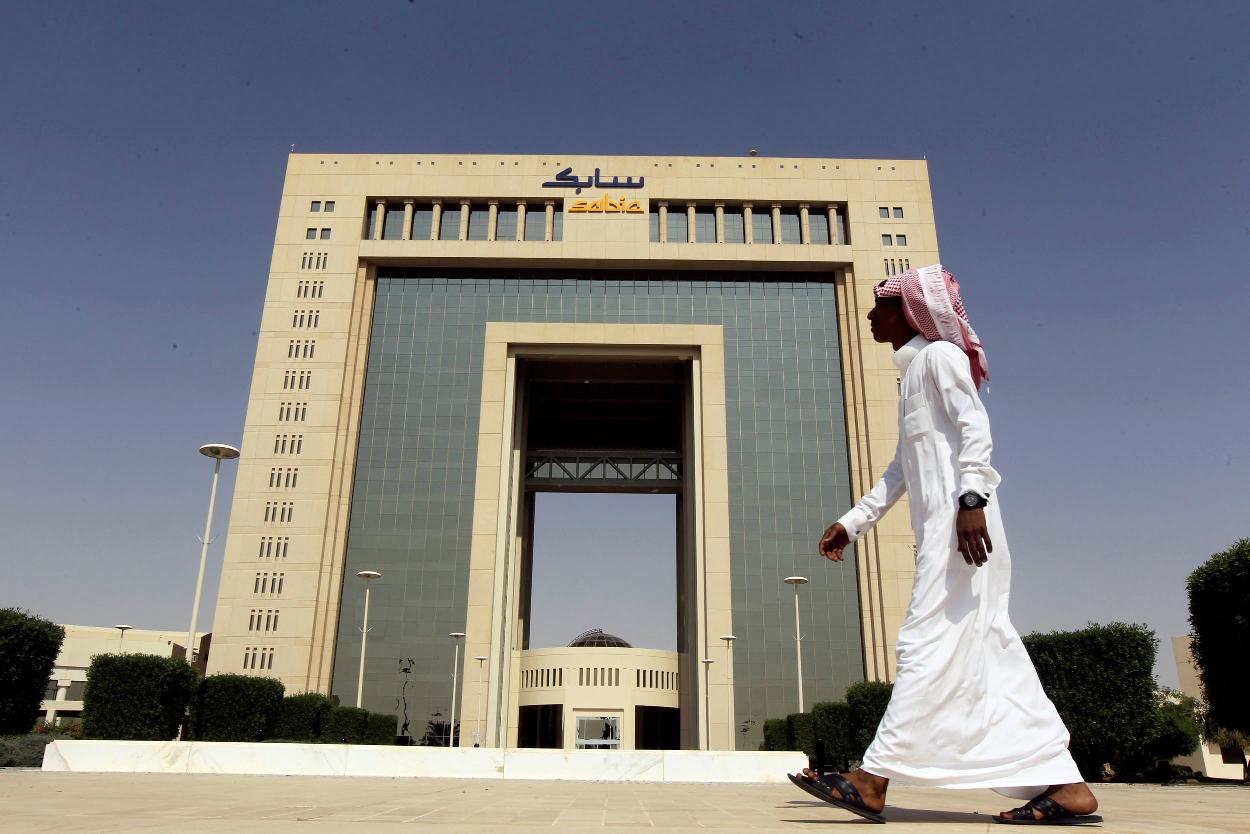
DUBAI, Aug 1 (Reuters) - Saudi Basic Industries Corp (SABIC) (2010.SE) , opens new tab, one of the world's biggest petrochemicals companies, reported a close to 85% jump in second-quarter net profit on Thursday, helped by higher margins and accounting changes. SABIC reported net profit of 2.18 billion riyals ($581.04 million) for the three months to June 30, beating analyst expectations of 904.25 million riyals, LSEG data showed. Along with improved margins, SABIC said profit was higher partly due to non-cash benefits resulting from new regulations on the Islamic tax zakat. SABIC, which is 70% owned by oil giant Aramco (2223.SE) , opens new tab, said its long-term focus would remain on "strategic portfolio optimisation" and restructuring underperforming assets. The sale of steel business Hadeed to the Public Investment Fund was completed on June 1, SABIC said. SABIC previously said the Hadeed sale had an enterprise value of $3.3 billion. The final sale price will be disclosed at a later date, SABIC has said. Portfolio optimisation is a priority to drive better returns and reallocate capital to higher-margin opportunities, SABIC said. Revenue in the quarter rose 5% from a year prior to 35.72 billion riyals. It attributed the increase to better average selling prices and a slight increase in sales volume. SABIC kept its projection for capital expenditure this year unchanged at $4 billion to $5 billion. Since Aramco bought a majority of SABIC in 2020 for $69.1 billion, $2.08 billion of "captured value" has been realised, SABIC said. That includes $162 million in synergy in the second quarter. Aramco, which owns 70% of SABIC, expects $3 billion to $4 billion in annual synergy from the acquisition by next year, the oil giant said in the prospectus for its secondary share sale last month. ($1 = 3.7519 riyals) Sign up here. https://www.reuters.com/business/energy/petrochemicals-giant-sabic-post-85-second-quarter-profit-leap-2024-08-01/
2024-08-01 07:16
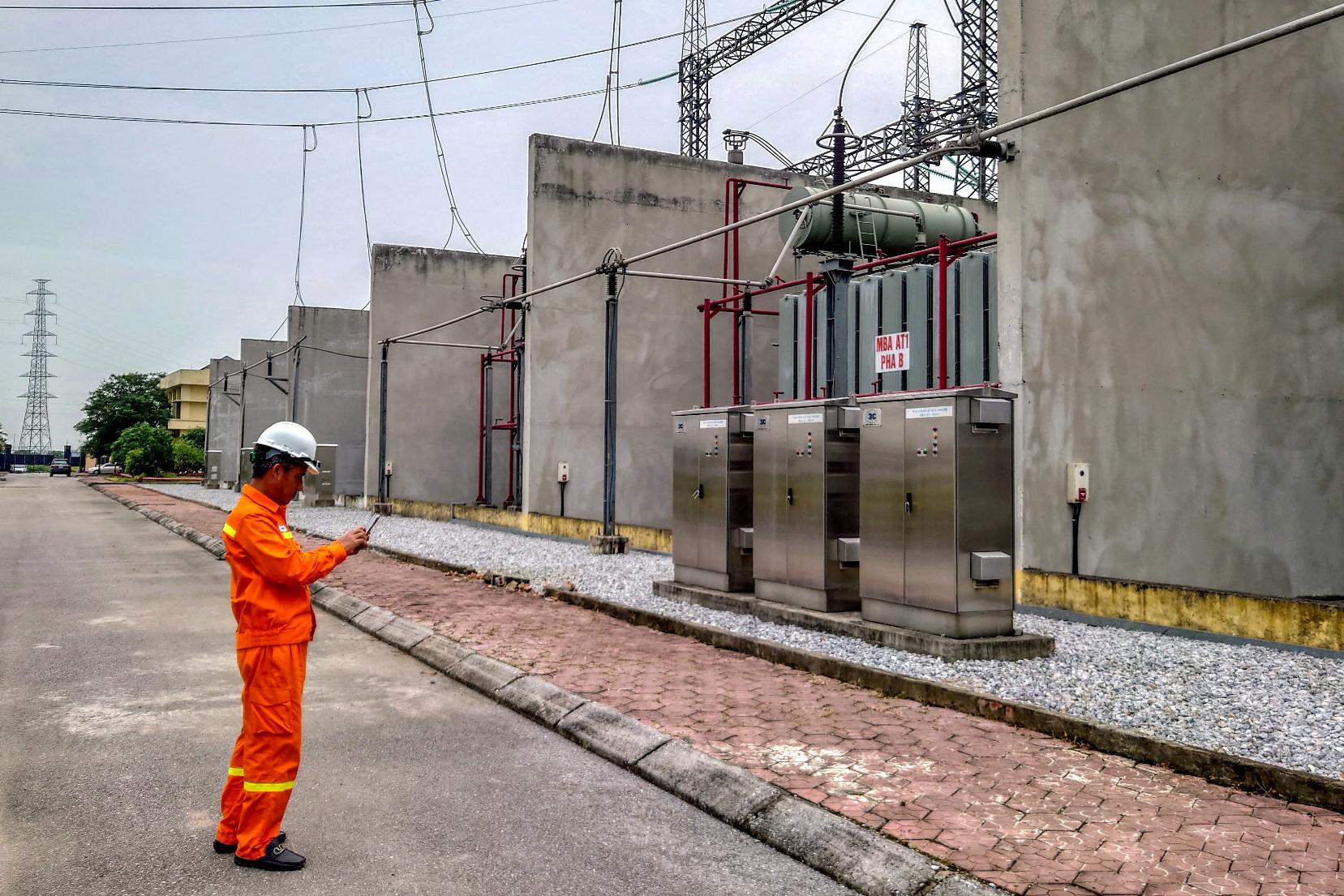
Vietnam needs 14 mln tons a year LNG for 2030 power target Power price cap may deter generators from using LNG Foreign investment in gas-fired power plants may slow Developers hold out for more favourable rules SINGAPORE/HANOI, Aug 1 (Reuters) - Electricity-hungry Vietnam wants liquefied natural gas to fire 15% of power capacity by 2030 but is unlikely to meet that target as power producers and foreign investors balk at the country's strategy for making the super-chilled fuel affordable. To promote LNG use and shield consumers from high prices, Hanoi in May set a price cap on generators' sales of electricity fuelled by imported LNG. However, power producers are concerned that a price cap fails to reflect the volatility in the LNG market and will make gas-fired plants uneconomic if prices spike as they did in the past three years. "It's risky for both suppliers and buyers as LNG supplies and prices depend on geopolitical conditions, which are currently not stable," said Nguyen Thanh Son, a Hanoi-based energy expert, adding the price cap was not appropriate. The stakes are high for Vietnam as it struggles to wean itself off heavy reliance on coal to cut carbon emissions, and for global LNG producers, who see the fast-growing economy as a ripe opportunity. PRICE CAP POSES HURDLES In a national power development plan last year, the government set a target to have 13 LNG-fired power plants with a combined capacity of 22.4 gigawatts (GW) by 2030, accounting for 15% of the country's total power generation mix. If built, those 13 LNG-fueled power plants would require imports of 14 million metric tons of LNG per year, according to state-owned PetroVietnam Gas, which on current levels would make the country the sixth-largest market in Asia. The Ministry of Industry and Trade has now set a price cap of 2,590.85 dong ($0.10) per kilowatt-hour (KWh) for electricity sourced from LNG sold by power producers to state grid operator EVN in 2024. EVN told Reuters the price cap is reasonable for both suppliers and end-users, as it "will be reviewed and adjusted annually by the ministry when input data changes, thus offering long-term stability to investors." The 2024 price cap is based on LNG at $12.9792 per million British thermal units (mmBtu) excluding tax and storage, gasification and distribution costs, and a currency conversion rate of 24,520 dong per $1. That is slightly higher than current Asia spot LNG prices, and roughly in line with the current value of LNG in long-term contracts linked to oil prices. But average Asian spot LNG prices have trended higher since 2021, between $14 and $34/mmBtu on an annual basis, as COVID-19 and the Russia-Ukraine war drove them to record highs, making plant developers nervous about the price cap. "The international practice is to link power prices to the LNG price without a cap, to ensure the project's viability and bankability. Vietnam should adopt this practice," said a source with a foreign developer of an LNG-supplied plant. "The Vietnamese LNG power market is still nascent and any rules that deviate from international practice would deter foreign investment," the person said, declining to be named as they were not authorised to speak to media. On the LNG import side, so far Vietnam has two LNG terminals, which together have a capacity to bring in 4 million tons of LNG a year. To-date, only five spot cargoes with a combined volume of over 300,000 tons of LNG have been imported. Those cargoes have been blended with domestic gas and sold to the country's existing gas-fired plants. Energy consultants at Wood Mackenzie view the government's targets as "quite aggressive" and expect LNG imports in 2030 only to reach between 2 million and 3 million tons a year. "LNG imports into Vietnam will depend on the pricing structure of LNG and favourable policies for the gas sector which unlock demand," said Wood Mackenzie analyst Raghav Mathur. Vietnam's industry ministry did not respond to requests for comment. OFFTAKE MANDATE KEY FOR NEW PLANTS Adding to the challenge, LNG is more costly than coal and hydropower, the main sources of power in Vietnam, so gas-fired plant developers are reluctant to commit to projects or to LNG purchases without a guarantee that EVN will buy their output. "Investors want to sign long-term LNG contracts with suppliers, but suppliers see that it's very risky because EVN does not have any commitments," said an LNG trader. The next key announcement developers are waiting for is a government mandate on EVN to buy LNG-fueled power. The industry ministry said in April it was drafting a decree to set an LNG power offtake volume, which it initially expected would be around 70% of a plant's capacity. PetroVietnam Power declined to comment. The first of the country's LNG-fired plants, Nhon Trach 3, is scheduled to start generating power in November and the second, Nhon Trach 4, in May next year, according to developer PV Power. Another 11 would be needed to meet Vietnam's 2030 target, but even the government said in a statement in May that projects are facing numerous challenges, including issues related to contracts, site clearance and a lack of offtake commitments. "The delay in the development of these projects will impact national energy security," Minister of Industry and Trade Nguyen Hong Dien said in the statement. Sign up here. https://www.reuters.com/business/energy/vietnams-lng-price-cap-puts-gas-fired-power-target-risk-2024-08-01/
2024-08-01 07:11
JERUSALEM, Aug 1 (Reuters) - Partners in the Israeli Leviathan offshore gas project have approved a $429 million investment to expand the field and increase production, a statement from the group said on Thursday. The expansion will increase production to 21 billion cubic metres (bcm) annually, the firms said, and the investment was intended for front-end engineering design, the firms said. Leviathan, a deep-sea field with huge deposits, came online at the end of 2019 and produces 12 billion cubic metres (bcm) of gas per year for sale to Israel, Egypt and Jordan. Leviathan partners include NewMed Energy (NWMDp.TA) Chevron (CVX.N), Ratio Energies (RATIp.TA). Sign up here. https://www.reuters.com/business/energy/israel-leviathan-partners-will-invest-429-million-boost-production-2024-08-01/