2024-07-31 12:28
BENGALURU, July 31 (Reuters) - India's KRBL (KRBL.NS) , opens new tab reported its fourth straight quarterly profit fall on Wednesday, hurt by slower demand for its basmati rice. KRBL, which makes the 'India Gate' brand of basmati rice, said its consolidated net profit fell 55.5% to 865.6 million rupees ($10.4 million) in the quarter ended June. Revenue from operations fell 15.2% to 11.99 billion rupees. The world's biggest rice exporter imposed various curbs on exports in July last year and continued them in 2024 in an effort to keep local prices in check ahead of the general elections held in April-May. However, India plans to lower the floor price for basmati rice exports as rice inventories hit a record high, helping it retain market share in the face of Pakistan's record exports, Reuters reported earlier this month. New Delhi is expected to lower the basmati rice's minimum export price (MEP) to $800-$850 a metric ton, down from $950 a ton, to boost shipments, the report said. Revenue from its agricultural business, which includes all rice types besides seed and bran, fell 16.1%. KRBL's shares ended up 1.1% ahead of the results, trimming their year-to-date losses to 15.1%. ($1 = 83.6700 Indian rupees) Sign up here. https://www.reuters.com/world/india/indian-basmati-rice-maker-krbl-posts-lower-q1-profit-weak-demand-2024-07-31/

2024-07-31 12:11
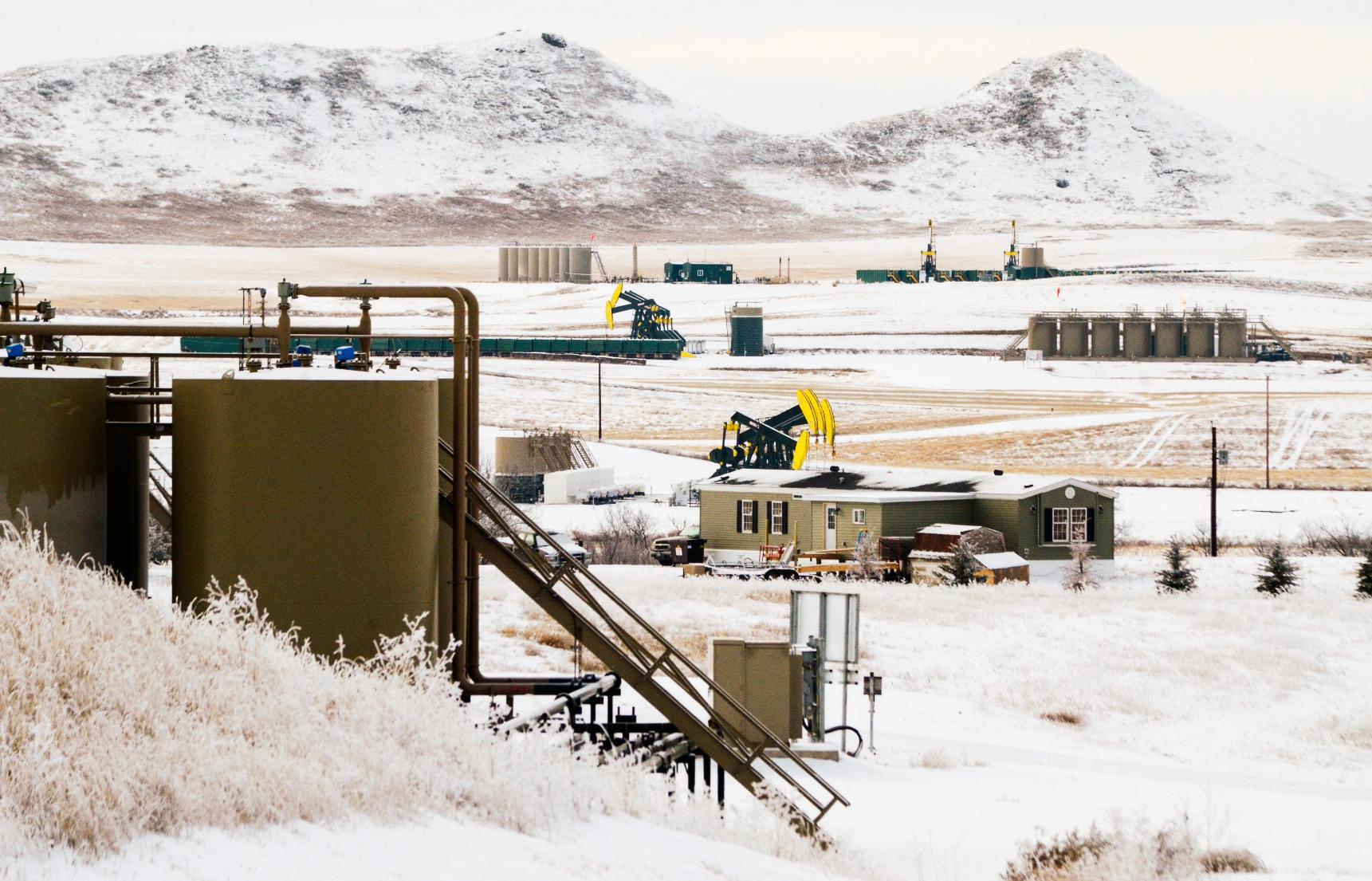
WASHINGTON, July 31 (Reuters) - U.S. oil and gas basins are emitting around four times more planet-warming methane than federal regulators have estimated, according to the results of an aerial survey released on Wednesday by the Environmental Defense Fund. The study underscores concern among researchers and environmentalists that the petroleum industry’s contribution to climate change is much higher than official tallies because of uncounted releases of the powerful greenhouse gas. EDF and its partners, which include Alphabet Inc's Google (GOOGL.O) , opens new tab, BAE Systems (BAES.L) , opens new tab, and the New Zealand Space Agency, used a jet aircraft equipped with a spectrometer to measure methane emissions over 12 oil and gas basins last year. The project, called MethaneAIR, involved 32 flights between June and October 2023 and provided data that pointed to an average emissions rate across those basins of 7.5 million metric tons per year, EDF said. EDF said that result was an emissions-rate about four times what the Environmental Protection Agency estimates. EPA derives its estimates mainly from industry reports to a database. The EPA was not immediately available for comment. MethaneAIR is the precursor to a satellite launched this spring dubbed MethaneSAT that is meant to provide an even more accurate estimate of methane emissions, by monitoring continuously from space as opposed to taking snapshots during flights. Its first data will be available this fall. "This tranche of MethaneAIR data is a huge leap forward in terms of the capability of anything that is out there today and a small taste of what we will start to see coming from MethaneSAT," said EDF spokesman Jon Coifman. Methane, which has a warming potential far higher than carbon dioxide, can leak into the atmosphere undetected from drill sites, gas pipelines and other oil and gas equipment. The U.S. has finalized rules that target large leaks of methane from oil and gas operations and will introduce a fee for operators not on track to meet those targets. The EU also approved methane emissions limits on oil and gas imports from 2030, pressuring international suppliers, including those in the U.S., to cut leaks. MethaneAIR also showed that the observed emissions rate was eight times higher the target adopted by 50 companies at the COP28 climate summit in Dubai to limit their methane emissions intensity to no more than 0.2% by 2030. Sign up here. https://www.reuters.com/business/energy/drillers-emit-far-more-methane-than-us-estimates-aerial-survey-shows-2024-07-31/
2024-07-31 12:10
July 31 (Reuters) - Utility company WEC Energy Group (WEC.N) , opens new tab reported a 27% drop in second-quarter profit on Wednesday, hurt by higher operating costs and a rise in interest expenses. Higher interest rates by the U.S. Federal Reserve to curb inflation has boosted borrowing costs for utility companies, which typically incur major capital expenditures. The company's interest expenses rose 12.5% to $200.6 million in the quarter from a year earlier, while operation and maintenance expenses jumped 7.5% to $533.4 million. The company said , opens new tab on a weather-normal basis, retail deliveries of electricity during the second quarter – excluding the iron ore mine — slipped by 0.3%. The utility reaffirmed its full-year profit forecast of between $4.80 and $4.90 per share. The company said net income attributed to common shareholders fell to $211.3 million, or 67 cents per share, for the quarter ended June 30, from $289.7 million, or 92 cents, a year ago. Its residential electricity use rose by 1.4%. Retail deliveries of electricity — excluding the iron ore mine in Michigan's Upper Peninsula — were up by 0.5% compared a year ago. Electricity consumption by small commercial and industrial customers rose 0.3%, while power use by large commercial and industrial customers — excluding the iron ore mine — declined by 0.1%. Sign up here. https://www.reuters.com/business/energy/wec-energys-second-quarter-profit-falls-higher-expenses-2024-07-31/

2024-07-31 12:04
Gold up more than 4% this month Fed holds interest rates steady Silver, platinum, palladium head for monthly declines July 31 (Reuters) - Gold prices extended gains on Wednesday after Federal Reserve Chair Jerome Powell hinted that an interest rate cut could be on the table as early as September if inflation stays in line with expectations. Spot gold was up 1.2% at $2,437.39 per ounce as of 3:21 p.m. ET (1921 GMT) and logged its biggest monthly rise since March, gaining over 4%. U.S. gold futures settled 0.9% higher at $2,473. Powell, speaking at a press conference following the Fed's decision to leave its benchmark interest rate unchanged, kindled investors' hopes for a September rate cut by stating that policymakers are gaining more confidence that inflation is steadily approaching the 2% target. "Gold and silver are rallying as Chair Powell's comments indicate a September rate cut is likely," said Tai Wong, a New York-based independent metals trader. "However, he did effectively close the door on a 50bps move. It remains to be seen if gold can make new all-time highs given the Fed has just met recently expanded expectations." Support for the safe-haven asset strengthened amid the threat of conflict escalation in the Middle East after Hamas leader Ismail Haniyeh was assassinated early on Wednesday in Iran spurring a region already shaken by the war in Gaza and a deepening conflict in Lebanon. Fed cuts rates coupled with geopolitical risk in the Middle East could potentially push gold to up to $2700 an ounce, said Bob Haberkorn, senior market strategist at RJO Futures. The U.S. dollar slightly pared losses after the Federal Reserve rate decision, while the benchmark U.S. 10-year Treasury yields moved lower. Spot silver was up 1.6% at $28.85 per ounce. Platinum gained 2.1% to $979.05 and palladium climbed 4.6% to $928.50. All three metals were headed for monthly declines. Sign up here. https://www.reuters.com/markets/commodities/safe-haven-gold-heads-monthly-gain-mideast-worries-fed-2024-07-31/

2024-07-31 12:00
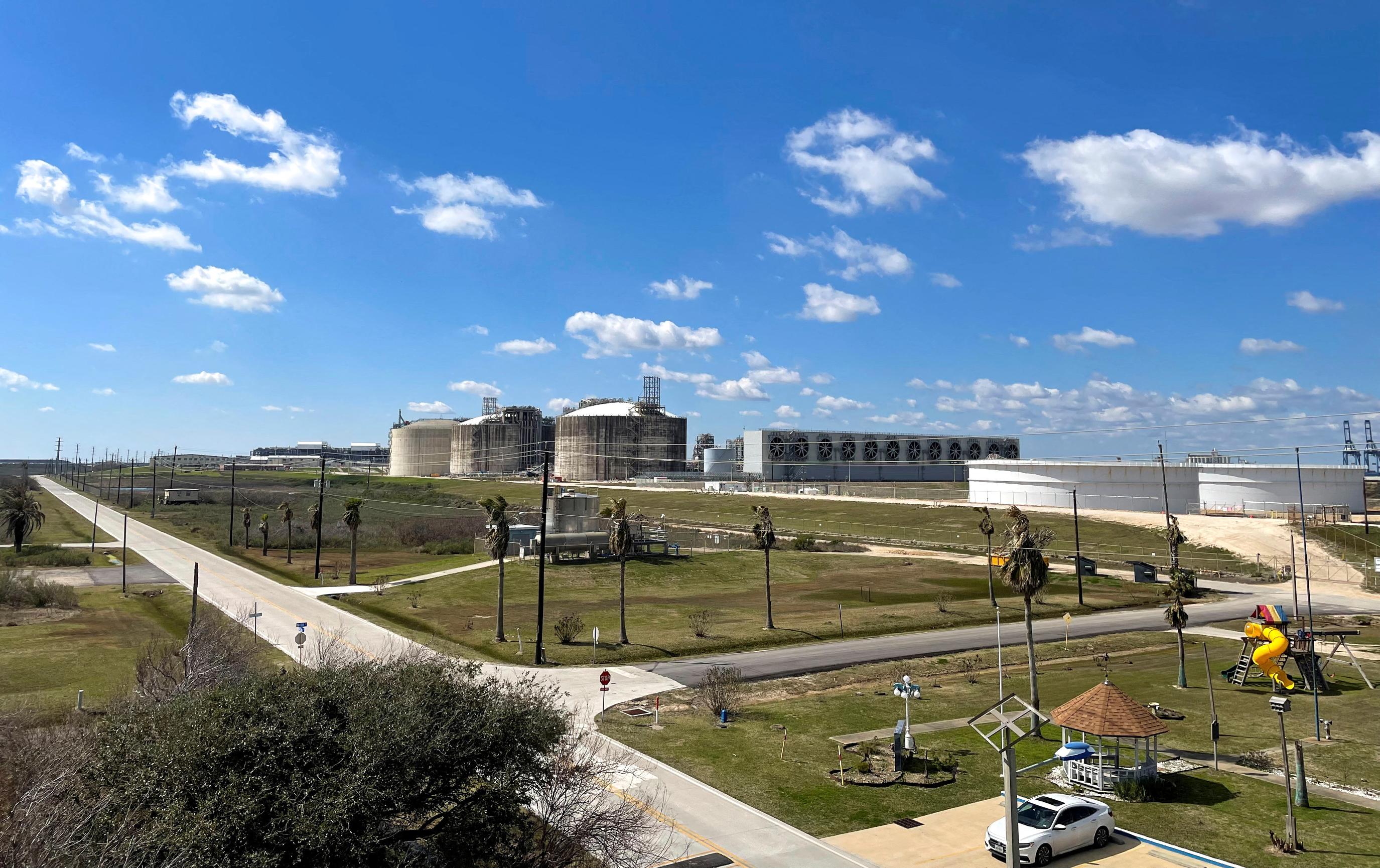
LAUNCESTON, Australia, July 31 (Reuters) - Much of the debate surrounding the implications of a possible second U.S. presidential term for Republican Donald Trump has focused on what may happen to the U.S. and global economies. Trump's plan to impose tariffs of 10% on virtually all imports into the United States, and as much as 50% on those from top trading partner China, have raised the spectre of higher inflation and interest rates, and a less competitive market. But for commodities, the bigger risk of a Trump return to the White House is the response the rest of the world is likely to have to the imposition of U.S. trade tariffs. Political leaders across the globe will be unable to sit idly by if Trump places barriers on their exports to the United States. Any unilateral action by Trump is thus likely to be met by retaliation from U.S. trading partners, even if they are erstwhile political allies, such as countries in Europe and some in Asia, such as Japan, South Korea and even India. If it's inevitable that U.S. trading partners respond to Trump's proposed actions by putting tariffs on imports from the United States, the main question is then what form will they take? While major U.S. exporting companies such as airplane maker Boeing (BA.N) , opens new tab will have cause for concern, a far easier target for retaliation is likely to be U.S. commodity exports. The United States is the world's biggest exporter of liquefied natural gas (LNG), and ranks fourth globally for exports of crude oil and all grades of coal. A major buyer of U.S. commodities is China. If Trump were to impose tariffs of 50% on its exports, Beijing could effectively ban all commodity imports from the United States, either formally or informally. U.S. exports of crude oil to China were 10 million barrels in July, according to commodity analysts Kpler, and that figure is expected to rise to 16.58 million barrels in August, which would be the most since April 2023. For the first eight months of this year U.S. crude exports to China are tracking at about 309,000 barrels per day (bpd), which represents only about 3% of China's total imports, but accounts for about 7.5% of total U.S. shipments. In other words, it would likely be fairly easy for China to stop buying U.S. crude and find alternative suppliers, such as Angola and Brazil. But how easy would it be for U.S. oil producers to replace the loss of Chinese buyers? Much will depend on whether other countries place tariffs on U.S. commodity exports. Imagine if the European Union, Japan and South Korea all put a 10% tariff on U.S. crude in retaliation for Trump putting a similar impost on their exports to the United States. The European Union, Japan and South Korea typically account for about 60% of U.S. crude exports. By putting tariffs on U.S. crude, LNG and coal, the rest of the world could keep U.S. energy exports in the market, but force U.S. companies to either offer discounts to keep their prices competitive or lower output. US LNG EXPOSED U.S. LNG exporters may be more vulnerable than crude producers, given they have no alternative markets other than exports. For China, replacing U.S. LNG would be more challenging than replacing U.S. crude, but still likely doable, given the fairly small proportion of U.S. LNG in its total imports. In July, China's imports of U.S. LNG were 670,000 metric tons, or about 10.5% of the monthly total of 6.39 million. For the United States, exports to China represent only about 8% of its total LNG shipments. But if Japan and South Korea are added in as well, then exports to the three main Asian buyers rise to about a quarter of the total, based on U.S. shipments in June of this year. If tariffs were placed on U.S. LNG by the North Asian importers, it would put pressure on U.S. companies to lower prices to compensate. U.S. coal exports have averaged about 7.5 million tons a month for the first seven months of the year, but there is no dominant buyer. Rather there is a broad range of importers that all purchase relatively small volumes. This means that buyers of U.S. coal could probably find alternative suppliers for the small volumes involved, but U.S. exporters may struggle to find new markets should a majority of its existing buyers impose retaliatory tariffs. Overall, the picture that emerges is one of significant vulnerability for U.S. energy exporters if we do see another trade war, given how countries could respond to the tariffs currently being proposed by the former president's camp. Of course, Trump still has to overcome likely Democratic candidate and current vice president, Kamala Harris, in the November election, and then actually follow through on what is likely to be a widely-criticised trade policy. But the risk remains meaningful. In 2022, Russia's invasion of Ukraine showed us what can happen when a political event roils energy markets. If Trump is elected and does embark on a trade war, the disruption may not be quite on that scale. But commodity flows - and thus a large part of the global economy - could be impacted if the market has to adapt to an unpredictable political dynamic once again. The opinions expressed here are those of the author, a columnist for Reuters. Sign up here. https://www.reuters.com/markets/commodities/commodity-flows-risk-should-trump-spark-tit-for-tat-trade-war-russell-2024-07-31/
2024-07-31 12:00
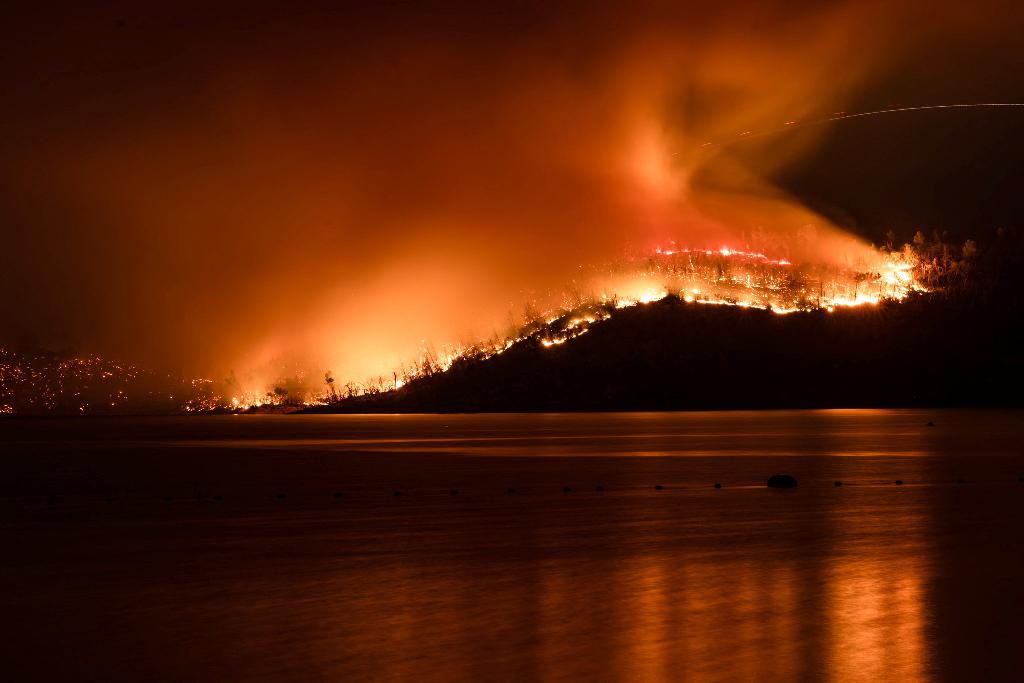
LITTLETON, Colorado, July 31 (Reuters) - Wildfires spewing smoke across much of the southwest United States are denting solar power output in the country's largest solar producer just as power demand peaks due to heavy use of air conditioners during summer. Through the first half of 2024, solar power generation in the California Independent System Operator (CAISO) network was 28% above the same period in 2023 following extensive solar capacity expansions in the state within the past year. But CAISO's solar power output dipped below year-earlier levels this month as thick smoke from spreading wildfires darkened the skies and dimmed solar generation in mid-July. Solar output has since rebounded as winds cleared some smoke away, but 89 large active wildfires that have already scorched over 2 million acres continue to burn in the U.S. as of July 30, according to the National Interagency Fire Center (NIFC). Moreover, California is only one of 12 states currently reporting large fires, which are defined as "a fire meeting the size of the top 5% of historic daily largest fires during a typical fire season," according to the NIFC. Hot, dry and windy conditions across the southwest continue to foster further wildfire expansions, so additional disruptions to regional solar generation are likely just as household and business use of power-hungry cooling systems looks set to peak. To make up for any power supply shortfalls from solar farms, power producers may be forced to increase generation from coal and natural gas-fired plants which may exacerbate air quality readings. UP IN SMOKE The U.S. southwest is the top national solar power generation area due to its mainly sunny and dry climate, but is also the most active area for wildfires for similar regions. Roughly half of all U.S. utility-scale solar generation capacity is located within states included in the U.S. southwest region, according to energy data portal Cleanview, and so potentially stands to be impacted by wildfire break outs. In addition to being hampered by hazy air that blocks some of the sun's rays before they can be converted to electricity within the panels, solar farms can also be affected by ash and dust coatings and can sometimes be destroyed directly by fires. Studies on the solar impact of wildfires in California in 2020 show that "power output by PV (photovoltaic solar) declined between 10% to 30% on the statewide scale but declined up to 58% locally," according to the United States Department of Energy. OUTPUT HIT Aggressive clean energy generation targets have made California's power system a national leader in terms of integrating clean power onto the state's grid. California generated around 28% of its electricity from solar in 2023, and can generate as much as 40% of its electricity needs from solar during peak generation periods in the summer, data from energy think tank Ember showed. CAISO's ability to keep clean power flowing was put to the test earlier this month as some of the state's wildfires caused widespread haze across the region which stunted solar generation. CAISO solar generation averaged around 8,200 megawatt hours (MWh) a day over the first 10 days of July, according to LSEG, which was a record for that period. From July 12 through July 15, however, average solar generation slumped to around 6,350 MWh due to thick haze, which marked a roughly 23% drop from the July 1-10 average and was also below the same days in 2023. To make up for the solar setback, CAISO power firms increased natural gas-fired generation by around 10% during July 12-15 from the July 1-10 average, but then lowered gas output again once solar output rebounded. Any further disruptions to CAISO solar production will likely also be offset by higher gas-fired power output, which may result in even greater air pollution in the surrounding area. Sign up here. https://www.reuters.com/markets/commodities/california-wildfires-dim-solar-generation-during-power-demand-peak-2024-07-31/