2024-07-24 07:25
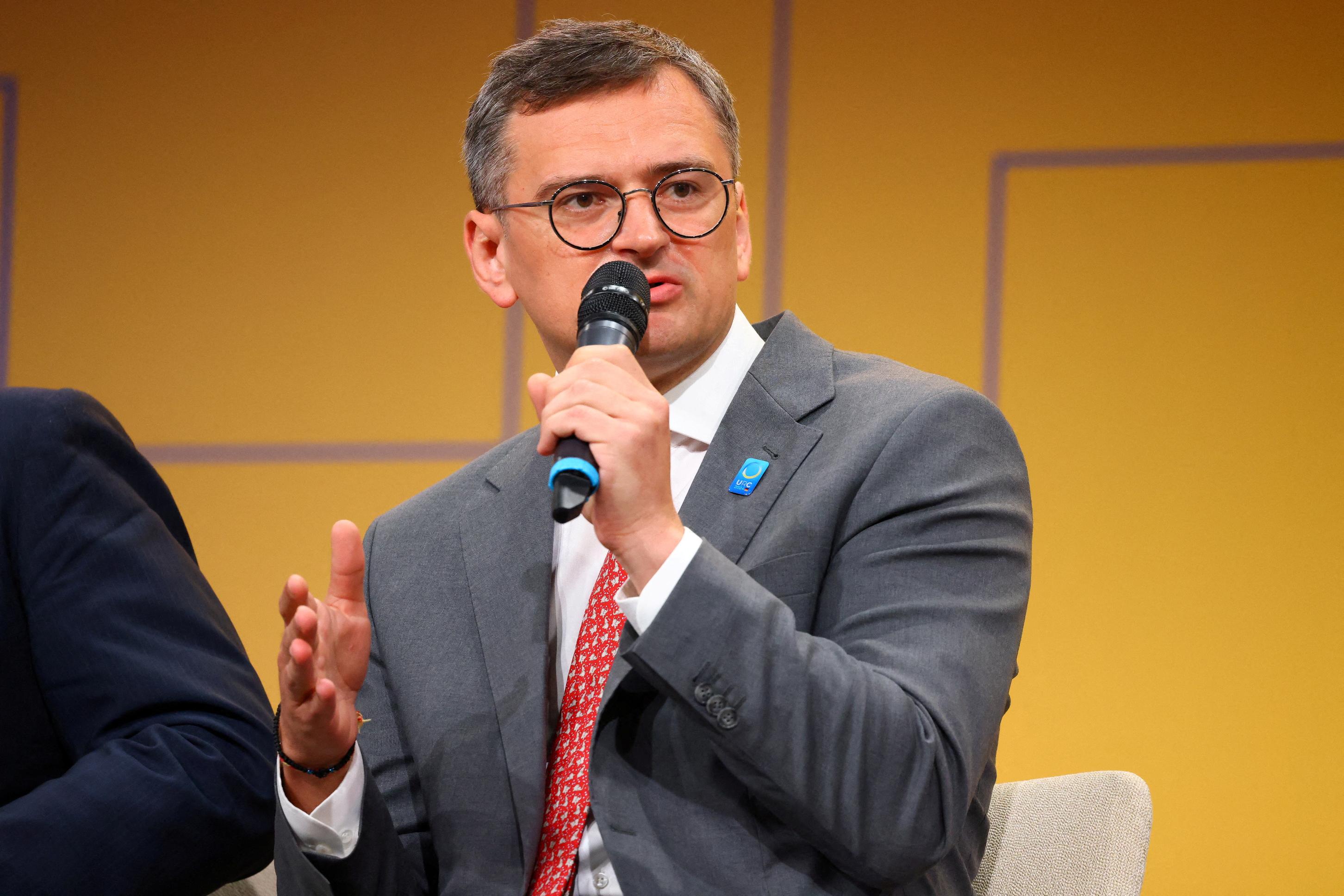
BEIJING/KYIV, July 24 (Reuters) - Ukraine's top diplomat said on Wednesday, after a day of "very deep and concentrated" talks in China, that Kyiv was prepared for talks on the conflict with Russia provided Ukraine's sovereignty and territorial integrity were fully respected. Foreign Minister Dmytro Kuleba, in a video address issued in the evening by his ministry, restated that Ukraine insisted that no agreement could be reached without its participation. He also said he saw no readiness from Russia to negotiate in good faith. Kuleba is the highest ranking Ukrainian official to travel to China since Russia's February 2022 invasion. He held talks with Foreign Minister Wang Yi for more than three hours, a Ukrainian source in the delegation said. "I emphasised two principles that must be steadfastly upheld. First, no agreements about Ukraine without Ukraine," he said in his address. "Second...full respect for Ukraine's sovereignty and territorial integrity. If these two principles are adhered to, we can engage in any discussions and seek any solutions." Kuleba's ministry, in earlier comments, quoted him as saying that Ukraine was ready to engage "when Russia is ready to negotiate in good faith" but he emphasised "that no such readiness is currently observed on the Russian side". Russian troops have been inching forward in eastern Ukraine in the 29-month-old invasion ahead of a U.S. election in November that could see the return to the White House of Donald Trump, who has threatened to cut vital aid flows to Ukraine. China, the world's second largest economy, positions itself as neutral on the war, but declared a "no limits" partnership with Russia days before the 2022 invasion and has hosted President Vladimir Putin for talks, most recently in May. China has also provided diplomatic backing to Russia and helped keep Russia's wartime economy afloat. At the conclusion of the Guangzhou talks, a Ukrainian source in the delegation told Reuters that the meeting had lasted "longer than planned. This was a very deep and concrete conversation." A Chinese foreign ministry spokesperson told a regular press conference in Beijing that both ministers had talked up the need to take a long-term view on building bilateral ties and that China would "continue to expand its food imports from Ukraine". Mao Ning added that China was concerned by the humanitarian situation in Ukraine. She also said that both the Russian and Ukrainian sides had "to varying degrees signalled their willingness to negotiate". "Although the conditions are not yet ripe, we support all efforts conducive to peace and are willing to continue to play a constructive role in bringing about a ceasefire and the resumption of peace talks," she added. LASTING SOLUTIONS Kuleba, in his video address, agreed that the two sides had said the conflict required "a just and lasting peace...In other words there is no need to strive for temporary solutions." The Kremlin told reporters that Kuleba's remark on a willingness to hold talks appeared to tally with Russia's position, but more details were needed. Russian President Vladimir Putin said in June that Moscow would end the war if Kyiv retreated from and handed over the rest of four partially-occupied Ukrainian provinces, and dropped its NATO ambitions, ideas rejected in Kyiv as an absurd ultimatum. Kyiv plans a second summit later this year to advance its vision for peace after an initial gathering in Switzerland in June drew dozens of delegations, but not from Russia or China. Ukraine says it would like its second summit to be hosted by a "Global South" country and that Russia should attend. With the possible prospect of a Trump presidency looming, there has been a flurry of diplomacy in recent months. Hungarian Prime Minister Viktor Orban visited Kyiv, Moscow, Beijing and Washington this month on what he described as a "peace mission". Ukrainian President Volodymyr Zelenskiy dismissed Orban's efforts, saying that only actors like the United States, China or the European Union were in a position to mediate. China and Brazil published a joint six-point peace proposal in May, saying they supported the holding of an international peace conference that both sides in the war would recognise. Sign up here. https://www.reuters.com/world/ukraines-top-diplomat-meets-chinas-wang-yi-talks-guangzhou-2024-07-24/
2024-07-24 07:20
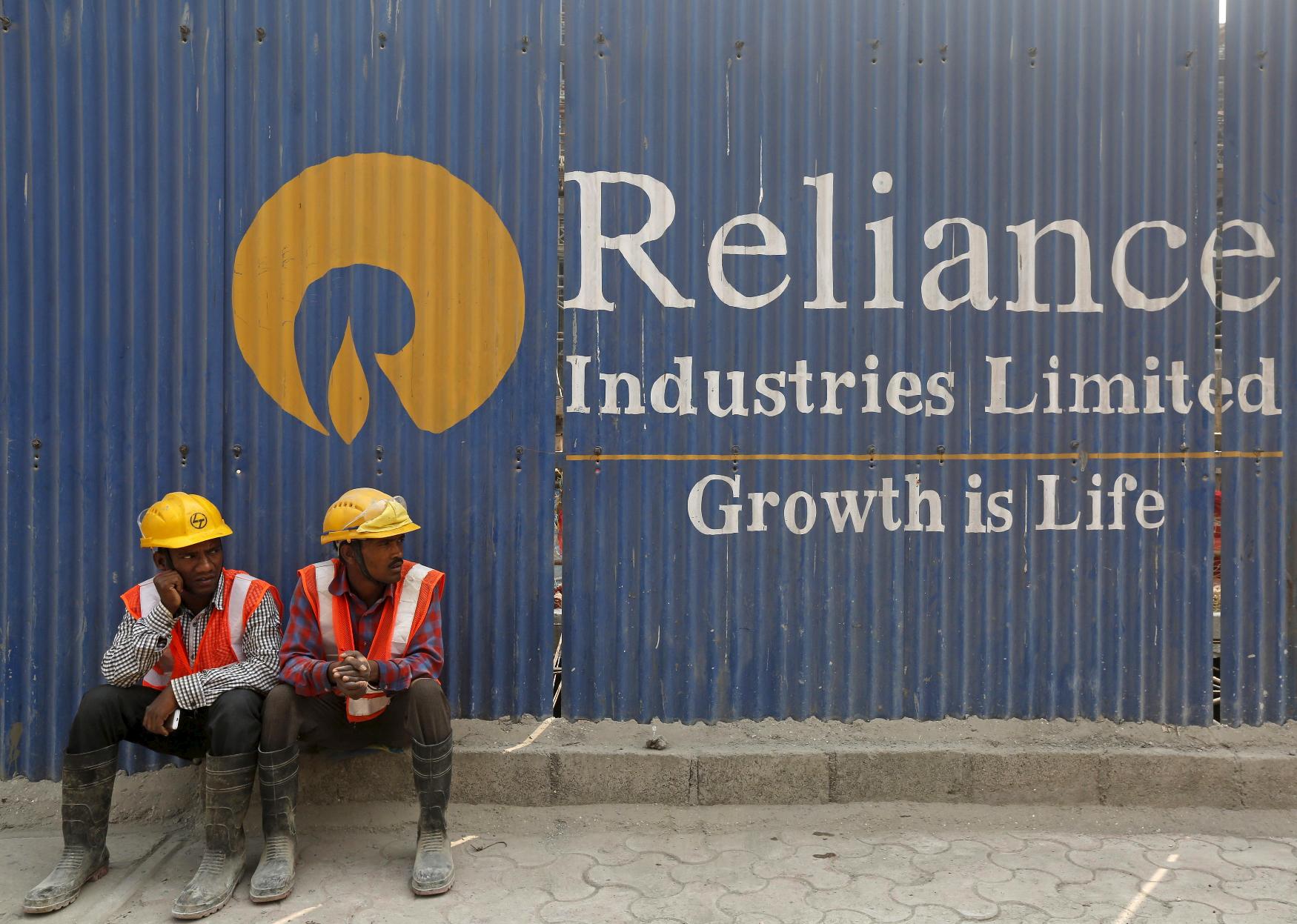
NEW DELHI, July 24 (Reuters) - India's Reliance Industries (RELI.NS) , opens new tab has received approval from the United States to resume importing oil from Venezuela despite Washington's sanctions, a source familiar with the matter said on Wednesday. The United States in April re-imposed sanctions on Venezuela's oil sector in response to President Nicolas Maduro's failure to meet his election commitments, but said some firms would be authorised to trade and operate in Venezuela. The U.S. Treasury Department declined to comment, while Reliance did not immediately respond to a request seeking comment. The news was first reported by Bloomberg. Before U.S. oil sanctions were first imposed on Venezuela in 2019, Reliance was the second-largest individual buyer of Venezuelan crude after China's CNPC (CNPET.UL). Reliance had re-submitted a request to the U.S. in May for authorisation to import crude oil from Venezuela, after the U.S. Treasury refused to grant licences to Indian refiners including Reliance following the easing of sanctions in October. Indian refiners, however, resumed Venezuelan oil purchases through intermediaries, until the sanctions kicked in again in June. India's Oil and Natural Gas Corp (ONGC.NS) , opens new tab has also sought a waiver from the U.S. Office of Foreign Assets Control to lift crude oil from Venezuela, an industry source said. Sign up here. https://www.reuters.com/business/energy/indias-reliance-gets-us-approval-import-oil-venezuela-source-say-2024-07-24/
2024-07-24 07:19
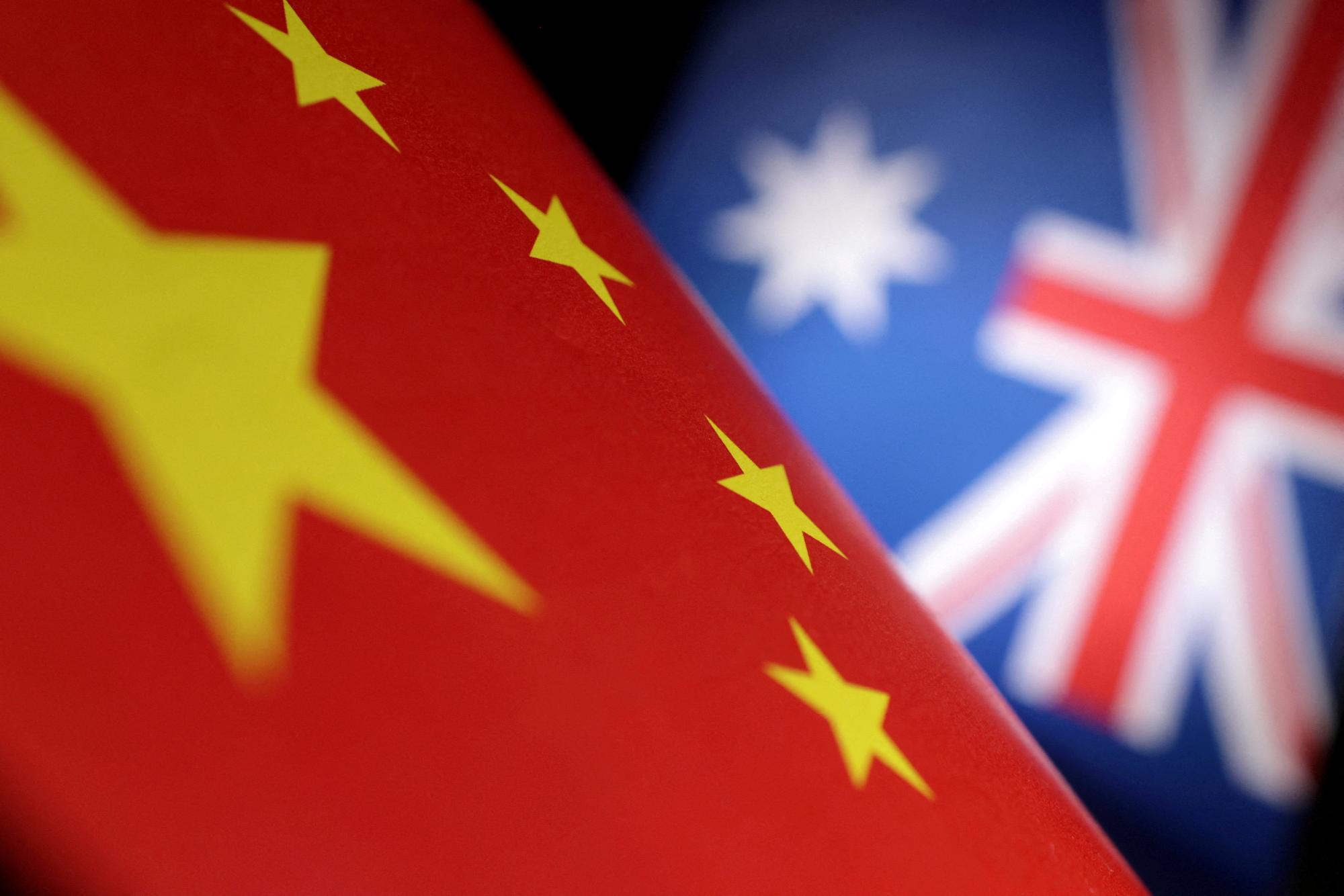
Firm agreed to buy five solar farms for up to $535 mln from Lightsource BP Deal signed in December but has not received regulatory approval Australia scrutinises investments by state-owned companies SYDNEY, July 24 (Reuters) - A Beijing-based firm is open to teaming up with new investors to purchase several solar farms in Australia, a company official said, as it looks to satisfy regulatory concerns over the ownership of key energy assets by a Chinese state-owned company. Beijing Energy International Holding (BJEI) (0686.HK) , opens new tab, the investment arm of the Chinese capital city, announced in December that it had signed an up to A$813 million ($535.44 million) agreement to buy five solar farms across Australia from Lightsource BP, a joint venture set to soon be 100% owned by British oil and gas giant BP (BP.L) , opens new tab. That would equate to more than 80% of the total Chinese investment in Australia last year, based on data from KPMG and the University of Sydney. But the company has been awaiting approval from Australia's Foreign Investment Review Board (FIRB) for months, the final step for the deal to be completed. Warwick Smith, a prominent Australian businessman who chairs BJEI's local subsidiary, said the company had met all of FIRB's regulatory requirements. "My sense of it is that it's a state-owned enterprise but it has intentions to reduce its equity levels, so that's a big plus in its favour," he told Reuters. "It likes to see other investors involved." He declined to give any details of the investors the company was likely to choose as partners. The Chinese company entered Australia in 2014 when it purchased a wind farm in New South Wales state. With the acquisition of the solar farms from Lightsource BP, it would be the largest owner of utility-scale solar projects in Australia, outpacing France's Neoen (NEOEN.PA) , opens new tab and Spain's FRV, according to consultancy Rystad Energy. Foreign investments into Australia in the renewables sector have come under heavy scrutiny as Canberra deems the electricity sector to involve critical infrastructure essential to maintaining the country's national security. BJEI also has plans to buy an Australian electricity and gas retailer CovaU, owned by TPC Consolidated Limited (TPC.AX) , opens new tab. That is also awaiting a decision from FIRB, with a revised expiry date of July 31 just a week away. The Australian government has already blocked some Chinese investments in the rare earths and lithium sectors over the last year. Bilateral ties are warming, as evidenced by Chinese Premier Li Qiang's visit to Australia in June, but analysts say Chinese investments in the country are unlikely to return to the recent peak of about $11.5 billion in 2016. "China would have to consider more carefully whether the investment is long-term sustainable and where it fits in the strategic context," said Hans Hendrischke, a professor at the University of Sydney. ($1 = 1.5184 Australian dollars) Sign up here. https://www.reuters.com/markets/deals/state-owned-beijing-energy-explores-partnerships-get-approval-australia-solar-2024-07-24/
2024-07-24 07:16
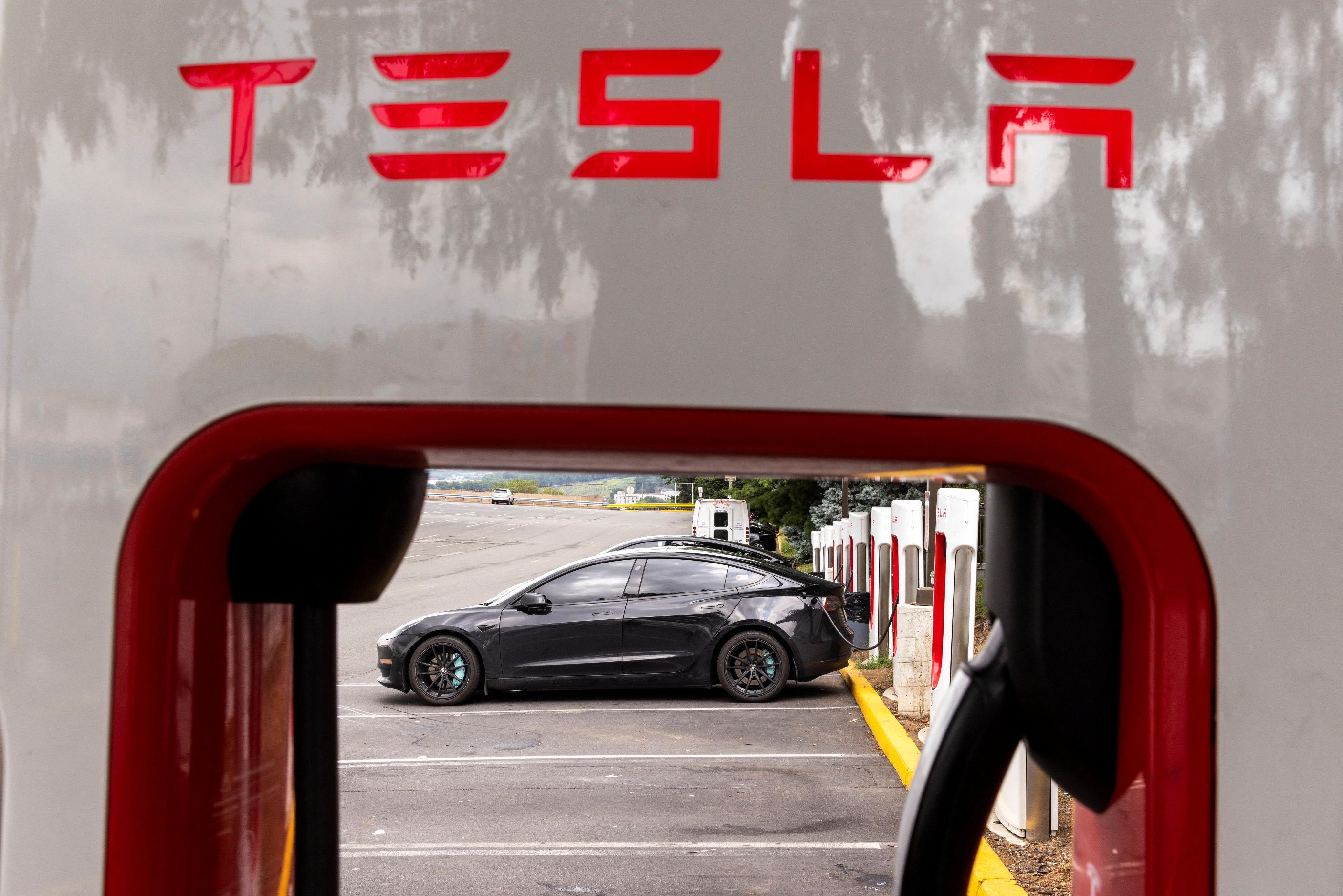
Tesla's Q2 automotive gross margin to 14.6% vs. analysts' estimates of 16.3% Musk forecasts self-driving software to drive Tesla vehicles without human supervision next year Musk says Tesla likely to win approval for "supervised" FSD in China, Europe this year Tesla's sales of regulatory credits triple in Q2 Tesla delays Robotaxi unveiling to Oct. 10 for vehicle improvements July 23 (Reuters) - Tesla (TSLA.O) , opens new tab on Tuesday reported its lowest profit margin in more than five years and missed Wall Street earnings targets in the second quarter, as the electric vehicle maker cut prices to revive demand while it increased spending on AI projects. The company said it was on track to produce new vehicles, including more affordable models, in the first half of 2025, although the models will result in achieving less cost reduction than previously expected. Shares fell 8% in after-hours trade. "Perhaps more than ever in the company's recent history, Tesla's investors need results; those will have to come fast - both for the humanoid robot and for the Robotaxi," said Thomas Monteiro, senior analyst at Investing.com. The second quarter was tumultuous, with CEO Elon Musk shelving development of an all-new cheaper car in favor of less ambitious lower-cost models and working on creating self-driving taxis, helping to boost shares. The company also laid off more than 10% of its employees to cut costs, and Tesla said profit was also weighed down by restructuring charges and an increase in operating expenses largely driven by artificial-intelligence projects. Tesla recorded automotive gross margin excluding regulatory credits of 14.6% in the second quarter, compared with estimates of 16.29%, according to 20 analysts polled by Visible Alpha. Dan Coatsworth, investment analyst at AJ Bell, said Tesla has now missed earnings targets for four quarters in a row. “There is a lot of talk about robotaxis, humanoid robots and autonomous driving, which provides an exciting narrative for investors but doesn’t get over the fact that these are tomorrow’s potential riches, not today’s." Musk told analysts on a conference call that new competitors "have discounted their EVs very substantially, which has made it a bit more difficult for Tesla." The company's electric vehicle deliveries have fallen for two consecutive quarters as the automaker battles rising competition and slow demand stemming from a lack of affordable new models. Tesla's sales of China-made EVs, which are also exported to Europe and elsewhere, slumped in the second quarter from a year earlier, whereas BYD Co (002594.SZ) , opens new tab and other Chinese automakers posted strong sales growth. Tesla said on Tuesday it expected a sequential increase in production in the third quarter. The company reported revenue of $25.50 billion for the quarter, slightly ahead of last year and analyst targets, according to LSEG data. Tesla's sales of regulatory credits nearly tripled to a record $890 million in the second quarter from a year earlier. Traditional automakers buy credits from Tesla to meet clean-vehicle production regulatory targets. Net income was $1.48 billion in the second quarter, compared with $2.70 billion a year ago, with adjusted earnings of 52 cents per share missing the Wall Street consensus of 62 cents, as calculated by LSEG. ROBOTAXIS Shares of Tesla have surged more than 30% since June 13, when shareholders voted to approve Musk's $56 billion pay package that was invalidated by a Delaware court in January. Its shares were also boosted by hopes for robotaxis. Musk over the years has promoted Tesla as a technology company, most recently saying self-driving technology was key. Predictions of that technology maturing have been missed for years, but on Tuesday he forecast self-driving software would be able to drive Tesla vehicles without human supervision next year, saying he would be shocked if that were not the case. Tesla said on Tuesday the "timing of Robotaxi deployment depends on technological advancement and regulatory approval." But Musk said during the conference call, "I don't think regulatory approval will be a limiting factor." He also said Tesla was likely to win regulatory approval for its "supervised" Full Self-Driving software, which requires driver attention, in China and Europe by the end of this year. Musk said Tesla has delayed the unveiling of its Robotaxi product to Oct. 10 from Aug. 8 to make some important changes to the robotaxi. He had announced the Aug. 8 unveiling date after Reuters reported that Tesla had pivoted to self-driving taxis after shelving plans to develop a long-promised all-new cheaper car expected to be priced at around $25,000. "Elon is great at dangling the carrot in front of investors, but new ideas tend to be long on vision, but short on execution," said David Wagner, head of equity and portfolio manager at Tesla investor Aptus Capital Advisors. Musk had said in 2022 that Tesla expected to mass-produce a robotaxi with no steering wheel or pedal by 2024. General Motors (GM.N) , opens new tab said on Tuesday its Cruise self-driving unit will focus its development efforts on a next-generation Chevrolet Bolt as it indefinitely delays its planned Origin vehicle that would not have a steering wheel. Tesla said Cybertruck production "remains on track to achieve profitability by end of year." Tesla said it has started validation of its first prototype Cybertruck vehicles using its breakthrough battery manufacturing technology called dry coating, which is "a major cost reduction milestone once ramped" and that production could launch in the fourth quarter. Sign up here. https://www.reuters.com/business/autos-transportation/tesla-revenue-sees-surprise-rise-second-quarter-revenue-2024-07-23/
2024-07-24 07:16
July 23 (Reuters) - Alphabet (GOOGL.O) , opens new tab beat second-quarter revenue and profit estimates on Tuesday, driven by a rise in digital advertising sales and healthy demand for its cloud computing services, but flagged that capital expenses would remain high for the year. Alphabet's results underscore robust demand for digital ads, driven by events like the Paris Olympics and elections in several countries including the U.S., while a recovery in enterprise spending is boosting its software business. Strong adoption of generative artificial intelligence technology drove its cloud business. Advertising sales, Alphabet's chief revenue source, rose 11% to $64.6 billion. The company sells ads in its search product using customer data to better target them. Net income in the quarter ended June 30 rose 28.6% to $23.6 billion, besting the average estimate of $22.9 billion. Investor reaction was mixed, with the shares initially rising about 2% before dipping by a similar percentage. They had gained more than 30% this year, outperforming a 20% rise in tech-heavy Nasdaq Composite Index (.IXIC) , opens new tab. "This was another stellar quarter from Google with beats across the board," said Ido Caspi a research analyst with Global X, citing ad sales and artificial intelligence offerings as drivers. Total revenue grew 14% to $84.74 billion, compared with analysts' consensus estimate of $84.19 billion according to LSEG data. Ad sales in its YouTube division rose 13% to $8.67 billion. Revenue from cloud computing services, a widely watched barometer for the health of enterprise technology spending, rose 28.8% to $10.35 billion. Analysts had expected $10.16 billion. Alphabet reported capital expenditures of $13 billion in the June quarter. Ruth Porat, in her last conference call as Alphabet's chief financial officer, told investors that quarterly capital expenditures for the rest of 2024 would be at or above $12 billion. In the January-March period, the company's capital expenditure had jumped 91% to $12 billion, spooking investors. Like its competitors, Alphabet is racing to roll out AI offerings as investors continue to pour billions into the technology. But its AI searches have produced a series of embarrassing results, such as the widely ridiculed suggestion to put glue on pizza to better hold cheese. Google pulled back on the technology in May to work out kinks. The technology will be rolled out to more countries, Alphabet CEO Sundar Pichai told investors on a call on Tuesday. "You'll see us expand the use cases around it." Pichai, without providing a timeline, said AI products could soon drive revenue rather than just help companies through cost-cutting and greater efficiency. Despite heightened regulatory scrutiny, Google had been pursuing its largest acquisition ever, a roughly $23 billion buyout of cybersecurity firm Wiz. But Wiz told employees on Monday it was walking away from the deal and would instead pursue going public. Google also held talks to acquire customer relationship management firm HubSpot before walking away from it earlier this month. The deal would have turned Alphabet into a rival of Salesforce, Oracle and others in that market. Google said on Monday it is planning to keep third-party cookies in its Chrome browser backtracking function after years of pledging to phase out the tiny packets of code used to track internet searches. It marked a major reversal after advertisers expressed concerns that the loss of cookies would limit their ability to collect and parse information for personalizing ads, making them dependent on Google's user databases. Sales for the Mountain View, California company's so-called "other bets," including experimental projects and its self-driving car unit Waymo, rose 28% to $365 million. Porat said the company is planning a multi-year $5 billion investment in Waymo, as rival Cruise slowly maps a course back to U.S. roads after a highly publicized accident in October. Sign up here. https://www.reuters.com/technology/google-parent-alphabet-beats-quarterly-revenue-estimates-2024-07-23/
2024-07-24 07:03
MOSCOW, July 24 (Reuters) - The Russian government is considering a ban on exports of diesel due to rising domestic prices, the Kommersant , opens new tab daily reported on Wednesday, citing several unnamed sources. Russia is the world's top seaborne exporter of diesel just ahead of the United States. Diesel is its top oil product export, at about 35 million metric tons annually, of which almost three-quarters is shipped via pipeline. Russia suspended exports of diesel last autumn for around two weeks but resumed pipeline overseas supplies. Russia is restricting exports of gasoline and is due to resume a ban on gasoline exports from August 1. One of the sources cited by Kommersant said diesel exports could be banned if prices sharply rise, but there is no decision yet. The Russian energy ministry did not respond to a request for immediate comment. Sign up here. https://www.reuters.com/business/energy/russia-considering-ban-diesel-exports-kommersant-reports-2024-07-24/