2024-07-22 13:15
Bank of Russia seen hiking key rate to 18% on July 26 Rate hike to tame inflation Tight monetary policy to stay MOSCOW, July 22 (Reuters) - The Russian central bank is set to hike its key interest rate by 200 basis points to 18% at the July 26 board meeting to tame inflation and cool the overheated economy, a Reuters poll showed on Monday. Massive state spending, wage growth across all sectors, acute labor shortages, and continued growth of corporate and retail lending are the main factors behind inflation, which is currently running at 9.2%, well above the regulator's target of 4%. All 28 analysts agreed that the rate hike was inevitable, with three-quarters of the polled analysts predicting an aggressive 200 basis points hike. Only four analysts saw the possibility of a 100 basis points rise. "There are no alternatives to the rate hike at the July 26 meeting," said Oleg Kuzmin from Renaissance. In the previous Reuters poll on July 2, 10 out of 16 analysts saw the 200 basis points hike. Some analysts have since raised their forecasts based on the latest inflation numbers. "We have raised to 18% taking into account the latest data," said Sofya Donets from T-Bank. The central bank argues that tight monetary policy will help to bring down inflation to the target 4%. "High lending growth is a concern for the central bank, which is trying to cool down demand with high interest rates. However, it has not succeeded so far," Finam analysts wrote. The central bank's opponents among industry lobbyists and bankers accuse the central bank of stifling economic growth at a time when the economy, powered by defense sector spending, can grow at faster rates than the current 5%. In the run-up to the July 26 meeting, the regulator's rhetoric has hardened, with its governor, Elvira Nabiullina, flagging that the board will focus on the size of a rate increase, not on the need for it. The central bank said earlier that tight monetary policy is needed for a significantly longer period than was previously foreseen to contain inflation in a more sustainable way. The regulator is also expected to review its inflation forecast for this year, currently at 4.3-4.8%. Some analysts pointed out that inflation is going through a peak level of over 9% now and will slow to 7% towards the end of the year. Sign up here. https://www.reuters.com/markets/rates-bonds/russia-set-aggressive-200-bps-rate-hike-cool-down-economy-2024-07-22/

2024-07-22 12:42
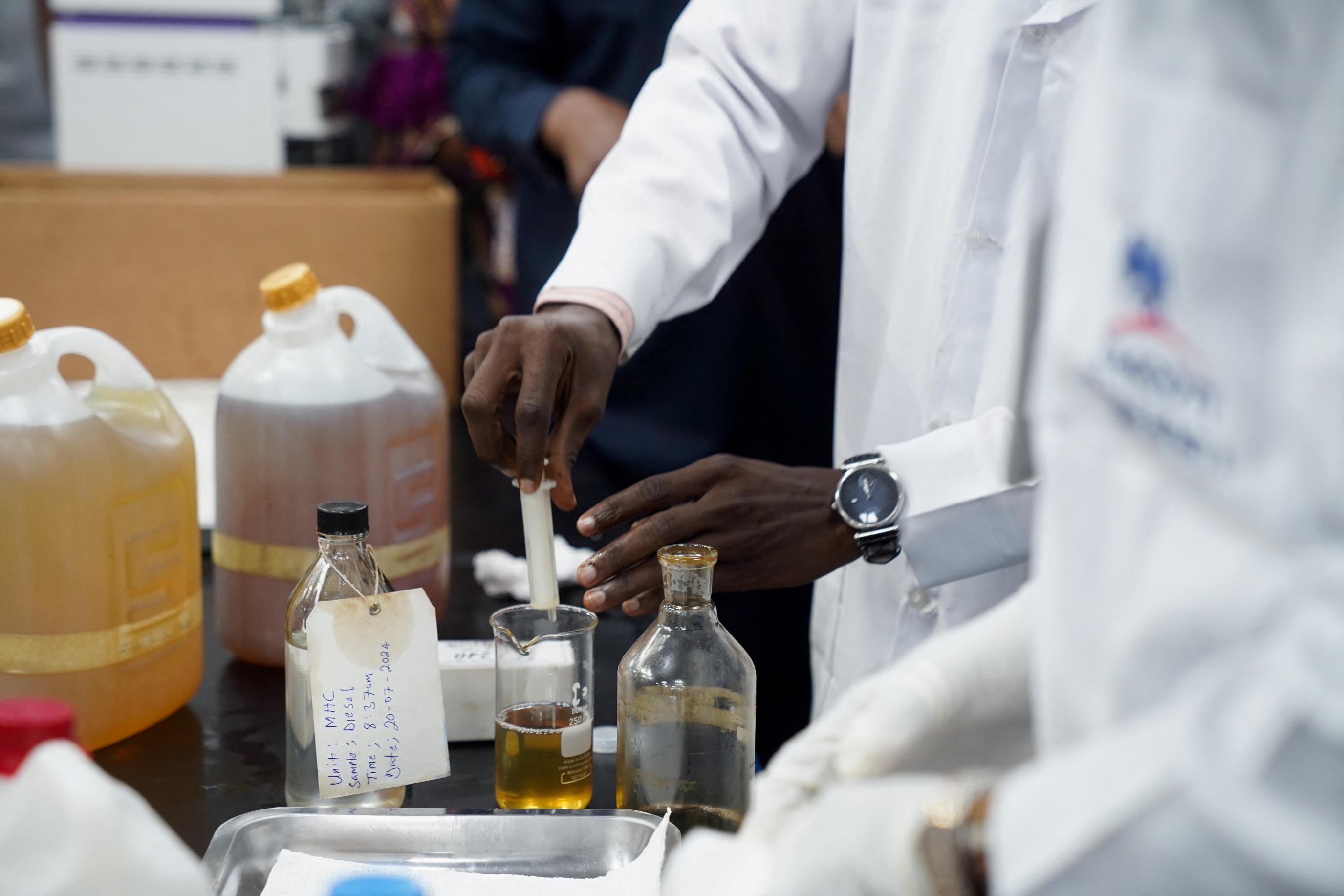
LAGOS, July 22 (Reuters) - Nigerian lawmakers on Monday set up a committee to investigate crude shortages to local refineries and importation of dirty fuels, issues at the heart of a rift between the Dangote Refinery and Nigeria's downnstream oil regulator. The committee constituted by Nigeria's lower parliament will investigate alleged importation of dirtier fuels, operations of standards agencies, why refineries including Dangote Refinery are unable to get adequate crude supplies and rising fuel queues. "Our investigation will proceed in phases beginning with the allegation of production and importation of sub standard petroleum products and unavailability of crude oil to domestic refineries," said Ikenga Ugochinyere, a co-char of the committee. The findings of the investigative panel, which does not have the power to act on them, will be presented to parliament from which recommendations would be made to the president. The $20 billion Dangote Oil refinery, built by Africa's richest man Aliko Dangote on the outskirts of Lagos, began operations in January but has been unable to get adequate crude supplies from Nigeria where vandalism, sabotage and low investments deter production. Last month, the Dangote Refinery said oil majors were blocking its access to locally produced crude and the regulator was allowing fuel traders import high-sulphur gasoil thereby undermining its refinery. In response, the head of the Nigeria Midstream and Downstream Petroleum Regulatory Authority (NMDPRA), the downstream regulator, said the Dangote Refinery was 45% completed hence unable to meet the country's needs. He also said gasoil processed by the refinery is between 650 to 1200 parts per million of sulphur, thus inferior to imported products. Nigerian regulation allows for the sulphur content in gasoil to be about 50 ppm and is set to begin enforcing the standards from next year. When some lawmakers visited the plant on Saturday, Africa's richest man, Aliko Dangote insisted on a test of the gasoil from his plant with others sold in the local market. The result showed that Dangote Refinery's diesel had a sulphur content of 87.6 ppm, whereas the other two samples showed sulphur levels exceeding 1800 ppm and 2,000 ppm, respectively. Dangote announced he was no longer proceeding with an investment into steel production in Nigeria due to allegations that he seeking to be a monopoly. The investigative panel said it will conduct a forensic audit of the entire sector. "The committee is urging stakeholders in the current dispute to deescalate tensions as the committee embarks on the great task of resolving the issue," Ugochinyere said. Sign up here. https://www.reuters.com/business/energy/nigeria-investigates-fuel-imports-after-dangote-refinery-rift-with-regulator-2024-07-22/
2024-07-22 11:59
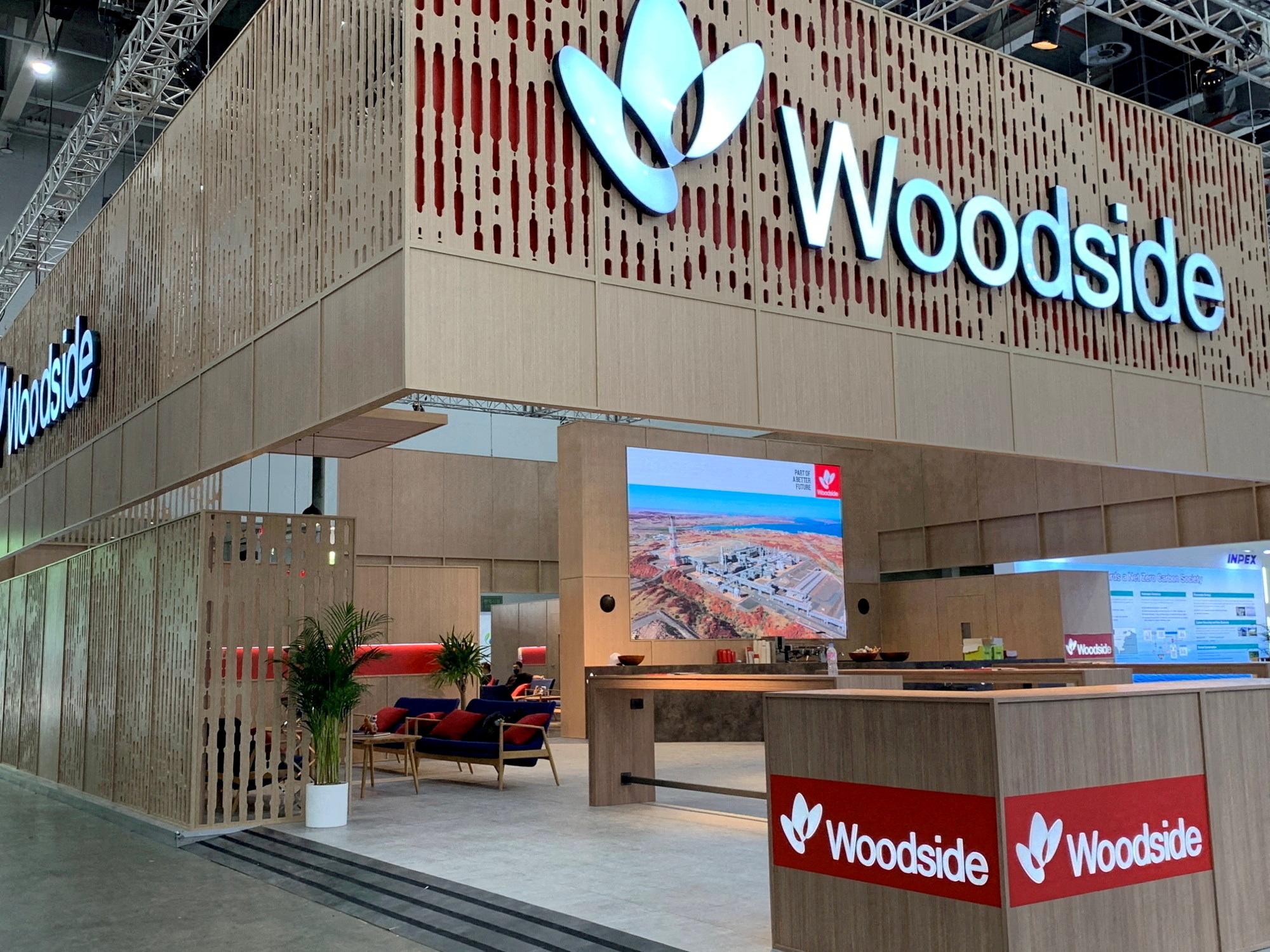
LAUNCESTON, Australia, July 22 (Reuters) - Australia's Woodside Energy wants to become one of the world's largest independent producers of liquefied natural gas (LNG). In itself this is not a bad ambition. But choosing to do so by taking over a troubled U.S. LNG project is certainly a brave way of going about it. Woodside (WDS.AX) , opens new tab said on Monday it has agreed to acquire all of Tellurian (TELL.A) , opens new tab for a total value of $1.2 billion, including a cash payment of some $900 million, or $1 per share, a premium of 75% to the U.S. company's last closing price. The purchase price is largely irrelevant. What's important is whether Woodside can take Tellurian's Driftwood LNG project in Louisiana from its early stages of development to its full potential of producing 27 million metric tons a year of the super-chilled fuel. Woodside Chief Executive Meg O'Neill told an investor briefing on Monday the transaction positions Woodside to be a "global LNG powerhouse". That is true, because if Woodside does successfully develop the Driftwood project it potentially will become the second-biggest independent LNG producer in the world, overtaking super majors such as Shell (SHEL.L) , opens new tab and Exxon Mobil (XOM.N) , opens new tab. Woodside's current LNG capacity - operated, equity share and off-take - stands at about 12.05 million tons per annum. While Driftwood is permitted for 27.6 million tons a year, Woodside's initial aim will be to quickly advance Phases 1 and 2, which are awaiting Final Investment Decisions (FIDs) and have a combined annual capacity of about 16.5 million tons. There are several compelling reasons for Woodside to take on the Driftwood project. Becoming world-scale is just one of them. Having a strong presence in the Atlantic basin would allow Woodside to take advantage of arbitrage opportunities between customers in Europe and in Asia, the two biggest demand centres for LNG. Woodside also has a strong track record of developing LNG projects, including the North West Shelf and Pluto plants in Western Australia state. The company no doubt has the technical expertise to develop Driftwood, something that Tellurian possibly lacked. DIFFERENT MODEL Woodside also brings a strong balance sheet and plans a somewhat different model of selling LNG from the traditional U.S. operation. U.S. LNG plants tend to be tolling operations, where their revenue is largely derived from a fixed price for converting natural gas into LNG, which is then marketed by off-takers. This often means long-term off-take deals are required before projects can get sufficient funding to be developed. This was largely the problem Tellurian faced in advancing Driftwood, with preliminary deals with buyers such as Shell, TotalEnergies (TTEF.PA) , opens new tab, Vitol (VITOLV.UL) and others failing to be converted into firm agreements. Woodside aims to boost the value of the Driftwood project by accessing cheap feedstock from the U.S. natural gas market, putting the LNG into its own marketing portfolio, while still retaining the option for some tolling volumes. Woodside also aims to bring in what it termed "high-quality partners", and will target to sell down its equity stake to around 50%. To do this, Woodside is going to have to show it can develop Driftwood in a timely and cost-effective manner. The Perth-based company said it expects development costs for Driftwood to be around $900-$915 a ton, which would be around $14.9 billion for the initial capacity of 16.5 million tons a year. Spot LNG prices for delivery to North Asia ended at $12.20 per million British thermal units (mmBtu) in the week to July 19, which is equivalent to about $631 a ton. This would imply a fairly rapid recoupment of development costs, even accounting for buying feedstock and operating expenses. In addition to the risks involved in taking on a project that at best can be described as having a troubled history, Woodside is also making a massive bet on the future of LNG as the world transitions away from fossil fuels. Woodside's view has consistently been that LNG is needed for the transition given it is less polluting than coal and functions well as a peaking fuel to backup variable renewable generation from sources such as wind and solar. Much will depend on what paths are taken by governments, with the risk that European countries go harder on storage solutions such as batteries rather than gas-peaking plants. LNG can likely remain a force in Asia's energy mix, but this will largely be dependent on the fuel being cost-competitive against coal while not undermining the profitability of LNG producers. Disclosure: At the time of publication Clyde Russell owned Woodside shares as an investor in a fund. The opinions expressed here are those of the author, a columnist for Reuters. Sign up here. https://www.reuters.com/business/energy/woodside-goes-all-in-lng-with-brave-tellurian-buy-russell-2024-07-22/
2024-07-22 11:37
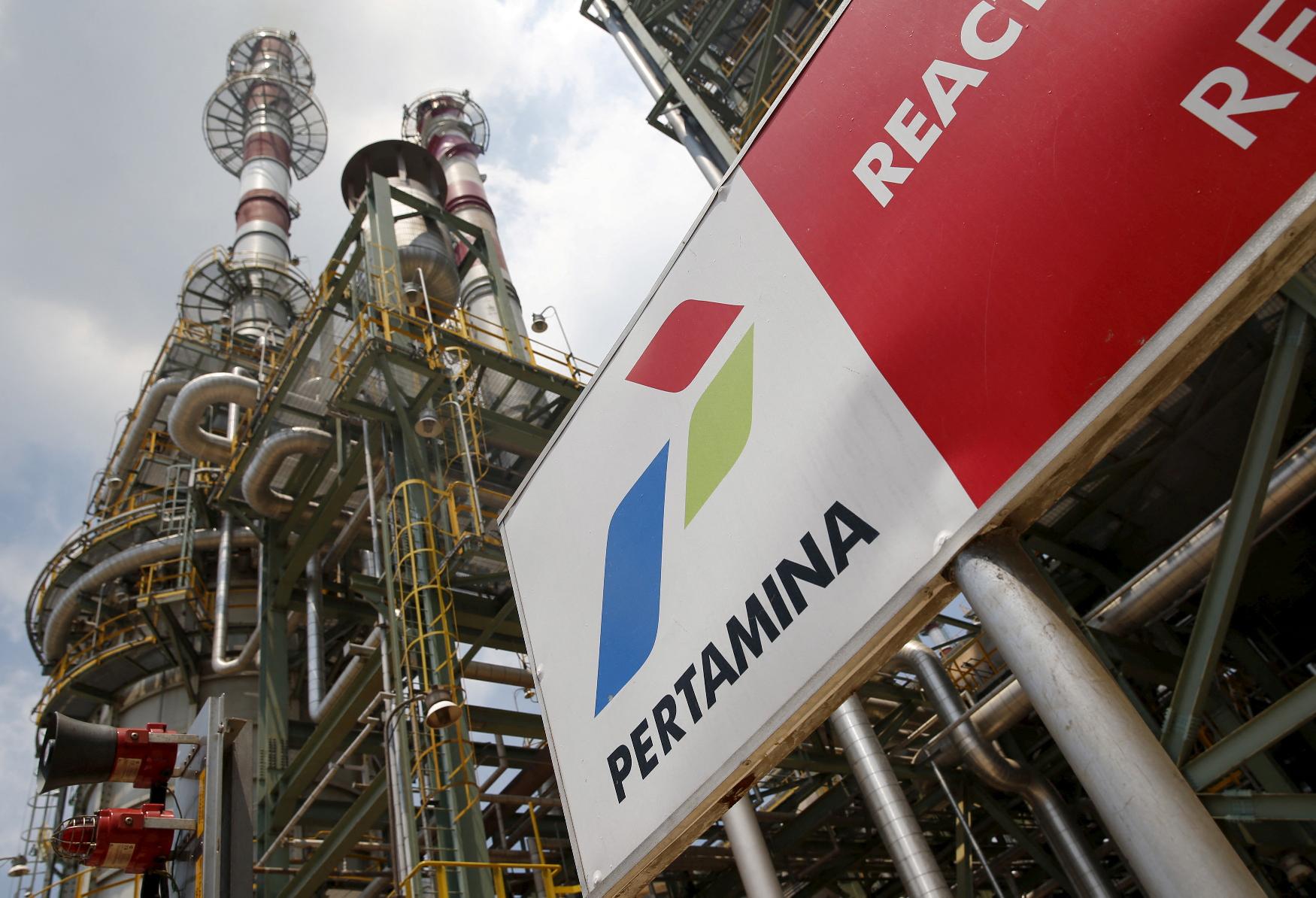
MOSCOW/SINGAPORE, July 22 (Reuters) - Indonesian refiner Pertamina has added Russian oil grades to its tender lists to buy September crude, three traders said on Monday. Pertamina hasn't purchased Russian oil for years, having taken a step back since the start of Russian-Ukraine military conflict in 2022, though the state did not join western sanctions against Russia. Pertamina last purchased ESPO Blend and Sokol oil from Russia more than 10 years ago, LSEG data shows. Western sanctions against the Russian energy sector, including EU embargo on its oil and the price cap mechanism, have made China, India and Turkey the main buyers of Russian oil. State-controlled Pertamina asked for Russian Urals oil along with sour grades Kirkuk, Jubilee, Al Shakheen and others for Sept. 15-17 arrival at its Cilacap refinery. Pertamina also asked for Sokol oil among sweet oil grades such as Azeri BTC, El Sharara, Qua Iboe and others for arrival at Cilacap over Sept. 18-20. The Sokol is to be supplied under CFR or DAP (delivered at port) terms only, according to the tender. One of the tenders closed last week and another on Monday, the sources said. Results have yet to be announced. One of the sources familiar with Pertamina plans said the company may only buy Russian oil if sold under the price cap regulation. The cap allows Western shippers and insurers to participate in Russian oil trading provided that the oil is sold for less than $60 a barrel. A Pertamina spokesperson did not reply to a request for comment on the tenders. Sign up here. https://www.reuters.com/markets/commodities/indonesia-seeks-russian-oil-first-time-years-sources-say-2024-07-22/
2024-07-22 11:28
ATHENS, July 22 (Reuters) - More than 16,500 goats and sheep have been tested for a viral infection known as goat plague in central Greece, after nine animals tested positive last week in farming units in the area, government officials said on Monday. Greece first detected the outbreak of the virus "peste des petits ruminants", also known as PPR or "goat plague" on July 11. So far, about 2,500 animals have been culled, all in the affected farms in the regions of Larissa and Trikala. A total of 16,500 have been tested, government spokesman Pavlos Marinakis told reporters. Greece is still trying to determine the source for the PPR outbreak in the country, a second official said. More than 100 vets in the public sector and the army will be deployed to test the livestock, with additional 120,000 animals expected to be examined by Friday. "Of course, there will be more tests, if needed," the official said. "An epidemiological investigation is being carried out to determine how it started." The virus causes fever, sores and lesions, laboured breathing and diarrhoea in infected animals. It poses no threat to human health. Local authorities have put sheep and goats in quarantine and banned slaughtering across the wider region of Thessaly until July 26. Sign up here. https://www.reuters.com/world/europe/greece-tests-thousands-animals-after-goat-plague-outbreak-2024-07-22/

2024-07-22 11:10
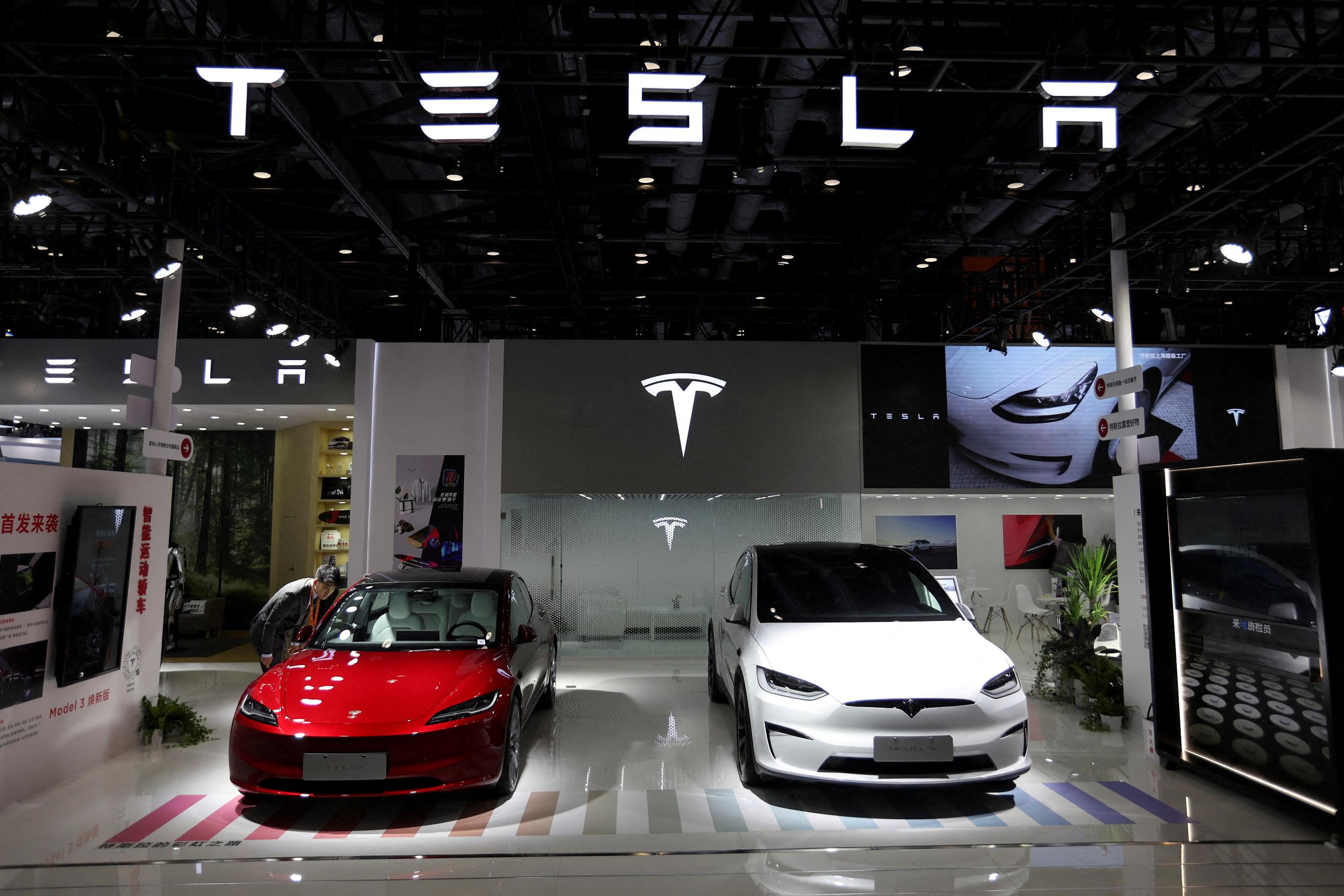
July 22 (Reuters) - Tesla's (TSLA.O) , opens new tab second-quarter margin hit a more than five-year low, the electric vehicle maker is likely to report on Tuesday, and its CEO Elon Musk is expected to double down on the company's robotaxi plans and AI products. Discounts to clear inventory, price cuts and incentives such as cheaper financing options offered to boost EV sales have squeezed Tesla's margin over the past two years, while sales dropped as customers grew tired of its old model lineup. The company is laying off 10% of its global workforce, a memo revealed in April. Now, investors will want to hear more on Tesla's pivot to self-driving technology and how that could once again set the company apart from other automakers and fuel the sort of rally in its stock that propelled it to a record high in 2021. Musk had announced earlier this year that Tesla would unveil its robotaxi on Aug. 8, but signaled last week the automaker would take more time to incorporate a design change following a media report that the launch was delayed to October. Wall Street expects Tesla's automotive gross margin, excluding regulatory credits, to have slipped to 16.27% in the April-June period, its lowest since the first quarter of 2019, according to 20 analysts polled by Visible Alpha. Profit margin for vehicle sales, excluding the sales of regulatory credits, was 16.36% in the January-March period and 18.14% in the second quarter of 2023. Tesla's discounted financing at a time when interest rates are high "represents an even less visible price cut", Bernstein analyst Toni Sacconaghi said in a note earlier this month. This cost will be "realized gradually over the life of the loan, effectively pushing out margin pressure into future periods," he said. Margins are likely to bottom by the end of this year and start to increase next year, analysts said, as costs associated with a production ramp-up of the Cybertruck eases. "AI and robotaxi is such a huge opportunity over the next two, three, five years. So if you're a long-term believer, you're going to take the margins like your medicine," said Paul Marino, Chief Revenue Officer of GraniteShares, which offers funds related to Tesla's stock. ROBOTAXIS Some investors believe Tesla has little competition in the US robotaxi industry and its fleet of millions of cars on the roads that can be converted to robotaxis with a software upgrade, giving it an advantage over other automakers and ride-sharing platforms. But as it did with EVs, Tesla could face competition in China from BYD (002594.SZ) , opens new tab, the country's largest EV maker, and a dozen other companies that have rolled out driver-assistance systems designed to navigate its densely packed urban areas. Tesla has divulged few details about its self-drive strategy. "They might continue being a little bit quiet about it they are in the negotiations with OEMs for licensing but I think eventually FSD adoption rates and other numbers will be broken out," said Jamie Meyers, senior analyst at Tesla shareholder Laffer Tengler Investments. The company could be years away from releasing a fully autonomous vehicle with regulatory approval, experts in self-driving cars and regulation have said. Self-driving companies, including General Motor's (GM.N) , opens new tab Cruise, have faced technical and regulatory hurdles, and robotaxis could bring fresh challenges for Musk, who recently endorsed Donald Trump for US President. "Biggest hurdle for FSD and robotaxis will be getting regulatory approvals. Trump administration could help to move that along quickly," said Dennis Dick, equity trader at Triple D Trading said, who has a long position in Tesla. AFFORDABLE CARS, DELIVERIES GROWTH Tesla announced in April a strategic shift in its vehicle development, opting to introduce "new models" by early 2025 utilizing existing car platforms and production lines, diverging from previous plans for an entirely new model. "Investors are looking for a really positive outlook into the future, with some near-term surprises that can be implemented quickly and I think with the new lower cost model, they're going to want to see progress on that," GraniteShares' Marino said. Tesla handed over more cars to customers than analysts expected in the three months to June, but deliveries were about 5% lower than a year earlier. Analysts largely expect the company to a small increase in deliveries this year from 2023. To match its 2023 delivery record of 1.81 million vehicles, Tesla needs to deliver at least 977,815 vehicles in the second half of this year. "I think deliveries will grow fractionally for full year 2024 and grow around 15% in calendar 2025. The most important part is that they talk about September deliveries returning to growth," Gene Munster, managing partner at Deepwater Asset Management, said. Sign up here. https://www.reuters.com/business/autos-transportation/tesla-margins-likely-dipped-q2-robotaxi-ai-ventures-focus-2024-07-22/