2024-07-18 20:12
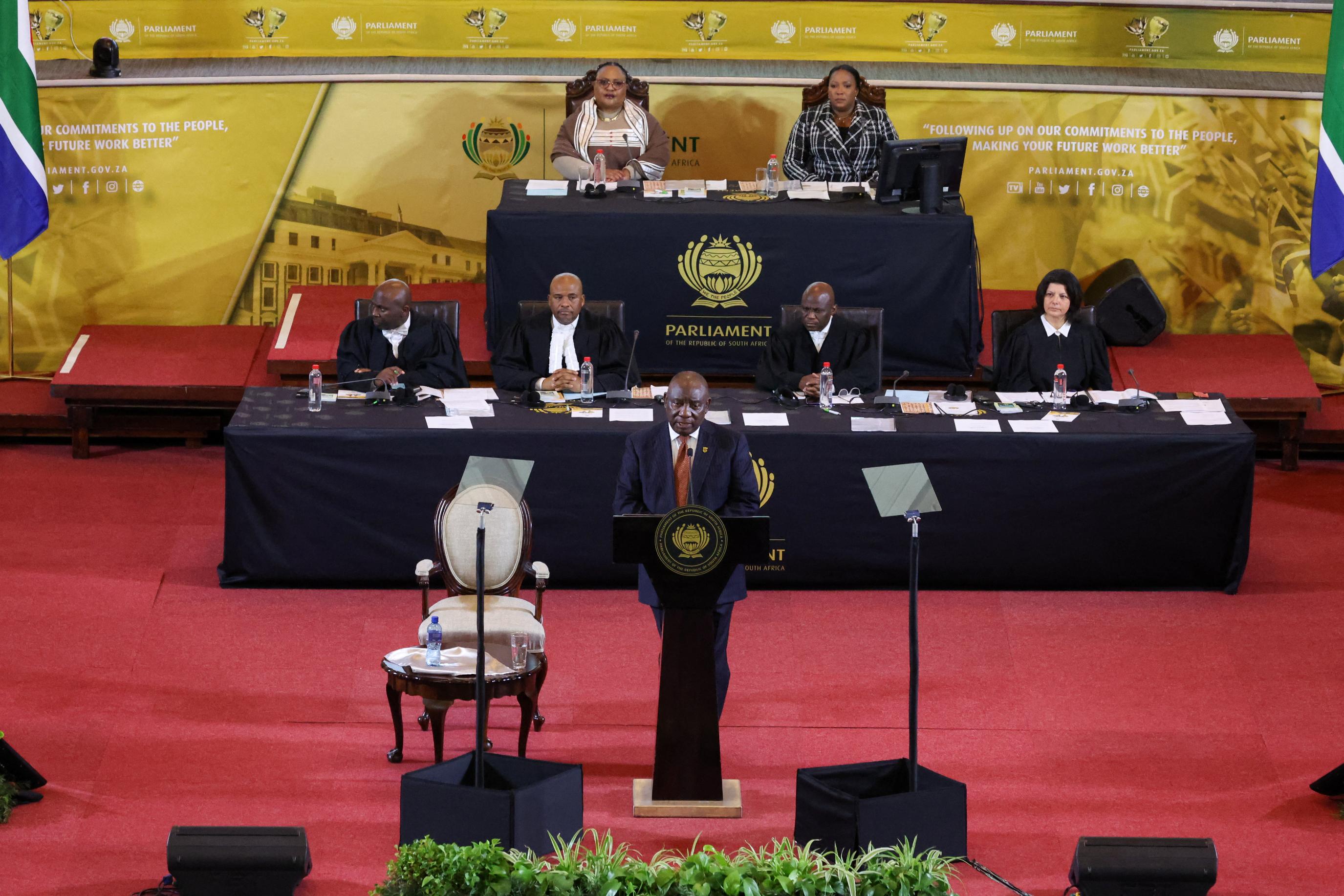
Ramaphosa pledges to turn nation into 'construction site' Promises inclusive growth to bridge huge rich-poor divide Aims to get on top of debt, reduce servicing costs ANC lost majority in May election for first time CAPE TOWN, July 18 (Reuters) - President Cyril Ramaphosa pledged on Thursday to revive South Africa's flagging economy and extend prosperity to the many left out of it, by resuscitating factories and farms, building roads and seizing the opportunities presented by green energy. In his first policy speech to a new parliament since the African National Congress (ANC) lost its ruling majority in May - forcing it to team up with its rivals - Ramaphosa also pledged to get on top of the nation's debt burden. "We have a clear intention to turn our country into a construction site, as roads, bridges, houses, schools, hospitals and clinics are built ... and as new power lines are installed," the president said at the official opening of a new five-year term of parliament. He acknowledged that in the past 15 years, Africa's most industrialised economy had "barely grown," and "unemployment, poverty and inequality (remain) ... extremely high." After an optimistic decade following the end of apartheid and the election of Nelson Mandela, South Africa has been mired in political troubles, including a lumbering response to its deadly HIV/AIDS epidemic, grand corruption and a systemic failure to deliver services or even keep the lights on. Voters punished the ANC for these shortcomings in the May 29 election, leaving it with just 40% of the vote and forcing it into a unity government, mostly with the main opposition Democratic Alliance (DA), for the first time in three decades. South Africa suffers some of the world's biggest divides between rich and poor. Ramaphosa, formerly one of the country's wealthiest Black businessmen, used the word "inclusive" 18 times in his speech to signal his intention to tackle economic injustice. 'ENORMOUS OPPORTUNITY' Outlining his administration's plans for the next five years, Ramaphosa said the government would "pursue macroeconomic policy that supports growth and development," while also stabilising the national debt. "We are firmly committed to steadily reducing the cost of servicing our debt so that we can redirect funds towards other critical social and economic needs," he said. Other policies included overhauling the country's ailing freight rail network, training young people in digital skills and investing in the green technologies being adopted the world over to mitigate climate change. "We will seize the enormous opportunity in renewable energy for inclusive growth," he said. "We ... have a huge pipeline of renewable energy projects representing over 22,500 megawatts." The new cabinet, which held its first meeting last weekend, was determined to work together in the interests of all South Africans, Ramaphosa said, echoing remarks on Wednesday by the DA leader, John Steenhuisen. In those remarks, Steenhuisen said the coalition government's plans had broad buy-in from its different political parties and that it was working better than expected. Ramaphosa said the coalition partners had taken the path of a "cooperation nation". Sign up here. https://www.reuters.com/world/africa/south-africas-new-government-prioritise-inclusive-economic-growth-ramaphosa-2024-07-18/
2024-07-18 20:07
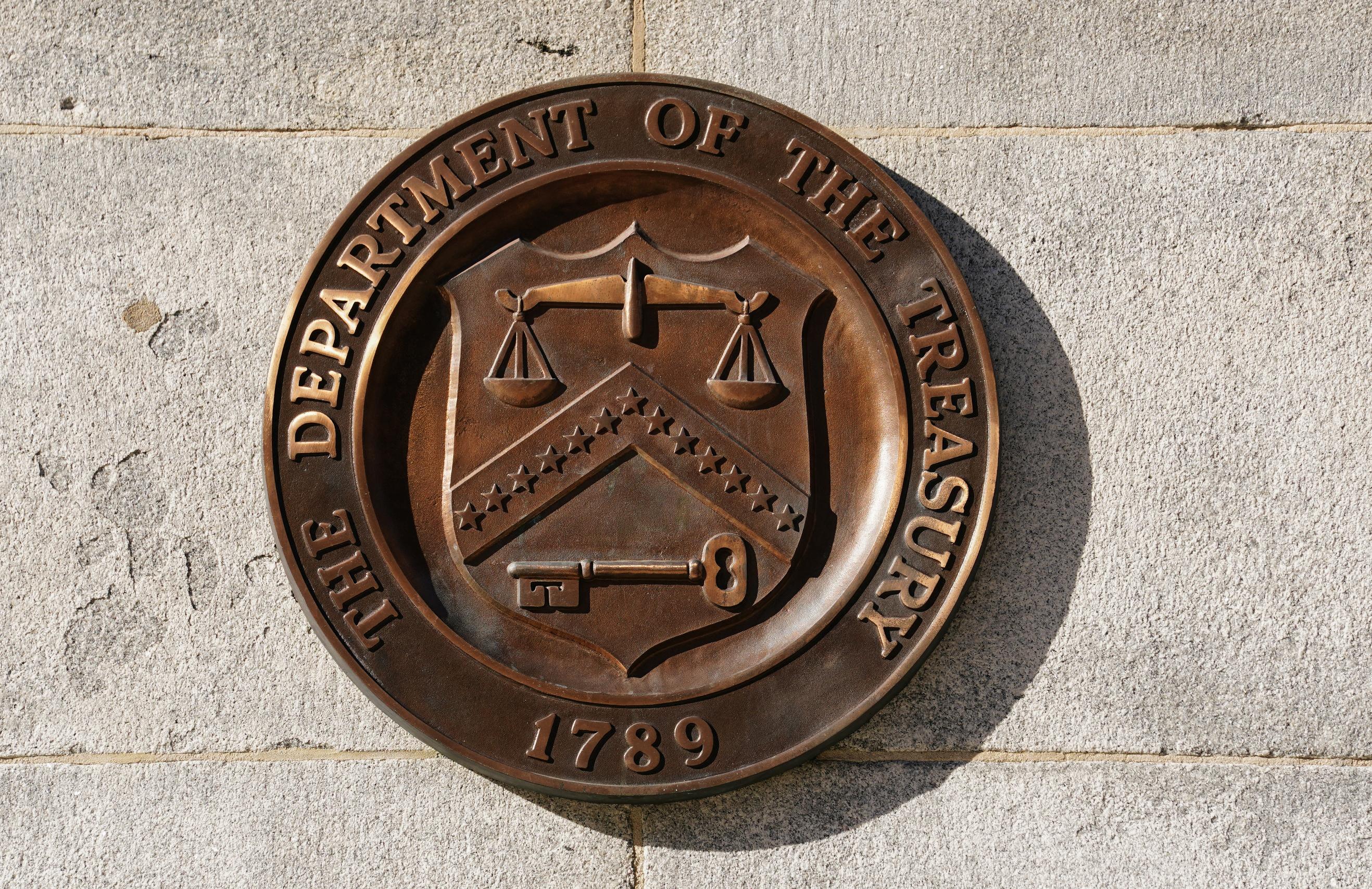
July 18 (Reuters) - Foreign holdings of U.S. Treasuries rose to a record high in May, exceeding the previous record in March, data from the Treasury Department showed on Thursday. Holdings of U.S. Treasuries rose to $8.129 trillion in May from a revised $8.04 trillion in April. Japan's stash of Treasuries shrank to $1.128 trillion from $1.15 trillion in April. Japan remains the largest foreign holder of U.S. Treasury securities. China, which is No. 2, saw its holdings fall to $768 billion from $771 billion in April. Sign up here. https://www.reuters.com/markets/us/foreign-holdings-us-treasuries-rise-record-may-2024-07-18/
2024-07-18 20:04
NEW YORK, July 18 (Reuters) - A federal judge on Thursday refused to halt New York City's crackdown on unlicensed sellers of cannabis, citing public safety concerns. U.S. District Judge Paul Oetken in Manhattan said 27 cannabis sellers whose businesses were shut down were unlikely to succeed on their claim that the closures violated their due process rights under the U.S. Constitution's 14th Amendment. A lawyer for the sellers did not immediately respond to requests for comment. New York City has through its "Operation Padlock to Protect" program , opens new tab closed 640 unlicensed smoke shops since early May, using enforcement powers under a new state law known as the Smokeout Act. Unlicensed shops vastly outnumber licensed shops. The 27 sellers accused the city of causing irreparable harm by unilaterally closing shops, including for non-cannabis products, based on an assumption they were unlicensed. Oetken, however, said the risk of "erroneous deprivation" was low, citing procedures that could let sellers reopen within a couple of weeks. The judge also said unlicensed shops pose "significant" public health risks because of their unregulated processing and labeling, and an "especially significant risk to minors as a result of their locations and marketing practices." In a statement, New York City Mayor Eric Adams welcomed the decision. "We are protecting New Yorkers, particularly young people, from the health and safety threats being posed by illegal cannabis shops," Adams said. "If you are operating an illegal cannabis business, our administration is sending a clear message: You will be shut down." The city estimates , opens new tab it has seized $20 million of illegal products and imposed more than $51 million of civil fines since the crackdown began, in addition to closing the 640 smoke shops. There are 51 licensed smoke shops in New York City, and 145 in New York State, according to the state's Office of Cannabis Management , opens new tab. The case is Moon Rocket Inc et al v. City of New York et al, U.S. District Court, Southern District of New York, No. 24-04519. Sign up here. https://www.reuters.com/legal/judge-wont-halt-new-york-city-crackdown-unlicensed-cannabis-sales-2024-07-18/

2024-07-18 19:42
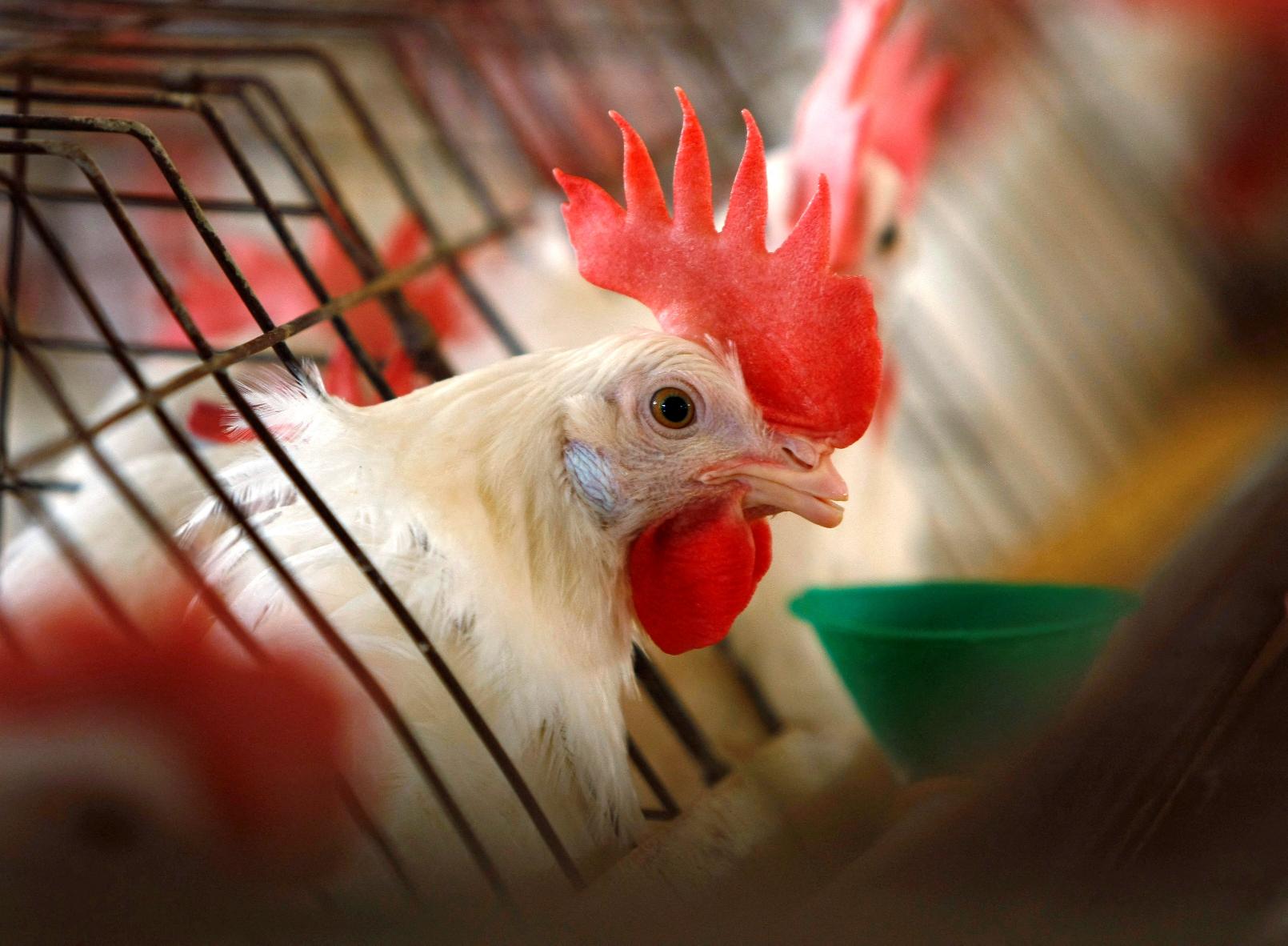
July 18 (Reuters) - The spread of bird flu among poultry and dairy farms has heightened some health experts' concerns that the process of killing and disposing of poultry infected with the virus may pose a risk to humans and livestock. Recent instances of farms dumping carcasses in landfills and using methods to kill chickens that put workers in close proximity to the virus show how the process of getting rid of infected birds could further spread the disease, according to data obtained by Reuters and interviews with officials and disease experts. Extreme heat that made it difficult to keep protective equipment on during the asphyxiation by carbon dioxide of chickens on a Colorado egg farm likely contributed to five bird flu cases among workers, the largest cluster of human cases in the United States, the Centers for Disease Control (CDC) and Prevention said this week. The situation highlights the need for systematic use of protective gear when killing the sick animals, said the CDC's Principal Deputy Director Nirav Shah on a Tuesday call with reporters about the outbreak. Workers killing chickens risk inhaling the virus, said Dr. Michael Osterholm, an infectious disease expert at the University of Minnesota, of the process. The workers had mild symptoms including pink eye and respiratory issues. "Depopulation activities need to clearly focus on protection for these individuals," he said. The Colorado Department of Agriculture said in response to questions that the method of killing birds is decided jointly between the state, the farmer, and the U.S. Department of Agriculture (USDA). COLORADO'S CASE Bird flu has migrated to nearly every U.S. state over the past 2.5 years. There have been nine cases among poultry and dairy workers since March, including the Colorado poultry workers. Further bird flu spread among livestock could increase the likelihood of human infections, though the risk to the general public is still low, officials from the CDC have said. About 95 million chickens, turkeys, and other poultry have been killed and disposed of since February 2022, according to USDA data obtained by Reuters showing culling and disposal methods through late June. Bird flu is fatal in birds and the government requires entire flocks to be culled once the virus is on a farm. The deadliest year was 2022, but nearly as many chickens have been disposed of so far in 2024 as in all of 2023, the data shows. The sick workers in Colorado, for instance, were killing the birds with mobile gas chamber carts, said Julie Gauthier, an official at USDA's Animal and Plant Health Inspection Service, on the Tuesday call. The carts can typically accommodate between a dozen and 50 birds and workers asphyxiate them batch by batch, Gauthier said. A USDA spokesperson said the agency had reviewed the farm's use of the method as part of its response to the outbreak. More than 150 of the workers were exposed to infected poultry, 69 displayed symptoms and were tested, and five were positive, said AnneMarie Harper, communications director at the Colorado Department of Public Health and Environment. Most chickens are killed by asphyxiation either with portable chambers like those used in Colorado, or by spraying a firefighting foam on the birds or shutting down ventilation to the chicken barns, the USDA data shows. A small number are killed with firearms, by cervical dislocation, or other means. DISPOSING OF THE DEAD Most of the culled birds are composted, either in chicken houses or on farms, or buried, according to the USDA data. To compost the birds, farmers cover them in material like wood shavings, maintain the compost piles at a high temperature, and stir them occasionally with farm equipment in a process that typically takes several weeks. So far, there have been no human or livestock cases linked directly to disposal of dead animals with avian flu. Federal and state officials work with farmers to determine the best disposal methods, said John Clifford, a former USDA chief veterinarian, now an advisor for the USA Poultry and Egg Export Council, an industry group. It is safest to compost on site to avoid moving the carcasses and potentially spreading the virus, said Myah Walker, compliance unit supervisor at the Minnesota Board of Animal Health. In rarer cases, carcasses are transported to landfills, a process that can meet some federal and state regulations. Michigan egg producer Herbruck's Poultry Ranch disposed of nearly 2 million chickens between April 15 and June 8 in private landfills, according to USDA data and Michigan state records of the disposal process obtained by Reuters. Herbruck's declined to comment. Just 3% of all poultry have been disposed of in landfills since 2022, and the Herbruck's outbreak accounts for about two-thirds of them, the USDA data shows. Soon after the Herbruck's disposal, a dairy farm near one of the landfills tested positive for bird flu, alarming area farmers. Even so, whole genome sequencing showed the disposed Herbruck's carcasses did not cause the infection, said Adeline Hambley, Ottawa County's health officer. Wild birds have helped spread the virus between poultry farms and to other species. Brian Hoefs, the state veterinarian for Minnesota, said he would not recommend disposing of dead poultry in landfills. "That's the restaurant for scavengers. It would be a recipe for disaster," he said. Sign up here. https://www.reuters.com/business/healthcare-pharmaceuticals/chicken-culling-disposal-raise-concern-bird-flu-spreads-2024-07-18/
2024-07-18 19:32
July 18 (Reuters) - A new law could help Argentina regulate its booming cryptocurrency market as the country aims to reduce risks such as money-laundering associated with the digital assets, experts say. In the last year, Argentina saw $85.4 billion worth of crypto transactions, making it one of the largest crypto havens in the world, according to data platform Chainalysis, as Argentines seek to battle triple-digit inflation and a struggling currency. On Wednesday, the Argentine government signed a fiscal package that includes tax amnesty for individuals who declare up to $100,000, including registered crypto assets. Roberto Silva, president of the National Securities Commission, said the amnesty could ease pressure from the Financial Action Task Force (FATF), an organization tied to the World Bank, IMF, and United Nations, to regulate Argentina's crypto market. “Today, we are focused on amending everything that has to do with money-laundering and reporting entities," Silva said. The FATF has threatened to move Argentina to its grey list, a step that increases monitoring of the country and could stifle foreign direct investment, increase international interest rates, and risk a GDP decline, according to an IMF analysis. Silva said registration of crypto assets is the first step toward regulation. He hinted the rules will likely follow those put in place by the United States. Ignacio Gimenez, executive director at Lemon Cash, one of Argentina's largest crypto exchanges, said the exchange has updated its system to let users voluntarily register assets with the government. In May and June, Argentina intensified its crackdown on crypto-related crime. The prosecutor's office carried out 64 simultaneous raids that led to 20 domestic and 10 international arrests tied to smuggling, money-laundering and illegal gambling. Argentine leaders will meet with FATF in Paris in October as the task force continues to assess the level of Argentina's money-laundering and terrorist financing. Sign up here. https://www.reuters.com/markets/currencies/argentina-looks-tame-crypto-market-money-laundering-fears-draw-scrutiny-2024-07-18/

2024-07-18 19:31
NEW YORK, July 18 (Reuters) - The average interest rate on the popular U.S. 30-year fixed-rate mortgage fell to its lowest level since mid-March this week, a welcome development for a housing market struggling to find its footing and one that may continue if the Federal Reserve cuts rates as expected in the months ahead. The 30-year fixed-rate mortgage averaged 6.77% during the week ending July 18, the lowest level since mid-March, down from 6.89% in the prior week, mortgage finance agency Freddie Mac said on Thursday. It averaged 6.78% during the same period a year ago. Data shows that homebuyers are not responding to lowering rates yet with purchase application demand remaining roughly 5% below where it was in the spring, Freddie Mac's chief economist said. “Sometimes as rates decline, demand weakens, and the apparent paradox is driven by buyers making sure rates don’t decline further before they decide to purchase,” Chief Economist Sam Khater said in a statement. The housing market has been one of the sectors most affected by the interest rate increases from the Fed since early 2022. In 2023, the volume of existing-home sales reached the lowest level since 1995 and the supply of home sales remained tight. Many homeowners are reluctant to sell because their existing home loans are still locked in at much lower rates, and buying another house likely would mean a higher rate and added cost. Pinched inventory continues to keep house prices inflated. Economists are hopeful that the anticipated start of rate cuts by the Fed - perhaps as early as September - could flow through to support the housing market through lowered borrowing costs in the months ahead. Signals about the market's halting recovery are mixed. Overall housing starts rose 3.0% in June, but that was driven by apartment projects, not single-family home construction, where starts fell to an eight-month low last month, the Census Bureau said on Wednesday. Data on existing home sales for June is due next week from the National Association of Realtors. Sales of pre-owned homes had fallen for three straight months through May. Sign up here. https://www.reuters.com/markets/us/key-us-mortgage-rate-drops-lowest-since-march-freddie-mac-says-2024-07-18/