2024-07-18 12:51
BERLIN, July 18 (Reuters) - Germany faces a tough time finding ways to pay for its efforts to become climate-neutral by 2045 given the country's current tight budget constraints. The German cabinet passed its 2025 budget on Wednesday after months of wrangling, but this left a 17 billion euro ($18.58 billion) gap between projected spending and revenue still to be covered. Such funding shortfalls will make the costly task of shifting industries and agriculture to low or zero emissions more difficult and could undermine some of the coalition government's energy projects. The costs of the energy transition, including electrification, carbon sequestration and renewable hydrogen, are difficult to calculate but will run into the low trillions of euros. The Berlin government has to be able to demonstrate how the cost can be shared fairly between the public at large and energy customers, while also seeking to attract private investment. Here is an overview of government instruments so far: CO2 PRICING AND ETS Carbon dioxide emissions pricing and mandatory trading in CO2 pollution permits, introduced in the European Union in 2005, has worked and is still considered one of the most effective mechanisms to encourage reductions in emissions. It spans power plants, industries and airline operators. Participants are allocated, or must buy, certificates which they can sell if they have surplus carbon permits. EU states receive money from the sale of the permits. Germany received around 18 billion euros in 2023 for its Climate and Transformation Fund, which is designed to fund other decarbonisation measures. FUEL TAX This national tax in Germany has been levied on heat and transport since 2021 on fuels like heating oil and diesel to cover sectors not subject to the carbon permit scheme. It is designed to encourage switching to electric cars or heat pumps. The original plan was to pay people a climate rebate to soften the impact of the tax on low-income households or people who rent and have no influence over the energy efficiency of their buildings. But this has not happened due to budget constraints. RENEWABLE ENERGY LAW A renewable energy surcharge, introduced in 2000 to promote green power through feed-in tariffs paid to solar and wind generation plant operators, has been instrumental in the provision of enough capacity for Germany to derive over 50% of power production from zero-carbon production facilities. Consumers had to pay towards the surcharge in their bills. But because of its high cost, it was waived in the second half of 2022 and fully abolished as of 2023. Currently the country's general budget bears the cost. This means that in 2024, for example, more than 20 billion euros flows to power transport grid operators so that they can pay green power producers fixed prices when the grids receive their output which gets priority on the grid. ELECTRICITY PRICE LEVIES Germany also has imposed additional levies on the power price to help pay for renewable energy. These includes offshore wind connection fees, network usage fees, and relief for big customers from pro rata fees spread among the rest. The government is also considering a new levy to help with the construction of new gas-fired, but hydrogen-ready, power plants. GRID FEES Fees for using the electricity network make up around 20% of people's bills in Germany and these will increase to reflect the cost of improvements to the grid needed to transport big volumes of renewables. The total cost is likely to run into several hundred billions of euros by 2045. SPREADING THE COST OF A HYDROGEN TRANSPORT GRID Economy Minister Robert Habeck is backing a system to spread the costs of a clean hydrogen transport grid over future generations. Under this plan, the state would pay into an "amortisation account" for the construction of the infrastructure and recover that over the long-term. CLIMATE PROTECTION AGREEMENTS Climate protection agreements, also known as carbon contracts for difference, grant subsidies to companies for initially expensive, alternative fuels, which they apply for at tenders. The companies repay the subsidies to the state once operating costs fall as the alternative technology becomes more efficient. BOOSTING RENEWABLES POST-PAYMENT GUARANTEES The government wants to replace the 20-year payment guarantees under the old renewable energy law, because consumers can no longer foot the bill for generous hand-outs to producers. The aim is to operate with price caps instead to reduce the burden on the country's general budget, while holding on to expansion plans. ($1 = 0.9148 euros) Sign up here. https://www.reuters.com/sustainability/climate-energy/how-germany-aims-get-net-zero-without-breaking-bank-2024-07-18/
2024-07-18 12:44
Rates unchanged at 3.75% Lagarde's hints about Sept in focus Services inflation still sticky Markets see cuts in September and December FRANKFURT, July 18 (Reuters) - The European Central Bank kept interest rates unchanged as expected on Thursday and gave no hints about its next move, arguing that domestic price pressures remain high and inflation will be above its target well into next year. The ECB cut rates from record highs last month in a move that even some of its policymakers considered rushed after progress on lowering inflation to its 2% target stalled. With domestic inflation still stubbornly high and wage growth sticky, the bank is likely to be more cautious about a follow-up step. The ECB came out with a balanced message following Thursday's meeting, arguing that corporate profits were absorbing some price pressures but that risks remained and further evidence was needed before policymakers could pull the trigger a second time. "The incoming information broadly supports the Governing Council’s previous assessment of the medium-term inflation outlook," the ECB said. "Domestic price pressures are still high, services inflation is elevated and headline inflation is likely to remain above the target well into next year," the ECB said in a statement. ECB President Christine Lagarde had already telegraphed this outcome in recent weeks, so that focus has already shifted to the September meeting, and investors will be sifting though her comments in a 1245 GMT news conference for hints. For now, the ECB merely repeated that it will not precommit to any particular rate path and incoming data would guide its decisions. "The Governing Council will continue to follow a data-dependent and meeting-by-meeting approach to determining the appropriate level and duration of restriction," the ECB added. Markets are pricing in almost two rate cuts over the rest of the year and a little more than five moves by the end of next year, a view no policymaker has openly challenged in recent weeks. Although investors will seek stronger guidance, the central bank for the 20 countries that share the euro currency has repeatedly burned itself in the past by being overly specific about future moves. It committed to a June rate cut months in advance and when a string of last-minute data pointed to elevated wage and price pressures, the merit of the step was questioned by economists as well as some of its policymakers. Another issue is that the Sept. 12 policy meeting is unusually far away and a rich set of economic data will come out before policymakers meet again. Quarterly figures on growth, wages and productivity are all due out by September, plus two more monthly inflation readings, while the ECB will give its own new inflation and growth projections at the meeting. This suggests that policymakers are unlikely to firm up their view on the September meeting until the closing weeks of August at the earliest. STICKY SERVICES COSTS The ECB's key concern is that domestic prices, particularly for services, are moving sideways, while relatively quick wage growth threatens to perpetuate inflation above the ECB's target. Multi-year wage deals already struck point to easing wage pressures later this year, suggesting that more benign numbers should come through eventually. The economy also remains relatively weak, with a string of surveys pointing to anaemic growth, easing fears that buzzing summer activity, particularly in tourism, will further fuel price pressures. But much of this is still just a hope and there have been few hard indicators coming through since the June 6 rate cut to confirm that projections are materialising into fact. Some also argue that the ECB is downplaying risks to its central scenario, which puts inflation back at its 2% target by the end of 2025 even as rates continue to ease. Another uncertainty is just how quickly the U.S. Federal Reserve will cut interest rates. While ECB policy is technically independent, it is difficult to be too far out of sync with the world's biggest central bank. Higher U.S. rates would encourage investors to move their cash there, weakening the euro and boosting imported inflation. Markets now see the Fed cutting in September, with a second move coming before the end of the year, a timeline that would also support two more ECB cuts. The ECB will announce its policy decision at 1215 GMT, followed by Lagarde's 1245 GMT news conference. Sign up here. https://www.reuters.com/markets/europe/ecb-keeps-rates-hold-leaves-options-open-sept-2024-07-18/
2024-07-18 12:31
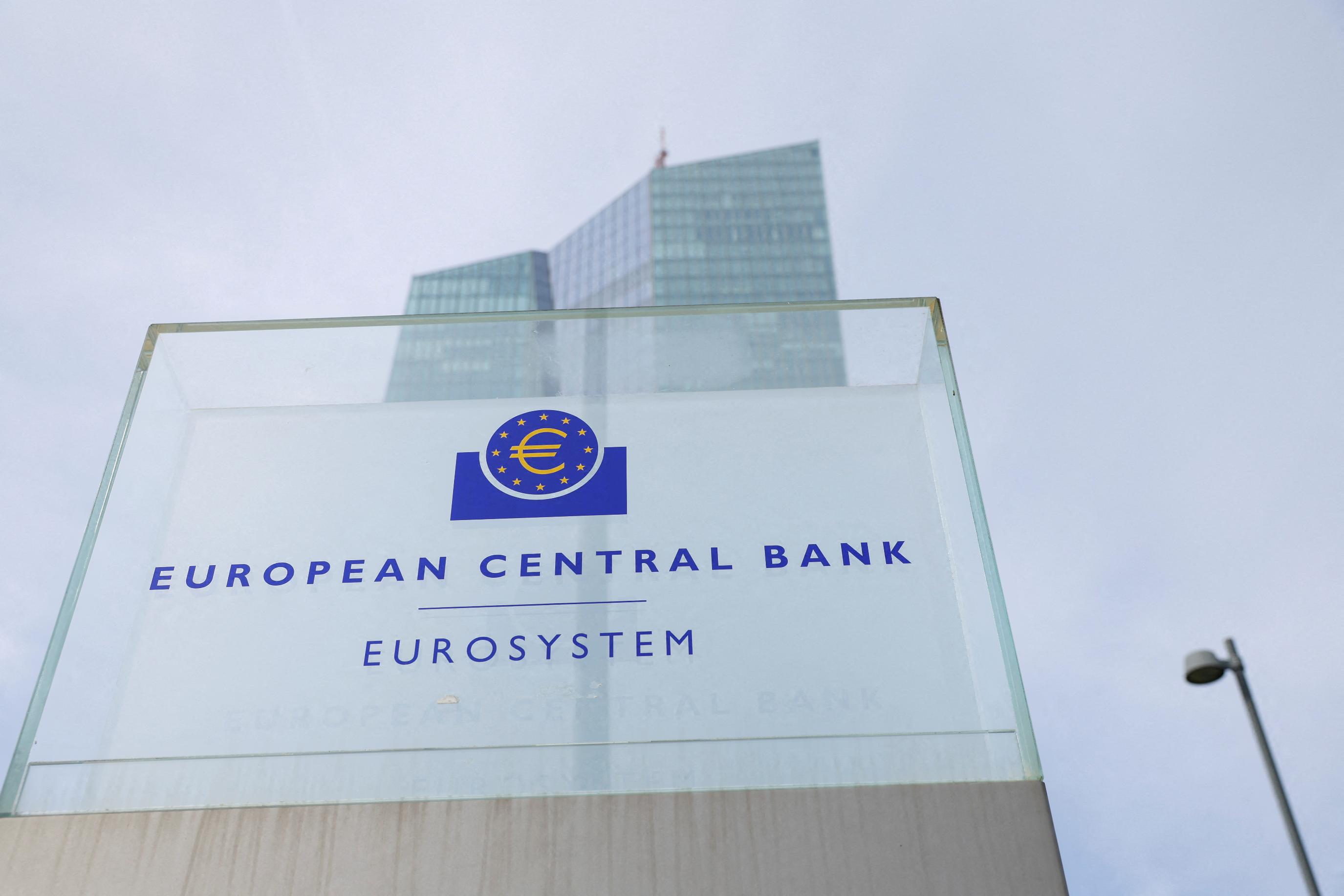
July 18 (Reuters) - The African Development Bank (AfDB) has approved a $1 billion loan for South Africa's Transnet to aid the troubled logistics firm's recovery plan, the bank and the company said on Thursday. State-owned Transnet has struggled to provide adequate freight rail and port services in South Africa due to equipment shortages and maintenance backlogs after years of under-investment. This has impacted commodity exports and other sectors such as manufacturing and retail, weakening Africa's most advanced economy. Transnet and the AfDB said in a joint statement that the 25-year loan was fully guaranteed by the government of South Africa. "It will facilitate the first phase of the company's ZAR 152.8 billion rand ($8.1 billion) five-year capital investment plan to improve its existing capacity ahead of expansion for the priority segments throughout the transport value chain," the statement said. Transnet, which has debts of 130 billion rand, recorded a loss of 1.6 billion rand in the six months to Sept. 30 on the back of declining rail, port and pipeline volumes as well as higher costs. It has seen freight volumes decline to 150 million metric tons in financial year 2022/23 from 226 million tons in 2017/18. Transnet's recovery plan, announced in October 2023, seeks to restore freight volumes and return the company to profitability over a period of 18 months. The turnaround plan includes splitting the freight rail subsidiary into two - an infrastructure management company and an operating unit. It also targets reduced port backlogs and plans another attempt to open up parts of its rail network to private operators after a false start two years ago. Sign up here. https://www.reuters.com/business/safricas-transnet-gets-1-bln-african-development-bank-loan-2024-07-18/
2024-07-18 12:26
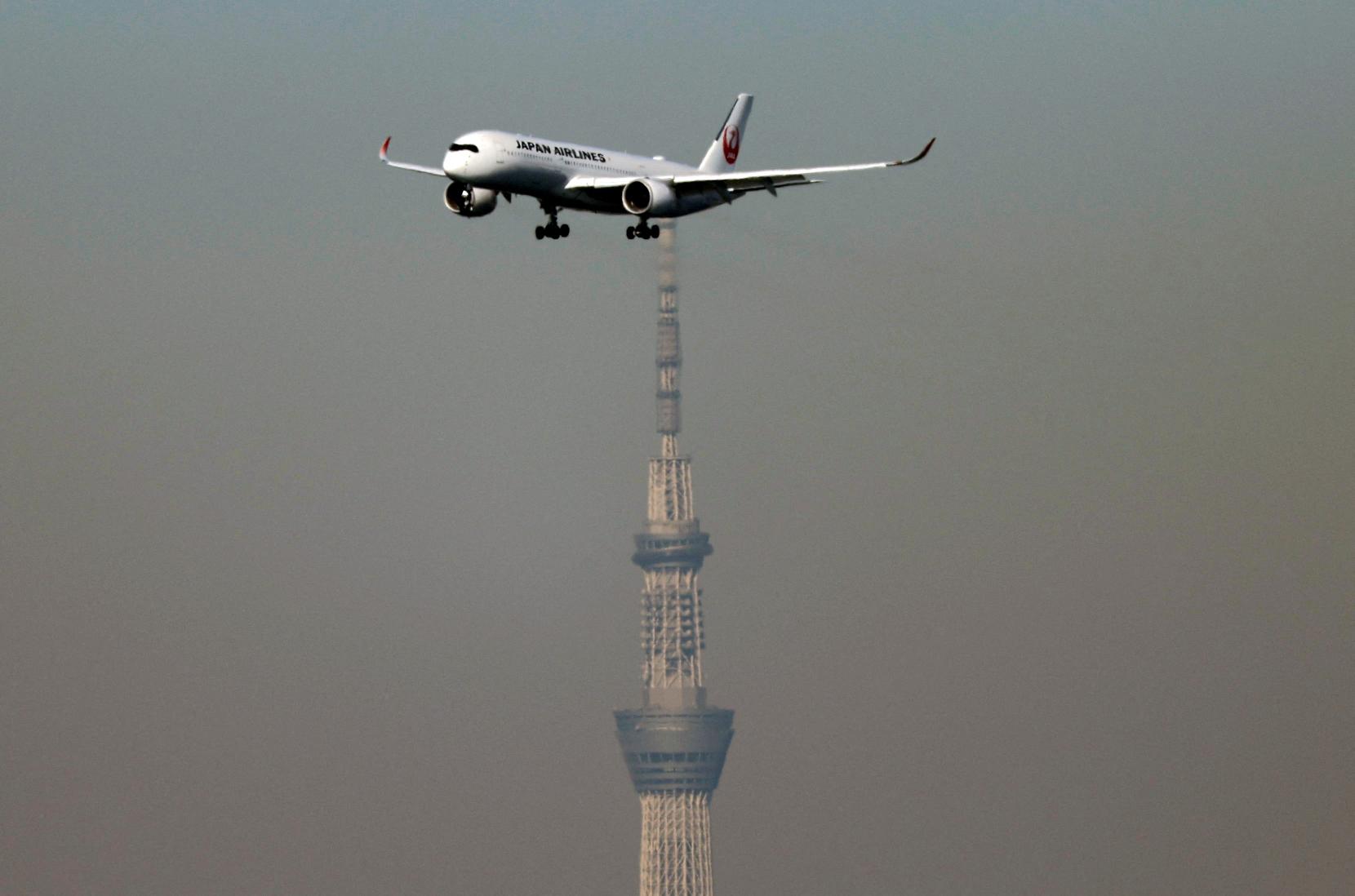
TOKYO, July 18 (Reuters) - The head of the Japanese petroleum industry called on Thursday for international airlines to provide flight schedules and jet fuel demand forecasts a year in advance as a solution to a jet fuel shortage at Japanese airports. The jet fuel shortage in Japan in recent months, caused by supply chain bottlenecks, is affecting commercial flights, hindering the expansion of international flight capacity and new routes amid a boom in tourism. "The fact that supply is partly not keeping up with spot demand is the starting point of the current problem," Shunichi Kito, the president of the Petroleum Association of Japan (PAJ), told a news conference. He said domestic airlines did not face refuelling issues because they provide demand outlooks in advance through contracts. "It's extremely important to receive supply requests for overseas flights ahead of time to understand demand and make preparations," Kito said, adding that refiners would hope to get an advance notice of about one year, as practiced by domestic carriers. To meet rising demand, Japanese refiners plan to increase jet fuel production and imports. "If we need to import, South Korea would be the most realistic option," said Kito, who is also the president of Japan's second-biggest oil refiner Idemitsu Kosan (5019.T) , opens new tab. Singapore and China are other candidates and some talks over imports have already started, he said. Kito said while there is no overall shortage of jet fuel, supply chain bottlenecks - a lack of domestic vessels, lorries and refuelling staff - are preventing fuel from reaching destinations. "We'll respond in cooperation with all the parties involved," he said. The government is investigating the situation at each airport and refiners are on track to secure fuel as a short-term measure, Kito said, adding medium- and long-term measures will be considered based on future fuel demand forecasts. At Narita International Airport, Japan's main international airport, the fuel crunch affected the operations of 57 flights by six airlines by the end of June, a spokesperson said, without providing details. The operator of Narita Airport has asked traders to procure jet fuel directly from overseas refineries by international shipping vessels for the first time, he said, rather than stopping off at Japanese refineries en route. Tourism to Japan bounced back after visa-free travel resumed in late 2022 following strict COVID-19 border controls, with the yen's slide to a 38-year low increasing the country's appeal to overseas visitors. Sign up here. https://www.reuters.com/business/energy/japanese-refiners-urge-early-orders-airlines-amid-jet-fuel-shortage-2024-07-18/
2024-07-18 12:21
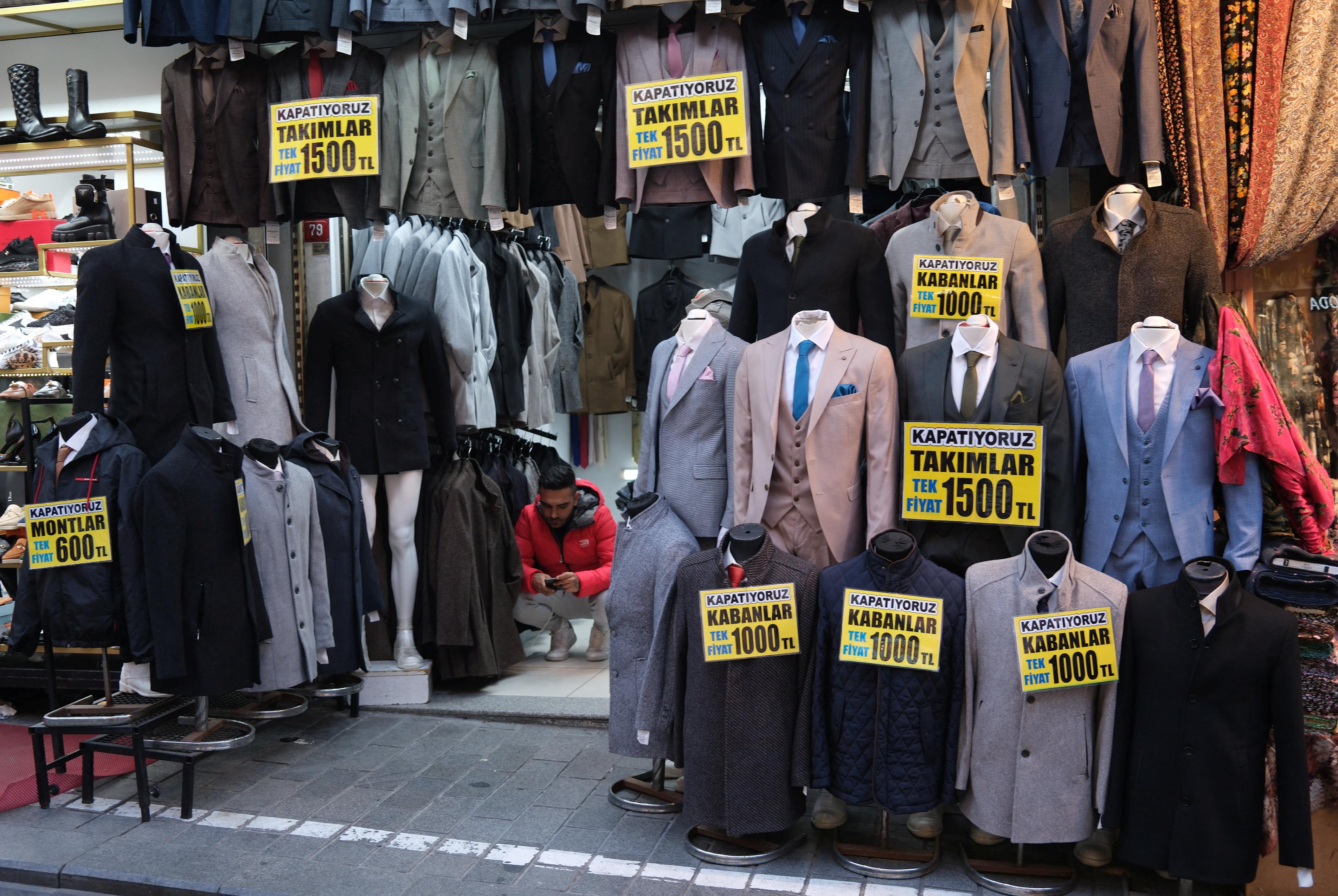
After years of inflation crisis, new pain from rate hikes Policy showing successes but deepening poverty for some Retirees, workers mourn diminished living standards Test of Erdogan's popularity and patience with programme ISTANBUL, July 18 (Reuters) - Many Turks feel anxious and ashamed about their eroding living standards, paying the price for President Tayyip Erdogan's past economic missteps even as there are signs that the country is beginning to exit its cost-of-living crisis. Six years of punishing inflation, combined with a sharp clampdown on credit over the last year, has given retirees and salaried workers a chilling brush with poverty , opens new tab, data shows, testing Turkey's social fabric more than at any other time during Erdogan's more than two decade rule. Turks say they are now slipping cash to retired parents and grandparents , opens new tab, in a reversal of Turkish custom, even as they themselves struggle to pay monthly bills and forgo modest luxuries such as restaurants. Erdogan has urged patience but 2024 is emerging as the most trying in a generation for Turks, whose economic fortunes have rapidly deteriorated since the first in a series of currency crashes in 2018. "I may still be walking, but I am not really living," said Fettah Deniz, 73, whose monthly pension of 13,000 lira ($393) is three times below the designated poverty line of a person in his situation, so his children help him out. At holiday gatherings he has even avoided his grandchild because he had no extra cash to give - "the plight of many honourable and traditional people in our society," said Deniz, who helps run a retirees association in Istanbul's working class Bayrampasa neighbourhood. Another retiree, Mustafa Yalcin, 69, said he stayed overnight in a hospital during a trip to Gaziantep because he couldn't afford a hotel and didn't want to burden relatives there who would feel obliged to feed him. The government proposed a boost this month that should raise the average monthly pension to about 14,000 lira from 12,000. More than half of workers meanwhile live on or around the minimum wage of 17,002 lira, which is not expected to rise despite calls from the political opposition. That compares to an estimated poverty line that has shot up to 61,820 lira ($1,870) for a family of four in Ankara, Turk-Is, a top union, said in a report last month. Another union, DISK, found that last year's average pension was one-sixth of those in central European countries. REINVENTING ERDOGAN Such hardship could erode support for Erdogan, pollsters say, especially after pensioners helped hand his conservative AK Party its worst ever loss in March local elections. As the economy slows further and employers trim jobs as expected in coming months, it could also test Erdogan's patience with the turnaround programme that he launched last year when he picked Mehmet Simsek as finance minister. Since June 2023, the central bank's new leadership has hiked interest rates , opens new tab from 8.5% to 50% - the highest in emerging markets - in order to cool inflation that topped 75% in May. It's a shock reversal of the preceding five years in which Erdogan - describing himself as an "enemy" of interest rates - pushed an easy-money policy to boost economic growth despite soaring prices, and sacked five central bank governors. Largely as a result of this unorthodoxy, the lira shed more than 85% to the dollar since 2018, foreign investors mostly fled the country and FX reserves touched all-time lows before finally rebounding this year. Erdogan has repeatedly backed the new programme, while the central bank says rates will remain high. Analysts say inflation began what will be a sustained fall in June, while ratings agencies have upgraded Turkish assets and many foreign investors have returned. 'TRAPPED' But on the streets, fallout is harsh. Silan, 28, has earned regular pay rises working in the private sector but says she still cannot live comfortably in Istanbul on only 50,000 lira a month and cannot afford to leave. "I feel trapped," she said. "It's not possible to live the life we think we deserve." Renters and landlords often quarrel bitterly over prices given housing inflation nearly doubled over the last year, while house prices jumped nearly 50%, data shows. In Istanbul, restaurant prices are approaching those of London and Dubai. "Eating out and vacationing is entirely out of the question," said Aynur, 58, who works at a financial firm. "You don't want people to come over because you can't afford to host them. My social life has ended." A recent poll by Konda found half of respondents could "barely" make ends meet, while 30% fared worse still. Some 83% said Turkey was in an economic crisis. The rate hikes have left credit unaffordable for many, but have also left lira deposit rates attractive for those with assets. The annual rate has roughly doubled to more than 60% in a year, data shows. Gulseren, 64, said she sold a few properties in Izmir and invested in some high-interest accounts "to maintain" living standards. "But even this is not sustainable because our total savings are also diminishing against inflation," she said. ($1 = 33.0689 liras) Sign up here. https://www.reuters.com/world/middle-east/dark-days-turks-erdogan-atones-economic-errors-2024-07-18/
2024-07-18 12:01
MUMBAI, July 18 (Reuters) - India's central bank said on Thursday that the economy's natural rate of interest has increased since the pandemic and will rise further, driven by the growth of potential output, which analysts said could limit the scope to ease monetary policy. The natural rate of interest is associated with an economy operating at full capacity without generating inflationary pressures, and though not observable, it serves as a reference point for monetary policy, the Reserve Bank of India said in its monthly bulletin. It estimated the natural rate was 1.4-1.9% in the fourth quarter of 2023-24, higher than the 0.8-1.0% in the third quarter of 2021-22, the last time it made an estimate, the central bank said. "When the policy rate is set below the natural rate, the stance is regarded as accommodative, and the converse signifies a restrictive stance. The policy stance is neutral when the real policy rate is at the level of the natural rate," the RBI said. Currently, with inflation at 5.1% and the central bank's key lending rate set at 6.5%, the real rate stands at 1.4%. That could increase to 2% based on the RBI's estimate of an average inflation rate of 4.5% for this fiscal year. As such, the RBI's wide estimate for the fourth quarter fed into the narrative of both its hawkish and dovish monetary policy committee members, said Gaura Sen Gupta, chief economist at IDFC First Bank. "The lower range of the neutral rate indicates space to cut interest rates by 50 basis points in FY25, while the upper range indicates no space to cut rates. We maintain expectations of a shallow rate cut cycle starting from October/December," she said. The RBI said the forces propelling rising investment demand will likely also drive the natural rate of interest and estimated the growth of potential output at 5.9% to 8.3%. On prices, the central bank said disinflation has been grudging and uneven, and that it was important to "stay the course" to ensure inflation drops to its target of 4% from around 5% currently. "The argument that food price shocks are transitory does not seem to be borne out by the actual experience over the past one year – too long a period for a shock to be termed as transitory!," the RBI said. Still, inflation does not have to reach and stay at 4% for it to consider changing its monetary policy stance, but even an "enduring movement" to the target can be a signal for a pivot, the RBI said. Sign up here. https://www.reuters.com/world/india/indias-natural-rate-interest-now-14-19-says-cenbank-2024-07-18/