2024-07-17 17:52
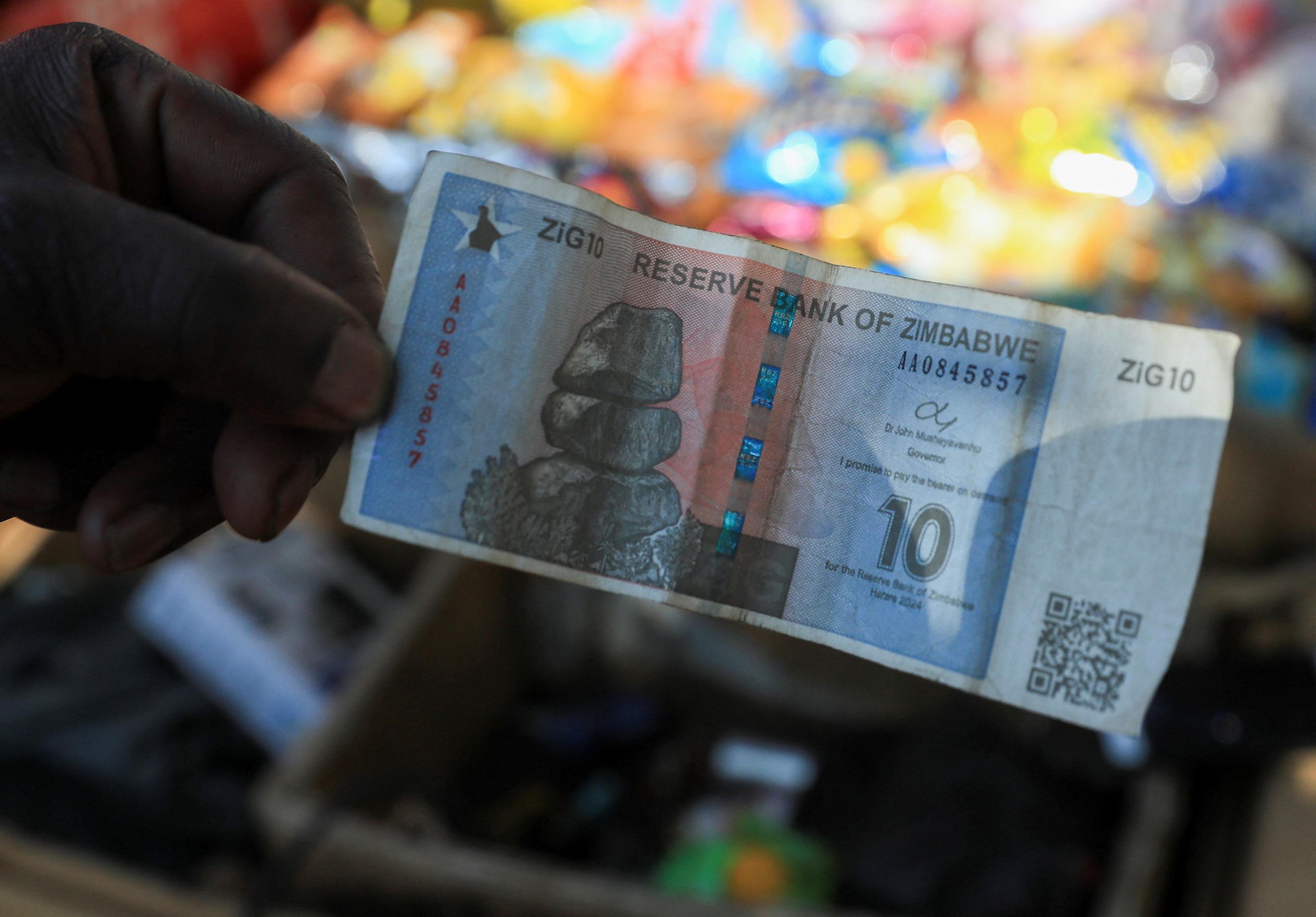
UPPER MARLBORO, Maryland, July 17 (Reuters) - Top Federal Reserve officials said on Wednesday the U.S. central bank is "closer" to cutting interest rates given inflation's improved trajectory and a labor market in better balance, remarks that set the stage for a first reduction in borrowing costs in September. Fed Governor Christopher Waller and New York Fed President John Williams both noted the shortening horizon toward looser monetary policy, with Waller highlighting it in a speech at the Kansas City Fed and Williams voicing it in a Wall Street Journal interview. Separately, Richmond Fed President Thomas Barkin said he is "very encouraged" that declines in inflation had begun to broaden. "I'd like to see that continue," he told a business group in Maryland. The remarks are the latest in a rush this week of commentary from top U.S. central bank officials - including Fed Chair Jerome Powell - to note their increased confidence that the disinflationary trend that began last year is continuing, despite a short-lived bump in inflation earlier this year. Price pressures appear to be easing across the board, the Fed officials said, with goods prices falling, housing cost increases slowing, and more moderate wage growth feeding into a long-awaited easing of price increases in the services sector. Williams and Waller appeared to rule out a rate cut at the Fed's July 30-31 policy meeting, a view reflected in financial markets that are now pricing the probability of a move at that meeting at less than 5%. Waller listed September through December as the potential time frame when conditions for a rate cut could be right, omitting July. In his WSJ interview, Williams said, "We're actually going to learn a lot between July and September. We'll get two months of inflation data." All three policymakers who spoke on Wednesday were "pointing to September" for a start to the policy easing, Karim Basta, chief economist at III Capital Management, wrote. Financial markets agree, and on Wednesday kept bets the U.S. central bank, which has held its policy rate in the 5.25%-5.50% range for the past year, will cut borrowing costs again in November and December, bringing the benchmark policy rate to the 4.50%-4.75% range by the end of 2024. Waller, who in May had said he would need several more months of improved inflation data to convince him that rate cuts would be warranted, said data last week showing the first monthly drop in the consumer price index in four years "was the second month of very good news." He laid out what he saw as three scenarios for how inflation may play out in the months ahead. The two most likely of those, Waller said, suggest inflation will continue to moderate toward the Fed's 2% target in the months ahead, albeit in one scenario more rapidly and consistently than the other. The third and least likely possibility was for inflation to reaccelerate and keep rate cuts on hold. Still, Waller said, "given that I believe the first two scenarios have the highest probability of occurring, I believe the time to lower the policy rate is drawing closer." Williams, who is also vice chair of the central bank's rate-setting Federal Open Market Committee, said: "I feel like the past three months - and I would include in June, based on what we've seen - seems to be getting us closer to a disinflationary trend that we're looking for. I would like to see more data to gain further confidence inflation is moving sustainably towards our 2% goal. We've got a few good months now." 'SOFT LANDING' More Fed policymakers have suggested they are getting increasingly comfortable that the pace of price increases is more firmly on track back down to 2%, after higher-than-expected readings earlier in the year. While inflation has eased notably from its high-water mark two years ago, progress has been lumpy with uneven contributions from important categories. On Tuesday, though, Fed Governor Adriana Kugler said she saw goods, services and now housing contributing to easing price pressures. "We're seeing more progress on all three categories now," Kugler told a National Association for Business Economics seminar. "I'm cautiously optimistic that we're seeing progress and the type of progress that we need to get back to 2%." By the Fed's preferred measure, inflation in May was running at a 2.6% annual rate, down from the 7.1% peak reached during the COVID-19 pandemic. The data for June is due on July 26. Fed chief Powell on Monday also said that inflation readings over the second quarter of this year "add somewhat to confidence" on its downward path, suggesting a start of an easing cycle may not be far off. The U.S. central bank "may well be able to achieve the soft landing" of bringing down inflation without triggering a painful recession and sharp rise in unemployment, Waller said on Wednesday. But noting that the unemployment rate rose to 4.1% in June, Waller added, "there is more upside risk to unemployment than we have seen for a long time." Sign up here. https://www.reuters.com/markets/rates-bonds/feds-williams-suggests-rate-cut-could-be-warranted-coming-months-wsj-reports-2024-07-17/
2024-07-17 17:02
Datadog among interested parties in potential GitLab acquisition GitLab shares rose as much as 11.5%, up 7% midday CEO Sid Sijbrandij undergoing cancer treatment, continues duties GitLab faces pricing headwinds competing with Microsoft GitHub NEW YORK, July 17 (Reuters) - GitLab (GTLB.O) , opens new tab, a U.S. provider of cloud-based software development tools whose investors include Google parent Alphabet (GOOGL.O) , opens new tab, is exploring a sale after attracting acquisition interest, according to people familiar with the matter. GitLab, which has a market value of about $8 billion, is working with investment bankers on a sale process that has attracted interest from peers, including cloud monitoring firm Datadog (DDOG.O) , opens new tab, the sources said. Any deal is still weeks away and no agreement is certain, the sources said, requesting anonymity because the matter is confidential. GitLab's shares rose as much as 11.5% before paring gains to 7% in midday trading. GitLab and Datadog did not respond to requests for comment. Alphabet, which has a 22.2% voting stake in GitLab through its venture capital arm, also did not respond to a request for comment. "GitLab has long been viewed as an attractive acquisition candidate, in our view. While we sense that investors view AWS or Google Cloud as more obvious buyout candidates, we are positive on a potential tie-up between GitLab and Datadog," Needham analyst Mike Cikos wrote in a note on Wednesday. Dealmaking in the technology sector is picking up, as advances in artificial intelligence and cloud computing push companies to expand their offerings. Alphabet is in advanced talks to acquire cybersecurity startup Wiz for roughly $23 billion after previously exploring an acquisition offer for marketing software company HubSpot (HUBS.N) , opens new tab, Reuters has reported. The technology sector accounted for the largest share of mergers and acquisitions during the first half of 2024, jumping more than 42% year-on-year to $327.2 billion globally, according to data from Dealogic. GitLab's platform allows development, operations and security teams to design and manage software using a single tool. It has more than 30 million registered users and is deployed by more than half of the Fortune 100 companies, according to its website. Its nominal headquarters are in San Francisco but all its employees work remotely. GitLab's shares, which have been trading in New York since their initial public offering in 2021, are down 16% so far this year, underperforming a 3% rise in the S&P 500 Application Software index, on concerns about its customers cutting spending. While the company reported robust year-on-year revenue growth of 33% to $169.2 million and posted its first ever positive cash flow in its latest quarter, it acknowledged it faces headwinds in pricing its offerings as it competes with Microsoft (MSFT.O) , opens new tab following its $7.5 billion acquisition in 2018 of rival GitHub. GitLab CEO and co-founder Sid Sijbrandij, who controls 45.51% of the voting stock through dual-class shares, said on the company's quarterly earnings call last month that he would undergo treatment for osteosarcoma, a form of cancer, for a second time after he was also treated for it last year. He added that he is working on making a full recovery and would continue with his duties. Datadog, which has a market value of $44 billion, offers software that allows technology workers to collaborate and measure their productivity using the cloud. Sign up here. https://www.reuters.com/markets/deals/google-backed-software-developer-gitlab-explores-sale-sources-say-2024-07-17/
2024-07-17 16:52
MOSCOW, July 17 (Reuters) - Russia should accelerate the creation of infrastructure for payments in cryptocurrencies but carefully weigh the associated risks, its money laundering watchdog said on Wednesday, ahead of a parliamentary vote on digital assets legislation. Russia has faced significant delays in international transactions with major trading partners such as China, India, the United Arab Emirates and Turkey, after local banks, under pressure from Western regulators, have become more cautious. The new legislation, expected to be reviewed by parliament on July 23, will allow the use of cryptocurrency transactions in international payments to maintain trade flows. "This is a need for businesses, especially in cases involving sanction mechanisms, when they need to enter the international market, and it can't always be resolved through standard methods," said the watchdog's head, Yuri Chekhanchin. Countries such as Venezuela already use transactions in cryptocurrencies to bypass international sanctions, prompting concerns among U.S. lawmakers who have raised the issue with the Biden administration. Chekhanchin highlighted loose cryptocurrency legislation in some countries as the main risk and said his watchdog should have the right to block such transactions when they break Russian law. He did not name the countries he had in mind. Cryptocurrencies are currently not allowed for payments inside Russia, and the new law is unlikely to change that. Earlier, the central bank admitted that payment problems were one of the key challenges for the Russian economy. President Vladimir Putin also spoke on Wednesday at a government meeting on the use of digital currencies. Apart from his opening remarks, the meeting was closed to the public. Putin praised the experimental introduction of a digital rouble, a blockchain-based asset backed by the central bank. Russian and Iranian central banks are working to connect their digital currency systems, which would allow the two sanctioned countries to carry out bilateral transactions. Similar negotiations are underway with China and Belarus. Putin said the massive energy consumption of cryptocurrency mining farms posed risks to energy supplies in some regions of Siberia, where many such farms have sprung up exploiting low local electricity prices. He said tax and electricity tariff regulation for mining farms should be part of the new law. Sign up here. https://www.reuters.com/markets/currencies/russia-weighs-risk-embracing-crypto-international-payments-2024-07-17/

2024-07-17 15:05
July 17 (Reuters) - U.S. lenders' second-quarter profits were squeezed by dampening loan demand and the high interest they paid to hold on to deposits, but a flurry of bond sales boosted their investment banking units. Citizens Financial (CFG.N) , opens new tab, US Bancorp (USB.N) , opens new tab, First Horizon , opens new tab(FHN.N) , opens new tab and Synchrony Financial (SYF.N) , opens new tab all paid higher rates compared with a year earlier on their customers' deposits, they said on Wednesday. The results illustrate the pressure on banks from the Federal Reserve's quantitative tightening that has pushed the benchmark interest rate to its highest since the global financial crisis in 2008. However, Wall Street operations were a bright spot. Citizens' capital market fees surged 63%, on the back of bond underwriting and loan syndication. A resilient U.S. economy has encouraged corporate executives to raise capital via bond sales, boosting the fees at investment banks that underwrite such deals. Even at large banks such as JPMorgan Chase (JPM.N) , opens new tab, Citigroup (C.N) , opens new tab and Bank of America (BAC.N) , opens new tab, the investment banking business was lucrative in the second quarter. The KBW regional banking index (.KRX) , opens new tab hit its highest in over a year and was last up nearly 2%, while the S&P 500 banks index (.SPXBK) , opens new tab inched up 0.4%. CRE IN FOCUS Banks have been facing tough scrutiny from investors over a potential weakness in their commercial real estate loan portfolio. Problems tied to CRE loans at regional lender New York Community Bancorp (NYCB.N) , opens new tab and more recently First Foundation (FFWM.N) , opens new tab have put the spotlight on default risks. The Federal Reserve's stress test also showed that banks' credit card loans and corporate credit portfolios could be tricky. Lenders hold a larger share of non-investment grade corporate credit, which are over three times more likely to default than investment grade ones, the Fed said. On a brighter note, Washington Federal (WAFD.O) , opens new tab reported better-than-expected third-quarter earnings on Tuesday, nearly a month after it sold $2.8 billion of multi-family loans at no loss. Sign up here. https://www.reuters.com/business/finance/us-banks-see-high-deposit-costs-investment-banking-boost-2024-07-17/

2024-07-17 14:51
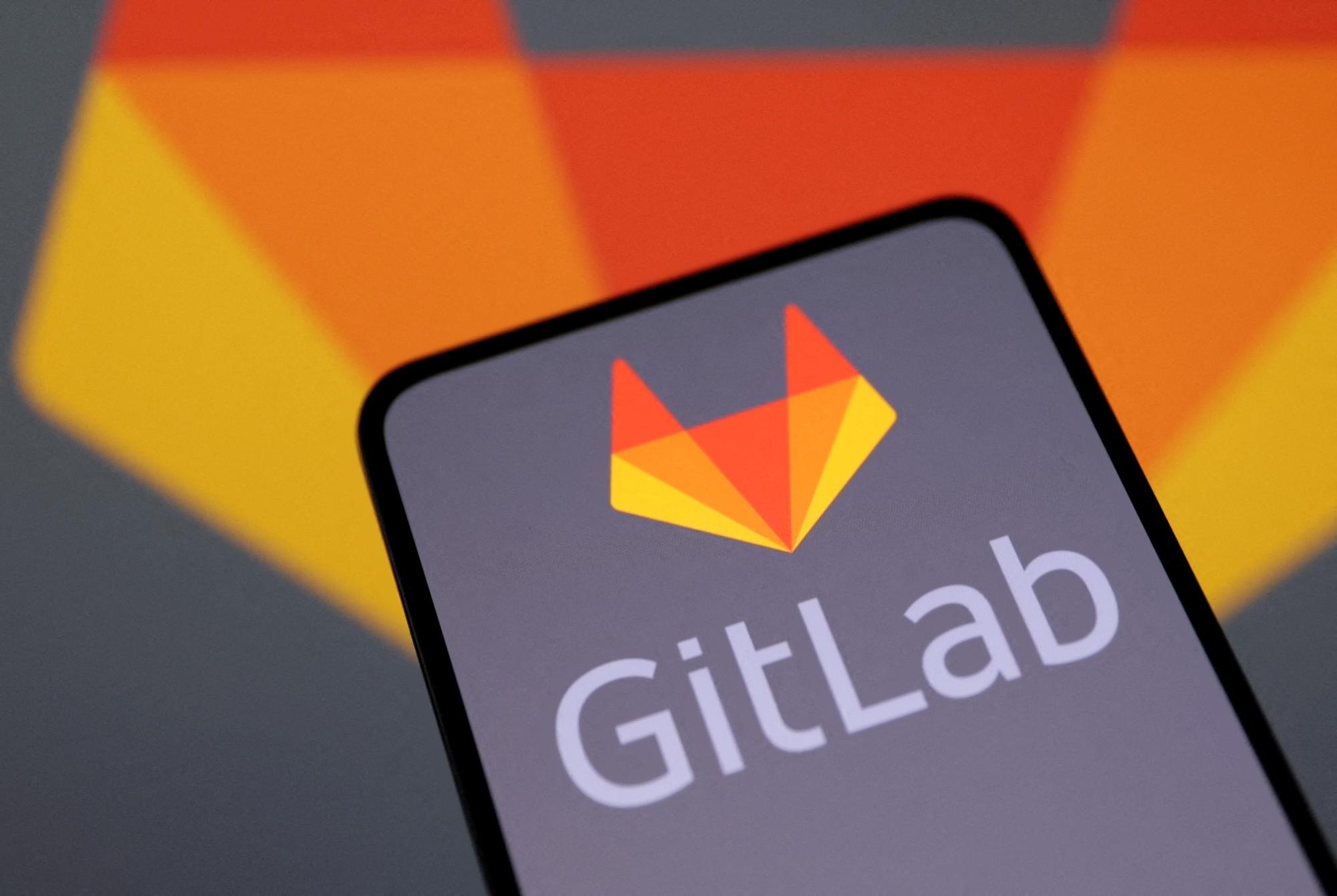
Commits $200b to credit card, auto lending over 5 years Plan includes $35b for affordable housing, up 30% over previous Capital One agreed to plan with four community groups, breaking from norm WASHINGTON, July 17 (Reuters) - Capital One (COF.N) , opens new tab will commit $265 billion over five years to lending, philanthropy and investment if its takeover of Discover Financial Services (DFS.N) , opens new tab goes through, the bank said on Wednesday, as it aims to appease critics and win over regulators. Under a plan agreed with four community groups, Capital One has promised to maintain the combined entity's lending to low-and-moderate income (LMI) consumers and communities at $200 billion over five years. It will retain Discover's sole branch in Delaware and will not close any branches as a result of the deal. Capital One will also maintain 30% of branches and cafes in LMI neighborhoods, and has promised no front-line staff cuts. The McLean, Virginia-based Capital One has also committed over $35 billion to support affordable housing for LMI communities and individuals, a 30% increase over what the banks had previously planned, among other small business lending, product and education pledges. Unveiled in February, Capital One's $35 billion Discover deal will create the biggest U.S. credit card issuer by balances and the sixth-largest bank by assets. It will also give Capital One control of Discover's card payment network, the fourth major payment network operator. Some influential community groups oppose the tie-up between the two major U.S. consumer credit card lenders, fearing it will reduce services and increase costs for Americans. Proponents argue it could boost payments competition. Capital One's community benefits plan, first reported by Reuters, is more than twice as big as any such plan to date, according to data from , opens new tab the National Community Reinvestment Coalition (NCRC), a network of nonprofits. It could help assuage critics and make the deal more palatable to the Federal Reserve and Office of the Comptroller of the Currency (OCC), which are under political pressure to be tough on mergers. The agencies are holding a public meeting to discuss the transaction on Friday. "I think the OCC and the Fed care deeply about this plan and the ways in which we will positively impact the community. They see this as akin to competition, financial stability and the other factors that they look at," said Andres Navarrete, Capital One's head of external affairs. The bank will also commit $15 billion in lending to small businesses, a $5 billion spending goal with diverse suppliers, $9 billion to community development financing. The plan also includes $600 million for community development financial institutions, sixfold what the banks had previously planned, and boosts planned philanthropic giving by 29% to $575 million. A Fed spokesperson declined to comment. The OCC did not immediately respond to a request for comment. Also on Wednesday, Discover said it was selling a portfolio of student loans for up to $10.8 billion, a process it began in November. 'ESSENTIAL NEEDS' Community groups have increasingly pushed for acquiring banks to commit to community benefits plans, arguing that consolidation since the 2007-2009 financial crisis has reduced access to affordable financial services. While the Fed and OCC do not require such plans, the law says they must scrutinize the convenience and needs of affected communities, and the agencies consider commitments to maintain or expand services, said Chip MacDonald, an M&A lawyer and managing director at MacDonald Partners. Skeptics say the plans often lack transparency, are not legally enforceable, and are difficult to measure. "You don't know what the bank was already planning on doing so it's not clear what the additional commitment is," said University of Michigan professor Jeremy Kress. Capital One said it will report progress to the regulators annually and regularly update its Community Advisory Council. The $100 billion community benefits plan US Bancorp (USB.N) , opens new tabagreed with the NCRC , opens new tab in 2022 to clinch its MUFG Union Bank takeover had been the largest previous plan, according to the NCRC which has negotiated all national benefit plans. The group has been a vocal critic of Capital One, saying the bank did not honor a $28.5 billion commitment to home loans when acquiring ING Direct USA in 2012. Capital One exited that business in 2017. In a statement, NCRC CEO Jesse Van Tol reiterated that criticism and said that unlike home loans, credit card lending does not help consumers build wealth. The large numbers in Capital One’s plan "appear designed to dazzle," he said, but regulators "can show they won't be fooled a second time." Navarrete said credit card and auto lending, which constitute Wednesday's $200 billion LMI lending figure, are key products that help consumers meet essential needs and build credit history. "We made significant investments in building a mortgage business over the years, but ultimately couldn't make it work," said Navarrete. The bank said it exceeded all its other 2012 commitments. In an unusual move, Capital One bypassed the NCRC to agree Wednesday's plan with the National Association for Latino Community Asset Builders (NALCAB), NeighborWorks America, the Opportunity Finance Network, and the Woodstock Institute which together represent around 800 nonprofits. NALCAB CEO Marla Bilonick said she believed the plan was very generous and that Capital One's public commitment was "important because it gives accountability." Sign up here. https://www.reuters.com/markets/deals/capital-one-pledges-265-billion-lending-philanthropy-it-tries-clinch-discover-2024-07-17/
2024-07-17 14:51
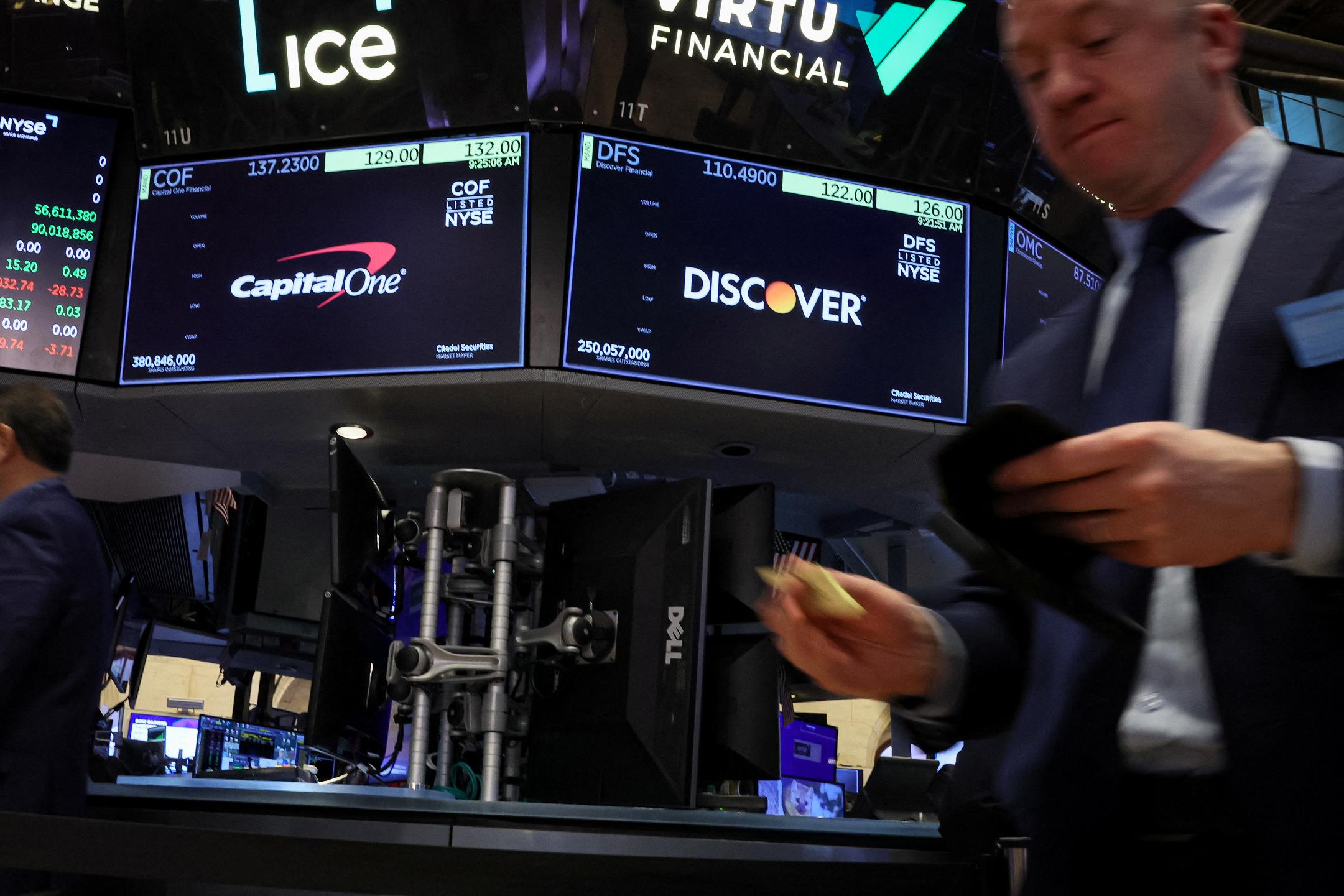
HARARE, July 17 (Reuters) - Zimbabwe's government will stick to what it promised when it launched a new currency in April by ensuring it remains fully backed by reserves, the central bank governor told Reuters on Wednesday, adding that was the only way to build trust. The new currency, called Zimbabwe Gold or ZiG for short, is the southern African country's sixth attempt at a local currency in 15 years after a bout of hyperinflation under former leader Robert Mugabe. The last currency, the Zimdollar, fell 80% in the three months before it was scrapped, and authorities face an uphill battle to convince a sceptical population to stop transacting in foreign currencies. "Confidence can only come with us walking the talk," Governor John Mushayavanhu said in an interview, referring to the central bank's commitment not to print money to finance government spending, which drove previous currency collapses. He said the government had a plan until 2030 to increase use of the ZiG and build up gold and foreign exchange reserves, which stood at $285 million when the currency was launched and now exceed $380 million. The ZiG is currently used in about 20% of local transactions, compared with 80% for foreign currencies. "We want to gradually tilt that ratio to 70:30 by year-end or 60:40 thereafter, until we get to a situation where everybody is indifferent as to which currency they are using. This is the roadmap," Mushayavanhu said. Although the government says use of the ZiG is rising, there are widespread reports of shortages of the currency in shops. Mushayavanhu said enough ZiG notes had been printed to satisfy public demand and that the bank's reserve accumulation strategy could accelerate as commodity prices rise. The central bank has been converting royalties paid by mining companies into gold and is targeting 3 tons of gold in its reserves by year-end, up from 2.5 tons in April. Mushayavanhu said authorities expected inflation to end the year around 5%, versus an International Monetary Fund estimate of 7%. "For the first time our numbers are almost aligned to those of the IMF," he said. "Let's embrace our new currency and make it work." Sign up here. https://www.reuters.com/markets/currencies/zimbabwe-will-stick-promises-build-trust-new-currency-central-bank-chief-says-2024-07-17/