2024-07-17 11:36
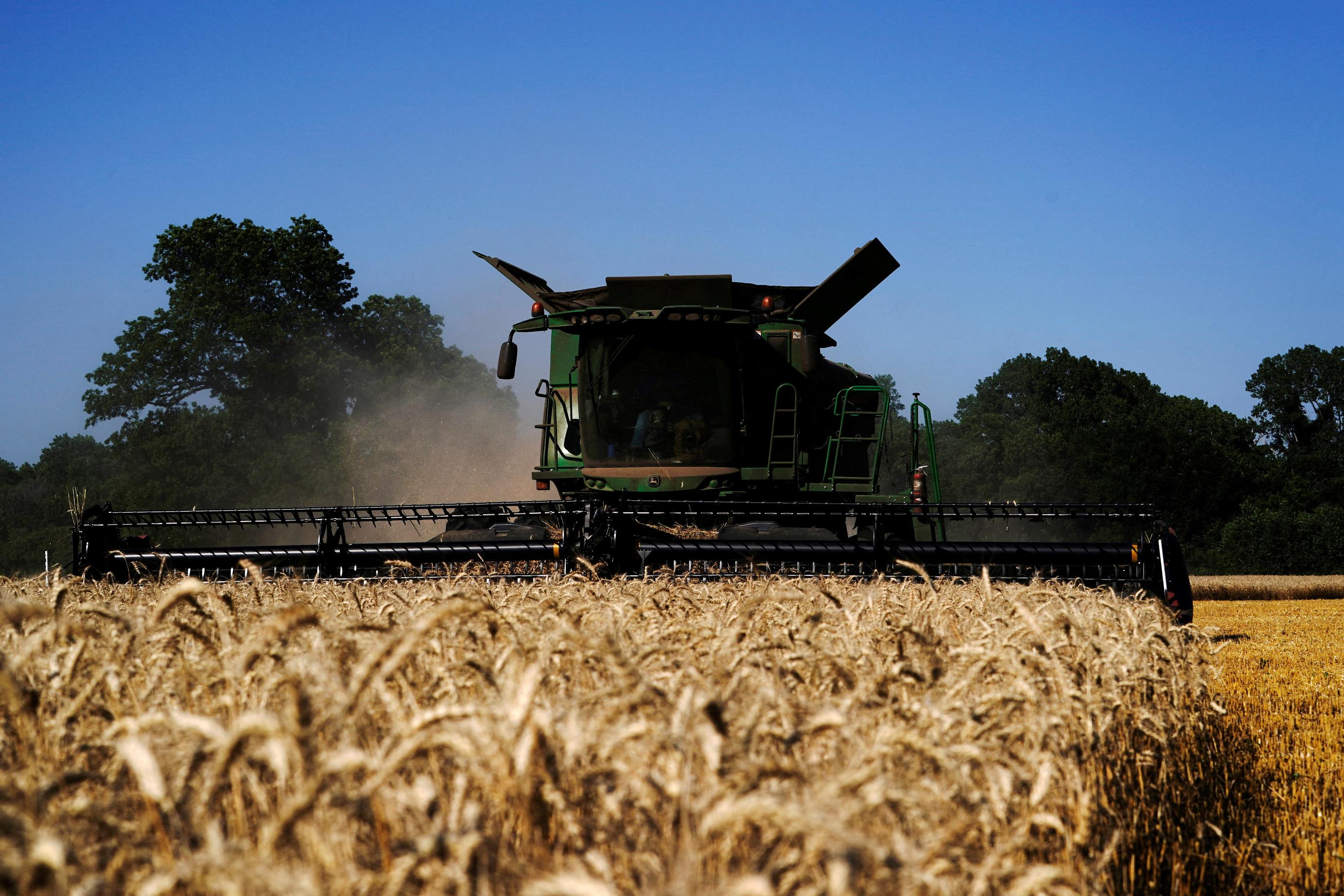
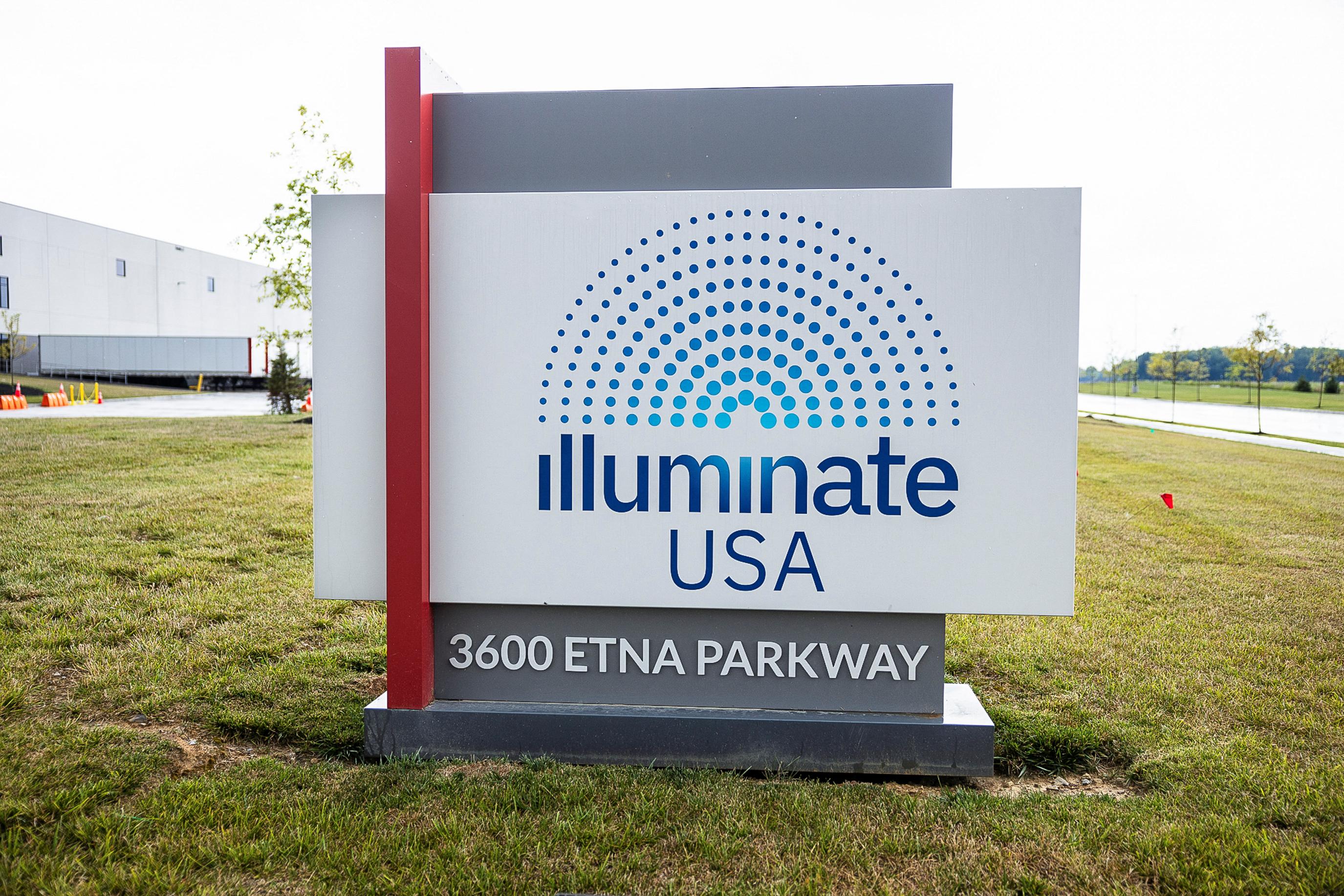
July 17 (Reuters) - Construction of U.S. solar-manufacturing plants by Chinese companies is surging, putting China in position to dominate the nascent industry, as other American factories struggle to compete despite federal subsidies. Chinese companies will have at least 20 gigawatts' worth of annual solar panel production capacity on U.S. soil within the next year, enough to serve about half the U.S. market, according to a Reuters analysis of corporate statements, government documents, and interviews with eight companies and researchers. The group includes seven companies backed by Chinese firms including Jinko Solar (JKS.N) , opens new tab, Trina Solar (688599.SS) , opens new tab, JA Solar (002459.SZ) , opens new tab, Longi (601012.SS) , opens new tab, Hounen, Runergy, and Boviet, according to the analysis. The projected rapid increase in U.S. solar panel production by Chinese-owned companies has not previously been reported, and represents a worrying result for President Joe Biden's climate agenda. While his administration is keen for new investment that creates U.S. jobs in clean energy, his government is also desperate to prevent over-reliance on geopolitical rival China as the economy transitions from oil and gas to renewables. Chinese-backed companies have distinct advantages over competitors in the U.S., such as heavily subsidized supply chains for raw polysilicon and unfinished solar modules, as well as low-cost government financing. Like non-Chinese companies, they also collect U.S. subsidies for clean energy manufacturing embedded in the 2022 Inflation Reduction Act, Biden's signature climate law. "You have a stacked deck here. It’s hard to imagine that anyone, particularly a greenfield manufacturer, can do it as quickly as a Chinese manufacturer," said Paula Mints, founder of solar industry research firm SPV Market Research, referring to new factories. She and one other researcher added, however, that the Chinese investment would help the domestic solar manufacturing industry mature while creating jobs. "They have a lot more experience building factories and setting up supply chains," said David Feldman, a solar market researcher with the U.S. Department of Energy's National Renewable Energy Laboratory. Local and state officials in places where Chinese firms are setting up factories, including Texas, Arizona, Ohio and North Carolina, have welcomed the investments. 'WE NEED AMERICAN MANUFACTURERS' Non-Chinese manufacturers in the United States, by contrast, have found it hard to compete against a flood of cheap imports and are worried by China's outsized presence. As many as half of the announced U.S. factories may not materialize, Reuters reported last year. U.S.-based Convalt, for example, is struggling to bring online 10 GW of U.S. capacity at a factory it started building in upstate New York in 2022. "If we are to succeed, we need American manufacturers like Convalt to survive this onslaught of low prices, to build factories with capacities that allow us to compete against the largest global firms, with Chinese beneficial ownership," CEO Hari Achuthan said in May in testimony to the U.S. International Trade Commission, a government agency that is considering a request by Korea's Hanwha Qcells and other U.S. manufacturers to impose new tariffs on some solar imports. Convalt's plant would make panels plus the cells, wafers and ingots that go into them, but progress stalled a year ago as global panel prices plunged 50% to levels below Convalt's cost of production, he said. "Had we not had these low prices we should be up and running today," Achuthan said. The Department of Energy told Reuters that developing a domestic solar supply chain would take time and that the U.S. must rely on foreign businesses for their expertise. 'COMMITTED TO BE HERE' Chinese companies, by far the top suppliers of solar and electric-vehicle battery components imported to the U.S., now account for one-fifth of the solar factories announced since the U.S. adopted new climate subsidies, according to research firm Wood Mackenzie. The United States has tried to ease its import addiction to Chinese solar products with tariffs, and has also banned goods linked to China's Xinjiang region over concerns about forced labor. It is now considering new duties on components made in other Asian countries where Chinese manufacturers have set up. Chinese companies building factories in the U.S. so far are mainly investing in module production, in which solar cells imported from Asia are assembled into panels. Longi, the world's third-biggest solar producer, for example, is pumping out panels in Pataskala, Ohio through a joint venture with U.S. clean-energy developer Invenergy called Illuminate USA. The five-gigawatt plant is among the largest announced since passage of the IRA, and the company is also exploring the possibility of building a cell facility. "Illuminate USA is an American company, majority owned by Invenergy, who owns both the facility and the land where over 1,000 Ohioans will produce more than nine million high-quality solar panels annually at full capacity later this year," Illuminate spokesman Eric Heis said in a statement. Trina, the No. 4 global manufacturer, plans to start a five-GW panel factory in Texas this year, and is also planning a cell facility. "We are committed to be here and we are spending a lot of time and money to make that a reality," said Mike Nelson, head of legal for Trina's North American business. Trina said its U.S. subsidiary is a U.S.-registered company that sources the polysilicon it uses to produce its equipment from European and U.S. sources. While Chinese producers face opposition from some other U.S. factory owners, panel-buying U.S. project developers interested in low-cost supply welcome them. The American Clean Power Association, a clean-energy trade group, said the U.S. solar-manufacturing sector is attracting global and domestic investment. It said U.S.-headquartered companies make up most of the operating and planned panel production. Top U.S. producers, Hanwha Qcells and Arizona-based First Solar (FSLR.O) , opens new tab, are pushing for the U.S. to impose new tariffs on component and equipment imports from countries where their Chinese rivals have built factories to supply the U.S. "We're just asking for legitimate U.S. manufacturers to have a chance to compete with these gigantic Chinese-owned companies," said Tim Brightbill, attorney for the American Alliance for Solar Manufacturing Trade Committee, the group seeking new tariffs. The group's rivals argue that placing duties on some cell imports and not others is unfair and will stifle construction of U.S. factories. Sign up here. https://www.reuters.com/business/energy/many-us-solar-factories-are-lagging-except-those-china-owns-2024-07-17/
2024-07-17 11:30
ATHENS, July 17 (Reuters) - The Greek navy this week extended an advisory effectively banning ship traffic off the coast of the southeastern Peloponnese and further, in a bid to deter ship-to-ship transfers of Russian oil off Greece, three sources said. Greece, over the past months, has been issuing and extending such advisories for military exercises off the Laconian Gulf and even further, off the island of Kithira, urging merchant and other vessels to avoid the area. The latest advisory was extended until Sept. 15, 2024. "It is obviously effective in preventing transfers of shipments that should not be transferred," a key reason for its extension, one of the sources said. Following Russia's invasion of Ukraine in 2022, international sanctions have made trading Russian crude and oil products difficult, prompting traders to seek loopholes to export them, including offshore ship-to-ship transfers. Waters around Greece’s southern coast and the Laconian Gulf have recently been meeting points for transfers from tankers carrying Russian oil onto other vessels. Greek officials have in the past said Greek authorities cannot inspect vessels that carry a foreign flag in international waters and such naval advisories help rein in offshore ship-to-ship transfers. Sign up here. https://www.reuters.com/world/europe/greek-navy-extends-advisory-curb-russian-oil-ship-to-ship-transfers-sources-say-2024-07-17/

2024-07-17 11:25
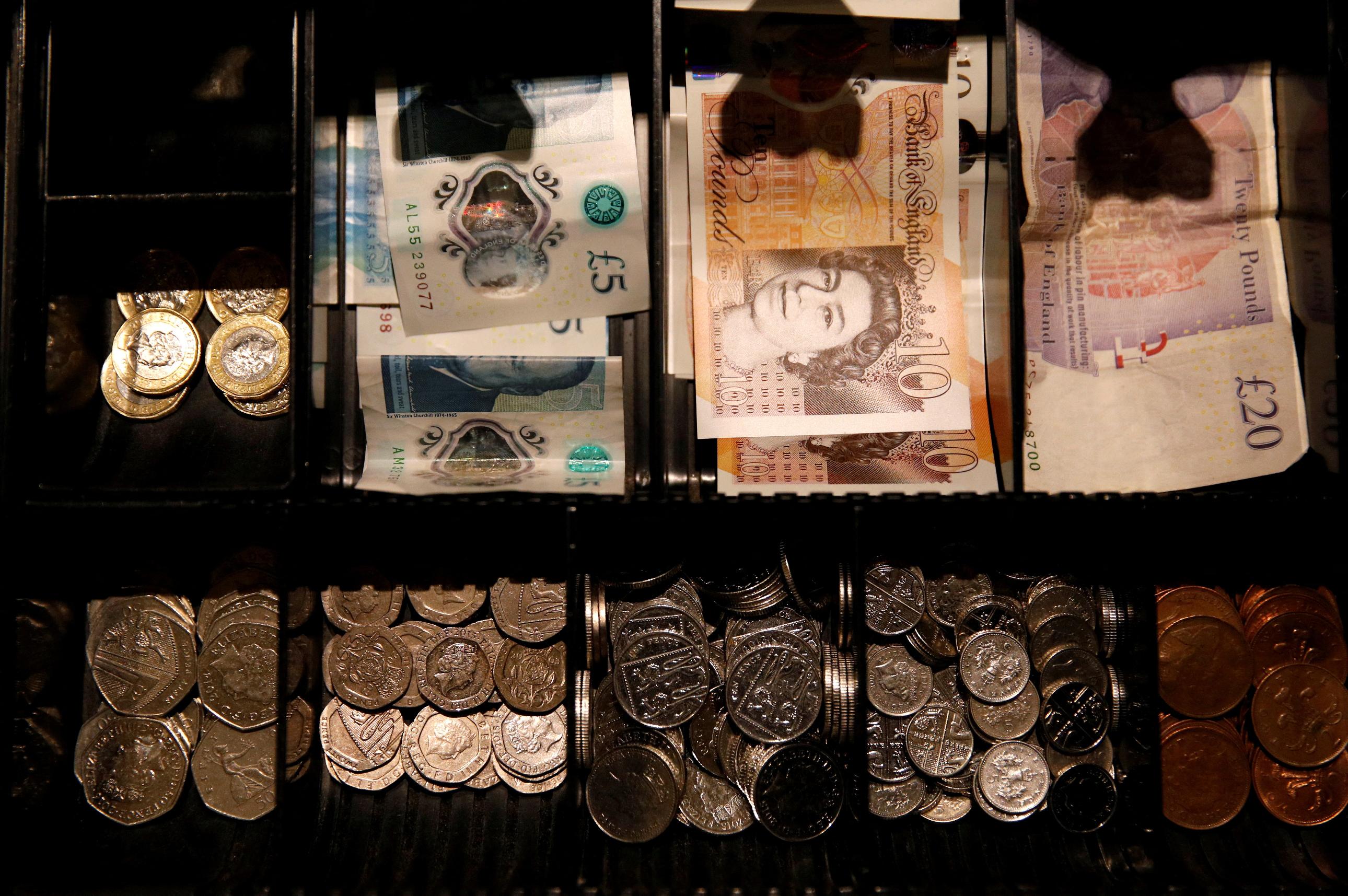
Sterling rises above $1.30, highest in a year UK inflation data cuts chances of August rate cut Growth, inflation and govt finances key to further currency gains LONDON, July 17 (Reuters) - (This July 17 story has been corrected to change the company name to BNY from BNY Mellon in paragraph 7) The pound hit its highest in a year on Wednesday, driven by investors who are scrambling for juicier returns as global interest rates start to fall, but strategists say it will take more than higher rates for sterling to retain that sparkle. Data on Wednesday showed UK inflation is proving more stubborn than many expected, prompting traders to axe their bets on an August rate cut and sending the pound above $1.30 for the first time since last July . Unlike the euro and even the dollar, the pound has not been shaken by domestic politics, but rather has got a boost from a new government that many hope will be able to draw a line under years of unpredictable policies and volatile UK markets. Growth in Britain has also started to improve. On Tuesday, the International Monetary Fund raised its estimate of UK economic growth to 0.7% this year, from 0.5% in its last set of global forecasts in April. But at the heart of this latest leg higher in the pound is the belief that British interest rates will take longer to decline than those elsewhere. Many big central banks have started cutting rates. The Bank of England and the U.S. Federal Reserve are among the last dominoes standing, although the most recent signals from the latter are that September is crystallising as the starting point for U.S. rates to fall. "It really depends on what you think is driving the pound -- is it BoE rate cut expectations being pushed back or Fed rate cut expectations being pushed forward?" Geoff Yu, senior macro strategist at BNY, said. "The fact that cable is above $1.30 and sterling has risen against the euro suggests there has been a re-pricing." On Wednesday, Britain's King Charles set out Prime Minister Keir Starmer's plans to revive the economy, with a focus on delivering new homes and infrastructure projects. RALLIES EVERYWHERE The rally in sterling has been broad, driving the euro , which fell 0.1% to 83.93 pence, on Wednesday, to its lowest in two years. The pound is up 2.3% this year against the dollar, comfortably in pole position among major currencies, the runner-up - the euro - is still down 1%. On a trade-weighted basis , the pound has recovered all of the losses incurred since the Brexit referendum in late June 2016. So on paper, the backdrop is looking more favourable. One major issue is Britain's fiscal situation. UK public debt is expected to exceed 100% of gross domestic product and the government has little room to raise taxes or cut spending. "We are in the most rate-sensitive market I can remember, and the latest UK CPI numbers do not encourage hopes for an August rate cut," Kit Juckes, head of FX Strategy at Societe Generale, said. "I don't think sterling is going very far as the economy does not have that much legs, but there's so much uncertainty in the world that there is stability with a new government (and that's helped (the pound)," he said. A hung parliament in France and political upheaval in the U.S. presidential race, with the attempted assassination of Republican candidate Donald Trump and the doubts around the ability of incumbent President Joe Biden to serve another four years in office, have added to the jitters across global markets. The BoE meets on Aug. 1 and traders are attaching less than a 40% chance of a rate cut, compared with around 50% on Tuesday. UK rates are projected to end this year around 4.75%, down from 5.25%, above U.S. rates, which are seen in a 4.50-4.75% range, and euro zone rates, priced at roughly 3.30%. Higher UK rates mean investors can enjoy higher returns on UK assets than they would in another jurisdiction, which is helping cement the pound's position as top dog - for now at least. "Despite the opportunities, we still find it difficult to forecast a more significant strengthening of the pound," Commerzbank strategist Michael Pfister said, citing uncertainty over the government's ability to really turn things around for the economy and the possibility the BoE might take a less cautious approach to rate cuts. "Given these risks, we expect the pound to strengthen only slightly. However, if it becomes clearer that these risks are less likely to materialise, the pound should benefit (even more)," he said. Sign up here. https://www.reuters.com/markets/currencies/sterling-needs-more-than-higher-uk-rates-stay-fast-lane-2024-07-17/
2024-07-17 11:09
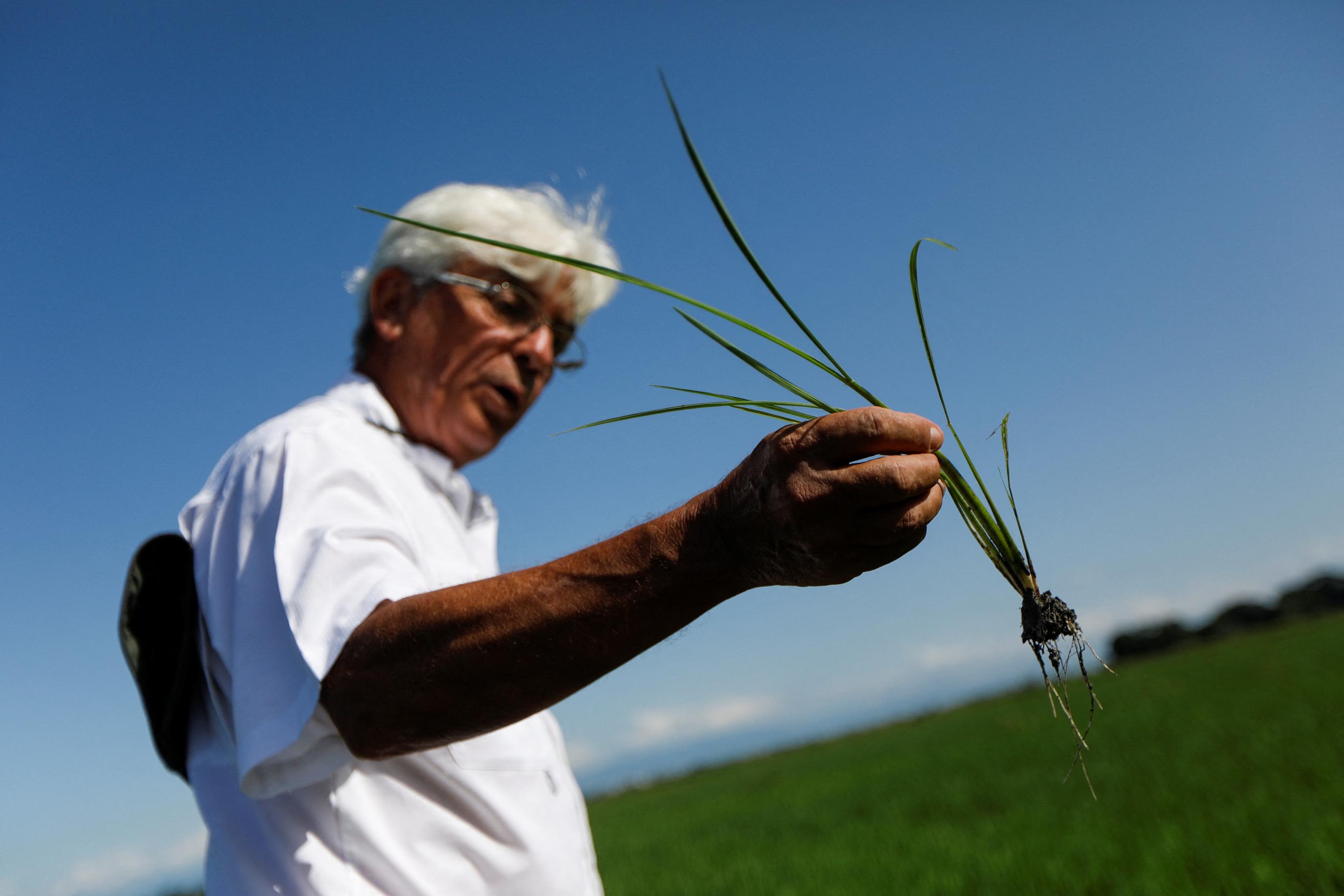
TUREN, Venezuela/CARACAS, July 17 (Reuters) - More than 300 hectares (740 acres) of verdant corn and rice planted by Roberto Latini in the western Venezuelan state of Portuguesa undulate under a bright sun and blue sky. The growing crops - set to be harvested in September - were able to be planted only because Latini got funding for fertilizers and seeds from an agriculture guild, which has stepped in to front funding for farmers in the economically beleaguered country. Venezuelan growers of rice and corn - staple crops for domestic consumption - have reversed a years-long slump in production thanks to loans of fertilizers and seeds from buyers, which are freeing up funds to invest in generators and other efforts to fight utility cuts, a dozen farmers said. The loans - from at least six guilds in Portuguesa and 20 crop-buying groups nationally - come amid tight credit restrictions, which make traditional loans from banks nearly impossible to ink, and inflation of over 50%. "One survives with the support of the guilds which offer the fertilizers," Latini said as he gave a tour of his farm, adding output could grow more with more funding availability. The terms of the loans, often paid back with the harvest itself, can still be prohibitive for some small growers. Without more regular financing from banks, farmers told Reuters challenges will persist and some producers could shut their operations. Agricultural production in Venezuela, which largely relies on national food output, has plummeted in the last decade after years of price and currency controls, land nationalizations, lack of fuel and failures in public utilities. President Nicolas Maduro loosened currency restrictions in 2019, allowing transactions in dollars and giving the economy some breathing room. He has also employed an orthodox effort to reduce inflation with credit restrictions and lower spending. Though "forward selling" of crops is common in other Latin American countries like Brazil, the practice is new and growing in Venezuela, local agricultural experts told Reuters. Bank loans available to farmers in Venezuela total about $330 million, according to local consulting firm Globalscope. Much of that funding goes to producers of small-scale export crops like sesame and mung beans. Credit availability is between nine and 12 times that figure in Bolivia and Colombia, according to government figures in those places. "There is no protection for the (agriculture and ranching) sector in finance," said Gerardo Mendoza, head of local agricultural consultancy Agrotributos. The communications, agriculture and finance ministries did not respond to requests for comment. Neither did the central bank. PAYBACK WITH CROPS Output of rice and white corn was up to 1.2 million metric tons last year, 29% more than in 2022, though that boost is still leagues below production of 3.4 million tons a decade ago, according to agriculture guild figures. Giorgio Ruffato, also a grower of rice and corn in Portuguesa, represents one association helping fund farmers. "We give them seeds, insecticides, help with machinery repairs and services to store their harvest," he said at his farm, which includes a small laboratory where he checks for crop damage from pests or fungi. Producers pay back loans by handing over their harvest or with their earnings from selling to processing plants, who pay them for crops in dollars based on international prices. But some small producers still do not earn enough to pay back the guilds. "Many small producers will disappear, some of us are in debt (to associations or companies)," said farmer Cesar Tovar, who sold some machinery to cover his costs. Higher costs for producers, coupled with 12-month inflation of 51.3%, could trickle down to consumers. "Any different form of credit is onerous. If you add (public) services and taxes, all that can have an impact on prices," said economist Hermes Perez. Some farmers are making large investments in roads and back-up power sources because of poor infrastructure and frequent cuts to water and electricity. "We have had to take up solar panels which charge batteries," said Luis Hernandez, a grower in the state of Apure, who has trouble getting fuel. Latini uses transformers on his land to keep watering for rice plants working even with power cuts, while Ruffato has repaired some local roads to be able to transport crops. Sign up here. https://www.reuters.com/world/americas/venezuelas-rice-corn-production-rise-buyers-loan-farmers-supplies-2024-07-17/
2024-07-17 10:40
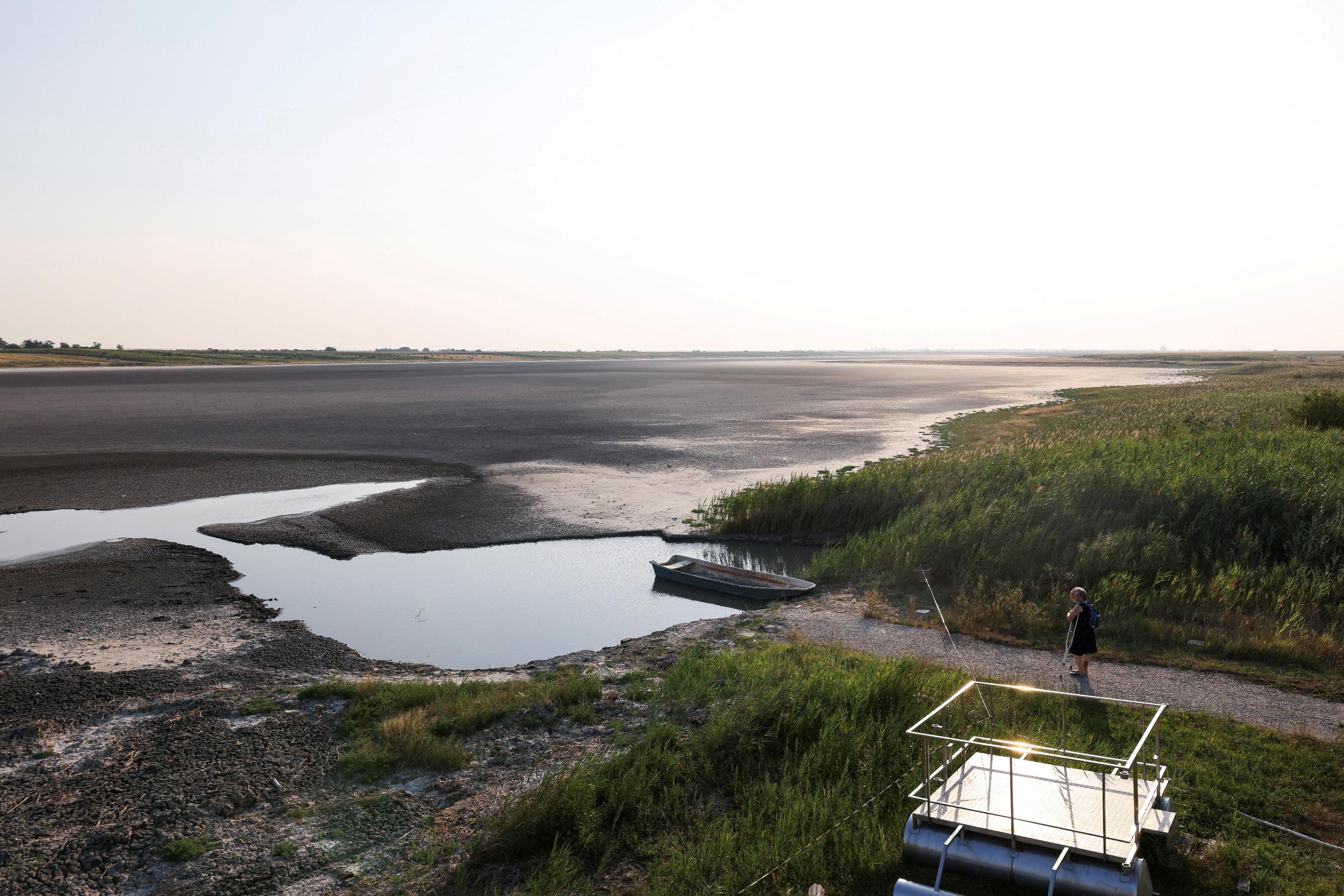
BELGRADE, July 17 (Reuters) - The Balkans, along with much of Europe, continued to swelter in a prolonged heatwave on Wednesday, triggering forest fires and drying up a Serbian lake for the first time, as a meteorologist warned such heatwaves could become more regular. "At the moment, we are amid an extreme weather event, a heatwave characterized by its length and intensity," Vladimir Djurdjevic, a Belgrade-based meteorologist, told Reuters, adding climate change could make such super-hot summers more frequent events. Temperatures sizzled across the Balkans this week, with most of the countries in the region, which includes Croatia, Montenegro and North Macedonia, expecting temperatures of around 39 degrees Celsius (102 Fahrenheit). In Serbia, the Rusanda salt lake in the northern province of Vojvodina, which contains medicinal mud, dried up for the first time ever, locals said. "It was all marsh and now the marsh is gone. This is the lowest (lake) level ... and it is also affected by this drought," said resident Sava Jovkic, 72. On Wednesday, Serbia's public health institute declared dangerous conditions in 10 municipalities. A day earlier, the capital Belgrade recorded its hottest-ever July 16, with a temperature of 38.4°C (101.1°F). The Adriatic Sea hovered at temperatures around a record-high 29.5°C in several coastal resorts of Croatia. FOREST FIRES North Macedonia and Albania both deployed firefighters, airplanes, and helicopters this week to fight forest fires in their countries. On Sunday, North Macedonia declared a state of emergency due to forest fires. In a regional climate report on Wednesday, the World Bank warned that the economies of the Western Balkans needed to invest at least $37 billion in total over the next decade to protect people and property from the impact of climate change. The Western Balkans comprise Albania, Bosnia and Herzegovina, Kosovo, Montenegro, North Macedonia, and Serbia. In other parts of Europe, Italy is also expected to face blistering heat, with temperatures reaching 45°C. Searing temperatures have also impacted countries like Greece, France, Spain, Poland, and Ukraine. Sign up here. https://www.reuters.com/world/europe/heatwave-dries-up-lake-serbia-triggers-fires-balkan-extreme-weather-event-2024-07-17/
2024-07-17 10:32
CHICAGO, July 17 (Reuters) - A Biden administration drive to increase U.S. wheat plantings after the Ukraine war is faltering as wheat prices hover around four-year lows and exportable supplies continue to flow from the Black Sea region, curbing demand for American grain. Wheat acreage expanded last year as prices soared to a near record high after Russia's 2022 invasion of Ukraine. But U.S. plantings dropped nearly 5% , opens new tab this year, resuming a decades-long trend that has coincided with a more recent slide in the U.S. share of the global wheat export market. Farmers planting less wheat in the world's No. 4 wheat exporter could be a concern for global markets as the U.S. Department of Agriculture (USDA) forecasts world wheat supplies will tighten to a nine-year low , opens new tab, and increasingly extreme weather creates more uncertainty for global production of the staple grain. In 2022, U.S. President Joe Biden visited Illinois and praised farmers for trying to avert a wheat supply shortage triggered by war in Ukraine, a major grain producer. His administration also saw increasing wheat planting as a way to help lower food inflation. To encourage plantings in the central United States, the administration turned to crop insurance - not for wheat, but for crops such as soybeans that could be planted immediately after wheat and harvested in the same year. In parts of the U.S. Farm Belt, it is the income from a second crop, grown later in the season, that makes winter wheat economically viable. Insurance coverage on a second crop had been limited to farmers in the southern Midwest, but the USDA took steps to make policies more widely available. While the expansion in crop insurance initially helped to make wheat more attractive, the initiative was overshadowed by a plunge in wheat prices between September 2022, when winter wheat planting decisions were finalized for 2023, and the following year, when farmers planted the 2024 wheat crop. Benchmark CBOT wheat was trading at around $9 a bushel in late September 2022, and around $5.40 a year later. Futures closed on Tuesday at $5.30-3/4. Jeff O'Connor, who hosted Biden , opens new tab in 2022 on his farm near Kankakee, Illinois, said crop insurance for double cropping reduces risks for farmers who want to add wheat to their rotations. But the measures had little impact on his planting decisions. "My wheat acres are determined by rotation and occasionally market conditions," O'Connor said. "Crop insurance availability for double crop doesn't play into the decision, with the way that the rules for coverage works," O'Connor said. Double cropping can be highly profitable, but also risky, especially in the northern half of the country where autumn frosts might kill the second crop before it is ready for harvest. Crop insurance mitigates the risk. Planting two crops a year is common in the milder climate of the southern Midwest, including the southern third of Illinois. The Biden administration's goal was to expand the practice northward, into the heart of prime Midwest corn and soy farmland. Farmer response has been muted, however. "We've found American farmers in the central Corn Belt to be very, very reluctant to alter crop rotation patterns unless there is a massive profitability signal," said Matt Herrington, director of commodity research for World Perspectives Inc, a research and analytical firm. DOUBLE CROPPING In April 2022, USDA estimated that double cropping, as well as a two-year increase in loan rates for food crops, would help U.S. farmers make up for up to 50% of the wheat typically exported by Ukrainian farmers and lower costs to consumers. In fact, Ukraine's wheat exports increased to 18.1 million metric tons in the 2023/24 marketing year, matching the country's pre-war five-year average, USDA data showed. U.S. exports dwindled to 19.2 million tons, a 52-year low as Plains drought drove up U.S. wheat prices to uncompetitive levels. In the current marketing year, the USDA forecasts a decline in Ukraine's wheat exports to 13 million tons as the war drags on, while U.S. wheat exports are expected to recover slightly to 22.5 million tons as better yields help offset the smaller planted acreage. A USDA spokesman said farmers had responded strongly to expanding double-crop insurance in more than 1,500 counties, with a significant increase in winter wheat acres in 2023. For the 2024 harvest, the USDA estimated a 4.7% reduction in total U.S. wheat plantings to 47.24 million acres (19.12 million hectares), due to a 7.9% drop in winter wheat acres led by declines in top producing state Kansas, as well as Illinois. Double-cropping can boost soil health by keeping the ground covered for more months of the year. The practice could become more feasible farther north as the climate warms, and as seed technology improves. Eric Miller, a central Illinois farmer, signed up for the expanded insurance for double-cropping. However, he did not change his wheat or double-crop soybean acres as a result, and instead stuck to his regular crop rotation this year. "Obviously price and fall weather matters. (If) price per bushel is up, (wheat) acres will probably be up," Miller said. Sign up here. https://www.reuters.com/markets/commodities/cooling-prices-chill-drive-add-wheat-acres-us-corn-belt-2024-07-17/