2024-07-15 07:52
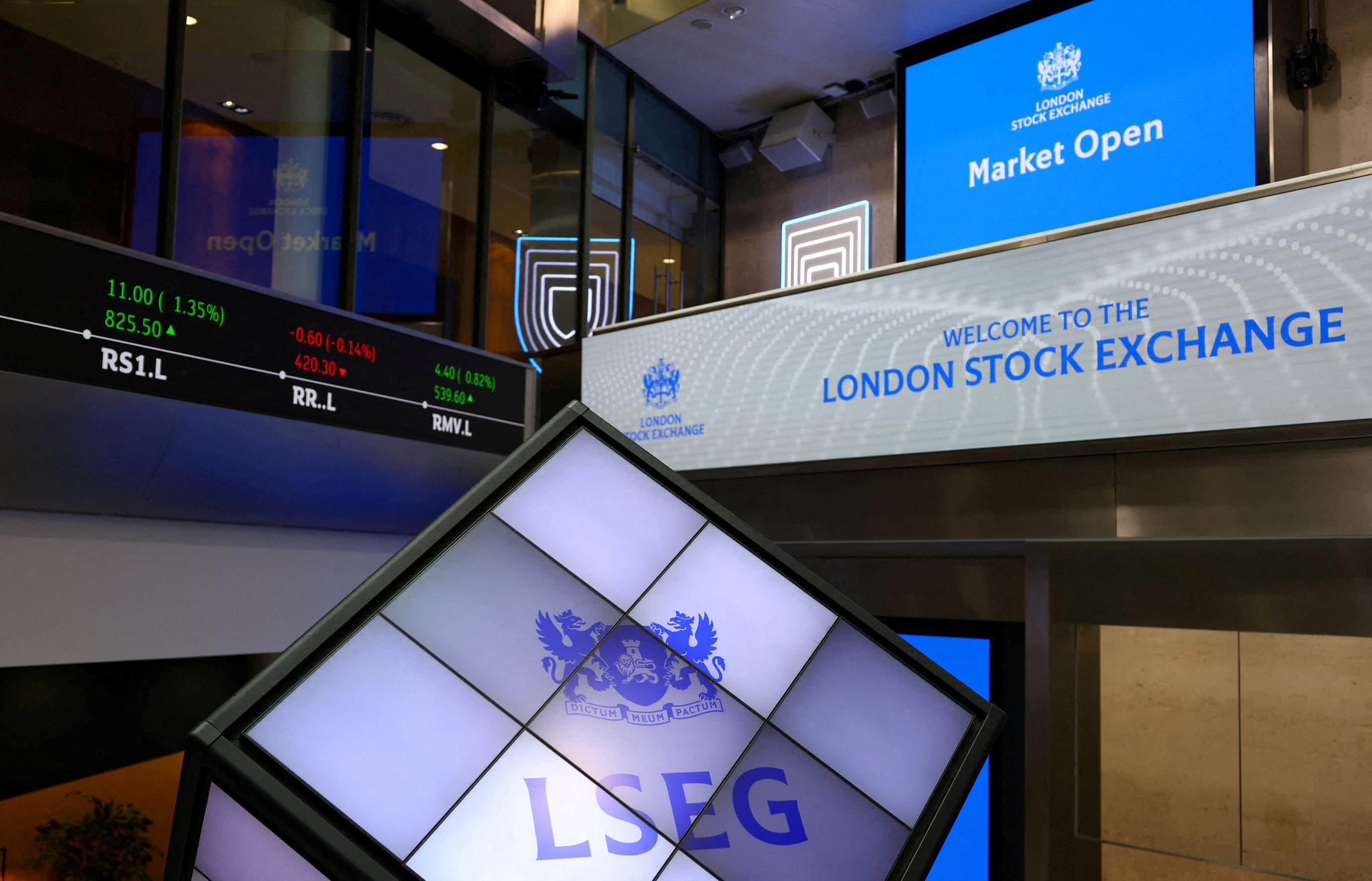
FTSE 100 down 0.6%, FTSE off 0.5% Burberry falls to 14-year low after profit warning Robert Walters dips after fall in quarterly net fees British CPI data on tap July 15 (Reuters) - London stocks slipped on Monday, as lower commodity prices and political uncertainty in the United States weighed on risk appetite, while luxury retailer Burberry tanked to a 14-year low after scrapping its dividend payment. The blue-chip FTSE 100 index (.FTSE) New Tab, opens new tab was down 0.6%, while the mid-cap FTSE 250 (.FTMC) New Tab, opens new tab was off 0.5%, as of 0717 GMT. The pound weakened 0.2% versus the dollar, after hitting a nearly one-year high in the previous session. Shares of Burberry (BRBY.L) New Tab, opens new tab tanked 10.7% after the company axed CEO Jonathan Akeroyd and warned on profit. The British retailer named former Michael Kors boss Joshua Schulman as its new chief executive. The downbeat performance weighed on the personal goods sector (.FTNMX402040) New Tab, opens new tab, which hit its lowest levels since June 2010, leading to broader declines in the benchmark index. Industrial metal miners (.FTNMX551020) New Tab, opens new tab dropped 1.3%, even though copper prices held their ground and countered pressure from a firmer dollar. Political uncertainty in the U.S. sent jitters across global markets after an assassination attempt at presidential candidate Donald Trump on Saturday solidified the Republican's winning bets. "Investors will be assessing how the attempted assassination of Trump will reverberate for the U.S. presidential campaign. (Investor confidence) is likely to be taking another knock," said Susannah Streeter, head of money and markets at Hargreaves Lansdown. Data for UK consumer prices and producer prices will be in the limelight this week, as the Bank of England's next monetary policy decision inches closer. BoE's interest rate-setter Swati Dhingra said British inflation was unlikely to rise sharply again and the central bank should bring down borrowing costs. Investors are pricing in just over 50% chances of a rate cut at the August meeting. 0#BOEWATCH Among other individual stocks, shares of Robert Walters (RWA.L) New Tab, opens new tab slumped 6% after the recruiter reported a fall in quarterly net fees amid macroeconomic and political uncertainties. Sign up here. https://www.reuters.com/world/uk/london-stocks-slip-burberrys-profit-warning-us-political-jitters-weigh-2024-07-15/
2024-07-15 06:59
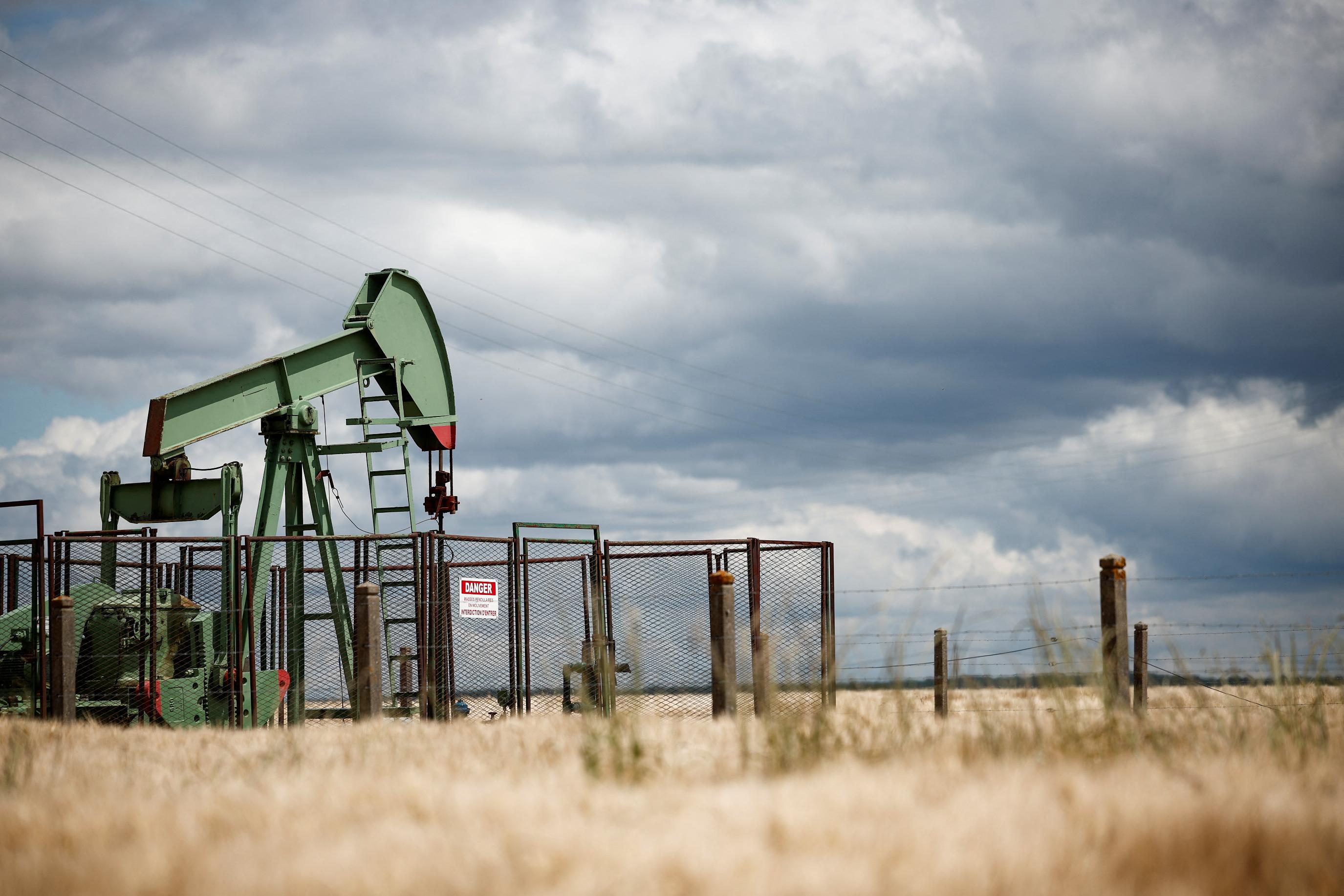
China's second-quarter GDP misses forecasts Iraq says it will compensate for oil overproduction U.S. markets bet Fed will cut interest rates in September NEW YORK, July 15 (Reuters) - Oil prices eased on Monday as worries about demand in top importer China offset supportive U.S. economic news, OPEC+ supply restraint and ongoing Middle East tensions. Brent futures fell 18 cents, or 0.2%, to settle at $84.85 a barrel, while U.S. West Texas Intermediate (WTI) crude dropped 30 cents, or 0.4%, to settle at $81.91. "Chinese data including refinery runs and crude imports are not supportive," said UBS analyst Giovanni Staunovo. "But demand growth elsewhere is still healthy." China's economy grew much slower than expected in the second quarter as a protracted property downturn and job insecurity knocked the wind out of a fragile recovery, keeping alive expectations Beijing will need to unleash even more stimulus. China's refinery output fell 3.7% in June from a year earlier,down for a third month on planned maintenance, while lower processing margins and lacklustre fuel demand pushed independent plants to cut output. In the U.S., the market focused on the assassination attempt on former President Donald Trump, which some say could boost his re-election chances. Federal Reserve Chair Jerome Powell said inflation readings for the second quarter do "add somewhat to confidence" that the pace of price increases is returning to the U.S. central bank's target in a sustainable fashion, remarks that suggest a turn to interest rate cuts may not be far off. The Fed hiked rates aggressively in 2022 and 2023 to tame a surge in inflation. Borrowing costs rose for consumers and businesses, slowing economic growth and reducing demand for oil. Lower interest rates could boost oil demand. Markets are pricing in a 94.4% chance of the Fed cutting rates by at least 25 basis points in September, CME's FedWatch Tool showed, after last week's news that June consumer prices fell on a monthly basis for the first time in four years. MIDDLE EAST TENSIONS In the Middle East, geopolitical tensions continued to support oil prices, though ample spare capacity held by Saudi Arabia and other Organization of the Petroleum Exporting Countries (OPEC) members has limited price support, analysts say. In the Red Sea, two vessels came under attack off Yemen's port city of Hodeidah, with one ship reporting it had sustained some damage. There was no immediate claim of responsibility for the attack. But since November, Iran-backed Houthi militants have launched drone and missile strikes in shipping lanes in the Red Sea and Gulf of Aden. The group says these actions are in solidarity with Palestinians affected by Israel's war in Gaza. In Iraq, the oil ministry said the OPEC member will compensate for overproduction since the beginning of 2024. In Russia, Deputy Prime Minister Alexander Novak said the global oil market will be balanced in the second half of the year and thereafter, thanks to the OPEC+ deal on production supply. OPEC+, which groups OPEC and allies like Russia, has implemented a series of output cuts since late 2022 to support the market. The group agreed on June 2 to extend the latest cut of 2.2 million barrels per day until the end of September and gradually phase it out from October. Russia's Novak also said the country might decide to reinstate a gasoline export ban from August should there be supply shortages on the domestic fuel market. Sign up here. https://www.reuters.com/markets/commodities/oil-extends-losses-dollar-strengthens-following-trump-attack-2024-07-15/
2024-07-15 06:53
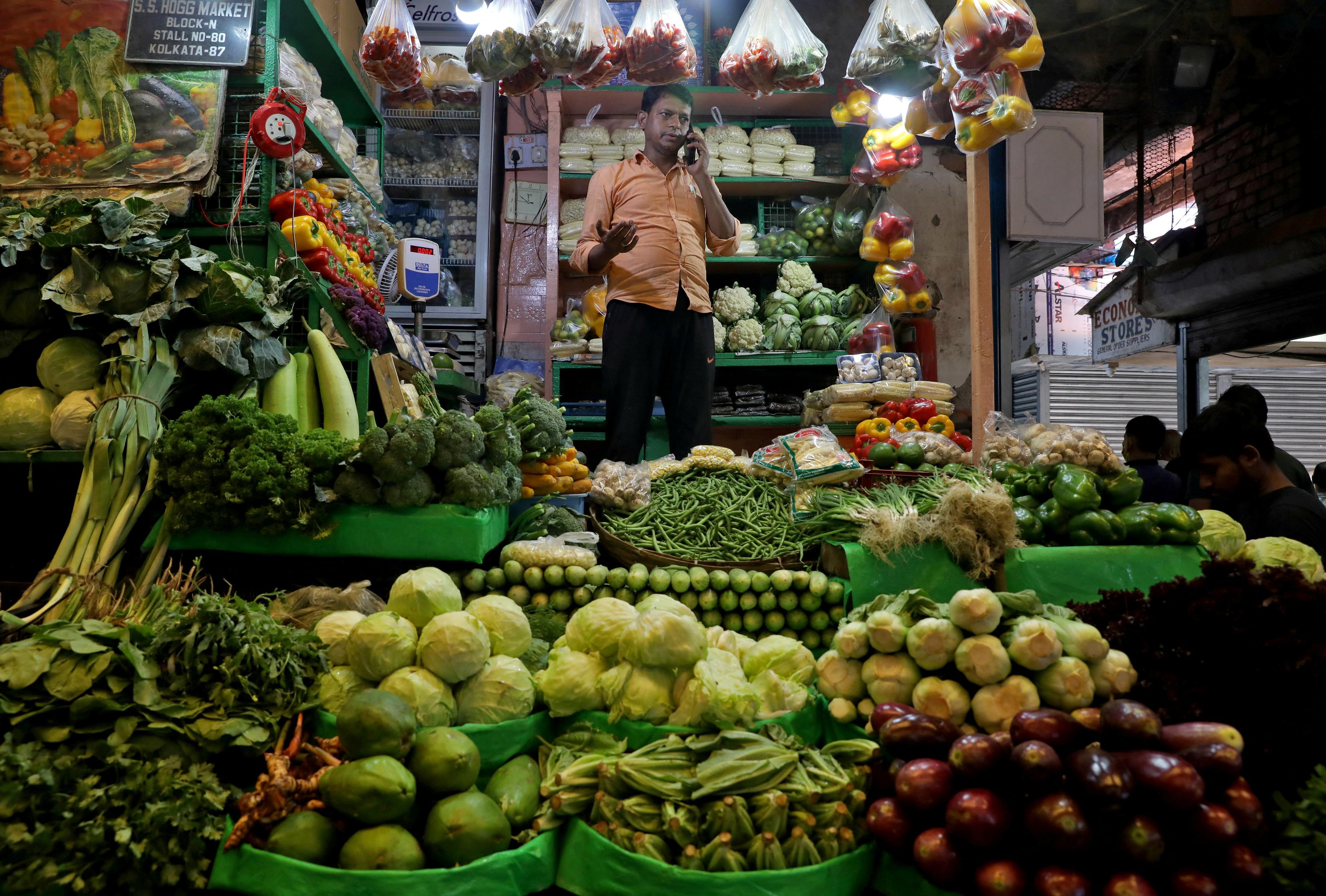
NEW DELHI, July 15 (Reuters) - India's wholesale prices (INWPI=ECI) New Tab, opens new tab rose at their fastest annual pace in 16 months in June on the back of costlier food, government data showed on Monday. The wholesale price index rose 3.36% in June from a year earlier, slightly lower than the 3.5% gain expected by economists polled by Reuters but higher than a 2.61% year-on-year rise in May. Wholesale inflation had stood at 3.85% in February 2023. For June, food prices rose 8.68% on year compared with an increase of 7.4% in May. Vegetable prices were up 38.76% on year against a 32.42% rise in the previous month. Manufactured product prices rose 1.43% year-on-year against a 0.78% increase in the previous month. Fuel and power prices rose 1.03% compared with a 1.35% gain in May. "The upmove in the WPI inflation in June 2024 was broad-based, driven by all the major segments except fuel and power," said Aditi Nayar, an economist at ICRA. India's retail inflation rate rose for the first time in five months in June due to a sharp rise in food prices, government data showed on Friday. Policymakers have failed to cap prices of key food items, hit by extreme heat and heavy floods in India's northern states. Sign up here. https://www.reuters.com/world/india/indias-june-wholesale-prices-rise-336-year-2024-07-15/
2024-07-15 06:35
SINGAPORE, July 15 (Reuters) - The United Nations' International Seabed Authority (ISA) will meet on Monday to consider new rules allowing firms to extract minerals from the ocean floor, despite mounting concerns about the economic and environmental risks. Supporters say deep sea mining will help boost supplies of raw materials like cobalt and nickel, which are needed for the global energy transition, but critics say it could destroy ecosystems and disrupt migratory routes. As many as 27 countries are calling for at least a temporary halt of activities, and Hawaii last week became the fourth Pacific U.S. state to issue a comprehensive ban. Meeting in Kingston, Jamaica, until July 26, the 36-member ISA council will negotiate the latest draft of a long-awaited "mining code", designed to regulate the exploration and extraction of "polymetallic nodules" and other deposits on the ocean floor. "I think it will become very clear at this session that there is still a long way to go," said Pradeep Singh, an ocean governance specialist at Germany's Potsdam Institute, saying that countries were still divided over the final text. Many are concerned the code is being rushed through without proper scrutiny and want to slow the process down, Singh said. While many are concerned about environmental risks, others are also looking for clarity about how proceeds from deep sea mining will eventually be shared. The rush to complete the mining code was triggered by the Pacific island state of Nauru, which is expected to submit a mining license application on behalf of Canada's The Metals Company (TMC) (TMC.O) New Tab, opens new tab later this year, regardless of whether or not regulations are complete. "A growing number of states are saying no, we will not allow that to happen," said Singh. "Those states calling for a pause remain committed to negotiating the regulations, so it is not as if they are saying they don't want deep sea mining to happen." After the council session, the ISA's 168-member Assembly will also meet on July 29 to elect a secretary-general, with Brazil's Leticia Carvalho standing against the incumbent, Michael Lodge. Nine countries - including Chile and France - will also call on the Assembly to discuss specific policies to safeguard the marine environment if and when mining is allowed to start. China blocked a similar proposal last year. TMC has acknowledged that deep sea mining will have an environmental impact, but it is less damaging than terrestrial mining, and trade-offs are required to guarantee transition mineral supplies. But apart from the environmental risks, no one has yet been able to establish the economic and technical case for operating heavy industrial machinery in the depths of the ocean, especially as costs rise, said Victor Vescovo, a U.S. investor and deep sea explorer. "It is a poor business case that is only getting worse," he said. Sign up here. https://www.reuters.com/business/environment/nations-gather-negotiate-deep-sea-mining-code-opposition-mounts-2024-07-15/

2024-07-15 06:13
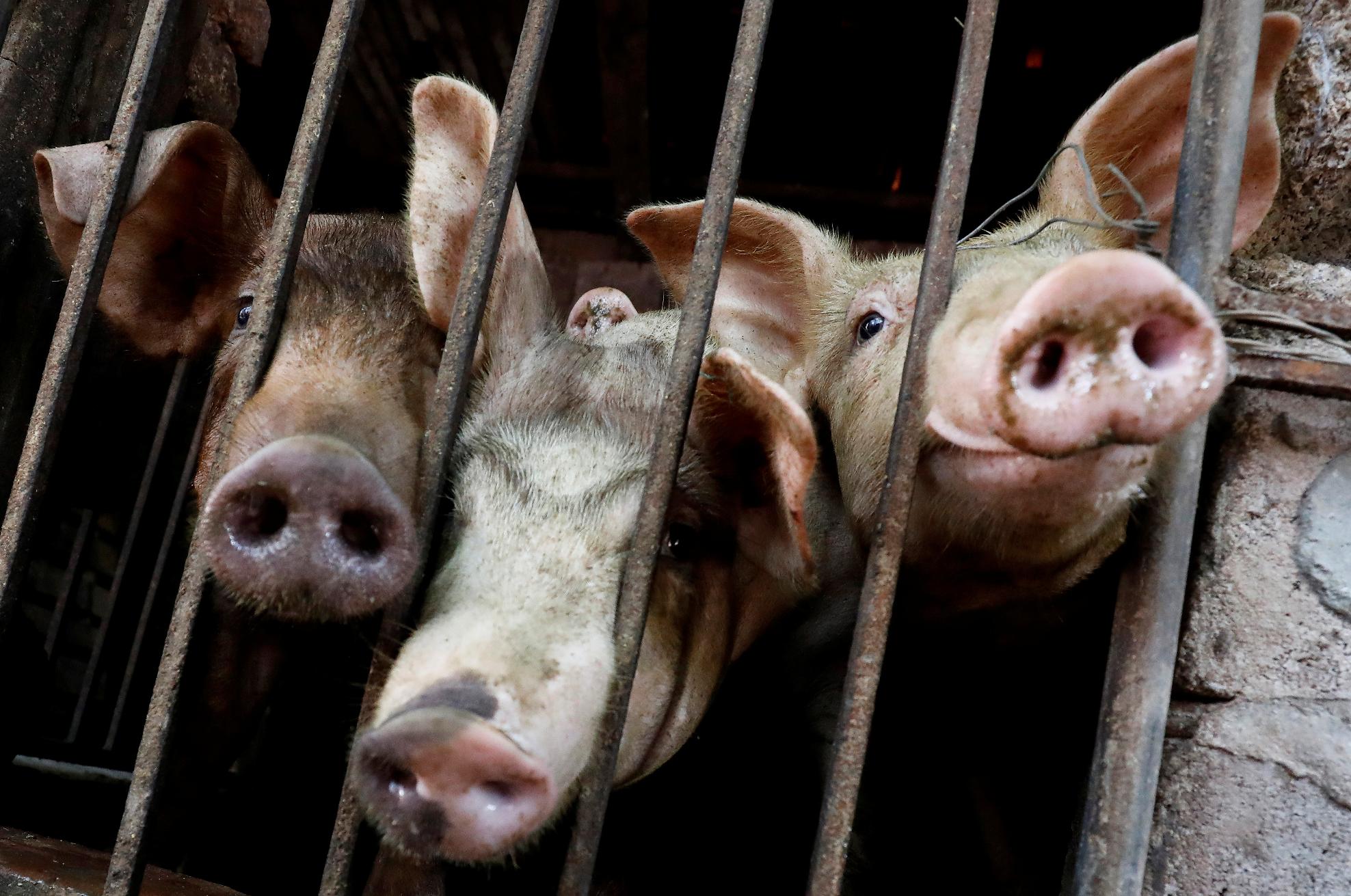
HANOI, July 15 (Reuters) - African swine fever outbreaks are spreading in Vietnam and could affect its food supplies and put upward pressure on inflation, according to a government document. ASF has for years disrupted the $250 billion global pork market. In the worst outbreak in 2018 and 2019, about half the domestic pig population died in China, the world's biggest producer, causing losses estimated at more than $100 billion. "The risk of wider spread of the disease is very high, and it can affect food supplies, consumer prices and the environment," said the Vietnamese government document, which was dated July 14 and was reviewed by Reuters. Vietnam has culled 42,400 infected pigs so far this year, the document said, up by nearly five times that of the same period last year. The Southeast Asian country has this year detected 660 ASF outbreaks nationwide, compared to 208 outbreaks during the same period last year. The government in the document ordered provinces to deploy measures to curb the spread, including prioritising funds for vaccinating pigs against the disease. Vietnam in July last year approved the domestic commercial use of two home-grown vaccines, the world's first commercial vaccines for the deadly disease. In December, the World Organisation for Animal Health (WOAH) was warning that more testing of ASF vaccines was needed. An increase in pork prices due to African swine fever in some localities was among the causes for Vietnam's higher consumer price index in June, according to the General Statistics Office. Foodstuff prices rose 3.23% in the month against the same period of 2023, official data showed. Sign up here. https://www.reuters.com/business/healthcare-pharmaceuticals/african-swine-fever-outbreaks-spreading-vietnam-government-document-shows-2024-07-15/
2024-07-15 05:42
July 15 (Reuters) - Texas Governor Greg Abbott said on Sunday he would require CenterPoint Energy (CNP.N) New Tab, opens new tab to take immediate action to improve its hurricane preparation and response efforts to power outages reported in the greater Houston area due to Hurricane Beryl. Abbott said he also asked the Public Utility Commission (PUC) of Texas to launch an investigation into the company over its failure to restore power promptly after the hurricane. "To help Texans in the greater Houston area and to avoid a repeat of unacceptable power outages, I will give CenterPoint until the end of the month to provide my office with specific actions to address power outages and reduce the possibility that power will be lost during a severe weather event," Abbott said during a press conference in Houston. Abbott said he would issue an executive order to impose actions on CenterPoint geared to keep power on if the company failed to comply. CenterPoint, the largest power provider in Texas, said it was able to restore power to more than 85%, or 1.9 million, of its impacted customers by Sunday. There are still about 267,797 CenterPoint customers without power, according to data from PowerOutage.us. Beryl, the earliest Category 5 storm on record, made landfall near the coastal town of Matagorda last Monday, knocking out power to about 2.7 million homes and businesses in Texas. CenterPoint expects to restore power to 90% of all impacted customers on Monday and is committed to doing a thorough review of its response to power outages, it said in a statement following Abbott's press conference. Sign up here. https://www.reuters.com/world/us/texas-governor-demands-action-centerpoint-over-power-failures-2024-07-15/