2024-07-11 23:05
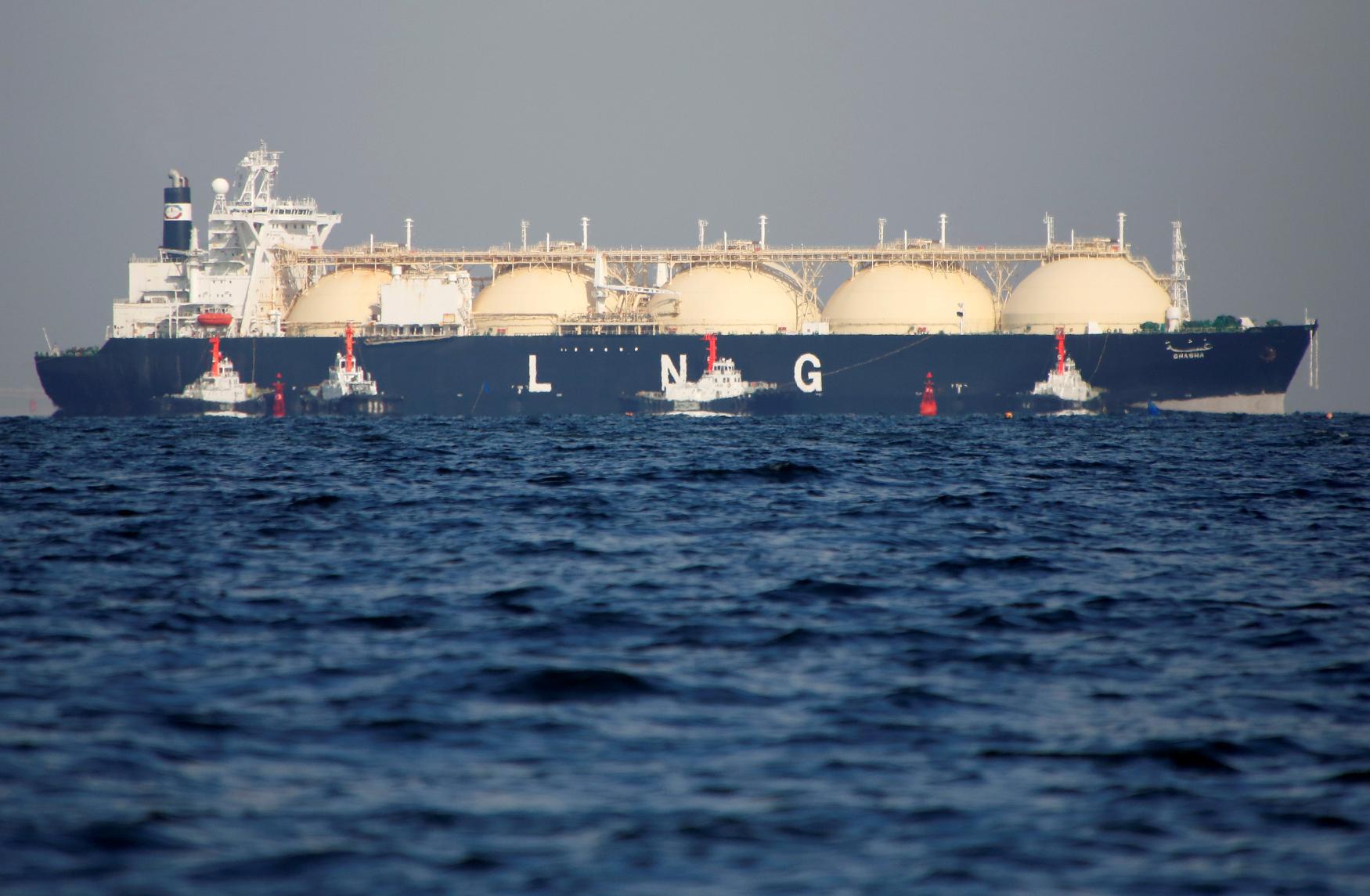
Companies invest in downstream gas assets in Asia Japanese firms build gas markets to help sell excess LNG LNG seen as transitional fuel in move to renewables Activist investors raise alarm TOKYO, July 12 (Reuters) - Japanese companies foreseeing a growing surplus in stocks of liquefied natural gas (LNG) as their demand for the fuel wanes in coming years, are scrambling to invest in regional markets to provide potential outlets to sell the gas. As more nuclear plants restart and renewable energy gains momentum, Japan's LNG imports are at their lowest in over a decade, spurring companies to turn to Asia to unload supplies contracted during past market shocks, such as Russia's 2022 invasion of Ukraine. Energy flexibility and security concerns ensure that Japan wants to stay a big player in LNG, but it is looking for markets to sell its excess, in line with a government strategy to keep volumes at 100 million tonnes by building gas demand in Asia. This year, Tokyo Gas (9531.T) New Tab, opens new tab announced a study for 1.5-gigawatt LNG-to-power project in Vietnam and bought a stake in an LNG regasification terminal in the Philippines, while trading houses Marubeni (8002.T) New Tab, opens new tab and Sojitz (2768.T) New Tab, opens new tab launched a 1.8 GW-big LNG-fired power plant in Indonesia. Led by JERA, Tokyo Gas, Osaka Gas (9532.T) New Tab, opens new tab and Kansai Electric Power (9503.T) New Tab, opens new tab, Japan is a stakeholder, feedstock provider or participant in studies for more than 30 gas-related projects, data from the Institute for Energy Economic and Financial Analysis (IEEFA) and Reuters shows. Whether operating or yet to be launched, these are located in Bangladesh, India, Indonesia, Malaysia, Myanmar, the Philippines, Singapore, Taiwan, Thailand, and Vietnam. "Japanese LNG demand is uncertain, but the government wants to secure stable supply over the long term," said Yoko Nobuoka, senior analyst for Japan power research at LSEG. "Developing its own trading capability and creating an Asia-wide gas market would help to increase energy security and hedge risks of LNG surplus," she said. Japan stepped up imports of LNG after the Fukushima nuclear disaster of 2011 led to closure of all its nuclear power reactors, and Tokyo has increased participation in LNG projects globally to secure supply. But the comeback of nuclear power and the roll-out of renewable energy have led resource-scarce Japan to cut LNG imports for its own needs, with shipments falling by 8% last year to the lowest since 2009. In 2020, the industry ministry adopted a plan to hold LNG handling capacity, including trade, at 100 million tons a year by 2030, a key feature of which was building Asian gas markets. "There are various pathways towards achieving carbon neutrality or net-zero emissions in Asia," METI said in emailed comments. "Gas and LNG, along with renewables and energy conservation, can play a role in the pathways." Japan's shipments, both for domestic use and sent to third countries, were 102 million tons of LNG, in the year that ended in March 2023. Tokyo Gas, the country's top city gas supplier, has set a target of trading 5 million tons of LNG annually by 2030, up from about 3 million now. "We have a chance to sell LNG to these projects and it will contribute to an increase in our LNG trading volume," Tokyo Gas officials told Reuters in emailed comments. Since 2019, Japanese firms have invested in new LNG import terminals with combined capacity of 16.2 million tons in Bangladesh, Indonesia and the Philippines, according to Reuters calculations based on the International Gas Union data. Another 13 million tons a year of LNG import capacity is to come in Vietnam and India with Japan's investment before 2030, taking the total such volume to 29.2 million tons - close to what Japan traded in the year ended in March 2023. Japan's LNG sales to third countries doubled to 31.6 million tons in fiscal 2022 from fiscal 2018, boosted by participation in upstream projects globally and supply contracts, the Japan Organization for Metals and Energy Security (JOGMEC) says. Of Japan's 102 million tons of LNG imports in fiscal 2022, domestic use accounted for 71 million tons. With Japan's own LNG demand projected to fall another quarter by the end of the decade to some 50 million tons, top utilities JERA, Tokyo Gas, Osaka Gas and Kansai Electric could have 12 million tons of LNG oversupply, the IEEFA estimates. DESTINATION CLAUSES Tokyo's growing LNG ambitions are reshaping its procurement strategy. In fiscal 2021, 53% of gas bought by Japanese firms, or 45 million tons, was under contracts banning resale, a condition imposed by producers such as Qatar, according to JOGMEC. That share fell to 42% last fiscal year, its survey showed, partly also because Tokyo clinched more deals with more flexible producers, such as the United States and Australia. "However, by 2030, 60% of contracts will not have destination restrictions, meaning that Japan's ability to trade LNG is likely to increase this decade," said Christopher Doleman, an LNG specialist at IEEFA. Trading competition with China, which surpassed Japan as the biggest LNG buyer last year and is expanding into global trade, also plays a role. China's LNG imports are forecast to grow by up to 12% this year, to 80 million tons, PetroChina (601857.SS) New Tab, opens new tab says, and Beijing is reselling some LNG to third countries. "In the medium term to 2030, trading competition could become fierce, as the next bearish cycle begins with a wave of new supply," LSEG's Nobuoka said, referring to new LNG projects set to go onstream in coming years that need buyers. TRANSITION PUSHBACK Climate activists increasingly say Japan, with a quarter of its power generated by non-nuclear renewable energy, should bypass gas, which the industry considers a "transition" fuel, and help other countries to decarbonise by moving straight to renewables from coal. Australian Market Forces, a climate activist group that holds shares in Chubu Electric Power (9502.T) New Tab, opens new tab and Tokyo Electric Power (9501.T) New Tab, opens new tab, co-owners of top utility JERA, has urged it to rethink plans for Asia and sharpen focus on renewables instead. "One of the greatest threats to climate action globally is the proposed build out of LNG-to-power infrastructure in emerging Asia," said Will van de Pol, chief executive of Market Forces. As a transitional fuel, LNG is 'indispensable for achieving decarbonisation,' JERA, which has both gas and renewable energy projects in Asia, told Reuters by email. Sign up here. https://www.reuters.com/business/energy/japan-builds-gas-markets-asia-boost-lng-trading-energy-security-2024-07-11/
2024-07-11 22:48
CPI shows inflation eased in June Wall Street heavyweights drop, small caps rally Airlines slump after Delta results S&P 500 -0.88%, Nasdaq -1.95%, Dow +0.08% July 11 (Reuters) - The Nasdaq (.IXIC) New Tab, opens new tab ended sharply lower on Thursday, hit by losses in Nvidia, Apple and Tesla as investors rotated into smaller companies after softer-than-expected inflation data fed bets the Federal Reserve will cut interest rates in September. The S&P 500 (.SPX) New Tab, opens new tab also lost ground after a Labor Department report showed U.S. consumer prices fell unexpectedly in June and the annual increase was the smallest in a year, drawing the Fed closer a September rate cut. The Dow finished with modest gains. Interest rates futures suggest traders see an over 90% chance the Fed will cut rates by its September meeting, up from about 74% on Wednesday, according to CME Group's Fedwatch New Tab, opens new tab. Despite signs of receding inflation, Wall Street's most valuable companies lost ground, with Microsoft (MSFT.O) New Tab, opens new tab and Amazon (AMZN.O) New Tab, opens new tab each losing more than 2% and Meta Platforms (META.O) New Tab, opens new tab dropping about 4%. Tesla (TSLA.O) New Tab, opens new tab tumbled 8.4%, its biggest one-day percentage drop since January, after Bloomberg News reported the company is delaying the launch of robotaxi by about two months to October. Apple (AAPL.O) New Tab, opens new tab fell 2.3% after hitting a record high on Wednesday. BofA Global Markets raised its price target for Apple, saying it expects strong iPhone sales driven in part by new AI features. As sky-high tech-related stocks fell on Thursday, shares of smaller companies rallied. The small cap Russell 2000 (.RUT) New Tab, opens new tab, which has significantly lagged the benchmark index in 2024, jumped 3.6% to close at its highest since March 2022, with investors betting rate cuts would improve conditions for smaller companies. "What I think investors now believe is that the Fed is ready to start to cut interest rates. And so they are saying, 'That's good enough for me. I don't have to wait for them to actually do it'," said Sam Stovall, chief investment strategist at CFRA Research. Volume on U.S. exchanges was heavy, with 12.6 billion shares traded, compared to an average of 11.5 billion shares over the previous 20 sessions. The S&P 500 declined 0.88% to end the session at 5,584.54 points. The Nasdaq declined 1.95% to 18,283.41 points, while Dow Jones Industrial Average rose 0.08% to 39,753.75 points. Thursday's declines ended a seven-day streak of record high closes for the Nasdaq and a six-day streak for the S&P 500. It was the Nasdaq's biggest one-day percentage drop since April 30. The S&P 500 real Estate index (.SPLRCR) New Tab, opens new tab surged 2.7%, trimming year-to-date losses to 1%. The communication services (.SPLRCL) New Tab, opens new tab and information technology (.SPLRCL) New Tab, opens new tab indexes each fell more than 2%. Delta Air Lines (DAL.N) New Tab, opens new tab slumped 4% after forecasting lower-than-expected profits in the current quarter. Other major airline stocks also fell, with an index of S&P 500 passenger airline companies (.SPCOMAIR) New Tab, opens new tab down 2.7%. "This might be a place where consumers are getting pinched by inflation. That's showing up in discretionary funding on things like air tickets," said Scott Helfstein, head of investment strategy at Global X. Investors are awaiting Producer Price Index data on Friday for insights into the inflation trajectory, along with second-quarter earnings from big banks. Citigroup (C.N) New Tab, opens new tab slipped 1.9% after U.S. bank regulators fined the lender $136 million. Conagra Brands (CAG.N) New Tab, opens new tab fell 1.5% after the packaged foods maker forecast annual revenue and profit below estimates. Advancing issues outnumbered falling ones within the S&P 500 (.AD.SPX) New Tab, opens new tab by a 3.7-to-one ratio. The S&P 500 posted 51 new highs and 2 new lows; the Nasdaq recorded 141 new highs and 50 new lows. Sign up here. https://www.reuters.com/markets/us/futures-edge-lower-ahead-rally-testing-inflation-data-2024-07-11/

2024-07-11 21:48
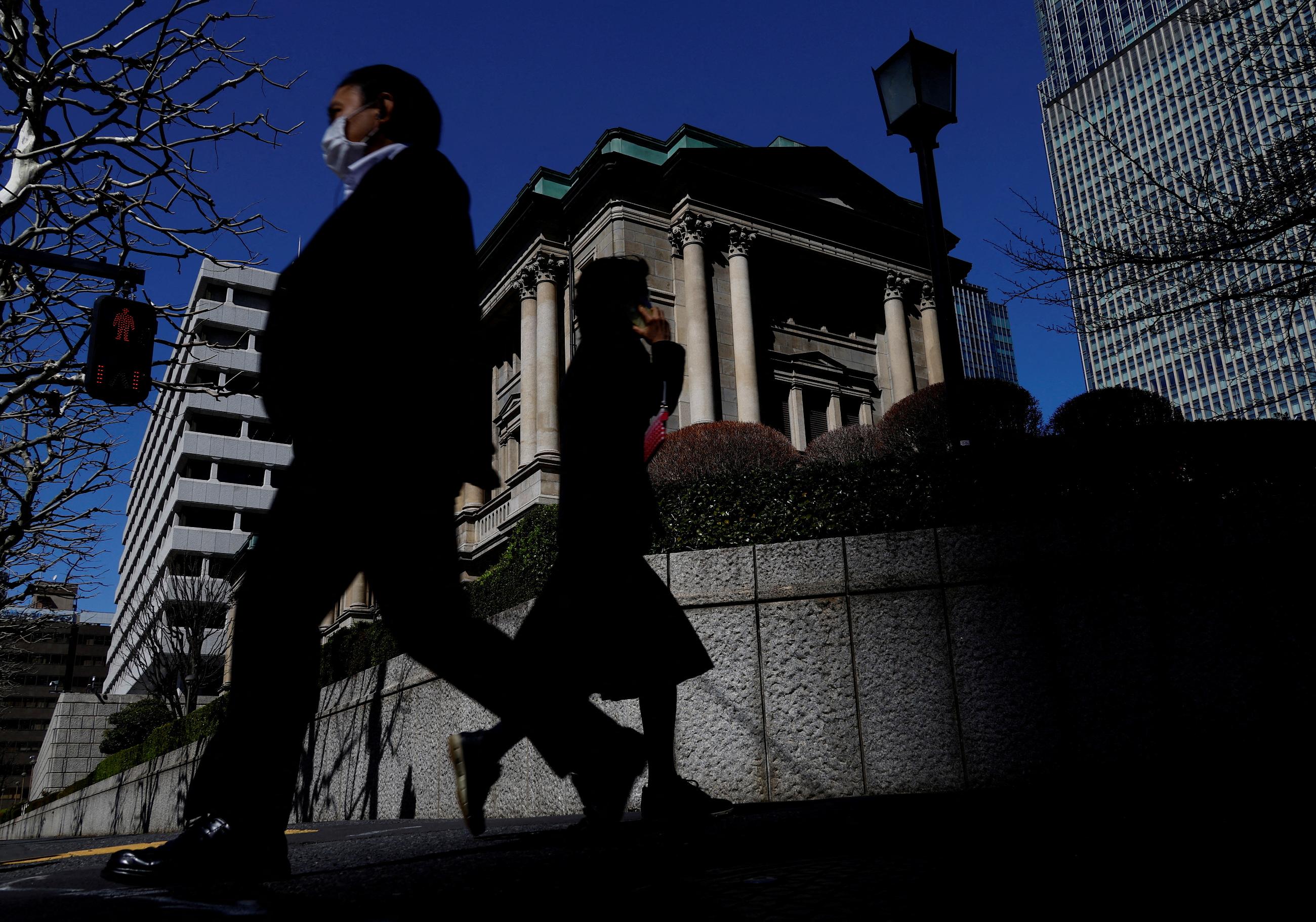
July 11 (Reuters) - A look at the day ahead in Asian markets. Did they or didn't they? The yen surged across the board on Thursday in what may have been a perfectly timed round of Japanese intervention upon release of a tame U.S. inflation report that sent Treasury yields and the dollar lower. While analysts did not rule out intervention, they said forex players could have been caught wrong footed on short yen positions. But local Japanese television cited government sources as saying official intervention did occur and, while Jiji said Japan's currency boss Masato Kanda could not comment yes or no, the news service did quote him saying recent yen moves were not in line with fundamentals. Either way, the yen jumped more than 2% at one point against the greenback and the euro moments after news that U.S. consumer prices fell for the first time in four years, which bolstered the case for a circumspect Fed to lower interest rates in September. The 0.1% CPI drop from May to June smacks of an important dovish watershed for data-dependent Fed policymakers. Friday brings the U.S. Producer Price Index as potential confirmation, bits of which feed into the Fed's favorite inflation gauge, the Personal Consumption Expenditures prices index. Futures traders raised the odds of a Fed easing in September to 85% from 70% before the report and added to bets for a second cut in December. While Wall Street took the S&P 500 (.SPX) New Tab, opens new tab and Nasdaq (.IXIC) New Tab, opens new tab to another set of intraday records after the open, a plunge in Treasury yields , was not enough to keep the rally going. Only the Dow (.DJI) New Tab, opens new tab closed in the green. Taiwan Semiconductor (2330.TW) New Tab, opens new tab needs to carry the baton for the chips sector, and growth stocks in general, after rotation out of Nvidia (NVDA.O) New Tab, opens new tab, Apple (AAPL.O) New Tab, opens new tab and Tesla (TSLA.O) New Tab, opens new tab took the froth out of U.S. markets. Many Asia bourses have their own momentum. No one would rule out the Nikkei (.N225) New Tab, opens new tab taking a breather from its record-setting streak. MSCI's Asia ex-Japan stock index (.MIAPJ0000PUS) New Tab, opens new tab rose 1.4% on Thursday. Beijing's quinquennial Party plenum looms next week as a source of signals for China's markets. Meanwhile, fresh curbs on short selling could mean another day of positive vibes for the Shanghai Composite index (.SSEC) New Tab, opens new tab after it's 1.06% gain Thursday. Likewise for the blue-chip CSI300 index. Dollar/yen was down 1.8% at 158.79 in late U.S. trade. The euro rose 0.34%. The yuan strengthened against the falling dollar and was last at 7.2582 per dollar. Here are key developments that could provide more direction to markets on Friday: - Malaysia industrial output (May) - Japan industrial output (May) - U.S. Producer Price Index (June) - JPMorgan, Wells Fargo, Citigroup earnings (Q2) Sign up here. https://www.reuters.com/markets/asia/global-markets-view-asia-graphic-pix-2024-07-11/
2024-07-11 21:38
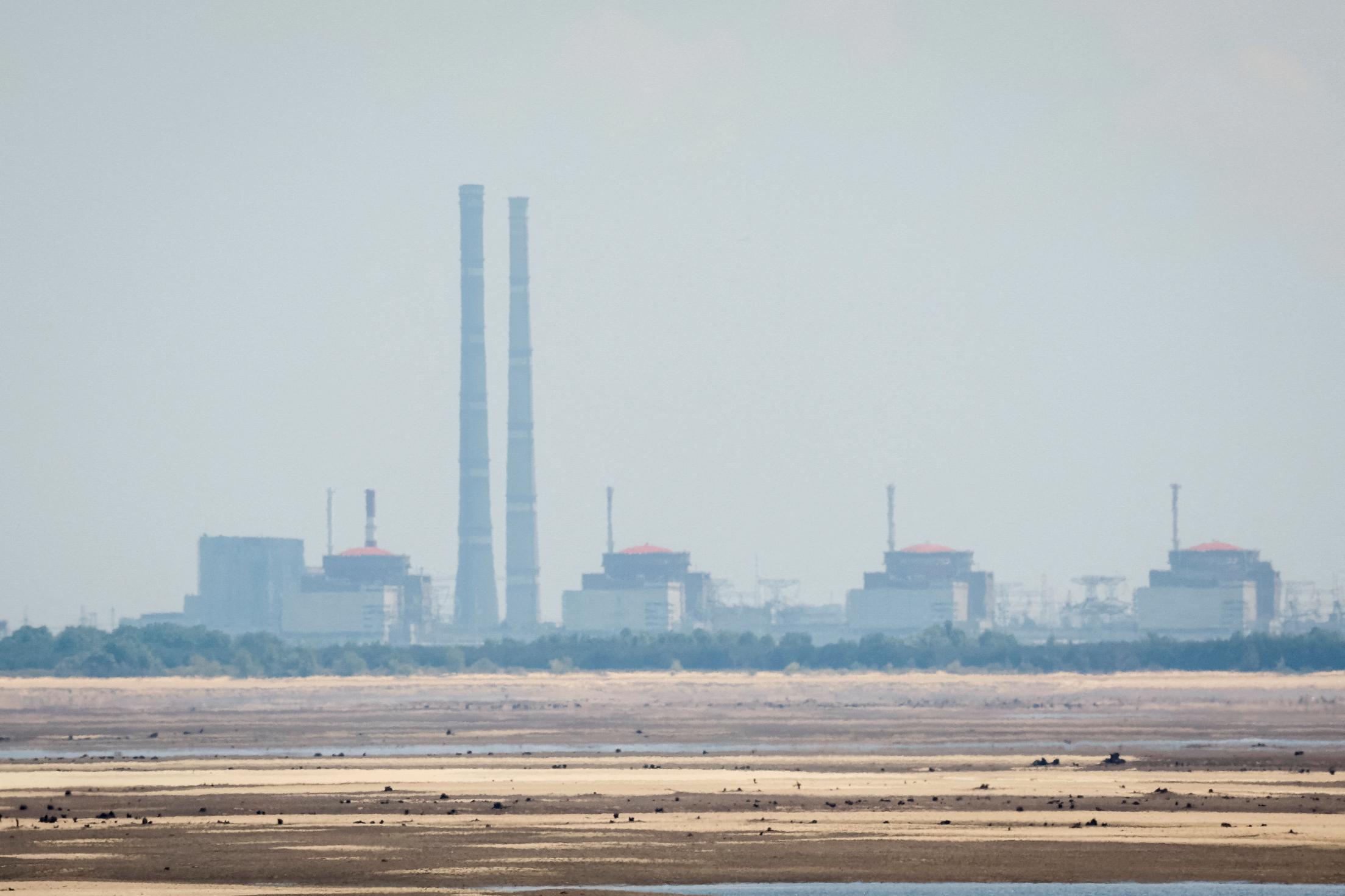
UNITED NATIONS, July 11 (Reuters) - The United Nations General Assembly on Thursday demanded that Russia "urgently withdraw its military and other unauthorized personnel" from Ukraine's Zaporizhzhia nuclear power plant and return it to the full control of Ukrainian authorities. The 193-member General Assembly adopted a resolution with 99 votes in favor, nine against and 60 abstentions. The Zaporizhzhia plant, the largest in Europe, was captured by Russia shortly after it launched a full-scale invasion of Ukraine in February 2022. It is shut down but needs external power to keep its nuclear material cool and prevent a meltdown. Speaking before the vote, Ukraine's U.N. Ambassador Sergiy Kyslytsya urged countries to vote in favor of the resolution, saying: "We owe this to future generations. We must ensure that the horrors of nuclear disasters are not repeated." Throughout the war, Ukraine and Russia have accused each other of shelling the plant and putting down power lines. Ukraine has dismissed Russian accusations, saying it was not attacking nuclear facilities. The U.N. resolution "calls for immediate cessation of the attacks by the Russian Federation against critical energy infrastructure of Ukraine, which increase the risk of a nuclear accident or incident at all nuclear facilities of Ukraine." Deputy Russian U.N. Ambassador Dmitry Polyanskiy told the General Assembly before the vote that the aim of the resolution was "to try to promote the false Western narrative about the source of threats to nuclear facilities in Ukraine." He held up in the General Assembly what he said was the wreckage of a Ukrainian drone that had been used to attack the Zaporizhzhia power plant on April 7. Ukraine has denied it was behind the drone attacks that Polyanskiy referenced. Russia was diplomatically isolated several times during the first year of the war when almost three-quarters of the General Assembly repeatedly voted to denounce Moscow's invasion of Ukraine and demand it withdraw its troops. The resolution adopted on Thursday again demands that Russia "immediately cease its aggression against Ukraine and unconditionally withdraw all of its military forces." The General Assembly has been the focus for U.N. action on Ukraine because the 15-member Security Council has been paralyzed by Russia, which holds a veto power along with the United States, China, France and Britain. The Security Council has just held dozens of meetings on Ukraine. Sign up here. https://www.reuters.com/world/europe/un-demands-russia-withdraw-europes-largest-nuclear-power-plant-ukraine-2024-07-11/
2024-07-11 21:31
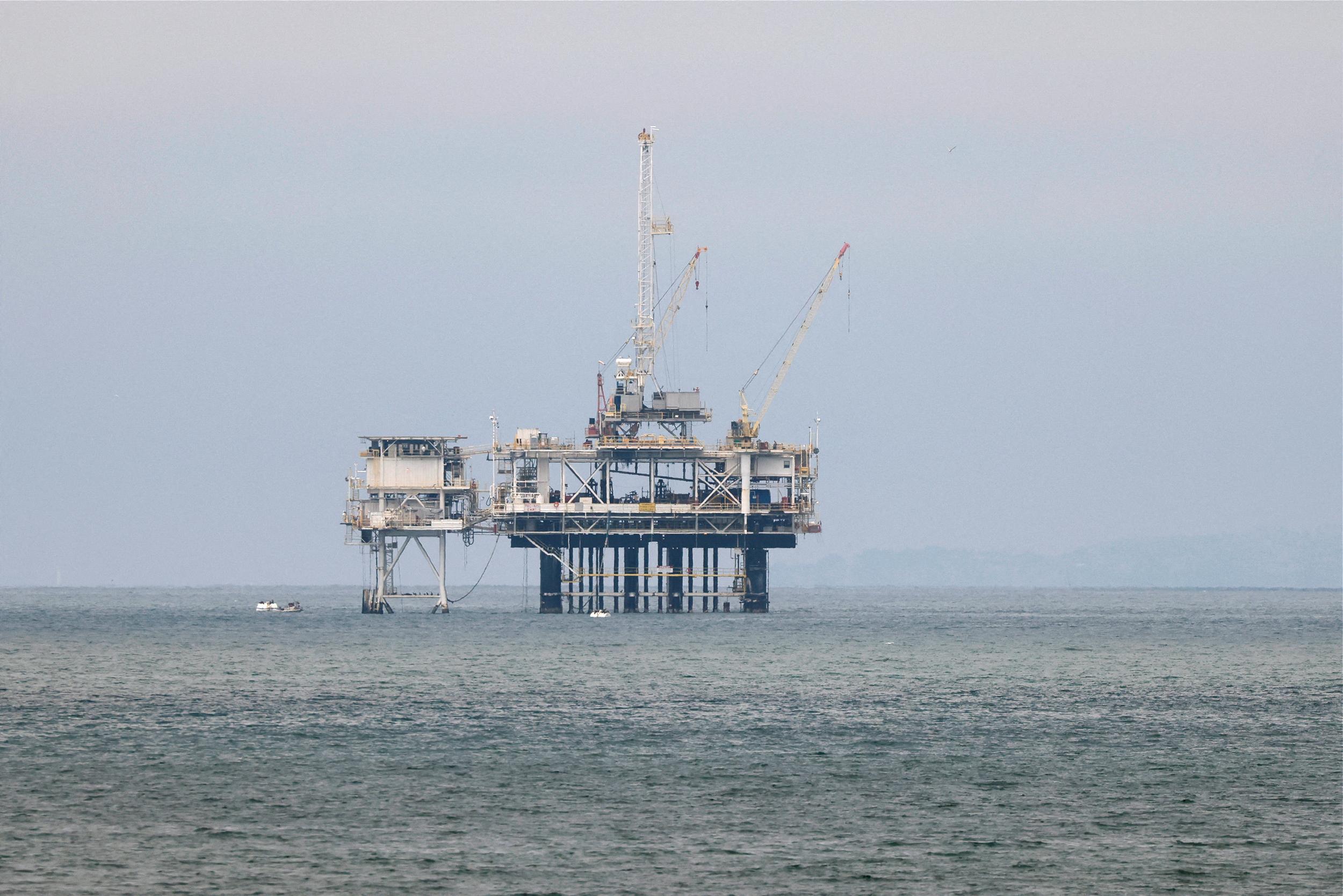
July 11 (Reuters) - An environmental group on Thursday sued the U.S. government over its approach to examining the harm caused by ageing offshore oil and gas infrastructure, citing the risks delayed decommissioning poses to people and the environment. The Center for Biological Diversity filed the lawsuit against the U.S. Interior Department in federal district court in Washington D.C. for "its ongoing failure to examine the harms from offshore oil and gas drilling infrastructure the oil industry has not decommissioned," the group said in a press release. The Interior Department has not examined the harms of unplugged wells and idle platforms to the environment, the environmental group said. When a company signs a lease for offshore oil or gas exploration or production, that initial agreement includes the process of decommissioning the well, according to the Bureau of Ocean Energy Management. But as of June 2023, more than 2,700 wells and 500 platforms were overdue for decommissioning in the Gulf of Mexico, according to the U.S. Government Accountability Office. The Department of Interior declined to comment. Old oil and gas infrastructure must be dismantled and disposed of by plugging wells and removing platforms to prevent damage to the environment. The group said the government's current approach violates the National Environmental Policy Act - which requires federal agencies to assess the environmental effects of proposed actions before decision-making - because the government has not adequately assessed the harm caused by delayed decommissioning. The lawsuit seeks to force the Interior Department to conduct a new analysis that would better protect people, wildlife and the Gulf environment, the Center for Biological Diversity said in a statement. Last month, Texas, Louisiana and Mississippi sued the U.S. government to block the Biden administration's proposed rule that would require the offshore oil and gas industry to provide nearly $7 billion in financial assurances to cover costs of dismantling old infrastructure. The U.S. Gulf of Mexico accounts for the majority of U.S. offshore oil production, and produces roughly 1.8 million barrels per day of oil, according to the last government figures, about 14% of total U.S. output. Sign up here. https://www.reuters.com/legal/us-sued-over-failure-examine-harms-delayed-offshore-oil-decommissioning-2024-07-11/
2024-07-11 21:30
CHICAGO, July 11 (Reuters) - The "last mile" of the Federal Reserve's battle against inflation may have shortened to a last lap after U.S. consumer prices unexpectedly fell in June, shoring up policymakers' confidence that they are winning the fight and paving the way to interest-rate cuts in coming months. The consumer price index slid 0.1% last month after being unchanged in May, the Labor Department's Bureau of Labor Statistics said on Thursday. It was the weakest monthly reading since May 2020, early in the pandemic, while the 3% year-over-year rise was the lowest reading in a year. Over the past three months consumer prices have risen at just a 1% annual rate. "This is what the path to 2% looks like," Chicago Fed President Austan Goolsbee told reporters, calling the latest inflation data "excellent" and the improvement on what has been sticky housing inflation "profoundly encouraging." St Louis Fed President Alberto Musalem gave a slightly more muted thumbs up, calling it "encouraging further progress" toward the Fed's 2% inflation target. A "welcome relief," said San Francisco Fed President Mary Daly, adding that the gradual easing of price pressures bolsters the case for lower interest rates even if the timing remains a matter for debate. "With the information we have received today, which includes data on employment, inflation, growth, and the outlook for the economy, I see it as likely that policy adjustments, some policy adjustments, will be warranted," Daly said. "Exactly when that happens ... is still unclear." At the Fed's July 30-31 meeting, the policy makers are expected to maintain the policy rate at 5.25%-5.5%, but they may set the table to lower rates in light of renewed progress on easing price pressures. After July, the Fed's next policy meeting is in mid-September. Traders reacted swiftly to Thursday's data, pricing in about a 90% chance of a September rate cut, up from about 70% earlier, and moving forward bets on a second rate cut to November, with about even odds of a third rate cut by year's end. Banking giant JPMorgan and Macquarie pulled forward their expectations for an initial rate cut to September from November and December, respectively. "The doves have what they need" to cut rates even as soon as the July meeting, said Neil Dutta, Renaissance Macro's head of economic research. He added that while a July rate cut may be too abrupt for a central bank that, when possible, likes to flag decisions in advance to let the public adjust over time, rate cut proponents "should not leave the table unless Powell agrees to make a strong signal" for a cut in September. Fed Chair Jerome Powell may not take much persuading. In two days of testimony before Congress this week, Powell appeared to edge the door open to a September rate cut, saying that the U.S. economy was "no longer overheated" and that "more good data" on inflation would lay the groundwork to reduce the benchmark policy interest rate, which has been held in the 5.25% to 5.5% range for more than a year. Fed officials consider the current rate "restrictive" on the economy. Between the easing of price pressures and a still modest-but-steady rise in the unemployment rate, they have begun actively considering rate cuts while becoming more concerned about slowing the economy too much. June's consumer price report may help solidify the case to begin easing policy, and a report due on Friday on producer prices could provide another potential building block. The slowing of shelter inflation to 0.2% on the month, the weakest since August 2021, was "clearly the most important development," said Inflation Insights President Omair Sharif, as Fed officials have been confident of a slowing in housing costs but were reluctant to act on that basis without evidence in official data. Powell speaks in public again on Monday at the Economic Club of Washington, a prominent platform to share how the latest round of inflation is being interpreted by the central bank. Fed governors Christopher Waller, Adriana Kugler and Michelle Bowman are also slated to speak next week, the last speeches by Fed officials before July 20 when a communications blackout prior to the upcoming policy meeting is set to begin. There will be particular focus on what changes may be made in the Fed's July policy statement, and whether officials have decided they no longer need to refer to inflation as "elevated." Ahead of the July meeting, data on the Personal Consumption Expenditures Price Index for June will be released. The PCE index is used to set the Fed's 2% inflation target and was last reported at 2.6%. The first estimate of second-quarter economic growth will also be out before the meeting, with Fed officials generally expecting the economy to be growing near trend but slower than last year. "Today's data sets the Fed up for September-December rate cuts, with the groundwork being laid at the July 31 meeting," said III Capital Management Chief Economist Karim Basta. Sign up here. https://www.reuters.com/markets/us/traders-boost-bets-fed-rate-cut-sept-after-cpi-data-2024-07-11/