
2024-07-11 12:04
BEIJING, July 11 (Reuters) - Torrential rain in the megacity of Chongqing in southwestern China triggered mudslides and flooding that killed at least six people and caused widespread disruption, Chinese state media reported. Extreme rainfall has hit southern, central and eastern parts of China in a flood season that started earlier than usual this year. Torrential rain since Wednesday has pelted Chongqing, which has a population of over 32 million, more than the capital Beijing, making it one of China's most densely-populated cities. Two drowned and four died from landslides and other flood-related events, state broadcaster CCTV said, as floodwaters rose to as high as two metres in some areas. A meteorological station in Dianjiang county, within Chongqing, measured 254.6 millimetres (10.02 inches) of rainfall from 10 p.m. Wednesday to 7 a.m. Thursday, the highest daily precipitation on record for the county. Such severe flooding calls into question whether China's "sponge city" initiative launched in 2015 is effective. The initiative aims to boost flood resilience in major cities and make better use of rainwater through architectural, engineering and infrastructural tweaks. A video posted by CCTV showed floodwaters gushing down roads, residential areas swamped and rescuers saving residents in chest-high waters. The deluge also disrupted transportation. Chongqing's railway station suspended 26 passenger lines on Thursday. China's weather bureau said last week the country faced more frequent and unpredictable heavy rain as a result of climate change, further testing its capability to cope with extreme weather events. Government departments have allocated 4.17 billion yuan ($573.49 million) so far this year to disaster relief, according to a Reuters tally. China's top legislature last month passed a revised law that was aimed to improve the efficacy of emergency prevention and response. ($1 = 7.2713 Chinese yuan renminbi) Sign up here. https://www.reuters.com/world/china/torrential-rain-chinas-megacity-chongqing-kills-six-2024-07-11/

2024-07-11 12:00
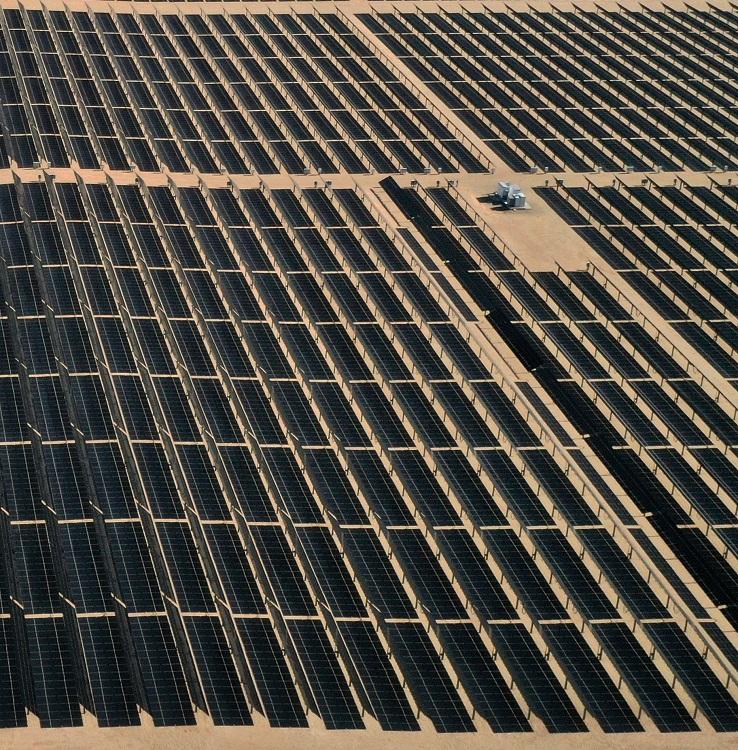
LITTLETON, Colorado, July 11 (Reuters) - Combined electricity generation from solar and wind farms in the United States surpassed output from nuclear plants for the first time during the opening half of 2024, cementing renewable energy assets as the primary source of clean power in the country. Electricity generation from utility-scale solar and wind assets during the first half of 2024 was a record 401.4 terawatt hours (TWh), compared to 390.5 TWh from nuclear reactors, data from energy think tank Ember shows. That marked the first time over a half-year period that renewables electricity supplies exceeded nuclear-powered electricity output, and is a significant milestone in U.S. energy transition efforts. With utilities building out solar and wind capacity at a faster pace than any other generation source, 2024 looks set to be the first full year when more U.S. electricity will come from renewables than from any other form of clean power. MOUNTING SHARE From 2015 through the end of 2023, combined monthly electricity generation from utility-run solar and wind farms only surpassed output from U.S. nuclear plants on three occasions: in April and May of 2022, and in April 2023, according to Ember data. This year, solar plus wind output has surpassed nuclear output for the past four months running, and resulted in solar plus wind output exceeding nuclear output by nearly 3% during the opening half of the year. During the same half-year period a year ago, nuclear-powered electricity output was more than 9% greater than electricity output from solar and wind sources, which underscores how rapid the growth has been in renewable energy output. FAST PACE During the first half of 2024, electricity generation from solar assets was 149.6 TWh and 251.7 TWh from wind farms. Those totals are up 30% and 10% respectively from the same period in 2023, and were both records for the first half of the year. Nuclear electricity generation during the first half was 3.4% above the same period in 2023, but down slightly from the latter half of 2023 and suggests U.S. nuclear generation may have limited scope for any substantial further gains over the near to medium term. CAPACITY TRENDS Installed capacity is the key driver of electricity generation potential across the U.S., and over the past five years renewables capacity has vastly outpaced capacity growth from all other power sources. From 2018 to 2023, utility solar generation capacity leaped 168% to 139 gigawatts (GW) while wind capacity grew 56% to 148 GW, according to Ember. That compares to a nearly 4% reduction in national nuclear generation capacity over that period, and a 40% rise in overall clean electricity generation capacity to roughly 483 GW. Total fossil fuel generation capacity declined by 3.7% from 2018 to 2023 to around 775 GW, including a 23% drop in coal-fired generation capacity. In 2024, developers plan to add a further 34 GW of solar capacity, while wind generation capacity is expected to remain largely flat, according to the U.S. Energy Information Administration (EIA). If those plans are completed, that would mean solar capacity could surpass wind capacity for the first time, and would result in a further large rise in solar electricity generation. And given U.S. nuclear generation is likely to remain flat for the near to medium term, that means combined solar and wind generation potential looks set to make further gains relative to other forms of clean power and to establish renewables as the primary source of clean electricity in the U.S. Sign up here. https://www.reuters.com/markets/commodities/us-renewables-electricity-output-overtaking-nuclear-2024-07-11/
2024-07-11 11:57
July 11 (Reuters) - PepsiCo (PEP.O) New Tab, opens new tab missed expectations for second-quarter revenue on Thursday as a series of price hikes and competition from private-label brands slowed sales of its snacks and soda mainly in the United States, its largest market. Analysts have said that product prices, which are starting to normalize almost after two years of multiple hikes, are still higher than the pre-pandemic levels, giving packaged-food companies such as PepsiCo little room to raise prices as volumes shrink. PepsiCo raised average prices on its products by 5% for the quarter ended June 15, in line with the first quarter. However, overall organic volumes slipped 3% in the reported quarter. Company executives said year-to-date performance across many food categories, including snacks, has been subdued and consumers have become more value-conscious with spending and preferences across brands, packages and channels. Frito-Lay North America, which sells Lay's and Doritos chips, contributed about 27% to PepsiCo's total revenue in fiscal 2023 and is the company's second-largest business after the North America beverages unit, which accounted for about 30% of overall sales. Shares of the company fell 2.2% in premarket trading after PepsiCo also said it expected fiscal 2024 organic revenue to be about 4%, compared with prior expectations of at least 4%. "They are on the lower side of projections here, they're seeing the weakness here and we've been talking about that for several quarters now and that seems to be ongoing, especially in the lower-income consumer, which is no surprise," said Don Nesbitt, senior portfolio manager at F/m Investments. Still, easing production and other expenses from pandemic peaks, along with the impact of price hikes, helped PepsiCo post an adjusted profit of $2.28 per share, beating LSEG estimates of $2.16. The company's revenue rose 0.8% to $22.50 billion in the quarter, while analysts had estimated $22.57 billion. Sign up here. https://www.reuters.com/business/retail-consumer/pepsico-quarterly-revenue-misses-estimates-slowing-demand-snacks-sodas-2024-07-11/

2024-07-11 11:57
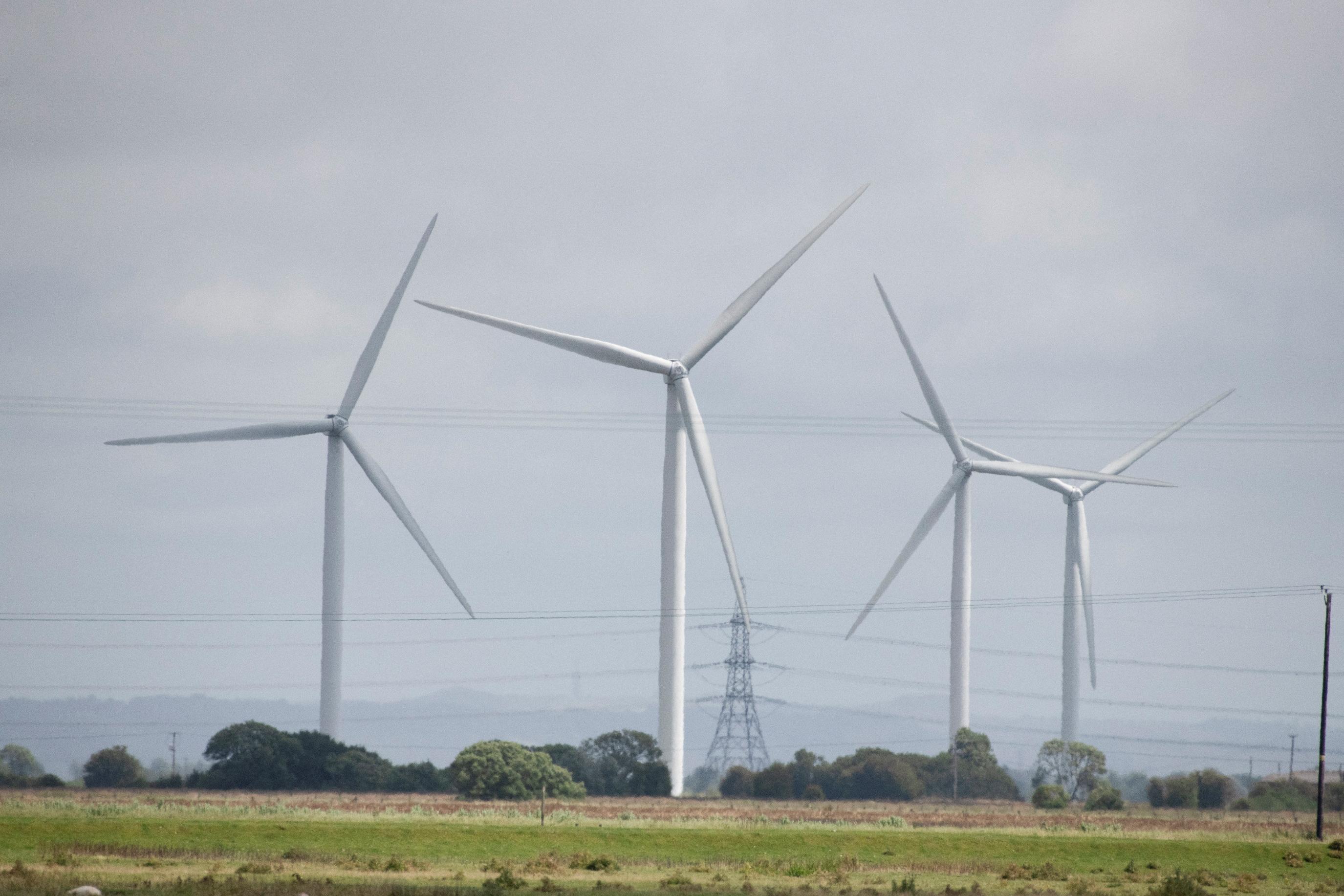
LONDON, July 11 (Reuters) - The world risks missing a goal to triple renewable energy capacity by 2030 as the current growth rate is inadequate, a report by the International Renewable Energy Agency (IRENA) showed on Thursday. CONTEXT A U.N. climate change conference in Dubai last year set a goal of tripling renewable energy capacity worldwide by 2030 to more than 11 terawatts (TW). Countries have to submit new or updated climate target commitments every five years after 2020 so next year they have to include revised ambitions for 2030. WHY IT'S IMPORTANT About 473 gigawatts (GW) of capacity was added last year, representing a 14% increase from the year before and the largest annual growth since 2000, IRENA said in a report. BY THE NUMBERS To meet the target, the world will have to add renewables capacity at a minimum 16.4% rate annually to 2030. However, if last year's 14% increase rate continues, the 11 TW target will be 1.5 TW short. If the world keeps its historic annual growth rate of 10%, it will only accumulate 7.5 TW of renewables capacity by 2030, missing the target by almost one third, IRENA data showed. KEY QUOTE "Renewable energy has been increasingly outperforming fossil fuels, but it is not the time to be complacent," said Francesco La Camera, director general of IRENA. "If we continue with the current growth rate, we will only face failure in reaching the tripling renewables target agreed in the UAE Consensus at COP28," he added. Sign up here. https://www.reuters.com/sustainability/climate-energy/renewables-growth-rate-insufficient-reach-2030-target-says-irena-2024-07-11/
2024-07-11 11:36
Vitol, Trafigura, Mercuria expand trading Traders acquire refineries, assets from majors Traders can pay bonuses higher than BP, Shell CEO's remunerations LONDON, July 11 (Reuters) - Several high-profile energy traders have in recent weeks quit oil majors for trading houses, multiple sources told Reuters on Thursday, as talent follows assets swapping hands and as trading houses ramp up bonuses. Trading houses such as Vitol and Trafigura have acquired tens of billions of dollars worth of assets from oil majors over the past decade, using profits which jumped since 2022 due to energy markets' volatility caused by Russia's war in Ukraine. Privately-owned commodities trading houses have snapped up refineries and terminals as oil majors come under increased pressure from shareholders to invest in greener energy. "We build our asset base while majors have less and less assets to trade around. Naturally, traders leave to join us," said a top executive at a major trading house. The world's largest and most profitable oil trader Vitol has hired Shell's (SHEL.L) New Tab, opens new tab head of LNG marketing Mehdi Chennoufi, crude trader Lionel Ader from French oil major TotalEnergies (TTEF.PA) New Tab, opens new tab and Shell's West African crude trader Michas Barry, three sources familiar with the developments said. Vitol also hired one of Trafigura's key crude traders Jordan Dowle, who specialised in North Sea and Mediterranean markets, the sources said. Trafigura has hired at least six traders from oil majors, according to three separate sources, including BP's (BP.L) New Tab, opens new tab London-based crude originators Jason Breslaw and Tamoor Ali. The hiring follows recent high profile departures from BP and Shell. BP's head of trading Sven Boss-Walker left the firm after 25 years, Reuters reported last month. BP staff were told he is joining an independent start-up, according to a trading source. Trading house Mercuria earlier this year hired Shell's head of LNG Steve Hill. Last year, Mercuria hired Bill McGrath from Shell as managing director for low carbon. John Lo, who was previously manager at Shell LNG trading and refined products, has left to specialise in carbon credit, two separate sources said. Vitol, Trafigura, Mercuria, BP and Shell declined to comment. The hiring spree by trading houses continues a trend which started a decade ago when top commodities traders jumped ship from banks such as Goldman Sachs, Morgan Stanley and JP Morgan after the U.S. imposed caps on proprietary trading following the Lehman Brothers and Bear Stearns collapses. Most traders at Vitol, Trafigura and others get their pay as a percentage of profit of their book, according to at least a dozen trading sources. It is not unusual for a top trader to earn millions of dollars during a successful year, according to sources close to the firms. Vitol, which makes many of its senior traders partners in the company, paid $5 billion in dividends last year and rival Trafigura paid $5.9 billion. That resulted in payments of dozens of millions of dollars to some partner-shareholders, according to the sources. Vitol and Trafigura declined to comment. BP, Shell and other majors struggle to match such bonuses, the sources said, because as publicly listed companies they face bigger scrutiny by shareholders. BP's and Shell's CEOs Murray Auchincloss and Wael Sawan took home just slightly over $10 million each in salary and bonuses last year. Sign up here. https://www.reuters.com/business/energy/trading-houses-lure-top-talent-bp-shell-2024-07-11/

2024-07-11 11:26
LONDON, July 11 (Reuters) - British reality television stars charged with promoting unauthorised trading schemes on Instagram face a trial in 2027, after they pleaded not guilty in a London court on Thursday. Emmanuel Nwanze, 30, and Holly Thompson, 34, are alleged to have offered advice on trading high-risk foreign exchange contracts for difference on the social media platform between 2018 and 2021 without authorisation. Britain's Financial Conduct Authority alleges Nwanze paid reality TV stars Biggs Chris, Jamie Clayton, Lauren Goodger, Rebecca Gormley, Yazmin Oukhellou, Scott Timlin and Eva Zapico to promote the @holly_fxtrends account to their followers. Chris, Clayton, Gormley and Zapico have starred in TV show "Love Island" while Goodger and Oukhellou are "The Only Way is Essex" stars. The FCA announced the charges in May, marking the first crackdown on "finfluencers", social media influencers offering financial advice. Thompson, Chris, Clayton, Goodger, Gormley, Oukhellou, Timlin and Zapico each face one count of issuing unauthorised communications of financial promotions, an offence that can be punishable by a fine and up to two years in jail. All of them apart from Zapico pleaded not guilty to the charge at Southwark Crown Court on Thursday. Zapico was not required to attend and is expected to enter a plea in September. Nwanze was charged with running an unauthorised investment scheme and one count of unauthorised communications of financial promotions. He pleaded not guilty to both charges. Judge Sally-Ann Hales said the defendants would stand trial in early 2027. Sign up here. https://www.reuters.com/world/uk/uk-reality-tv-finfluencers-face-2027-trial-investment-charges-2024-07-11/


