2024-07-11 07:23
NAIROBI, July 11 (Reuters) - South Sudan's President Salva Kiir has sacked the country's finance minister who was just four months into the job, state-owned television reported, the sixth replacement in the post since 2020. Kiir gave no reason for firing Awow Daniel Chuong, who was appointed in mid March this year, the report said late on Wednesday, and economist Marial Deng has been tapped to replace him as finance minister. South Sudan's economy has been under pressure in recent years amid communal violence, with crude oil export revenue having dwindled since a 2013-2018 civil war and more recently export disruptions due to war in neighbouring Sudan. Central bank governor James Alic Garang said in May South Sudan's foreign exchange reserves were at historic lows New Tab, opens new tab. The International Monetary Fund projects consumer price inflation at a lofty 54.8% this year. Kiir became South Sudan's first president in 2011 when it gained independence from Sudan. The country is due to elect a president, members of parliament and regional representatives in December. Sign up here. https://www.reuters.com/world/africa/south-sudans-president-sacks-finance-minister-sixth-since-2020-2024-07-11/
2024-07-11 07:22
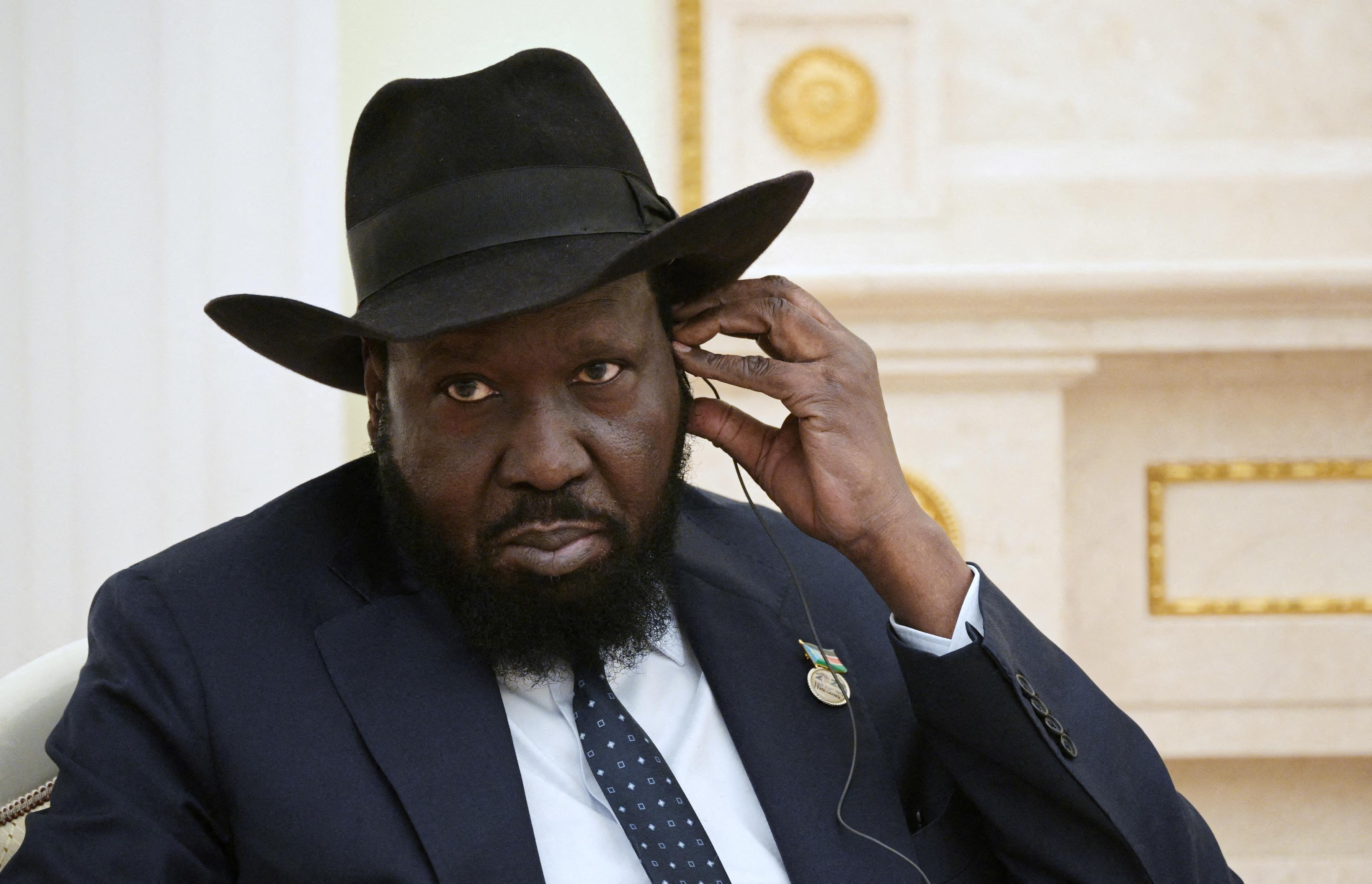
ERBIL, Iraq, July 11 (Reuters) - Heading for Turkey to the north and Iran to the east, hundreds of oil tankers snake each day from near Kurdistan's capital Erbil, clogging the Iraqi region's often winding and mountainous highways. The tankers are the most visible aspect of a massive operation to truck oil from the semi-autonomous region of Iraq to Iran and Turkey in murky, off-the-books transactions that have boomed since an official export pipeline closed last year. Reuters pieced together the details of this flourishing trade through conversations with over 20 people including Iraqi and Kurdish oil engineers, traders and government officials, politicians, diplomats and oil industry sources. They painted a picture of a booming business in which more than 1,000 tankers carry at least 200,000 barrels of cut-price oil every day to Iran and, to a lesser extent, Turkey - bringing in about $200 million a month. The scale of the unofficial exports, which has not previously been reported, is one reason Iraq has been unable to stick to output cuts agreed with the OPEC oil cartel this year, Iraqi officials said. Iranian and Turkish officials did not respond to requests for comment. Iraqi oil ministry spokesperson Assim Jihad said the Kurdistan trade was not approved by the Iraqi government and state oil marketer SOMO was the only official entity allowed to sell Iraqi crude. He said the government did not have accurate figures for how much oil was being smuggled into Iran and Turkey. "OPEC now has less patience for smuggling and has even been known to slap punitive measures on offending members. I doubt we'll see any retribution against Baghdad because it's well known that the Kurdish region lies outside central control," said Jim Krane at Rice University's Baker Institute in Houston. The business could also put Kurdistan on a collision course with close ally Washington, as it assesses whether the trade breaches any U.S. economic sanctions on Iran, according to a U.S. official. Until last year, Kurdistan exported most of its crude via the official Iraq-Turkey Pipeline (ITP) running from the Iraqi oil city of Kirkuk to the Turkish port of Ceyhan. But those exports of about 450,000 barrels per day (bpd) halted in March 2023 when an international tribunal ruled in favour of the Iraqi federal government's call for the shipments to stop - leaving the pipeline in legal and financial limbo. The federal administration in Baghdad, which has long held that it is the only party authorised to sell Iraqi oil, successfully argued that Turkey arranged the exports with the Kurdistan regional government without its consent, in breach of a 1973 treaty. 'NO TRACE' Tankers soon started taking Kurdish oil to neighbouring countries instead and the business accelerated this year after talks to reopen the pipeline stalled, industry sources, oil officials and diplomats said. Local officials said none of the proceeds are accounted for, or registered, in the coffers of the Kurdistan Regional Government (KRG), which has been struggling to pay thousands of public employees. "There is no trace of the oil revenues," said regional lawmaker Ali Huma Saleh, who was chair of the oil committee in Kurdistan's parliament until it was dissolved in 2023. He put the trade at over 300,000 bpd, higher than most other estimates. Hiwa Mohammed, a senior official in the Patriotic Union of Kurdistan (PUK), one of Kurdistan's two ruling parties, said the oil was going through border crossings with the knowledge of the regional and federal governments. KRG Treasury officials did not respond to requests for comment. The KRG Ministry of Natural Resources, which oversees oil trading in Kurdistan, does not have a spokesperson. A U.S. official said Washington was looking at the oil trade to assess compliance with sanctions on Iran. The U.S. Treasury Department declined to comment. A State Department official said: "U.S. sanctions on Iran remain in place, and we regularly engage with partners on sanctions enforcement issues, but we do not detail those conversations." A senior official at Kurdistan's natural resources ministry said oil production in the region was running at 375,000 bpd, of which 200,000 was trucked to Iran and Turkey, and the rest refined locally. "Nobody knows what happens to the revenues from the 200,000 smuggled abroad, or the oil derivatives sold to refineries in the region," said the official, who declined to be named because the sensitivity of the matter. CUT-PRICE CRUDE The crude is sold by oil companies in Kurdistan to local buyers at cut-price rates of $30 to $40 a barrel, or about half the global rate , which equates to at least $200 million a month in revenue, industry and political sources said. Kurdistan's oil production is majority controlled by eight international oil firms: DNO ASA (DNO.OL) New Tab, opens new tab, Genel Energy (GENL.L) New Tab, opens new tab, Gulf Keystone Petroleum (GKP.L) New Tab, opens new tab, ShaMaran Petroleum (SNM.V) New Tab, opens new tab, HKN Energy, WesternZagros, MOL's (MOLB.BU) New Tab, opens new tab Kalegran and Hunt Oil Company. Hunt Oil, based in the United States, declined to comment. The other seven companies did not respond to requests for comment, nor did local company KAR Group, a major player in Kurdistan. While most oil production halted when the pipeline closed, some companies including DNO, Keystone and ShaMaran have said in statements they have since started producing crude for sale to buyers within Kurdistan. ShaMaran said the average price of oil it sold in the first three months of 2024 was $36.49 per barrel while Keystone said in June that sales of crude from the Shaikan Field this year were bringing in about $28 a barrel. The industry sources said approved local buyers take the crude from oil companies and sell it on through middlemen for export, without the knowledge of the producers. The vast majority of the trucked oil goes to Iran, most of the industry and political sources said, via official Iraqi border crossings including Haji Omaran, or via Penjwen further south. From there, it is loaded onto ships at Iranian ports in the Gulf at Bandar Imam Khomeini and Bandar Abbas - a trade route used in the past for Kurdish oil exports - or transferred by road to Afghanistan and Pakistan, industry, political and diplomatic sources said. Reuters could not determine what Iran, which faces difficulties selling its own oil products because of sanctions, gets out of the trade, nor who is receiving the oil in Iran. The PUK's Mohammed said it was sent to Iran to be refined into gasoline. Pakistan's petroleum ministry declined to comment. Afghan officials did not respond to requests for comment. BLACK-MARKET LABYRINTH The trade is the latest iteration of a long-standing Iraqi black-market oil business widely seen as benefiting political elites who are closely linked to business interests. Twelve people said officials in Kurdistan's two ruling parties, the Kurdistan Democratic Party (KDP) of the Barzani clan and the PUK of the Talabani clan, were the beneficiaries. "There is a labyrinth of black-market salespeople getting paid, and people approving those sales. It's not that they are just looking the other way. They're taking their share," an industry source working in the Kurdish oil trade said. A senior diplomat in Baghdad said political interests were so vested in the trade that resuming official exports via the pipeline, once seen as a priority, had dropped down the diplomatic agenda. "I'm not going to be advocating for this while they're all having a party," the person said. KDP officials did not respond to requests for comment about the black-market trade. Mohammed, the PUK official, did not comment on who might be behind it. Kurdish officials say the region was forced into the trade by the pipeline closure, which they see as part of a broader effort by Iran-backed Shi'ite parties in Baghdad to curb the relative autonomy they have enjoyed since the end of the first Gulf war in 1991. A senior Iraqi parliamentary official familiar with oil matters said Baghdad was aware of the details of the business but was avoiding public criticism as officials seek to resolve outstanding disputes with Erbil. Putting pressure on Erbil to stop oil smuggling would corner the region and deprive it of all sources of funding, which could result in its collapse, said the person, who declined to be named due to the sensitivity of the issue. The trade has been cited privately by Iraqi officials as being behind Baghdad's inability to stick to its OPEC production quotas, a bone of contention with OPEC's de facto leader Saudi Arabia. Jihad, the oil ministry spokesman, said Iraq, which has pledged to scale back output this year to make up for the overproduction, was committed to voluntary production cuts. For now, the sheer volume of tankers snarling up highways, and getting involved in accidents, is angering residents along major thoroughfares. "It's very painful," said Rashid Dalak, visiting the grave of his brother Rouzkar, who was killed in a crash with a tanker in May on the highway between Erbil and Sulaimaniya that leads to the Iranian border. "Despite passing through and damaging our roads and killing our loved ones ... no-one here has seen a dollar." Sign up here. https://www.reuters.com/world/middle-east/kurdish-oil-smuggling-iran-flourishes-2024-07-11/
2024-07-11 06:27
MSCI global stock index loses steam after hitting record Dollar loses sharply against yen, bond yields fall In commodities: oil settles up, gold rallies 1.8% NEW YORK/LONDON, July 11 (Reuters) - A global index of stocks edged down and bond yields fell on Thursday after U.S. inflation data boosted bets on interest-rate cuts while the yen surged against the dollar, raising questions about whether Japan intervened to boost its currency. U.S. Treasury yields dropped across the board after U.S. consumer prices unexpectedly slipped 0.1% in June after being unchanged in May, while the annual increase was the smallest in a year, reinforcing views that inflation was abating. The report followed U.S. Federal Reserve Chair Jerome Powell's testimony to lawmakers on Capitol Hill that "more good data" would build the case for interest-rate cuts. "The CPI print is the big macro driver today. Any way you look it's encouraging news. It's further evidence that basically gets the Fed across the finish line to that level of confidence to initiate rate cuts," said Garrett Melson, portfolio strategist at Natixis in Boston. Despite the supportive data, Wall Street's two biggest indexes fell as investors rotated into lower-weighted interest-rate-sensitive sectors such as real estate (.SPLRCR) New Tab, opens new tab and utilities (.SPLRCU) New Tab, opens new tab and out of heavy-weight sectors such as technology (.SPLRCT) New Tab, opens new tab, which has already rallied this year. The interest-rate-sensitive small cap Russell 2000 index (.RUT) New Tab, opens new tab rallied more than 3%. Since investors now believe that the Fed is ready to start cutting interest rates, Sam Stovall, chief investment strategist at CFRA Research suggested they are already placing their bets without having to "wait for them to actually do it." The Dow Jones Industrial Average (.DJI) New Tab, opens new tab rose 32.39 points, or 0.08%, to 39,753.75. But the S&P 500 (.SPX) New Tab, opens new tab lost 49.37 points, or 0.88%, to 5,584.54 and the Nasdaq Composite (.IXIC) New Tab, opens new tab lost 364.04 points, or 1.95%, to 18,283.41, with both snapping long winning streaks. The benchmark S&P's decline followed six straight record-high closes while the Nasdaq's retreat on Thursday ended a seven-session streak of closing records. MSCI's gauge of stocks across the globe (.MIWD00000PUS) New Tab, opens new tab fell 0.76 points, or 0.09%, to 824.01 after rising about 0.7% to a record high earlier in the day. Europe's STOXX 600 (.STOXX) New Tab, opens new tab index earlier closed up 0.6%. In currencies, the dollar dropped, with the Japanese yen at one point gaining more than 2% against the greenback as traders priced in the likelihood of U.S. rate cuts. The yen move was so steep that there was speculation about whether Japan had moved to shore up the currency, which fell last week to a 38-year low against the greenback. Japan's TV Asahi, citing government sources, reported that Japanese authorities had intervened. But the country's top currency diplomat Masato Kanda said he was not in position to comment on whether authorities had intervened, according to a Jiji Press report. The dollar index , which measures the greenback against a basket of currencies including the yen and the euro, fell 0.48% to 104.47. The euro was up 0.31% at $1.0864. Against the Japanese yen , the dollar weakened 1.75% at 158.84. And Sterling strengthened 0.51% at $1.291 after hitting an almost one-year high as comments from Bank of England policymakers and better-than-forecast GDP data led traders to reduce bets on an August rate cut in Britain. In Treasuries, after the inflation data U.S. two-year to 10-year yields slid to their lowest since mid-March, while those on 20-year and 30-year bonds sagged to two-week troughs. The yield on benchmark U.S. 10-year notes fell 7.4 basis points to 4.206%, from 4.28% late on Wednesday. The 30-year bond yield fell 5.6 basis points to 4.4144% from 4.47% late on Wednesday. The 2-year note yield, which typically moves in step with interest-rate expectations, fell 12 basis points to 4.513%, from 4.633% late on Wednesday. In commodity trading, oil prices edged higher after the inflation data. U.S. crude settled up 0.6%, or 52 cents at $82.62 a barrel and Brent rose to $85.40 per barrel, up 0.4%, or 32 cents. Spot gold , added 1.82% to $2,414.27 an ounce. U.S. gold futures gained 1.77% to $2,414.10 an ounce as the precious metal was bolstered by the prospect of rate cuts. Sign up here. https://www.reuters.com/markets/global-markets-wrapup-1-2024-07-11/
2024-07-11 06:16
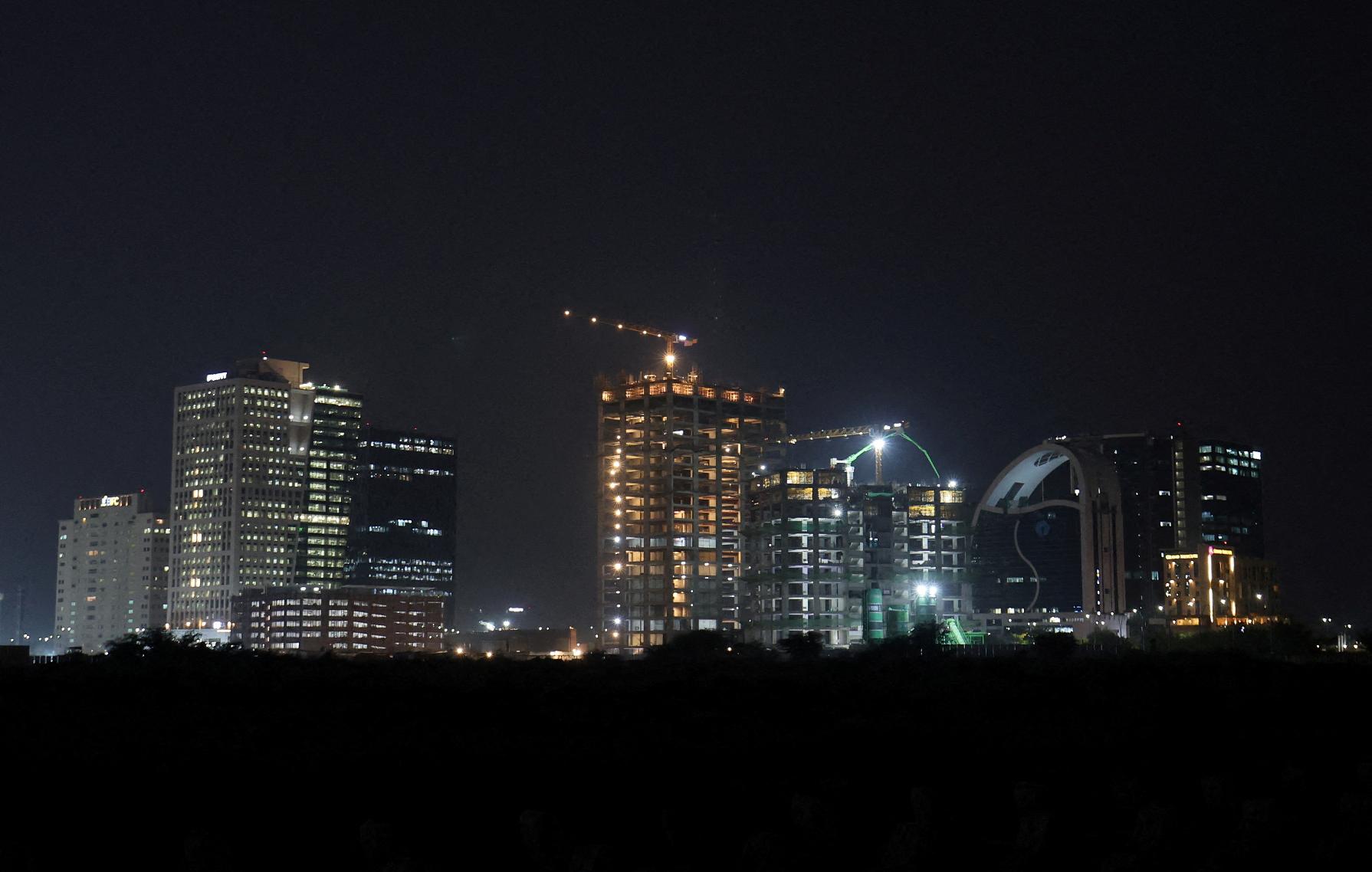
MUMBAI, July 11 (Reuters) - Indians have been allowed wider usage of foreign currency accounts at the Gujarat International Finance Tec-City, or GIFT City, boosting business prospects for a finance hub pushed by Prime Minister Narendra Modi. GIFT City, launched in the western state of Gujarat by Modi in 2011, has been planned as an alternative to regional financial centres like Dubai. It offers easier regulations compared with the rest of India but has seen a slow pick up in interest from foreign investors. The latest changes, announced by the Reserve Bank of India in a circular late on Wednesday, allow Indian investors to use GIFT City as a route for more overseas spending and investments. Indians are allowed to remit up to $250,000 overseas each year for education and medical expenditure as well as certain kinds of investments. So far, foreign currency accounts in the finance hub could only be used for investing in overseas-listed securities and for paying tuition for foreign universities at GIFT City. The relaxation of norms will help banking and financial services in the finance hub, such as payments and insurance. The biggest beneficiary will be banks and the move will "open up the window" for life insurance companies, Jaiman Patel, partner at EY India said. It will give India visibility over how money remitted overseas is being deployed, as authorities can seek data more easily, Suresh Swamy, partner, PwC in Mumbai said. "Financial services activity which was getting routed through other jurisdictions such as Singapore or Dubai can now be done through International Financial Services Centre," he said. The overarching rules for remittances out of India will still hold, former central bank deputy governor R. Gandhi said. Over the last year, Indian authorities have taken a number of decisions to boost activity at GIFT City, including allowing the listing of Indian companies and permitting the wealthy to open family investment funds. Sign up here. https://www.reuters.com/world/india/india-widens-use-foreign-currency-accounts-gift-city-2024-07-11/
2024-07-11 06:10
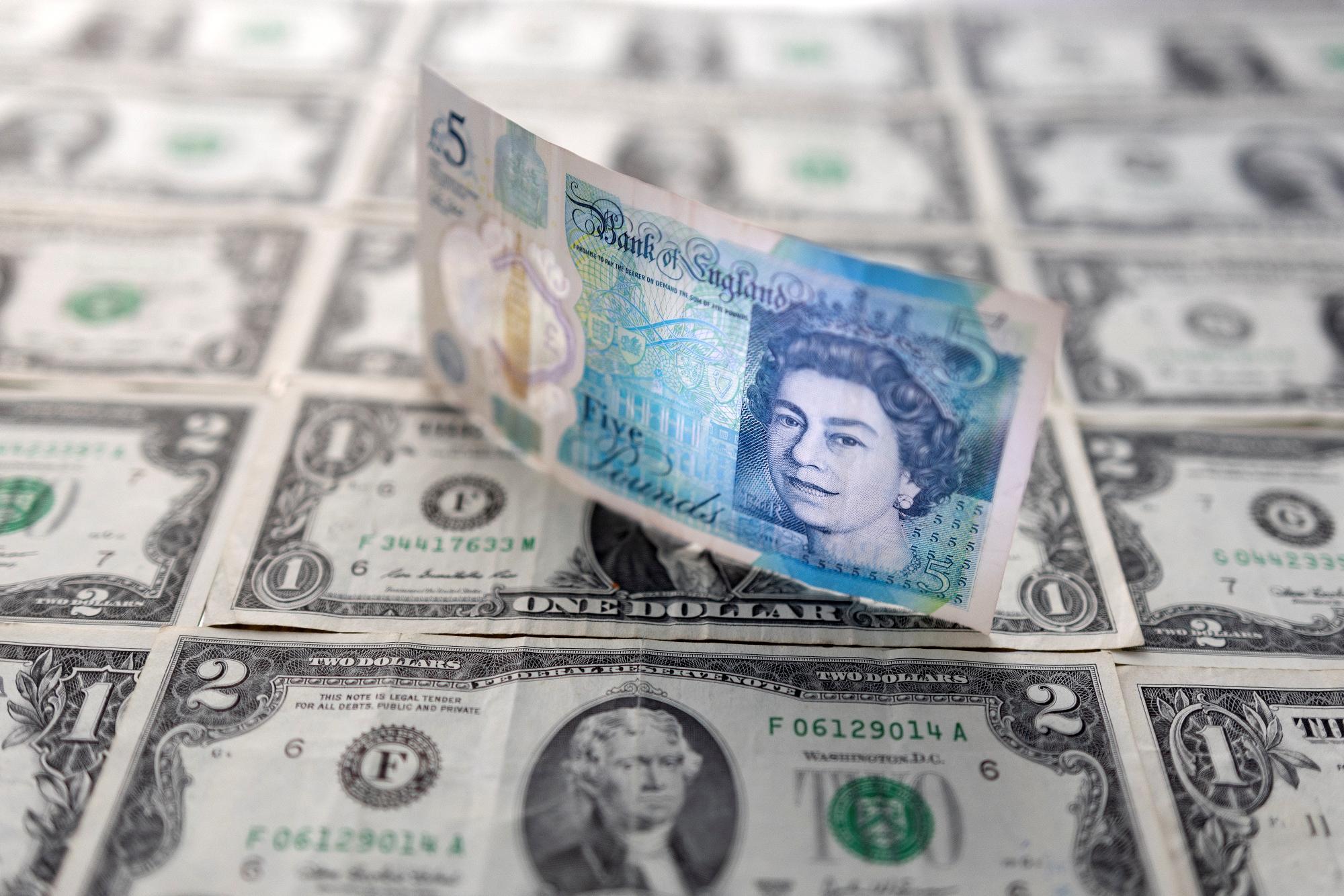
July 11 (Reuters) - The dollar dropped on Thursday after data showed headline consumer prices unexpectedly fell in June, while a sharp gain in the Japanese yen sparked speculation of a possible intervention in the currency. The yen rose more than 2% at one point, after falling to a 38-year low against the greenback last week. Local Japanese television station Asahi, citing government sources, said officials intervened. Domestic news service Jiji cited top currency diplomat Masato Kanda as saying he could not comment on whether or not there was an intervention, but that recent moves in the yen were "not in line with fundamentals." It will not be known for certain whether an intervention occurred until Japan’s Ministry of Finance releases its updated figures on intervention at the end of the month. Analysts noted that the move was likely caused by a large repositioning after the softer U.S. consumer price index (CPI) earlier on Thursday. A rate cut in September by the U.S. Federal Reserve is now seen as more certain, which will reduce the attractiveness of long dollar/yen trades. Positioning in long dollar/yen trades and momentum indicators were also stretched heading into the data release, with many traders caught on the wrong side of the move. "I think it was just the reaction to the weak U.S. CPI and the squeeze of the market long USD positioning. The USD weakened across the board, but more so against the JPY because of positioning," said Athanasios Vamvakidis, global head G10 FX strategy at Bank of America Global Research in London. Buying the dollar and selling the yen has been popular because of the wide interest rate differential between the two countries. "A lot of this can be chalked up to a bit of unwind as people have been piling in to this carry trade," said Michael Boutros, senior technical strategist at FOREX.com in New York. The dollar index was last down 0.49% at 104.45 and earlier reached 104.07, the lowest since June 7. Against the yen , the dollar was down 1.81% at 158.75 after hitting 157.4, the weakest since June 17. It traded as high as 161.76 earlier on Thursday. Boutros noted that the dollar reached a key area of technical support against the yen, and will need to remain above that to maintain the upward dollar trend that has been in place since December. Thursday's consumer price data comes after Fed Chair Jerome Powell said this week he was not ready to conclude that inflation is moving sustainably down to 2% though he has "some confidence of that." Unexpectedly elevated inflation in the first quarter raised concerns that it will take longer for prices to recede than previously thought. There have also been worries that it would be more difficult for inflation to continue to recede compared with 2023, following improvement in the second half of last year. "The question was, could we match or beat it to keep the year-on-year disinflation path going down," said Steve Englander, head of global G10 FX research and North American macro strategy at Standard Chartered Bank NY Branch, but "this was a pretty decisive" improvement. The euro rose 0.34% to $1.0867 and reached $1.090, the highest since June 7. Sterling hit an almost one-year high as comments from Bank of England policymakers and better-than-forecast GDP data led traders to reduce bets on an August rate cut in Britain. BoE chief economist Huw Pill said on Wednesday price pressures remained persistent and Thursday data showed British economic output increased by 0.4% in May, above expectations. The pound was last up 0.51% at $1.2911 and reached $1.2947, the highest since July 27, 2023. In cryptocurrencies, bitcoin gained 0.72% to $57,821. Sign up here. https://www.reuters.com/markets/currencies/dollar-adrift-ahead-us-inflation-test-sterling-firms-2024-07-11/
2024-07-11 06:08
BERLIN, July 11 (Reuters) - German inflation eased in June to 2.5%, the federal statistics office said on Thursday, confirming preliminary data. German consumer prices, harmonised to compare with other European Union countries, had risen by 2.8% year-on-year in May. The statistics office gives more detailed monthly data New Tab, opens new tab on its website. Sign up here. https://www.reuters.com/markets/europe/german-inflation-confirmed-25-june-2024-07-11/