2024-07-04 06:16
ROME, July 4 (Reuters) - Italy's top flight soccer league will have a new logo to mark the start of the sponsorship by the biofuel unit of energy group Eni (ENI.MI) New Tab, opens new tab, the chief executive of Enilive and Serie A said late on Wednesday. Enilive signed a deal in February to become title sponsor of Serie A for three seasons starting from the 2024-25 championship. It is replacing Telecom Italia (TIM) (TLIT.MI) New Tab, opens new tab, which sponsored the league for more than two decades. The new logo unveiled during an event late on Wednesday in Rome combines a capital A, representing the soccer league, and a blue dog, which symbolizes Enilive. Enilive groups together multi-fuel service stations and biorefineries in Italy and abroad. In its 2024-2027 plan Eni forecasts the unit's core earnings rising to 1.2 billion euros ($1.29 billion) in 2025 from 1 billion euros expected this year. Enilive and renewable and retail unit Plenitude are part of Eni's long term strategy to develop separate entities dubbed "satellites", to attract investors focused on specific products or services. Reuters reported in January that Serie A was seeking to sign a more lucrative deal at the expiry of the agreement with TIM in June. TIM paid the league about 20 million euros annually to tie its brand to the championship. ($1 = 0.9270 euros) Sign up here. https://www.reuters.com/sports/soccer/italys-serie-unveils-new-logo-with-eni-sponsorship-2024-07-04/

2024-07-04 05:46
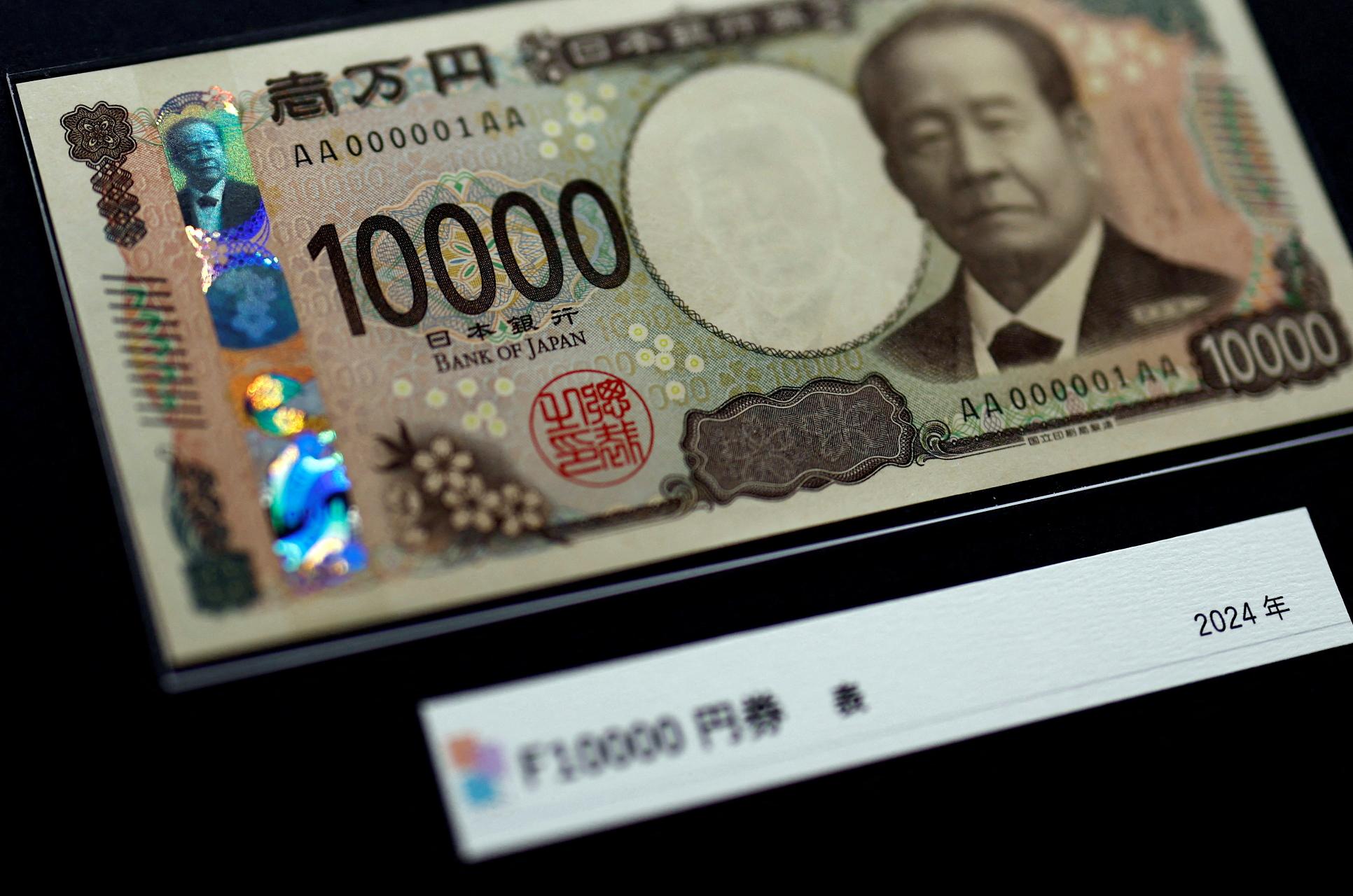
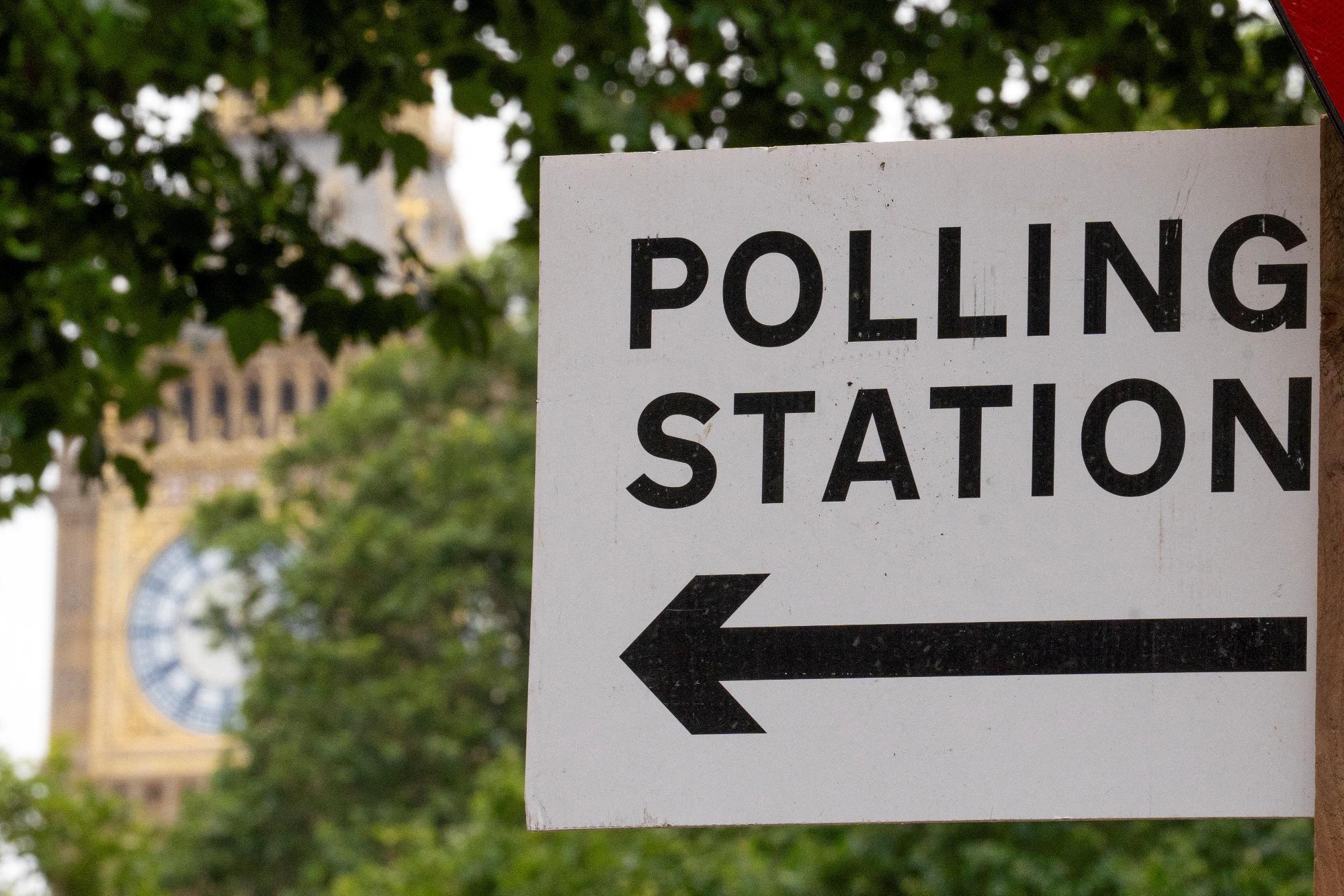
LONDON/TOKYO, July 4 (Reuters) - The pound and the euro gained against the dollar on Thursday after weak U.S. economic data sent the greenback lower the previous day, as voting began in Britain and the French election neared. Sterling was last up a whisker at $1.2757, after gaining 0.46% the previous day and touching a three-week high, while the euro was at $1.0801, up 0.1% after a gain of 0.4% on Wednesday and reaching a three-week top. , The pound is now up on the year against the dollar, making it the best performing G10 currency in 2024. The dollar fell on softer-than-expected U.S. economic data on Wednesday, including a weak services report and ADP employment report, depicting a slowing economy, after a rise in initial applications for unemployment benefits last week. "The data is feeding expectations that maybe the labour market is weakening and the Fed will be able to cut rates later in the year," said Jane Foley, head of FX strategy at Rabobank. Markets now see nearly 50 basis points of Federal Reserve interest rate cuts in 2024, most likely starting with a 25-basis-point move in September and a second by year-end, bets which also brought down U.S. Treasury yields. The most important monthly U.S. labour market data, non-farm payrolls, due on Friday, are expected to show an increase of 190,000 jobs in June after a rise of 272,000 in May, a Reuters poll of economists showed. U.S. markets are closed on Thursday for the July 4 holiday. British voters began to go to the polls on Thursday and look set to elect Labour Party leader Keir Starmer as the next prime minister, sweeping Rishi Sunak's Conservatives out of office after 14 often turbulent years. Foley attributed two main reasons for the limited market reaction to the calling of elections and campaigning drama. "Firstly, Labour has been consistently above (the Conservatives) in opinion polls for some time, so there has been no shock," she said. "The second reason is Keir Starmer and Rachel Reeves have done quite a good job at convincing investors and the electorate that they have moved the party into the centre ground." Reeves is the Labour Party's finance policy chief. Analysts also pointed to more uncertainty about the French elections, with a run-off set for Sunday. Market nerves have eased somewhat and the closely watched gap between German and French 10-year yields has narrowed to less than 70 basis points having been above 80 bps ahead of the first round of voting last week. Francesco Pesole, FX strategist at ING, said this was due to numerous centre and left-wing candidates dropping out of three-way runoffs to curb prospects for Marine Le Pen's right-wing National Rally party. "This raises the chances of a hung parliament, which appears a more desirable outcome for markets as it limits the chances of aggressive spending manoeuvres," he said. However, he added, "Our rates team continues to call for structurally wider French spreads and we expect that to weigh on the euro throughout the summer." YEN WATCH The beleaguered Japanese yen, which failed to gain much traction on Wednesday, strengthened, with the dollar down 0.33% at 161.18 yen. The yen was, however, still not far from a trough of 161.96 per dollar hit in the previous session, its lowest since December 1986, with fundamentals stacked against it. Traders were preparing for possible Japanese government currency intervention with U.S. markets off for the July Fourth holiday. Tokyo's previous two rounds of yen buying came at illiquid points in the global trading day or holiday-thinned trading. However, the hurdle for intervention may be higher at this stage, said Marito Ueda, general manager of the market research department at SBI Liquidity Market. "The Ministry of Finance is saying the trigger for intervention is not the level, but if there are excessive moves. It's hard to step in, since current moves don't fall into that category." Sign up here. https://www.reuters.com/markets/currencies/dollar-defensive-after-soft-data-little-relief-yen-2024-07-04/
2024-07-04 05:24
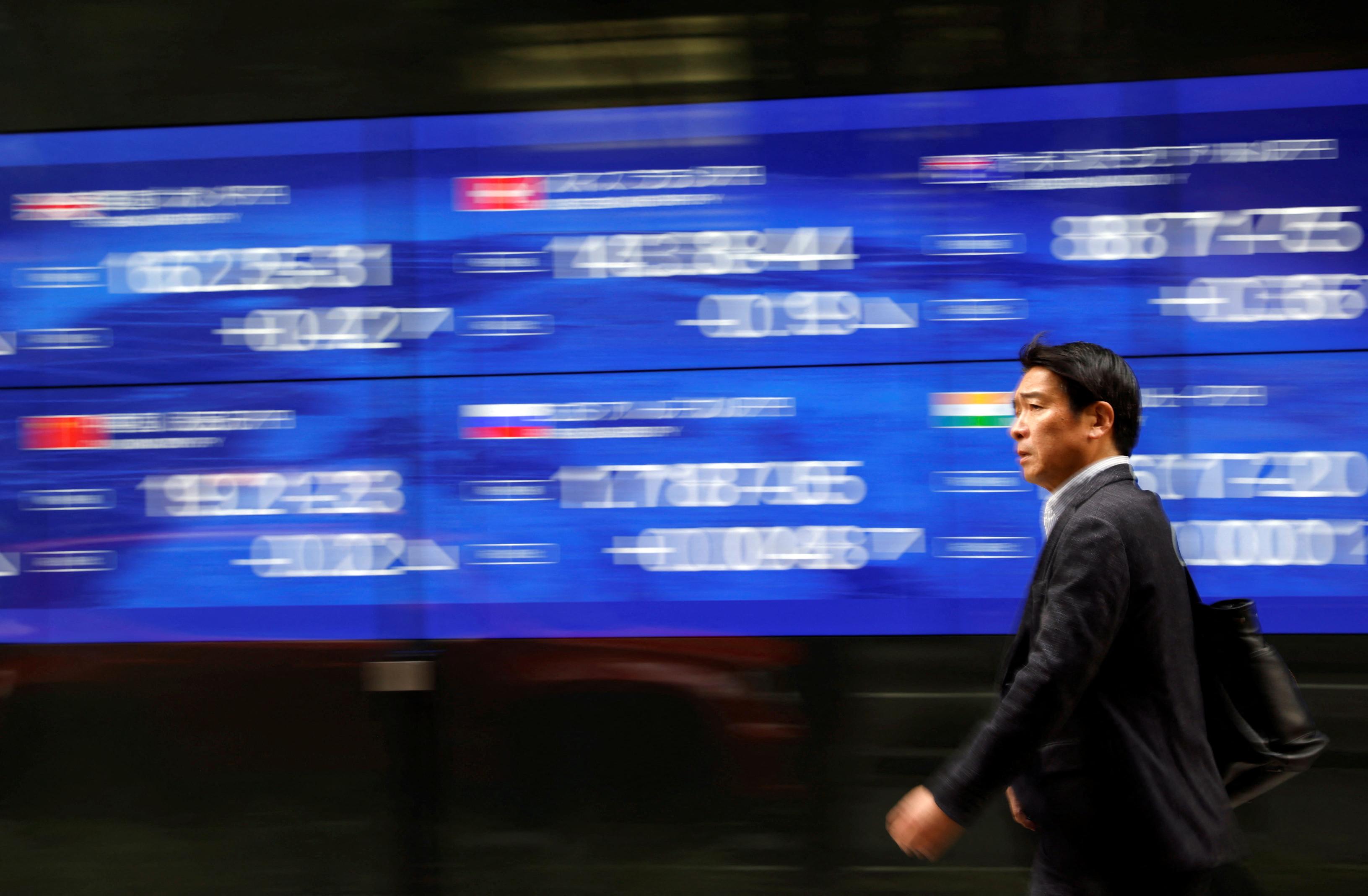
Graphic: World FX rates Graphic: Global asset performance LONDON, July 4 (Reuters) - World stocks clocked up more record highs on Thursday after U.S. data narrowed the odds on a September Fed interest rate cut, while Europe was on politics watch again as UK voters headed to the polls in national elections. The July 4 holiday in the United States made for thin trading, amplified as investors sat on their hands to see just how large a majority the Labour Party might get when the UK's election exit poll and results start coming out around 2100 GMT. Markets are well prepared for a change given opinion polls have for months put the centre-left party on course for a landslide victory over the Conservatives, who have held power for 14 years through both Brexit and the COVID-19 pandemic. "Having been very negative of sterling for a very long time, institutional investors are actually going into this election quite neutral," said Michael Metcalfe, head of macro strategy at State Street Global Markets. That is partly, he said, because political risk has surged in the likes of France, which holds the second round of its parliamentary elections in three days' time, and in the United States ahead of its Presidential vote in November. "The UK, oddly, has ended up with a neutral position in the middle," Metcalfe said. "Also, I don't think at any point has the result (of the election) been in any doubt." UK polling stations opened at 0600 GMT and by lunchtime London's FTSE 100 early 0.6% rise had extended to almost 1%, while sterling had crept up to $1.2760 and 84.6 pence per euro leaving it up almost 4% and 2.2% on the respective currencies since April. /FRX Additional tailwinds for the FTSE came from MSCI's main global index (.MIWD00000PUS) New Tab, opens new tab, which notched up its latest record high after Wall Street's S&P 500 and Nasdaq had done the same ahead of the July 4 celebrations. Across the English Channel from Britain, polls in France suggested National Rally (RN) would not win a majority of seats in Sunday's second round of Parliamentary election as mainstream parties moved to block the far right. France's bond yields, which move inversely to price and are a proxy for government borrowing costs, still edged higher though as the country's treasury sold 10.5 billion euros ($11.3 billion) worth of bonds into the market, although it was a welcome sign that it all went smoothly. French bond "spreads have been tightening and sentiment has been a bit more positive," said Jussi Hiljanen, head of rates strategy at lender SEB. A hung parliament appears the most likely result in the French elections, as left and centrist groups strike deals to try to keep Marine Le Pen's National Rally from power. HOT CHIPS Car shares were on the move again as the European Union said it plans to impose tariffs of between 17.4% and 37.6% on Chinese electric vehicle makers like BYD (002594.SZ) New Tab, opens new tab, Geely (GEELY.UL) and SAIC. There is however a four-month window during which talks are expected to continue with Beijing, which has unsurprisingly threatened to retaliate. The bulls were still charged up though after chipmaker Nvidia (NVDA.O) New Tab, opens new tab started Wall Street's July 4 celebrations early by adding another 4.5% to what is now a near 160% leap in it shares this year. Asia (.MIAP00000PUS) New Tab, opens new tab then closed up nearly 1% overnight to reach its highest since April 2022, as Japan's Nikkei (.N225) New Tab, opens new tab finished within spitting distance of its March peak and Taiwan's main index (.TWII) New Tab, opens new tab also struck a record as Taiwan Semiconductor Manufacturing Co (TSMC) (2330.TW) New Tab, opens new tab cleared T$1,000 for the first time. The U.S. ISM measure of services activity surprised by sliding to its lowest since mid-2020, with employment notably weak ahead of the June payrolls report due on Friday. Analysts cautioned the series was contradicted by strength in the PMI survey of services, but did note that price measures in both surveys pointed to easing inflation. EYES ON THE SURPRISE A run of subdued data mean Citi's U.S. economic surprise index has sunk to -47.5, the lowest since August 2022. Meanwhile, the closely watched Atlanta Fed's GDPNow estimate fell to just 1.5% from 1.7%. That should be music to the ears of the Federal Reserve, with minutes of its last meeting showing committee members wanted more evidence of a cooling economy before cutting rates. At the time of that meeting, the GDPNow growth estimate was running around 3% annualised. "Reading through the minutes from only three weeks ago, it is a good reminder of how quickly the activity outlook has deteriorated," said Paul Ashworth, chief North America economist at Capital Economics. "Given the more encouraging personal consumption expenditure data in May, the risk of a reacceleration in inflation seems even less likely, particularly with GDP growth now running well below its potential," he added. "We still think that the Fed will begin to cut interest rates this September." Markets quickly lifted the probability of a September rate cut to 74%, from 65%, while pricing in 47 basis points of easing for this year. With the U.S. economy now seemingly less exceptional, the dollar dropped across the board. The euro was up at $1.0797 , and away from its recent low of $1.0666, while the dollar index hit its lowest in three weeks. The Australian dollar was a notable gainer, touching a six-month peak of $0.6733 at one point with markets wagering the next move in local rates could be higher. The yen remained out in the cold, hitting multi-year lows on a host of currencies as investors continued to favour carry trades. The dollar stood at 161.11 yen after striking a 38-year top of 161.96 on Wednesday. The drop in the dollar was a boon for commodities, with gold rallying to $2,358 an ounce , from $2,318 at the start of the week. Oil prices eased a touch, having gained the previous day when a surprisingly large decline in U.S. crude stocks pointed to firmer demand as the U.S. driving season gets underway. Brent dipped 43 cents to $86.93 a barrel, while U.S. crude fell 54 cents to $83.03 per barrel. Sign up here. https://www.reuters.com/markets/global-markets-wrapup-1-2024-07-04/
2024-07-04 05:19
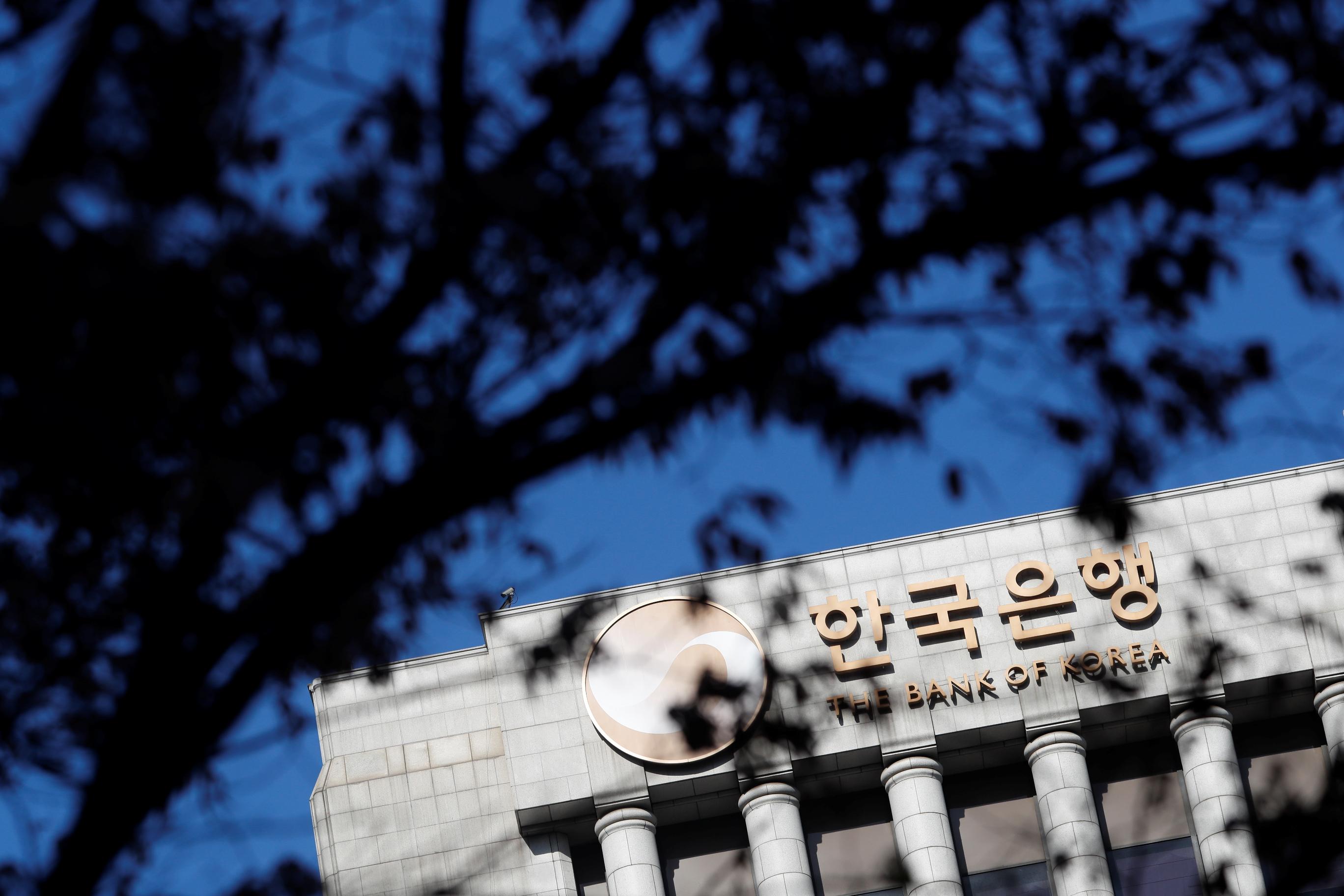
SEOUL, July 4 (Reuters) - South Korea should try to address the country's high prices through structural reforms, a Bank of Korea official said, as the central bank mainly targets the inflation rate rather than price levels. "Targeting price level rather than the inflation rate could end up increasing volatilities to inflation and the economy as monetary policies would be responding backwardly to price trends," Senior Deputy Governor Ryoo Sangdai said in a written response to Reuters' queries. Ryoo, a voting board member, was responding to whether the central bank should do more to address inflation eating into people's paychecks. Soaring food prices around South Korea's staples including apples and green onions have been at the center of public debate since the country's parliamentary election in April, where President Yoon Suk Yeol's party suffered a stinging defeat amid voter anger over rising food prices. Ryoo's comments come as the mood turns increasingly dovish in Asia's fourth-largest economy ahead of a monetary policy meeting next Thursday. It will be the first time its policy board meets after President Yoon said this week a cut may be necessary, in strongest remarks yet from the government. Ryoo declined to comment on interest rates ahead of next week's policy decision, but said the won's recent movements amid rate cut expectations seem to be also affected by South Korea's economic conditions and capital flows, among others. The BOK, whose chief mandate is "to promote macroeconomic stability including price," executes its policies independently and targets to keep headline inflation at 2% over the medium term. But the central bank made it clear in a June 18 report that monetary policy alone cannot solve the high cost of living as the source of inflationary pressure is agriculture and the way products are distributed. Consumer price inflation eased to 2.4% in June from a year earlier, the slowest pace since July last year, but an index for the cost of food, shelter and clothes was at 155 for South Korea in 2023. That was above the average of 100 for countries in the Organisation for Economic Co-operation and Development, data compiled by BOK showed. Analysts expect the BOK to cut the benchmark interest rate, currently at a 15-year high of 3.50%, by 50 basis points in the fourth quarter. Asked if the central bank was ready to manage extended dollar/won trading hours which kicked off on July 1, Ryoo said he was aware that volatility may increase and that trading might be thin during night hours early on. "Foreign exchange authorities will maintain the principle of appropriately deploying market stabilising measures to alleviate volatility in times of excessive FX moves possible with herd-like trading behaviours." As of end-June a total of 29 Registered Financial Institutions have signed up to participate in the onshore currency market, enabling foreign investors across London, Singapore and Hong Kong to access the won through the registered branches there. Ryoo said his team will continue to review regulations to ease reporting obligations by registered institutions to improve foreign market accessibility. Sign up here. https://www.reuters.com/markets/asia/bank-korea-says-cost-living-not-priority-their-price-stability-mission-2024-07-04/
2024-07-04 05:04
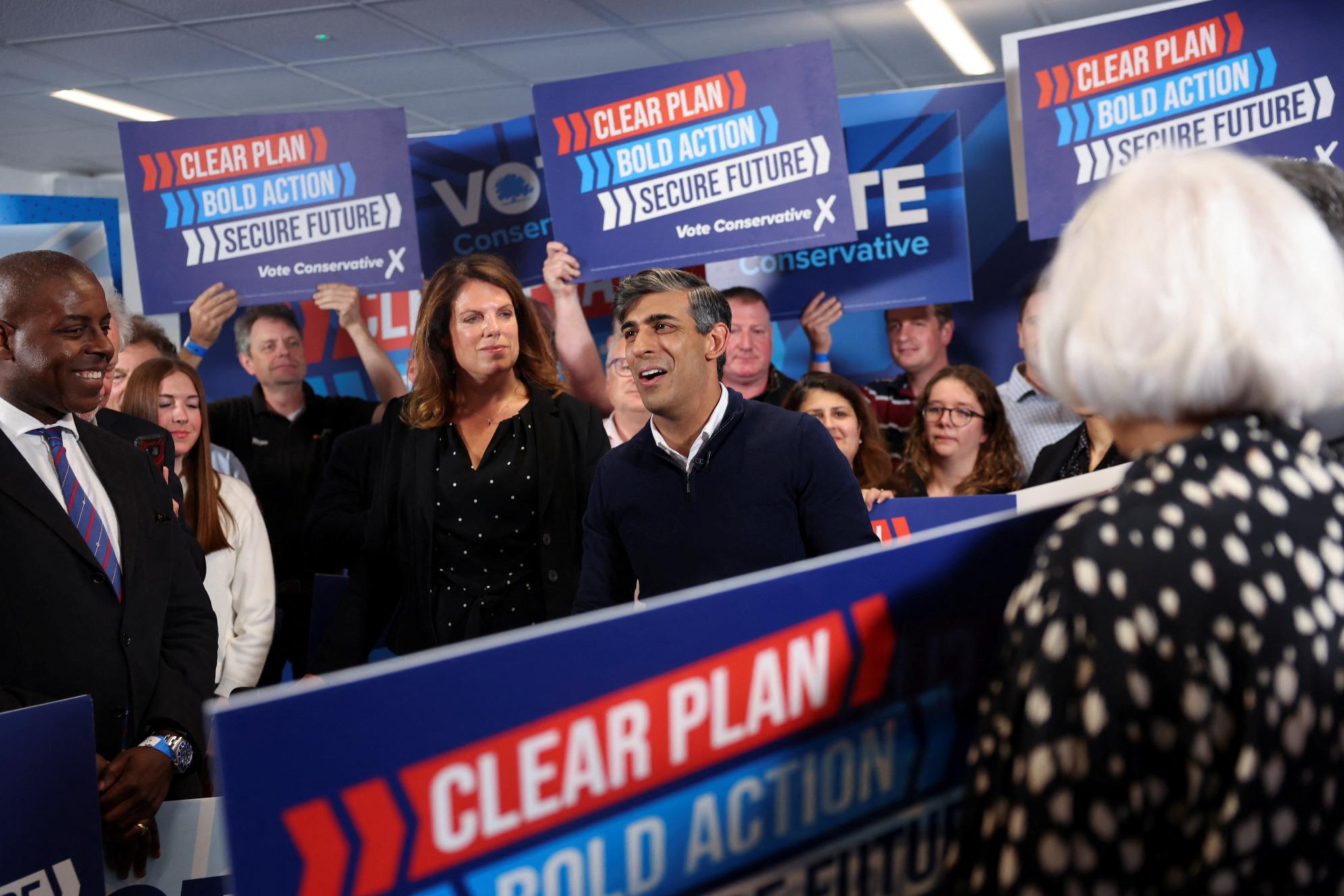
LONDON, July 4 (Reuters) - With Britain poised to vote for its first change of government in 14 years on Thursday, the firms that slashed its credit score after Brexit, and cut it again when Liz Truss roiled markets in 2022, say they have a list of questions that need answers. 1/STABILISE OR SLIP? The UK's stretched finances are "the elephant in the room" in this election given the UK's near 100% debt-to-GDP ratio, S&P Global says. All parties are promising to mend crumbling public services and invest in infrastructure without hiking key taxes. But the market panic when then-Prime Minister Liz Truss vowed to spend big in 2022 is a clear warning against being too radical. "We are interested in the balance between revenue and expenditure adjustments, which will enable them (new government) to improve the underlying fiscal position," S&P's Frank Gill explained. With a relatively modest 1.3 percentage point of GDP primary budget deficit likely this year, the UK isn't as far away from a debt-stabilizing balance as G7 peers the U.S., France and Italy are at least. "But still, there are questions about the composition of consolidation over the next few years... We try to take a view on the sustainability of the fiscal mix. What's really achievable and what's not," said Gill. 2/ HOW MUCH ECONOMIC GROWTH? Fitch raised its AA- UK rating outlook to "stable" in March, bringing it in line with Moody's but still a grade lower than S&P's AA score. Its "cautious" projections assumed "a balancing of policy priorities against reducing risks to the sustainability of public finances", noting how the UK's debt-to-GDP number was more than double the 48% of GDP median for 'AA' bracket countries. Stagnant economic growth, averaging just 1.6% a year over the last decade, will need to pick up considerably, however, to prevent the rating slipping back. Achieving that won't be easy given the headwinds of net migration as well as labour market participation and productivity growth issues. 3/ RULES BRITANNIA There is also the question of whether changes will be made to the UK's self-imposed fiscal rules, which require public sector debt to fall as a share of GDP over a five-year period. Some top Labour officials have suggested serious reforms are off the table for now, given markets are sensitive. The 2024-25 financial year is set to be the second-highest for government debt issuance on record at 278 billion pounds ($350 billion) though, and the interest bill on Britain's debt alone was a staggering 111 billion pounds last year, roughly 4.4% of GDP. What is reassuring is that the 10-year gilt yield , which is a proxy for the UK government's borrowing costs, is down from last year's highs at just over 4.1%. 4/ RESERVE CURRENCY STATUS European-based rating firm, Scope, wants to know what will be done to ensure the pound retains is coveted global reserve currency status that helps the UK sell its debt, especially as alternatives such as China's yuan rise up. "Is there anything that might be done to ensure sterling’s current strong place within the global monetary system?," said Scope's Dennis Shen. He added "a stable government managing credible budgetary policies" was the best way do it, "as might enhancing access to the (EU) Single Market," pointing to the hard job of healing post-Brexit scars. 5/ RENATIONALISATIONS? Relentless amounts of raw sewage pouring into the UK's rivers and seas from privatised water companies have been a hot election topic with parties vowing to take action. Investors are already bailing out of big water firms such as Thames, worried about being on the hook for the huge amounts of money that needs to be spent to solve that problem. If they don't stump up though, the likes of Thames could go under in their current form, some in the industry have warned. That would mean the government would need to step in and run them, which would be both complex and costly and add to the UK's debt. "If that has to be funded, it would be reflected in their (UK's) fiscal assessment," Gill said. "Will it be enough to change the UK rating? I would doubt it, because it's really a confluence of factors," which would lead to that. Sign up here. https://www.reuters.com/world/uk/five-questions-ratings-firms-have-new-uk-government-2024-07-04/
2024-07-04 04:51
A look at the day ahead in European and global markets from Wayne Cole. It's been a generally upbeat day so far in Asia as softer U.S. data burnished the case for a September rate cut from the Federal Reserve. The main event in Europe will be the UK election, where the only real unknown is how super Labour's majority will be. The bookies are odds on for Labour and even Tory ministers have conceded they are heading for a record thumping. It is possible that tactical voting could relegate the Conservatives to third place, which would make the centrist Liberal Democrats the main opposition and change the traditional balance of power in Parliament. It's the opposition that gets to ask questions in Parliament and a centrist agenda would likely be vastly different to the typical right-wing one. Markets seem unfazed by the likely change of power with FTSE futures steady and sterling near a three-week high on the dollar. The Tories' reputation for economic management was so badly tarnished by the bond market rout that followed Liz Truss's madcap budget, that Labour no longer seem fiscally scary. Indeed, Starmer has gone out of his way to appear boringly sober on spending and taxes precisely not to spook the horses, and it's hard to find a left-leaning policy in the Labour manifesto. On the prospect of a September rate cut by the Fed, futures now put the chance at 74%, from 65% before the softer data, helping pull 10-year yields down 8 basis points. The Treasury cash market is closed for the July 4 holidays, but futures imply the 10-year yield is holding at 4.35%. Though it is worth noting the surprising weakness seen in the ISM survey was a complete contradiction of the strength seen in the PMI measure of the same service sector. The ISM used to have a better correlation to the economy but that has broken down somewhat since the pandemic and this report may overstate the slowdown. Japan's broad Topix index has cleared its 1989 peak to reach a record peak led by banks and autos, while Taiwan's main index also hit all-time highs fuelled by the current love affair with all things AI. Taiwan Semiconductor Manufacturing Co (TSMC) (2330.TW) New Tab, opens new tab cleared T$1,000 for the first time to be up 70% for the year so far. Key developments that could influence markets on Thursday: - EU construction and UK PMIs for June, German industrial orders for May - Appearances by ECB economist Lane, ECB board members Cipollone and McCaul Sign up here. https://www.reuters.com/markets/europe/global-markets-view-europe-2024-07-04/