2024-07-02 06:32
Wall Street indexes edge higher Benchmark 10-year yields dip Crude prices falls US dollar weakens Safe-haven gold slips NEW YORK, July 2 (Reuters) - Global stocks edged higher while U.S. Treasury yields dipped on Tuesday as markets weighed data showing a persistently tight labor market, and prospects of interest rate cuts after comments from Federal Reserve Chair Jerome Powell. The Fed needs more data before cutting rates to ensure recent weaker inflation readings properly reflect underlying price pressures, Powell told a conference in Portugal on Tuesday. The Labor Department reported on Tuesday that job openings, a measure of labor demand, rose by 221,000 to 8.140 million on the last day of May, the lowest level since February 2021 and slightly ahead of Wall Street expectations. The yield on benchmark U.S. 10-year notes fell 4.9 basis points to 4.43%. "Listening to some of his comments, it seems he's laying the groundwork for cuts maybe in September, that's where the market thinks they're going to start," said James St. Aubin, chief investment officer at Sierra Mutual Funds in Santa Monica, California. "We saw a little bit of an increase in job openings, so that seems to suggest that the labor market is hanging in there. Bond yields were lower, I think partly because of what Powell was talking about, you know seeming more of a dovish tone." MSCI's gauge of stocks across the globe (.MIWD00000PUS) New Tab, opens new tab rose 0.40% to 806.95. In Europe, the STOXX 600 (.STOXX) New Tab, opens new tab index fell 0.42% as the relief rally in French shares following the first round of parliamentary elections faded. On Wall Street, all major indexes finished higher after a choppy session with gains in consumer discretionary, financials, communication services and consumer staples stocks, while healthcare and energy equities were the biggest drags. The Dow Jones Industrial Average (.DJI) New Tab, opens new tab rose 0.41% to 39,331.85, the S&P 500 (.SPX) New Tab, opens new tab gained 0.62% at 5,509.01 and the Nasdaq Composite (.IXIC) New Tab, opens new tab advanced 0.84% to 18,028.76. Crude prices fell as fears of supply disruptions caused by Hurricane Beryl faded. Brent crude futures settled down 0.42% at $86.24 a barrel, while U.S. West Texas Intermediate (WTI) crude settled at $82.81 a barrel, down 0.68%. The dollar index , which measures the greenback against a basket of currencies including the yen and the euro, fell 0.15% to 105.68. The euro was down 0.06% at $1.0744. Against the Japanese yen , the dollar weakened 0.01% at 161.44. It hit 161.745 on Tuesday, the strongest in nearly 38 years, driven mainly by a wide gap in U.S.-Japanese interest rates. Gold prices slipped. Spot gold lost 0.07% at $2,330.03 an ounce, while U.S. gold futures fell 0.08% to $2,325.80 an ounce. ($1 = 161.5900 yen) Sign up here. https://www.reuters.com/markets/global-markets-wrapup-1-2024-07-02/
2024-07-02 06:04
LITTLETON, Colorado, July 2 (Reuters) - Germany's power sector is relying on cuts made to fossil fuel use for the lion's share of recent decarbonisation efforts, but will need a sustained jump in clean generation to ensure a lasting shift in power production away from polluting fuels. German power generators cut fossil fuel-powered output by 19% through the opening half of 2024 from the same months in 2023, data from LSEG shows. That compares to just a 2.1% rise in clean power generation from the first half of 2023, and indicates that power firms are mainly relying on cuts to fossil fuel use to make progress against energy transition aims. Those cuts to fossil fuel use have helped slash German power sector emissions, which totalled 70 million metric tons of carbon dioxide (CO2) for the first 5 months of 2024 compared to 88 million tons during January to May of 2023, data from think tank Ember shows. But sluggish industrial activity has meant that overall power demand totals are also down so far this year, which has allowed power suppliers to reduce total generation by more than 6% compared to the first half of 2023. If Germany's manufacturing and industrial activity picks up momentum over the remainder of 2024, total power needs may climb in tow and could put pressure on power suppliers to increase output from fossil fuels to meet that extra demand. COAL CUTS Coal-fired generation took the brunt of the fossil fuel output cuts, dropping by just over 17% in the first half of 2024 from the same months last year. To make up for lower coal-fired generation, output from natural gas plants increased by 5% in January-June 2024 from the first half of 2023, while generation from oil-fired plants rose 12% and coal-derived gas plants increased output by 3.7%, LSEG data shows. Altogether, total generation from fossil fuels contracted by 19% during the first half of 2024, and follows a 24% contraction in the whole of 2023 from the year before. CLEAN MAJORITY The drop in fossil fuel generation has resulted in clean power sources securing a majority share of Germany's power generation mix every month since December 2022. The share of clean power in Germany's power generation mix climbed to a new high of 64.6% during the first half of 2024, compared to 59.3% during the same months of 2023 and an average share of 61% for 2023 as a whole. That said, power firms have been unable to offset all the cuts to fossil fuel use with growth from clean energy sources, especially after Germany shut its national nuclear reactor fleet in April 2023. Nuclear reactors had accounted for around 8% of total power generation in 2022, so the complete cessation of such a notable source of clean energy has been hard to replace. Wind farms have emerged as Germany's largest source of clean power, and accounted for an average share of 37% of total power generation last year, according to LSEG. Solar is the second largest source of German clean power, and generated around 17% of all power last year, while hydro assets generated around 4%. SEASONAL SWINGS During the first half of 2024, wind power generation climbed 7.6% from the same period in 2023, while solar generation rose by 12.8% and hydro output climbed 5.4%. Solar output is liable to climb further during July and August during the height of summer, and could account for around 30% to 35% of total power generation during those months. However, generation from wind farms and hydro dams historically dip during the summer months due to slower wind speeds and reduced water flows from reservoirs. For power producers who need to maintain power supplies around the clock, the drop off in wind and hydro output may set the stage for greater generation from natural gas plants, especially if German manufacturing activity picks up steam. And any such increase in gas-fired output could in turn open the German power sector to accusations of backsliding on power clean-up commitments. To guard against that in the future, power firms will need to substantially increase total generation from clean sources and also substantially raise the storage capacity that can bridge periods of reduced clean generation. The build-out of an entirely clean power generation system may take several more years and continued high levels of annual investment in clean generation and battery construction. Until then, further periods of clean power growth followed by flare ups in fossil-fired output look likely. Sign up here. https://www.reuters.com/business/energy/german-energy-transition-powered-mainly-by-fossil-fuel-cuts-maguire-2024-07-02/

2024-07-02 05:47
Fed's Powell says significant progress made on inflation US job openings rise in May -JOLTS report ECB's Lagarde says euro zone is advanced on disinflation path NEW YORK, July 2 (Reuters) - The dollar slipped on Tuesday in thin, choppy trading after Federal Reserve Chair Jerome Powell struck a moderately dovish tone in his comments, suggesting that the U.S. central bank is more than likely to start its easing cycle later this year. Powell, in a monetary policy conference in Portugal, said the U.S. economy has made significant progress on inflation as it gets back on the disinflationary path. His remarks were viewed as dovish, analysts said. Comments by the Fed's top official outweighed data showing U.S. job openings increased in May after posting outsized declines in the prior two months. Job openings, a measure of labor demand, rose 221,000 to 8.140 million on the last day of May, according to the Job Openings and Labor Turnover Survey or JOLTS report. Economists polled by Reuters had forecast 7.910 million job openings in May. Data for April was revised lower to show 7.919 million unfilled positions instead of the previously reported 8.059 million. "Powell didn't really say anything new, but I would say he was slightly dovish," said Erik Bregar, director, FX & precious metals risk management at Silver Gold Bull in Toronto, adding that his remarks helped the dollar push a little lower. "But I would argue that the JOLTS report is not as strong as it looks on the surface. The April number was revised down and so the market is trying to shake off the JOLTS report. That's why the dollar is not as high as it was initially after the release." Following the JOLTS report and Powell's comments, U.S. rate futures have priced in a 69% chance of a rate cut in September, up from about 63% on Monday, according to LSEG calculations. The market has also priced in one to two rate cuts in 2024. In afternoon trading, the dollar index , which measures the U.S. unit against six other currencies, was down 0.1% at 105.71. BOOST FROM TREASURY YIELDS The dollar has been recently supported overall by the persistent rise in Treasury yields. Benchmark 10-year Treasury yields rose nearly 14 basis points (bps) to 4.479% overnight, with analysts linking the rise to expectations that Donald Trump will win the U.S. presidency, in turn leading to higher tariffs and government borrowing. On Tuesday, the yield on the 10-year note pulled back, sliding 4.3 bps to 4.435%. Against the yen, the greenback was flat at 161.48 . It hit 161.745 earlier on Tuesday, its highest in nearly 38 years, driven mainly by the wide gap in interest rates between the U.S. and Japan. Japan's finance minister said on Tuesday authorities were vigilant to sharp currency market moves, but stopped short of giving a clear intervention warning. "The market just doesn't believe it when the Bank of Japan and their monetary officials say that they're monitoring the yen closely," said Silver Gold Bull's Bregar. Against the euro , the yen touched a lifetime low of 173.67 on Monday and was just shy of that level on Tuesday, while against the Australian dollar the yen was near its lowest in 33 years as carry trade remained attractive. The euro was flat against the dollar at $1.0741 , showing little reaction to comments on Tuesday from European Central Bank President Christine Lagarde, who was in the same monetary policy forum with Powell. She said the euro zone is "very advanced" on the disinflationary path but there remain "question marks" hanging over the outlook for economic growth. Euro zone inflation eased last month but a crucial services component remained stubbornly high, fuelling concern that domestic price pressures could stay at elevated levels. The market is now looking to the second round of French elections during the weekend. In other currencies, sterling rose 0.3% against the dollar to $1.2683 , but not far from the roughly two-month low hit last week. The Aussie dollar was up 0.1% at US$0.6668, with traders weighing central bank minutes, which showed much discussion about whether policy was tight enough to ensure inflation would slow as desired. Sign up here. https://www.reuters.com/markets/currencies/us-yields-lift-dollar-leave-yen-languishing-2024-07-02/
2024-07-02 05:25
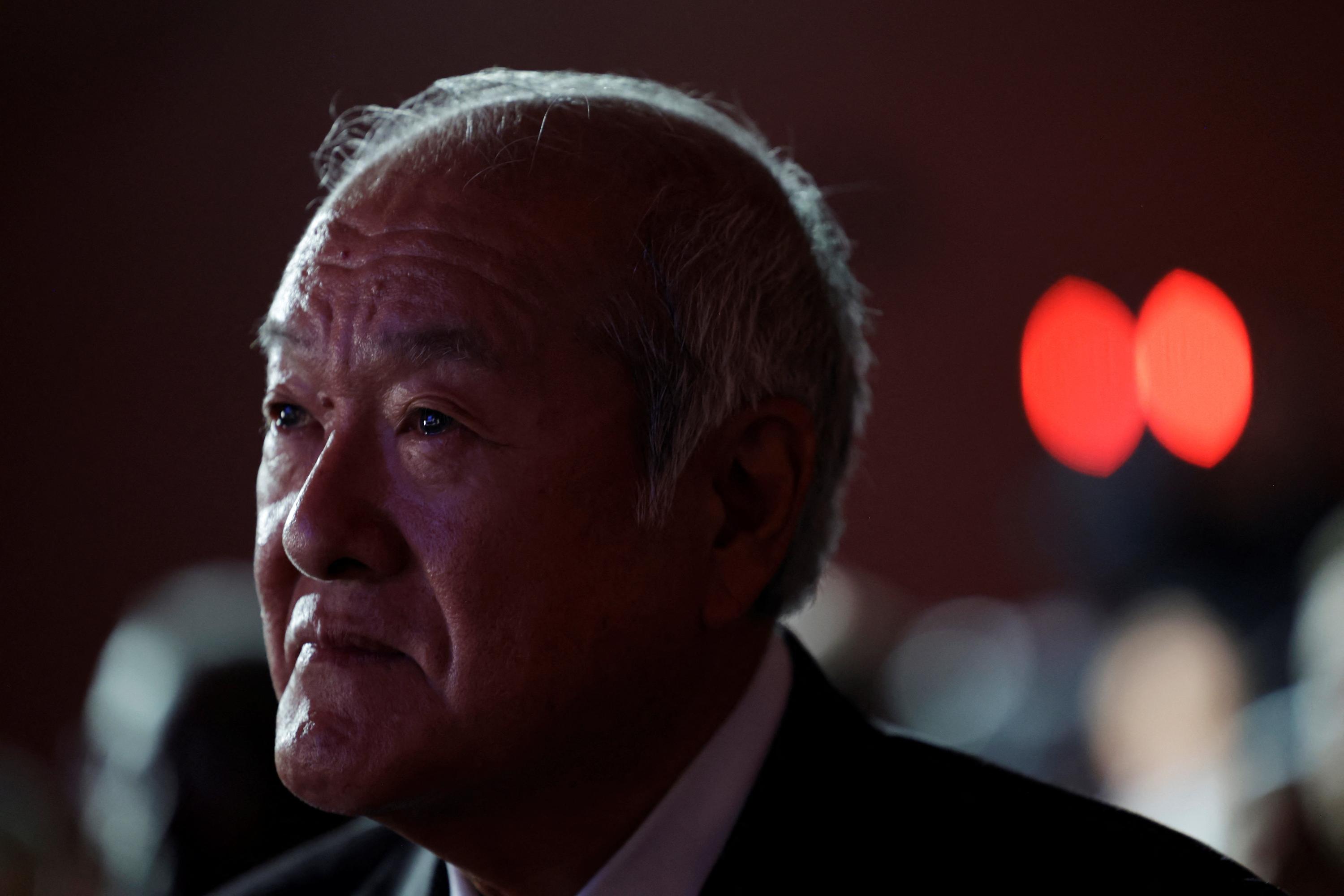
TOKYO, July 2 (Reuters) - Japan's finance minister said on Tuesday authorities were vigilant to sharp currency market moves, as the yen continued its slump to fresh 38-year lows against the dollar, but stopped short of giving a clear intervention warning. The change in official daily commentary to reporters, in which an intervention warning has become almost customary, comes as analysts question the effectiveness of such jawboning in stopping sharp yen declines. "Foreign exchange levels are set by the market reflecting a complex mix of various factors, including inflation, current account balance, market sentiment and speculative moves," finance minister Shunichi Suzuki said in a regular post-cabinet meeting news conference. "We'll continue to closely watch the market," he said. Although Suzuki did say there has been no change in the government's stance, the absence of usual comments on the readiness to intervene marked a break in what had become almost routine for officials. Yujiro Goto, managing director & chief FX strategist at Nomura, said the official comments on Tuesday pointed to a slight change in tone. "Repeating the same wording could inevitably weaken the impact (of warnings)," he said. No change in the wording could also be interpreted by investors that there would be no immediate action yet, he added. "But I don't think this (absence of intervention warnings) suggests that interventions are less likely now than before," he said. The yen sank to 161.72 per dollar late Monday, its weakest level since 1986, keeping markets on heightened alert for any signs of yen-buying operations from Tokyo to prop up the currency. It has already fallen more than 12% this year as it continues to be weighed down by stark interest rate differentials between the U.S. and Japan. Japanese authorities, including Suzuki and top currency diplomat Masato Kanda, escalated their warnings last week when the yen fell past 160 to the dollar, the latest line in the sand traders had drawn for Japan to intervene in the markets. Suzuki last week said authorities were "deeply concerned" about the impact of "rapid and one-sided" foreign exchange moves on the economy and would respond appropriately to excessive currency moves. Suzuki, when asked about the effectiveness of verbal interventions, said in Tuesday's conference that his comments on foreign exchange are generally in response to questions from reporters. He said he was not in a position to comment on their effectiveness. A weaker yen is a boon for Japanese exporters, but a headache for policymakers as it increases import costs, adds to inflationary pressures and squeezes households. Sign up here. https://www.reuters.com/markets/currencies/japan-will-remain-vigilant-forex-moves-finance-minister-suzuki-says-2024-07-02/
2024-07-02 05:18
Central banks' net gold buying down 56% m/m in May Subdued physical demand in major markets shows signs of recovery Platinum group metals rise as focus on EVs weakens U.S. non-farm payrolls due on Friday LONDON, July 2 (Reuters) - Gold prices fell on Tuesday under pressure from elevated U.S. Treasury yields and a stronger dollar while investors awaited comments from Federal Reserve Chair Jerome Powell and more data for further clues about the interest rate path. Spot gold was down 0.3% at $2,325.16 per ounce by 1105 GMT. The benchmark 10-year Treasury yield hit a one-month high on Monday and stayed elevated on Tuesday, making non-yielding bullion less attractive, amid bets on the possibility of a second Donald Trump presidency. "Markets are waiting for the nonfarm payrolls report at the end of the week," said StoneX analyst Rhona O'Connell. "Trump Supreme Court verdict may be supportive (for gold) for geopolitical reasons. Dollar and bond yields are already reflecting that postulation." Gold is down 5% from a record high of $2,449.89 per ounce it touched on May 20, a rally caused by safe-haven demand driven by geopolitical and economic uncertainty as well as persistent central bank buying, a crucial category of demand. "Physical demand is still subdued in major markets like India and Turkey but there are signs of recovery there as consumers are keen to protect against other factors like local inflation which still remains high," said a trader. There are, however, signs that central banks are slowing down gold purchases amid high prices, though their demand remains above the pre-2022 level. Central banks reported about 10 metric tons of net gold buying in May, 56% lower month-on-month, according to the World Gold Council. Central banks of Poland, Turkey and India were the largest buyers, while Kazakhstan sold 11 tons. Saxo Bank expects gold and silver to hit $2,500 and $35 per ounce, respectively, by the end of 2024 as U.S. rate cuts could invite back demand for physically-backed gold exchange-traded funds. Spot silver fell 0.4% to $29.33. Platinum added 1.1% to $988.40 and palladium rose 1.9% to $989.75 with the focus on improved prospects for hybrid car sales vs slower growth of palladium-free electric vehicles market. Sign up here. https://www.reuters.com/markets/commodities/gold-flat-investors-eye-powells-speech-2024-07-02/

2024-07-02 04:35
A look at the day ahead in European and global markets from Kevin Buckland How well France's hastily assembled anti-far-right front is working will become clear today, with candidates having until Tuesday evening to drop out of Sunday's crucial second-round vote to leave only those with the best chance of winning. Following the anti-immigrant, eurosceptic National Rally's (RN) strong showing in the first round last weekend, the priority among its rivals is preventing Marine Le Pen's party from taking a majority. That means fielding only the best-placed rival to the RN's candidate, irrespective of party - even if that candidate is from the equally divisive far-left France Unbowed (LFI) party. Currently, the market's base case appears to be a hung parliament, although it would also risk political paralysis for the remainder of President Emmanuel Macron's tenure to 2027. Stocks rallied, particularly in France where the CAC 40 (.FCHI) New Tab, opens new tab jumped more than 1%. Some payback might be the immediate reaction on Tuesday morning, with pan-European Stoxx 50 futures pointing down about 0.1%. The euro remains firm, even in the face of renewed dollar strength. Other greenback rivals are not proving so resilient, particularly the yen , which is still languishing close to a 38-year trough, keeping traders of high alert for another round of official Japanese intervention. The dollar-yen pair is particularly sensitive to long-term U.S. yields, which have spiked amid the growing risk of a second Donald Trump presidency, which traders and analysts equate with higher tariffs and bigger spending. The U.S. currency and yields are also elevated based on the idea that Federal Reserve policy isn't going to loosen at an accelerated pace, with inflation still pretty sticky and the job market quite tight. A parade of potentially crucial employment data begins on Tuesday with the JOLTS job openings report, a Fed favourite, followed by ADP numbers a day later and the all-important monthly payrolls figures on Friday. Fed Chair Jerome Powell has the opportunity to present his latest take on the economy when he participates in a panel at an ECB forum in Sintra, Portugal, later in the day. The data calendar is fairly light for Europe, with euro-area flash inflation figures for June and the jobless rate for May. Elsewhere, Big Tech may be wondering who's next in the European Commission's crosshairs, after Meta Platforms (META.O) New Tab, opens new tab was charged with antitrust breaches on Monday. Apple and Microsoft were both targets of the regulator last month over App Store rules and the bundling of Teams with the Office 365 suite, respectively. Nvidia (NVDA.O) New Tab, opens new tab faces its first-ever anti-trust charges, with sources telling Reuters that French regulators are preparing to charge the AI poster child with anti-competitive business practices. Key developments that could influence markets on Tuesday: -Deadline for candidacy in French election's second round -Euro-zone flash HICP (June), jobless rate (May) -US JOLTS (May) -Fed Chair Jerome Powell speaks at ECB forum Sign up here. https://www.reuters.com/world/europe/global-markets-view-europe-2024-07-02/