2024-07-01 21:53
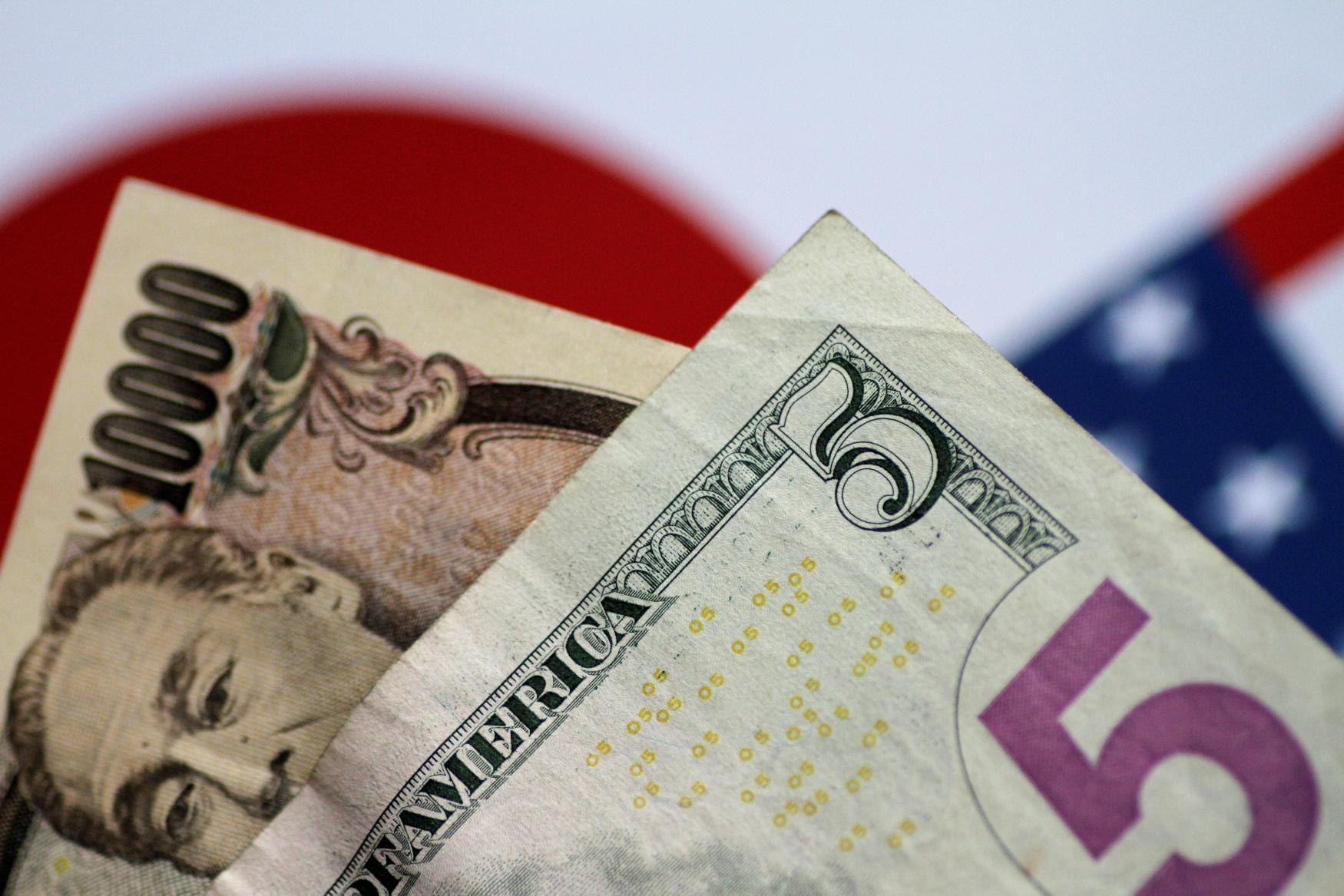
July 2 (Reuters) - A look at the day ahead in Asian markets. Asia lagged what was a pretty solid start to the new quarter for global stocks on Monday, and the steep rise in U.S. Treasury yields New Tab, opens new tab suggests it will be difficult session again on Tuesday for regional equities and emerging assets more broadly. The 10-year U.S. yield jumped 13 basis points to 4.50% on Monday - the highest yield and biggest one-day rise in a month - as investors repriced the potential inflationary impact from mooted fiscal, tariff, and immigration policies under a Donald Trump presidency. Wall Street, European, and world stocks powered through that headwind, Japanese stocks got a lift from the yen's slide back through 161.00 per dollar, and Chinese stocks drew strength from a positive surprise in domestic manufacturing sector data. But broad measures of Asian and emerging equities flatlined and they may struggle to rebound meaningfully, if at all, in the face of such a sharp rise in dollar-denominated borrowing costs. There isn't anything on the local economic and policy calendar that looks like giving markets a significant steer on Tuesday, with only South Korea inflation and retail sales from Hong Kong scheduled for release. It's 'Groundhog Day' for yen traders, on intervention watch again with the yen mired at 38-year lows against the dollar. Japanese authorities have not shown their hand yet - could they be waiting for the July 4 U.S. holiday to catch the market off-guard and get maximum impact? Chinese markets opened the new quarter with a spring in their step after the release on Monday of surprisingly upbeat manufacturing purchasing managers index. The 'unofficial' S&P Global PMI for May pointed to the fastest pace of manufacturing sector growth in more than three years, contrasting with the National Bureau of Statistics' 'official' PMI on Sunday that showed a contraction in factory activity. But figures on Monday also showed that new home prices New Tab, opens new tab in June rose at the slowest rate in five months, suggesting recent government efforts to support the country's ailing property sector are having only a limited impact so far. Perhaps rattled by the economy, Beijing is taking new steps to boost the inflow New Tab, opens new tab of foreign capital into the country and halt the recent plunge New Tab, opens new tab in domestic interest rates. Tuesday's main data point in Asia will be South Korean inflation for June. Prices are forecast to have risen 0.1% on a monthly basis and 2.7% on an annual basis, according to a Reuters poll. Both readings would be unchanged from May. The last time annual headline inflation was this low was last July, while core inflation of 2.2% in May was the lowest since December 2021. More numbers like that and Bank of Korea could soon cut interest rates. Here are key developments that could provide more direction to markets on Tuesday: - South Korea inflation (June) - Hong Kong retail sales (June) - Japan money supply (June) Sign up here. https://www.reuters.com/markets/asia/global-markets-view-asia-graphic-pix-2024-07-01/
2024-07-01 21:47
July 1 (Reuters) - Texas Governor Greg Abbott and Lieutenant Governor Dan Patrick said on Monday they will seek to expand the Texas Energy Fund program to $10 billion to build more natural gas plants to meet the state's growing demand for electricity. The statement said Texas currently has about 85,000 megawatts of power available including wind, solar, coal, nuclear and natural gas, but may need 150,000 megawatts by 2030. The fund was approved last year to provide a $5 billion low-interest loan program to incentivize the building of dispatchable natural gas plants. "Texas has already received notice of intent to apply for $39 billion in loans, making the program nearly eight times oversubscribed," the statement said. Sign up here. https://www.reuters.com/business/energy/texas-governor-looks-double-state-energy-fund-10-billion-2024-07-01/

2024-07-01 21:39
LONDON, July 1 (Reuters) - The World Bank Group said on Monday it had started operating a new one-stop-shop loan and investment guarantee platform which it hopes will triple the provision of guarantees and risk insurance provided around the world to $20 billion a year. The target, which it wants to hit by 2030 and which aims to lift investment in riskier areas from Africa to Ukraine, will combine key units of World Bank, International Finance Corporation (IFC), and the Multilateral Investment Guarantee Agency (MIGA). Hiroshi Matano, MIGA Executive Vice President, told Reuters that the combination would see it start to back new innovative financing including carbon credits, debt-for-nature swaps and off-grid energy solutions in remote parts of Africa. Guarantees could also be used to attract private sector investors to provide "take-out" financing to replace standard World Bank or IFC loans, freeing up overall lending capacity. He said that with guarantee products becoming more mainstream across the World Bank Group, there would be new uses developed for them, adding: "How you use it, I think it's where we can be really innovative and creative." For context, the World Bank Group gave almost $6.5 billion of guarantees last year and is expecting to provide roughly $10 billion this year, so the target will see a huge expansion and swell MIGA's balance sheet which currently sits at around $30 billion. Asked whether the annual amounts could even top the $20 billion target he added World Bank president "Ajay (Banga) wants us to be ambitious, so if there is demand, of course, we'll consider that." The changes are the first tangible results from a group of private-sector investment executives assembled last year by Banga, dubbed the Private Sector Investment Lab, to develop ideas to draw more private capital to clean energy and other investments in developing countries. The plan aims to simplify guarantee products into a single comprehensive menu that would allow clients to easily identify and select the instrument best suiting their needs. A new common approach should standardize guarantee reviews, replacing a patchwork of different processes, rules and standards. Sign up here. https://www.reuters.com/business/finance/world-bank-group-kicks-off-20-bln-annual-guarantee-push-2024-07-01/

2024-07-01 21:03
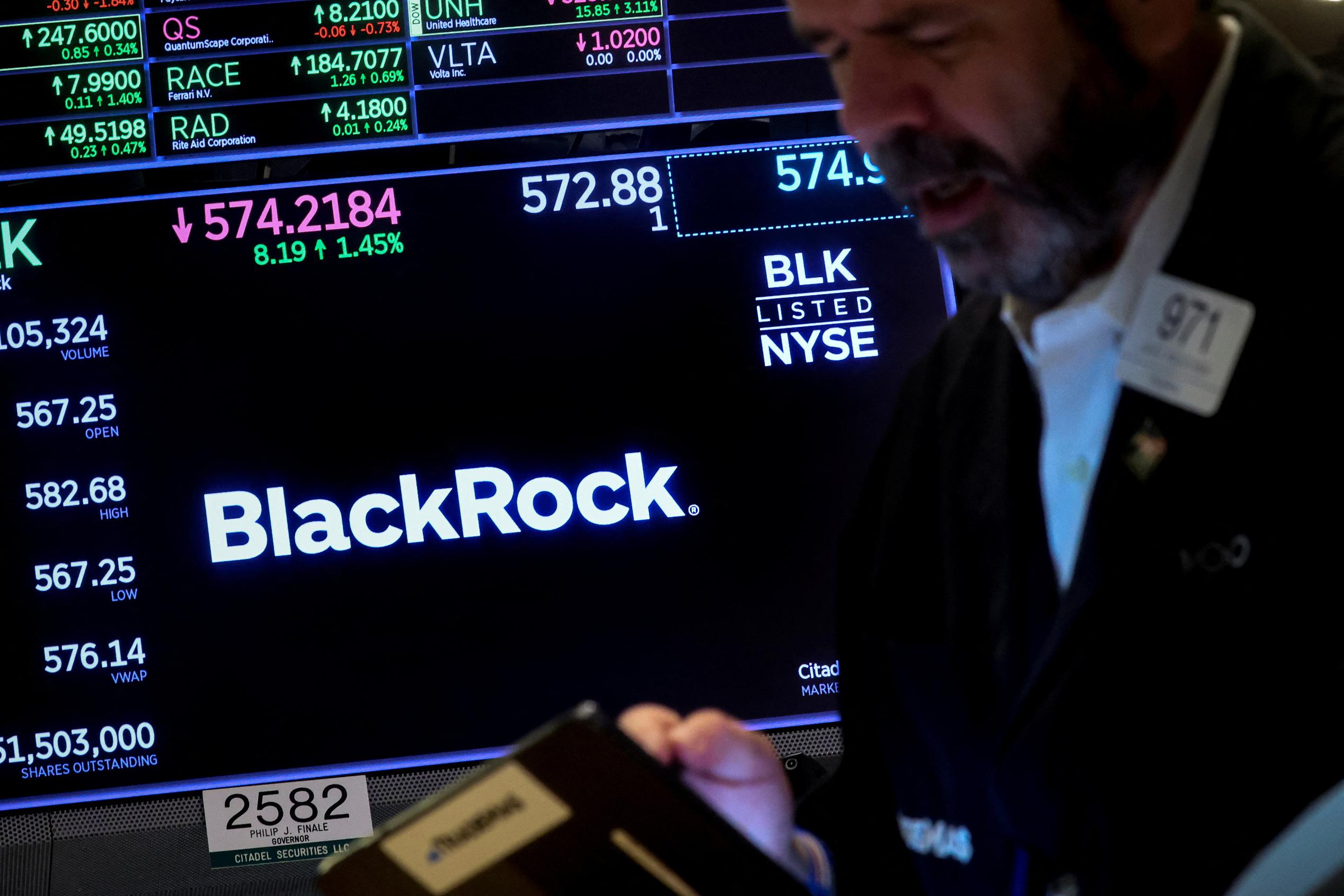
July 1 (Reuters) - BlackRock (BLK.N) New Tab, opens new tab has launched a 'buffer' exchange-traded fund that seeks to offer a 100% downside hedge to risk-shy investors looking to tap the equity markets, the world's largest asset manager said on Monday. So-called buffer or risk-managed ETFs help maximize returns from an asset for investors and simultaneously provide downside protection over a specific period. The novel product will likely appeal to investors who are hoping to ride a rally in the stock markets as they continue to trade near record highs, but are concerned that a slowing economy and higher-for-longer interest rates can together hurt sentiment going forward. Buffer ETFs also typically see lower redemption requests during times of heavy market volatility. "BlackRock is not early - and actually is a little late - to the buffered ETF game, but with (the company's) size, reach, and marketing machine, it has a fair chance of catching up with and surpassing earlier market entrants," said Michael Ashley Schulman, partner and CIO at Running Point Capital Advisors. "Launching buffered ETFs now, when the market is near all-time highs and many investors are nervous - especially with inflation, upcoming elections, and expanding debt - could be especially fortuitous for them," he added. The iShares Large Cap Max Buffer Jun ETF (MAXJ.Z) New Tab, opens new tab started trading on Monday under the ticker symbol 'MAXJ'. The asset manager said the ETF will track the returns of the benchmark S&P 500 using options with an upside cap, while providing a 100% hedge to all downside for roughly a year. "With record levels of cash sitting on the sidelines, many investors are looking for tools to help navigate market volatility before they step back into the market," said Rachel Aguirre, head of U.S. iShares product, BlackRock. BlackRock added that it now manages $25 billion in assets under management across more than 40 active ETFs in the United States, as of June 30. Sign up here. https://www.reuters.com/business/finance/blackrock-launches-stock-etf-with-100-downside-hedge-2024-07-01/
2024-07-01 20:19
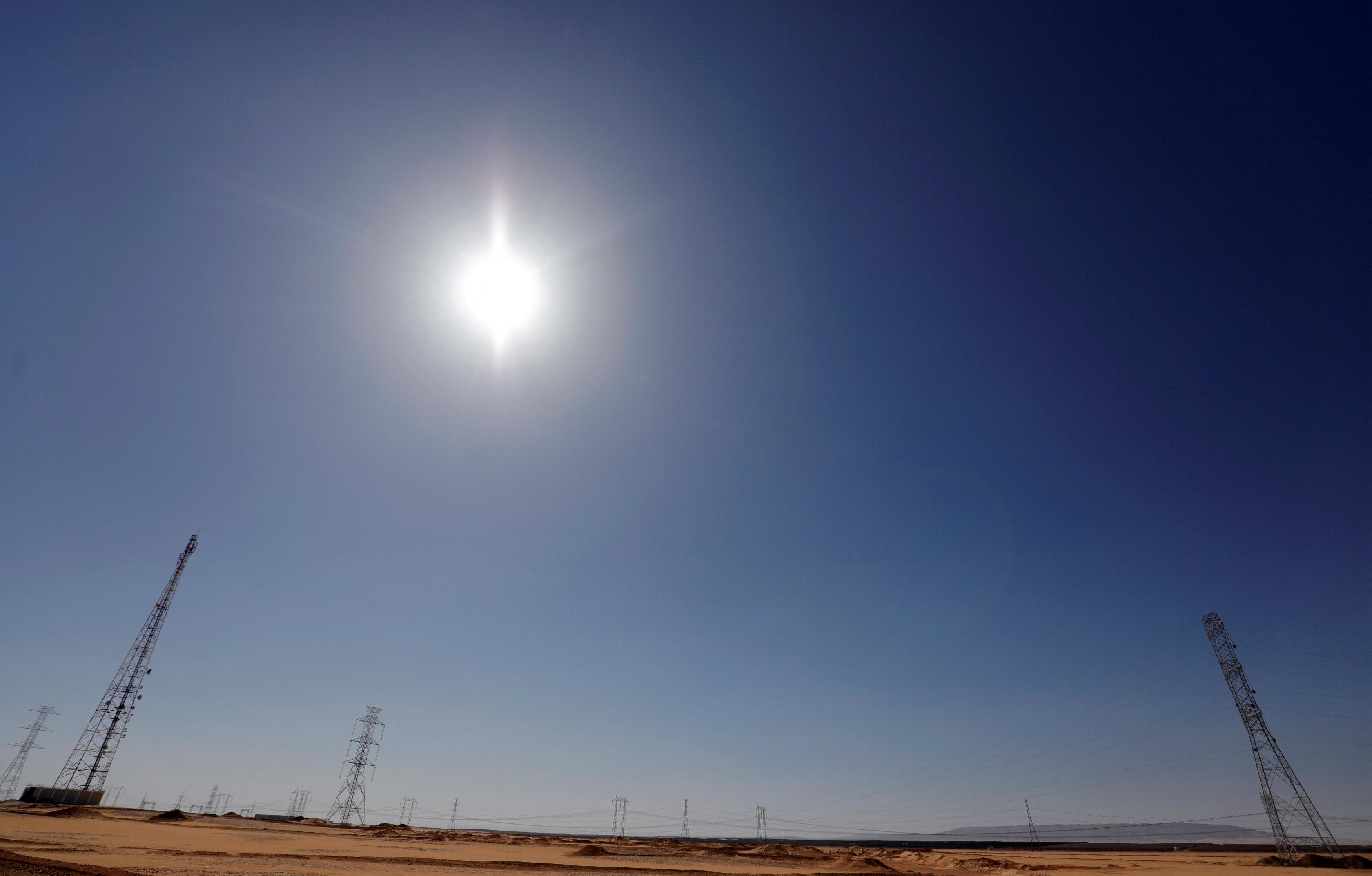
CAIRO, July 1 (Reuters) - Egypt wants to accelerate the provision of renewable energy that could ease electricity shortages and supply green power to Europe, but faces challenges in funding updates to its grid and unlocking investments for new wind and solar plants. Officials touted Egypt's potential in wind and solar power as well as green hydrogen at a two-day Egypt-EU investment conference in Cairo at the weekend, hoping to secure financing and benefit from Europe's efforts to diversify and decarbonise its energy supplies. "I think this industry represents the future for both sides," Egyptian Prime Minister Mostafa Madbouly told the conference, adding that Egypt should manufacture renewable components such as solar panels, wind turbines and electrolysers. Electricity Minister Mohamed Shaker said Egypt was reviewing its clean energy targets and would aim for a 58% share of renewables in power generation by 2040. He said that since 2014, Egypt had spent more than 116 billion Egyptian pounds ($2.42 billion at current exchange rates) on upgrading its transmission network, as it looked to expand into renewables. "We are ready with the infrastructure," said Shaker, adding that the government was offering several incentives to investors and could get approvals from President Abdel Fattah al-Sisi to raise the maximum heights for wind turbines from the ground to the tip of their blades to 220 metres from 150 metres. Expansion of installed renewable capacity largely plateaued after the inauguration of the major Benban solar plant in 2019, according to data from Egypt's New and Renewable Energy Authority (NREA), putting in doubt an earlier target of 42% of power generation through renewables by 2030. Less than 12% of Egypt's installed capacity of nearly 60GW is from renewables, the data shows. Most power is generated by gas, and a gas shortage has contributed to daily power cuts that were extended to three hours last week, as well as causing outages at fertilizer and chemicals factories. Egypt has signed many MoUs for renewable energy and green hydrogen development since hosting the COP 27 climate summit in 2022. It has ambitions to export electricity to regional neighbours, as well as to Europe through a subsea cable to Greece. But analysts say Egypt needs to adapt and extend its grid to the sites of potential projects to make them viable. "We have a shortage in fuel today which means we have the power cuts, which makes more renewables the sensible way forward ... but these need to be connected (to the grid) and this is where the challenge is," said Hamza al-Assad, Southern and Eastern Mediterranean climate strategy head for the European Bank for Reconstruction and Development (EBRD), which is helping finance Egypt's energy transition. When those connections, or transmission lines, might be built is unclear, partly because of a cap on public investments imposed this year to contain Egypt's heavy debt burden, people with knowledge of the sector said. An Egyptian cabinet spokesman did not immediately respond to a request for comment. Grid development would cost billions in the longer term if major scaling up and the needs of green hydrogen is included, though needs this year would be a fraction of this, said Heike Harmgart, EBRD's managing director for the region. ($1 = 47.9800 Egyptian pounds) Sign up here. https://www.reuters.com/business/energy/egypts-renewable-power-ambitions-face-grid-hurdle-2024-07-01/
2024-07-01 20:18
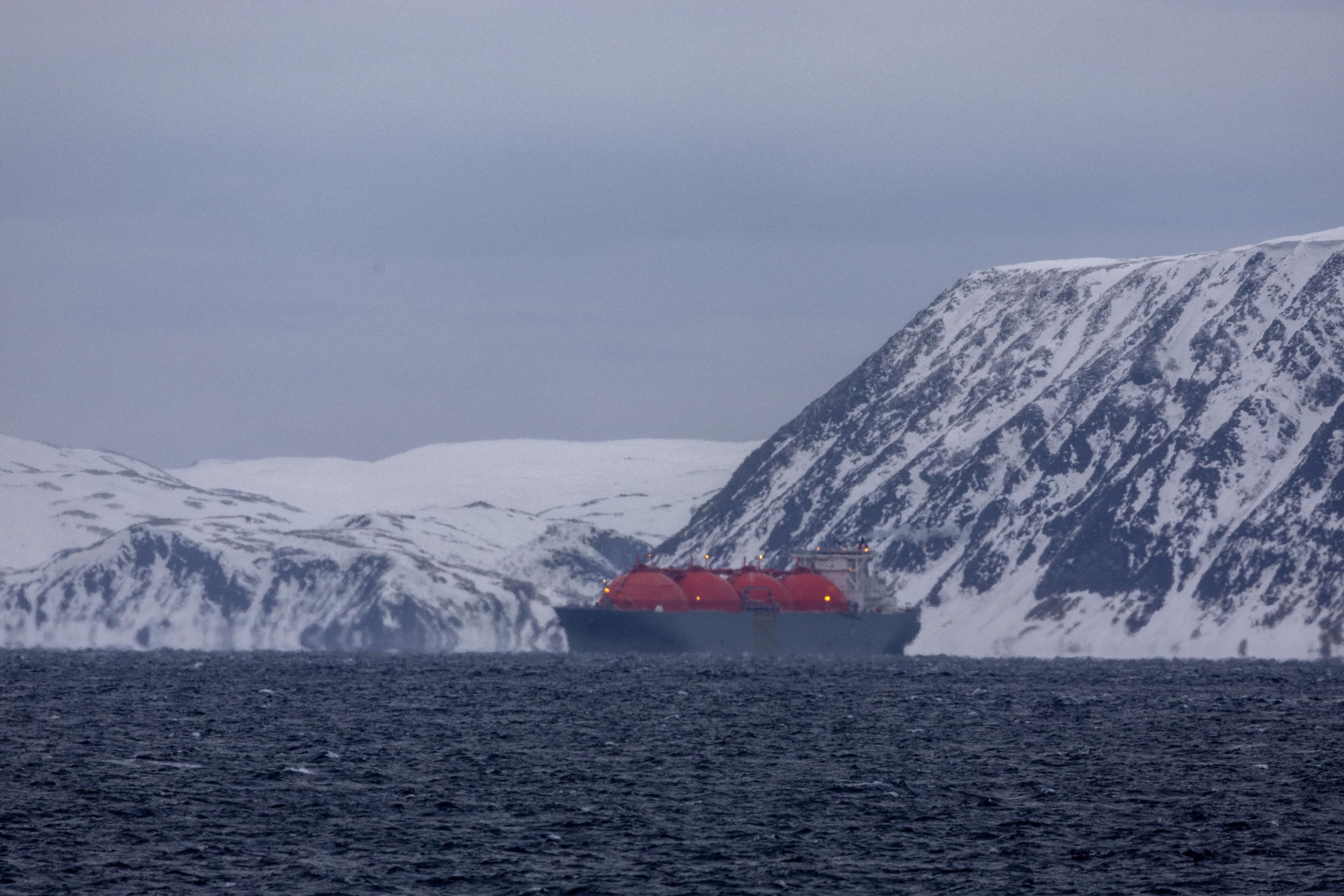
HOUSTON, July 1 (Reuters) - The Arctic could face more severe environmental impacts from oil spills if shippers switch to very-low sulfur fuel oil (VLSFO) following new, restrictive fuel regulations in the region, the Arctic Council said in a statement on Monday. Ships sailing through Arctic waters can no longer use or carry heavy bunker fuel oil as of Monday, following a new regulation from United Nations shipping agency the International Maritime Organization (IMO) that aims to reduce pollution. WHY IT'S IMPORTANT The widely used alternative to heavy fuel oil (HFO) is VLSFO. European shippers broadly opted for VLSFO in 2020 when the same regulation took effect there. If exposed to cold water in a spill, VLSFO forms clumps, whereas HFO remains liquid. Current oil spill equipment is not designed to collect oil clumps, Arctic Council working groups Emergency Prevention, Preparedness and Response (EPPR) and Protection of the Arctic Marine Environment (PAME) have found. "We are not in a position to comment on specific studies. However, IMO welcomes submissions from Member States and international organizations to the relevant IMO body," a spokesperson for the agency told Reuters on Monday. CONTEXT Shipping traffic in Arctic waters rose by more than a third from 2013 to 2023, according to PAME, and the distance traveled by vessels more than doubled, raising the risk of a spill. KEY QUOTES "The IMO had the best intentions when they introduced the Heavy Fuel Oil ban, and it will no doubt make a positive environmental impact in many ways," expert and project lead for PAME and EPPR, Jon Arve Royset said in Monday's Arctic Council statement. "However, in the event of an oil spill, the new fuels being used as a result of this ban could have a far worse environmental impact than the old fuels they are banning." Sign up here. https://www.reuters.com/business/environment/new-shipping-fuel-requirements-arctic-risk-worse-oil-spills-report-says-2024-07-01/