2024-06-28 11:00
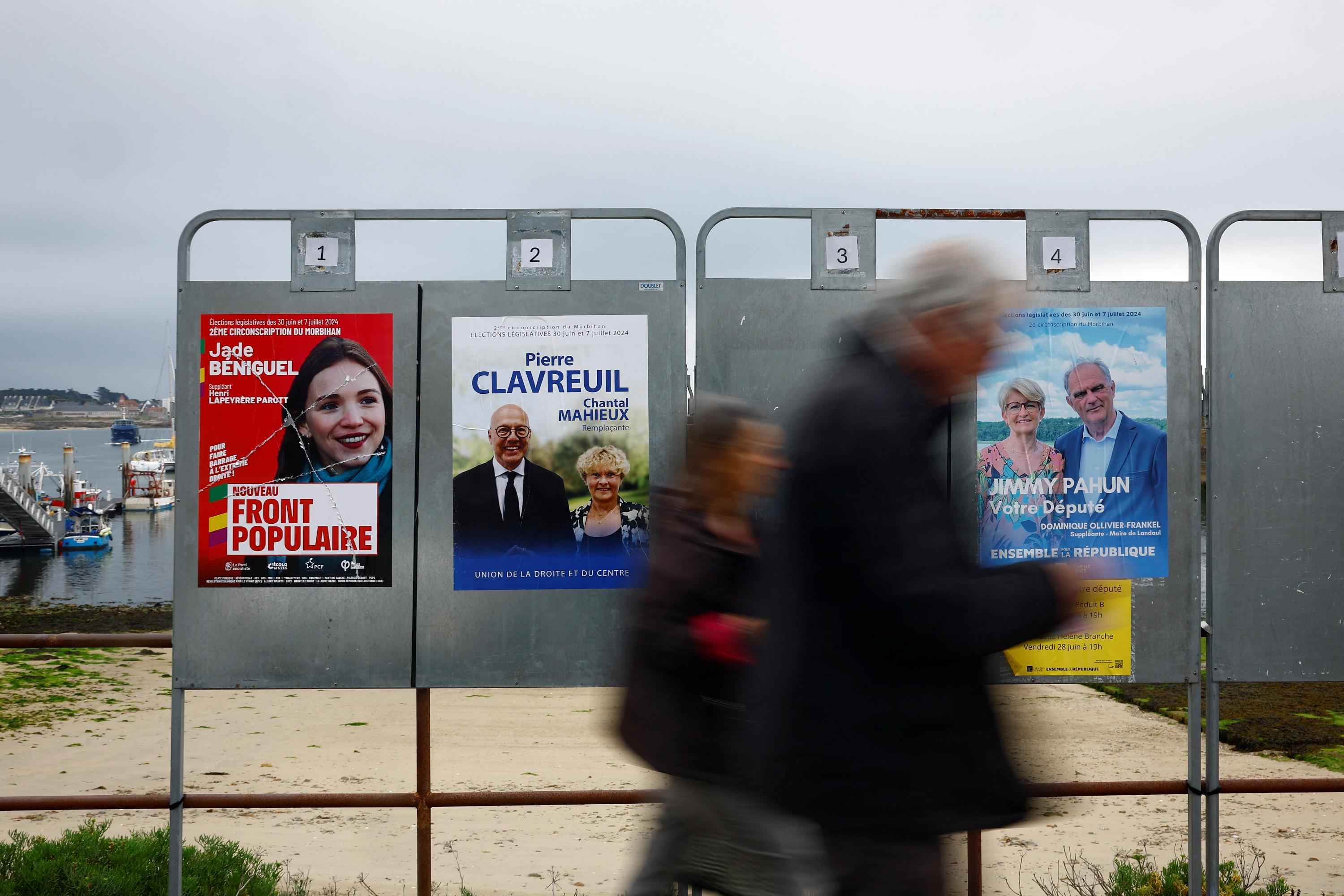
June 28(Reuters) - Sunscreens are not all the same, and with temperatures reaching record highs, you may want to reconsider which one you are using, experts say. The two major types – mineral and chemical – handle the sun's ultraviolet (UV) rays differently, and during extremely hot weather, those differences can matter. Here's what you need to know: HOW DO SUNSCREENS WORK? Mineral sunscreens contain zinc oxide or titanium dioxide. They create a barrier that reflects UV light before it penetrates the skin. Because mineral sunscreens aren't absorbed, older formulations often had a greasy feel and a white appearance. Newer formulations, made with mineral nanoparticles, "rub into the skin beautifully," said Dr. Jacqueline Watchmaker, a dermatologist in Scottsdale, Arizona and a spokesperson for the American Academy of Dermatology (AAD). People who do not like the thicker texture of mineral sunscreens often use chemical sunscreens in creams or sprays. The ingredients form a thin protective film that absorbs UV rays and changes their structure, converting them into heat before they penetrate the skin. Ultimately, the chemicals themselves are absorbed into the bloodstream, and health officials say more research is needed to understand the safety impacts of long-term use. WHEN DOES IT MAKE A DIFFERENCE? Ordinarily, "the best type of sunscreen is the one you will use again and again," the AAD advises on its website. The group recommends use of any water-resistant sunscreen, with a Sun Protection Factor (SPF) of 30 or higher, that offers broad-spectrum protection against UVA rays, which lead to signs of aging, and UVB rays, which lead to sunburn. But during extreme heat, when temperatures reach 90 degrees Fahrenheit (32 degrees Celsius) or above, with high humidity, for at least a few days, mineral sunscreens are preferable, according to Watchmaker and Dr. Ross Radusky of the Dermatology Treatment & Research Center in Dallas, Texas. Chemical sunscreens can lose their filtering abilities when exposed to extremely high temperatures. Extreme heat also means more sweating, and sweat can contribute to itchiness and rashes some people experience from ingredients in chemical sunscreens. Even in the absence of extreme heat, people with sensitive skin should opt for mineral sunscreens, the AAD advises. APPLY MORE SUNSCREEN, MORE OFTEN Habits matter too. Many individuals only apply about 20%–50% of the amount of sunscreen needed to achieve the level of SPF protection on the label, the AAD says. "An adult needs one ounce of sunscreen, which is about a shot glass full," with double layers applied to areas exposed to the most sun such as the face, chest and shoulders, Watchmaker said. Sunscreen should be applied to dry skin 15 minutes before going outdoors and then re-applied at least every two hours, and after swimming or sweating, the AAD says. KEEP SUNSCREEN CONTAINERS OUT OF THE HEAT Eight hours of exposure to temperatures of 86 to 140 F (30 to 60 C) can irreversibly alter a chemical sunscreen's physical characteristics, resulting in decreased efficacy, a 2012 study in the Journal of the American Academy of Dermatology found. If sunscreen must be left in hot vehicles or in the sun, pack it in a cooler. You can tell if sunscreen may have been exposed to extreme heat if its components have started to separate. Experts caution about ordering sunscreen online in the summer, especially in hot climates, because of the potential for degradation if left in a hot mailbox. Sign up here. https://www.reuters.com/business/healthcare-pharmaceuticals/extreme-heat-may-mean-using-different-sunscreen-2023-08-17/
2024-06-28 10:37
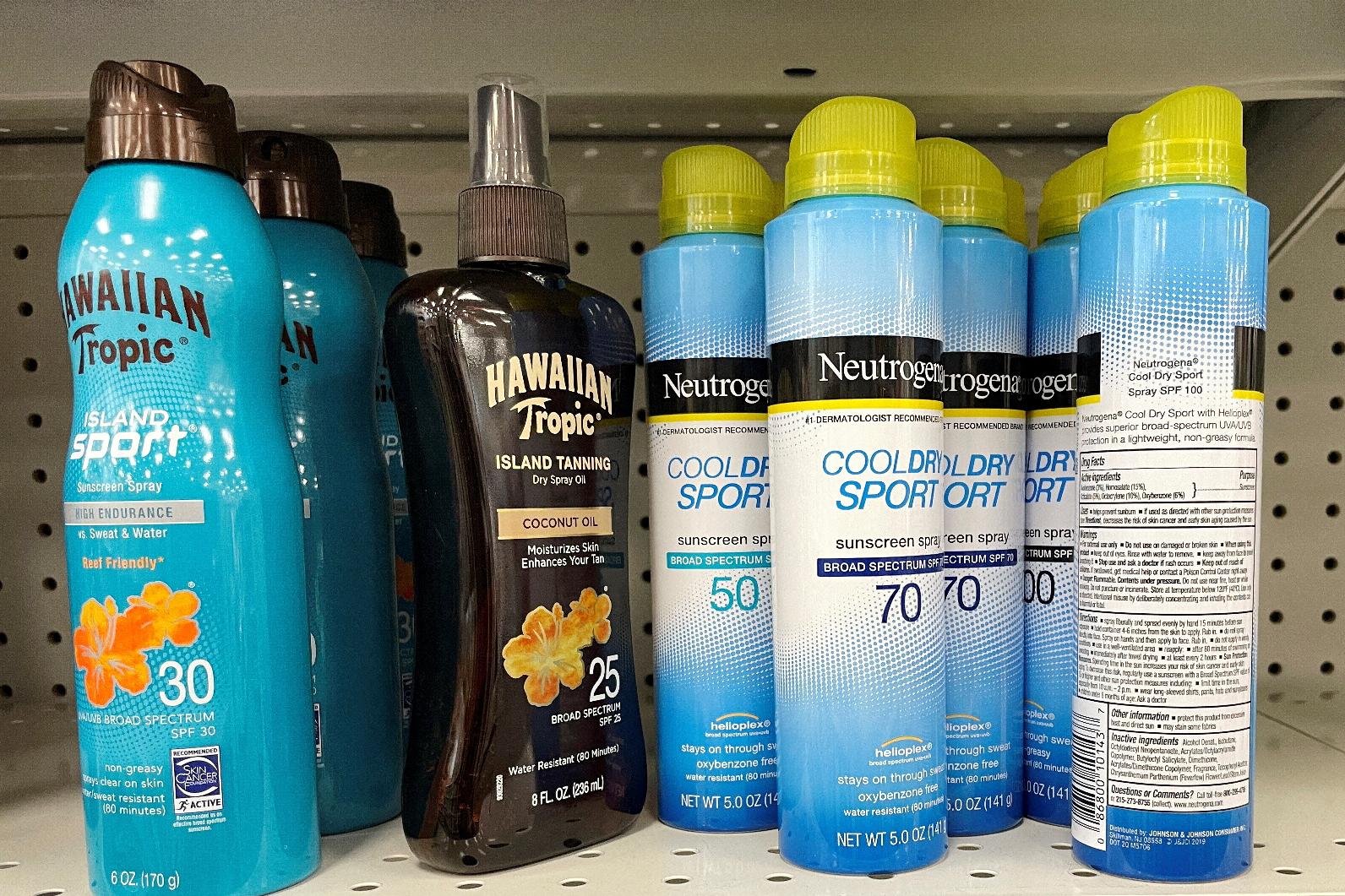
June 28 (Reuters) - Sterling was on track for its biggest monthly rise versus the euro since January as political concerns weigh on the single currency ahead of general elections in the UK and France. The pound edged higher on Friday after revised data showed Britain's economy pulled out of recession at a faster pace than previously thought in the first three months of this year. It was up 0.06% versus a flat dollar at $1.2646. It was up 0.05% against the single currency at 84.72 pence per euro and set for a monthly rise of 0.6%. Investors believe that the expected significant Labour majority after the vote of July 4 would bring more stability to UK politics and open up the potential for relations with the European Union to improve in the coming years. Meanwhile, the most likely outcomes in France, which involves a victory of the far-right party National Rally (RN) or the far-left New Popular Front (NPF), could threaten the safe-haven status of the national debt, weakening the euro. An opinion poll showed on Friday that RN might win as much as 37% of the popular vote, the NPF leftwing alliance was seen reaching 28% of the vote, while President Emanuel Macron's centrist bloc was seen reaching 20%. "We think there are clear reasons why markets should retain a short EUR/GBP bias - relative political stability around elections; strong and improving macro performance in the UK and a higher terminal rate versus euro," said Kamal Sharma, forex strategist at BofA. Analysts argued a surprise outcome, such as a poorer showing by Labour or no decisive majority by any party, could put pressure on the pound. Investors await later in the session the report on the core U.S. personal consumption expenditure index (PCE), the Federal Reserve's favourite inflation gauge, which could affect expectations for the U.S. central bank's monetary easing cycle. Markets priced in a bit more than a 50% chance of a first 25 bps rate cut by the Bank of England and 42 bps of cumulative monetary easing by year-end versus 45 bps in the U.S. Sign up here. https://www.reuters.com/markets/currencies/sterling-track-monthly-rise-versus-euro-before-uk-vote-2024-06-28/
2024-06-28 10:31
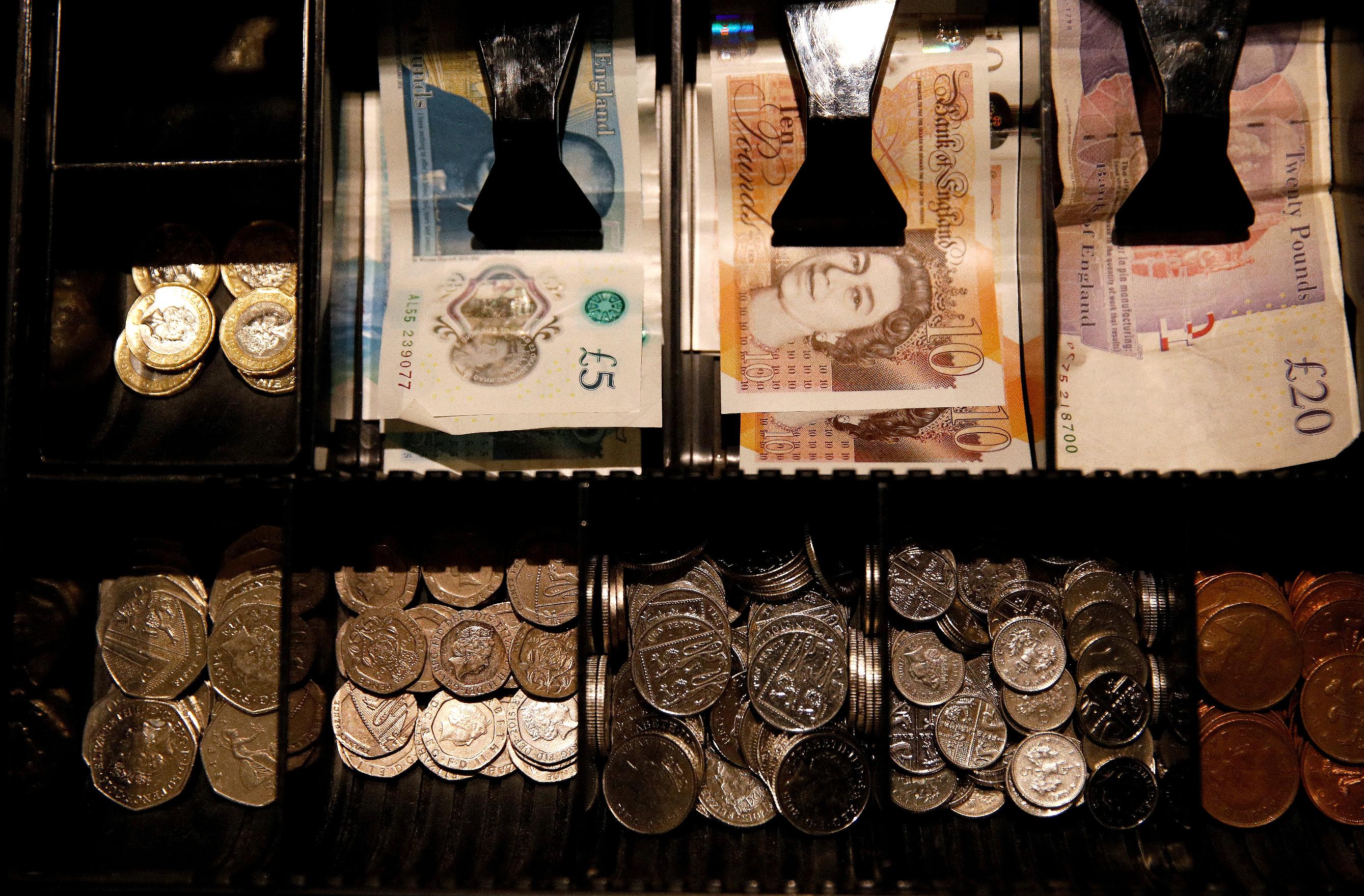
Law aims to improve emergency prevention, response Law calls for official guidance on media coverage of emergencies Revised law on emergency responses to take effect on Nov. 1 BEIJING, June 29 (Reuters) - China tightened controls on handling accidents and disasters, increasing penalties on authorities that respond poorly and tightening government surveillance of media reporting on emergencies. Legal revisions announced late on Friday aim to "improve the ability for emergency prevention and response" and refine how information is disseminated about natural disasters, accidents and public health emergencies. Government guidance over news coverage could tighten media restrictions and access in a country that is already on constant guard against reports that could potentially harm social stability and security, some media analysts said. An escalation of extreme weather events has tested China's emergency responses in recent years as the country faces more severe floods and drought. Disasters such as earthquakes have also challenged local officials in remote and rural areas. The revisions to the Emergency Response Law, which take effect on Nov. 1, boost five-fold the maximum fine for failure to adequately prepare for or respond to disasters, to 1 million yuan ($140,000). Official guidance over news coverage will be tightened. The law calls for an enhanced "news interviewing and reporting system" for emergencies but does not give specific guidelines. Government departments must "guide" news media and "support" them in conducting interviews and reporting, as well as "conduct supervision" on public opinion. News of emergencies should be "timely, accurate, objective and fair", emergency warnings prompt and designated personnel should be appointed to receive and disseminate warning information to public and crowded areas, the revised law says. "The stated purpose is to increase accuracy and objectivity of information, but the new law further monopolises state control over information flows," said Katja Drinhausen, head of the politics and society programme at European think tank Mercator Institute for China Studies. The revisions make terms for journalists reporting on emergencies even more prescriptive, said Jemimah Steinfeld, the CEO of UK-based Index on Censorship. The revisions, passed by the Standing Committee of China's National People's Congress, add more than 30 provisions to the 2007 law. The law bars government agencies from instructing others to delay, falsely report or conceal information, or obstruct others from reporting. Tardy reaction from officials in managing disasters have triggered public backlashes in the past. A hospital fire that killed 29 in Beijing last year prompted online debate as official news reports only surfaced eight hours after the incident. Also last year residents in Zhuozhou complained of receiving no warnings and of authorities that "disappeared" as unprecedented floods inundated the northern city. Under the legal revisions, foreigners in China will be required to abide by the law and follow local government decisions and orders. "Overall, this points to the need for foreigners living and working in China, media outlets as well as international businesses with a presence in the country, to pay close attention to the emerging regulatory system around crisis preparedness, as well as the political expectations in case of emergency," said Drinhausen. Foreign reporters sometimes face grassroots resistance and even obstruction while gathering news on the ground about accidents and disasters. In 2021, an angry crowd targeted a German journalist while he was reporting on floods in the central city of Zhengzhou, accusing foreign journalists of "slandering everything in China", German media DW reported. Journalists from Chinese state media have also been harassed. In March, reporters from the state broadcaster and other media were blocked and shoved while covering a blast at a fried chicken shop in Sanhe, a city next to Beijing, prompting the domestic association overseeing Chinese journalists to issue a rare statement of protest. ($1 = 7.2670 Chinese yuan renminbi) Sign up here. https://www.reuters.com/world/china/china-passes-revised-emergency-response-law-improve-protection-lives-property-2024-06-28/
2024-06-28 10:12
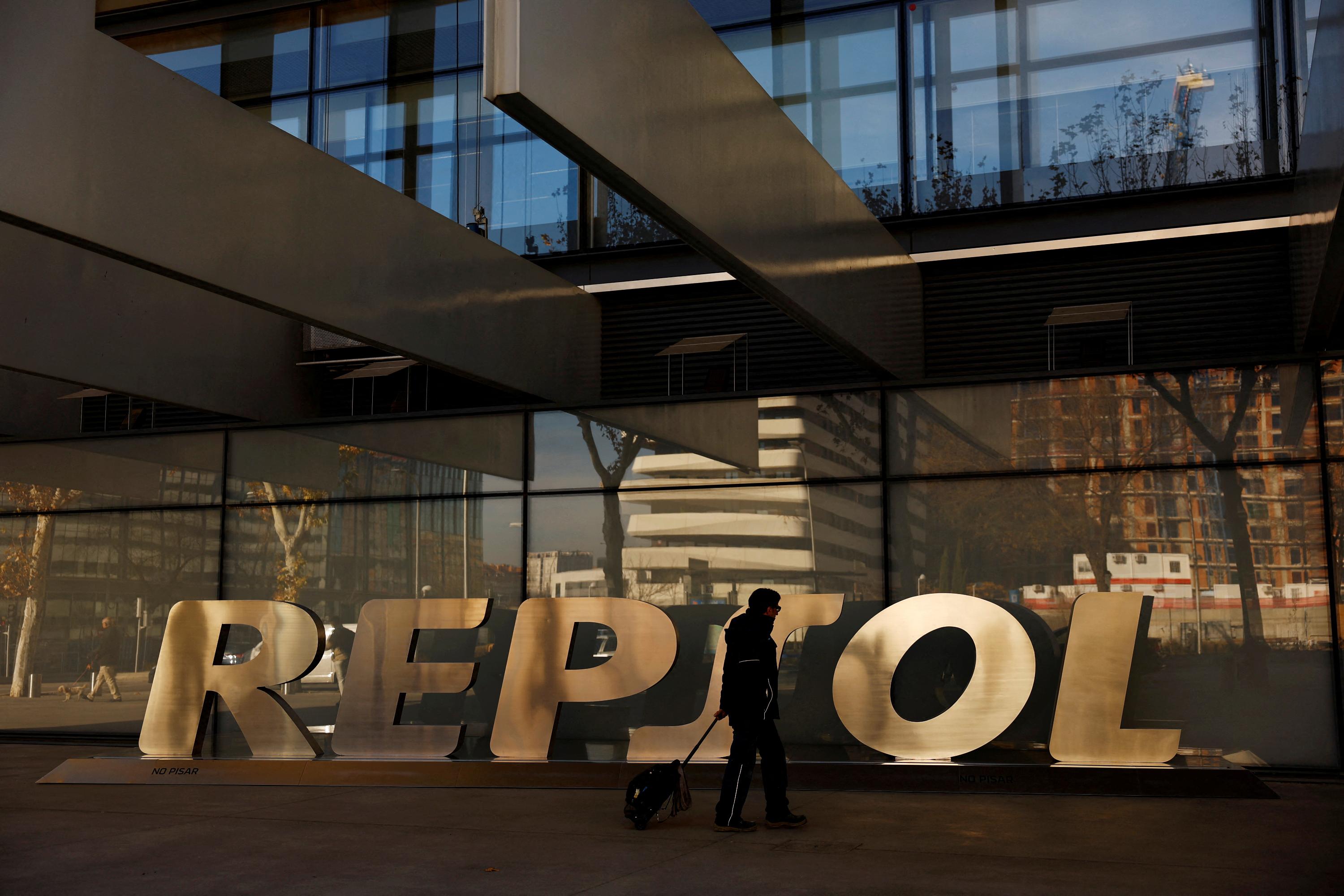
LONDON, June 28 (Reuters) - Spain's Repsol (REP.MC) New Tab, opens new tab is in talks to merge its UK North Sea oil and gas business with private equity-backed NEO Energy, three industry sources said, the latest consolidation effort by companies that operate in the basin amid greater tax pressures. A merger would create a company with output of more than 110,000 barrels of oil equivalent per day, making it one of the largest producers in the ageing basin. The two sides have had extensive discussions in recent weeks about combining their operations and could announce a deal within weeks, two of the sources said. The potential value of the deal could not be immediately learned. The sources were not authorised to speak to media and declined to be identified. Repsol and NEO Energy declined to comment. North Sea producers have merged and sought to diversify away from the region in recent years after the UK government imposed a windfall tax in the wake of the surge in energy prices in 2022. The sector faces further uncertainty ahead of Britain's elections next week as the Labour Party, which commands a large lead in polls, has vowed to increase taxes on the sector, which are currently at a rate of 75%, one of the highest in the world. Labour has also pledged to scrap an exemption for profits that are re-invested in oil and gas production, although the exact details remain unclear. Repsol Resources UK has interests in 48 offshore fields, of which it operates 38, according to its website. The company also had a tax loss position of $3.7 billion at the end of 2022, according to its latest filing. Tax losses can be used to offset tax on new investments. Repsol UK produced nearly 39,000 barrels of oil equivalent per day at the end of 2022, according to the filing. Repsol last year ended years-long arbitration with China's Sinopec which saw the Spanish company acquire the remaining 49% of their North Sea joint venture, giving it full control of the assets. NEO Energy was founded in 2019 with the backing of private equity fund HitecVision and has since then made a series of deals in the North Sea, including acquisitions from TotalEnergies (TTEF.PA) New Tab, opens new tab and Exxon Mobil (XOM.N) New Tab, opens new tab. It has interests in 25 fields in the North Sea, according to its website. It produces around 80,000 boed, one of the sources said. Sign up here. https://www.reuters.com/markets/commodities/repsol-talks-merge-uk-north-sea-operations-with-neo-sources-say-2024-06-28/
2024-06-28 10:02
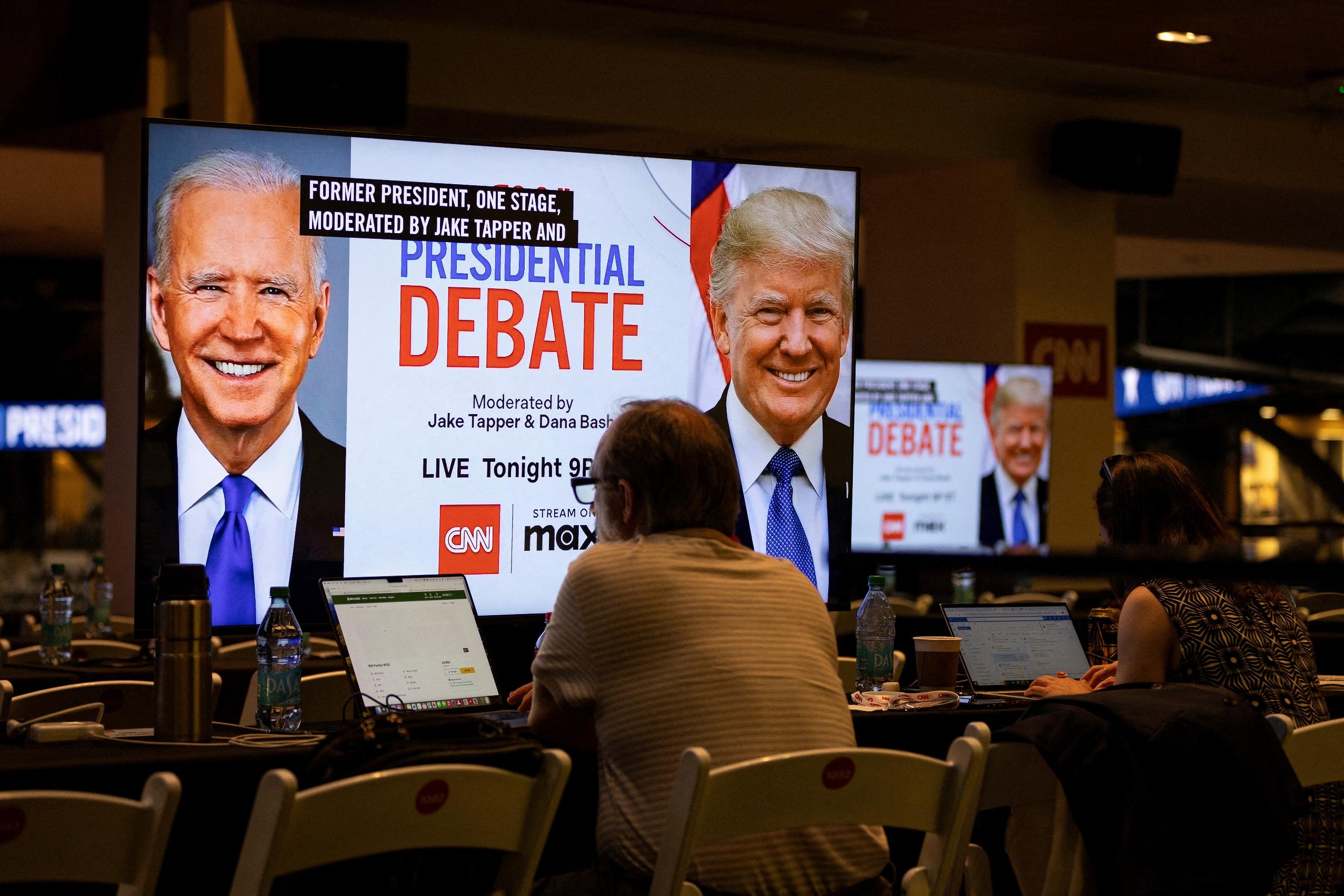
A look at the day ahead in U.S. and global markets from Mike Dolan If TV debates decided elections, world markets seem remarkably calm about the prospect of a Donald Trump return to the White House as the first half of the trading year ends on Friday. It may be too early to stake bets on November's U.S. election outcome just yet, and there are many pressing issues on the table before then - not least a critical update on Friday on the PCE inflation gauge favored by the Federal Reserve and the first round of the French assembly election at the weekend. But U.S. President Joe Biden's poor performance in Thursday's first of two televised face offs with Trump would appear to put the former President in pole position, with opinion polls before the event showing the two neck and neck. Perhaps one reason for investor hesitancy was post-debate speculation that Democrats may push Biden to stand aside and see an alternative candidate selected at the party's convention instead. Either way, U.S. stocks and the dollar (.DXY) New Tab, opens new tab were marginally higher early on Friday and Treasury yields steady. The VIX 'fear index' (.VIX) New Tab, opens new tab of equity volatility, and related futures on that index covering the election, remain subdued near the lowest levels of the year. Even currencies potentially most sensitive to Trump's pledges on tariff rises or immigration barriers, like China's yuan or Mexico's peso were undisturbed. Once again, the big mover on the currency markets was Japan's yen , which continued to wend its way to new 38-year lows and briefly breached 161 per dollar in the face of continued Japanese government warnings about a repeat of April's intervention to support it. Japan appointed a new top foreign exchange diplomat as the yen plumbed new lows, heightening expectations of imminent action by Tokyo to shore up the ailing currency. Atsushi Mimura, a financial regulation veteran, replaces Masato Kanda. French bonds markets grew nervier, meantime, ahead of the two-round French elections on Sunday and July 7. The risk premium on French government bonds over German equivalents rose to its widest since the euro zone crisis 12 years ago with polls still suggesting far right parties with the highest percentage vote, though still short of an overall majority in parliament. The spread between German and French 10-year yields reached 84 basis points, its widest since September 2012, although nominal 10-year French yields remained below peaks seen late last year. Back on Wall Street, the economic picture appeared to darken somewhat. First-time applications for U.S. unemployment benefits drifted lower last week but the number of people on jobless rolls jumped to a 2-1/2 year high in mid-June, suggesting the labor market was cooling amid slowing economic growth. Other data showed non-defense capital goods orders excluding aircraft, a closely watched proxy for business spending plans, unexpectedly dropping 0.6% last month and the goods trade deficit widened 2.7% to $100.6 billion. All of which saw the Atlanta Fed's real-time 'GDPNow' estimate fall to 2.7%, with U.S. economic surprise indexes at their most negative in almost two years. Better news is expected from the PCE inflation release for May out later. A 0.1% monthly increase in the core PCE is forecast and that would bring the annual core rate down to 2.6% - its lowest in more than three years. Still, Fed officials still appear in no rush to loosen interest rates. Atlanta Fed President Raphael Bostic said on Thursday that inflation "appears to be narrowing" and that should allow one rate cut later this year - less that the 45bp priced into futures markets right now. More hawkish Fed governor Michelle Bowman reiterated her stance: "We are still not yet at the point where it is appropriate to lower the policy rate, and I continue to see a number of upside risks to inflation." And reflecting the thorny fiscal problems facing whoever wins next year's elections, the International Monetary Fund on Thursday called on the U.S. to raise taxes to curb rising debt levels while applauding "robust, dynamic" growth in the world's largest economy. Elsewhere in company news, Nike (NKE.N) New Tab, opens new tab lunged 12% in out of houses trading on Thursday after it forecast a surprise drop in fiscal 2025 revenue, hurt by faltering demand for its sneakers as consumers covet newer brands such as On and Hoka. Key developments that should provide more direction to U.S. markets later on Friday: * US May personal income and consumption and PCE inflation gauge, Chicago June business survey, University of Michigan final June consumer sentiment survey * Federal Reserve Board Governor Michelle Bowman, San Francisco Fed President Mary Daly and Richmond Fed President Thomas Barkin speak * Iranian Presidential election Sign up here. https://www.reuters.com/markets/us/global-markets-view-usa-2024-06-28/
2024-06-28 09:40
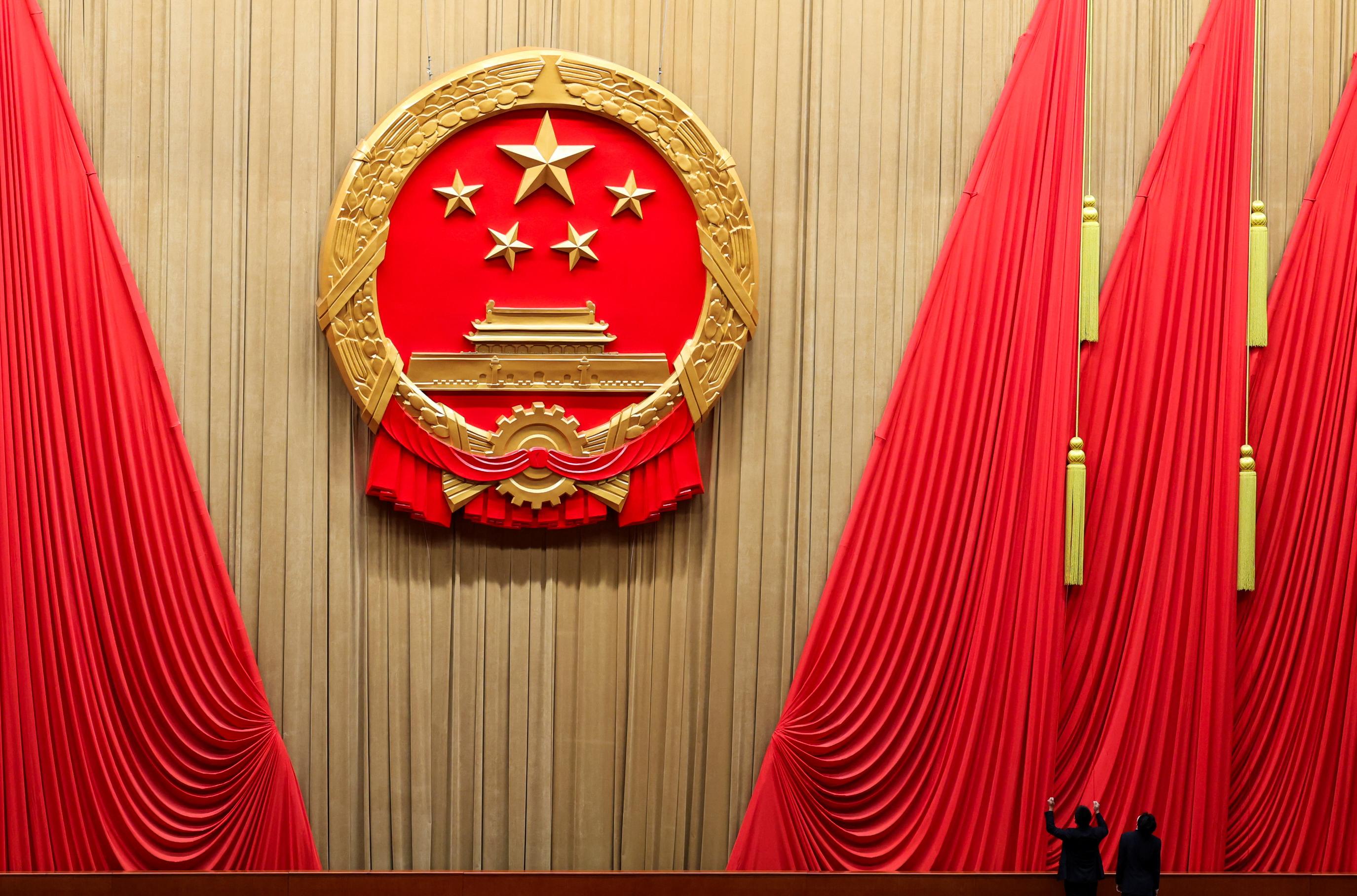
July 1 (Reuters) - European election fever is running almost as hot as Euro 2024 football tournament excitement, as this weekend's first round of voting in France promises to be market-moving, while Britain may see its first left-of-centre government in 14 years. England, currently joint favourite with France, along with hosts Germany, are through to the quarter finals of the Euros. But the excitement is not just on the football pitch, or the polling booths. The coming week also brings the market's favourite data point - U.S. monthly employment figures. Here is your look at what matters for markets in the coming week from Lewis Krauskopf in New York, Rae Wee in Singapore, Yoruk Bahceli in Amsterdam and Andres Gonzalez and Naomi Rovnick in London. 1/JOBS DAY Investors assessing when the Federal Reserve could start to cut interest rates will get a critical economic datapoint with the monthly U.S. jobs report released on July 5. Economists are forecasting an increase of 180,000 jobs for the month of June. For May, non-farm payrolls increased by 272,000, far more than expected, underscoring the resilience of the labour market. The Federal Reserve held rates steady this month and pushed out the start of rate cuts to perhaps as late as December, as officials look for more convincing signs that inflation is moderating to the central bank's target, or evidence that the employment market is worsening. The latest consumer price index report showed U.S. consumer prices were unexpectedly unchanged in May. 2/FRENCH VOTE Marine Le Pen's far-right National Rally (RN) party scored historic gains to win the first round of France's parliamentary election on Sunday, exit polls showed, but the final result will depend on days of horsetrading before next week's run-off. Investors are unlikely to get much more clarity before the results of the second round vote on July 7. But a 577-constituency race where candidates just need 12.5% of the vote to make it to the second round, also featuring three-way races, means uncertainty may prevail. Market jitters over fears of a spending surge have stabilised, helped by a signals from Marine Le Pen's far-right National Rally (RN), leading the polls, that it would be fiscally responsible. Yet they are far from recovery. The closely-watched risk premium French bonds pay over Germany's is still over 25 basis points higher than before the election announcement. French bank stocks are sitting on double-digit losses. Another worry for markets has been the left-wing alliance polling second, which many in the market now see as a bigger threat than the RN. 3/A MIXED M&A BAG Global M&A volumes in the first half of 2024 have seen an uptick of 20% compared with 2023, and deals exceeding $5 billion have surged by 53%, according to data provided by Dealogic. But for some dealmakers the glass is only half full. Despite the recovery, deal volumes as of June 24 remain 15% below the last decade's average, largely impacted by the slowest Q2 in the Asia-Pacific region since 2009. The number of deals announced in Q2, 2024 is the lowest of the past 16 years, even worse than in Q2, 2020, when COVID-19 forced a worldwide pause in M&A activity. The remainder of the year looks bleak, with upcoming elections in France, Britain, and particularly in the U.S. causing corporate boards and private equity funds to reconsider their decisions. Some investment bankers are wondering whether they should focus on 2025 instead, a year they finally hope will deliver the goods. 4/BRITISH BLUES Polls predict a landslide British election win for the opposition Labour Party on July 4, boosting UK stocks and government bonds, as trade-weighted sterling has bounced back to levels not seen since 2016's Brexit vote. Traders see a return to stability after heavy political turbulence during the Conservatives' 14-year rule and have speculated Labour leader Keir Starmer will rebuild trade links with Europe. But Britain has vast fiscal challenges that neither Labour nor the Conservatives have clarified how they would solve, the Institute for Fiscal Studies think-tank said. Economic growth is tepid, public debt-to-GDP has hit a 63-year high and taxation as a share of national income is approaching its highest since 1949. If voters expect better public services without tax hikes and investors want government borrowing to stabilise, Starmer could find it tough to keep both sets of stakeholders on side. 5/STAND-OFF Inflation readings across countries in emerging Asia scatter the data calendar, though with consumer prices seemingly coming to heel for most economies it begs the question of how much longer policymakers will need to keep rates higher for. Yet their hands are tied, with a foot-dragging Federal Reserve and a towering dollar leaving little to no room for any imminent rate cuts in Asia. It's that or running the risk of their currencies getting hammered further. In Thailand, that dissonance has sparked a months-long spat between the central bank and government. The latter insists an urgent rate cut would revive Southeast Asia's second-largest economy, while the Bank of Thailand (BOT) has said rates remain appropriate. BOT Governor Sethaput Suthiwartnarueput speaks to the media on Thursday, and will likely reiterate the central bank's stance. Sign up here. https://www.reuters.com/business/take-five/global-markets-themes-graphic-2024-06-28/