2024-06-27 11:58
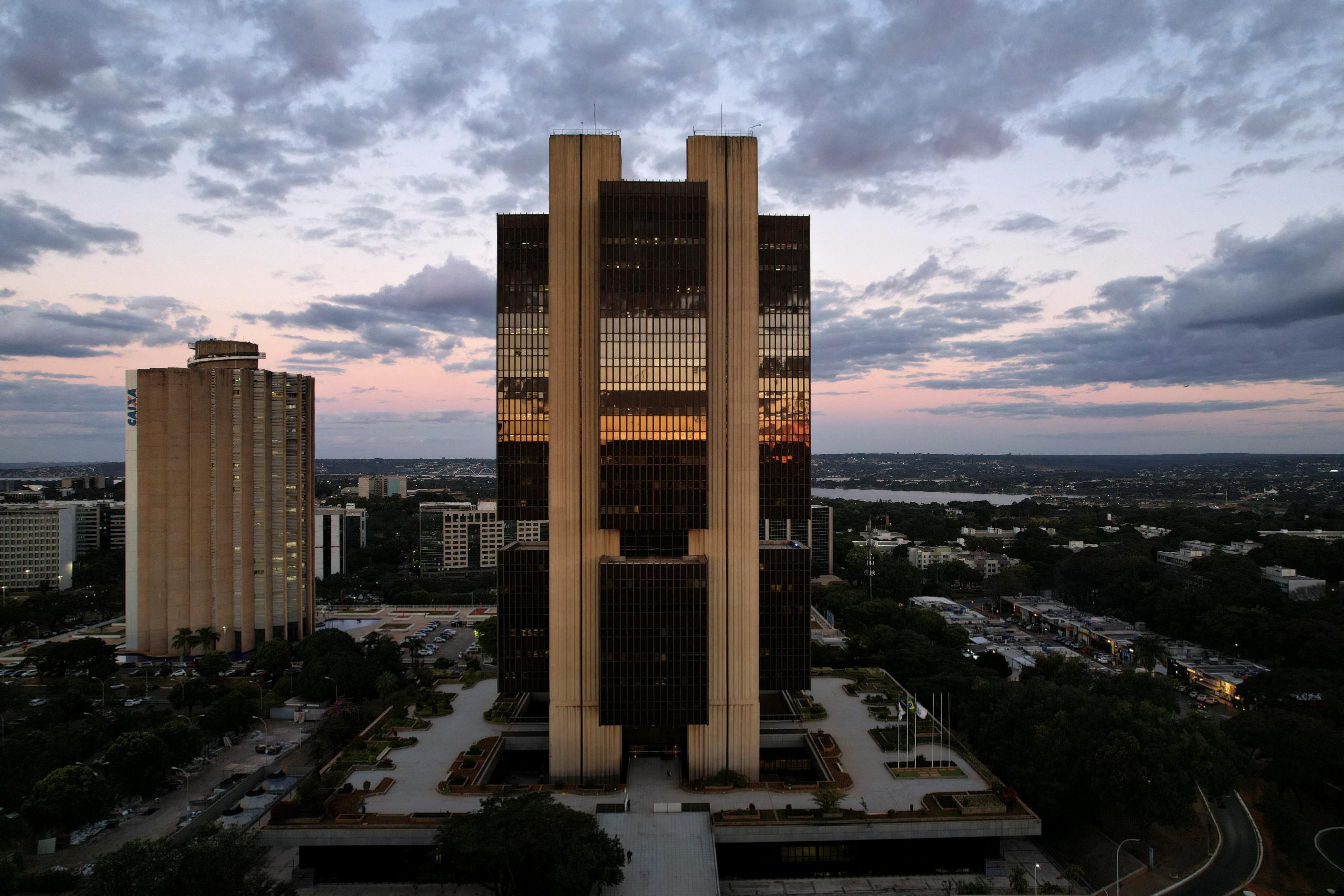
BRASILIA, June 27 (Reuters) - Brazil's central bank said on Thursday that stronger-than-expected activity is the main reason behind its higher inflation projections, one of the factors that led it to halt interest rate cuts earlier this month. In its quarterly inflation report, the central bank bumped its 2024 economic growth forecast to 2.3% from the 1.9% predicted in March. According to the central bank, the move followed a more robust economic performance in the first quarter, accompanied by a drop in unemployment and rising wages. Although last month's historic floods in Brazil's southernmost state of Rio Grande do Sul have caused a significant economic downturn in the region, policymakers said signs of recovery were already visible. In the report, they emphasized that their inflation projections - now at 4.0% for this year, 3.4% in 2025 and 3.2% in 2026, against an official target of 3% - were primarily increased due to stronger-than-expected activity, which led to a change in the estimated output gap. The central bank indicated last week that the output gap, a measure of the supply-demand economic balance, was now "around neutrality" compared to slightly negative previously, meaning it no longer saw slack in Latin America's largest economy. Earlier this month, the bank held interest rates at 10.50%, interrupting an easing cycle after it reduced borrowing costs by a total 325 basis points since August. According to policymakers, higher inflation projections were also influenced by increased market inflation expectations, currency depreciation, short-term projection inertia and a higher neutral interest rate. They had previously disclosed that the neutral interest rate, which neither stimulates nor cools economic activity, was raised to 4.75% from 4.5%. Policymakers also noted that inflation in the three months to May was 14 basis points higher than expected, mainly due to pressure on food prices. The same factor led to a revision of their expected inflation for June to 0.33%, from 0.15% previously. Sign up here. https://www.reuters.com/markets/brazils-central-bank-raises-2024-gdp-growth-forecast-23-2024-06-27/
2024-06-27 11:31
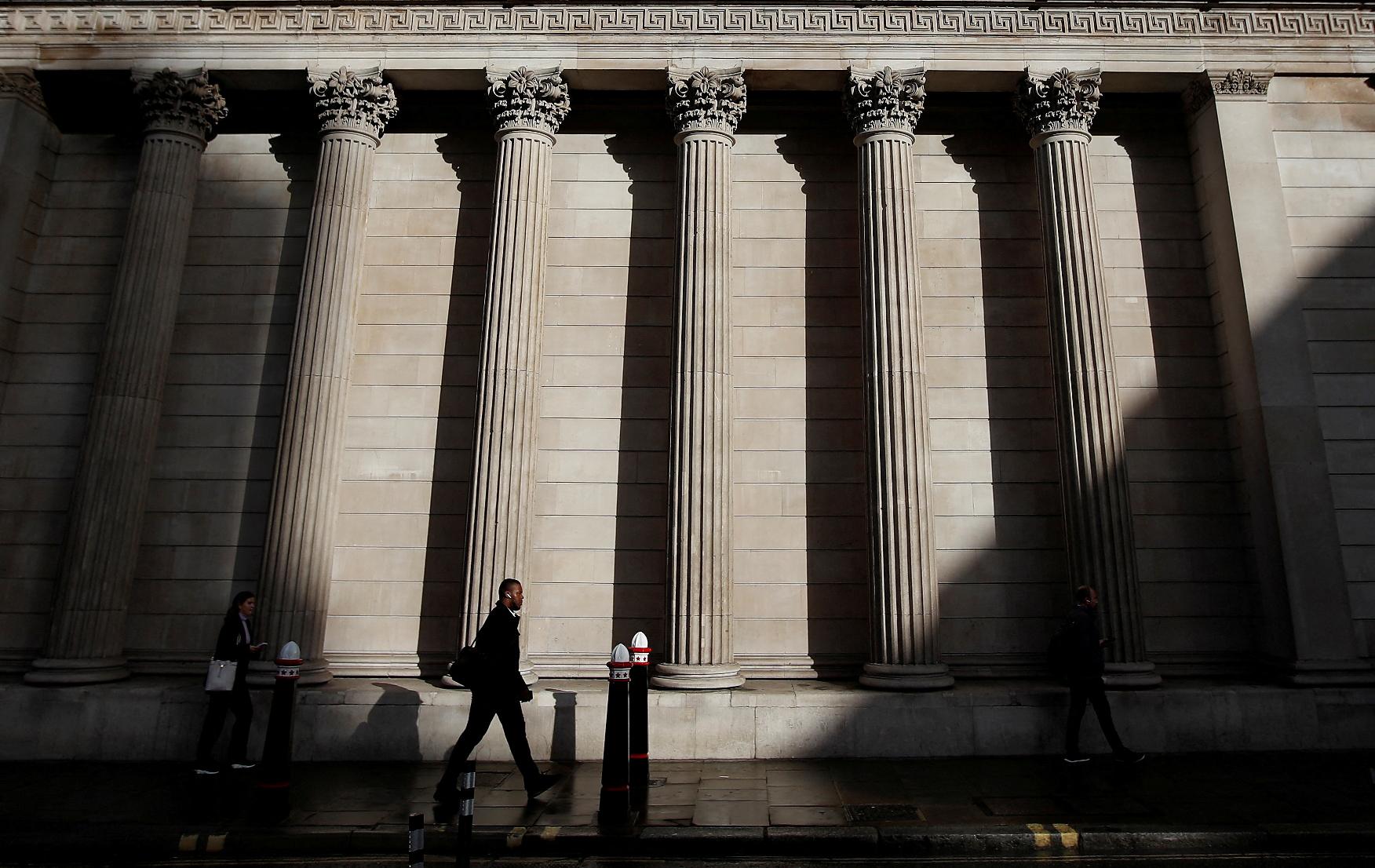
LONDON, June 27 (Reuters) - British banks received a record 21.347 billion pounds ($27.01 billion) in funds from the Bank of England at its weekly short-term repo on Thursday, marking the 11th time in the past 14 repos that usage has set a fresh record high. Usage of the repo, which allows banks to temporarily borrow cash from the BoE in exchange for government bonds they hold, has climbed steadily since March. The repo was launched in October 2022 by the BoE to ensure overnight interbank lending rates stay close to its official Bank Rate while it drains cash from the financial system through its quantitative tightening bond sales. The central bank is reducing its bond holdings by 100 billion pounds a year and cancelling the cash reserves it receives for them, after buying 875 billion pounds of bonds between 2009 and 2021 with newly created cash. Governor Andrew Bailey said in a speech last month that he did not view rising usage of the short-term repo as a sign that Britain's financial system was close to the minimum level of reserves which banks wanted to hold. Bailey said this "preferred minimum range of reserves" was probably between 345 billion pounds and 490 billion pounds. Current reserves held at the BoE stand at around 760 billion pounds. Once reserves fall to their minimum level, the BoE was likely to need to expand its market operations and rethink the pace of asset sales, Bailey said. ($1 = 0.7905 pounds) Sign up here. https://www.reuters.com/business/finance/bank-england-repo-demand-climbs-record-21-billion-pounds-2024-06-27/
2024-06-27 11:30
MUMBAI, June 27 (Reuters) - India's annual monsoon has covered more than three-fourths of the country and it is set to cover the entire country on time for the planting season despite stalling earlier this month, two senior weather officials said on Thursday. Summer rains, critical for economic growth in Asia's third-largest economy, usually begin in the south around June 1 before spreading nationwide by July 8, allowing farmers to plant crops such as rice, cotton, soybeans, and sugarcane. "Monsoon is advancing quickly in northern India and will cover the entire country on time," said an official of the India Meteorological Department (IMD), who spoke on condition of anonymity as he was not authorised to speak to the media. The southwest monsoon advanced on Thursday, covering more parts of Rajasthan, most of Madhya Pradesh, additional areas of Uttar Pradesh, Bihar, and nearly all of Uttarakhand and Himachal Pradesh, the IMD said in a statement. India has received 19% less rainfall since June 1, IMD data showed, as the monsoon's progress had stalled, with almost the entire country except for a few southern states experiencing shortfalls and parts of the northwest gripped by heatwaves. The lifeblood of the nearly $3.5-trillion economy, the monsoon brings nearly 70% of the rain India needs to water farms and refill reservoirs and aquifers. Without irrigation, nearly half of the farmland in the world's second-biggest producer of rice, wheat, and sugar depends on the annual rains that usually run from June to September. Rainfall is picking up, and most parts of the country will receive good rainfall in the next fortnight, accelerating the planting of summer-sown crops, another weather official said. The current rainfall deficit will narrow significantly by mid-July, he added. Sign up here. https://www.reuters.com/world/india/indias-monsoon-overcomes-delay-set-cover-country-time-2024-06-27/

2024-06-27 11:27
June 27 (Reuters) - SM Energy (SM.N) New Tab, opens new tab said on Thursday it had agreed to buy some shale assets of oil and gas producer XCL Resources for about $2 billion, extending its footprint in the Uinta region in Utah, sending its shares down 10%. XCL, backed by EnCap Investments and Rice Investment Group, is one of the largest producers in the region with an output of around 55,000 barrels of oil equivalent per day. Denver-based SM Energy, which operates in the Eagle Ford and Midland Basins in Texas, plans to finance the acquisition through a combination of debt and cash on hand. "We don't think investors will be enthused about entering the Uinta Basin. SM (Energy) is adding a fair bit of leverage on this transaction, but we see solid free cash flow paying a lot of this off in the next 12 months," said analysts at Roth MKM in a note. A deal in the Uinta basin was a chance to maintain capital discipline, SM Energy executives said in a conference call, while getting a good multiple and higher oil mix. Once the deal is completed, likely in September, the output from legacy assets will fall, they added. The company expects oil to be greater than 50% of total production following the deal from 43% in 2023. Northern Oil and Gas (NOG.N) New Tab, opens new tab will also buy 20% of the oil and gas assets of XCL for $510 million, resulting in a total deal value of $2.55 billion. Reuters reported in March that XCL Resources could be worth at least $2.8 billion, including debt. A consolidation in the U.S. energy sector that triggered $250 billion worth of deals in 2023 has stretched into this year, as companies look for opportunities to deploy their cash hoard and boost their reserves - this deal SM Energy will serve as the operator of the assets and the deal will extend the company's reserves by two years. . Sign up here. https://www.reuters.com/business/energy/sm-energy-buys-xcl-resources-shale-assets-2-bln-2024-06-27/

2024-06-27 11:15
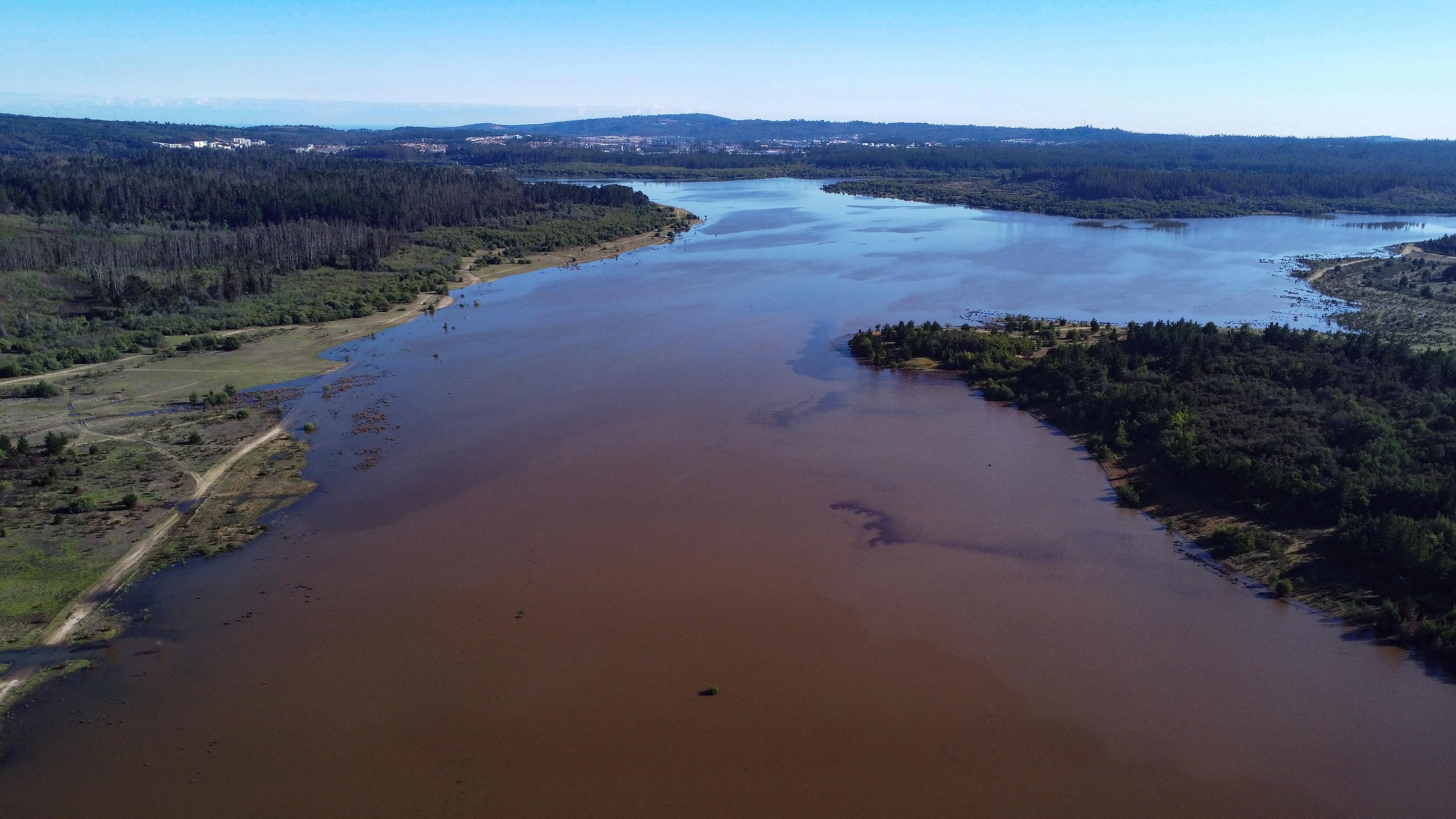
SANTIAGO, June 27 (Reuters) - Recent torrential rains in Chile have brought back to life - for now at least - reservoirs and lagoons that had all but dried up after years of drought, with dramatic images of cracked lake beds replaced by mirror-like still waters. A severe years-long drought had decimated water supplies and hit local industries from mining New Tab, opens new tab to agriculture and bees in the Andean nation, while exacerbating tensions over water use. The Aculeo Lagoon became a symbol of the crisis, as dead cattle and fish carcasses lay on its cracked and dry surface where there had once been a huge body of water. That's now dramatically refilled. "The water is alive," Gloria Contreras, manager of a campsite in the area, told Reuters. "With the drought of the lagoon, many jobs were lost. But now that's changed, everything is reactivated - businesses, even the smallest vendors." The recent rains that have refilled the lakes and seen snow dumped on bare mountainsides in the Andes, damaged hundreds of homes and left one person dead. But the water has meant that other lagoons like Lake Peñuelas, an important water source for tourist coastal town Valparaíso that had dried up to a "puddle," has recovered substantially. "It's been more than 20 years since we saw the lake like this, it's beautiful," said Eduardo Torres, a resident in the area of the nature reserve. Experts, however, believe that recent rains won't make up for the decade-long drought. A recent El Niño weather pattern brought low-pressure storms from the Pacific, heralding strong rains during the Southern Hemisphere winter, replenishing aquifers and covering the Andes mountains with snow. But a new La Nina is expected, meaning drier weather. "The central zone of Chile needs at least three, four or five years of normal and intense rainfall to recharge the aquifers fully," said Patricio González, agro-climatologist at the southern University of Talca. "Only then reservoirs could return to normal levels," he said. Alex Godoy, director of the Center for Research in Sustainability at Universidad del Desarrollo, said the weather outlook ahead was not positive in terms of precipitation. "The most likely result is no more rainfall," said Godoy. "We should expect an increase in the drought between now and the next two or three seasons." Sign up here. https://www.reuters.com/business/environment/drought-hit-lakes-chile-come-back-life-after-downpours-2024-06-27/
2024-06-27 11:09
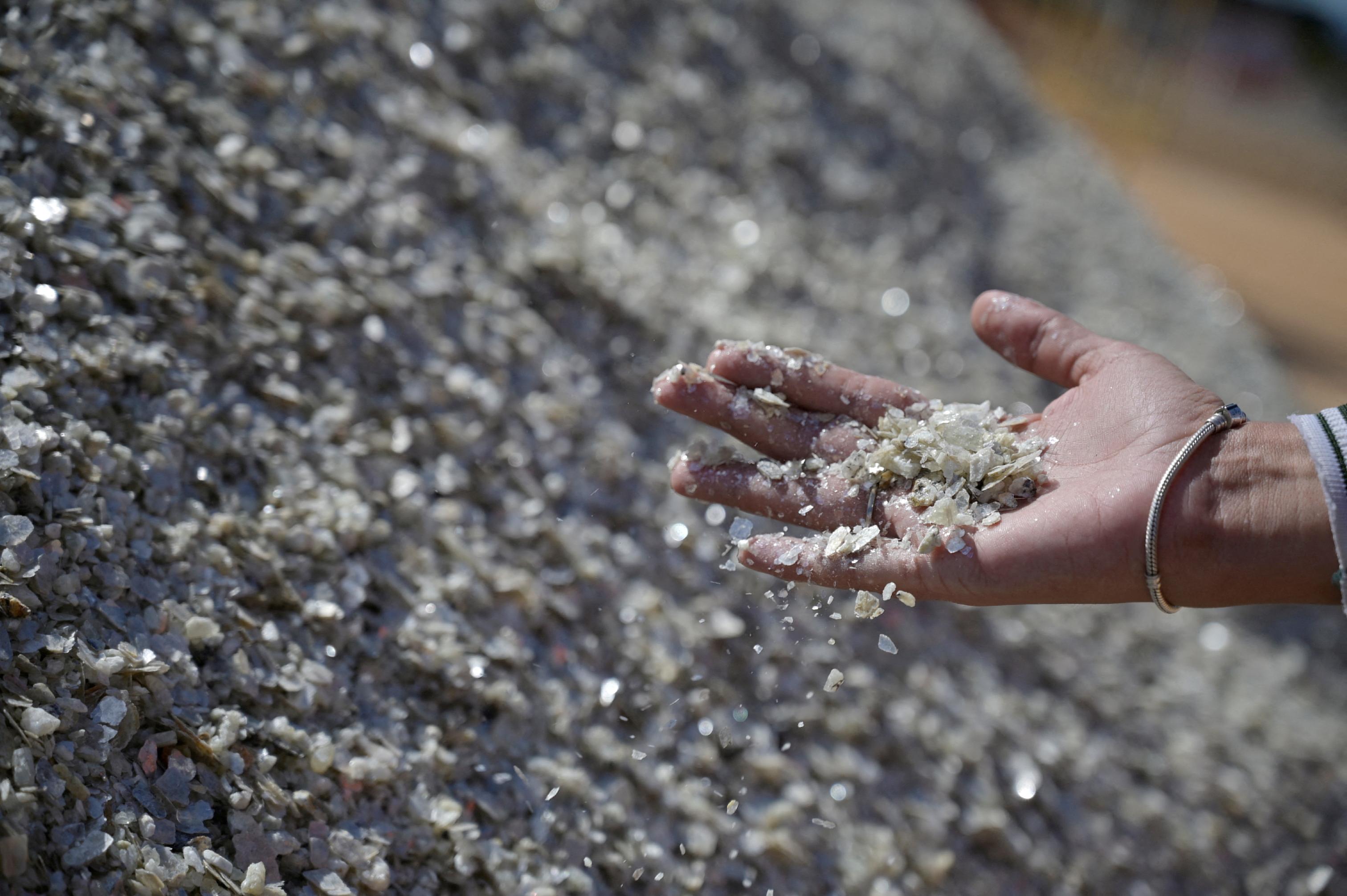
RIO DE JANEIRO, June 27 (Reuters) - Sigma Lithium (SGML.V) New Tab, opens new tab, the biggest player in Brazil's booming lithium industry, told regulators late last year it had found likely mineral reserves on two plots of disputed land, about a month after it said they held "no mineral reserves and resources," according to previously unreported regulatory documents. The documents, which were filed by Sigma with Brazil's mining regulator in November and have not been made public, show the firm had found "probable" mineral reserves on the land. Reuters could not determine at what date that finding was made. Since last year, the mineral rights for that land have been caught up in a legal dispute between Sigma Chief Executive Ana Cabral and her ex-husband Calvyn Gardner, a former co-CEO. The legal battle that was touched off by the couple's divorce proceedings rattled Sigma's share price in September, when Reuters first reported on a Brazilian court injunction halting the sale or mining of the land where Sigma has been planning open pits while exploring options to sell itself. The existence of lithium strengthens Gardner's case that the land might hold value, according to his lawyers, who have asked the injunction that limits Sigma's control over the land to be upheld and for a formal geological assessment of it to be made. Sigma did not reply to questions about the matter. In a letter sent to Reuters, outside lawyers working for the miner said "documents filed and allegations made by Mr. Gardner and his counsel are part of a legal record that will be proven and/or disproven during the course of the litigation." Gardner declined to comment on the ongoing legal dispute. Sigma has previously downplayed the importance of the dispute, saying in comments sent to Reuters in September that the plots "contain no mineral reserves or resources" and that it was contracting a third-party valuation of the disputed land, "which we anticipate being not material." LITHIUM-RICH LAND The disputed plots are in a lithium-rich part of Brazil, where Sigma hopes to develop phase 2 and 3 of its flagship Grota do Cirilo mining project. When complete, the project is set to nearly triple the 270,000 metric tons of lithium concentrate Sigma has estimated it will produce this year. In April, the Vancouver-headquartered firm backed off efforts to sell itself amid sliding lithium prices and said it would invest $100 million in its phase 2 expansion. While Sigma said in September that the disputed plots were likely of no material value, Gardner's lawyers said in a June 2023 court filing they could be worth 2.9 billion reais ($540 million) due to lithium reserves there. Two geological studies dated Oct. 26 and filed by Sigma to Brazil's mining regulator ANM in November suggest that there could be lithium in the plots. The documents were included in Gardner's lawsuit in April. Alongside the studies, Gardner's lawyers asked the court to order a geological assessment of the land, which the judge has yet to rule on. The study relating to one plot, which is inside Sigma's phase 2 expansion, says the area has 4,000 tonnes of "measured" lithium resources, 130,000 tonnes of "indicated" resources and 1.4 million tonnes of "inferred" resources. The document also indicates the plot has around 110,000 tonnes of "probable" reserves. The study for the other plot, inside Sigma's phase 3 expansion, showed around 1.2 million tonnes of "indicated" lithium resources and 590,000 tonnes of "probable" reserves. ANM did not immediately reply to a request for comment. The documents show that there may be lithium in the ground, two mining experts told Reuters, but more studies are needed to confirm the volume and commercial viability, they said. ($1 = 5.3582 reais) Sign up here. https://www.reuters.com/markets/commodities/disputed-sigma-lithium-land-has-probable-reserves-study-shows-2024-06-27/