2024-06-27 09:35
By Huw Jones and David Milliken LONDON, June 27 (Reuters) - Risk management in the private equity sector needs improving, particularly as the period of low interest rates leads to higher financing costs in the highly leveraged industry, the Bank of England said on Thursday. The BoE said in its twice-yearly Financial Stability Report that the an investigation of the sector showed it was facing challenges from higher borrowing costs. "Improved transparency over valuation practices and overall levels of leverage would help reduce the vulnerabilities in the sector," the Bank said. "Risk management practices in some parts of the sector need to improve, including among lenders to the sector such as banks." The BoE's Financial Policy Committee said it would consider the results of work being done internally and by the Financial Conduct Authority to address some of these problems. The report also looked at stock market valuations of Britain's lenders after concern from Britain's Conservative government that they had been lagging those of U.S. rivals. But the BoE found that British banks' valuations were in line with euro zone peers and had begun closing the gap with the United States. "The difference in banking sector equity valuation in the UK relative to the U.S. is similar to that of other economic sectors," the report said. Market-wide factors, such as differences in economic outlooks and "market depth" were significant drivers of bank valuations in Britain, it added. "The FPC will continue to monitor developments in UK banks' market valuations, including in comparison with international peers," the BoE said. The BoE said it would also undertake a "desk based" stress test of Britain's major banks this year, meaning it would use its own models rather than requesting data from lenders. Aggregate results would come in the fourth quarter of this year. A standard stress test with individual results is anticipated in 2025. The UK banking sector had the capacity to support households and businesses, even if economic and financial conditions were to be substantially worse than expected, the FSR said. The so-called countercyclical capital buffer (CcyB), or 'rainy day' buffer of capital on banks that can be drawn on in stressed times, remains at its neutral setting of 2%, the Bank said. The Bank also set out the initial findings of its first system-wide exploratory scenario or SWES, which tested the impact of theoretical shocks affecting different market participants on the UK government bond market. So far the test showed that liquidity needs rose significantly as 'margin' for backing positions increased, with selling in corporate bonds also rising. After the near-meltdown in the UK government bond market in September 2022, liquidity buffers of market participants are now well above regulatory minimum levels. A second leg of the test is now being rolled out with overall results published in th fourth quarter. (([email protected] New Tab, opens new tab)) Keywords: BRITAIN BOE/BANKS Sign up here. https://www.reuters.com/business/finance/bank-england-says-better-risk-management-needed-private-equity-2024-06-27/

2024-06-27 09:33
By David Milliken and Huw Jones LONDON, June 27 (Reuters) - British businesses and households are generally coping well with high interest rates, although some, especially renters, are under pressure, the Bank of England said on Thursday. However, global asset prices were vulnerable to "a sharp correction" as investors were generally demanding very little compensation for the risks they were taking on, the BoE said in a half-yearly update on financial stability risks. "Markets continue to price for a benign central case outlook ... despite the global risk environment facing several challenges," the BoE's Financial Policy Committee said after a quarterly meeting. Risks identified by the BoE included commercial real estate in the United States and elsewhere, and increased volatility from overseas elections such as those coming up in France which have hit French government bond prices. The BoE's half-yearly Financial Stability Report comes just a week before Britain's own elections, which polls suggest will see Labour Party leader Keir Starmer deliver a heavy defeat to Prime Minister Rishi Sunak and his Conservative Party. Last week the BoE kept its main interest rate at a 16-year high of 5.25%, despite inflation returning to its 2% target in May, as it waited for more evidence that longer term sources of inflation pressures such as wage growth were easing. In its previous FPC report in March, the BoE said UK borrowers had been resilient to the impact of higher interest rates, and it stuck with this view in June. The BoE said around a third of British mortgage holders were still paying rates of less than 3%, and were likely to see their average monthly mortgage payment rise by 180 pounds or 28% as they refinanced between now and the end of 2026. However, the proportion of households struggling with mortgage payments was expected to stay far below levels seen after the 2008 global financial crisis, due to tighter lending rules over the past decade. By contrast, many renters were struggling. The proportion who were behind on their rents had risen to 16.5% in the first quarter of this year from 15.7% a year earlier, as landlords passed on the cost of higher mortgage rates. Many renters and poorer households were running down their savings and charities had reported a significant number of lower-income households borrowing to pay for essentials, the BoE said. (([email protected] New Tab, opens new tab)) Keywords: BRITAIN BOE/ Sign up here. https://www.reuters.com/world/uk/bank-england-says-uk-households-businesses-are-coping-with-high-rates-2024-06-27/

2024-06-27 07:48
FTSE 100 down 0.1%, FTSE 250 flat GSK slides as US CDC narrows age recommendation for RSV shots Burberry trades without dividend entitlement June 27 (Reuters) - UK stock indexes were largely muted on Thursday as investors digested a slew of corporate updates, while caution around U.S. and British economic data further dampened sentiment. The benchmark FTSE 100 (.FTSE) New Tab, opens new tab was down 0.1%, while the mid-cap FTSE 250 (.FTMC) New Tab, opens new tab was flat by 0720 GMT. The pharma and biotech sector (.FTNMX201030) New Tab, opens new tab was impacted by a 6.5% drop in drugmaker GSK (GSK.L) New Tab, opens new tab after the U.S. CDC on Wednesday narrowed its recommendation for the use of respiratory syncytial virus vaccines in older adults this year and held off on recommending their use for adults under the age of 60. On investors' radar this week is the U.S. personal consumption expenditure (PCE) numbers, due on Friday, which could influence the Federal Reserve's stance on interest rate cuts this year. Meanwhile, UK gross domestic product (GDP) figures this week could potentially add to the Bank of England's confidence to cut rates in August. Investors also appeared cautious ahead of Britain's July 4 parliamentary elections. Precious (.FTNMX551030) New Tab, opens new tab and industrial metal miners (.FTNMX551020) New Tab, opens new tab inched 1.1% and 0.8% lower respectively as gold and copper prices steadied near weekly and monthly lows. The automobile and parts sector (.FTNMX401010) New Tab, opens new tab dropped 1.5% after industry data showed Britain's car output had dropped 11.9% year-over-year in May, declining for the third straight month. Accessories retailer Burberry (BRBY.L) New Tab, opens new tab slipped 3.2% as the company traded without entitlement to its latest dividend payouts. Sign up here. https://www.reuters.com/markets/europe/london-stocks-subdued-investors-digest-corporate-updates-eye-economic-data-2024-06-27/

2024-06-27 07:37
LONDON, June 26 (Reuters) - Global manufacturing activity and freight are showing signs of a recovery, after a downturn took hold in the second half of 2022 and lasted for most of 2023, which could support petroleum consumption and prices later in 2024. But indicators from the United States have been more mixed and manufacturers there may struggle until the central bank starts to cut interest rates to stimulate consumption of expensive durable items. Global industrial output was up by 1.6% in the three months between February and April 2024 compared with the same period a year earlier, according to the Netherlands Bureau of Economic Policy Analysis (CPB). Industrial activity has been increasing relatively slowly but steadily since the fourth quarter of 2023 steadying commodity prices (“World trade monitor”, CPB, June 25, 2024). Global freight has also started to rise with volumes up by 0.9% between February and April 2024 compared with the same period a year ago. Freight volumes are rising at the fastest rate since the onset of the downturn in late 2022, though growth is weak compared with the previous three decades. Chartbook: Global freight cycle New Tab, opens new tab In Asia, freight has rised more strongly. Containers handled through the port of Singapore reached a record 16.9 million twenty-foot equivalent units between January and May 2024 from 15.7 million TEUs a year earlier. South Korea’s KOSPI-100 equity index, which is heavily weighted towards export-oriented manufacturing businesses, has risen to 30-month highs as the trade cycle turns upward. Even in Japan, Narita International Airport reported seasonal air cargo increased in April for the first time in more than two years. At the other end of Eurasia, London’s Heathrow Airport handled a record 0.62 million tonnes of air cargo in the first five months of the year, the highest since before the pandemic in 2019. The picture in the United States is much more mixed, with strong growth in container freight through ports, but softness in internal freight by rail and road. The top nine U.S. container ports handled almost 11 million TEUs in the first four months of the year up from less than 10 million TEUs a year ago. The number of shipping containers hauled by the major railroads has grown at around 10% from prior-year levels though there are signs the rebound has stalled since the start of 2024. By contrast, road freight has continued to decline albeit more slowly than in 2023. The continued downturn in trucking likely explains why consumption of diesel has been surprisingly weak in late 2023 and early 2024. The strength of the dollar against other major currencies is likely encouraging imports while high interest rates dampen demand for expensive durable items manufactured at home. Both U.S. manufacturing production and new orders for non-defence capital goods excluding volatile transportation items, a proxy for business investment, have been flat over the last year. The recovery is proving much slower and more patchy than anticipated at the start of the year, weighing on diesel consumption and oil prices. Related columns: - U.S. manufacturing output has flat-lined, dampening diesel use (June 21, 2024) - U.S. manufacturers in halting recovery but diesel use tepid (June 7, 2024) - Global freight acceleration will lift fuel prices (March 27, 2024) - U.S. manufacturers struggle to grow again without interest rate cuts (March 5, 2024) John Kemp is a Reuters market analyst. The views expressed are his own. Follow his commentary on X New Tab, opens new tab Sign up here. https://www.reuters.com/markets/commodities/global-freight-rises-shows-signs-weakness-us-2024-06-27/

2024-06-27 07:33
JOHANNESBURG, June 27 (Reuters) - The South African rand was weaker in the early session on Thursday, as traders awaited more details on the composition of President Cyril Ramaphosa's unity government cabinet, which is expected this week. At 0726 GMT, the rand traded at 18.3325 against the dollar , more than 0.9% weaker than its previous close. The African National Congress (ANC) lost its parliamentary majority in an election last month, forcing it to share power with smaller rivals for the first time since the end of apartheid 30 years ago. Financial markets await the makeup of the new cabinet, after 10 political parties signed up to form a government of national unity (GNU), including the pro-business Democratic Alliance (DA), a market favourite. Investors will likely focus on the composition of the cabinet and the number of ministries given to each party. The line-up was still unclear. On Thursday, markets will look to South Africa's monthly producer inflation figures. The release of first-quarter gross domestic product figures out of the U.S. could also move the rand, which tends to track economic data out of the world's biggest economy in addition to local drivers. South Africa's benchmark 2030 government bond was weaker in early deals, with the yield up 12 basis points to 9.945%. Sign up here. https://www.reuters.com/markets/south-african-rand-weakens-focus-still-cabinet-announcement-2024-06-27/

2024-06-27 07:17
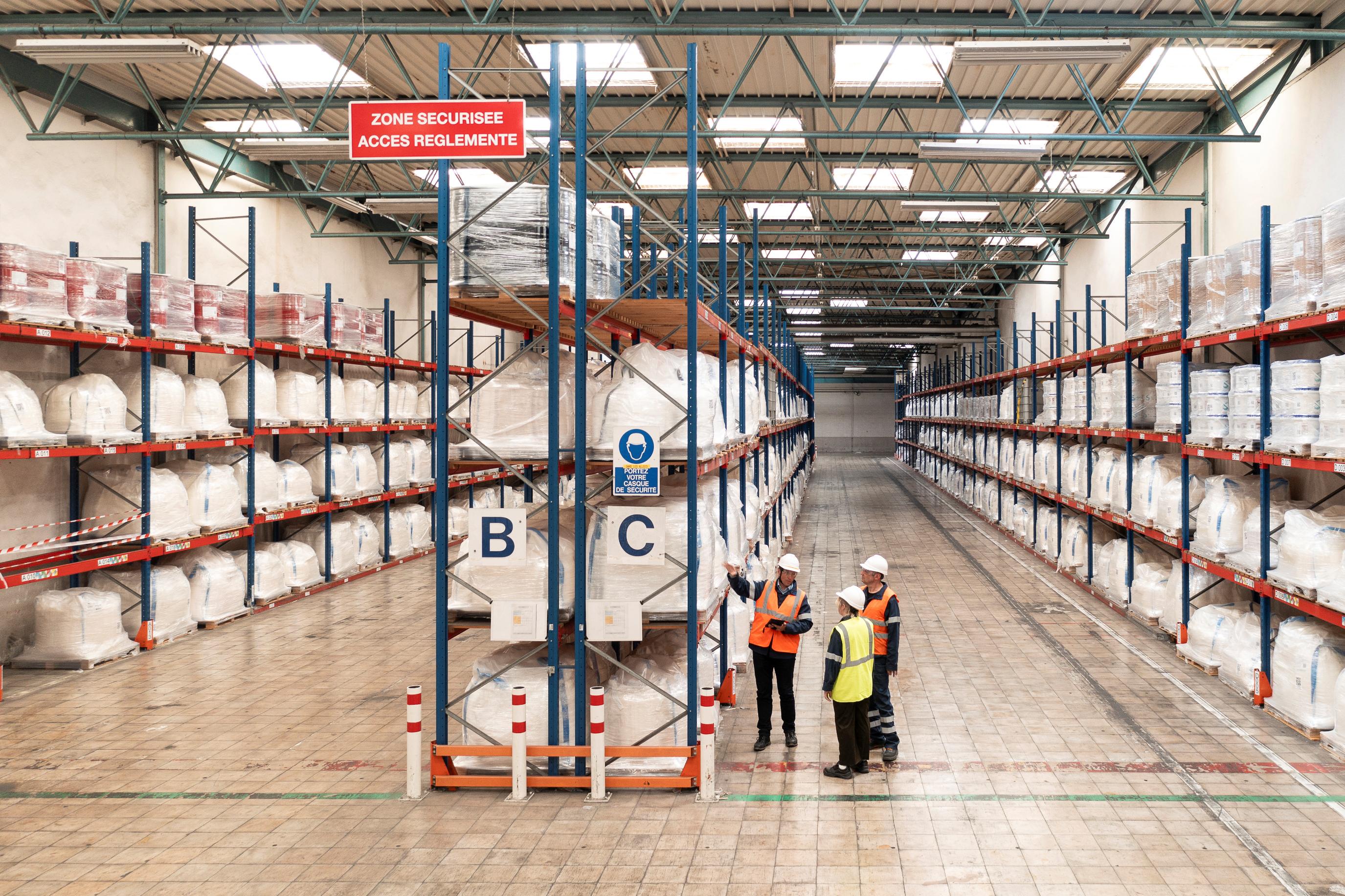
LONDON, June 27 (Reuters) - Four decades ago, a rare earth processing plant on France's Atlantic coast was one of the largest in the world, churning out materials used to make colour televisions, arc lights and camera lenses. Its current owner Solvay (SOLB.BR) New Tab, opens new tab is racing to return the plant at La Rochelle to its former glory after years of diminished output as Europe seeks to boost production of the minerals fuelling the green energy transition. The factory's 76-year history is a microcosm of the challenges Europe and the United States face as they seek to reverse massive migration of rare earth processing to China that took place around 25 years ago. China became dominant in rare earths, a group of 17 minerals, by producing them at lower prices than the West, helped by government support, and often ignoring environmental concerns in a sector that can create toxic waste. In recent years, China has beefed up sustainability and closed polluting operations. In the 1980s and 1990s, output from the plant at La Rochelle set the benchmark for global rare earth prices. It now supplies 4,000 metric tons a year of separated rare earth oxides, a fraction of the 298,000 tons pumped out by China last year. Moreover, Solvay's modest output is focused on the kind of processed rare earths used for auto catalysts and electronics, not the kind needed for permanent magnets used in electric vehicles (EVs) and wind energy. Solvay says it will start producing those by next year. "We at Solvay want to put rare earths for permanent magnets back on the map in Europe," said An Nuyttens, president of Solvay's division that produces rare earth products. "It's not an easy one, it's going to be step by step, as the chain from mining up to magnets production needs to be built." Eventually, the 160-year-old chemicals group aims to supply 20% to 30% of the separated rare earths demand for magnet production in Europe, but Nuyttens said meeting that target may not be possible until after 2030, giving no date. Under a new EU law that entered into force in May, the bloc has set ambitious 2030 targets for domestic production of critical minerals required for its green transition - 10% of annual needs mined, 25% recycled and 40% processed domestically by the end of the decade. The bloc has zeroed in on rare earths as one of the most important critical minerals due to their use in permanent magnets that power motors in EVs and wind energy. EU demand is forecast to soar sixfold New Tab, opens new tab in the decade to 2030 and sevenfold by 2050. The EU will struggle, however, to meet most of the goals in rare earths, according to production forecasts gathered by Reuters and interviews with over a dozen industry executives, consultants, EU-funded officials, industry groups and investors. Missing targets in the Critical Raw Material Act (CRMA) may impact the bloc's zero carbon goals while opening the prospect of further dependence on China amid heightened geopolitical tension with the West, analysts say. China accounts for 98% of EU rare earth permanent magnet imports. EU Commission spokesperson Johanna Bernsel said they could not confirm the Reuters findings, but said the bloc would do its best to promote projects that help meet the goals in the CRMA. "Projects in Europe will benefit from a streamlined permitting process, as well as coordinated support for accessing de-risking financing tools and matchmaking with downstream users," Bernsel said. WINDOW CLOSING FAST There are three main steps in the rare earth supply chain before permanent magnets can be produced -- mining, separating elements and producing metals/alloys (the latter two both come under the processing target). Reuters compiled production forecasts from companies and compared those with a demand forecast in a report New Tab, opens new tab by two EU-funded bodies to assess how the bloc is faring compared to its goals. According to the Reuters analysis, the EU is due to have only scant output from rare earth mines by 2030; and there is similarly only one project in the metals and alloys sector, which is low margin. The bloc, however, is likely to meet one target in its most advanced area, separation, producing 45% of needs by 2030. The final stage of the supply chain - producing magnets from the metals - is not covered by the targets in the new law since they are a finished product, but EU output is expected to meet only 22% of expected demand by 2030, according to the Reuters analysis. Obstacles to boosting EU rare earths output include public opposition to new mines, wary support by European industry which benefits from cheap Chinese imports, read more limited funding, uncertain demand as EV sales growth falters and weak prices for the metals. "The window between now and 2030 is going to close very quickly in the context of how long it takes to get some of these projects and processing facilities off the ground," said Ryan Castilloux at consultancy Adamas Intelligence, which specialises in critical minerals. Failing to include magnets in the CRMA targets is a "blindspot" and sets up the law to generate "false-positive" results, he added. The EU spokesperson did not comment directly on that criticism, but noted that CRMA includes several measures to increase recycling. MINING ON ICE The European continent has rich rare earth deposits, but there is currently no mining of them. That is unlikely to change in the near term with some projects stalled due to public opposition. The only likely output in the EU by 2030 is re-processing waste from Sweden's LKAB iron ore mines, which would contribute about 1% of the EU's demand for oxides needed for magnets, based on the Reuters analysis. Southern Sweden's Norra Karr project, which could supply a large portion of the region's demand, has been held up for 10 years in the government's permitting process and there has also been opposition by environmentalists who say it could pollute drinking water. An executive of the project's owner, Leading Edge Materials (LEM.V) New Tab, opens new tab, said a new application for a mining lease is underway for a redesigned project, but offered no timeline for starting production. The Swedish government did not immediately respond to a Reuters request for comment. The company plans to apply for the project to be declared strategic under the CRMA, which in theory would make possible fast-track permitting in 27 months. Another rare earths mining project, Sokli in Finland, also aims to be named a strategic project, but it still has to go through environmental impact assessment and permitting. "It's not realistic to have it commissioned before 2030," said Matti Hietanen, CEO of the project's owner, state-owned Finnish Minerals Group. Non-EU-member Norway could contribute 10% of the bloc's demand by 2031, according to private company Rare Earths Norway, which said this month it has Europe's biggest rare earth deposit. A slide in rare earth prices is also dampening prospects for new mining projects. "At current price levels, most mines are just not profitable, so there must be support from governments and automakers," said Daan De Jonge at consultancy Benchmark Mineral Intelligence in London. EU companies are also gearing up to take advantage of the huge potential for recycling to supply critical rare earths, but it will take time before there is enough supply of old EVs and wind turbines to process. INTEGRATING THE SUPPLY CHAIN Other industry executives echoed Solvay's uncertainty about ramping up output by 2030, with several telling Reuters they could not commit to launching or raising production by then. Some of the wariness is due to sales demand for electric cars cooling in recent months after rising dramatically for several years, as consumers wait for more affordable models to hit the market. European EV sales fell 9% in May. Another challenge for Europe is competing with cheaper imports from China, which has a highly integrated rare earths supply chain including state-owned firms from mining to finished magnets. Some of the key European rare earth firms have long had operations in China or joint ventures with firms there and are using that expertise to help boost their new EU ventures. One of those is Neo Performance Materials (NEO.TO) New Tab, opens new tab. It has a plant for separating rare earths in Estonia plus operations in other countries including China. It is also building a permanent magnet factory in Estonia, which is due to launch output next year and ramp up to 2,000 tons annual capacity over the following two to three years, enough magnets to power about 1.5 million EVs. Expansion will depend on whether customers support the Critical Raw Material Act targets. "If they're going to buy 40% of their processed material here, we will absolutely support that demand with production capabilities in Europe," said CEO Rahim Suleman. While competing with China is tough, Neo estimates it can produce magnets that would cost about $50 per vehicle more than imported magnets from China. The permanent magnets in hybrid and EV motors cost more than $300 per vehicle or up to half the cost of the motor, analysts say. GKN Powder Metallurgy has launched small-scale production of permanent magnets at a plant in Germany and is gearing up to build a larger commercial facility based on demand. Magneti Ljubljana in Slovenia, founded in 1951, aims to expand output, but this depends on customers agreeing to purchase products that are more expensive than Chinese imports to diversify their supply and in some cases boost sustainability. "I've been working in this factory since 1986 and during that time, 27 factories in Europe closed down the production of magnets because of the price," Managing Director Albert Erman said. Sign up here. https://www.reuters.com/markets/commodities/race-regain-rare-earth-glory-europe-falls-short-mineral-goals-2024-06-27/