2024-06-26 15:55
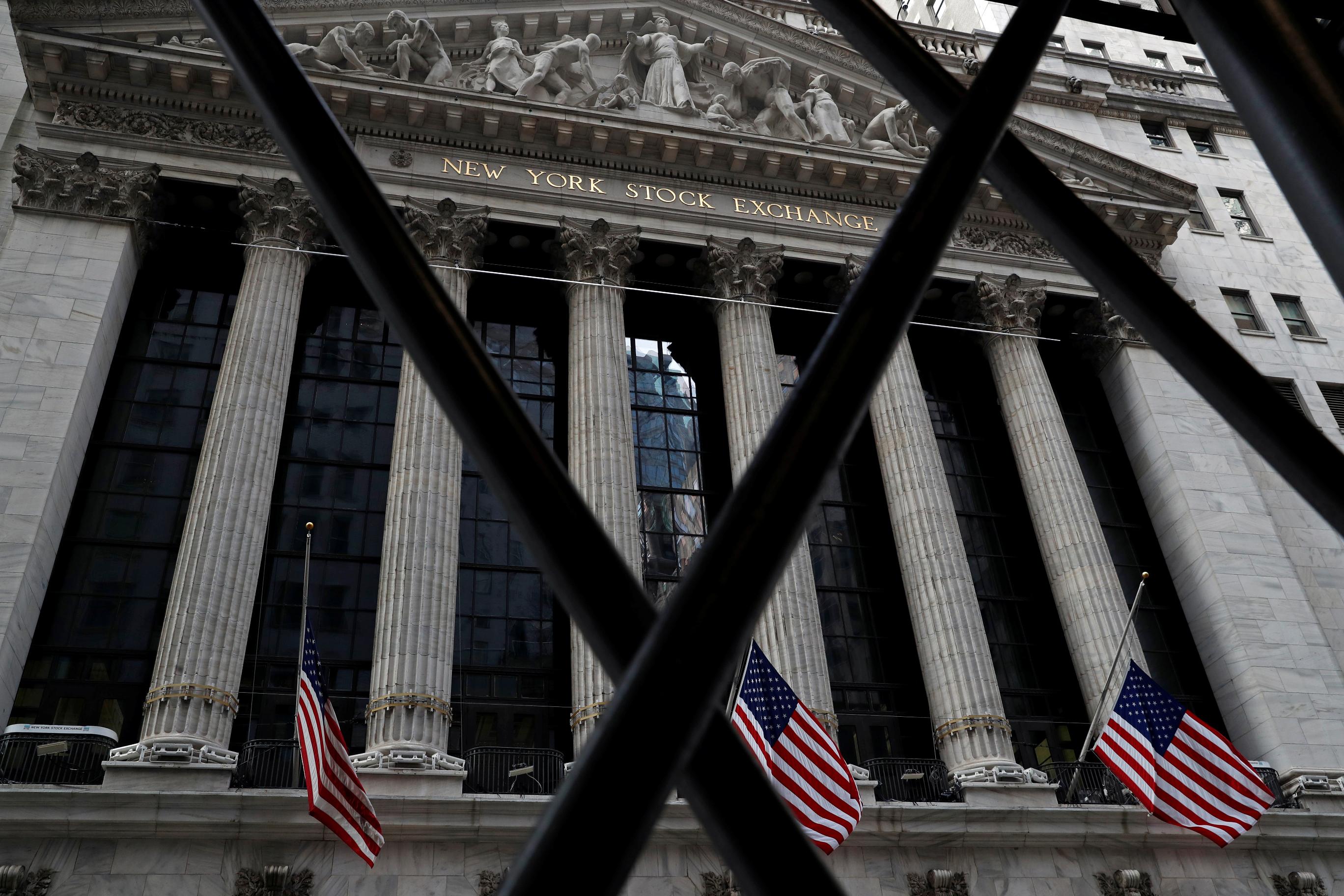
ORLANDO, Florida, June 26 (Reuters) - As President Joe Biden and former President Donald Trump prepare to face off in the first of the 2024 presidential debates, the gulf between Americans' downbeat view of the U.S. economy and its general healthy well-being could not be wider. A year after the Federal Reserve's most aggressive interest rate hiking campaign in four decades, the economy is in remarkably good shape - unemployment has not been this low for this long since the 1960s, real wages are rising, and GDP growth is above trend. Wall Street, not always the Democrats' most natural ally, seems to agree - a potentially transformative boom in tech is in full swing, equity volatility and credit spreads are historically low, and the stock market has never been higher. So why is Wall Street's view not shared by Main Street? Surveys consistently show Americans are pessimistic on the economy at large, and a Reuters/IPSOS poll this week showed Trump beats Biden 43% to 37% on who has a better approach for the economy. The answer definitely has a lot to do with inflation, and probably a bit to do with political polarization widened by social media-fueled populism, misinformation and fear-mongering. "The macroeconomic story is strong. But there is a huge disconnect between reality and people's perceptions, which points to a lot of misinformation about the economy," says Heidi Shierholz, the president of the Economic Policy Institute in Washington. "It's that one-two punch of high price levels from the burst of inflation, and misinformation," she adds. POLARIZATION The effect of 'higher-for-longer' inflation on people's perceptions cannot be overstated. A working paper titled "Why Do We Dislike Inflation?" New Tab, opens new tab that was published in March by Stefanie Stantcheva, a professor of political economy at Harvard University, shone a bright light on the economic, behavioral and emotional damage people feel that inflation inflicts. The paper, built on a seminal study in 1997 by Robert Shiller New Tab, opens new tab, found inflation is "deeply rooted in its perceived impact on (people's) financial well-being and the broader economy," is distributed unevenly, and exacerbates inequality. Minneapolis Fed President Neel Kashkari told the Financial Times earlier this month that he's hearing increasing anecdotal evidence that people would rather have a recession than high inflation - if they lose their job, they can get help from friends or family, but everyone is affected by inflation. That idea goes against academic studies that show recession and unemployment are more painful than rising prices. Danny Blanchflower, a professor at Dartmouth College and a former Bank of England rate-setter, estimates a rise of 1 percentage point in the unemployment rate lowers well-being by more than five times as much as an increase of 1 percentage point in inflation. Stantcheva's paper, meanwhile, also highlighted "the distinct polarization in opinions on inflation based on political affiliation," which is no doubt wider today than it was in 1997. Asked who or what is to blame for current inflation, the replies were instructive. Republicans were twice as likely than Democrats to blame "Biden and the administration," "Monetary policy" and "Fiscal policy," with 41% of Republicans citing these three factors, versus Democrats' combined 21%. 'SYSTEMATIC BIAS' Yet although inflation is still above the Fed's 2% goal, it is not far off it. Indeed, the steep decline in inflation from the post-pandemic peak near 10%, as measured by the consumer price index, has boosted average real wages, which have now been growing for more than a year. An EPI study New Tab, opens new tab in March found that real hourly wages for the lowest 10% of earners grew 12.1% between 2019 and 2023. In the same period, middle-wage workers experienced 3.0% real wage growth, while the wages of the top 10% of earners grew just 0.9%. This apparent disconnect between people's personal attitudes to inflation and the wider aggregate picture is to a certain extent mirrored in people's perceptions of their personal financial well-being against the nation's. A recent Gallup poll New Tab, opens new tab showed a slight uptick in the "Personal Financial Situation Index" last year, in how people felt versus a year earlier and how they see themselves in a year's time. But Americans' current assessment of national economic conditions New Tab, opens new tab slipped to the most negative since November, and has been negative nearly every single month since March 2020. What gives? Research published by the Brookings Institution New Tab, opens new tab earlier this year found that "biased sources of information" and a "systematic bias in driving inaccurate perceptions about U.S. economic performance" in the media are partly to blame. While this may not be an entirely new phenomenon, it helps explain why many people wrongly believe the U.S. economy is in recession and why consumer sentiment "appears to be divorced from the macroeconomy." (The opinions expressed here are those of the author, a columnist for Reuters.) Sign up here. https://www.reuters.com/markets/us/mismatch-us-economy-perception-versus-reality-mcgeever-2024-06-26/
2024-06-26 13:08
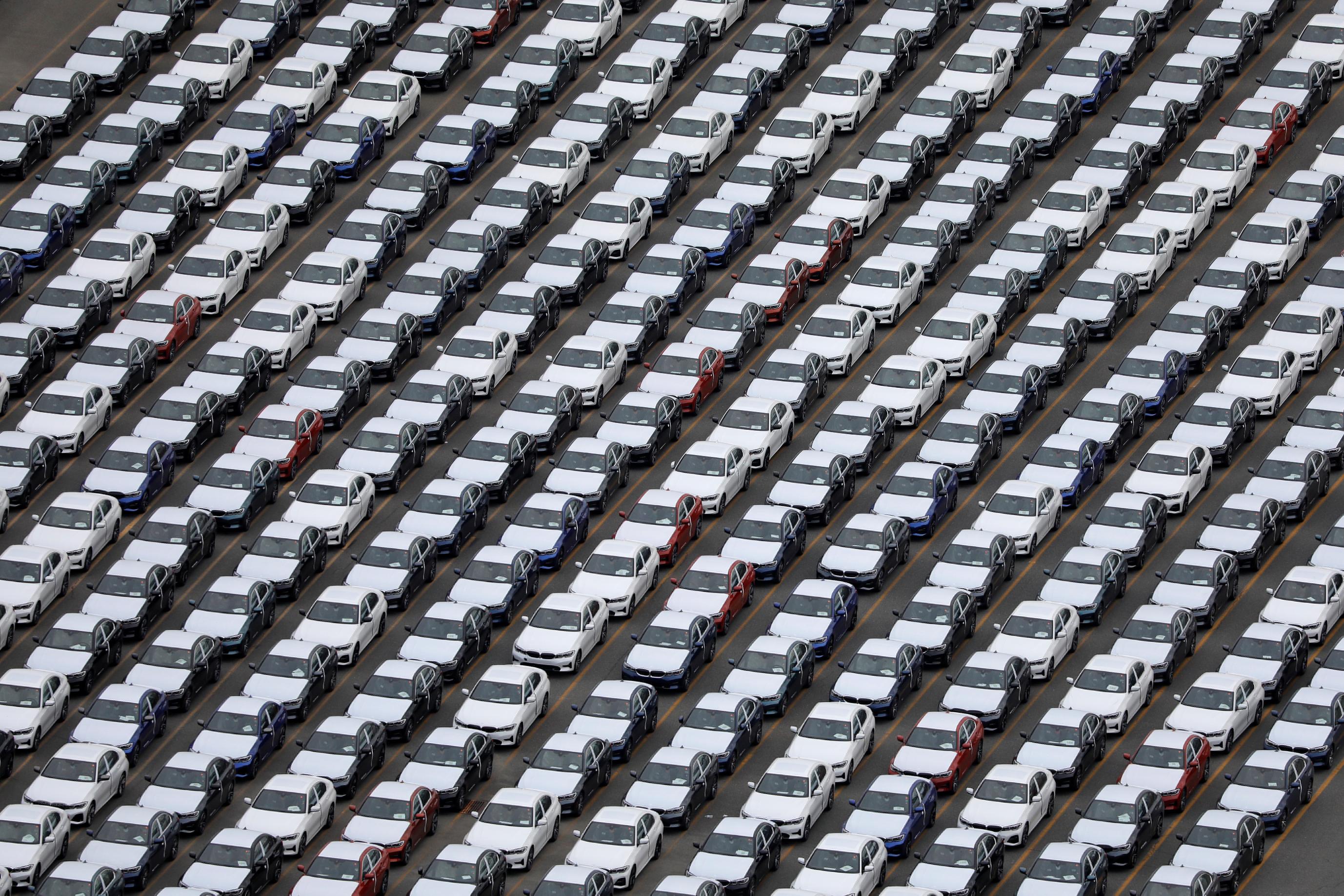
June 26 (Reuters) - New vehicle sales in the United States are projected to fall in June from a year ago, hurt by the CDK cyber attack-led outage that has impacted dealers across the country, according to a joint report by industry consultants J.D. Power and GlobalData on Wednesday. WHY IT IS IMPORTANT The CDK outage is the latest hiccup for automakers in the United States, with over 15,000 retail locations in the country relying on the retail technology and software provider. This outage has forced some U.S. auto dealers to switch back to manual paperwork as CDK works to restore systems. The sales numbers, closely watched by analysts and the industry, have been in focus over the past few days as experts look to quantify an impact from the situation. BY THE NUMBERS Total new vehicle sales for June 2024, including retail and non-retail transactions, are expected to reach between 1,336,800 and 1,273,600 units, a 2.6% to 7.2% decrease from a year ago. Transaction prices are trending towards $44,857, down $1,372 or 3% from a year ago. While the average incentive spend per vehicle has grown 51.2% from a year and is on track to reach $2,625. Total retailer profit per unit - which includes vehicles gross plus finance and insurance income - is expected to be $2,407, down 32.3% from June 2023. KEY QUOTES "Because of the disruption to dealer software systems, June sales will not be reflective of actual consumer demand for new vehicles," said Thomas King, president of the data and analytics division at J.D. Power. "However, it (CDK outage) will not affect overall demand in the long term. Sales will be delayed, but the majority will likely occur in July shortly after the situation is rectified and sales are being made despite system outages," King added. Sign up here. https://www.reuters.com/business/autos-transportation/us-auto-sales-expected-slip-june-cdk-cyber-outage-report-shows-2024-06-26/
2024-06-26 12:54
SAO PAULO, June 26 (Reuters) - Brazil's consumer prices rose less than expected in the month to mid-June despite pressure from food inflation, data from statistics agency IBGE showed on Wednesday. Inflation in Latin America's largest economy, as measured by the IPCA-15 index, came in at 0.39% in the period, slowing down from the 0.44% registered a month earlier. Economists polled by Reuters were expecting a monthly consumer price increase of 0.45%. The group of products consisting of food and beverages was the main driver, with prices rising by 0.98%, compared with 0.26% a month earlier. Brazil's central bank unanimously paused its easing cycle last week by holding its benchmark interest rate at 10.50% amid higher inflation expectations, fiscal struggles and the outlook for future rate cuts by the U.S. Federal Reserve. The reading "won't change the picture that the central bank's easing cycle is over – for this year at least," William Jackson, Chief Emerging Markets Economist at Capital Economics, said in a note to clients. "With the headline inflation rate likely to rise further in the coming months, the real still under pressure and no end in sight to the government's fiscal saga, we don't see scope for any more interest rate cuts over the rest of this year." Brazil's annual inflation hit 4.06% in the first half of June, according to IBGE, compared with an expected 4.12%. Private economists polled weekly by the central bank see stable interest rates through 2024 and falling to 9.5% by the end of 2025. Sign up here. https://www.reuters.com/markets/brazils-inflation-slows-mid-june-2024-06-26/

2024-06-26 12:51
BRUSSELS, June 26 (Reuters) - Dmitry Pumpyansky, the billionaire former chairman of Russian steel pipe maker TMK, no longer warrants being on the EU's sanctions list related to Moscow's invasion of Ukraine, the European Court of Justice ruled on Wednesday. The EU has imposed sanctions on over 2,200 people and entities relating to Russia since 2014, which includes travel bans and asset freezes. The annulment is the latest in a series of high profile cases. The Luxembourg-based court similarly annulled the listings of Russian billionaire Mikhail Fridman and his business partner Petr Aven in April this year. Pumpyansky was first listed in March 2022 when he was the chairman of a global steel pipe manufacturer TMK and president and board member of Sinara, a Russian investment bank. In its initial listing, the Council alleged "both companies support and benefit from cooperation with authorities of Russian Federation and State-owned enterprises, including Russian railways, Gazprom and Rosneft", which provide substantial revenues to Moscow. In its ruling, the court said the Council failed to substantiate Pumpyansky's significance in Russia after he left his two key roles. "(Pumpyansky) adds that, since he sold his shares in TMK and Group Sinara in March 2022, he is now merely a private individual and no longer involved in any business activity in Russia or elsewhere, with the result that he cannot be classified as a ‘leading businessperson’ within the meaning of that criterion," the court said in the ruling. "The Council has not produced sound and consistent evidence ... links with TMK and Group Sinara as well as with economic sectors providing a substantial source of revenue to the Government of the Russian Federation." The court also ordered the Council of the European Union to cover the Pumpyansky' costs relating to the case. Sign up here. https://www.reuters.com/world/europe/ecj-annuls-sanctions-dmitry-pumpyansky-ex-chair-russias-tmk-2024-06-26/

2024-06-26 12:46
June 26 (Reuters) - U.S. energy firm Sempra (SRE.N) New Tab, opens new tab has signed a non-binding supply agreement with Saudi Aramco (2222.SE) New Tab, opens new tab for 5 million tonnes per annum of liquefied natural gas from the Port Arthur LNG Phase 2 expansion project for 20 years, the companies said on Wednesday. The agreement also contemplates Aramco's 25% participation in the project-level equity of Phase 2. In March, Reuters reported that Aramco was in talks to invest in the Port Arthur project in Texas. Aramco is seeking to strengthen its position in the LNG market, especially in the U.S., where LNG capacity is set to almost double over the next four years. "As a potential strategic partner in the Port Arthur LNG Phase 2 project, Aramco is well placed to grow its gas portfolio," Nasir Al-Naimi, Aramco Upstream president, said in a statement. The oil giant has reportedly held talks with other U.S. LNG firms including Tellurian (TELL.A) New Tab, opens new tab and NextDecade (NEXT.O) New Tab, opens new tab for long-term gas purchase agreements and stakes in their projects. Sempra's proposed phase 2 of Port Arthur LNG project is expected to add up to two trains capable of producing up to 13 Mtpa of the super-chilled fuel. Sign up here. https://www.reuters.com/business/energy/us-energy-firm-sempra-signs-non-binding-deal-supply-lng-aramco-2024-06-26/
2024-06-26 12:15
DUBAI/CAIRO, June 26 (Reuters) - Paramilitaries from Sudan's Rapid Support Forces (RSF) have advanced on the southeastern trading hub of Sennar as they push to expand territorial gains more than 14 months into a war with the army, residents and officials said on Wednesday. Families fled the city on the banks of the Blue Nile after hearing the sound of fighting on Tuesday evening, locals said. "We can hear artillery and heavy gunfire. I left Sennar with my family and we're heading south because I'm scared for my children," 49-year-old Nazik Ahmed told Reuters by phone. U.N. agencies say around 10 million people have fled their homes across Sudan since the army and RSF fell out over a planned integration of their forces and started fighting in the capital Khartoum in April last year. The RSF has since taken over most of Khartoum, the central farming state Gezira and the vast western Darfur region, as well as many parts of the Kordofan regions to the south. In Sennar, south of Gezira, many took refuge in surrounding villages, locals said. Fighting raged through the evening then appeared to die down overnight, they added. The state's army-led security committee said the military and allied fighters had destroyed seven RSF vehicles that had approached the city and fired rockets. Reuters was not able to confirm the accounts of fighting. In a video posted online on Wednesday, RSF soldiers said they would take over the city soon, but called on residents to stay. ATTACKS, ACCUSATIONS The RSF has been making advances into the state for weeks, locals say. On Monday and Tuesday, it clashed with the army in the strategic Jebel Moya area, and said it now controlled the area in a video posted on X on Tuesday. It circulated another video on Tuesday showing vehicles, mostly motorcycles driving through an area on the northern edge of Sennar. Residents say the RSF has looted homes, raped women and girls, and killed civilians arbitrarily in areas it has entered. The United States has also accused it of war crimes as well as crimes against humanity and ethnic cleansing. The army, which has carried out a vast air strike campaign has also been accused of war crimes by the United States. Both sides deny the accusations. Fighting, including in the capital Khartoum, has intensified before the country enters its summer rainy season which makes movement across the country difficult. Aid agencies have warned the rain will impede crucial deliveries of food and other supplies, which have also been held up by bureaucratic blockages and risk of looting. The RSF earlier this week took control of al-Fula, the capital of West Kordofan state, which is close to oil fields and pipelines. Fighting has also continued in the Darfur city of al-Fashir, where the RSF has imposed a months-long siege as it fights the army and allied forces inside the city. Medical aid agency MSF said the last remaining hospital there with surgical capacity was attacked by the RSF on Friday. Local emergency response room volunteers say other medical facilities have also come under fire. Sign up here. https://www.reuters.com/world/africa/families-flee-sudans-rsf-advances-sennar-city-residents-say-2024-06-26/