2024-06-26 06:42
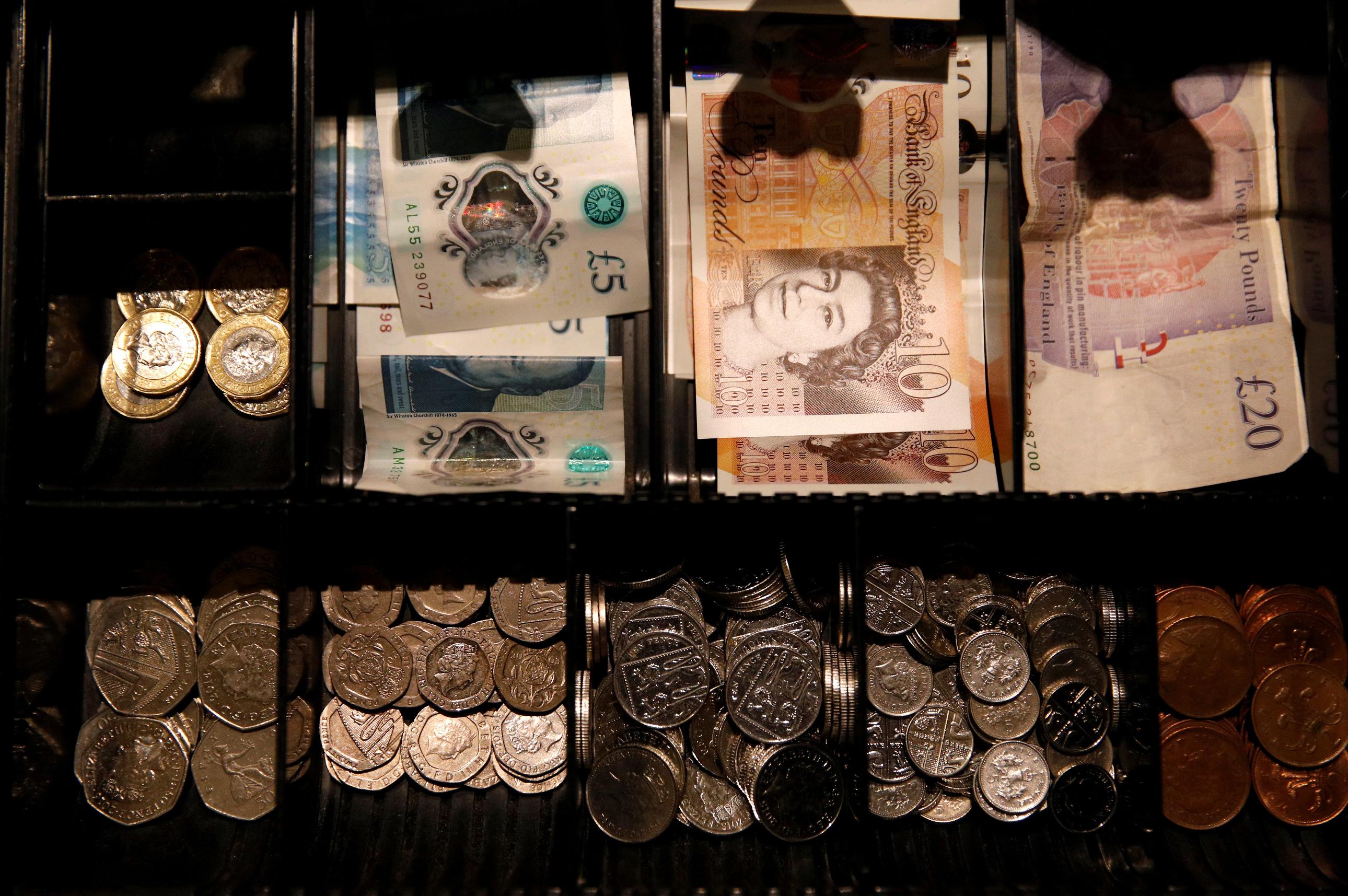
Sterling whipped around by political uncertainty in recent years Coherent policy, prudent fiscal plan seen as positive for pound Weak economy, high debt create risks for further currency swings LONDON, June 26 (Reuters) - Britain's pound has bounced New Tab, opens new tab ahead of an expected landslide election win for the opposition Labour Party but the currency's future depends on the next government convincing skittish investors that its plans to fix a stagnant economy are credible. On a trade-weighted basis sterling has returned to levels not seen since 2016's Brexit vote as currency traders bet on a long era of currency volatility driven by tumultuous politics under the ruling Conservative party coming to an end. If Labour wins on July 4, the left-of-centre government will need to keep investors' trust while tackling economic challenges the Conservatives have not solved, more than 20 economists and former government officials said. UK public debt-to GDP is at a 63-year high and foreign direct investment has fallen for four out of the last five quarters up to the end of 2023. To avoid spending cuts, Labour will need to hike taxes or increase borrowing, the Institute for Fiscal Studies think tank said New Tab, opens new tab. As investors assess the next government's response to these problems, the balance of risks for sterling is not even because the currency has already priced in a strong Labour majority boosting Britain's growth. "A less confident political scenario will weaken sterling much more and make it much more volatile," said Liverpool university finance professor Costas Milas, who studies the relationship between economic policy uncertainty and financial markets. Led by Keir Starmer, Labour is about 20 percentage points ahead of the ruling Conservatives in surveys. GREAT BRITISH 'PESO' Once the world's reserve currency, sterling is trading below the per-dollar average of the four decades before 2016 but at around $1.27 has outperformed all major peers this year. It has swung back sharply from its record low of $1.03 in 2022 when former Conservative Prime Minister Liz Truss launched an under-funded mini-budget that sparked a bond market rout, raised debt costs and exacerbated inflation. Sterling's rollercoaster ride has prompted commentators to nickname the pound the "great British peso", with parallels to risky emerging markets. Its volatility has fed back into the UK economy, creating a negative feedback loop. Milas' research found New Tab, opens new tab that economic policy uncertainty in Britain since 2016 directly caused financial market stress including an increase in exchange rate volatility which in turn made the economy grow less than it otherwise would have. A Labour government with predictable policies that markets support could reverse that cycle, analysts said. "If Labour goes by the playbook and gives some sense of fiscal responsibility, that's a great support," PGIM Fixed Income global strategist Guillermo Felices said. "The strength you've seen in sterling lately is ultimately about (expected) stability," Morningstar strategist Michael Field said. Money markets expect similar rate cuts from the Bank of England and the European Central Bank this year. But while the mini-budget debacle showed that fiscal policy matters as much for sterling as interest rates, Labour's exact policies are not yet known. The IFS this week criticised both Labour and the Conservatives for issuing pre-election manifestos that it said had "hidden and ducked" the big tax and borrowing questions, creating a "knowledge vacuum". Labour did not immediately respond to an email requesting comment on its plans and the pound. CUT OR SPEND? Analysts expect sterling to drift up to $1.2875 in 12 months, on average, according to LSEG data. Some see risks further out. Labour, which has not been in government for 14 years, is keen to shake off a past association as a tax-and-spend party. Simon Harvey, Monex Europe head of FX research, said that currency traders were bullish on sterling in the short term because UK government finances gave Labour barely any opportunity to over-spend. But if UK economic growth improves over time, he said "there is still that risk that Labour swings too far to the left, so people do want to see how this washes out long term and investment managers might not like the look of this over five years". Pictet Asset Management senior economist Nikolay Markov tipped Labour to follow a scenario of heavy investment that would prove inflationary and negatively impact UK bond markets and sterling. Britain has grappled with higher inflation than other Group of Seven wealthy countries, with annual price rises peaking at 11.1% in 2022. A 10% sterling depreciation would add 1.3 percentage points to UK consumer price inflation over two years, Oxford Economics calculated. Starmer has framed pledges to stimulate investment in housing and infrastructure, which echo U.S. president Joe Biden's policies, as very long term. "It is a poundland version of Bidenomics," said Giles Wilkes, an Institute for Government fellow and a former adviser to British Prime Minister Theresa May. "It won't involve market-troubling levels of money." Roger Bootle, a former economic adviser to 1990s UK finance minister Kenneth Clarke, said Starmer's finance chief Rachel Reeves would likely "keep spending tight". But TS Lombard head of macro and former Treasury adviser Dario Perkins said that if Labour cuts strained public services further, angry voters may drift towards populist parties, dousing hopes of the UK rebuilding trade links with Europe. (This story has been refiled to fix the link to graphic in paragraph 2) Sign up here. https://www.reuters.com/world/uk/politics-pound-how-uk-election-could-make-or-break-sterlings-run-2024-06-26/
2024-06-26 06:21
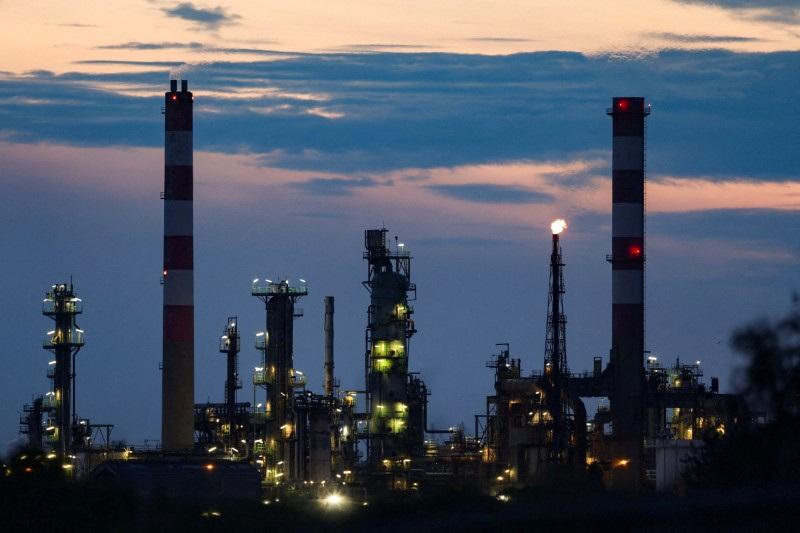
Rising Israel-Lebanon tensions risk wider Middle East war Turkey stands with Lebanon, calls on regional support Surprise jump in US oil, gasoline stocks weighs on market UBS expects oil prices to rise in coming weeks NEW YORK, June 26 (Reuters) - Oil prices settled slightly higher on Wednesday despite a surprise jump in U.S. gasoline supplies, as investors worried that a potential expansion of the Gaza war could disrupt crude supplies from the Middle East. Brent crude futures rose 24 cents, or 0.3%, to settle at $85.25 per barrel. U.S. West Texas Intermediate crude futures settled 7 cents higher at $80.90 a barrel. Cross-border strains between Israel and Lebanon's Hezbollah have been escalating in recent weeks, stoking fears of an all-out Israel-Hezbollah war that could draw in other regional powers, including major oil producer Iran. "The geopolitical risk premium has been coming back to the market as a war between Israel and Lebanon is likely to see direct involvement of Iran, that would be a concern," Andrew Lipow of Houston-based Lipow Oil Associates said. Turkish President Tayyip Erdogan said his country stood in solidarity with Lebanon and called on regional countries' support. Houthi attacks on shipping in the Red Sea have supported oil prices. The group said it targeted a ship in Israel's Haifa port with a number of drones in a joint military operation with the Islamic Resistance in Iraq. Early in the session, oil prices fell after the U.S. Energy Information Administration (EIA) reported a 3.6 million barrel jump in the country's crude oil stocks last week, surprising analysts polled by Reuters who had expected a drawdown. U.S. stockpiles are rising while inventories elsewhere are declining, UBS analyst Giovanni Staunovo noted. "I would call the oil market a tale of different stories," Staunovo said. "We saw oil inventory draws in Japan and Europe last week. So it seems the market is tightening, just not yet in the U.S." UBS expects oil prices to rise in coming weeks. Oil traders have worried about weak U.S. gasoline consumption during the country's peak summer driving season. U.S. gasoline use represents around 10% of total world oil consumption, and gasoline demand in the country last week was down 3.6% from a year ago to around 8.9 million barrels a day. Stocks of the fuel rose unexpectedly even as refiners cut back output. "These statistics are certainly going to disappoint the gasoline bulls," Lipow said. "Absent a hurricane, we have adequate supplies for the summer driving season with July 4th right around the corner." Sign up here. https://www.reuters.com/markets/commodities/oil-edges-lower-after-industry-group-reports-jump-us-stockpiles-2024-06-26/
2024-06-26 06:16
BERLIN, June 26 (Reuters) - German consumer sentiment is set to fall slightly in July, ending a four-month streak of rises, as households left uncertain by higher prices and an economy dawdling toward recovery opt to hold onto their money, a survey showed on Wednesday. The consumer sentiment index published jointly by GfK and the Nuremberg Institute for Market Decisions (NIM) unexpectedly fell to -21.8 heading into July, from a slightly revised -21.0 in June. Analysts polled by Reuters had expected a rise, to -18.9. The index joins other indicators pointing to a bumpy road ahead for Europe's largest economy, after Ifo's business climate index and HCOB composite PMI also unexpectedly fell this month. "The interruption of the recent upward trend in consumer sentiment shows that the road out of the sluggish consumption will be difficult and there can always be setbacks," said NIM consumer analyst Rolf Buerkl. Income and economic expectations both fell moderately, while the willingness to buy stagnated at a low level and the willingness to save, already at a high level, grew slightly. "The slightly higher inflation rate in Germany in May is clearly causing more uncertainty among consumers again, which is also reflected in the increase in the willingness to save," said Buerkl. Inflation rose to 2.8% in May on higher services prices. Sustained recovery will only come when consumers have planning security, which will return if upward pressure on prices is dampened, and clear future prospects, he said. "This also means that the government must quickly and clearly communicate the burdens and reliefs people will face as a result of the upcoming budget discussions," Buerkl added. NOTE - The survey period was from May 30-June 10, 2024. The consumer climate indicator forecasts the progress of real private consumption in the following month. An indicator reading above zero signals year-on-year growth in private consumption. A value below zero indicates a drop compared with the same period a year earlier. According to GfK, a one-point change in the indicator corresponds to a year-on-year change of 0.1% in private consumption. The "willingness to buy" indicator represents the balance between positive and negative responses to the question: "Do you think now is a good time to buy major items?" The income expectations sub-index reflects expectations about the development of household finances in the coming 12 months. The additional business cycle expectations index reflects respondents' assessment of the general economic situation over the next 12 months. Sign up here. https://www.reuters.com/markets/europe/german-consumer-sentiment-unexpectedly-dips-july-finds-gfk-2024-06-26/

2024-06-26 06:13
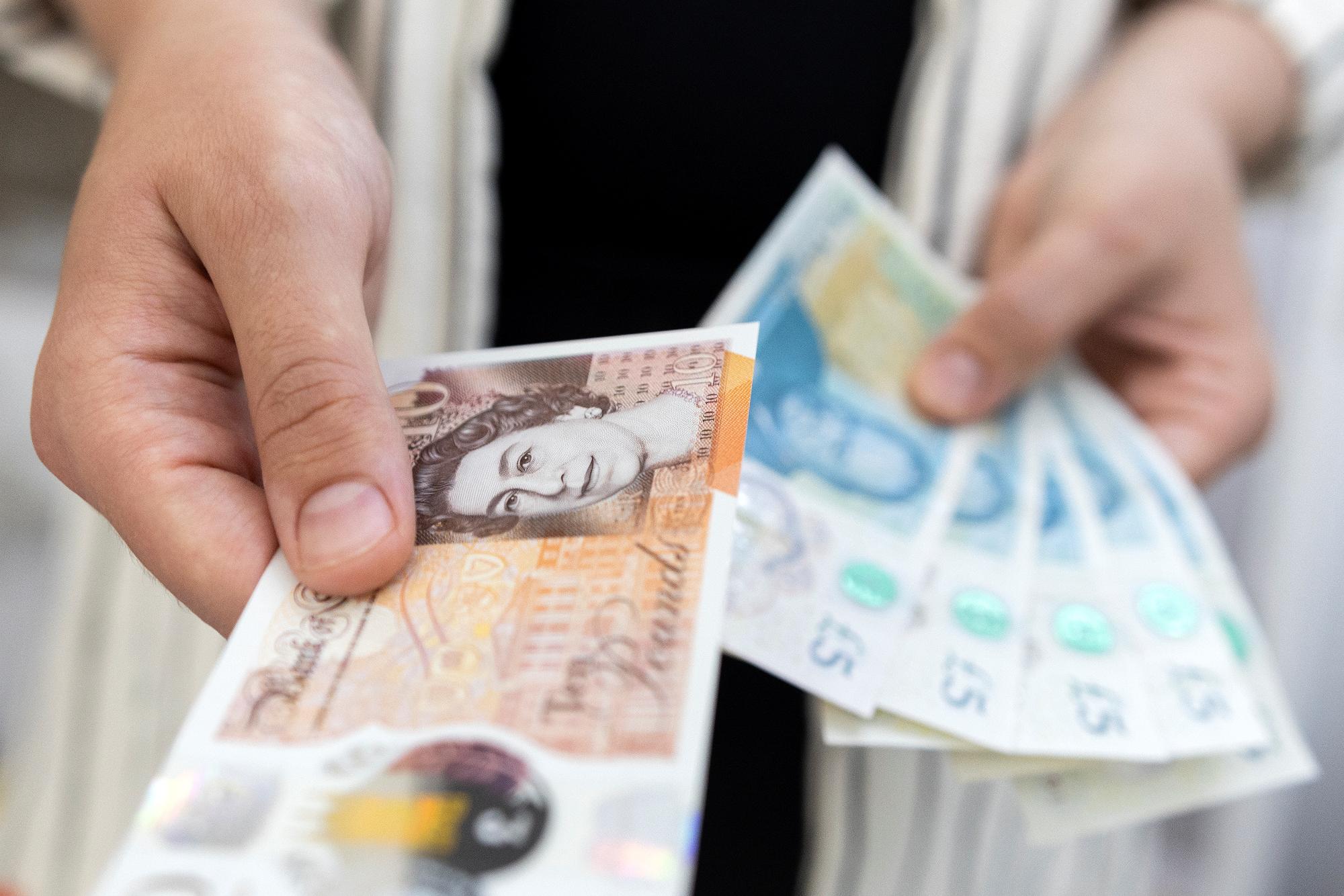
LONDON, June 26 (Reuters) - Sterling has faced its share of trials and tribulations New Tab, opens new tab in recent decades but remains a widely used currency, and, this year, it has held up better against the dollar than peers. Here are some facts about the British currency: 1/ PERFORMANCE THIS YEAR The pound is trading around $1.27, up 23% from 2022's record low. It is down a fraction against the dollar this year, but that's a better performance than other developed market currencies . The recovery has been underpinned by a better-than-feared economic performance, expectations that the Bank of England will be cautious in cutting rates and hopes that a big win for the opposition Labour Party in the July 4 election will usher in greater political and economic stability New Tab, opens new tab. Sterling is also near a two-year peak against the euro, around 84 pence . 2/ ROLE IN FX MARKETS Sterling is the world's fourth most actively traded currency after the dollar, euro and yen. That's significant in a global currency market with a turnover of over $7.5 trillion a day and reflects London's role as a major financial centre. It was bought or sold in about 13% of global foreign exchange transactions in April 2022, compared with 15% in 1989, the Bank for International Settlements' (BIS) latest triennial survey shows. The UK is also the most important FX trading location globally with a 38% share of global turnover, the BIS estimates. 3/ PAYMENTS AND RESERVES It's not just financial markets that use sterling to trade. The pound is in third place when currencies are ranked by their share of global payments by value, Swift data shows. It accounts for 6.84% of global payments compared to roughly 47% for the dollar and almost 23% for the euro. This is still ahead of Japan's yen and China's yuan. Sterling's share has been broadly stable for the past decade. The pound also accounts for roughly 5% of global currency reserves, according to the International Monetary Fund. That share too has been broadly stable over the last 20 years, highlighting sterling's importance to money managers. 4/ HISTORIC ROLE Sterling's role in currency markets is partly due to a legacy of its dominance in world trade in the 19th and early 20th century, positioning Britain as a key banker to the world. It lost its crown to the dollar following the First World War, but remains important nonetheless, even as its price weakened given Britain's balance of trade deficit and higher average inflation than in the United States. A reputation for strong property rights and limited government means foreign investors feel comfortable holding sterling, economists say. And unlike currencies of emerging economic giants such as India, South Korea, and China, sterling is freely traded 24 hours a day, five days a week. Sign up here. https://www.reuters.com/markets/currencies/sterlings-importance-global-currency-markets-2024-06-26/
2024-06-26 06:08
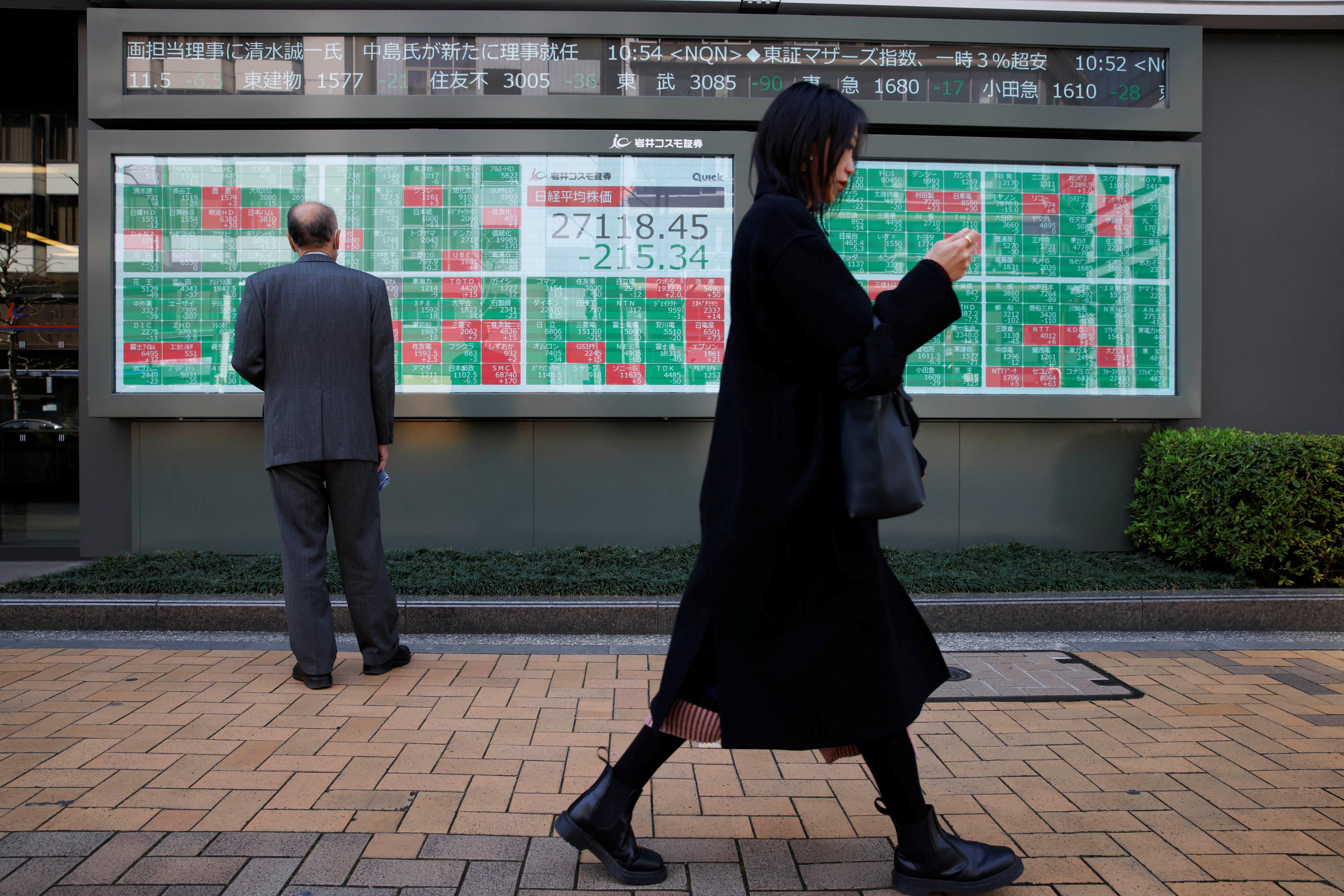
U.S.-Japan wide rate differential one reason for yen weakness Euro climbs to 32-year peak vs yen Japan's Kanda again warns on excessive FX moves U.S. new home sales slump to six-month low NEW YORK, June 26 (Reuters) - The yen sank to its lowest against the U.S. dollar in nearly 38 years on Wednesday, as wide interest rate differentials between the two economies in favor of the greenback continued to pummel the Japanese unit, keeping traders on alert for any sign of intervention from Japan to boost its currency. The U.S. dollar rose to as high 160.82, its strongest level since December 1986. The greenback was last up 0.7% at 160.697 yen. So far this year, the dollar has gained about 14% versus the yen. The euro also surged against the yen, rising to 171.79, its highest since September 1992. It was last up 0.3% at 171.625 . Japan's low interest rates, compared to that of the United States, have hammered the yen. While Japan has raised interest rates this year to a range of zero to 0.1%, U.S. rates of 5.25% to 5.5% mean investors are flocking to dollar assets for higher returns. Investors are taking advantage of the big difference in rates in both countries by undertaking so-called carry trade strategies, in which investors borrow in low-yielding currencies to invest in higher-yielding ones. Carry trades have become hugely popular as some countries raised borrowing costs in recent years. Analysts said traders are testing the resolve of Japan's Ministry of Finance, which spent $62 billion in late April and early May to support the currency when it fell past 160. "Interventions tend to slow the market in general, but they struggle to reverse the market's direction significantly unless there is a major change in underlying monetary policy stances," said Vassili Serebriakov, FX strategist, at UBS in New York. "For dollar/yen, it would be more powerful if the Bank of Japan hikes rates more aggressively, or the Federal Reserve starts cutting rates. But absent both developments, I'm not sure we can see a significant reversal. Intervention though can certainly limit its upside." Japan's top currency diplomat Masato Kanda ramped up his warnings on excessive currency moves on Wednesday, saying authorities were "seriously concerned and on high alert" about the yen's rapid decline. He noted that the yen's current weakness is not justified. There is a chance, however, of a further rate hike from the Bank of Japan in late July, which could help support the yen. The dollar index , which tracks the currency against six peers, rose 0.4% to 106.05. SOFT US HOUSING DATA, PCE NEXT U.S. new home sales came in weaker than expected. Sales of new U.S. single-family homes dropped to a six-month low in May, falling 11.3% to a seasonally adjusted annual rate of 619,000 units last month. The dollar showed little reaction to the data, which added to growing evidence that the world's largest economy is slowing down. The market's next focus will be Friday's U.S. personal consumption expenditures index (PCE), the preferred Fed gauge on inflation. Investors want to see whether prices pressures in the economy are trending in the right direction. A lower-than-expected number could trigger a rise in rate cut bets this year, providing some relief to the yen. "The PCE is less likely to get outsized data than you would when measuring CPI (consumer price index)," said Eugene Epstein, head of structuring for North America at Moneycorp in New Jersey. "That being said, there needs to be a really large variation in the PCE to change the dynamic on rate cuts." The euro slid 0.3% to $1.0679 after a European Central Bank policymaker talked up the chances of further rate cuts this year, a notably different stance from the Fed's Michelle Bowman. ECB governing council member Olli Rehn told Bloomberg that two more cuts this year seemed "reasonable". That contrasted with Bowman, who said she did not expect any U.S. rate cuts this year. Elsewhere, Australian inflation accelerated to a six-month high of 4% in May, with traders scrambling to price in a strong chance of a further rate hike by November. The Aussie dollar was up 0.1% against the U.S. dollar at US$0.6655 . Sterling fell 0.5% versus the dollar to $1.2627. The yuan was also getting squeezed by the dollar's stubborn strength, with China seemingly having signalled some tolerance for a cheaper currency by gradually weakening the midpoint of the yuan's daily trading range on the dollar. The yuan, which has hugged the low side of its band for months, slumped to a seven-month trough on Wednesday of 7.2671 per dollar . The dollar was last little changed at 7.2667. Sign up here. https://www.reuters.com/markets/currencies/steady-dollar-sends-yen-brink-160-2024-06-26/
2024-06-26 05:42
U.S. stocks end slightly higher U.S. dollar up against the yen, at 38-year high Investors on alert for yen intervention NEW YORK, June 26 (Reuters) - The U.S. dollar on Wednesday hit its highest level against the Japanese yen in nearly 38 years, and investor speculation was high that authorities in Japan could intervene to strengthen the country's currency, while major U.S. stock indexes climbed. Japan's top currency diplomat, Masato Kanda, said authorities were "seriously concerned and on high alert" about the yen's rapid decline. The U.S. dollar hit its strongest level since December 1986 against the yen, and it was last up 0.7% at 160.697 yen . The euro also surged against the yen, rising to 171.79, its highest level since September 1992. It was last up 0.3% at 171.625 . "The market seems to be front-running itself with respect to BOJ (Bank of Japan) policy," said Eugene Epstein, head of structuring for North America at Moneycorp in New Jersey. The yen has been hammered as investors flocked to dollar-based assets to take advantage of U.S. interest rates which are 5.25% to 5.5%. That is much higher than Japanese rates, which have been raised this year to a range of zero to 0.1%. The dollar index , which measures the greenback against a basket of currencies, gained 0.38% to 106.07, with the euro down 0.34% at $1.0677. On Wall Street, shares of artificial intelligence chip leader Nvidia (NVDA.O) New Tab, opens new tab ended up 0.2%, and shares of Amazon Inc (AMZN.O) New Tab, opens new tab jumped 3.9%. The S&P 500 consumer discretionary index (.SPLRCD) New Tab, opens new tab gained 2% on the day. The Dow Jones Industrial Average (.DJI) New Tab, opens new tab rose 15.64 points, or 0.04%, to 39,127.80, the S&P 500 (.SPX) New Tab, opens new tab gained 8.60 points, or 0.16%, to 5,477.90 and the Nasdaq Composite (.IXIC) New Tab, opens new tab gained 87.50 points, or 0.49%, to 17,805.16. MSCI's gauge of stocks across the globe (.MIWD00000PUS) New Tab, opens new tab fell 0.04 points to 803.73. European shares slipped, with investor focus among other things on French elections at the weekend. The STOXX 600 (.STOXX) New Tab, opens new tab index fell 0.56%. U.S. President Joe Biden and former President Donald Trump on Thursday head to the first of two debates ahead of their election rematch this November. Investors also are seeking clues on U.S. inflation and how soon the Federal Reserve may begin to cut interest rates. Fed officials have urged patience on rate cuts. Fed Governor Michelle Bowman this week reiterated her view that holding the policy rate steady "for some time" would probably be enough to bring inflation under control. Investors await Friday's release of the U.S. personal consumption expenditures (PCE) price index, the Fed's preferred inflation measure. Economists polled by Reuters expect PCE annual growth to ease to 2.6% in May. U.S. Treasury yields rose as inflation in other countries piced up. Australian consumer inflation accelerated to a six-month high in May. The yield on benchmark U.S. 10-year notes rose 9.1 basis points to 4.329%, from 4.238% late on Tuesday. Brent crude futures climbed 24 cents to settle at $85.25 per barrel. U.S. West Texas Intermediate crude futures gained 7 cents to settle at $80.90 a barrel. Gold prices slipped to their lowest in more than two weeks. Spot gold was down 0.8%, at $2,301.16 per ounce. Sign up here. https://www.reuters.com/markets/global-markets-wrapup-1-2024-06-26/