2024-06-25 06:15
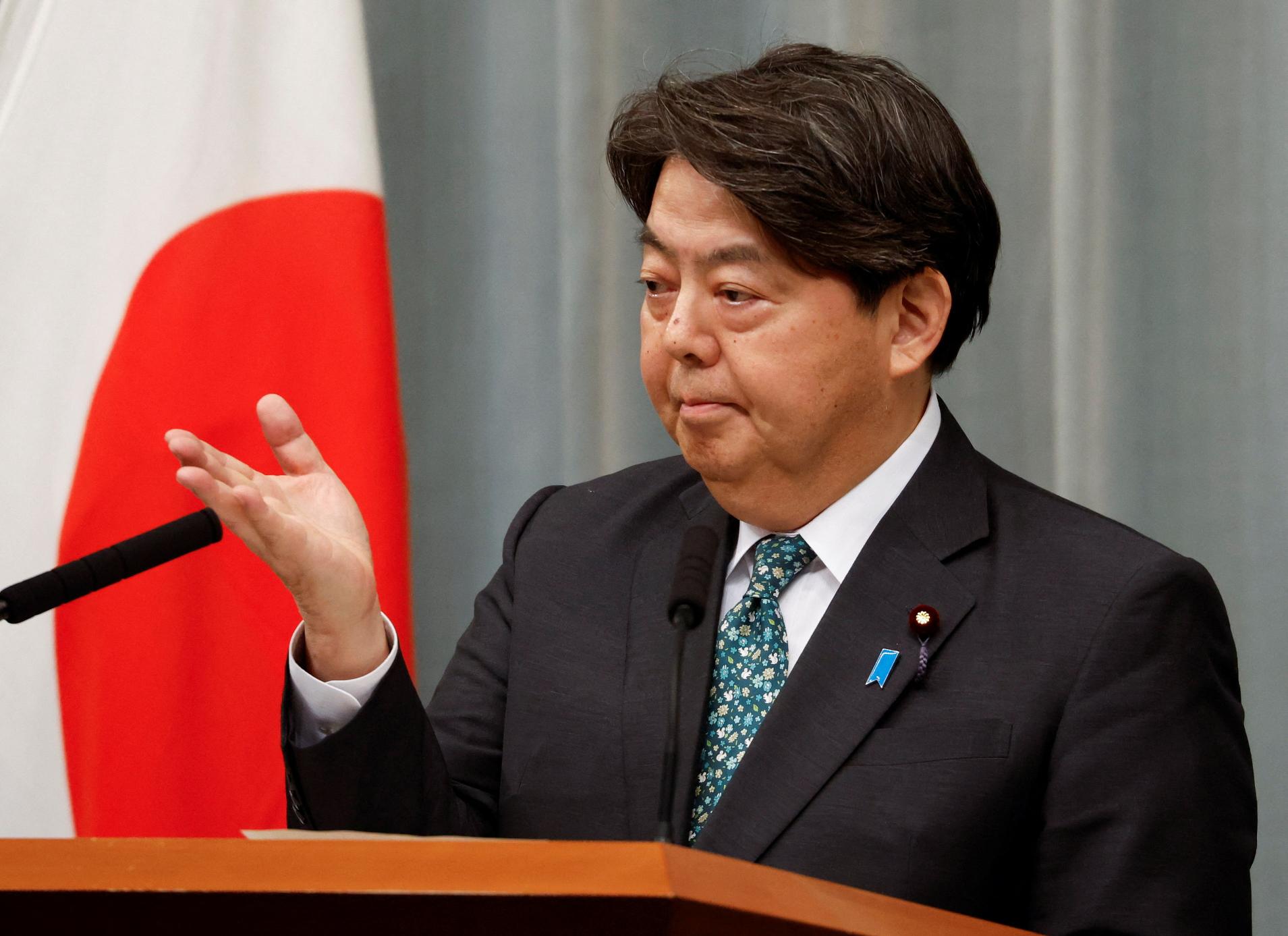
June 25 (Reuters) - Donald Trump has taken a commanding lead over Joe Biden - in the world of political meme coins, at least. Crypto tokens linked to former President Trump have leapt in volume and value in recent weeks as the November U.S. presidential election heaves into view and the arch-rivals prepare for their first public debate. The universe of the so-called "PolitiFi" tokens is tiny, with a combined market value of about $1 billion. A majority of those are linked to Trump, who has presented himself as a champion for cryptocurrency although he hasn't offered specifics on his proposed crypto policy. Of the top 10 political meme coins by market value, seven are based on Trump, with many playing on Trump's Make America Great Again slogan, such as MAGA and MAGA Hat, according to crypto platform CoinGecko, while only one - Jeo Boden - is related to President Biden, CoinGecko data shows. The largest token linked to a political figure, MAGA, trades under a ticker called TRUMP on exchanges and was launched in late August 2023. Its market value has leapt as high as $775 million in June from nearly nothing at the start of the year. By comparison, Jeo Boden, which launched in March this year, jumped to as much as $648 million days after its launch before gradually sliding to $87 million. Forrest Przybysz, a cryptocurrency trader and CEO of Sistine Research, says meme coins by their nature are not only highly speculative but also driven by attention cycles. "The more attention a token can hold and maintain, usually the higher it's price will go ... he added. "Trump is an attention magnet. Therefore he is the ideal subject for a meme token." "We should expect price and speculation on a Trump-based meme token to rise as we get closer to the election." Political tokens are a fraction of the $46 billion market value of meme coins - hyper-speculative, volatile and risky cryptocurrencies often driven by internet jokes - which are themselves a niche segment of the broader $2.3 trillion cryptocurrencies, per Coingecko estimates. The origins of some of the tokens are obscure and debated on social media by traders wary of a "rug pull", where investors deposit money in phony projects only to find the coin's developers have vanished with the money. Of the top 10 biggest political tokens, which typically aim to capitalize on the increased attention on political figures ahead of elections, eight were launched between May and June this year, CoinGecko said. "Meme coins are similar to nonfungible tokens in terms of being a bit of collectors' item. The idea is that you monetize public attention," said Yan Liberman, co-founder at crypto research firm Delphi Digital. However, trading these tokens is easier said than done. Few, if any, are listed on the biggest centralized exchanges such as Coinbase or Binance. Most of the tokens are traded in ether or solana pairs on smaller exchanges, each typically have a market value of below $100 million and trade for fractions of a cent apiece. QUESTIONABLE LEGITIMACY Biden and Trump are neck-and-neck in national opinion polls. A presidential debate between the two candidates on Thursday will be a critical event five months before the Nov. 5 vote. Traders on Polymarket, a crypto site where users place bets with stablecoins on future events, were betting on a 59% chance that Republican challenger Trump would unseat Democratic incumbent Joe Biden. Political tokens bank on the popularity of political figures to gain traction, enticing retail investors with satirical or humorous names: "Funny is certainly an authentic big driving force of which tokens do well," said Delphi Digital's Liberman . Trump hasn't said he endorses or backs any crypto token in his name. However, his slamming of Democrats' attempts to regulate the sector has boosted his popularity among these tokens, Liberman said. The broader crypto industry is spending tens of millions of dollars ahead of the U.S. election to boost crypto-friendly candidates. Investor twins Tyler and Cameron Winklevoss donated $2 million in bitcoin to support Trump last week but a report said the donation was refunded as it exceeded the maximum amount allowed under federal law. Analysts at Bitfinex said: "These tokens have turned into speculative assets themselves in terms of the election results." Sign up here. https://www.reuters.com/technology/cryptoverse-trump-drubs-biden-meme-coins-2024-06-25/
2024-06-25 05:27
MUMBAI, June 25 (Reuters) - The Indian rupee was little changed on Tuesday as month-end dollar demand from importers, including local oil companies, countered the positive cues from gains in most Asian currencies. The rupee was at 83.43 against the U.S. dollar as of 10:35 a.m. IST, marginally changed from its previous close at 83.46. Asian currencies were mostly higher, aided by a broadly weaker dollar. The offshore Chinese yuan was up slightly at 7.28 after declining to its weakest level since November on Monday. There seemed to be "mild inflows that are getting absorbed", a foreign exchange trader at a foreign bank said. Dollar demand from local oil companies related to month-end payments also hurdled the rupee's gains, the trader added. Crude oil futures have risen more than 5% over June so far and are hovering close to their highest levels in two months, spurred by the prospect of strong summer-driven demand and amid tensions in the Middle East. A pullback in the Japanese yen and Chinese yuan "has eased pressure on the rupee" and the currency is likely to trade in an 83.40-83.55 range with sideways price action, FX advisory firm IFA Global said in a note. Meanwhile, India's current account balance posted a surplus for the first time in 10 quarters in the January-March period, helped by higher service exports and private transfer receipts. The country's balance of payments (INBOP=ECI) New Tab, opens new tab was at a surplus of $30.8 billion in the March quarter, compared with a surplus of $5.6 billion a year earlier. Investors now await remarks from Federal Reserve officials and the U.S. consumer confidence data due later in the day. Sign up here. https://www.reuters.com/markets/currencies/rupee-nearly-flat-oil-companies-dollar-bids-counter-gains-asia-fx-2024-06-25/

2024-06-25 04:45
LAUNCESTON, Australia, June 25 (Reuters) - Asia's imports of seaborne thermal coal are expected to be largely steady in June, but are showing some divergence between strength in North Asian buyers of higher-quality fuel and softness in lower-grade coal sought by China and India. Asia, the top-importing region of the power-generation fuel, is on track to see arrivals of 76.39 million metric tons in June, according to data compiled by commodity analysts Kpler. This is down slightly from May's 78.67 million tons, but up from 74.81 million in June last year. Much of the small drop in June imports can be ascribed to China, the world's biggest coal importer, with arrivals of seaborne thermal coal slipping to 28.21 million tons from May's 30.74 million, according to Kpler. China's appetite for imported coal has remained strong so far in 2024, as domestic production has struggled amid ongoing safety inspections at mines. For the first five months of the year China's coal output was 1.86 billion tons, down 3% from the same period in 2023, according to official data. The soft domestic production, coupled with higher local prices, has meant utilities have turned to imported coal to meet rising power demand. The small drop in May's imports is largely a reflection of increased hydro generation, which surged 38% in May from the same month in 2023, and was up 14.9% for the first five months of the year. India, the world's second-biggest coal importer, is also likely to see a drop in June imports, with Kpler estimating thermal coal arrivals of 14.63 million tons, down from 17.59 million in May, but above the 13.43 million from June last year. India has ramped up electricity generation in recent months as a strong economy and an ongoing heatwave boost demand for power. The decline in June thermal coal imports doesn't signal that electricity demand is waning, rather it's more likely a reflection that domestic coal output is increasing. India's coal production in May was 83.91 million tons, up 10.2% from the same month in 2023, and for the first two months of the fiscal year that started in April, output rose 8.8%, according to data provided by the Ministry of Coal. India's federal Coal Minister G. Kishan Reddy said on June 13 that his government aims to reduce coal imports and boost domestic output, and while this has been a long-standing ambition, it appears that domestic production is trending higher on a sustained basis. The outlook for India's thermal coal imports will largely depend on the success of boosting domestic production, as well as the strength of electricity demand and how quickly renewable generation can be deployed. NORTH ASIA STRENGTH While China and India saw some easing of thermal coal imports in June, the developed economies of North Asia, which tend to buy high calorific value (CV) coal mainly from Australia, saw increasing arrivals. Japan, Asia's third-biggest coal importer, is expected to import 7.65 million tons of thermal coal in June, up from 6.26 million in May and the first monthly increase since March. South Korea is forecast to import 6.82 million tons in June, up from 4.50 million in May and the strongest month since February. Taiwan's June imports are estimated by Kpler at 4.24 million tons, up from 4.03 million in May and almost reaching the 4.25 million from March, which was the strongest month since September last year. The rising demand from North Asia boosted the price of Australian high-grade coal in May, with the Newcastle index assessed by globalCOAL coming in at $142.72 a ton for the month, the strongest so far this year. The Newcastle price has eased slightly since then to $131.50 a ton on Monday, but this is a reflection of expected softer demand from North Asia once the summer peak passes. The opinions expressed here are those of the author, a columnist for Reuters. Sign up here. https://www.reuters.com/markets/commodities/china-india-ease-imports-thermal-coal-north-asia-gains-russell-2024-06-25/

2024-06-25 04:40
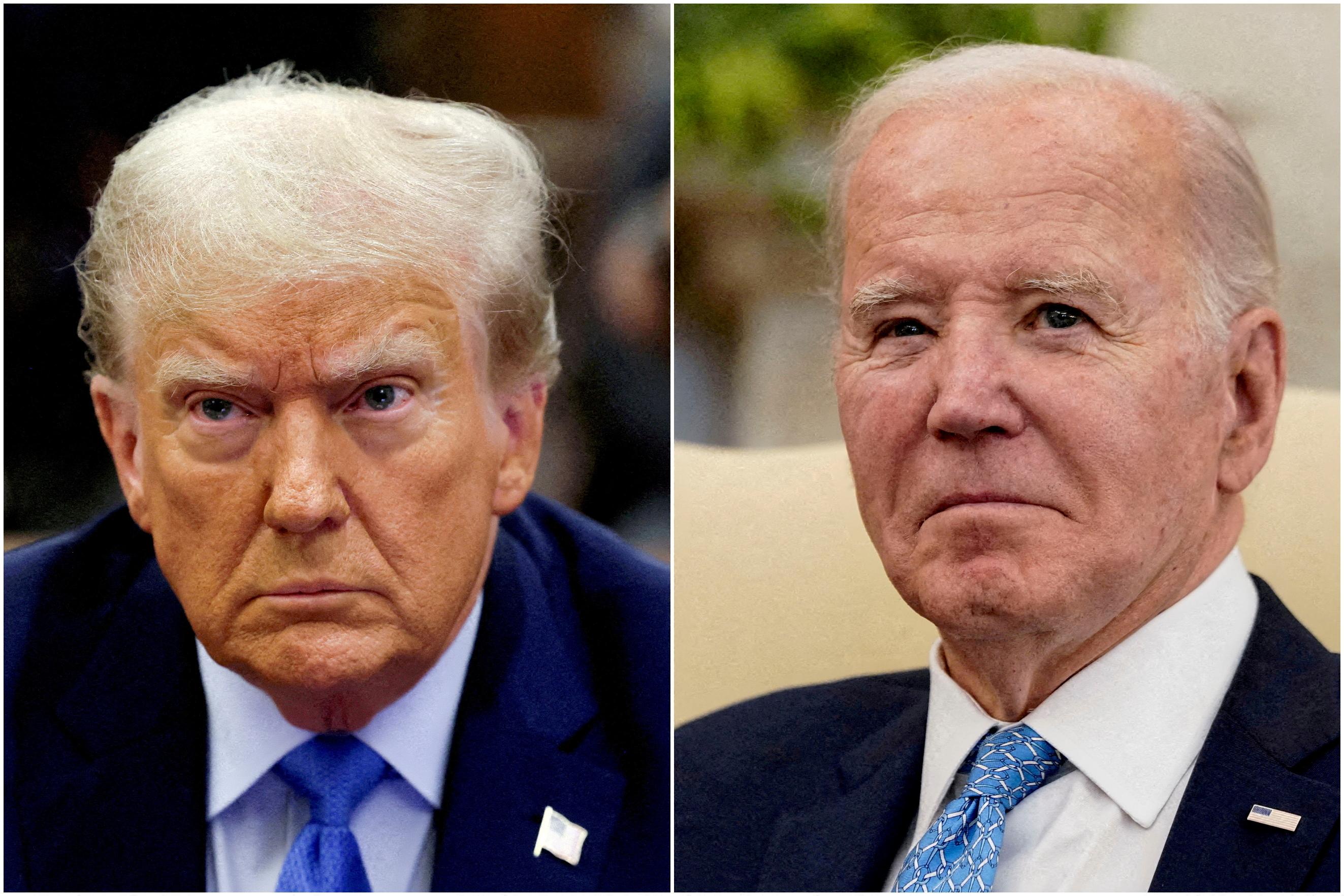
A look at the day ahead in European and global markets from Kevin Buckland: Some payback may be coming for European stocks on Tuesday, following the gains that kicked off the week. Look for tech to take an outsized hit, after Nvidia's slump (NVDA.O) New Tab, opens new tab led a sell-off for the high-flying chip sector on Wall Street. To recap, the S&P 500 (.SPX) New Tab, opens new tab lost 0.3% on Monday, versus a more than 1% drop for the Nasdaq (.IXIC) New Tab, opens new tab, with the SOX semiconductor index (.SOX) New Tab, opens new tab sliding more than 3%. But tech's loss has been value's gain, exemplified by the 0.7% rise in the Dow (.DJI) New Tab, opens new tab. That rotation has been the theme in Asia overnight. As an example, AI darlings on Japan's Nikkei 225 like SoftBank Group (9984.T) New Tab, opens new tab are pulling back from highs, while cash pours back into beaten-down Toyota Motor (7203.T) New Tab, opens new tab. The positive news for equity investors is that overall, Asia-Pacific stock indexes are higher. Only tech-heavy Taiwan (.TWII) New Tab, opens new tab is underwater among the major benchmarks. And while the Nikkei (.N225) New Tab, opens new tab is up only half a percent, the broader Topix (.TOPX) New Tab, opens new tab has rallied nearly 1.5%. Geopolitics also bear close attention. With the first round of voting in France's snap elections looming this weekend, sentiment could turn quickly. For now, the far right's overtures to the markets have been effective in allaying fears about a lack of fiscal restraint. The euro has rebounded sharply as a result and sits back at around $1.0740 after having been as low as $1.0671 on Friday. Elsewhere, keep an eye on developments in the European Commission's dealings with Apple and with China. Beijing wants the EU to scrap proposed tariffs on Chinese electric vehicle imports before they are due to take effect on July 4, and Chinese officials are trying to find a compromise in talks in Brussels this week. Apple needs to change the way its App Store works or face potentially hefty fines for antitrust violations. The EU has also been flexing its muscles with new sanctions on Russia, hitting gas exports for the first time. New restrictions will prohibit transferring cargoes from one ship to another off EU ports, but stop short of an EU ban on LNG imports, which have risen since the start of the war in Ukraine. Key developments that could influence markets on Tuesday: - Fed Governor Michelle Bowman speaks at Policy Exchange event in London - Fed Governor Lisa Cooks speaks at Economic Club of New York - U.S. consumer confidence (June) - Canada CPI (May) Sign up here. https://www.reuters.com/markets/europe/global-markets-view-europe-2024-06-25/
2024-06-25 04:38
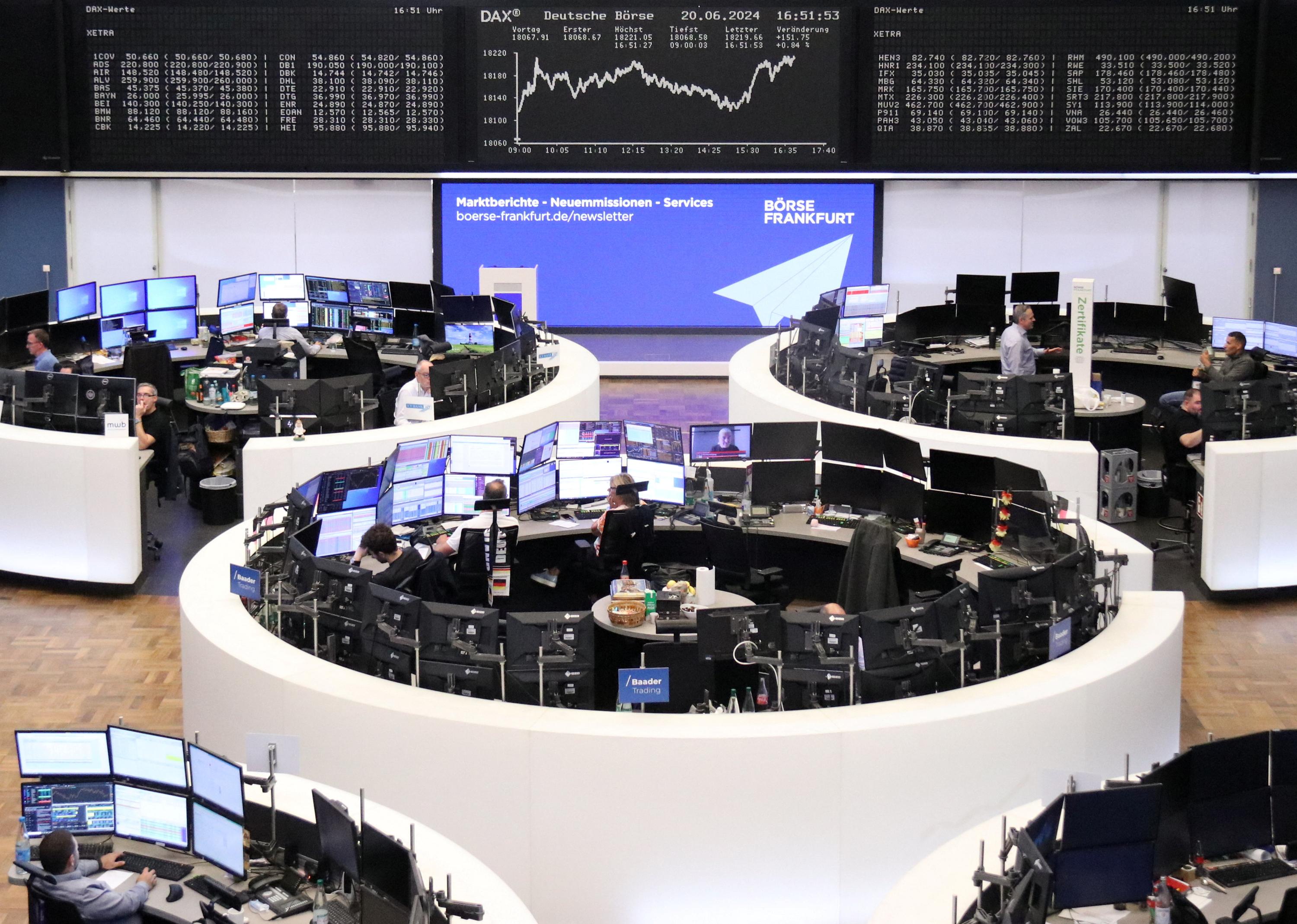
MUMBAI/BENGALURU, June 25 (Reuters) - India's worsening water shortage, triggered by high consumption amid rapid economic growth and frequent natural disasters, can negatively impact the South Asian nation's sovereign credit strength, Moody's Ratings said on Tuesday. Millions of Indians face water shortages every summer when water demand rises in farms, offices and homes against a limited supply, but a prolonged heatwave this year has worsened the shortfall, including in Delhi and the southern tech hub of Bengaluru. "This is detrimental to the credit health of the sovereign, as well as sectors that heavily consume water, such as coal power generators and steel-makers," Moody's Ratings said in a note. "In the long term, investment in water management can mitigate risks from potential water shortages," it added. India's average annual water availability per capita is likely to drop to 1,367 cubic meters by 2031 from an already-low 1,486 cubic meters in 2021, according to the Ministry of Water Resources. A level below 1,700 cubic meters indicates water stress, with 1,000 cubic meters being the threshold for water scarcity, according to the ministry. "Decreases in water supply can disrupt agricultural production and industrial operations, resulting in inflation in food prices and declines in income for affected businesses and communities, while sparking social unrest," Moody's said. This, in turn, can exacerbate volatility in India's growth, it warned. Increases in the frequency of water shortage, severity or durations of extreme climate events stemming from climate change will exacerbate the situation because India heavily relies on monsoon rainfall for water supply, the global agency said. Industrialisation and urbanisation will intensify competition for water among businesses and residents, it added. The sustainable finance market in India can provide companies and regional governments with a critical avenue to raise funds, it said. Moody's currently has a Baa3 rating on India with a stable outlook. Sign up here. https://www.reuters.com/world/india/rising-water-stress-hurt-indias-credit-strength-moodys-says-2024-06-25/
2024-06-25 04:06
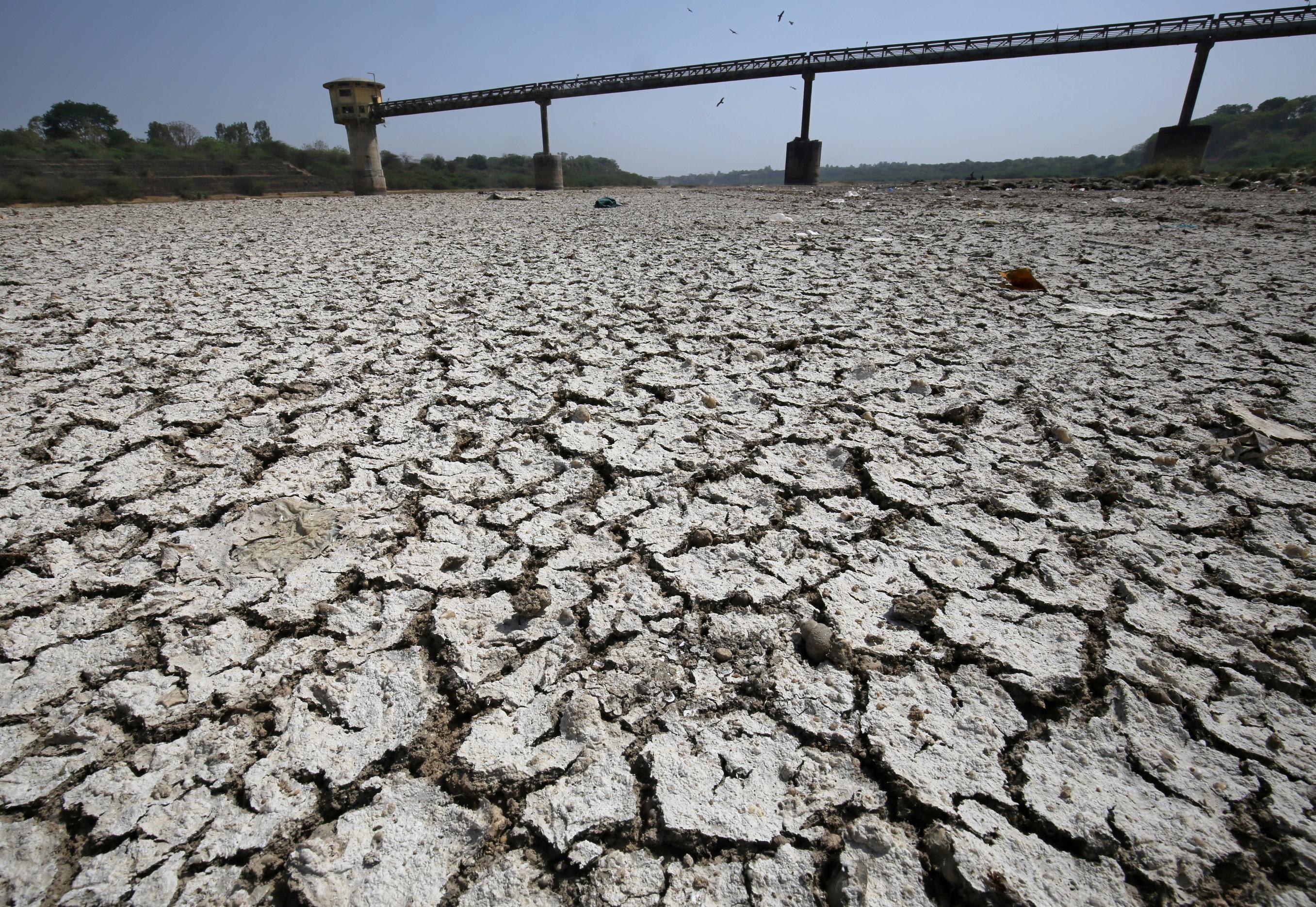
TOKYO, June 25 (Reuters) - Japanese Chief Cabinet Secretary Yoshimasa Hayashi said on Tuesday authorities would respond appropriately to excessive currency volatility, in a fresh warning as the yen weakens towards to the key 160 per dollar level. Hayashi, the top government, spokesperson told reporters excessive volatility in foreign exchange is undesirable as it negatively affects business and household demand. "We are closely watching currency moves and will respond appropriately to excessive volatility," he said. His comments follow a steady drum beat of warnings from officials against wild swings in the currency in recent days amid heightened political focus on the hit to the economy from the weak yen. Earlier on Tuesday, Finance Minister Shunichi Suzuki told broadcaster TBS that currency rates needed to be stable and reflect economic fundamentals. "We would respond appropriately to excessive currency moves," he said, a view he reiterated in Seoul after attending a bilateral meeting with his South Korean counterpart on Tuesday. The battered yen languished near the 160 per dollar level on Tuesday, close to a 34-year trough of 160.245 that prompted a 9.79 trillion yen ($61.33 billion) currency intervention from Tokyo in late April and early May. While government officials have declined to comment on whether current market moves are excessive, traders are on high alert for any intervention from authorities. The yen has been under pressure since the Bank of Japan this month disappointed investors by not reducing its massive bond purchases, as some had expected. In a separate press conference on Tuesday, the chairman of the powerful Keidanren business lobby, Masakazu Tokura, said currency interventions can be effective to a certain extent. "The last interventions (in April and May) reflected the government's resolve to prevent the yen from falling below 160 per dollar," he said. Tokura also said that U.S.-Japan interest rate differentials are likely to narrow down eventually as moderate inflation in Japan would lead to a policy rate hike and slowing inflation in the United States would result in a rate cut. "In that sense, I believe that the differential is at the peak now," he added. Sign up here. https://www.reuters.com/markets/currencies/japan-respond-appropriately-excessive-volatility-govt-spokesperson-says-2024-06-25/