2024-06-24 05:03
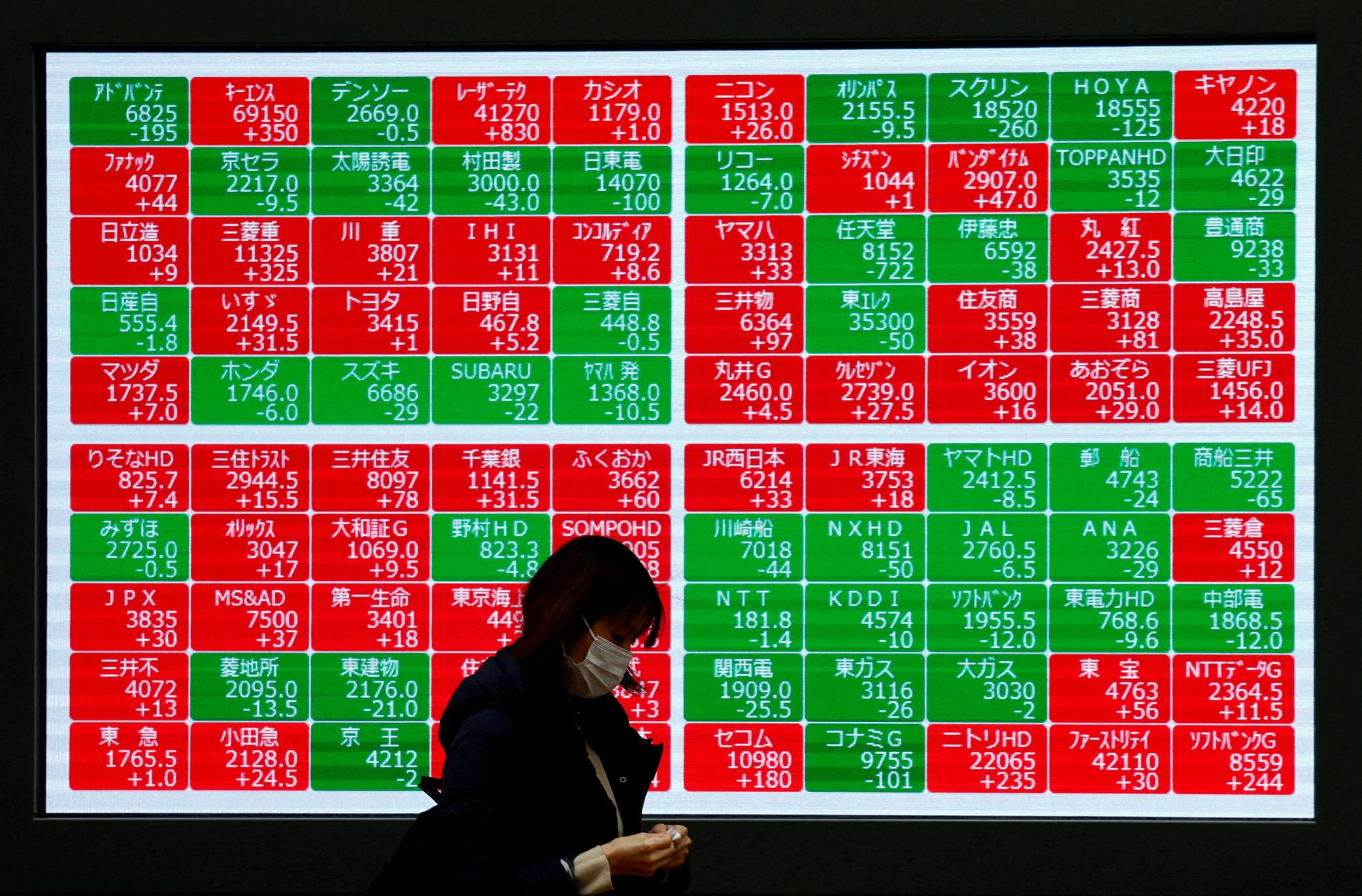
LAUNCESTON, Australia, June 24 (Reuters) - (The opinions expressed here are those of the author, a columnist for Reuters.) Asia's imports of liquefied natural gas (LNG) are expected to dip slightly in June from May, with strength in India holding up the top-buying region's appetite for the super-chilled fuel. Asia is on track to import 23.18 million metric tons of LNG in June, down a touch from May's 23.55 million, but up 8.9% from the 21.28 million from June last year, according to data compiled by commodity analysts Kpler. The largely steady outcome in June from the prior month reflects the little change in arrivals to China and Japan, the world's two biggest LNG importers respectively. China is on track to import 6.17 million tons in June, little changed from May's 6.19 million and the 6.20 million from June 2023. Japan's arrivals are estimated at 4.69 million tons in June, down marginally from May's 4.80 million and 4.92 million in June 2023. The real action in Asia's LNG market is in India, the continent's fourth-largest importer, which is slated to see arrivals of 2.72 million tons in June, the second-highest on record and up from May's 2.46 million. The June imports are also 54% higher than the 1.77 million tons from the same month in 2023, and first half imports of 13.71 million are almost one-third above the 10.44 million from the same period last year. The breakdown of India's imports also shows a strong increase in arrivals from the United States, with a record 960,000 tons expected to be landed in June. This is up from 470,000 tons in May, and almost double the previous record month of 580,000 tons from June 2021. There are likely two dynamics at work with the rising shipments from the United States, then first being that U.S. producers are looking for alternative markets to Europe, where LNG imports have declined in recent months. The second factor is likely that U.S. cargoes are being offered at a lower price to those from other top shippers Qatar and Australia, especially since U.S. natural gas prices remain at levels that would allow their plants to offer competitively priced cargoes and still make profits. AUSTRALIA LNG Another factor that shows India is keen to buy LNG currently is that it imported a cargo from Australia in June, with 70,000 tons arriving on June 11 from Chevron's Gorgon plant in Western Australia. India rarely buys from Australia, with June's shipment being only the second cargo this year after one in April. Prior to the April shipment, the last cargo that India imported from Australia was in June 2023. India's demand for LNG is being boosted by the strong rise in power demand amid an ongoing heatwave and robust economic growth. Gas-fired electricity generation normally only accounts for around 2% of the India total, with coal supplying 75%. However, in May gas-fired generation rose to 3.1% of the total, up from 1.6% in the same month in 2023, according to data from Grid India. LNG in India is also used in industrial processes such as making fertiliser, and the strong economy is helping to boost demand. Gross domestic product is growing 7.8% in the 2023-24 fiscal year. The question for the LNG market is whether India's strong demand is likely to continue, or will it ease amid the recent higher prices for spot cargoes. The spot price of LNG for delivery to North Asia , the regional benchmark, was $12.60 per million British thermal units (mmBtu) in the week to June 21. This was unchanged from the prior week, which in turn was the highest price in six months, and also up 52% from the low so far this year of $8.30 per mmBtu, reached in the week to March 1. India has traditionally been viewed as a price-sensitive buyer, but the strength of demand from the robust economy and the persistent high temperatures has been enough to overcome higher LNG prices. There may be some relief from temperatures in coming months as the monsoon season brings rain and cooler weather, and while the economic growth rate is tipped to ease, it is still expected to remain around 6-7% in the current fiscal year. The opinions expressed here are those of the author, a columnist for Reuters. Sign up here. https://www.reuters.com/business/energy/indias-lng-surge-supports-asias-imports-june-russell-2024-06-24/

2024-06-24 04:39
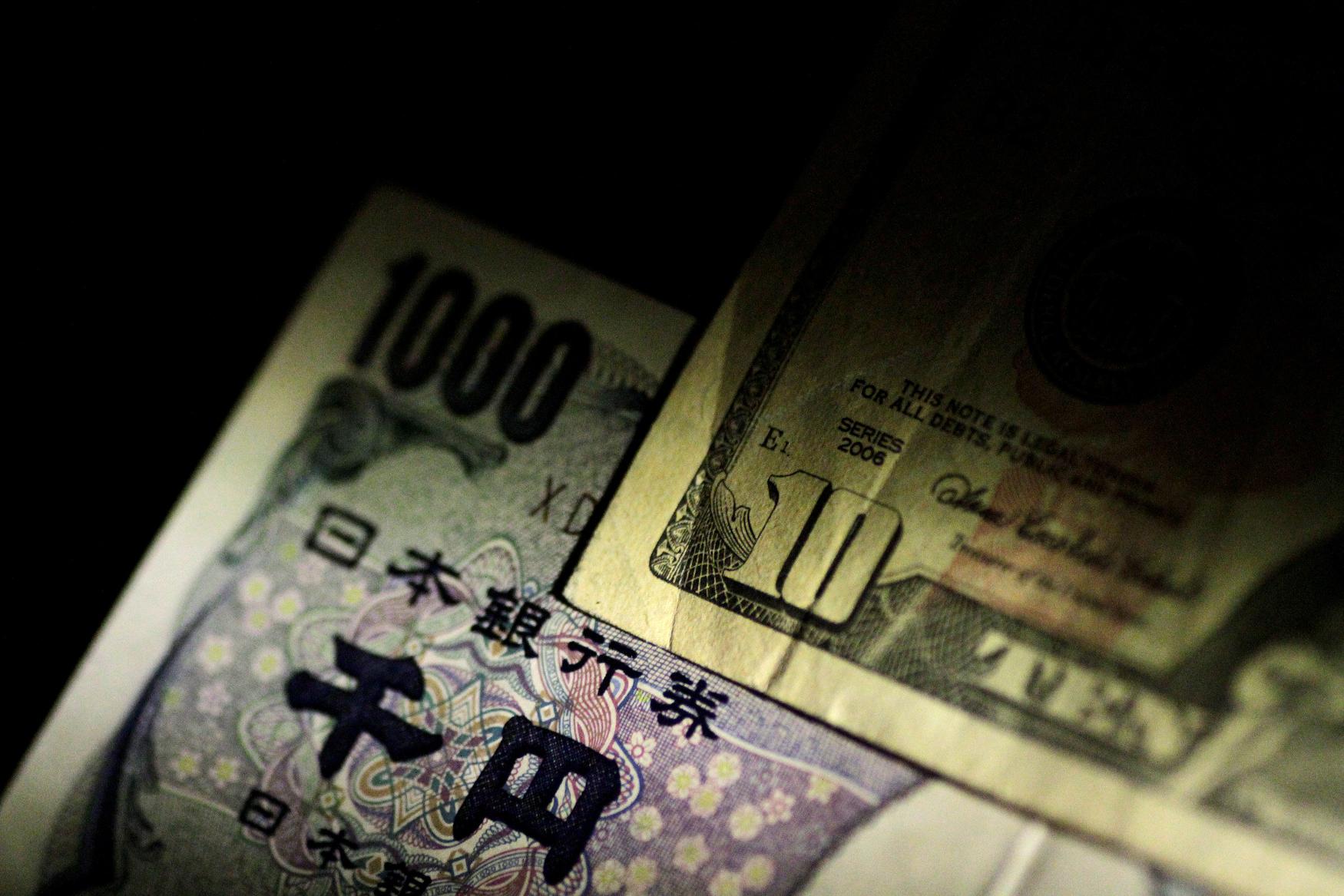
Yen down 1.4% vs dollar in June, nearly 12% weaker this year People skeptical about merits of intervention -analyst Focus on inflation data release this week Markets await Trump-Biden presidential debate this week NEW YORK, June 24 (Reuters) - The U.S. dollar slipped from an eight-week high against the yen on Monday, with traders back on alert for government intervention to support the Japanese currency after it hit just shy of 160, a level that earlier triggered action from the Ministry of Finance to prop it up. The greenback rose to 159.94 earlier in the session, the highest since April 29, when the yen touched a 34-year low of 160.245. That led Japanese authorities to spend roughly 9.8 trillion yen to support the currency. It briefly tumbled in European trading to 158.75 per dollar, and was last 0.1% weaker at 159.65. The dollar fell after seven straight days of gains. "The Japanese track record suggests that they do not target a specific level," said Marc Chandler, chief market strategist, at Bannockburn Forex in New York. "So why is the market testing the BOJ (Bank of Japan) again? One of the reasons is that there has been a camp that's very skeptical about the merits of intervention when interest rates are so wide." U.S. 10-year yields were last at 4.251% , while 10-year Japanese government bonds yields were at 0.99% . Earlier, Japan's top currency diplomat Masato Kanda said authorities will take appropriate steps if there is excessive foreign exchange movement, and that the addition of Japan to the U.S. Treasury's monitoring list would not restrict their actions. The yen has come under renewed pressure after the BOJ's decision this month to postpone reducing bond-buying stimulus until its July meeting. It has been down 1.4% against the dollar so far in June, and nearly 12% weaker this year. A summary of opinions at the BOJ's June policy meeting on Monday showed some policymakers called for raising interest rates in a timely fashion as they saw a risk of inflation overshooting expectations. INFLATION TEST, US PRESIDENTIAL DEBATE LOOM The spotlight this week will be on Friday's release of the U.S. personal consumption expenditures (PCE) price index, which the Federal Reserve relies on to gauge progress in getting inflation down to its 2% target. A number showing price pressures easing is likely to bolster bets on a rate cut as early as September, which futures currently price as a 70% prospect. The dollar index , which measures the greenback against a basket of currencies including the yen and the euro, fell 0.4% to 105.46, sliding from a nearly eight-week high of 105.91 it touched last week. Another focus through the week will be politics. The first U.S. presidential debate between President Joe Biden and his predecessor Donald Trump is on Thursday after U.S. markets close. "Certainly there's quite a bit of interest in whether or not the dollar is specifically mentioned," said Brian Daingerfield, FX strategist at Natwest Markets in Stamford, Connecticut. "We know former President Trump has at times criticized the value of the dollar as being too strong." Meanwhile, in France, the first round of voting in the French election is on Sunday. The euro , which has been under pressure since French President Emmanuel Macron called a snap election earlier this month, was up 0.4% at $1.0737, but was still down about 1% against the dollar in June so far. France's far right National Rally (RN) party and its allies were seen leading the first round of the country's elections with 35.5% of the expected vote, an opinion poll published on Sunday showed. RN lawmaker Jean-Philippe Tanguy, who is widely seen as the most likely candidate to head the finance ministry if the party wins and forms a government, told Reuters an RN government would stick to the European Union's fiscal rules. Sterling firmed 0.4% to $1.2690. The Australian dollar gained 0.2% versus the greenback to US$0.6655, while the New Zealand dollar rose 0.2% to US$0.6129. Meanwhile, spot yuan was trading at 7.2598 per dollar, close to its lowest in seven months, weighed by broad strength in the dollar and worries about weakness in the world's second-largest economy. In cryptocurrencies, bitcoin fell to its lowest since May 2nd of $59,619.21 and was last down 6% at $60,319.00. Ether dropped 6.3% to $3,302. Sign up here. https://www.reuters.com/markets/currencies/dollar-steady-ahead-inflation-reading-yen-teeters-toward-160-2024-06-24/
2024-06-24 04:36
A look at the day ahead in European and global markets from Wayne Cole. It's been a mildly risk-off start to the week with most share indices in the red, the dollar up and Treasury yields down a touch, though there was no obvious catalyst for the moves. The dollar got as far as 159.94 yen in early trading sparking the usual warnings from Japanese officials against "excessive" volatility, shorthand for an intervention alarm. The 160.00 level is seen as a red line for the Japanese given they intervened in late April when the dollar reached 160.245. The yen's weakness adds to imported inflation and puts pressure on the Bank of Japan (BoJ) to further unwind its super-easy policies. Minutes of the central bank's last meeting confirmed there was much discussion about tapering its bond buying and nudging rates higher. The steady decline in the yen is also rippling across emerging markets, putting Asian currencies under stress as they need to drop to keep exports competitive. The Chinese yuan is up more than 10% on the yen so far this year and near its highest since 1992, a major reason analysts suspect Beijing is massaging its own currency lower over time. Geopolitics also loomed large, with the first U.S. presidential debate on Thursday and the first round of voting in the French election at the weekend. An opinion poll out over the weekend showed France's far right National Rally (RN) party and its allies were leading the first round of the country's elections with 35.5% of the vote. The major data hurdle for the week will be the U.S. personal consumption expenditures (PCE) price index on Friday which really needs to be benign to keep the market wagering on a September rate cut. The core is seen slowing to a three-year low of 2.6% y/y, from 2.8%, with a range of 2.5% to 2.8%. The benign CPI/PPI reports have the market counting heavily on 2.6% or lower, so an upside surprise would really hurt. Analysts also caution that a run of very soft PCE numbers from the second half of last year will be dropping out in coming months making it hard to overcome the base effect. Fed chief Powell cited that factor for why the median dot plot saw core PCE still at 2.8% by the end of this year. Key developments that could influence markets on Monday: - Ifo German business climate survey, United Kingdom CBI Trends Orders for June - ECB Board members Claudia Buch, Edouard Fernandez-Bollo, Isabel Schnabel and Elizabeth McCaul all speak - Appearances by Federal Reserve's Austan Goolsbee, Mary Daly and Christopher Waller. Bank of Canada Governor Tiff Macklem speaks - Dallas Fed manufacturing index for June Sign up here. https://www.reuters.com/markets/europe/global-markets-view-europe-2024-06-24/
2024-06-24 02:19
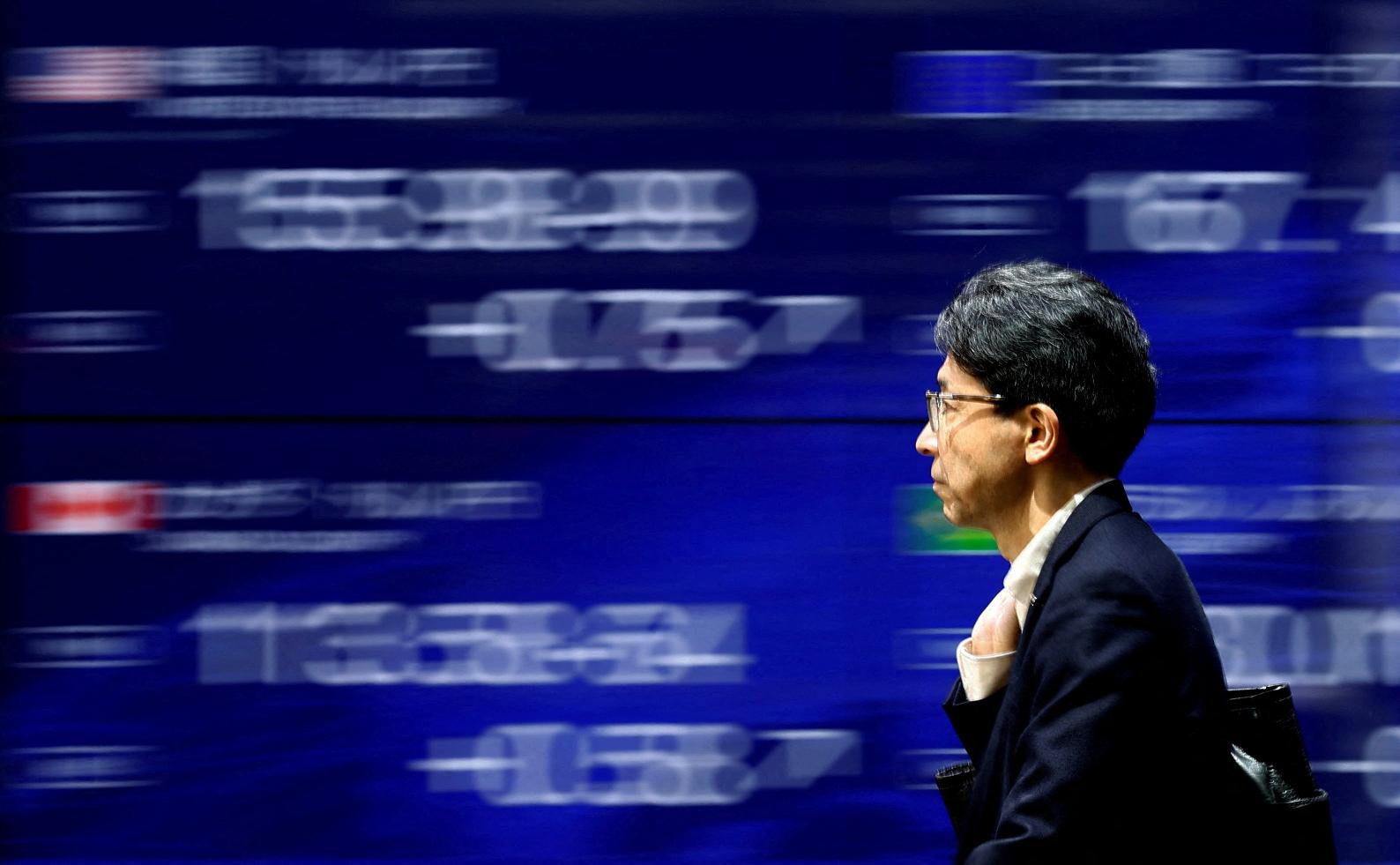
TOKYO, June 24 (Reuters) - Japan is always ready to take action against excessive market moves, Tokyo's top currency diplomat Masato Kanda said on Monday, as the yen fell close to 160 to the dollar, raising market caution about the prospect of fresh intervention. "We won't comment on day-to-day currency moves as such comments could give the market unforeseen effects, but we are always to ready to take appropriate action when there are excessive moves," Kanda told reporters. Japanese Finance Minister Shunichi Suzuki echoed Kanda in warning against excessive moves, saying that Tokyo "would want to respond appropriately as needed." Suzuki declined to comment on whether he considered current market moves as excessive, but stressed that it was desirable for currency moves to be stable and reflect fundamentals. The yen has been under pressure after the Bank of Japan's decision this month to hold off reducing bond-buying stimulus until its July meeting. The dollar traded at 159.87 yen early Monday. Kanda, vice finance minister for international affairs, said he was aware the yen's decline towards 160 to the dollar has heightened market caution about intervention but noted authorities have no specific levels in mind on when to intervene. The market widely sees 160 yen to the dollar as authorities' line in the sand. Japan spent some 9.8 trillion yen ($61.64 billion) to pull the currency out of a 34-year trough of 160.245 per dollar hit on April 29. The steps, however, have failed to reverse the yen's weakness due partly to wide Japan-U.S. interest rate differentials. Kanda also said the addition of Japan to the U.S. Treasury's foreign exchange manipulation monitoring list had "absolutely no impact" on Tokyo's policy options. A U.S. Treasury report issued on Thursday added Japan to its foreign exchange monitoring list alongside six countries that were on the previous list. "Japan has policy leeway to ensure that foreign exchange rates move in a stable manner reflecting fundamentals," Kanda said. Issues emerge with currency intervention when a country tries to weaken its currency to boost exports, but "what we are doing is exactly the opposite to that," he added. "We will firmly respond to moves that are too rapid or driven by speculators," he said. "If no action is taken to such moves, people, companies and households would suffer." Sign up here. https://www.reuters.com/markets/currencies/japan-warns-against-rapid-fx-moves-reiterates-readiness-action-2024-06-24/
2024-06-24 01:55
Extreme heat hit farmers hard in world's top robusta bean grower Forecasts on next harvest vary from 16% fall to steady Espresso prices may rise regardless of actual Vietnam yield PLEIKU, Vietnam, June 24 (Reuters) - (This June 23 story has been refiled to fix the acronym of Mercantile Exchange of Vietnam to MXV, not MVX, in paragraph 3) Vietnamese coffee growers have been hit hard this year by the worst drought in nearly a decade, raising concerns of pricier espressos across the world, even as some farmers keep yields healthy with clever countermeasures. Domestic forecasts for next season's harvest in Vietnam, the world's second biggest coffee producer, remain grim. The Mercantile Exchange of Vietnam (MXV) expects a 10-16% fall in output because of the extreme heat that hit the Central Highlands coffee region between March and early May, according to deputy head Nguyen Ngoc Quynh. However, a return of rains in recent weeks has improved the outlook, boosting confidence among farmers and officials. But it remains unclear whether the improved weather will help boost output and drive down prices of robusta beans, the variety most commonly found in espressos and instant coffees, of which Vietnam is the world's top producer. "I expect the country's output to fall by 10-15%, but my farm will increase production", said Nguyen Huu Long, who grows coffee in a 50-hectare plantation in Gia Lai, one of the top coffee-producing provinces in Vietnam. To protect his trees during the heatwave, he kept the soil around the plants moist by covering it with leaves. Contrary to the local practice of cutting trees after a few years to boost soil quality, he keeps his growing for decades. As a result, plants have deeper roots and broader access to underground water reserves. Farmers in his plantation also soften the soil around plants to improve absorption of rainwater and fertilisers, said Doan Van Thang, 39. Tran Thi Huong, a tenant farmer who works in another plantation 20 km from Pleiku, Gia Lai's capital, resorted to using more water than usual. Thanks to abundant reserves from canals built by local authorities, she could keep her plants sufficiently irrigated during the heatwave. Coffee cherries are smaller than in previous years, but she expects the overall output to be unaffected. It also helped that she timely intervened with biopesticides against bugs that were more numerous than usual because of the extreme weather. That is in line with the forecast from the United States Department of Agriculture (USDA) which estimates Vietnam's next harvest would be roughly steady versus the current season's output - far less pessimistic than domestic projections. BITTER PRICE EFFECT? Whatever the impact on the harvest will be, coffee prices for drinkers around the world are likely to rise. Wholesale prices in Vietnam and London-traded robusta futures have risen to record highs earlier this year mostly after an underwhelming harvest in Vietnam and because of fears over the country's next harvest after the drought, according to multiple traders and analysts. Record wholesale prices have so far had a limited impact on consumer prices, with coffee inflation up by only 1.6% in the 27-country European Union in April, according to the latest Eurostat data, and 2.5% in robusta-loving Italy. While well below price rises from a year earlier, it was higher than 1% in the March EU reading, a sign roasters may have started to pass their higher costs on consumers. Besides, worries about Vietnam are far from over, as insufficient rains after the drought or excessive downpours before the upcoming October harvest season could further reduce output, warned a Vietnam-based trader. The high wholesale prices may also be there to stay, as robusta demand is growing globally and farmers have boosted their leverage in the current circumstances, with many having also replaced coffee plants with pungent smelling durian, a tropical fruit experiencing huge demand in China. "They have the financial ability to hoard and hold on goods, so they will not be in a hurry to sell," said Le Thanh Son, of Simexco, one of Vietnam's biggest coffee exporters. Sign up here. https://www.reuters.com/markets/commodities/some-vietnam-coffee-farms-thrive-despite-drought-may-not-stop-espresso-price-2024-06-24/

2024-06-24 00:48
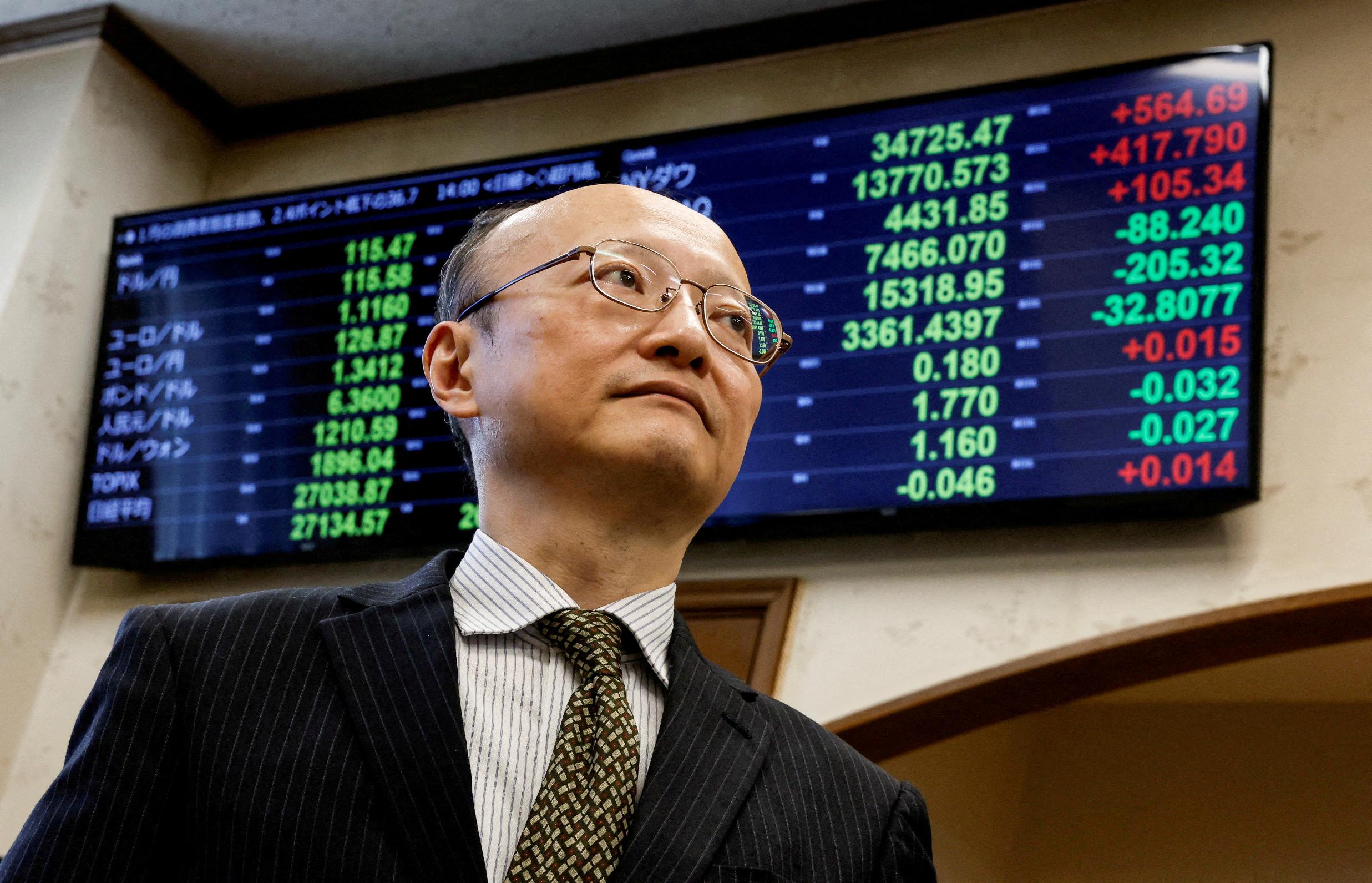
Dollar eases vs yen after nearing 160 yen Fed's favored inflation index looms large this week US presidential debate, French elections on horizon NEW YORK, June 24 (Reuters) - Global stock indexes were mixed on Monday ahead of a key U.S. inflation reading due this week, while the dollar eased slightly against the yen from levels that put investors on alert for Japanese intervention. The Dow Jones Industrial average hit a one-month high while the Nasdaq fell more than 1%. The dollar earlier tested the 160-yen barrier. Japan's top currency official Masato Kanda said authorities will take appropriate steps if there is excessive foreign exchange movement, and that the addition of Japan to the U.S. Treasury's monitoring list would not restrict their actions. Against the Japanese yen , the dollar was last down 0.07% at 159.68. The dollar index , which measures the greenback against a basket of currencies, fell 0.38% to 105.48. The euro was up 0.38% at $1.0732. Investors are hoping to get more clues about the Federal Reserve's next steps as it attempts to fight inflation without hurting the economy too much. The U.S. personal consumption expenditures (PCE) price index is due on Friday. Annual growth in the core index is expected to slow in May. Investors also will be looking at first-quarter gross domestic product estimates, released on Thursday. "The biggest worry for the market is any whiff of stagflation. In other words, a cooling economy with inflation climbing higher," said Quincy Krosby, chief global strategist, LPL Financial in Charlotte, North Carolina. Market participants are still expecting about two rate cuts this year, pricing in an over-60% chance of a 25-basis-point cut in September, according to LSEG's FedWatch. The Dow Jones Industrial Average (.DJI) New Tab, opens new tab rose 260.88 points, or 0.67%, to 39,411.21, the S&P 500 (.SPX) New Tab, opens new tab lost 16.75 points, or 0.31%, to 5,447.87 and the Nasdaq Composite (.IXIC) New Tab, opens new tab lost 192.54 points, or 1.09%, to 17,496.82. Shares of chip maker Nvidia (NVDA.O) New Tab, opens new tab fell 6.68%, extending recent losses. "Every time we've seen significant profit taking, we've seen dip-buyers coming in and just pushing it back up higher," Krosby said. MSCI's gauge of stocks across the globe (.MIWD00000PUS) New Tab, opens new tab rose 0.14 points, or 0.02%, to 801.39. The STOXX 600 (.STOXX) New Tab, opens new tab index gained 0.73%. Investors will also be watching for the first U.S. presidential debate on Thursday and the start of the French election on Sunday. U.S. President Joe Biden heads into the debate with rival Donald Trump armed with new immigration and border policies that his backers hope will boost his standing among skeptical voters. France's far-right National Rally (RN) party and its allies are seen leading the first round of the parliamentary election with 35.5% of the vote, according to a poll published on Sunday. Also due this week are quarterly earnings from FedEx (FDX.N) New Tab, opens new tab and Micron Technology (MU.O) New Tab, opens new tab. In Treasuries, the yield on benchmark U.S. 10-year notes dipped 2.7 basis points to 4.23%, from 4.257% late on Friday. U.S. crude futures gained 90 cents to settle at $81.63 a barrel and Brent rose 77 cents to $86.01. Sign up here. https://www.reuters.com/markets/global-markets-wrapup-1-2024-06-24/