2024-06-21 19:44
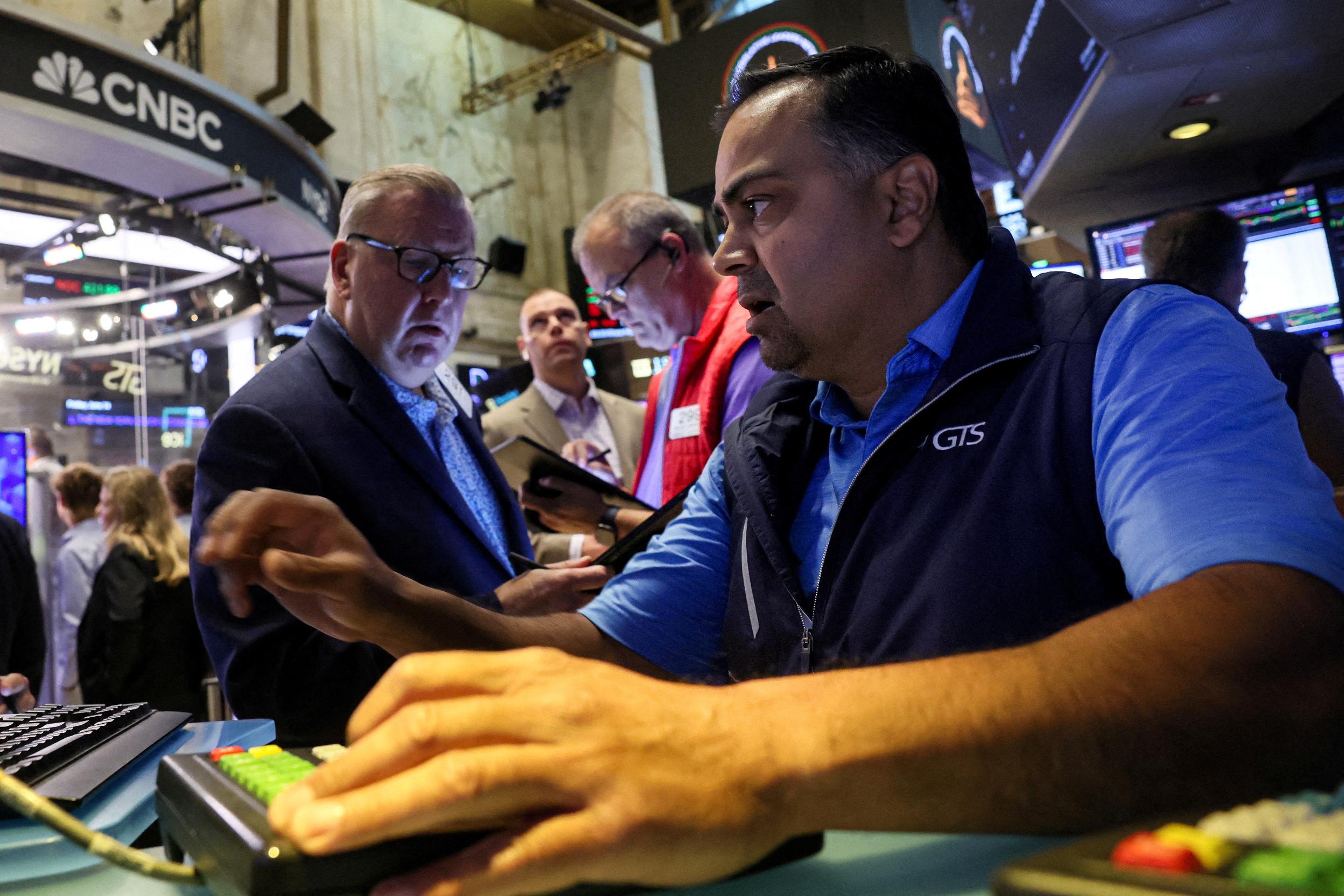
ATHENS, June 21 (Reuters) - A man died on Friday as several forest fires fanned by gale-force winds battered Greece's southern tip and forced evacuations, the fire brigade said. The 55-year-old man was injured in a blaze in the region of Ilia on the Peloponnese peninsula and died at a hospital, said a fire service official. Some 120 firefighters, assisted by dozens of engines, were deployed to tame forest fires in Achaia region, which spread fast to the nearby district of Ilia and raged uncontrolled. "All forces are making a superhuman effort to tame them," amid winds of up to 120 kph (75 mph), Greek fire brigade spokesperson Vasilis Vathrakogiannis said, as about 45 wildfires broke out in the country within a few hours. Wildfires are common in the Mediterranean country, but they have become more devastating as summers have become hotter, drier and windier, which scientists relate to climate change. Residents of several villages in the fire-afflicted areas were told to flee their homes, while some used small buckets to assist in firefighting. Greek television showed the interior of a stone house gutted by fire. Civil protection forces have been on alert as the risk of wildfires remains high for Saturday, Vathrakogiannis told a televised briefing. One forest fire that briefly threatened houses at a coastal town close to Athens was contained earlier on Friday, the fire brigade said. Sign up here. https://www.reuters.com/world/europe/greece-battles-wildfires-fanned-by-strong-winds-evacuates-villages-2024-06-21/
2024-06-21 19:03
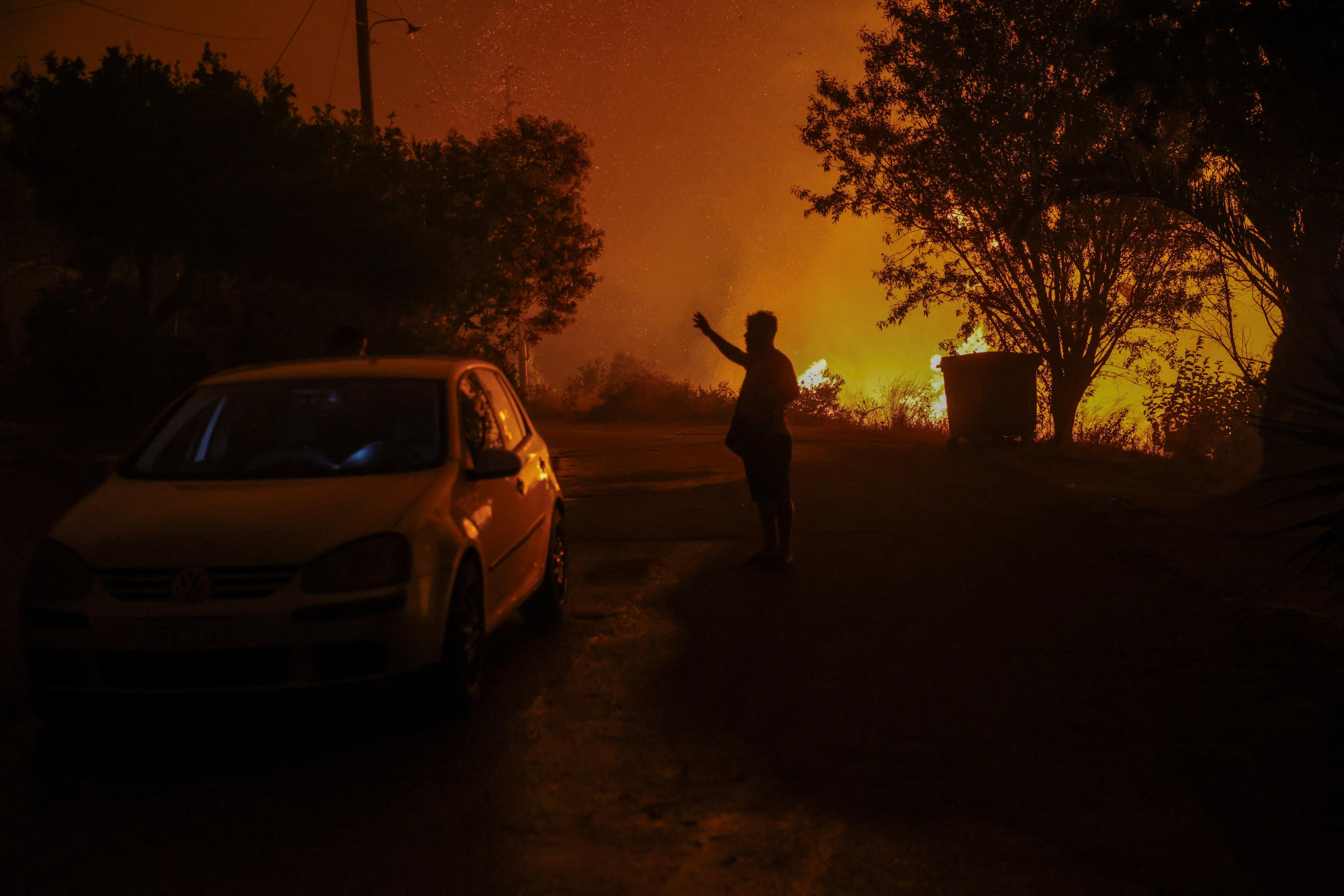
Construction projects slow down Retailers adjust delivery routes Manufacturers, warehouses use cooling to maintain productivity June 21 - Extreme heat has companies in the United States changing the way they work. One frequent response: work less. Here is how heat affects several large industries and what they do about it: Sign up here. https://www.reuters.com/world/us/how-us-industries-deal-with-extreme-heat-2024-06-21/
2024-06-21 18:50
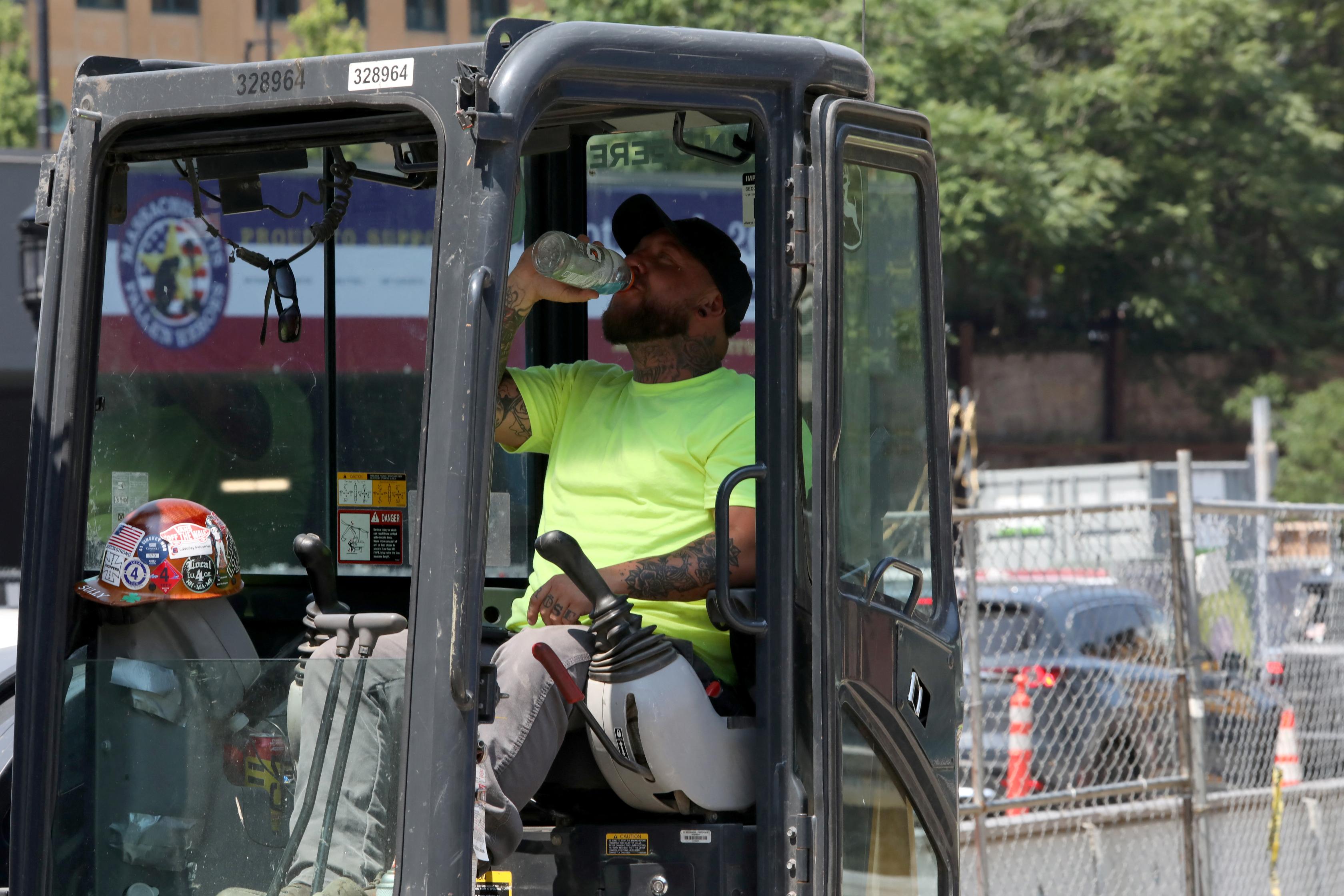
MEXICO CITY, June 21 (Reuters) - At least 30 people have died and thousands have been forced to evacuate their homes as storms and heavy rainfall continue to lash Central America, according to local officials, with the constant downpours flooding rivers, destroying homes, triggering landslides and cutting off entire communities. Salvadoran authorities on Friday said the death toll had now reached 19, among them six children, while over 3,000 people remain in temporary shelters. "We must save people's lives," Luis Amaya, who heads El Salvador's civil protection agency, told reporters Friday. "Material goods come and go, but now we must focus on protecting lives." Guatemalan authorities on Friday reported 10 deaths, nearly 11,000 people evacuated, close to 380 still in temporary shelters, 300 severely damaged damage and four bridges destroyed. Neighboring Honduras meanwhile reported 1 death and over 1,200 people evacuated - some 300 in the last 24 hours. They said the rains had cut off 180 communities and destroyed 22 houses. In Mexico, authorities forecast strong rains across most of the country and torrential downpours across sections of the Pacific and Atlantic coasts, as well as further inland, bringing lightning, strong winds, possible hail and flooding around rivers. The rains caused authorities to evacuate some 80 people from a children's hospital in Oaxaca state on Thursday, but also brought welcome replenishment to drought-hit reservoirs across the country, currently at around a third of their capacity. Mexico's Conagua water authority warned of wind speeds of up to 70 kilometers per hour (44 mph) and waves of up 3 meters (10 ft) around the Gulf and Caribbean coasts. Equally strong winds on the Pacific side, it added, could cause possible tornadoes. The rains were due to a low-pressure channels interacting together across much of the country, as well as a monsoon trough drawing in moist ocean air from well into the North Pacific, the U.S. National Hurricane Center said, boosted by remnants of Alberto, the Atlantic hurricane season's first named tropical storm. Alberto caused at least four deaths as it passed over north-east Mexico this week. The U.S. National Hurricane Center predicted the heavy rainfall would continue through Friday across southern Mexico and northern Central America, bringing thunderstorms and showers as far south as Costa Rica and Panama into the weekend. Sign up here. https://www.reuters.com/world/americas/least-30-dead-torrential-rains-lash-central-america-2024-06-21/
2024-06-21 18:37
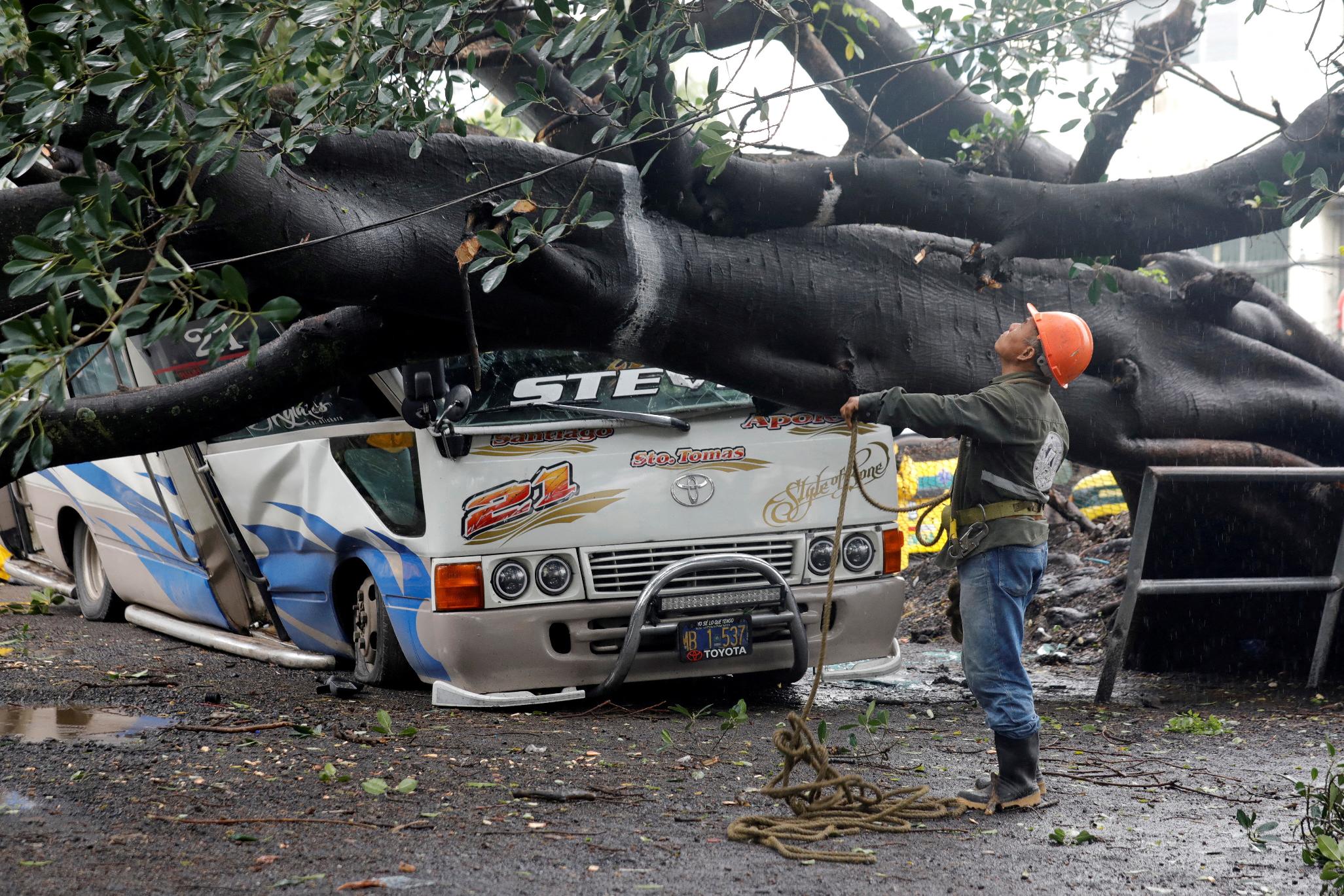
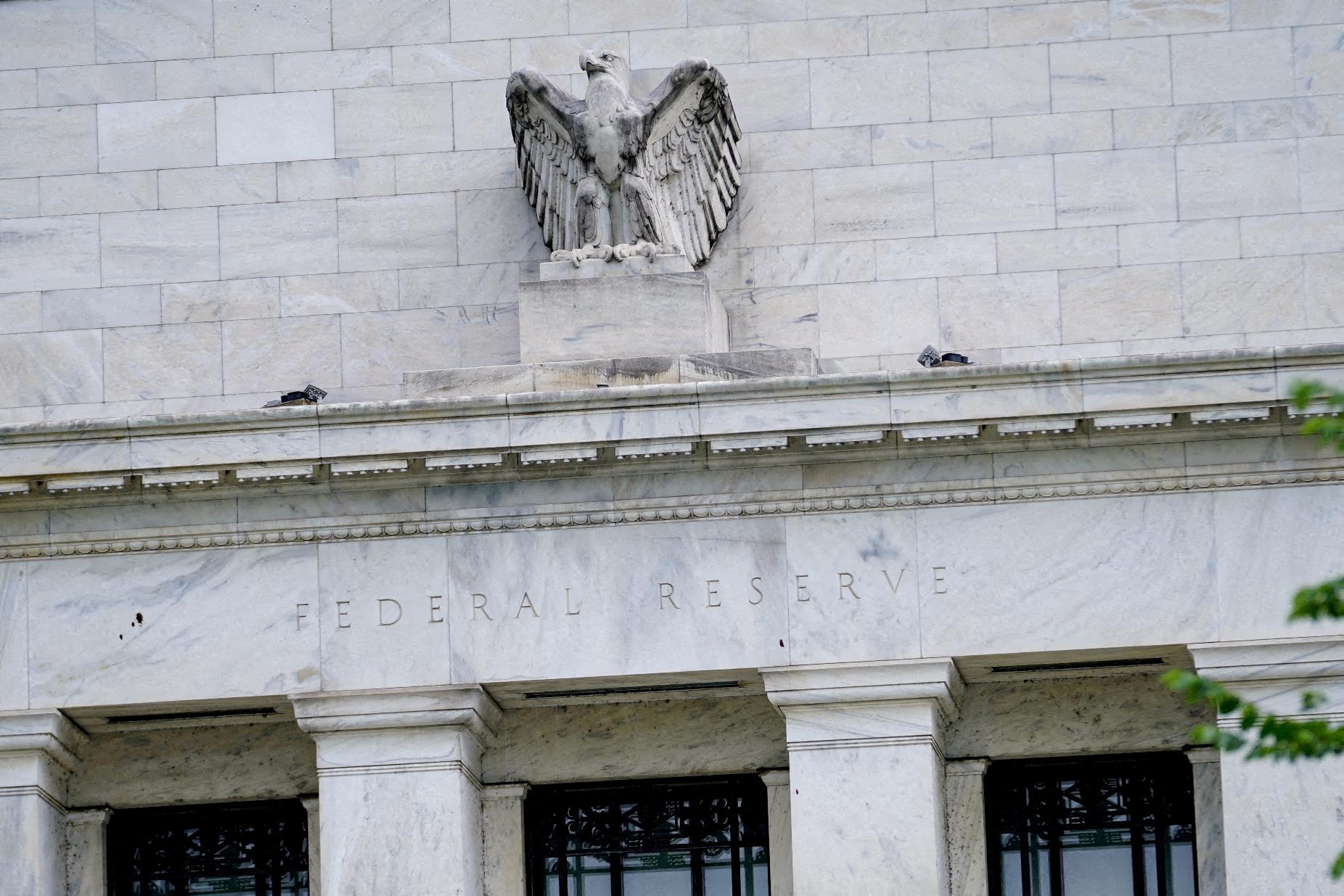
WASHINGTON, June 21 (Reuters) - U.S. bank regulators ordered Bank of America, Citigroup, Goldman Sachs and JPMorgan Chase on Friday to bolster plans for how they could be safely resolved in bankruptcy, and FDIC escalated its concerns about Citi's blueprint. Specifically, the Federal Reserve and Federal Deposit Insurance Corporation said the banks need to refine their so-called living wills to show how they could safely unwind their derivatives portfolios when they next submit plans to regulators in 2025. Big banks hold derivatives worth trillions of dollars in notional value and potential changes to how they manage the risk, liquidity or contingent liabilities on those portfolios could be extremely expensive. The banks will be required to detail how they will address those shortcomings, which had not been previously flagged, in September. Bank of America (BAC.N) New Tab, opens new tab did not provide immediate comment. JPMorgan (JPM.N) New Tab, opens new tab and Goldman Sachs (GS.N) New Tab, opens new tab declined to comment. "The Fed is trying to get the banks to dial up these wills correctly," said Christopher Marinac, director of research at Janney Montgomery Scott. "It just tells us today that the Fed is not happy with the end result, and there's still work to be done." CITI DEFICIENCY The FDIC also escalated its concerns with Citi's (C.N) New Tab, opens new tab plan to a "deficiency," meaning the regulator found it not credible, but the Fed did not follow suit. If both regulators had found Citi's plan deficient, it would have been required to resubmit an improved plan and could have potentially faced additional regulatory restrictions. Reuters previously reported the FDIC would issue the deficiency. The split between regulators on the severity of Citi's deficiencies means the bank is on notice to make improvements, but not at risk of forced divestitures, TD Cowen analyst Jaret Seiberg said in a note. Following the 2007-2009 financial crisis, big banks were ordered to regularly submit resolution plans to regulators, detailing how they could be safely unwound without requiring government assistance. Those plans are assessed by regulators for credibility and feasibility. Nearly all large banks have faced some sort of critique from regulators on their living wills and been ordered to beef up their plans. For example, in 2016, regulators found road maps from Bank of America, BNY, JP Morgan Chase, State Street, and Wells Fargo deficient, and flagged shortcomings for Goldman Sachs and Morgan Stanley. Banks typically are able to address those concerns by submitting amended documents. In a letter to Citi, regulators said weaknesses in its data and controls contributed to inaccurate calculations of the liquidity and capital needed to unwind derivatives positions. The problems relate to issues identified in its 2021 living will, regulators said. They also directed the bank to provide "independent confirmation" that the issues are addressed, controls are functioning and results are reliable when it submits its 2025 plan. Regulators also required Citi to outline its resolution plans for operations outside the U.S. Citi has spent several years working to address regulatory concerns around its data management. Reuters reported in February that the bank received fresh regulatory directives to fix problems in late 2023. "We are fully committed to addressing the issues identified by our regulators," Citi said in a statement. "While we’ve made substantial progress on our transformation, we’ve acknowledged that we have had to accelerate our work in certain areas, including improving data quality and regulatory processes." "We continue to have confidence that Citi could be resolved without an adverse systemic impact or the need for taxpayer funds,” Citi said. Shares of JPMorgan, Bank of America, Goldman Sachs and Citigroup all fell about 1% in afternoon trading. When banks next submit plans, the agencies also said they must address contingency planning and obtaining foreign government actions necessary to execute their plans, an apparent nod to struggles regulators faced safely unwinding Credit Suisse when it collapsed last year. Instead of executing its living will, Swiss authorities engineered a takeover of Credit Suisse by UBS (UBSG.S) New Tab, opens new tab, raising questions over problems with such resolution plans. Regulators did not identify problems in plans submitted by Wells Fargo & Co (WFC.N) New Tab, opens new tab, Bank of New York Mellon (BK.N) New Tab, opens new tab, State Street (STT.N) New Tab, opens new tab or Morgan Stanley (MS.N) New Tab, opens new tab. Sign up here. https://www.reuters.com/business/finance/us-bank-regulators-find-flaws-four-big-bank-living-wills-2024-06-21/
2024-06-21 18:23
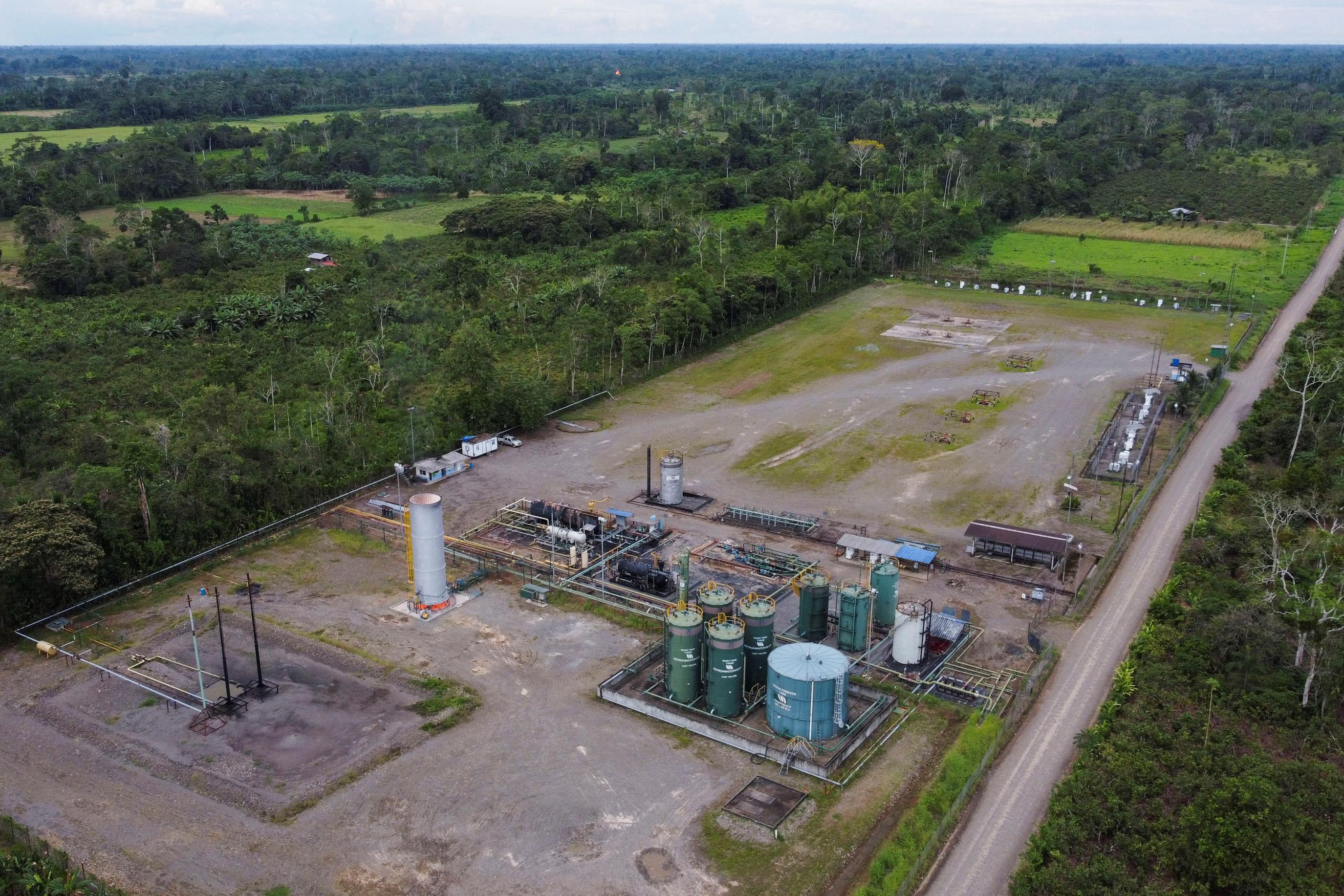
QUITO/HOUSTON, June 21 (Reuters) - Ecuador's state oil company, Petroecuador, has declared force majeure over deliveries of Napo heavy crude for exports following the shutdown of a key pipeline and oil wells due to heavy rains hitting the country, sources said on Friday. Intense rains over the weekend forced the shutdown of three hydroelectric plants, the suspension of a key heavy crude pipeline operated by private companies and a temporary closure of heavy oil-producing wells. A nationwide electricity outage that struck residential users, hospitals and the capital's subway system followed the rains this week. The government attributed the electricity outage to a faulty transmission line. Ecuador's privately operated OCP pipeline decided to shut valves and stop pumping heavy crude on Monday as a preventative measure as heavy rains accelerated erosion surrounding the infrastructure, OCP said. As part of the force majeure declaration, Petroecuador informed customers that two tenders that were planned to be awarded this week to allocate crude cargoes for July delivery were postponed to late June, the sources added. Petroecuador has not specified how long the force majeure, which justifies the cancellation of scheduled cargoes in special circumstances, will last. It told customers that new loading windows would be assigned as soon as the pipeline restarts, rescheduling pending deliveries. The state company did not immediately reply to a request for comment. Petroecuador's crude production fell to some 338,500 barrels per day (bpd) on Wednesday from 390,121 bpd on Sunday, following the well closures, according to official figures. Sign up here. https://www.reuters.com/business/energy/ecuadors-petroecuador-declares-force-majeure-over-napo-crude-exports-sources-say-2024-06-21/
2024-06-21 16:39
NEW YORK, June 21 (Reuters) - The spreads between U.S. investment-grade corporate bond yields and U.S. Treasuries have surged to their highest in over three months, in a sign of risk aversion due to political uncertainty in France and as U.S. government bonds rallied. Spreads indicate the premium investors demand to hold corporate bonds rather than safer government securities. The spread on the ICE BofA U.S. Corporate Index (.MERC0A0) New Tab, opens new tab, a commonly used benchmark for high-grade debt, rose to 96 basis points this week, its highest since mid-March. Separately, the Markit CDX North American Investment Grade Index , a basket of credit default swaps that serves as a gauge of credit risk, widened to an intra-day high of over 54 basis points on Friday, its widest since May 1. The moves followed turmoil in French financial markets where, ahead of France's surprise parliamentary elections, investors sold government bonds because of concerns over a budget crisis in the euro zone's second-biggest economy. Barclays strategists said in a note on Friday the selloff in U.S. corporate debt was partly due to a "flight to quality" caused by political uncertainty, with investors moving to safer U.S. Treasuries, which also rallied this month after better-than-expected inflation data. Heavier than anticipated investment-grade corporate debt issuance also contributed to spreads widening, they said. Over $31.4 billion in deals priced this week, above forecasts of $27 billion, according to IFR data. Treasury yields - which move inversely to prices - have declined this month, with benchmark 10-year yields down to 4.269% on Friday from 4.554% at the end of May. The rally "has led investors to demand a bit more compensation for taking on credit risk," said Blair Shwedo, head of fixed income sales and trading at U.S. Bank. Still, credit spreads remain historically tight due to U.S. economic resilience despite high borrowing costs, and the prospect of lower interest rates going forward. This time last year, investment grade spreads stood at 135 basis points. For Daniel Krieter, director of fixed income strategy at BMO Capital Markets, it was too early to say whether the recent selloff was a buying opportunity or a sign of spreads moving to a new trading range after strong demand earlier this year. "We suspect we will not know the answer until after the conclusion of the French election, with spreads unlikely to materially perform until after that event risk has passed at the earliest," he said in a note on Friday. Sign up here. https://www.reuters.com/markets/us-credit-spreads-widen-political-jitters-treasuries-rally-2024-06-21/