2024-06-14 14:29
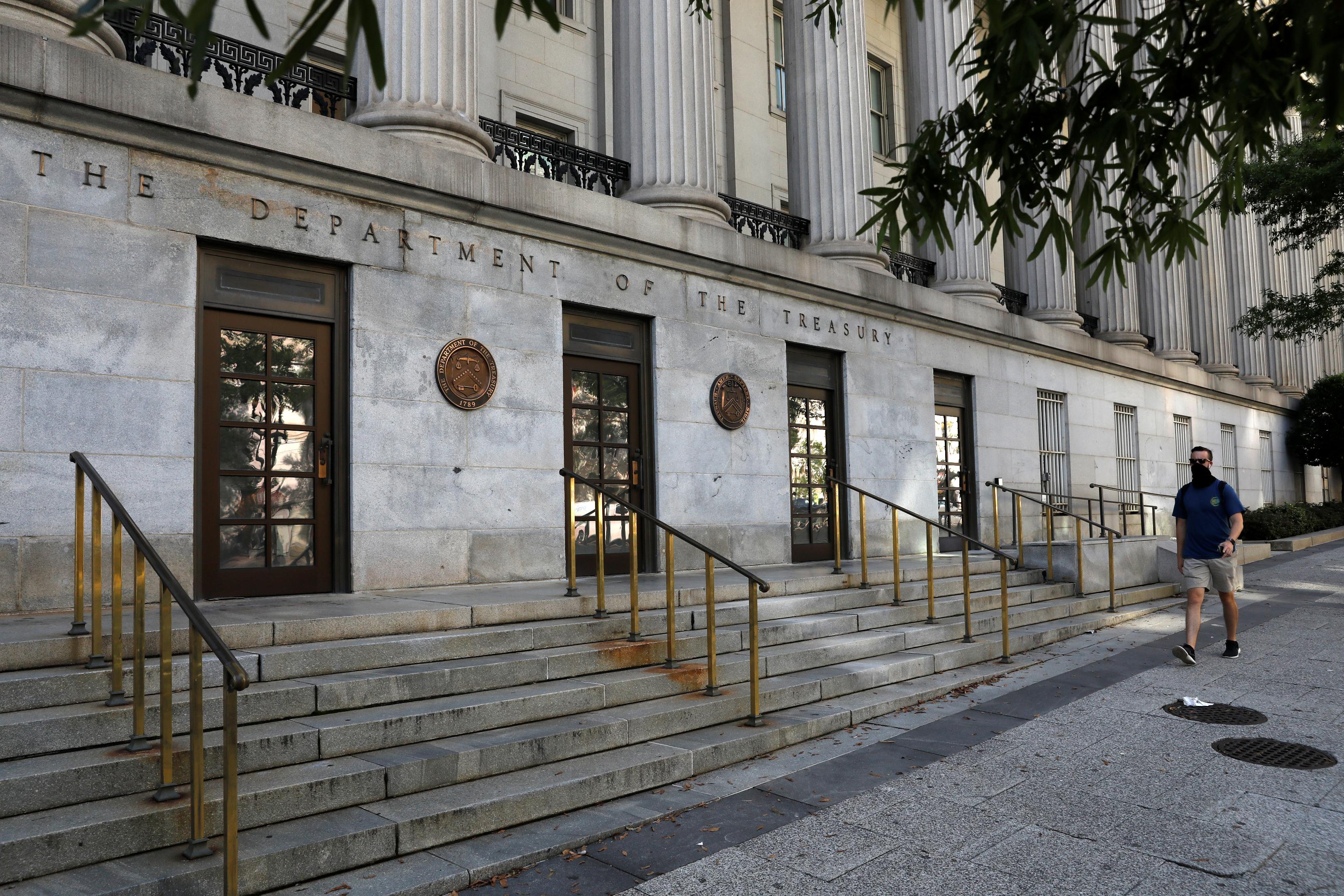
BOSTON, June 14 (Reuters) - U.S. bond market participants are worried market liquidity will keep deteriorating as the U.S. Treasury continues to issue large amounts of debt to back deficit spending while dealers struggle to keep up with the ballooning size of the market. Liquidity - or the ability to trade an asset without significantly moving its price - has worsened over the past few years. U.S. government bond prices have fluctuated sharply since the Federal Reserve started hiking interest rates to tame inflation and the issue was discussed during several panels at the Fixed Income Leaders Summit event in Boston on June 13-14. Regulators and the Treasury itself have launched a slate of reforms to improve trading conditions and avoid disruptions in the world's biggest bond market, the bedrock of the global financial system. Still, many are concerned that vulnerabilities that emerged in previous incidents, such as in March 2020 when liquidity rapidly deteriorated amid pandemic fears, could still reappear in case of spikes in volatility and as demand struggles to keep up with supply. "I do worry about market liquidity," Chris Concannon, chief executive of MarketAxess, a fixed income electronic trading platform, said at the conference. "Right now we issue Treasury debt to pay interest on Treasury debt ... and if you look at the players supporting liquidity, they're not increasing," he said. The Treasury market has more than doubled over the past 10 years, from $12.5 trillion in 2014 to $27 trillion at the end of May, according to Securities Industry and Financial Markets Association data. Going forward, federal debt could grow to $48 trillion by 2034, according to the Congressional Budget Office. On the other hand, dealers' intermediation capacity is constrained because of higher capital requirements that discourage banks from holding large positions. Additionally, the yield curve remains deeply inverted - meaning short-term debt yields more than longer-dated bonds. This is a further disincentive for banks to be exposed to so-called duration, or the interest rate sensitivity of their positions. "There's no carry so why would you own this stuff? It uses up your balance sheet, you make no money," said Harry Melandri, an advisor at MI2 Partners, a macroeconomic research firm. "If we have a market where there is a lot of selling, for whatever reason ... market makers will not be hugely pleased to pick up volumes," he said. "I'm not saying it's a problem today or tomorrow, but the vulnerability is there." After improving at the end of last year as Treasuries rallied on expectations of interest rate cuts, liquidity has worsened over the past few months, according to an analysis by Steven Abrahams, head of investment strategy at Santander US Capital Markets. He calculates liquidity by measuring deviations between certain Treasury yields: in illiquid markets, deviations tend to persist while in liquid markets they go away quickly. New York Fed researchers said in a paper last year that yield volatility explains most of the variation in Treasury market liquidity. But they also noted "a significant loss in U.S. Treasury market functionality when intensive use of dealer balance sheets is needed to intermediate bond markets, as in March 2020." For James Fishback, co-founder and chief investment officer of Azoria Partners, a multi-asset investment firm, "liquidity is fine" these days, but he's worried it may worsen dramatically because of increases in government debt issuance. "What happens if you have a Treasury auction and nobody shows up? That's a real concern. And that's where liquidity really matters," he said. Sign up here. https://www.reuters.com/markets/rates-bonds/bond-traders-worry-liquidity-will-worsen-us-market-size-grows-2024-06-14/
2024-06-14 12:59
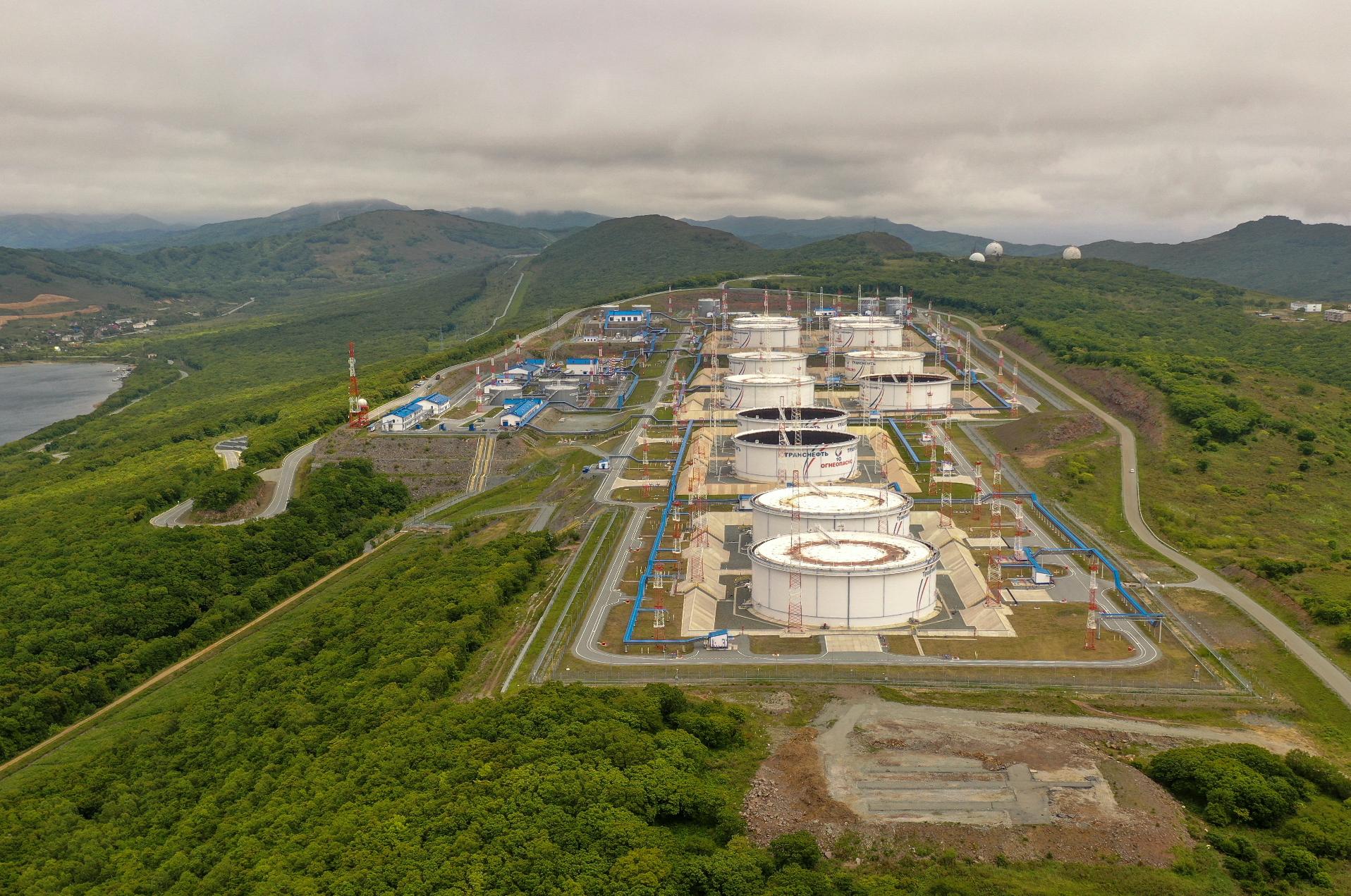
LONDON/NEW DELHI, June 14 (Reuters) - Russian oil exporters are charging more for their oil in major market India than at any time since the war in Ukraine started as a growing number of shippers and intermediaries take part in the trade, weakening the impact of Western sanctions on Moscow. The exporters have had to offer deep discounts to encourage shipping companies and traders to move their crude and brave the risk of sanctions since Russia's full-scale invasion of Ukraine in February 2022. Among the restrictions, the United States and European Union imposed a price cap of $60 per barrel on Russian oil sales, meaning Western shippers and insurers can only participate in Russian oil trade if the oil is sold below the price limit. Russian exporters have struck deals this month to sell their flagship Urals oil for delivery to Indian refiners at discounts of $3 to $3.50 per barrel to the global Brent crude benchmark, according to five traders and Indian refining officials. That is the narrowest discount for Urals since Reuters started monitoring Russian oil prices in India in early 2023, when the discount was as high as $20 per barrel. It suggests deals above the price cap, as Brent is trading about $82 per barrel , although that also depends on freight costs. The shrinking discount shows Russia's success in finding new buyers for its oil. India has no sanctions against Moscow and became the biggest buyer of Russian seaborne crude ahead of China and Turkey after European refiners stopped imports. It also reflects an increase in shippers carrying Russian oil. "You're seeing greater numbers of ships that have found ways to circumvent sanctions by operating outside Western jurisdiction," said Michelle Wiese Bockmann, principal analyst with maritime data group Lloyd's List Intelligence. Over 630 tankers - some of them older than 20 years - are currently involved in shipping Russian oil, as well as sanctioned Iranian crude, according to Lloyd's List Intelligence. The operators are largely based in China and the United Arab Emirates, the data group says, and account for about 14.5% of the overall global tanker fleet. Before the Ukraine war, this so-called shadow tanker fleet totalled around 280-300 vessels, according to Lloyd's List Intelligence. The price cap initially created a shortage of ships for Russian oil sales to India and China, with freight rates reaching up to $20 million per tanker per one way voyage, according to traders. But freight costs for shipping Russian oil to India have declined to about $5-5.5 million in June, getting close to pre-war levels, they say. Lower freight costs mean Russian oil companies earn more from the sales. This drop comes even after U.S. sanctions on Russian shipping group Sovcomflot cut 15 tankers from Moscow's fleet. The result is that Russian exporters have been able to charge higher prices. So far this year, the price of Urals oil at Baltic ports has averaged $69.4 per barrel compared with $54.8 in the same period of 2023, according to LSEG data. Russia's Energy Ministry didn't immediately respond to a Reuters request for comment. SANCTIONS STILL WORKING Russian oil exporters and the Kremlin treasury are still receiving less than they would have done before the war started. Though Russian oil doesn't trade in Europe, a theoretic assessment currently values Urals crude at around minus $10 per barrel versus the "dated Brent" benchmark. Before the war, it usually traded in Europe at plus or minus $1-2 per barrel. Western powers say sanctions have deprived Russia of at least $100 billion in lost oil revenues on top of the confiscation of $280 billion in central bank assets, according to estimates from a Group of Seven (G7) member, seen by Reuters. Sanctions have also led to deep losses at Gazprom after the EU sharply cut imports from the Russian gas monopoly. U.S. officials say they are committed to making it more expensive for Russia to sell oil via the shadow fleet. Western officials estimate Russia has spent at least $8 billion on boosting its shadow fleet. "Russia has and continues to invest billions in new shipping infrastructure, including new vessels, to operate outside the price cap's regime. That helps: the money going to tankers otherwise would have gone to tanks," a U.S. Treasury spokesperson said. Tightening sanctions on Russia has been a key topic for G7 leaders meeting in Italy this week. STILL CHEAP Even with a narrower discount, Russian crude is still cheaper for Indian refiners than competing supplies from countries such as Saudi Arabia. Indian purchases of Russian oil reached a nine-month high in April, ship tracking data showed. India is the second largest importer of oil in the world after China. "We are taking as much Russian oil as we can to save on import cost", said a source with an Indian refiner, who asked not to be named as he is not allowed to speak to the media. Indian Prime Minister Narendra Modi has promised to bolster energy ties with Russia. Chinese authorities have also promised closer partnership with Moscow and said energy cooperation will grow in the face of rising tensions with the West. Sign up here. https://www.reuters.com/markets/commodities/russia-boosts-oil-revenues-shipping-trading-network-grows-2024-06-14/
2024-06-14 12:45
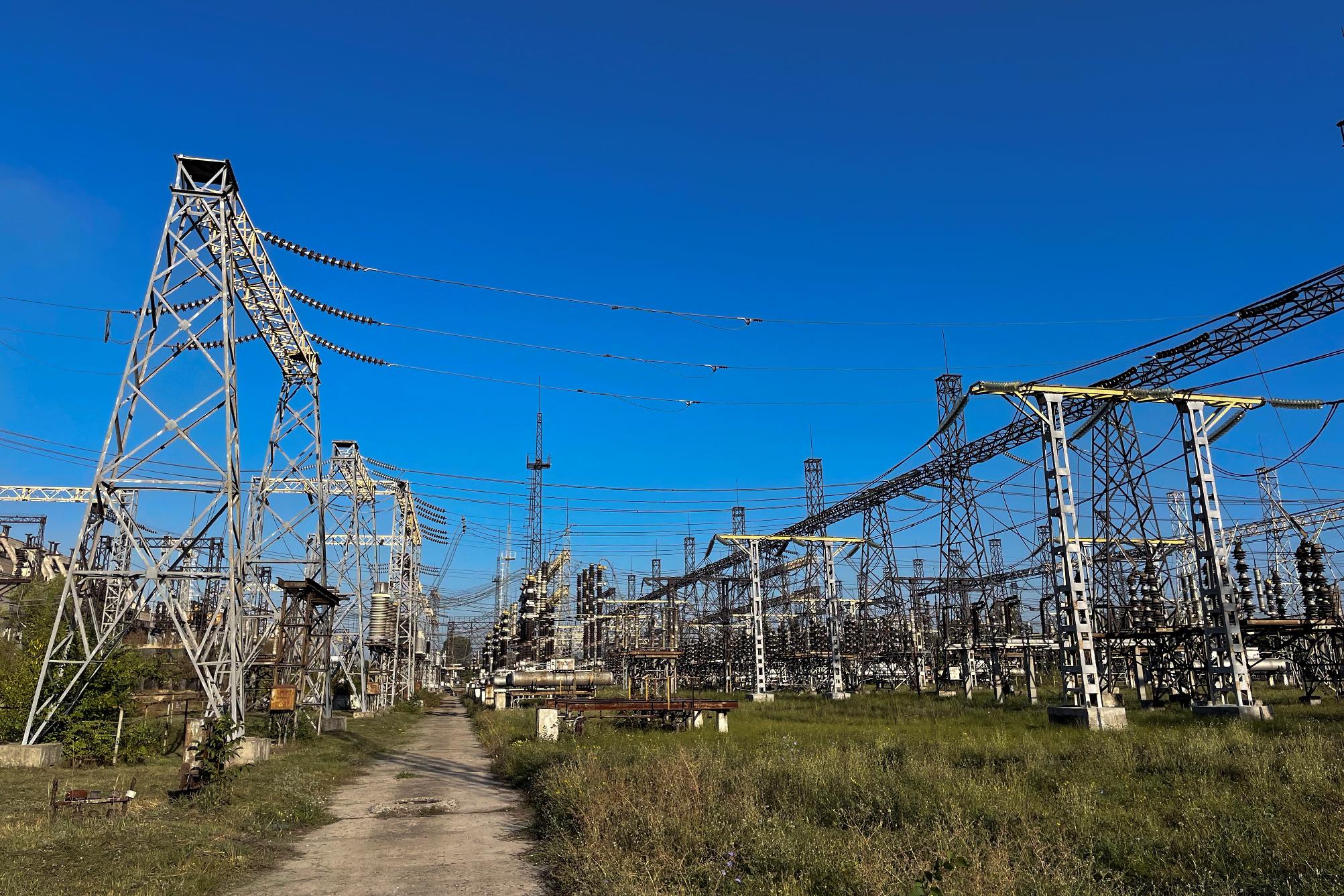
KYIV, June 14 (Reuters) - Russia renewed a campaign of aerial attacks on Ukrainian energy facilities in March, which Kyiv says has knocked out half of its power generating capacity and forced Ukraine to introduce rolling blackouts in the capital and across the country. Russia says energy infrastructure is a legitimate military target and denies targeting civilians or civilian infrastructure. The attacks have spurred concerns about the resilience of the ailing power system this winter. The Kyiv School of Economics estimates Ukraine's energy sector has sustained $16.1 billion in direct losses since Russia's February 2022 invasion, including $8.5 billion from the destruction of electricity generation plants, $2.1 billion from disruption to transmission facilities and $3.3 billion from damaged oil and gas infrastructure. Ukrainian authorities often do not disclose which plants have been hit and how badly for security reasons. Here is an overview of each attack this year. MARCH 22 Russia attacked Ukraine with 88 missiles and 63 Shahed drones, of which only 37 and 55 were shot down, according to Kyiv. The wave was described by officials as Russia's largest airstrike on its energy infrastructure in two years of war. The attack struck Ukraine's largest dam, the DniproHES hydroelectric power facility in the southern Zaporizhzhia region, eight times. At least five people were killed and more than a million others were left without power. Prime Minister Denys Shmyhal said around 20 substations and electricity stations had also been hit. DTEK energy group said it lost 50% of its generating capacity in the attack. The 10-unit Zmiivska thermal plant in northeastern Kharkiv region was destroyed. MARCH 24 An underground natural gas storage site in western Ukraine was attacked, energy company Naftogaz said. MARCH 29 A major Russian missile and drone attack hit thermal and hydro power plants in central and western Ukraine. The Ukrainian military said its air force had intercepted 58 of 60 drones and 26 of 39 missiles of various types in the attack. Five of the six DTEK power stations sustained serious damage, the company said. The Kaniv hydroelectric power plant was among the targets along with the Dniester hydroelectric plant. APRIL 10 A Russian missile and drone attack damaged energy facilities in the Black Sea region of Odesa and the nearby city of Mykolaiv, causing blackouts. The Air Force said Russia launched 17 drones and three missiles in the attacks. Fourteen drones and two of the missiles were downed, Ukraine said. APRIL 11 Russian overnight strikes completely destroyed the large Trypilska thermal power plant outside Kyiv, a major supplier for the regions of Kyiv, Cherkasy and Zhytomyr. The Trypilska plant was the biggest energy facility near Kyiv and was built to have a capacity of 1,800 megawatts. The Air Force commander said Ukraine shot down 18 incoming missiles and 39 drones. A total of 82 missiles and drones were used in total. APRIL 12 Attacks by Russian drones caused a fire at an energy facility in the eastern Dnipropetrovsk region and damaged critical infrastructure in the southern Kherson region. Ukraine said it shot down 16 of 17 incoming drones. Russia also used a Kh-59 guided air missile for the attack, Kyiv said. APRIL 27 Russian missiles pounded power facilities in central and western Ukraine, officials said. Ukrainian air defences brought down 21 of the 34 incoming missiles. DTEK said four of its six thermal power plants were attacked again. MAY 8 Russia hit critical energy infrastructure in the Stryi district, where Ukraine has a major underground gas storage site, and a power generation facility in Chervonohrad district in western Ukraine. Air defences brought down 39 of the 55 incoming missiles and 20 of 21 drones, Ukraine said. MAY 31 A Russian missile attack destroyed a power facility and damaged the power grid in Kyiv, DTEK said. Russia launched 53 missiles and 46 drones. Ukrainian air defences destroyed 35 missiles and all drones. JUNE 1 Russia launched a barrage of missiles and drones that damaged energy facilities and critical infrastructure across Ukraine. The attack damaged energy facilities in the east, centre, and west, grid operator Ukrenergo said. The Air Force said it shot down 35 of 53 Russian missiles and 46 of 47 attack drones in the attack. DTEK said two of its thermal power plants had been hit and equipment "seriously damaged". Sign up here. https://www.reuters.com/business/energy/russian-attacks-that-have-pounded-ukraines-power-facilities-2024-06-14/
2024-06-14 12:06
BARI, Italy, June 14 (Reuters) - Group of Seven leaders have pledged to step up efforts against global malnutrition, according to a draft statement on Friday that noted Russia's invasion of Ukraine had "aggravated" the world's food problems. The G7 Apulia Food Systems Initiative (AFSI) - named after the Southern Italian region hosting the leaders' summit - will aim to "overcome structural barriers to food security and nutrition," according to the draft. The initiative will focus on low-income countries and support projects in Africa, one of the top priorities under Italy's rotating G7 presidency this year. Prime Minister Giorgia Meloni announced a flagship Italian plan to help Africa earlier this year and has repeatedly said that support for the continent is essential to address the root cause of illegal migration to Europe. The Western powers also committed to work together to "improve the fiscal space for food security" including by reducing borrowing costs for poorer nations via mechanisms such as debt swaps. Debt-for-nature swaps are financial instruments through which a developing country's debt is cut in return for protecting vital ecosystems. The AFSI initiative, whose details will be agreed by G7 development ministers in the coming months, drew criticism from African agricultural groups who said they had not been consulted. "It is missing family farmers organisations that have not been involved even though small-scale producers will be key to its success," said Ibrahima Coulibaly, President of the West African Network of Peasants and Agricultural Producers. "And it's missing a plan to ensure that the finance raised gets to family farmers and supports a shift to more diverse and nature friendly approaches which are key to adaptation. The G7 urgently needs to fill these gaps." Sign up here. https://www.reuters.com/world/g7-leaders-launch-initiative-global-food-security-2024-06-14/

2024-06-14 12:06
WASHINGTON, June 14 (Reuters) - The U.S. Federal Aviation Administration is investigating whether false or incorrect documents were used to verify the authenticity of titanium used in some recently manufactured Boeing (BA.N) New Tab, opens new tab jets, the agency said. The New York Times, which first reported the issue on Friday, said the FAA is also investigating the authenticity of documents for titanium used in some Airbus (AIR.PA) New Tab, opens new tab jets. Aircraft manufacturers are facing strong demand for new planes due to a surge in post-pandemic travel. However, supply-chain problems and component shortages are limiting their ability to meet this demand. Titanium is an important component in the aerospace supply chain and is used to make landing gears, blades and turbine discs for aircraft. The FAA said Boeing reported a voluntary disclosure "regarding procurement of material through a distributor who may have falsified or provided incorrect records." The agency added: "Boeing issued a bulletin outlining ways suppliers should remain alert to the potential of falsified records." Boeing said the issue involves the broader industry and some titanium shipments received by a limited set of suppliers, affecting a small number of airplane parts. The planemaker said it was removing any such parts from airplanes prior to delivery and added there is no impact to safety. Airbus said it was aware of the reports but said "numerous tests have been performed on parts coming from the same source of supply. They show that the A220’s airworthiness remains intact." Canada has imposed sanctions on Russian titanium, albeit with exceptions. It was not clear if the false documents were connected to sanctions. Spirit AeroSystems (SPR.N) New Tab, opens new tab, which supplies fuselages for Boeing and wings for Airbus, said the titanium entered the supply chain with "counterfeited" documents, and all related parts have been removed from its production. "More than 1,000 tests have been completed to confirm the mechanical and metallurgical properties of the affected material to ensure continued airworthiness," Spirit said. Last year, jet engine manufacturer CFM International disclosed that thousands of its engine components might have been sold with falsified documentation by a British distributor. The discovery had prompted airlines to change parts on a handful of planes. Boeing shares fell 1.8%, while Spirit shares were down about 1%. Sign up here. https://www.reuters.com/business/aerospace-defense/faa-investigating-counterfeit-titanium-used-some-boeing-airbus-jets-nyt-reports-2024-06-14/

2024-06-14 12:00
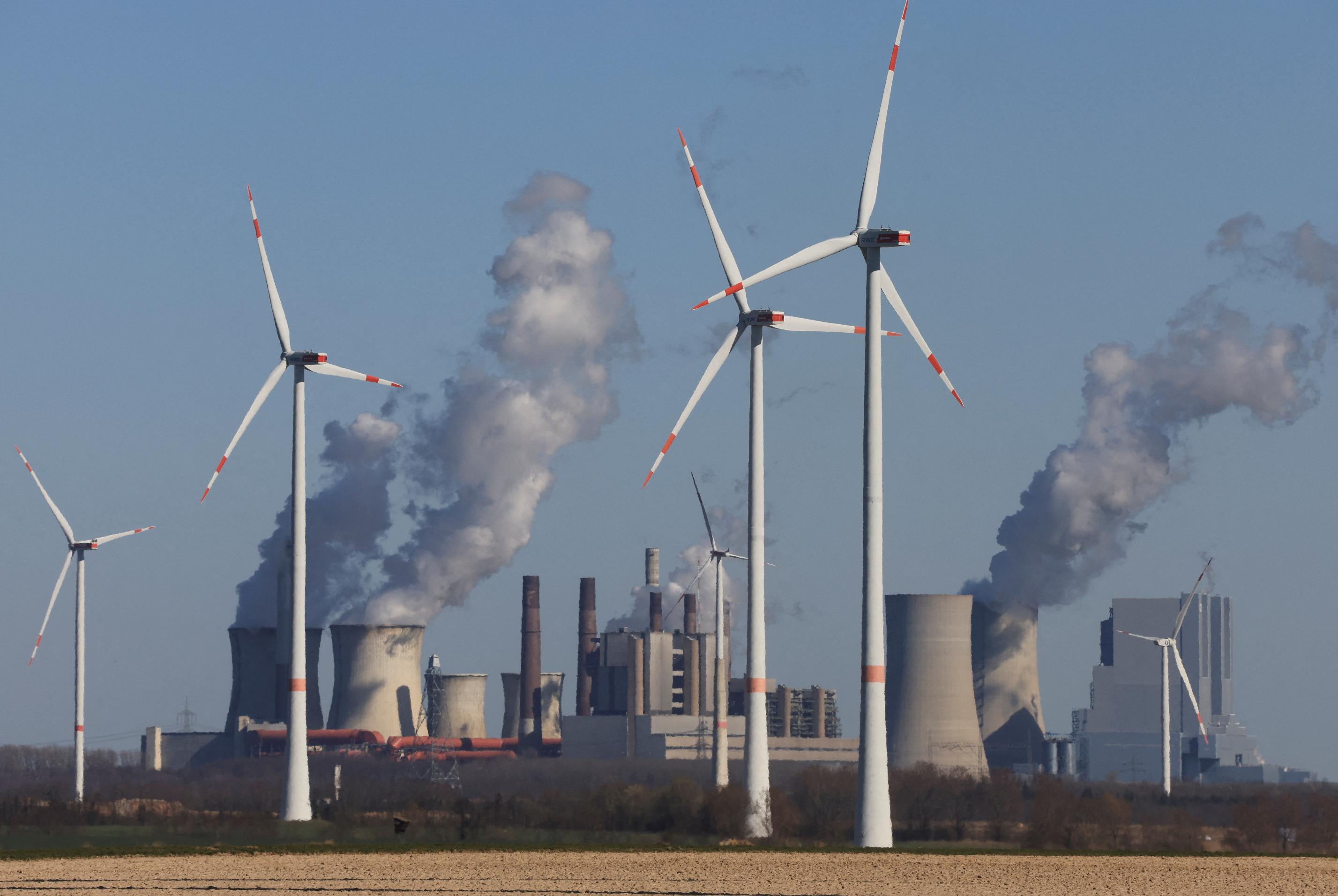
LITTLETON, Colorado, June 13 (Reuters) - Gains by right wing parties in the recent European Parliament elections may stall the development of a slew of renewable energy projects across Europe. Populist, nationalist and eurosceptic parties are on course to win just under a quarter of seats in the next European Union (EU) assembly, according to the chamber's own projections. And with nationalist prime ministers already leading Hungary, Italy and Slovakia, and right wing parties gaining influence in Germany, France, Spain and The Netherlands, the tenor of Europe's political landscape looks set for an overhaul. Spiralling living costs and concerns over rapid rises in immigration were major drivers of votes for right wing parties across the region, who will now help set European Union policies for the next five years. Pushback against the mounting costs of the green energy transition was also a vote-getter in countries with large farming sectors that have been hit hard by rising energy and fertilizer costs in recent years. A more right-leaning parliament may make it harder to pass ambitious climate policies during the upcoming term, and may even lead to the scrapping of some renewable energy development plans if project timetables get extended or pricing terms get revised unfavourably. CLEAN PIPELINE Across Europe as a whole, there are roughly 650,000 megawatts (MW) of clean energy capacity in pre-construction, which is when plans are designed and the necessary permits and resources are lined up, Global Energy Monitor (GEM) data shows. That planned total compares to around 714,000 MW of clean energy capacity already in operation across Europe, and means that Europe's total clean generation capacity would roughly double if all the pre-construction projects come to life. Just over 75% of Europe's clean energy projects in pre-construction are within the 27 nations that form the European Union, and so may now come under closer scrutiny by incoming parliament members who may not share the same ambitions as their predecessors. BREAKDOWN Of the roughly 491,000 MW of clean energy capacity in pre-construction within the EU, 61% is for wind projects and 35% for solar farms. Nuclear reactors account for an additional 3% of the planned clean capacity, while hydro dams account for a further 2%. Around 25,000 MW of oil and gas infrastructure are also in the pre-construction phase, compared to around 195,000 MW of oil and gas projects already in operation, GEM data shows. Regionally, Northern Europe hosts the lion's share of planned projects, with just over 302,000 MW of clean capacity in pre-construction. Southern Europe has the next largest share of planned clean capacity, with around 250,000 MW, followed by Western Europe's 57,300 MW. Eastern Europe has around 40,160 MW of clean capacity in pre-construction. WIND VS SOLAR, NORTH VS SOUTH Wind farms account for 85% of the planned capacity in Northern Europe, where wind power currently accounts for around 43% of operating clean power capacity. The roughly 256,000 MW of wind projects in pre-construction compares to just under 68,000 MW of wind capacity already in operation in Northern Europe, and so would result in a nearly four-fold jump in wind capacity if completed. Sweden has the largest pipeline of wind capacity in pre-construction (95,516 MW), followed by the United Kingdom (89,063 MW), Ireland (37,772 MW), Spain (33,943 MW) and Italy (29,464 MW). Greece, Denmark and The Netherlands also have large wind development plans in the pre-construction phase. In Southern Europe, solar power holds the largest share (60%) of the 250,000 MW of clean capacity pipeline in pre-construction. Of the nearly 150,000 MW of solar in pre-construction in Southern Europe, Spain (86,762 MW) and Greece (52,323 MW) account for the largest pipelines. In Eastern Europe, nuclear plants account for the largest share of the 40,159 MW of clean power capacity in pre-construction (17,000 MW), followed by 13,149 MW of wind projects and around 5,500 MW of solar. Western Europe's largest pipeline in pre-construction is wind power, accounting for around 40,500 MW of the 57,300 MW total planned clean capacity. POLITICAL FALLOUT The rise in right wing candidates across Europe does not necessarily mean there will be greater opposition to clean energy projects, as many policymakers view greater supplies of home-grown energy as a source of national security and jobs. But many of the incoming bureaucrats who are riding the populist wave of support may hold other priorities, such as promoting economic growth and low-cost manufacturing bases, over power sector decarbonisation. As such, these lawmakers may have the power to slow or blunt legislation that aims to speed up Europe's energy transition, which could result in fewer clean capacity projects reaching completion than are currently planned. Sign up here. https://www.reuters.com/markets/commodities/europes-right-wing-swing-may-stall-energy-transition-momentum-2024-06-13/