2024-06-13 05:15
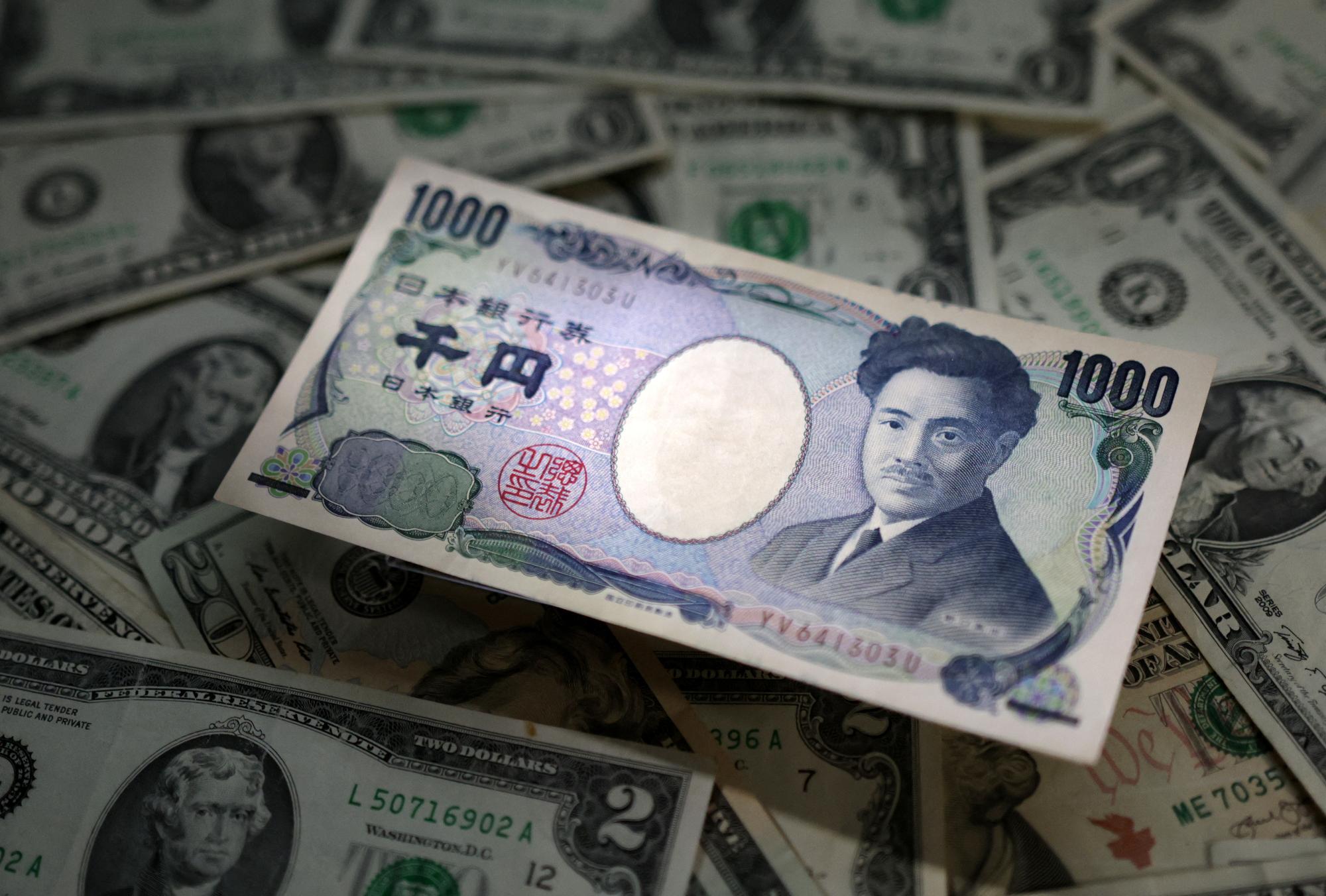
NEW YORK, June 13 (Reuters) - The dollar gained on Thursday despite a soft U.S. producer price inflation report for May, after the Federal Reserve adopted a hawkish tone at the conclusion of its meeting on Wednesday. Data on Thursday showed that U.S. producer prices unexpectedly fell in May, with the headline producer price index (PPI) dropping 0.2% last month after advancing by an unrevised 0.5% in April. Core prices were flat, after also seeing a 0.5% increase the prior month. It comes after May’s U.S. consumer price index (CPI) on Wednesday was softer than economists had expected, prompting a sharp sell-off in the greenback. Combined, the CPI and PPI releases make it likely that Personal Consumption Expenditures (PCE), the Fed’s preferred inflation measure, will also show softening price pressures. “Today's PPI comes on the heels of a softer than expected CPI ... which is going to feed into what probably is going to be a somewhat softer core PCE deflator when we get it at the end of the month,” said Marc Chandler, chief market strategist at Bannockburn Global Forex in New York. But optimism over cooling inflation was not enough to keep the dollar down. The U.S. currency rebounded after Fed officials on Wednesday unexpectedly forecast only one interest rate cut this year and pushed out the start of rate cuts to perhaps as late as December. Fed Chair Jerome Powell said policymakers were content to leave rates where they are until the economy sends a clear signal that something else is needed - through either a more convincing decline in price pressures or a jump in the unemployment rate. Other data on Thursday showed that the number of Americans filing new claims for unemployment benefits increased to a 10-month high last week. The dollar index was last up 0.49% at 105.20. It reached a four-week high of 105.46 on Tuesday, before dropping as much as 1% after Wednesday's CPI data. "It was a bit overdone, the reaction (to) that CPI. It was almost a relief that it wasn't worse. And that's what sparked such a strong knee-jerk reaction," said City Index market strategist Fiona Cincotta. Traders had pared bets that the Fed will cut in September after Friday’s employment report for May showed more jobs growth than expected, while wages also rose more than was anticipated. Those bets were revived, however, after Wednesday’s CPI report. Fed funds futures traders now see two cuts this year as likely, with a first cut in September seen as a 68% probability, according to the CME Group’s FedWatch Tool. The dollar is likely to remain supported as Fed policy contrasts with more dovish international central banks. “I'm not convinced that the dollar's top is in place on this move,” Chandler said. “We might not be yet at the maximum policy divergence.” The European Central Bank and the Bank of Canada have begun cutting rates, and may cut again before the Fed begins easing. Uncertainty over European elections is also likely to hurt the euro against the greenback. “This political uncertainty in Europe is sufficient to keep the dollar bid,” Chandler said. Far-right parties gained ground in European Parliament elections on Sunday, prompting French President Emmanuel Macron to call a snap election in his country. The euro was last down 0.65% at $1.0739. It fell as low as $1.07195 on Tuesday, the lowest since May 2, before jumping as high as $1.08523 on Wednesday as the dollar weakened. The yen also fell before the Bank of Japan concludes its two-day meeting on Friday when it will consider trimming its bond buying, taking a first key step to reducing its almost $5 trillion balance sheet. The yen in particular has suffered from the wide divergence between Japanese and U.S. interest rates. The dollar was last up 0.11% at 156.89 yen. In cryptocurrencies bitcoin fell 1.86% to $66,801. Sign up here. https://www.reuters.com/markets/currencies/dollar-slips-cooler-us-inflation-yen-fragile-ahead-boj-2024-06-13/
2024-06-13 04:47
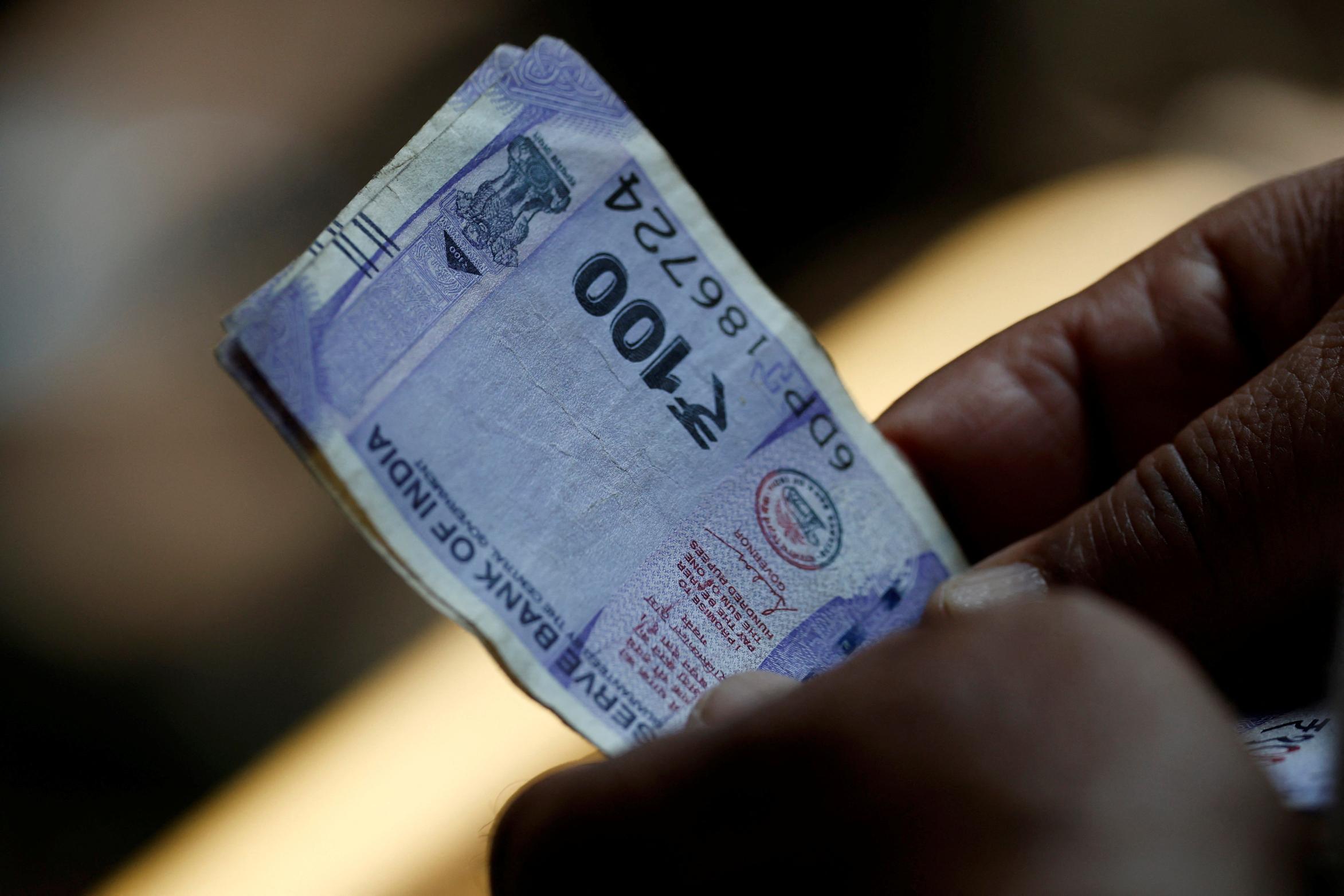
MUMBAI, June 13 (Reuters) - The Indian rupee will be supported on Thursday by the lower-than-expected U.S. inflation print, while projections that the Federal Reserve will cut rates only once this year are expected to weigh. Non-deliverable forwards indicate the rupee will open at 83.52-83.55 to the U.S. dollar, compared with its previous close at 83.5450. "The relief on the U.S. inflation is not leading to much (for the rupee), which ordinarily means that (the dollar/rupee pair) wants to push higher," a currency trader at a bank said. "And that push higher has to deal with the RBI." The Reserve Bank of India on Wednesday intervened in the non-deliverable forward (NDF) and the local spot markets to keep local currency from dipping to an all-time low. U.S. Treasury yields and the dollar index slumped after U.S. consumer prices was unchanged in May, following a 0.3% month-on-month increase in April, and compared with a 0.1% increase forecast by economists polled by Reuters. The drop in the yields and the dollar was partly unwound after the dot plot indicated that the Fed may cut rates just once this year, compared with three rate cuts policymakers had projected in March. Further, the Fed's long-run estimate for policy rose from 2.5625% to 2.75%. The dot plot delivered a hawkish surprise with a median projection of one cut in 2024 instead of the two that the consensus had expected, Goldman Sachs said in a note. The market probability of a September Fed rate cut climbed to more than 80% following the inflation report, only to drop back to near 60% later. The dollar index, having hit a low of 104.25, recovered. The 10-year U.S. Treasury yield was 7 basis points off the lows. KEY INDICATORS: ** One-month non-deliverable rupee forward at 83.60; onshore one-month forward premium at 7 paise ** Dollar index up at 104.76 ** Brent crude futures down 0.4% at $82.3 per barrel ** Ten-year U.S. note yield at 4.32% ** As per NSDL data, foreign investors bought a net $6.8mln worth of Indian shares on June 11 ** NSDL data shows foreign investors sold a net $299.2mln worth of Indian bonds on June 11 Sign up here. https://www.reuters.com/markets/currencies/rupee-helped-by-soft-us-inflation-data-hawkish-fed-weigh-2024-06-13/
2024-06-13 04:37
Indonesian rupiah, Philippine peso most shorted Indian rupee loses allure, investors turn bearish Short bets trimmed on Chinese yuan, Thai baht June 13 (Reuters) - Analysts have solidified their bearish positions on most Asian currencies as higher-for-longer U.S. interest rates and a resilient dollar are likely to continue to hurt the local units, a Reuters poll showed on Thursday. The Indonesian rupiah and the Philippine peso were the most shorted currencies in the region, with bearish bets on both at multi-week highs, a fortnightly poll of 10 analysts showed. The responses were received before the United States' May inflation report, which showed prices remained flat, and the Federal Reserve's monetary policy meeting at which the central bank pushed out the start of rate cuts to as late as December. However, investors in contracts tied to the Fed's benchmark rate kept bets of quarter-percentage-point reductions in September and December intact. "We still see upside risks for the DXY (dollar index) given that we remain in an uncertain transitory period on (U.S.) inflation and markets may continue to be cautious," analysts at Maybank said in a note on Thursday. "The Fed staying higher for longer is also going to do no favours for Asian FX with dot plots now indicating only one cut this year." The Indonesian rupiah, one of the worst-performing currencies in the region so far this year, has seen analysts build up their short bets throughout the year as external factors and corporate dividend outflows pressure the currency. "We are more sceptical towards the THB (baht) and IDR (rupiah) in the near term because of ongoing dividend outflows," analysts at HSBC said. "As long as the IDR remains under pressure – which is quite likely in the near term, given dividend outflows until end-July, a narrowing trade surplus, and a lack of portfolio inflows – we cannot rule out more rate hikes by BI (Bank Indonesia)." Short bets on the Philippine peso ticked higher as the local central bank remains of the view that interest rates could be cut as early as August despite an uptick in inflation. "Signalling a rate cut ahead of the Fed will likely result in heightened depreciation pressure for the PHP," HSBC analysts said. Meanwhile, analysts have turned bearish on the Indian rupee, one of the top-performing currencies in the region so far this year, as external factors like high interest rates and Middle East geopolitical tensions put pressure on the currency. Bearish views also ticked higher on the South Korean won , the Taiwan dollar , and the Singapore dollar , while being trimmed marginally on the Chinese yuan and the Thai baht . The Asian currency positioning poll is focused on what analysts and fund managers believe are the current market positions in nine Asian emerging market currencies: Chinese yuan, South Korean won, Singapore dollar, Indonesian rupiah, Taiwan dollar, Indian rupee, Philippine peso, Malaysian ringgit and Thai baht. The poll uses estimates of net long or short positions on a scale of minus 3 to plus 3. A score of plus 3 indicates the market is significantly long U.S. dollars. The figures include positions held through non-deliverable forwards (NDFs). The survey findings are provided below (positions in U.S. dollar versus each currency): Sign up here. https://www.reuters.com/markets/currencies/bears-firm-up-bets-asian-currencies-us-rate-cuts-remain-elusive-2024-06-13/

2024-06-13 04:33
A look at the day ahead in European and global markets from Kevin Buckland The verdict from investors appears to be that benign U.S. inflation trumps the Fed's rate outlook, clearing the way for gains in Asian equities, and potentially in Europe too. The initial shock at projections for just one U.S. rate cut this year despite a very tame CPI reading just hours earlier was mitigated by Fed Chair Jay Powell's comments that many officials were on the fence over a second rate cut, and had just tacked an extra one onto 2025 instead. With data dependency still the guiding principle, U.S. producer price readings due later on Thursday will get a lot of attention, overshadowing European releases such as Spanish inflation data and euro zone industrial production. The conclusion of the Fed meeting means policymakers will be back on the speaking circuit, and New York Fed President John Williams kicks things off by moderating a discussion with Treasury Secretary Janet Yellen at an event hosted by the Economic Club of New York. Williams has been of the mind - like Powell - that policy is in a good place to bring inflation steadily down to target. Political intrigue is likely to stay squarely in the spotlight in Europe though, with Eric Ciotti asserting he is still head of France's Republicans despite his ouster over seeking a deal with the far right. Embattled President Emmanuel Macron got some veiled criticism from his Renaissance party too, with his former prime minister and potential successor Edouard Philippe saying in a televised interview, "I'm not sure it's entirely healthy for the president of the republic to run a legislative campaign." Key developments that could influence markets on Thursday: - U.S. PPI (May), weekly jobless claims - Spain final CPI, HICP (May) - Euro zone industrial production (April) Sign up here. https://www.reuters.com/markets/europe/global-markets-view-europe-2024-06-13/

2024-06-13 04:27
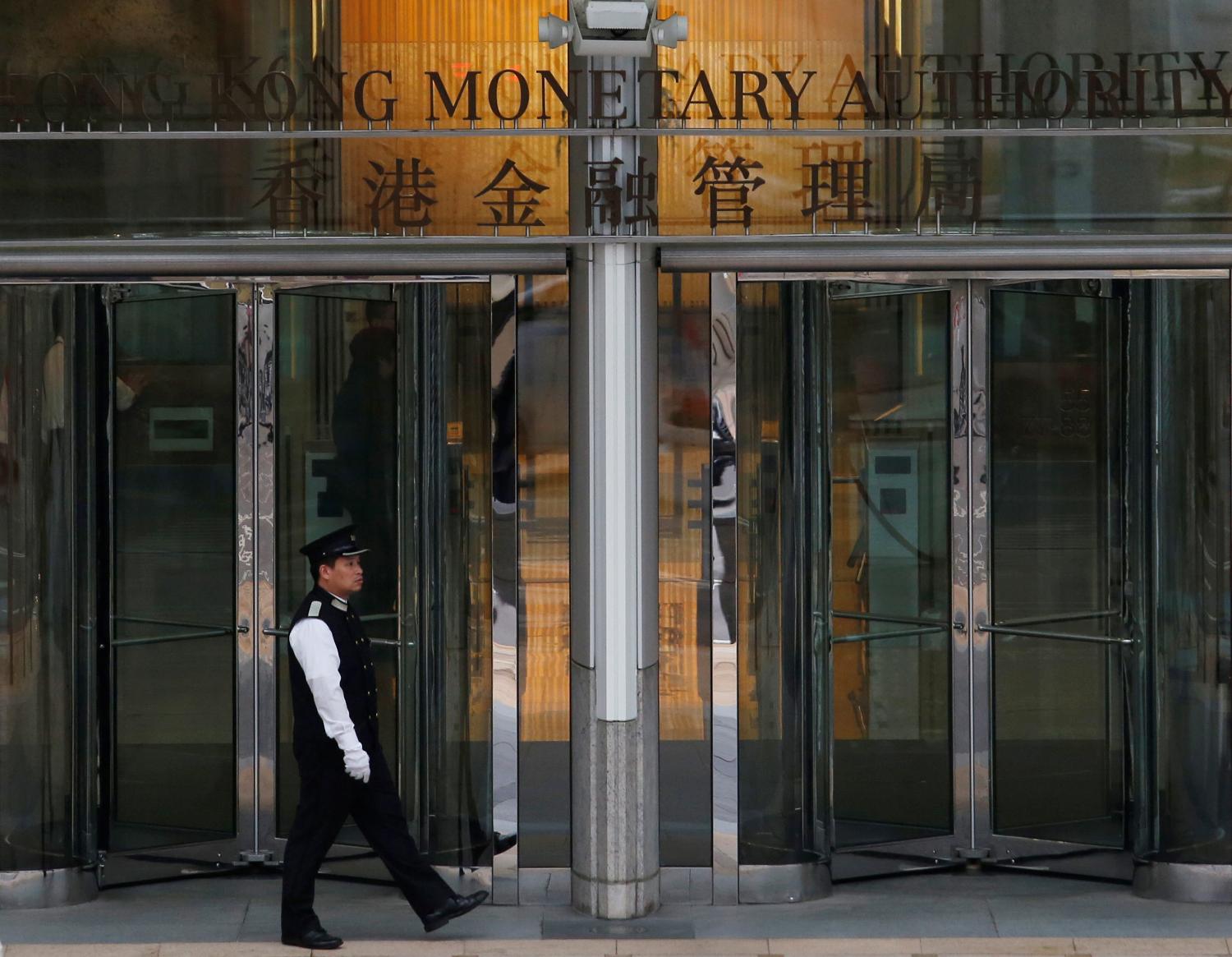
HONG KONG, June 13 (Reuters) - The Hong Kong Monetary Authority (HKMA) left its base rate through the overnight discount window unchanged at 5.75% on Thursday, tracking a move by the U.S. Federal Reserve to leave rates unchanged. The Federal Reserve held interest rates steady on Wednesday and pushed out the start of rate cuts to perhaps as late as December as policymakers sketched out their view of a U.S. economy that remains virtually unchanged across its major dimensions for years to come. "With recent economic data showing mixed signs and inflation remaining high, when the Fed will start cutting interest rates is still uncertain," HKMA said in a statement New Tab, opens new tab, adding the high interest rate environment may last for some time. HKMA said the financial and monetary markets of Hong Kong continued to operate in a smooth and orderly manner and the Hong Kong dollar exchange rate remains stable. "The Hong Kong dollar interbank rates might remain high for some time," HKMA said, urging the public to carefully assess and manage the relevant risks when making property purchase, mortgage or other borrowing decisions. HSBC Holdings said later on Thursday it had kept its best lending rate in Hong Kong at 5.875%. Hong Kong's monetary policy moves in lock-step with the United States as the city's currency is pegged to the greenback in a tight range of 7.75-7.85 per dollar. Sign up here. https://www.reuters.com/markets/asia/hong-kong-central-bank-keeps-key-rate-steady-tracking-fed-move-2024-06-13/
2024-06-13 04:24
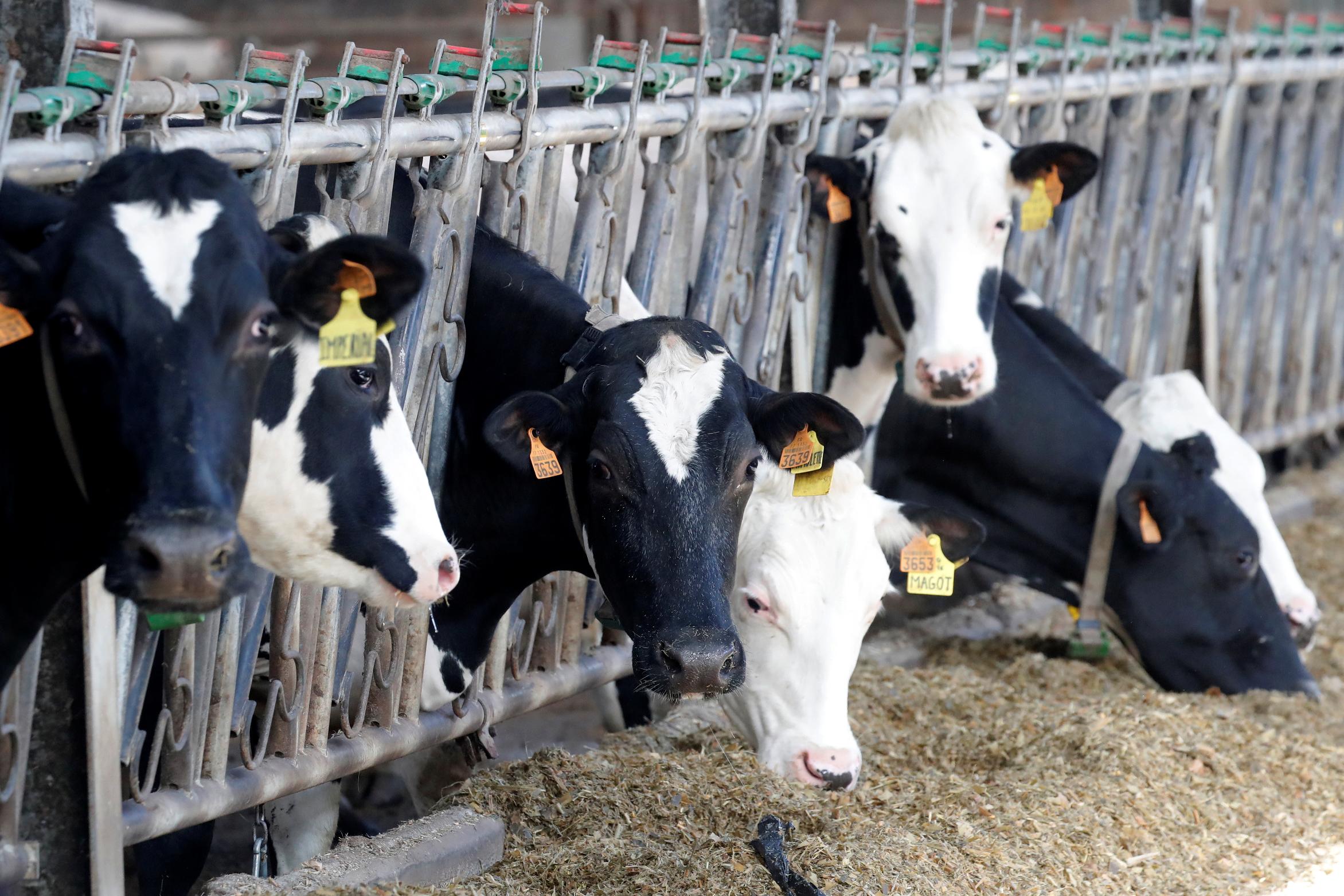
SHANGHAI/WELLINGTON, June 13 (Reuters) - Global food companies from dairy producers to pork exporters are on high alert for potential retaliatory tariffs from China following the European Union's decision on Wednesday to impose anti-subsidy duties on Chinese-made EVs. China's state media have reported that domestic companies are preparing to request investigations into some EU dairy and pork imports over anti-subsidy or anti-dumping concerns, moves that could result in lengthy trade suspensions. "If you have additional trade barriers it could cause ... reshuffling of global markets," Kimberly Crewther, executive director of representative body Dairy Companies Association of New Zealand. New Zealand is the world's largest exporter of dairy products and is also a production base for foreign companies including French dairy producer Danone (DANO.PA) New Tab, opens new tab. "We always prefer to see situations where trade is stable and certain ... Markets don’t like uncertainty," Crewther added. The EU was China's second-largest source of dairy products with at least 36% of the total value of imports in 2023, only behind New Zealand, according to China customs data. Australia was the No.3 exporter. While it remains unclear which products China could target for retaliation, whey powder, cream and fresh milk were the top export items in the EU's 1.7 billion euros ($1.8 billion) worth of dairy exports to China last year, according to data from the European Commission's Directorate-General for Agriculture and Rural Development, which cited Eurostat. Countries including the Netherlands, France, Germany, Ireland and Denmark have the largest dairy industry exposure to the Chinese market. The Netherlands, Denmark and France are also major suppliers of pork, though Spain was China's top supplier last year, making up nearly 23% of China's total pork imports, followed by Brazil and the United States. Cristina Alvarado, data and insights commercial manager at New Zealand's Exchange, said Chinese tariffs or trade barriers against EU dairy could help New Zealand grow its market share even further. Major New Zealand producers Fonterra (FCG.NZ) New Tab, opens new tab and A2 (ATM.NZ) New Tab, opens new tab are already doing a roaring trade with China, and both Australia and New Zealand have free trade agreements with China that make their imports duty free. China imported $848 million worth of dairy products from Australia last year, according to China's customs data. Its dairy imports from New Zealand reached $5.52 billion in 2023, nearly half the total value of its dairy imports. OPEN TRADE As trade tensions between the bloc and China intensify, some European officials have warned against imposing import duties on food products. EU Agriculture Commissioner Janusz Wojciechowski told Reuters during his visit to China in late April that it was his intention to "avoid as much as possible, that agriculture pays the cost of the problems in other sectors." "The European Union position is that the open trade of food is a very important instrument to ensure food security at the global level," he added. China has historically held a different position with food products often the target of retaliatory tariffs levied as part of previous trade spats. In January, brandy was targeted in a probe instigated by Beijing in a move perceived as retaliation for France's support of the EU investigation into Chinese-made EVs. China also passed a law in April to strengthen its ability to hit back should the United States or EU impose tariffs on exports from the worlds' No.2 economy. Australian wine and barley were targeted in an anti-dumping investigation Beijing instigated following calls from Australia for an independent enquiry into the origins of the COVID-19 virus in 2020. China only recently lifted those prohibitive tariffs. Beijing also targeted Australian beef and lobsters following separate investigations. ($1 = 1.6292 New Zealand dollars) Sign up here. https://www.reuters.com/markets/commodities/european-dairy-pork-producers-wary-chinese-retaliation-ev-tariffs-2024-06-13/