2024-06-12 20:32
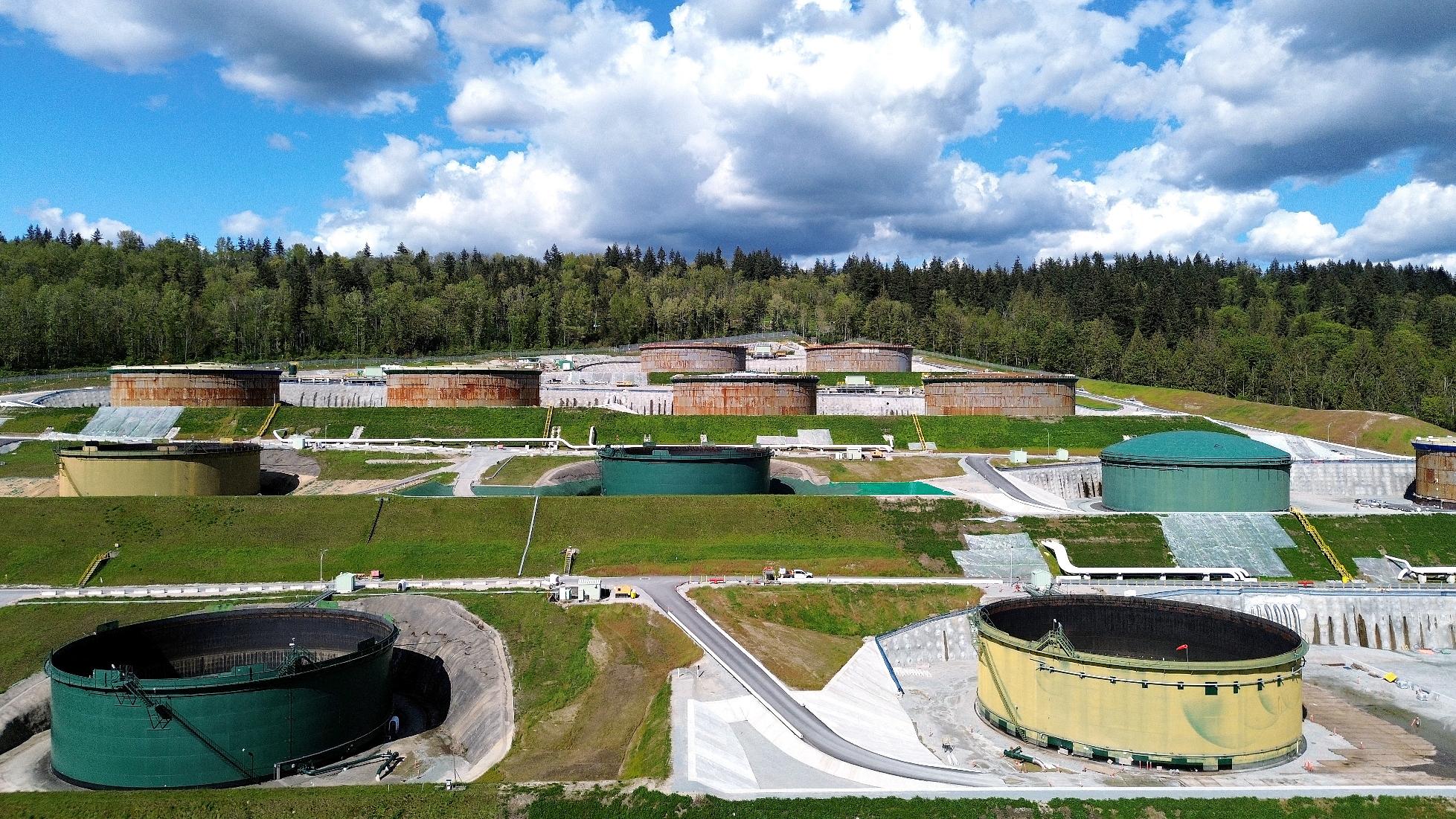
HOUSTON, June 12 (Reuters) - U.S. oil refiners and West Coast traders are flagging concerns about the quality of crude shipped on the newly completed Trans Mountain pipeline expansion (TMX), warning that high vapor pressure and acidity limits could deter purchases of Canadian heavy barrels. The $24.84 billion (C$34 bln) expansion started operations last month and has nearly tripled shipping capacity to Canada's Pacific Coast to 890,000 barrels per day (bpd). The roughly 2.5 million bpd U.S. West Coast refining market is expected to be a major outlet for Canadian heavy oil shipped via Trans Mountain but questions over crude quality could dampen demand for the barrels. That could weigh on prices or push more oil onto rival Canadian export pipelines with lower vapor pressure and acidity limits. Several West Coast refiners have raised concerns in recent weeks about the initial volumes' high sulfur content, acidity and vapor pressure, conditions that could damage refining equipment or increase air pollution, according to regulatory complaints and three people familiar with the matter, though thus far it has not affected demand. The Trans Mountain pipeline historically has had higher vapor pressure limits than other export pipelines because it shipped refined products as well as crude oil. Although the expanded line mainly ships heavy crude, it carried over the same limits. Ten companies and industry associations including Canadian Natural Resources Ltd (CNQ.TO) New Tab, opens new tab, U.S. oil major Chevron (CVX.N) New Tab, opens new tab and refiner Valero Energy (VLO.N) New Tab, opens new tab have written to the Canada Energy Regulator (CER) to complain about high vapor pressure limits and have asked for the pipeline's technical specifications to be narrowed. However Cenovus Energy (CVE.TO) New Tab, opens new tab, a Trans Mountain shipper, and Plains Midstream wrote in support of the current limits. Trans Mountain's chief financial and strategy officer Mark Maki said consultation with shippers was ongoing and the company was looking at whether it could add a second pool of crude with different technical specifications to the pipeline system. "We're kind of caught in the middle between the different perspectives of customers," Maki told Reuters in an interview on Wednesday. "We'll try and see if there's a way of adding another pool to the system and addressing the needs that way." Vapor pressure limits, which measure the volatility of crude, are "wholly inappropriate" for West Coast refining markets, Valero wrote to the CER last month. It and other West Coast refiners are expected to be top buyers of TMX barrels. Chevron separately told the CER the vapor pressure limit exceeds the regulatory limit set for storage tanks at both its California refineries. High pressures cause more vapors to leak from tanks into the atmosphere. The higher vapor limit also means more lower-value light oil could be blended into Trans Mountain crude, reducing its value, wrote oil producer Canadian Natural, a major shipper on the pipeline. The TMX crudes are more acidic, Chevron wrote, a trait that can corrode processing equipment and cause damage. "Refiners are still trying to figure out the new paradigm. Lot of uncertainty and folks are running (operational) models," a West Coast crude trader said. LIMITED INVESTMENT APPETITE Refiners are unlikely to spend the money to modify their equipment to accommodate the unusual characteristics of the TMX crude. There is limited appetite for investment required to add new units or make upgrades at (West Coast) refineries, said RBN Energy analyst Robert Auers, citing regulatory hurdles. Trans Mountain said in May a review of the pipeline's technical specifications is underway, prompting Canadian Natural to ask the CER to pause considering the complaint for 45 days. Last week the CER agreed, meaning there will be no regulatory decision on the issue before July 8. Canadian heavy crudes are also sour, containing high amounts of sulfur, which will strain the existing sulfur removal capacity and limit how many barrels can be imported by West Coast refiners, said Jeffrey McGee, managing director of marine advisory firm Makai Marine Advisors. Los Angeles area refineries are the only significant destination for TMX's heavy sour crude grades along the West Coast as Washington state, Hawaiian and Alaskan refineries prefer lighter and sweeter crudes, McGee noted. COSTS TRUMP CONCERNS The low cost and proximity of Canadian barrels have so far however trumped the quality concerns. The vessel Aqualeader discharged about 290,000 barrels of crude last month at Marathon Petroleum's (MPC.N) New Tab, opens new tab Anacortes, Washington, becoming the first TMX cargo to arrive on the West Coast, refinery ship tracking data showed. Chevron's (CVX.N) New Tab, opens new tab El Segundo, California, and Phillips 66's (PSX.N) New Tab, opens new tab Ferndale, Washington, refineries also took shipments in recent days. The purchases will displace some South American crudes, such as Ecuador's Napo and Oriente and Colombia's Vasconia. Iraqi Basrah could also be replaced due to their higher shipping costs, traders and analysts noted. Crude oil from California and Alaska North Slope crude, however, is expected to continue to be a part of West Coast refinery slates, thanks to their superior quality. ($1 = 1.3687 Canadian dollars) Sign up here. https://www.reuters.com/markets/commodities/crude-quality-issues-tmx-pipe-may-hamper-flows-canada-us-west-coast-refiners-2024-06-12/
2024-06-12 20:24
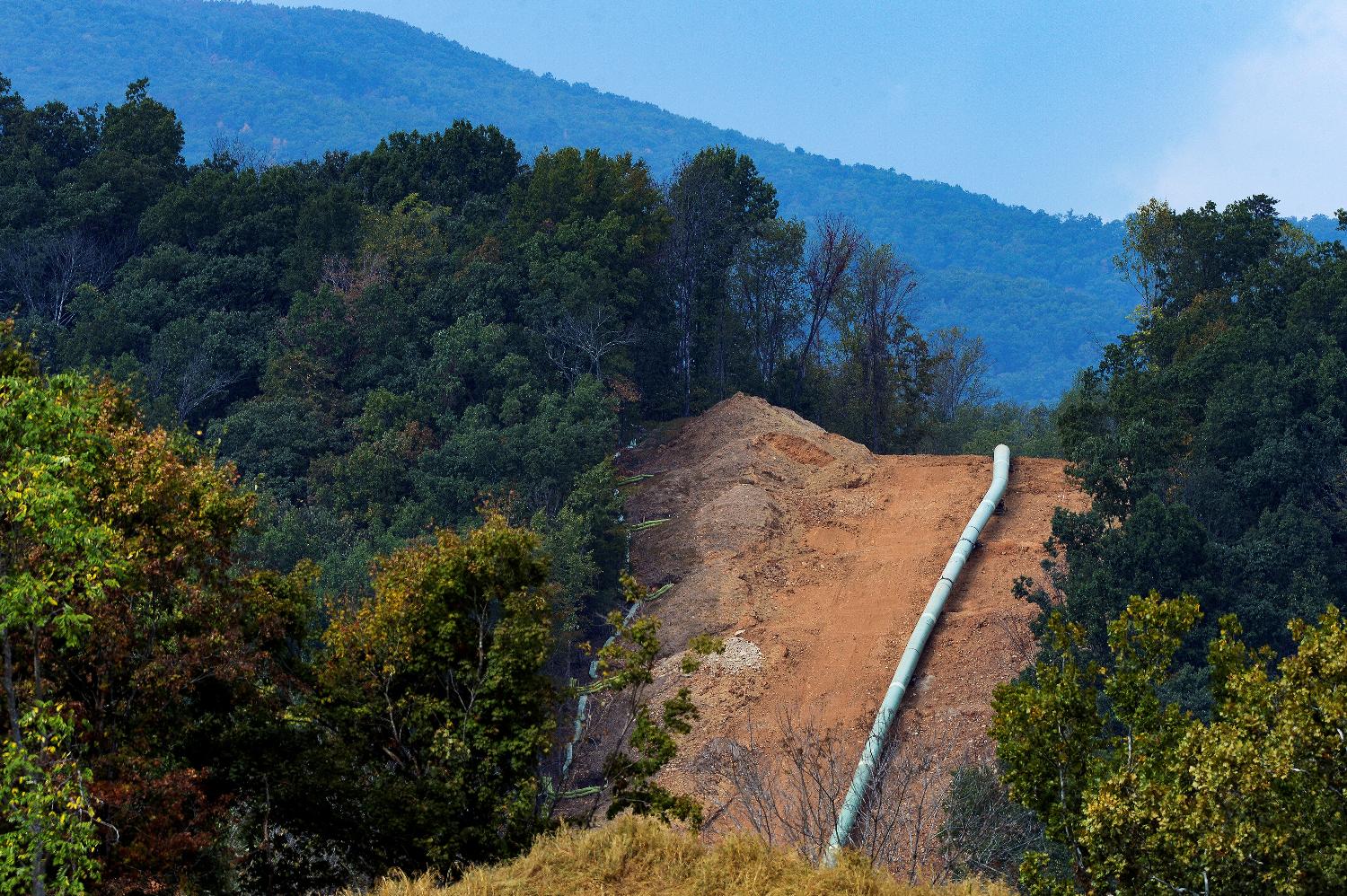
June 12 (Reuters) - U.S. natural gas pipeline venture Mountain Valley Pipeline said on Wednesday it was preparing the $7.85-billion pipe from West Virginia to Virginia to operate, after receiving approval from a U.S. energy regulator. The Mountain Valley project, the biggest gas pipeline currently under construction in the Northeast, has encountered numerous regulatory and court fights that have stopped work several times since construction began in 2018. "Final preparations are underway to begin commercial operations," a spokesperson at U.S. gas pipeline company Equitrans Midstream (ETRN.N) New Tab, opens new tab, the lead partner in the Mountain Valley venture, told Reuters in an email. Equitrans made its comments after the U.S. Federal Energy Regulatory Commission approved Mountain Valley's request to start the project. Equitrans could not say when gas may start to flow through the Mountain Valley pipe, which has a capacity of 2.0 billion cubic feet per day (bcfd). One billion cubic feet is enough gas to supply about 5 million U.S. homes for a day. Separately, EQT(EQT.N) New Tab, opens new tab CEO Toby Rice told Natural Gas Intelligence at the LDC Gas Forums Northeast conference in Boston that EQT started to bring back online some of the 1 bcfd of production it started curtailing in February when gas prices dropped. EQT, the nation's biggest gas producer, agreed in March to buy Equitrans in an all-stock deal, which is expected to close in the fourth quarter. That would bring back the pipeline business that EQT spun off in 2018. Analysts expect some of EQT's increased output will flow through Mountain Valley, but noted that downstream pipeline constraints will likely prevent Mountain Valley from reaching full capacity at least for a few more months. "Output gains are likely to remain far short of (Mountain Valley's 2.0-bcfd) nameplate capacity during the summer months due to downstream pipeline constraints," analysts at energy consulting firm EBW Analytics said in a note. When Mountain Valley started construction, lead partner Equitrans, with a roughly 49% interest, estimated the project would cost about $3.5 billion and enter service by late 2018. The 303-mile (488-km) project is owned by units of Equitrans, NextEra Energy (NEE.N) New Tab, opens new tab, Consolidated Edison (ED.N) New Tab, opens new tab, AltaGas (ALA.TO) New Tab, opens new tab and RGC Resources (RGCO.O) New Tab, opens new tab. Equitrans will operate the pipeline. Sign up here. https://www.reuters.com/business/energy/mountain-valley-gets-regulators-approval-us-natural-gas-pipeline-2024-06-12/
2024-06-12 20:19
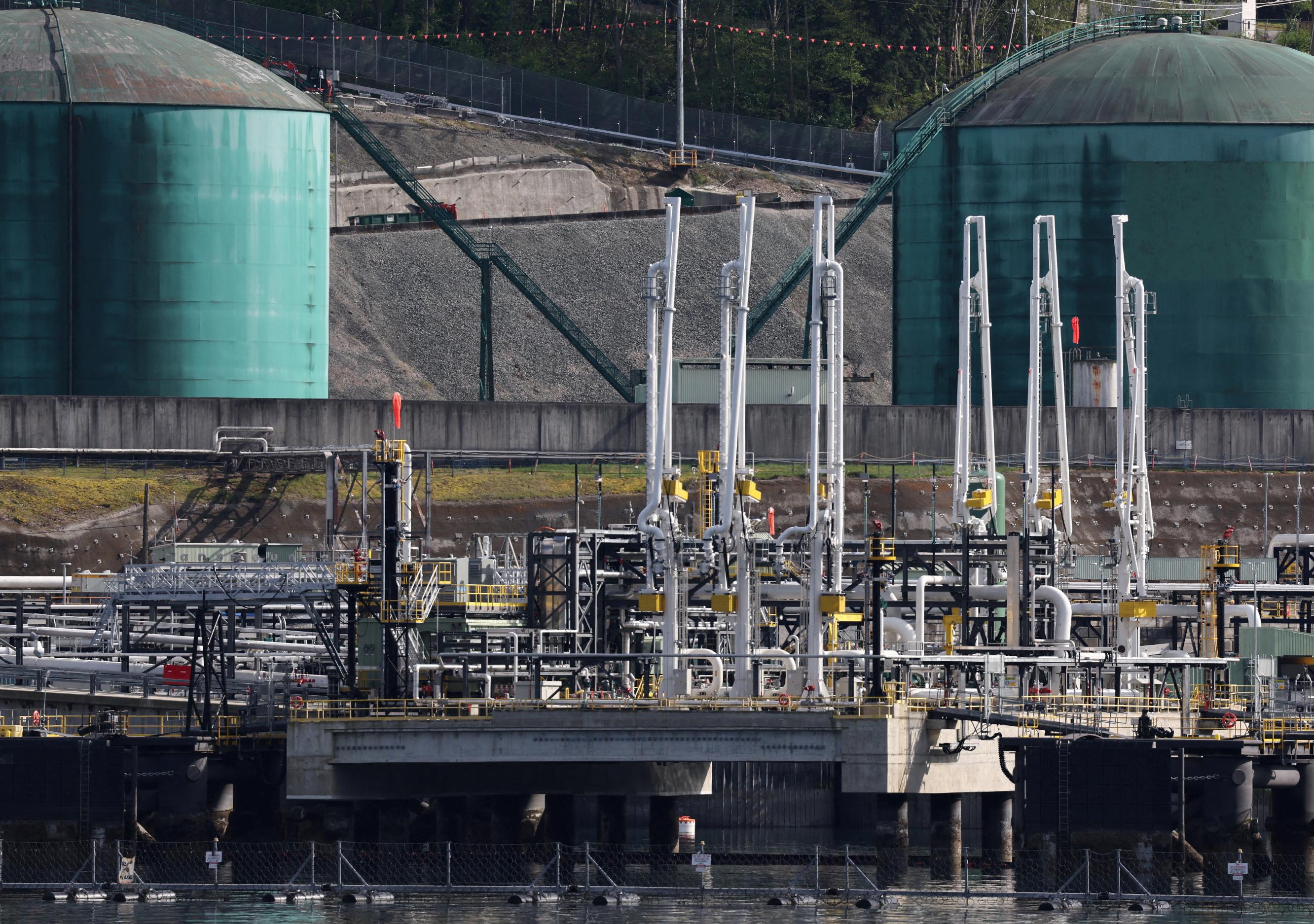
June 12 (Reuters) - Twenty-two oil tankers are scheduled to load this month in Vancouver with crude from the expanded Trans Mountain pipeline, which is running around 80% full with a "little bit" of spot capacity also being used, a Trans Mountain executive said on Wednesday. Speaking with Reuters six weeks after the C$34.2 billion ($24.94 billion) project started commercial operations, Trans Mountain Corp's chief financial and strategy officer Mark Maki said so far the system is operating as expected and final costs for the expansion are not expected to rise significantly. The Trans Mountain expansion, which tripled pipeline capacity from Alberta to Canada's Pacific Coast to 890,000 barrels per day (bpd) started commercial operations on May 1 and traders are closely watching flows to gauge demand. Eighty percent, or 707,000 bpd, of the pipeline's capacity is reserved for long-term contracted shippers, while the remaining 20% is available to spot barrels. "We're basically running at effectively right around contract level with a little bit of spot on the system," Maki said, adding that volumes were expected to rise towards winter. Maki said there were 22 tankers scheduled to load at Westridge dock, the pipeline's terminus in the Port of Vancouver, in June. Traders and shipping sources had been concerned that logistical constraints at the port could limit tanker loadings at Westridge to less than 20 a month. So far the marine facility is performing well, Maki added, although the company had to work through some start-up issues on one piece of equipment known as a vapor recovery unit, which removes unwanted vapors from crude. "The dock facility is working as we'd expected. There are a few things of course you've got to break in and get running right, but we're happy with where we're at," Maki said. The pipeline is owned by the Canadian government, which has been criticized for the cost of the expansion ballooning to nearly five times its 2017 budget estimate. Maki said post-construction remediation work is still ongoing but Trans Mountain Corp would have a final cost in place by the end of this year and it would likely be "very, very close" to C$34 billion dollars. He also said it was unlikely Trans Mountain would need to further increase a C$19 billion loan facility agreed with a syndicate of commercial banks and guaranteed by the Canadian government, unless it was for a transitory purpose like issuing bonds. "If we do it would probably be transitory and not a particularly large increase," Maki said. Sign up here. https://www.reuters.com/business/energy/trans-mountain-pipeline-running-80-full-load-22-oil-tankers-vancouver-2024-06-12/
2024-06-12 20:01
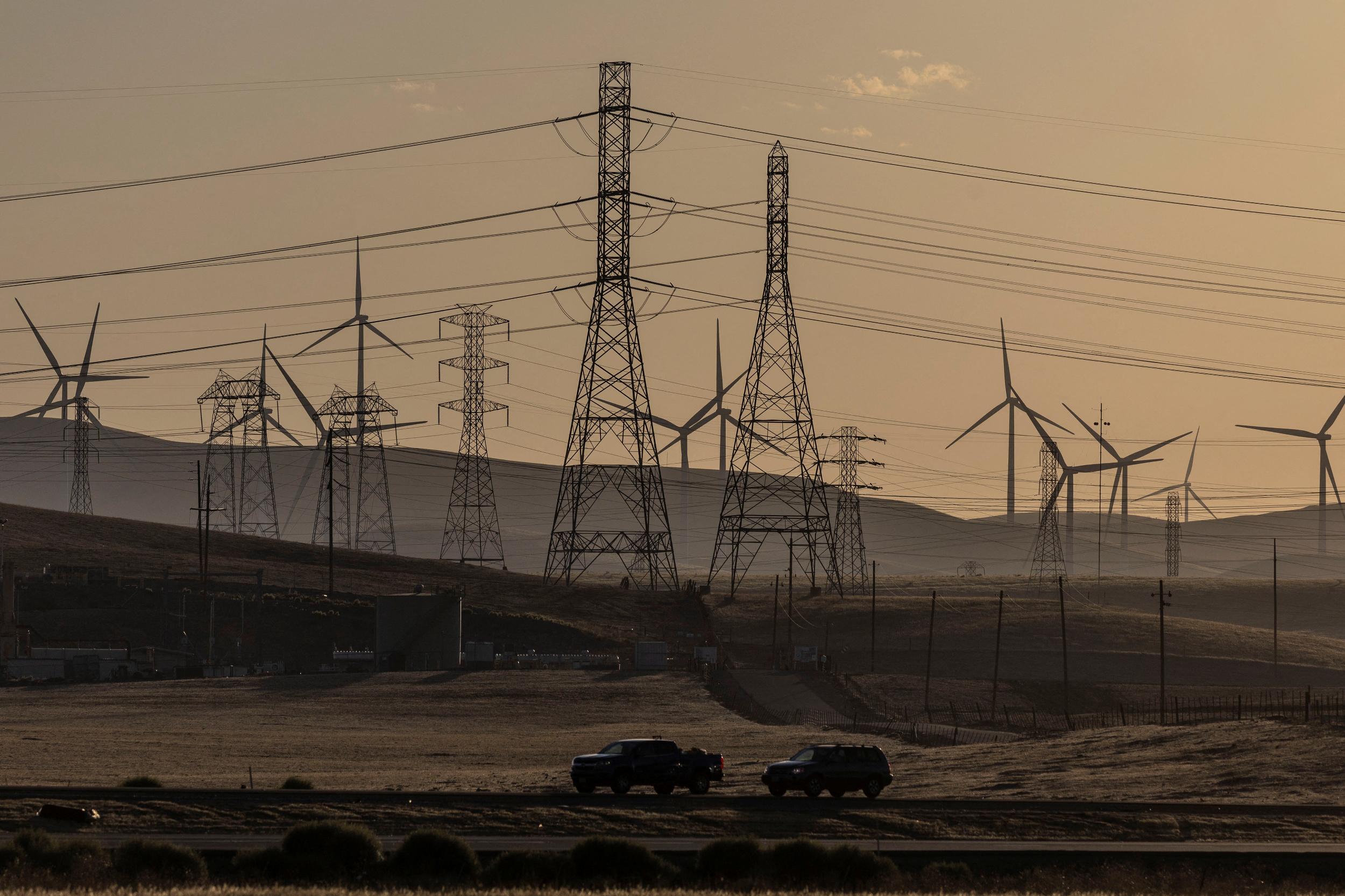
WASHINGTON, June 12 (Reuters) - The U.S. Senate on Wednesday confirmed David Rosner, a Democrat, and Lindsay See, a Republican, as members of the Federal Energy Regulatory Commission. The tally on Rosner, a FERC energy industry analyst currently an aide with the U.S. Senate energy committee, was 68 to 26 in the 100-member Senate. His term is set to run through June 30, 2027. The vote on See was 83 to 12. See, the solicitor general of West Virginia, was recommended by Senate Minority Leader Mitch McConnell. Her term expires June 30, 2028. FERC, which has a maximum of five members, regulates the power grid, liquefied natural gas projects and interstate transportation of oil and natural gas. In May, FERC approved the first major electric transmission policy update in more than a decade that aims to speed up new interregional lines to move more power from wind and solar farms to meet growing demand amid the boom in electric vehicles, data centers and artificial intelligence. The Senate on Wednesday also began an initial vote on Judy Chang, a Democrat. A final vote on Chang is expected as early as Thursday. Chang is an energy economics and policy expert and former undersecretary of energy and climate solutions for Massachusetts. Before the Senate confirmed Rosner, FERC had two Democrats and one Republican. In February, President Joe Biden promoted Willie Phillips, a Democrat, to head FERC. Shortly afterwards, Allison Clements, the other Democrat, said she would not seek a second term. Her current one expires June 30. Sign up here. https://www.reuters.com/world/us/us-senate-confirms-rosner-democrat-member-federal-energy-regulatory-commission-2024-06-12/
2024-06-12 19:48
June 12 (Reuters) - Twenty-four companies are working to develop an avian flu vaccine for cattle, as the virus spreads among U.S. dairy herds, Agriculture Secretary Tom Vilsack told Reuters on Wednesday. Bird flu has infected 90 dairy herds across 12 states since late March, according to the U.S. Department of Agriculture (USDA). Three dairy farm workers also have been infected with the virus, two in Michigan and one in Texas. A vaccine could curb the risk of bird flu spreading to new species and lessen potential economic losses for dairy farmers, but may take years to develop. Animal healthcare company Zoetis (ZTS.N) New Tab, opens new tab said it started development of a vaccine for dairy cattle this spring. Merck (MRK.N) New Tab, opens new tab Animal Health said it is evaluating technologies and strategies that would allow for timely responses to emerging diseases, including bird flu in cattle. In addition to the two dozen companies working at varying stages of vaccine development, the USDA is conducting its own preliminary research into a vaccine at its laboratory in Ames, Iowa, Vilsack said in an interview. The agency is looking for a vaccine candidate to test for efficacy, he said. "That could happen tomorrow, or it could take six months, or it could take a year," Vilsack said. The agency's other efforts on bird flu include research into potential respiratory spread of the virus between cows and providing support to farmers to increase biosecurity on farms. While wild birds were a major vector for bringing bird flu to poultry farms, the main risks to spread on dairy farms appear to be the movement of people and equipment, he said. "For dairy cows, it isn't about migratory birds, it's about cows moving, it's about people, vehicles and equipment that may have virus they don't even realize that they're carrying," he said. "That's why the biosecurity becomes just incredibly, incredibly important." A pilot program for bulk milk testing will be rolled out "in the very near future," Vilsack said. The program is meant to expand testing for the virus while enabling healthy herds to move across state lines without negative tests from each cow. Michigan and Idaho are among states that have expressed interest in the program, Vilsack said. Sign up here. https://www.reuters.com/business/healthcare-pharmaceuticals/two-dozen-companies-working-find-bird-flu-vaccine-cows-us-agriculture-secretary-2024-06-12/

2024-06-12 19:26
Canadian dollar gains 0.3% against the greenback Price of U.S. oil settles 0.8% higher 10-year yield hits a three-month low TORONTO, June 12 (Reuters) - The Canadian dollar gave back some earlier gains against its U.S. counterpart on Wednesday as the Federal Reserve signaled a reduced number of interest rate cuts this year despite evidence of cooling inflation. The loonie was trading 0.3% higher at 1.3710 per U.S. dollar, or 72.94 U.S. cents, after trading in a range of 1.3681 to 1.3760. The Fed held rates steady, as expected, with officials projecting only a single quarter-percentage-point reduction for the year compared to three previously. "Treasury yields are partially reversing this morning’s declines, and the (U.S.) dollar is inching higher, suggesting that market participants are viewing the (rate) decision through a very modestly-hawkish lens," Karl Schamotta, chief market strategist at Corpay, said in a note. Earlier on Wednesday, data showed U.S. consumer prices cooling more than expected in May, pressuring the greenback (.DXY) New Tab, opens new tab against a basket of major currencies. "For Canada, lower global inflation gives central banks an opportunity to cut rates and stimulate growth which should translate directly into Canadian resources," said Adam Button, chief currency analyst at ForexLive. "The Canadian dollar is a pro-cyclical currency and rate cuts should kick off a round of global growth in time." The price of oil , one of Canada's major exports, settled 0.8% higher at $78.50 a barrel, helped by forecasts that global oil inventories would fall in the second half of 2024. Bank of Canada Governor Tiff Macklem was due to participate in a panel discussion on economic volatility. The central bank will release Macklem's prepared remarks at 3:15 p.m. ET (1915 GMT). Canadian government bond yields fell across the curve, tracking moves in U.S. Treasuries. The 10-year was down 9.8 basis points at 3.382%, after earlier touching its lowest level since March 12 at 3.354%. Sign up here. https://www.reuters.com/markets/currencies/c-strengthens-investors-cheer-us-inflation-data-2024-06-12/