2024-06-12 10:26
SEOUL, June 12 (Reuters) - South Korea has struck deals with Kazakhstan to allow its firms to explore for critical minerals in the Central Asian state, it said on Wednesday, as the home to major chip producers and leading carmaker Hyundai moves to diversify its supply chains. South Korean President Yoon Suk Yeol is on a state visit to Kazakhstan following a similar trip to Turkmenistan this week, and ahead of a visit to Uzbekistan. Wednesday's memorandum of understanding on critical minerals supply chains will allow South Korean companies to take part in exploration for lithium, chrome, uranium and rare earth development, the industry ministry said. South Korea is home to semiconductor producers and the world's fifth-largest automaker Hyundai Motor Group, which is making a push for electrification. Stable supply of critical minerals is considered crucial, as the country lacks natural resources, and it is one of the world's largest energy buyers. Speaking after his summit with Kazakh President Kassym-Jomart Tokayev in Astana, Yoon said the deal had been struck "as we pursue becoming a global pivotal state", with Kazakhstan's growth policy "more important than ever as we face complex global crises and uncertainty". During Yoon's visit this week South Korea and Turkmenistan also signed agreements on energy resources development, which his office has said could lead to about $6 billion in orders. They included South Korean builder Hyundai Engineering signing agreements with Turkmenistan's state gas company and chemical company. The two countries will cooperate on the additional development of Galkynysh gas field and the restoration of a polymer plant in Turkmenistan, Hyundai Engineering said in a statement late on Tuesday. Earlier this month, South Korea hosted its first summit with the leaders of 48 African nations, looking to tap the continent's mineral resources and potential as an export market. Sign up here. https://www.reuters.com/markets/commodities/south-korea-kazakhstan-sign-minerals-deals-seoul-moves-diversify-supply-chain-2024-06-12/

2024-06-12 10:21
SYDNEY/WELLINGTON, June 12 (Reuters) - Regional security concerns will overshadow lucrative trade ties when China's Premier Li Qiang visits New Zealand and Australia this week, with the mood markedly different from the last Chinese premier's visit seven years ago. Li arrives in New Zealand on Thursday, before travelling to Australia at the weekend, China's foreign ministry said. Australia is the top supplier of iron ore to China, its largest trading partner, but there is competition for Australia's rare earths needed for electric vehicles and defence from Western security allies. New Zealand was the first Western nation to strike a free trade agreement with China in 2008, and China remains its largest export market for milk and agriculture products, with two-way trade of nearly NZ$38 billion ($23 billion). New Zealand Prime Minister Christopher Luxon said Li's visit was an opportunity for businesses to strike deals, and there was "massive areas of cooperation with China, particularly in the areas of trade, energy, climate change". Differences would also be discussed, he added. Once a moderate voice on China, New Zealand has toughened its stance, this year calling out Beijing for hacking the country's parliament and noting the growing threat China poses to security in the Pacific. "Since 2017, the relationship has moved from one which was primarily focused on opportunity to one that is also concerned about resilience and over-dependency," said Jason Young, director of the New Zealand Contemporary China Research Centre at Victoria University. China's ambassador, Wang Xiaolong, last month told a China Business Summit in Auckand that Beijing was not a threat, cautioning against "groundless accusations, which would erode the precious trust we have built up". PANDA DIPLOMACY In Australia, Li first visits the city of Adelaide, where a panda pair are due to return to China but locals are anticipating their stay to be extended or replacements to be sent. The panda diplomacy, and lunch with wine exporters until recently shut out of the Chinese market, will smooth over a political dispute that saw A$20 billion ($13 billion) in Australian agriculture and mineral exports suspended by Beijing between 2020 and last year. A poll released on Wednesday by the Australia China Relations Institute in Sydney showed the fallout of the trade blocks was deep public mistrust: 74% said Australia was too economically reliant on China, and 71% saw Beijing as a security threat. Australia's Prime Minister Anthony Albanese has said Li's visit shows ties had stabilised, even as the two nations compete for influence in the Pacific, and defence force encounters are tense. Australia and China will sit down in Canberra with a "more realistic attitude of what they have in common", said Richard McGregor, Lowy Institute senior fellow for East Asia. "China still sees value in Australia as a reliable supplier of commodities and they are especially keen to head off any efforts to restrict their access to critical minerals, from rare earths to lithium," he said. While China was Australia's biggest customer and an early investor in its mining sector, the U.S., Japan and Europe are catching up and now want Canberra to restrict Chinese investment, he said. "But how do you cut off your biggest customer? And will Australia's friends make up for the lost income and investment?" In Western Australia, Li is expected to tour Chinese company Tianqi Lithium's (002466.SZ) New Tab, opens new tab processing plant, and Australian mining and energy company Fortescue (FMG.AX) New Tab, opens new tab. In an opinion article published in The Australian on Wednesday, Albanese underscored both the importance of trade with China and his government's ambition to cater to global demand for critical minerals with a "made in Australia" policy. "As more nations draw an explicit link between their economic security and their national security, we will ensure Australia's foreign investment framework is more efficient and transparent and more effective at managing risk," he wrote. Businessman Warwick Smith, who will attend a business leaders roundtable with Li and Albanese in Western Australia, said China was likely to raise Australia's screening of foreign investment, particularly rare earths, as an issue where it wanted partnership. Australia China Business Council president David Olsson said the council expects China's remaining trade ban, on seafood, to be lifted, and also hoped for an easing of visas. "There is a real need for Australian businesspeople to reconnect and refresh their relationships in China," he said. ($1 = 1.6284 New Zealand dollars, or 1.5124 Australian dollars) Sign up here. https://www.reuters.com/world/asia-pacific/australia-nz-more-wary-china-premier-li-visits-2024-06-12/

2024-06-12 10:11
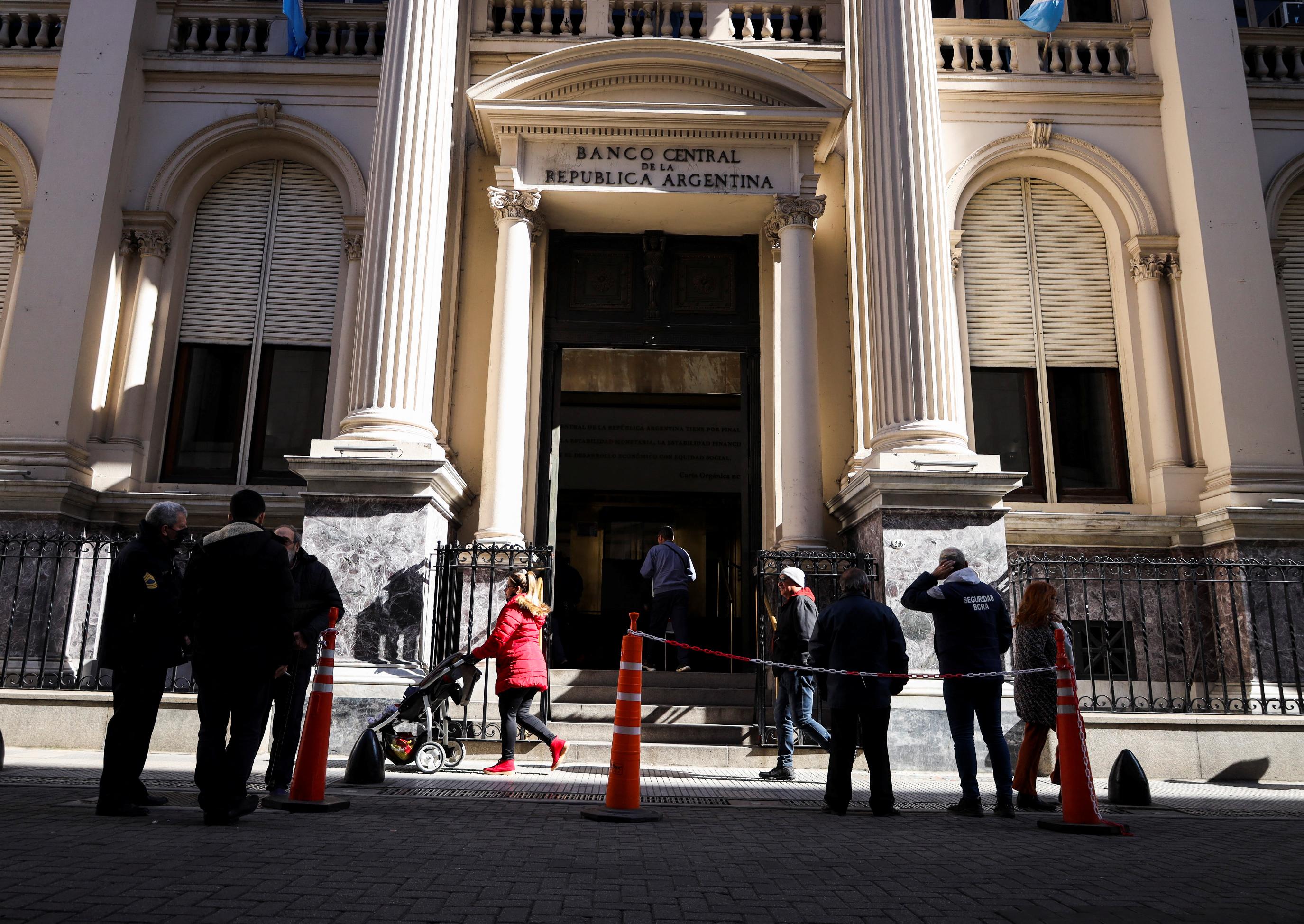
BUENOS AIRES, June 12 (Reuters) - Argentina's central bank has started to put the brakes on its aggressive buying of dollars, a key push to build up reserves under new libertarian President Javier Milei, something analysts pegged to weaker-than-expected sales of grains by local farmers. The grains producing South American nation's central bank made net purchases of dollars in the first week of June of around $99 million, the lowest by some distance this year after steadily declining over the last month, central bank data show. That underscores the growing challenge for the entity to keep up what had been a furious pace of foreign currency accumulation, aimed at rebuilding reserves that were deep in the red when Milei took office in December. Argentina's central bank has bought up over $17 billion of foreign currency as part of that rapid reserves accumulation drive since Milei took office on Dec. 10. It needs dollars to pay creditors including the International Monetary Fund (IMF). The bank's reserve accumulation is key to restoring economic and financial stability after years of crisis, and pivotal to the government being able to follow through with its pledge to undo tough currency controls that stymie business and trade. Sign up here. https://www.reuters.com/markets/emerging/argentina-economy-snapshot-central-bank-dollar-buying-spree-slows-2024-06-12/
2024-06-12 10:03
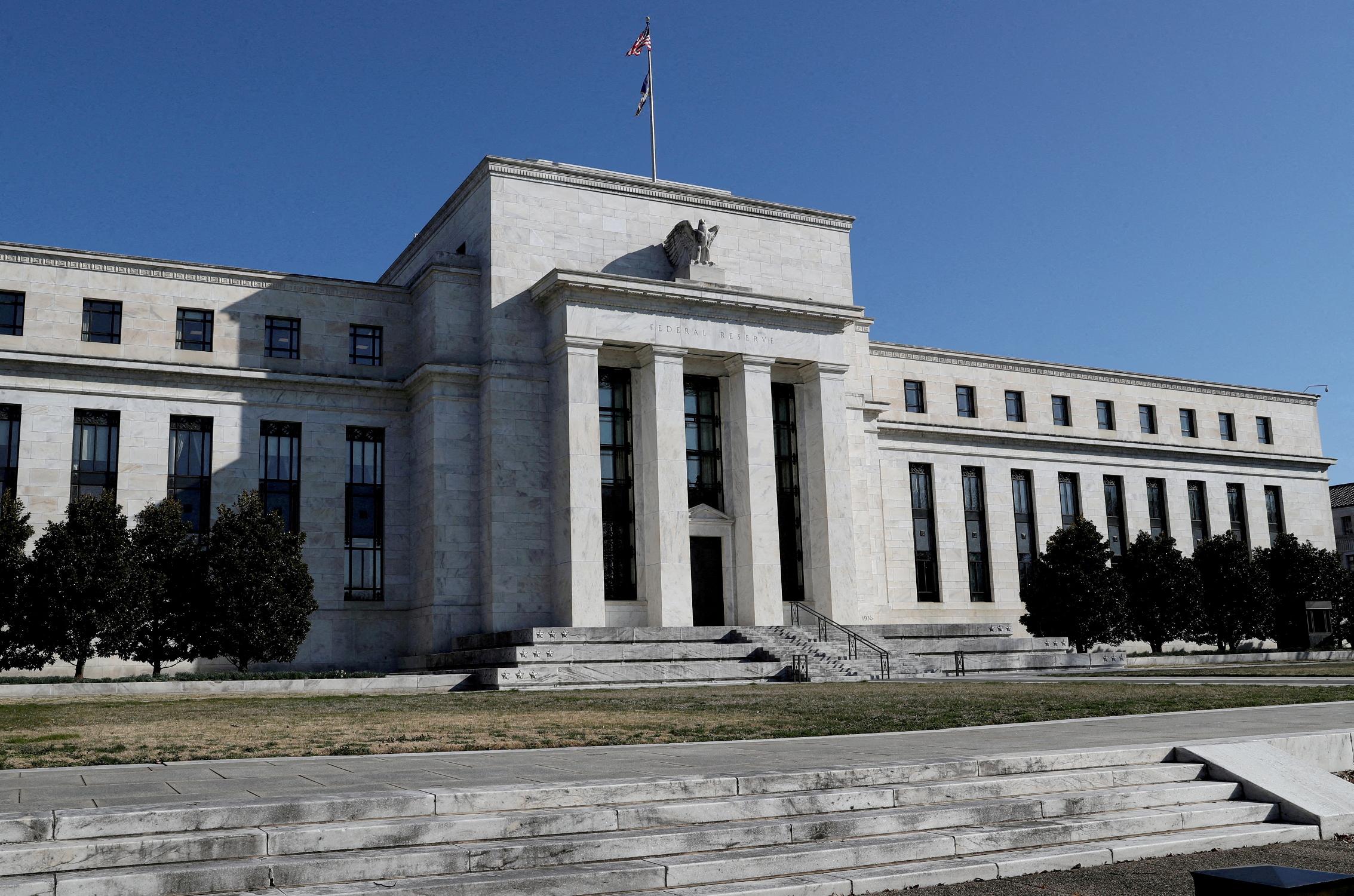
June 12 (Reuters) - A look at the day ahead in U.S. and global markets by markets correspondent Naomi Rovnick What a difference half a year makes. Traders started 2024 convinced that the U.S. Federal Reserve would be able to cut interest rates up to seven times by December. Analysts now widely expect Fed officials not only to keep the funds rate at its 23-year high of 5.25% to 5.5% at the end of their monetary policy meeting on Wednesday, but also to project just one or two rate cuts this year, down from three. U.S. inflation data is due just hours before the Fed's meeting ends and economists polled by Reuters forecast that consumer prices excluding food and energy rose 3.5% in May, down only slightly from April's 3.6% increase. Wall Street, for now, is rallying on regardless. Futures markets signal a steady start for U.S. stock markets at the open. Relentless interest in artificial intelligence drove the S&P 500 and the tech-focused Nasdaq to records on Tuesday, as Apple shares surged after it unveiled new AI features for its devices. Treasuries are also in vogue. The benchmark 10-year yield, at about 4.4%, is heading for its second week of declines. Big investors are guessing that the Fed has underestimated prospects of a U.S. slowdown and may commit a policy error by keeping rates high for too long, sparking a recession. Such speculation is nothing new, often wrong and leaves markets vulnerable to Fed officials releasing a hawkish dot plot later in the day if Chair Jerome Powell's commentary on the economic outlook is also surprisingly upbeat. The U.S. economy is showing signs of softening but its companies created far more jobs New Tab, opens new tab than analysts expected last month as wage growth accelerated. Elsewhere in markets, the euro is near a 22-month low against sterling because of jitters about gains for the far right in the recent European Parliament elections, as polls suggested France's National Rally could win a snap vote called by President Emmanuel Macron. Key developments that should provide more direction to U.S. markets later on Wednesday: * US CPI * Federal Reserve meeting Sign up here. https://www.reuters.com/markets/us/global-markets-view-usa-2024-06-12/
2024-06-12 09:55
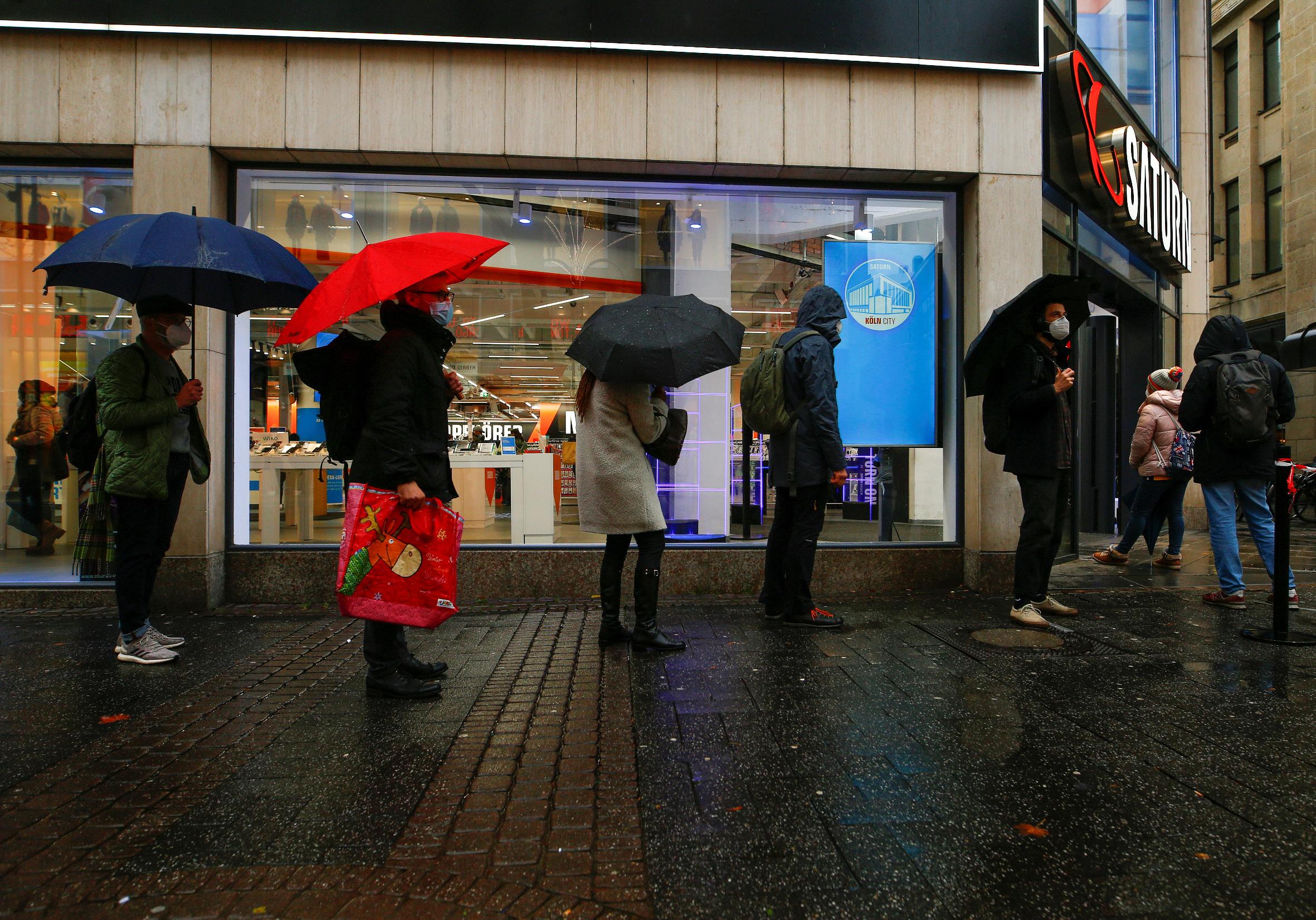
BERLIN, June 12 (Reuters) - German inflation rose in May due to higher services prices, the federal statistics office said on Wednesday, confirming preliminary data. German consumer prices, harmonised to compare with other European Union countries, rose 2.8% in May from a year earlier. They had risen 2.4% year-on-year in April. "The inflation rate is slightly up again, mainly due to the continued increase in service prices," said Ruth Brand, president of the statistics office. Prices of services were 3.9% higher in May than in the same month a year earlier, following an increase of 3.4% in the previous month. This was a marked acceleration in the year-on-year price increase, which can be partly attributed to the end of a base effect after a national cheap rail travel scheme was introduced in May 2023. "By contrast, energy and food prices have had a dampening effect on overall inflation since the beginning of the year," Brand said. Energy product prices fell by 1.1%, compared with May 2023 and food prices were up 0.6%, with the inflation rate for food significantly below the overall inflation rate. Core inflation, which excludes volatile food and energy prices, was at 3.0% in May, unchanged from April. The European Central Bank keeps a close eye on core inflation. The bank went ahead with its first interest rate cut since 2019 last week, citing progress in tackling inflation even as it acknowledged the fight was far from over. (This story has been corrected to add 'to' in the headline) Sign up here. https://www.reuters.com/markets/europe/german-inflation-confirmed-28-may-2024-06-12/
2024-06-12 08:05
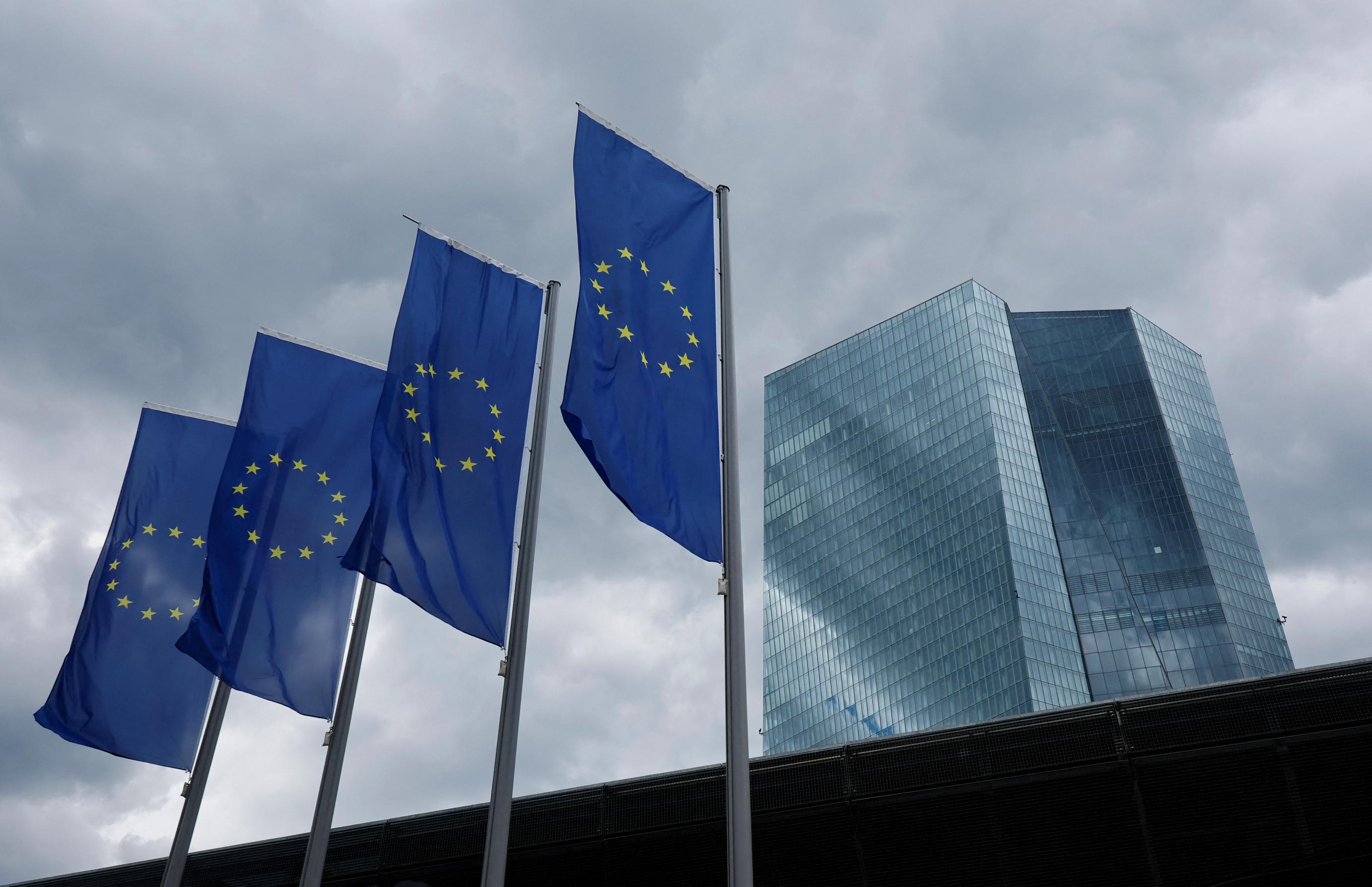
FRANKFURT, June 12 (Reuters) - The share of the euro in foreign exchange holdings tumbled last year at the expense of the dollar and the yen, and further drops are possible whenever Russia becomes free to reduce its own euro stockpile, a fresh report from the European Central Bank showed. The share of the euro among foreign reserves has been declining since the start of the decade and the ECB has long argued that the European Union must take another leap in financial integration if it was to reverse this trend. The euro's share among foreign reserves fell one full percentage point to 20% in 2023 and official reserve managers were net sellers of euro assets to the tune of around 100 billion euros, the ECB said in a report on Wednesday. "By contrast, the shares of the US dollar, Japanese yen and other non-traditional reserve currencies increased," the ECB said. "In particular, there were purchases of yen-denominated reserve assets by official investors, presumably aimed at offsetting the yen’s depreciation over the review period." The ECB also estimates that the Swiss National Bank's euro denominated reserves fell by 35 billion euro, primarily due to its intervention in support of the Swiss franc. While euro area interest rates rose sharply, this did not improve the currency's attractiveness because rates are higher in many other places and because of the euro zone's muted economic prospects. Citing a recent survey of 91 central banks in HSBC Reserve Management Trends, the ECB said both the bloc's financial architecture and outlook were causes for concern. "Respondents to this survey cited weak growth prospects in the euro area, lack of supply of highly rated assets and centralised debt issuance as potential factors hindering investment in euro-denominated assets," the ECB said. The future is also clouded by Russia's plans. The Central Bank of Russia held around 8% of global reserves in euro before they were immobilised in 2022, the ECB estimates. "This suggests that sanction-related measures might be relevant to the share of the euro in global foreign exchange reserves going forward," the bank said. The ECB has repeatedly expressed concern about plans to use Russian assets stranded in Europe to help Ukraine, fearing that others may then start doubting the security of their euro holdings. "Weaponising a currency inevitably reduces its attractiveness and encourages the emergence of alternatives," Bank of Italy Governor and former ECB board member Fabio Panetta said earlier this year. Sign up here. https://www.reuters.com/markets/currencies/euros-reserve-currency-role-tumbles-expense-dollar-yen-ecb-says-2024-06-12/