2024-06-11 19:49
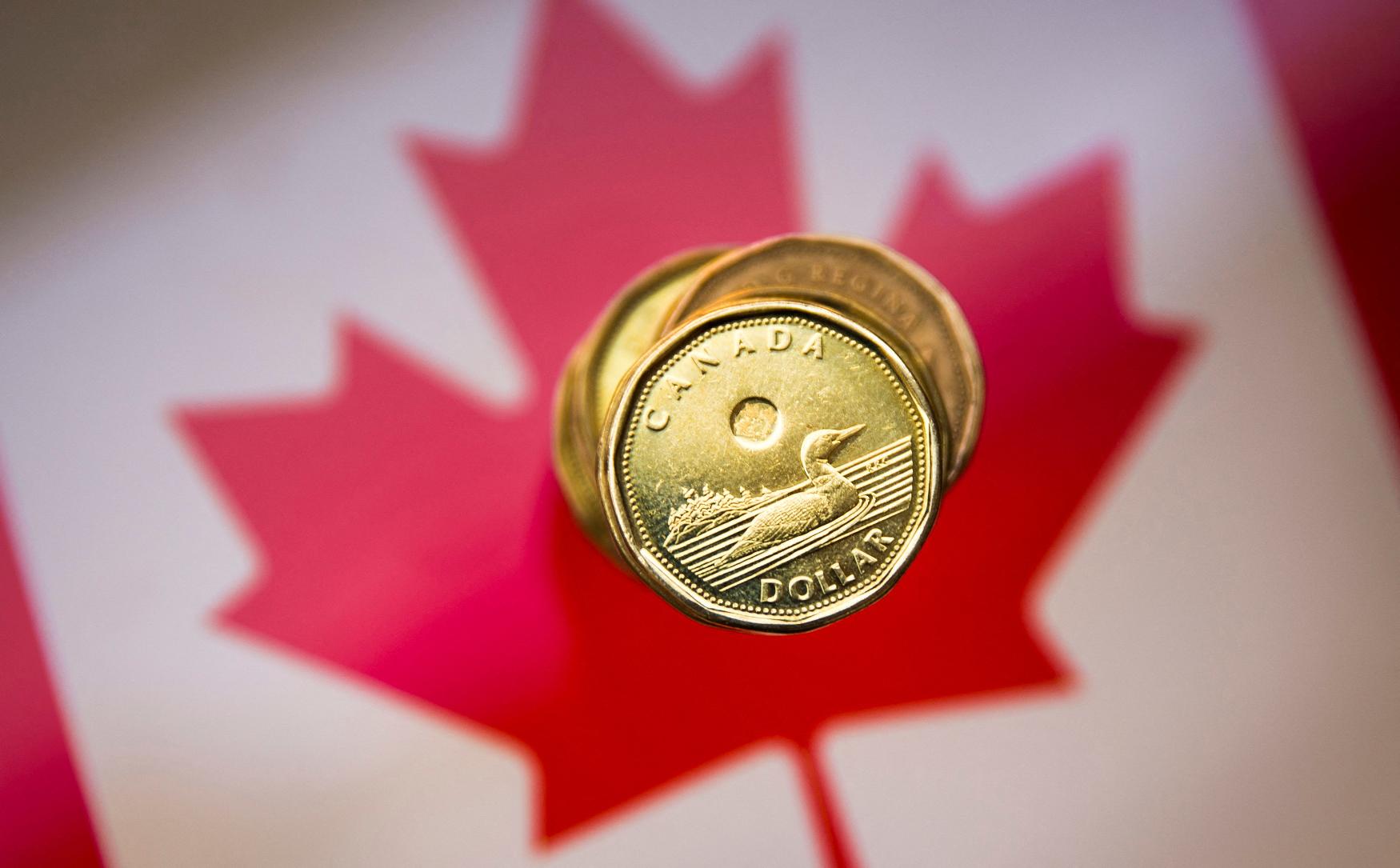
Canadian dollar gains 0.1% against greenback Touches near a two-month low at 1.3791 Price of U.S. oil settles 0.2% higher Bond yields fall across flatter curve TORONTO, June 11 (Reuters) - The Canadian dollar edged higher against its U.S. counterpart on Tuesday but was trading not far off its weakest level in nearly two months, as oil prices rose and investors awaited a Federal Reserve interest rate decision. The loonie was trading 0.1% higher at 1.3750 to the U.S. dollar, or 72.73 U.S. cents, after touching its weakest intraday level since April 19 at 1.3791. "We are seeing the U.S. dollar strengthen as people are concerned that the Fed may not be able to cut interest rates in the near future," said Darren Richardson, chief operating officer at Richardson International Currency Exchange Inc. The U.S. dollar (.DXY) New Tab, opens new tab hit a four-week high ahead of a highly anticipated U.S. inflation report on Wednesday that is likely to influence the timing of the first Fed rate cut. The U.S. central bank is expected to leave interest rates unchanged at the conclusion of a two-day policy meeting on Wednesday. The inflation data and the Fed rate decision will be "extremely important" for the performance of the Canadian dollar against the greenback over the coming months, Richardson said. Last Wednesday, the Bank of Canada became the first G7 central bank to cut rates. BoC Governor Tiff Macklem is due to participate in a panel discussion on economic volatility on Wednesday. The price of oil, one of Canada's major exports, settled 0.2% higher at $77.90 a barrel as the U.S. EIA raised its world oil demand growth forecast for the year. Canadian bond yields moved lower across a flatter curve as U.S. yields fell. The 10-year was down 3.1 basis points at 3.475%. Sign up here. https://www.reuters.com/markets/currencies/canadian-dollar-holds-near-two-month-low-ahead-fed-decision-2024-06-11/
2024-06-11 19:39
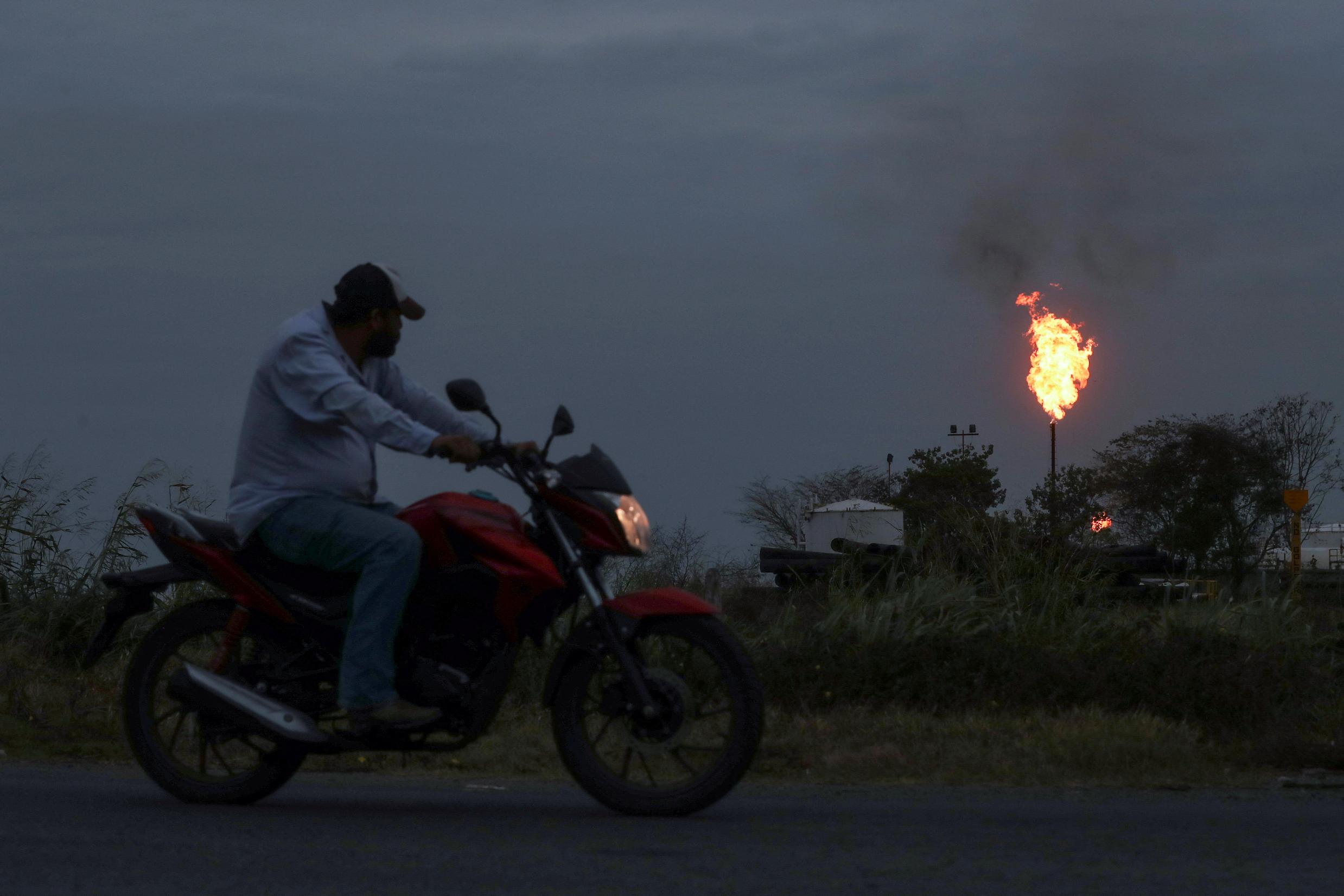
MEXICO CITY, June 11 (Reuters) - Mexico's proven crude oil reserves have fallen though proven natural gas reserves increased, resulting in an increased total for hydrocarbon reserves, the country's regulator said on Tuesday in its annual update for 2024. Data from the National Hydrocarbons Commission, or CNH, showed proven crude oil reserves fell to 5.978 billion barrels in 2024 from 6.155 billion barrels in 2023. Meanwhile, proven natural gas reserves rose to 12.297 trillion cubic feet, up from 11.029 trillion cubic feet. Total proven hydrocarbon reserves, which include both crude oil and natural gas, rose to 8.383 billion barrels of crude oil equivalent from 8.162 billion barrels, the data showed. The data had been due in March but was delayed for unspecified reasons. "Mexico is a country of mature fields," said Alan Barkley, director for reserves at the regulator. The data showed 23 companies have 486 fields with reserves, but 220 of these are either only maintaining production or already declining. Officials at the regulator said during the presentation that the hydrocarbon sector would need substantial investment to offset declining reserves at large fields as newer finds have failed to compensate. Proven reserves, or P1, are a country's best estimate of resources that can be recovered from deposits with a reasonable level of certainty using current technology. Sign up here. https://www.reuters.com/business/energy/mexicos-proven-hydrocarbon-reserves-rise-84-billion-barrels-2024-06-11/
2024-06-11 18:44
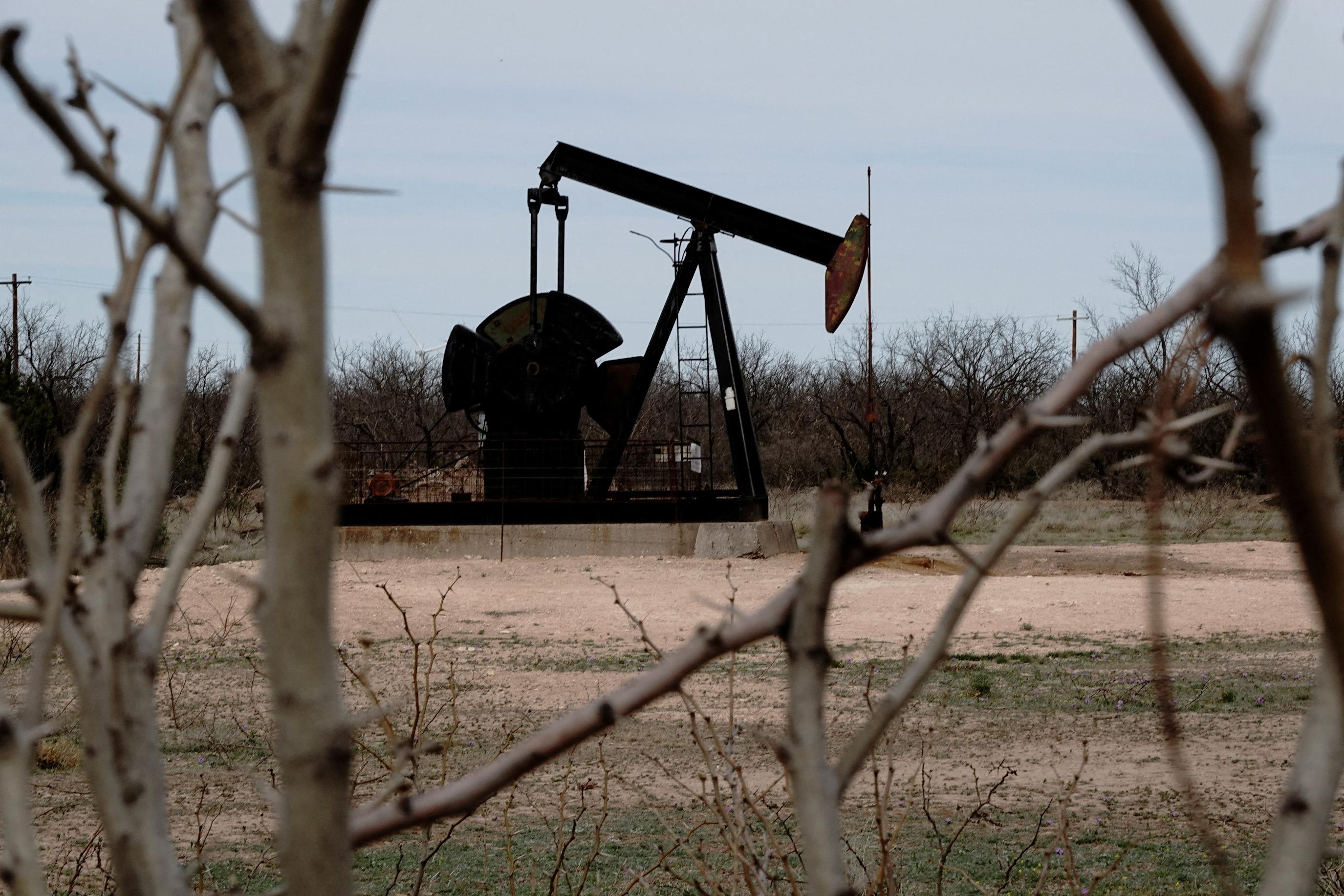
NEW YORK, June 11 (Reuters) - U.S. oil output and global oil demand will likely post bigger records this year than previously expected, the U.S. Energy Information Administration said on Tuesday. The agency now expects U.S. oil output to grow by around 310,000 barrels per day (bpd) to 13.24 million bpd this year, about 40,000 bpd higher than its previous forecast in May. It expects U.S output to be around 13.71 million bpd next year, slightly below the previous 13.73 million bpd forecast. Global oil demand this year is also expected to be above estimates, which were already forecast to hit record highs, according to the June edition of the EIA's short-term energy outlook. World crude oil and liquid fuels consumption is expected to rise by 1.1 million bpd to 103 million bpd this year, the EIA said. That compares with a previous forecast of around 102.8 million bpd. Global oil demand will likely rise to 104.5 million bpd next year, the EIA said, slightly higher than its previous forecast of 104.3 million bpd. The upward revisions to demand growth despite recent concerns of slowing consumption made the report modestly positive for oil markets, UBS analyst Giovanni Staunovo said. Staunovo also noted the agency's lowered world oil output forecasts for this year. EIA now expects global oil output of around 102.6 million bpd, compared with its 102.8 million bpd forecast in May. The adjustment was made because the OPEC+ producer group announced plans to raise output from the fourth quarter onwards, while the EIA had expected the producer group to move sooner. The slower increase in OPEC+ supplies should lead to a decline in global oil inventories through the first quarter next year and put upward pressure on oil prices, the EIA said. Sign up here. https://www.reuters.com/business/energy/eia-forecasts-larger-records-2024-us-oil-output-global-demand-2024-06-11/
2024-06-11 18:39
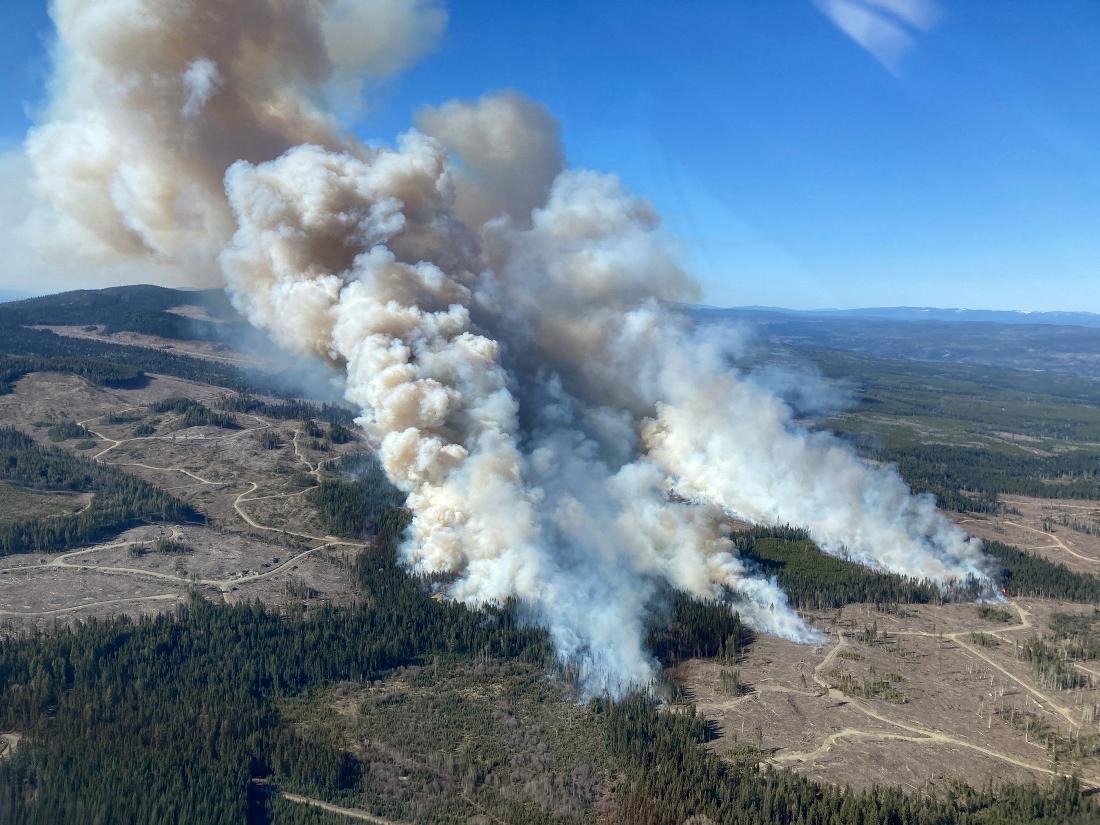
June 11 (Reuters) - Canada is expecting a hotter-than-usual summer with slightly below-average precipitation in central Canada, government officials said on Tuesday, offering little relief from ongoing drought and the risk of another bad wildfire season. Last year, Canada experienced its worst-ever fire season, with more than 6,600 blazes burning 15 million hectares, an area roughly seven times the annual average. Low snowfall throughout an abnormally warm winter and widespread drought prompted the government to warn in April that 2024 could potentially be another "catastrophic" year for fires. Out-of-control forest fires in the western provinces of British Columbia and Alberta forced large-scale evacuations this spring, although cooler weather in late May and early June helped dampen down fire activity in recent weeks. Rain across the prairies also helped improve drought conditions, although 45% of the country is still classed as abnormally dry, according to Agriculture Canada. Weather models suggest temperatures over the next three months will be warmer than normal across most of the country, except along the coast of British Columbia, said Jennifer Smith, a meteorologist with the Meteorological Service of Canada. The models predicted less rain than usual in central Canada but were not able to make reliable predictions for much of the rest of the country, she added. "Canadians need to be ready for a warmer summer that could be met with drier conditions across the country," Smith told a media briefing, adding that would be conducive to wildfires and smoke. So far, the 2024 fire season has been much quieter than last year, with 511,000 hectares burned year-to-date across Canada versus 4.7 million hectares at the same point in 2023, according to the Canadian Interagency Forest Fire Centre. However, wildfire activity typically ramps up during July and August. This year, in response to feedback received last summer, the federal Environment Ministry is introducing a new air quality advisory system and daily smoke forecast maps to better inform Canadians about the health risk from wildfire smoke, officials said. Sign up here. https://www.reuters.com/business/environment/canada-forecasts-hotter-than-average-summer-peak-wildfire-season-nears-2024-06-11/
2024-06-11 18:12
BOGOTA, June 11 (Reuters) - Colombia congressional committees from both the lower house and Senate on Tuesday approved a request from the leftist government of President Gustavo Petro to increase the debt ceiling to $17.6 billion to finance development plans and comply with payment terms. The votes came amid warnings from analysts about the state of the Andean country's fiscal needs and after Petro said last month that Colombia could stop paying its debts or enter an economic emergency if the ceiling was not increased, comments later softened by Finance Minister Ricardo Bonilla. A collapse in tax collection has set off alarm bells for the market, which says the government will need to contend with an estimated budget shortfall of some 27 trillion pesos, about $7 billion, this year. An independent oversight committee has already warned Colombia will not comply with its fiscal rule this year. Bonilla told lawmakers during hearings on the debt ceiling request that the country's current ceiling would have meant a deficit of $1.37 billion for 2024. The request, approved with 28 votes in favor and one against in the lower house committee and 11 in favor and one against in the Senate committee, will go to the plenaries of both houses next week. Petro has promised ambitious reforms to labor laws, healthcare and pensions, in an effort to right what he says are centuries of entrenched inequality. The government's four-year development plan, approved last May, aims to cut the percentage of the population living in extreme poverty to single digits, use financial surpluses from coal and oil to secure a transition to clean energy, and hand over millions of hectares of land to poor farmers. It has a cost of some $298 billion. The finance ministry has said the debt ceiling respects government deficit projections, which were revised upward to 5.3% of GDP at the start of the year. The government requested the debt ceiling increase - a measure usually approved about every four years - in March. ($1 = 3,944.14 Colombian pesos) Sign up here. https://www.reuters.com/markets/emerging/colombia-congressional-committees-approve-debt-ceiling-increase-176-billion-2024-06-11/

2024-06-11 17:47
BUENOS AIRES, June 11 (Reuters) - Argentina's monthly inflation rate is expected to come in at 4.9% in May, according to a Reuters poll of analysts published on Tuesday, which would be the slowest rise since the end of 2022 amid a major austerity drive by President Javier Milei. The data, if confirmed, would be a big win for libertarian Milei, who has made inflation-busting a key focus since taking office in December during a major economic crisis. Argentina's annual inflation, near 300%, is the highest in the world. Milei, an economist and former pundit, has cut public spending in an attempt to avoid hyperinflation and has pledged a zero fiscal deficit policy, boosting markets and investor sentiment even as the real economy has creaked. The INDEC statistics agency is scheduled to release the official data on Thursday. "Core inflation in May saw a decline compared to the previous month," said Lautaro Moschet, economist at the Libertad y Progreso Foundation. "This trend suggests that, if maintained, the CPI (consumer price index) could stabilize in a range of 4% to 5% in the coming months." Milei's government has looked to double down on austerity and overturn years of fiscal deficits, an approach that has squeezed Argentines hard, but helped rein in prices faster than some analysts had expected. "Inflation dropped to practically half the rate compared to April," Economy Minister Luis Caputo said at an event on Tuesday, referring to April's rate of 8.8% and signaling that the May number would come in below 5%. "For those who said we couldn't get it below 7%, well, the (new May) number starts with a 4." The 23 analysts polled by Reuters estimated a monthly CPI rise in May ranging from 4.3% to 7.1%. Alejandro Giacoia, economist at consultancy Econviews, said food inflation has slowed markedly, which is important given its weight in the wider inflation basket. The government had also delayed some planned price hikes to utilities and transport. "The delay of regulated increases that were ordered also helps. Logically this measure can help on the inflation side but it is not without a cost from a fiscal point of view," Giacoia said. Sign up here. https://www.reuters.com/markets/argentine-monthly-inflation-set-fall-below-5-lowest-since-2022-2024-06-11/