2024-06-08 13:14
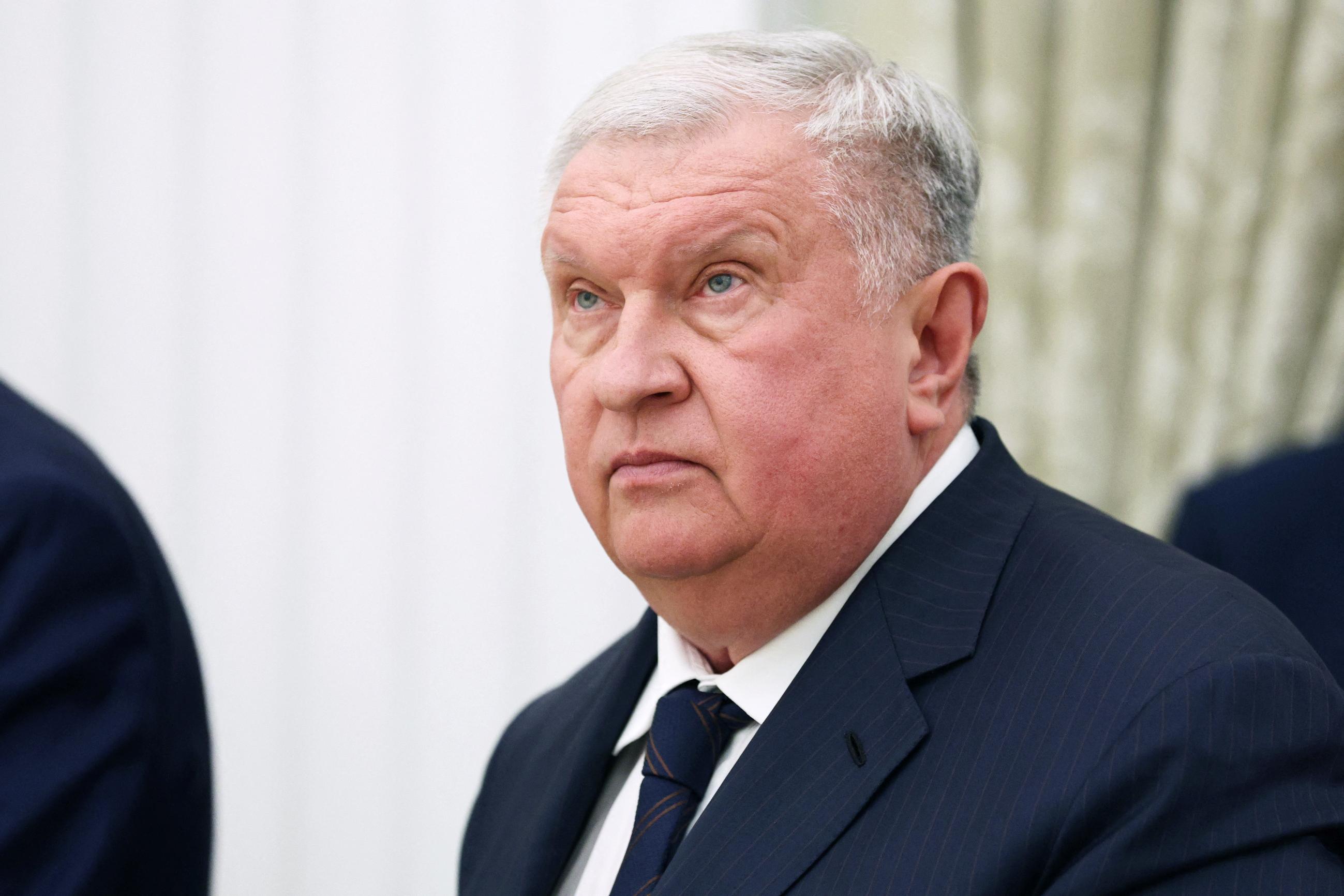
DUBAI, June 8 (Reuters) - Saudi Arabia placed over half of an $11.2 billion share sale in Aramco (2222.SE) New Tab, opens new tab with foreign investors, two people with knowledge of the matter told Reuters on Saturday. Saudi Arabia has been seeking to lure international investment to pour tens of billions of dollars into projects to diversify away from its reliance on oil. Yet foreign investment has repeatedly missed targets. "There were multiple orders from the U.S., UK, Hong Kong and Japan," one of the sources said. International demand for the secondary share sale was greater than for Aramco's IPO in 2019, sources had previously told Reuters. Aramco said on Friday shares were priced at 27.25 riyals ($7.27) after the company set a price range of 26.70-29.00 riyals. The secondary offering, codenamed Project Bond by the banks involved, took months of planning. As a result of the transaction, more than 120 new international investors will be added to Aramco, one of the sources said. "The overall demand for the offering was greater than $65 billion across global blue chip institutions and the domestic retail offering," he said. Saudi de facto ruler Crown Prince Mohammed bin Salman's Vision 2030 is funding endeavours as diverse as electric vehicles to building futuristic cities in the desert, mainly via its Public Investment Fund (PIF). The $925 billion sovereign fund, after scaling back some of its flagship giga-projects, aims to sharpen its focus to drive forward the vision. Proceeds from the share sale are likely to be funneled to the PIF, sources and analysts have said, though funds could also help plug the kingdom's budget deficit which has risen as the oil price has weakened. Sign up here. https://www.reuters.com/business/energy/over-half-aramco-share-sale-allocated-foreign-investors-sources-2024-06-08/
2024-06-08 12:50
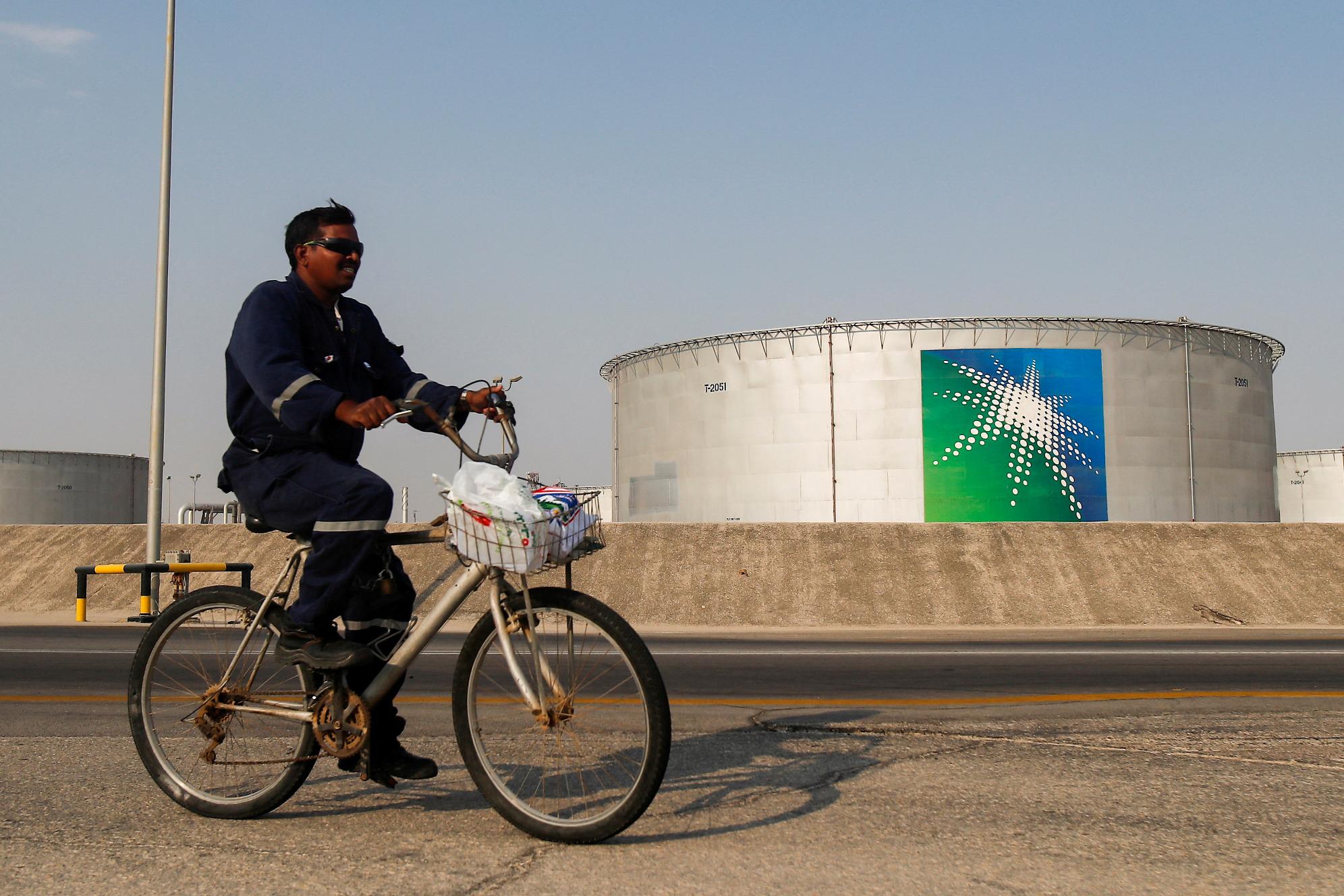
June 8 (Reuters) - It is too early to tell whether the European Central Bank has initiated a shift towards lower borrowing costs after it cut its benchmark interest rate this week, ECB policymaker Robert Holzmann said on Saturday. The ECB cut the rate it pays on bank deposits to 3.75% from a record 4.0% on Thursday but held back from promising any more easing after a string of disappointing wage and inflation data in recent weeks. Holzmann, the head of Austria's central bank, was the only member of the ECB's 26-member Governing Council to oppose the rate cut. The bank's decision had been widely expected after the ECB had telegraphed its intentions ahead of time. Going forward, the bank would be looking to avoid putting itself in any sort of bind, Holzmann told Austrian radio. When asked whether the rate cut marked a shift towards lower borrowing costs, or was a step that did not commit the bank toward a particular direction, Holzmann was cautious. "I think it's a step in the right direction," he said. "I hope - I don't know - that there won't be a need to raise rates again," he added, saying future decisions would depend on data. Among factors to consider would be the rate differential between the ECB and its U.S. counterpart, the Federal Reserve, Holzmann said in the interview. If, as U.S. policymakers have intimated they would this year, the Fed does not cut rates three times, that would affect exchange rates to the euro's detriment against the dollar, which could fan inflation in the single currency area, he noted. The ECB could only declare victory on inflation once it had eased to the bank's target of 2%, he said. "We hope we'll be there in 2026," Holzmann said. "That's what the models predict. And that's all based on the assumption that there are no further shocks." Euro zone annual inflation accelerated to 2.6% in May from 2.4% in April, according to a flash estimate. Sign up here. https://www.reuters.com/markets/europe/ecbs-holzmann-voices-caution-rates-outlook-2024-06-08/
2024-06-08 12:06
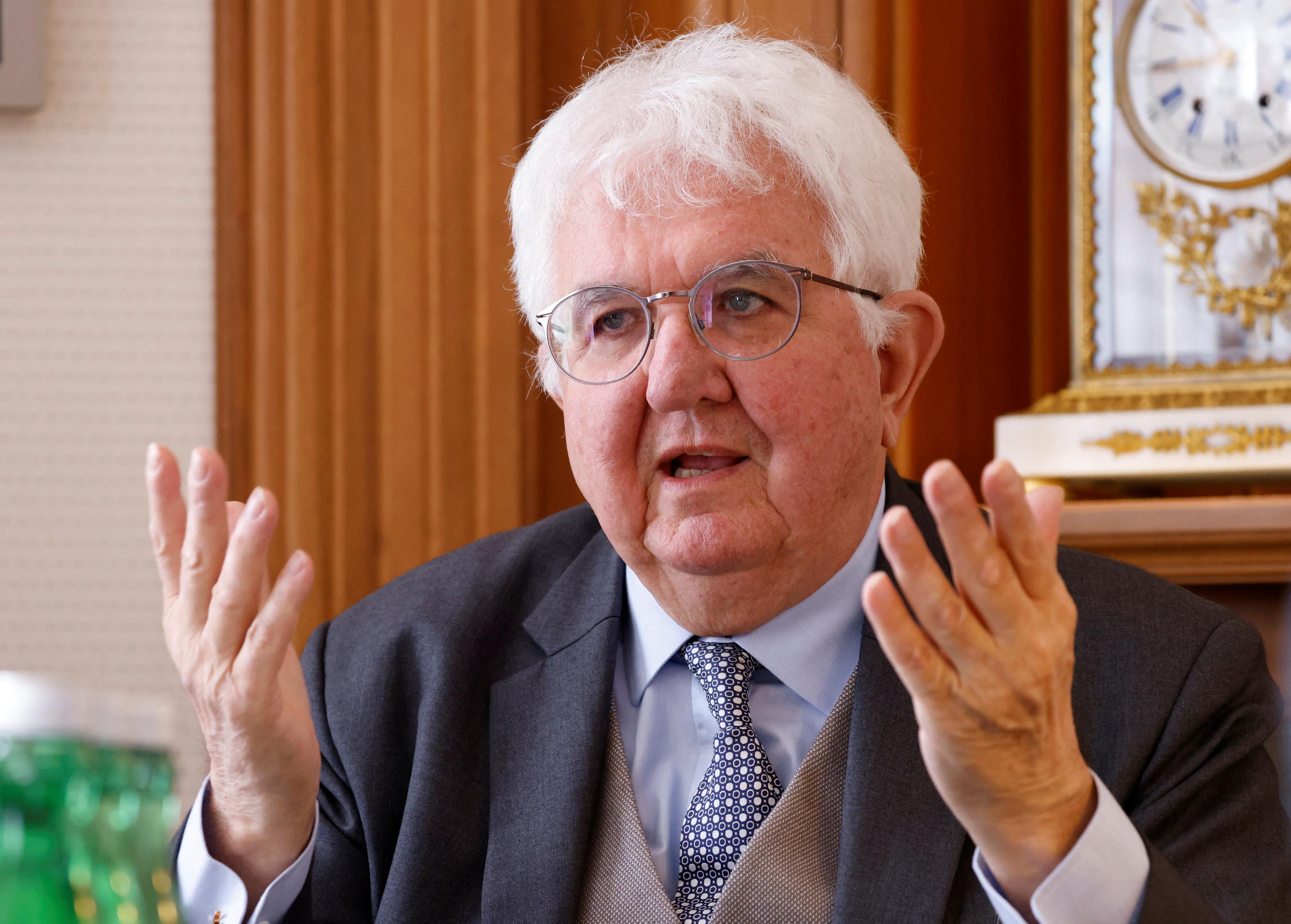
ANAHUAC, Mexico June 8 (Reuters) - Thousands of dead fish have blanketed the surface of a lagoon in Mexico's northern state of Chihuahua, and local officials are blaming an intense drought. The fish deaths at the Bustillos Lagoon, by the town of Anahuac in Chihuahua, came during long dry spells as temperatures have climbed above 40 degrees Celsius (104 degrees Fahrenheit). The lagoon's water levels are dangerously low, officials said. Some form of drought is afflicting nearly 90% of Mexico, the highest rate since 2011, according to government data. Chihuahua state has been hit particularly hard with most of its territory engulfed by the most extreme levels of dryness. There was much less water in the lagoon for the fish to live in, and the remaining water was of poor quality, according to Irma de la Pena, head of the Ecology Department in the city of Cuauhtemoc. "When the amount of water decreases, the pollutants become more concentrated and therefore they also affect the species that live here," De la Pena said. Mass fish deaths in the area have happened in previous years when the lagoon dried up and fish stranded. Livestock, including cows and donkeys, are also perishing as dams run low and farmers struggle to secure water. Heat and drought have become so severe that many people who rely on agriculture have packed up and left. "It's very abandoned because since it doesn't rain... they no longer dare to continue living here," said Jesus Maria Palacios, a raiser of livestock in Cuauhtemoc. At the lagoon, local authorities are racing to cover the dead fish with lime, concerned their rapid decomposition under the baking sun could endanger public health by attracting insects and spreading disease. They are asking local organizations to help. "What we need is support, especially with the potential we have for a health issue," said Saul Sausameda, president of the Anahuac community. Sign up here. https://www.reuters.com/business/environment/mass-fish-death-mexicos-chihuahua-state-blamed-severe-drought-2024-06-08/

2024-06-08 10:54
SHANGHAI, June 8 (Reuters) - Chinese companies plan to ask authorities to open an "anti-subsidy" investigation into imports of some dairy products from the European Union, the state-backed Global Times newspaper reported on Saturday, citing an unidentified "business insider". The report, carried in a post on X, gave no other details. The EU exported 1.7 billion euros ($1.84 billion) in dairy products to China in 2023, down from 2 billion in 2022, according to data New Tab, opens new tab from the European Commission's Directorate-General for Agriculture and Rural Development which cited Eurostat. The report comes as trade tensions between the EU and China intensify, with the EU conducting investigations into various imports from China to protect home-grown manufacturers. In January, China opened an investigation into brandy imported from the EU. In May, the EU launched an investigation into flat-rolled products of iron or steel plated or coated with tin from China. The European Commission is also investigating China-made electric vehicles, which is expected to lead to additional duties. Chinese firms were also seeking a probe into EU pork imports, the Global Times reported in May. ($1 = 0.9259 euros) Sign up here. https://www.reuters.com/world/chinese-industry-seek-probe-into-eu-dairy-imports-global-times-2024-06-08/

2024-06-08 09:06
MOSCOW, June 8 (Reuters) - Following are extracts for the speech by Igor Sechin, the head of Russian oil giant Rosneft (ROSN.MM) New Tab, opens new tab at St. Petersburg International Economic Forum SPARE OIL PRODUCTION CAPACITY "The creation of reserves as we observe by both Western and Middle Eastern companies may be an expectation of serious market changes. "The presence of such 'phantom barrels', which can have a large-scale impact on the market, offsets the impact of the voluntary reduction in production quotas undertaken by the main OPEC participants. "This is also shown by the market prices, which went down after the recent decision of the ministers of the (OPEC+) participating countries." TRANSITION TO GREEN ENERGY "The green transition is not supported by cost-effective sources, and its implementation is an illusion, which leads to disinvestment from traditional energy." "Proponents of the theory of the anthropogenic factor present us with the energy transition as an illusion of saving the world. Now that we have already accumulated some experience in implementing the energy transition, it is clear that neither its goal nor, accordingly, preparations for it have been worked out in accordance with the tasks and needs of humanity, such as infrastructure, financing, provision of raw materials, availability of appropriate technologies." "Thanks to years of aggressive PR campaigns and lobbying efforts, renewable energy has displaced large amounts of reliable power generation from the North American energy market. As a result, large swaths of the U.S. and Canada are now at risk of power shortages." "Individual EU countries, such as Germany, France, Belgium, Sweden and others, are already ready to reconsider their approach to achieving the goals of the so-called Green Pact for Europe. "And the World Bank, in its recent report, moved the deadline for achieving green transition goals 10 years forward, to 2060. We are confident that emissions targets will be revised several times." OIL DEMAND "It is not surprising that global oil demand continues to rise, despite expectations of so-called 'peak oil'. I think that the OPEC forecast paints a very realistic picture of the future of global energy." Sechin said that according to that forecast, primary oil demand will rise by almost 20% to 116 million barrels per day by 2045. RUSSIAN OIL PRICE CAP "Theoretically, for the Russian oil industry, a price reduction could mean the possibility of lifting all restrictions on the price cap, and the revenue side of the approved federal budget is based on $60 per barrel. "In these conditions, the possibility of a prompt response from OPEC+ to the emergence of new factors will be of fundamental importance for stabilizing world markets." HIGH INTEREST RATES "It is obvious that the high returns of deposits with a rate of 18-19% disincentivizes investment processes in the real economy, necessary for sustainable development." Sign up here. https://www.reuters.com/business/energy/extracts-speech-rosnefts-ceo-sechin-russian-forum-2024-06-08/
2024-06-08 07:38
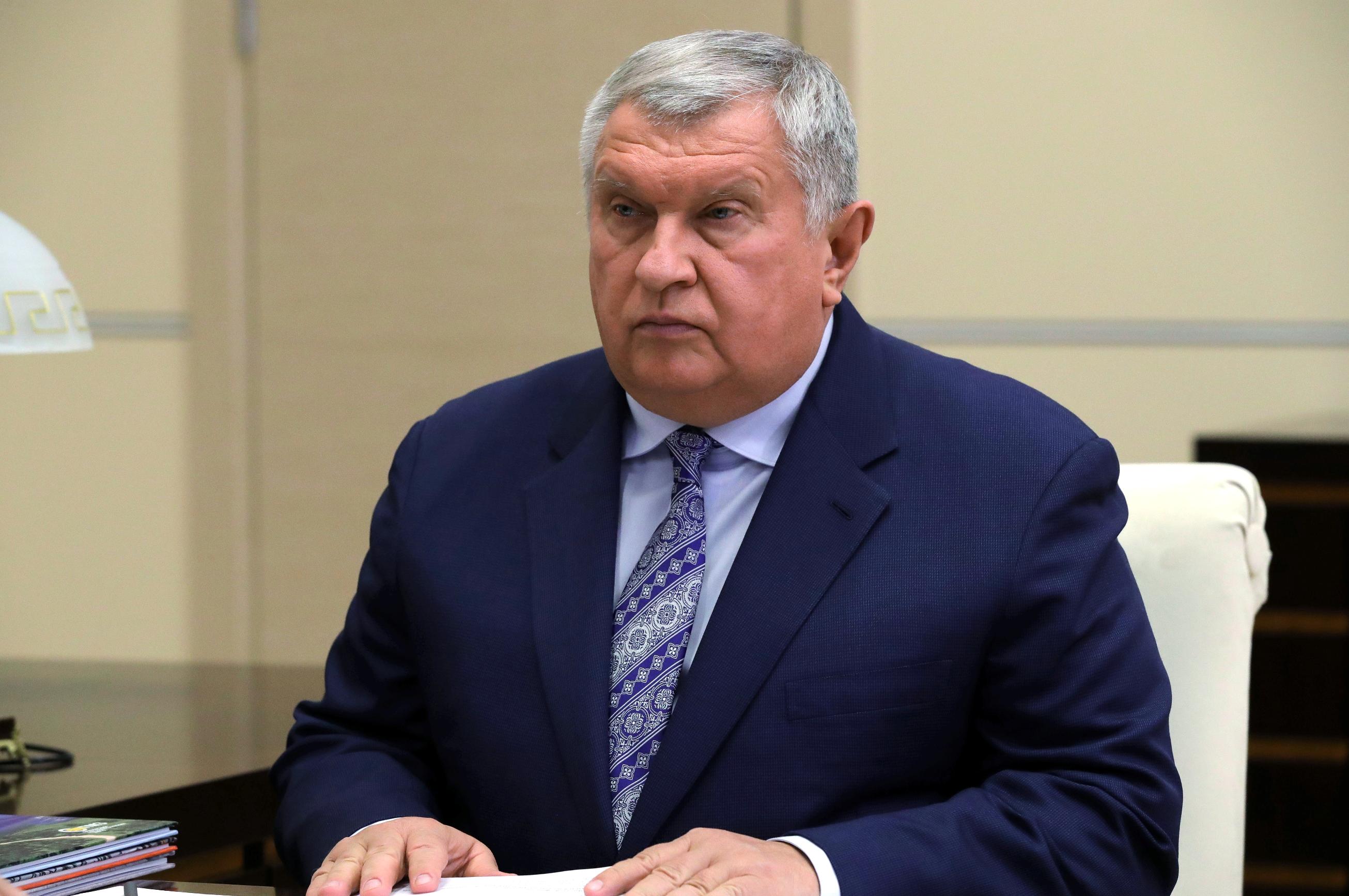
ST PETERSBURG, Russia, June 8 (Reuters) - Igor Sechin, CEO of Russian energy major Rosneft (ROSN.MM) New Tab, opens new tab, said on Saturday that an increase in spare oil production capacity offset efforts by OPEC+ to reduce oil output. He said that combined spare oil production capacity of Saudi Arabia, United Arab Emirates, Kuwait and Iraq stood at 5.6 million barrels per day, or 13% of OPEC+ current output. "The creation of reserves as we observe by both Western and Middle Eastern companies may be an expectation of serious market changes," Sechin, who has been sceptical about Russia's cooperation with OPEC, told St. Petersburg International Economic Forum. "The presence of such 'phantom barrels', which can have a large-scale impact on the market, offsets the impact of the voluntary reduction in production quotas undertaken by the main OPEC participants," he said. "This is also shown by the market prices, which went down after the recent decision of the ministers of the (OPEC+) participating countries." Some OPEC+ members, including Russia, agreed on Sunday to phase out voluntary cuts of 2.2 million barrels per day over a year beginning from October. OPEC+ also agreed to maintain other cuts amounting to 3.66 million bpd until end-2025. Oil prices have declined this week, with benchmark Brent crude touching a four-month low below $77 a barrel on Tuesday, although prices had recovered to above $79 by the end of the week. OPEC+ members' production capacity figures have been a historically contentious issue. Capacity estimates help OPEC+ to establish baseline production figures from which cuts are made. Member countries tend to fight for higher capacity estimates to gain a higher baseline and end up with higher production quotas after cuts are applied, and hence ultimately higher revenues. Russia and Saudi Arabia, the world's leading oil exporters, have said they may pause or reverse oil production increases if the market weakens. Sechin also said that there were many uncertainties on the market, such as the outcome of U.S. presidential election in November. PRICE CAP Sechin, a long-standing ally of President Vladimir Putin, told the forum that the budgets of most OPEC+ participants were able to withstand a possible oil price decline, which would be partially or fully offset by a supply increase. He also said that an oil price decline could lead to removal of restrictions against the Russian oil in relation to the Western-imposed oil price cap of $60 per barrel. Sign up here. https://www.reuters.com/business/energy/rosnefts-sechin-spare-oil-production-capacity-offsets-opec-efforts-2024-06-08/