2024-06-07 12:16
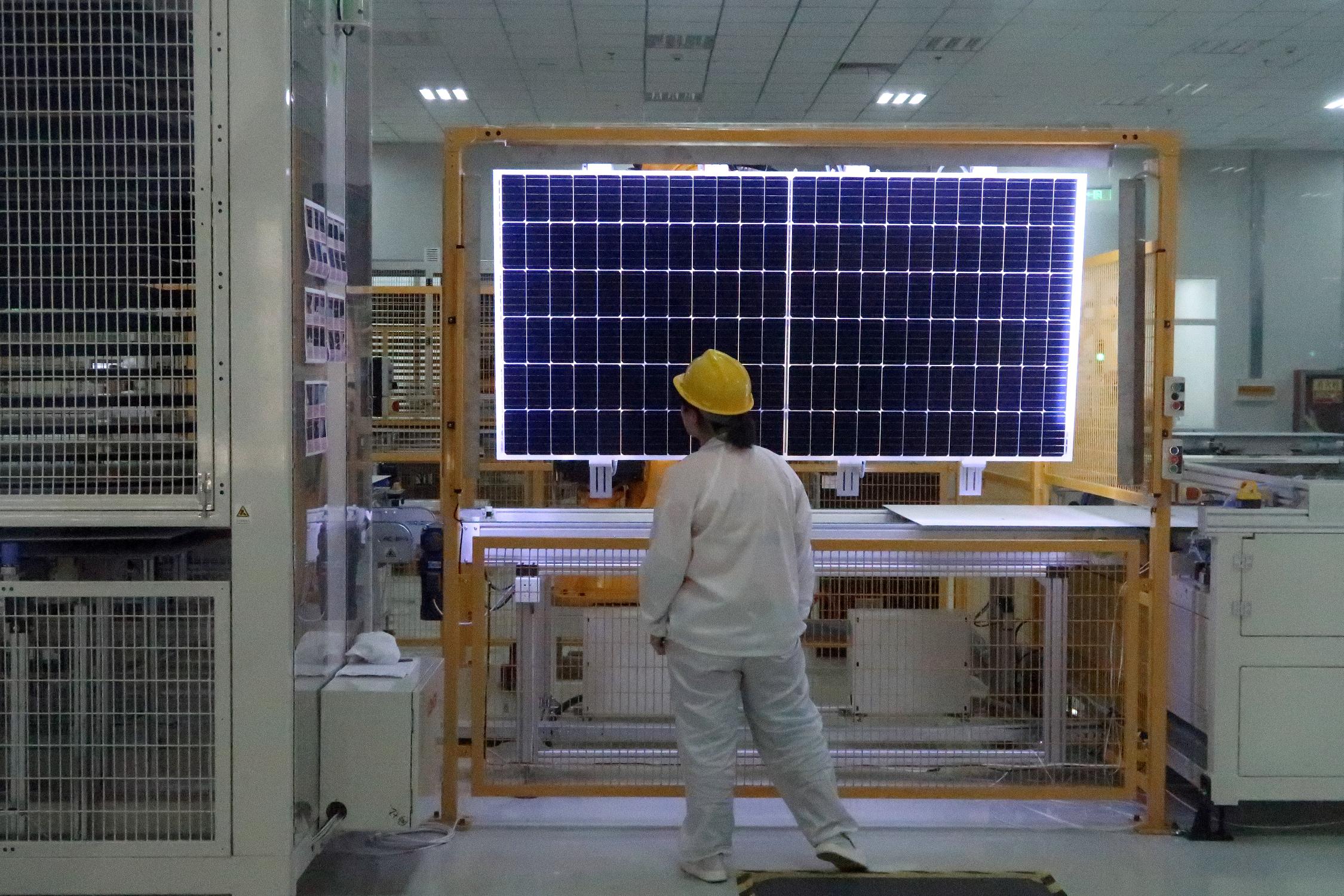
BEIJING, June 7 (Reuters) - China's Longi Green Energy Technology (601012.SS) New Tab, opens new tab, one of the world's largest solar panel manufacturers, said on Friday that some of its plants in Southeast Asia that had been reported closed by media outlets are still in operation. While not specifying which media reports it was referring to, it said its plants in Malaysia and component plants in Vietnam are in operation. It said production at a battery plant in Vietnam had been suspended, and that it would conduct an evaluation based on the market situation in making further decisions. The production halt in Vietnam will have a relatively small impact on the company's operating performance, with the battery capacity in Vietnam accounting for less than 10% of the company's total in 2023, it said. Sign up here. https://www.reuters.com/sustainability/climate-energy/chinas-longi-says-some-southeast-asia-plants-reported-closed-by-media-are-still-2024-06-07/
2024-06-07 11:58
CONAKRY, June 7 (Reuters) - Guinea has signed a non-binding agreement with a subsidiary of Emirates Global Aluminium for the construction of a major alumina refinery, the second one in the country, two senior officials of Guinea's mines ministry told Reuters. The agreement, known as a "Term Sheet", said the company, through its Guinea Alumina Corporation (GAC), will build the 2 million metric ton capacity refinery by September 2026 in the west of the country. Initial production is expected at 1.2 million tonnes annually. Guinea, Africa's biggest producer of the aluminium ore has been seeking to channel its mineral wealth into economic development and has pressured companies to build local facilities to refine bauxite into higher value alumina. Around $4 billion is expected to be invested in the project, one of the officials told Reuters. Both requested anonymity because they were not authorised to speak. One of the mines ministry official added that GAC will partner with Aluminium Corporation of China (Chinalco) on the project. A source at GAC confirmed the deal. The company said on its website on June 3 that it had signed a framework agreement with Chinalco, "progressing their cooperation on the development of an alumina refinery in the Republic of Guinea." "The companies now intend to further jointly progress the project's feasibility and joint investment," the statement on its website said. Emirates Global Aluminium did not immediately respond to a request for comment. The Emirati company began operating in Guinea in 2019 and exported around 14 million metric tons of bauxite in 2022. The West African nation has one alumina refinery so far, the Friguia refinery owned by Russian aluminium giant Rusal. Since seizing power in a coup in 2021, Guinea's military junta under Mamady Doumbouya, has pushed companies in Guinea's mining sector to invest further in the value chain by building refineries. Sign up here. https://www.reuters.com/markets/commodities/guinea-signs-alumina-refinery-deal-with-emirates-global-aluminium-subsidiary-2024-06-07/

2024-06-07 11:47
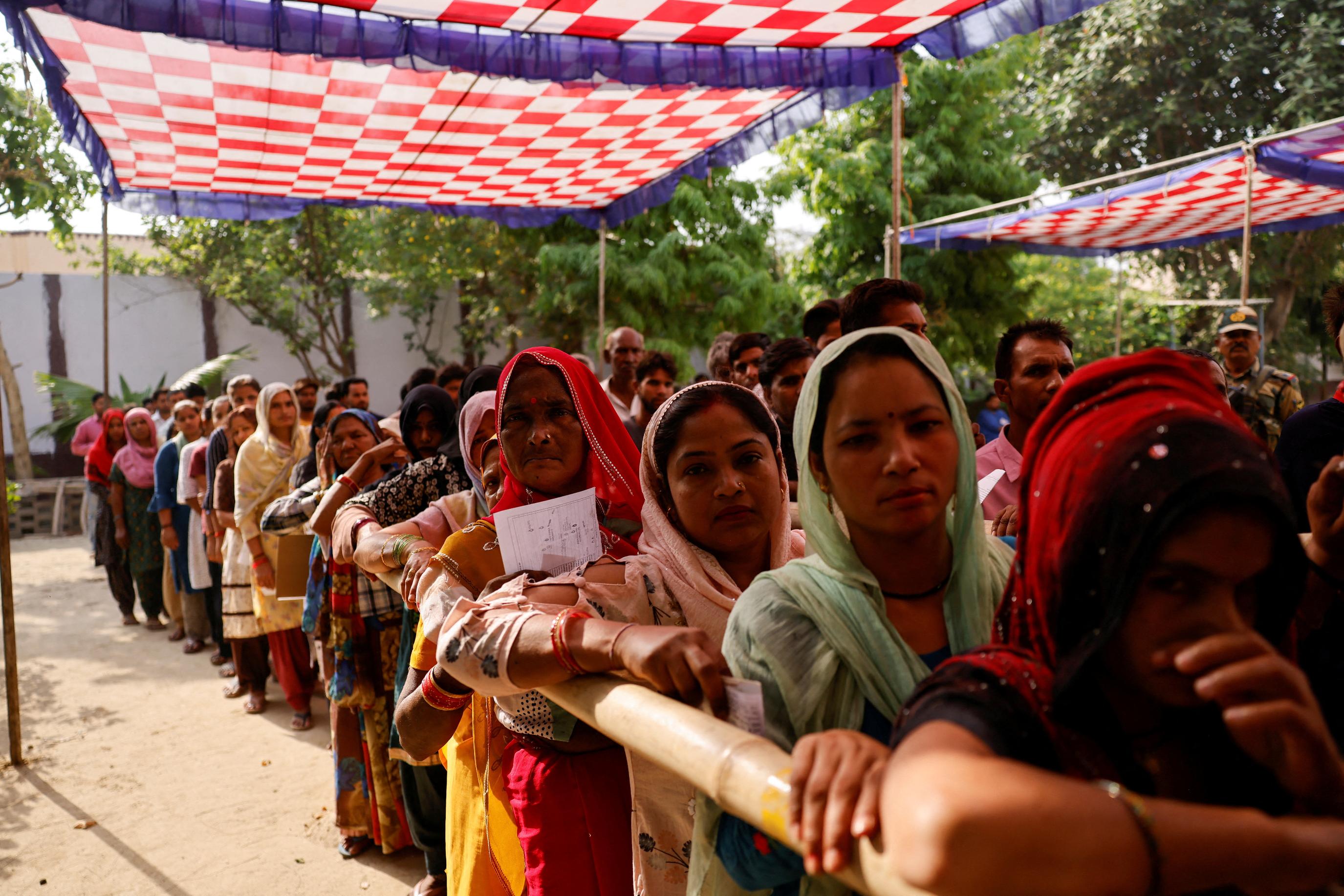
NEW DELHI, June 7 (Reuters) - Indian Prime Minister Narendra Modi's party lost a third of its rural parliamentary constituencies in last month's election, a voter analysis shows, reflecting discontent in the countryside over lack of jobs and high inflation. The Bharatiya Janata Party's poor showing in the vast heartland cost the ruling party its majority in parliament, forcing Modi to depend on regional allies to muster the simple majority required to govern the world's most populous country. The BJP, which held 201 rural constituencies in the 543-member parliament, retained only 126 of them in the mammoth election, the analysis showed. The seats do not include those in the regions of Assam, Jammu and Kashmir and Ladakh, as a reorientation of constituencies there meant there is no direct comparison with data from the prior election. Rahul Verma, a political expert at the New Delhi-based Centre For Policy Research, said Modi's party especially lost ground in the big heartland states of Uttar Pradesh and Rajasthan, which have trailed more prosperous southern and western parts of India in the pace of economic development. "The rural distress would have played a factor," he said. Under Modi, India has become one of the world's fastest-growing economies, but there are too few jobs for the millions entering the workforce each year and growth has been uneven. Families in rural India, home to 60% of its 1.4 billion people, have seen incomes halve as they also struggle to keep up with rising costs and fewer jobs. Modi campaigned on his track record of rapid growth, government programmes to help the poor and muscular Hindu nationalism aimed at the party's conservative base. But the results showed the BJP ceding ground in the country's 344 rural or semi-rural seats to the opposition that targeted employment, inflation and income disparity as core issues. "Perhaps BJP was confident before the elections, that's why it did not make any major announcements for the rural parts in its interim budget, and that could have played a role," Verma added. The Unemployment rate rose to 8.1% in April from 7.4% in March, private think-tank Centre for Monitoring Indian Economy has said. The figure was at 6% before the COVID-19 pandemic. The BJP has acknowledged employment was a factor in the election and said "whatever best can be done is being done". Its vote share in the 126 seats the BJP managed to retain dropped about three percentage points. Modi's average margin of victory in those seats fell to 15.6% in this election from 22.9% in 2019. Meanwhile in 179 urban seats, the BJP managed to hold on to 78 of the 90 it had won in the last election. Voters were worried about inflation, unemployment, decreasing income and the government's handling of corruption and fraud, according to the Lokniti-CSDS post-election survey published by the Hindu newspaper. Sign up here. https://www.reuters.com/world/india/rural-vote-fall-cost-indias-modi-decisive-election-win-2024-06-07/
2024-06-07 11:46
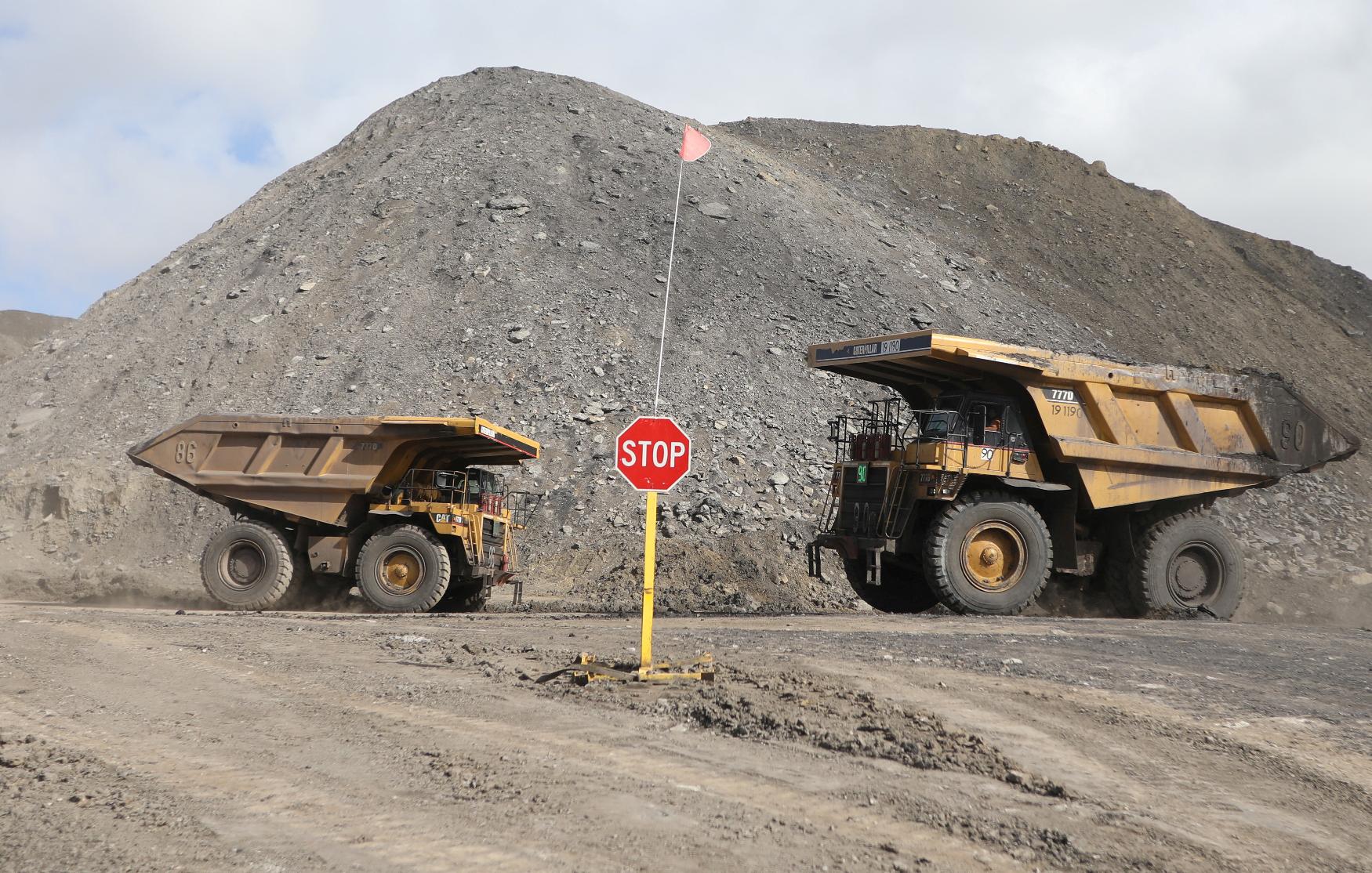
Proposal would restrict private finance for new coal plants Aims to increase finance to retire existing plants early OECD countries considering proposal, want deal by COP29 Backers include France, U.S., UK. Japan pushes back BRUSSELS/LONDON, June 7 (Reuters) - Some of the world's major economies want to finalise a plan ahead of this year's U.N. climate summit to halt new private sector funding for coal projects, five sources with direct knowledge of the matter told Reuters. If approved, the draft proposal by the Organisation for Economic Co-operation and Development, would be the first move by a multilateral institution to curb financing for coal, one of the biggest causes of climate change, which produces more carbon dioxide emissions than oil or gas when it is burned for energy. The draft plan, which aims to set a "gold standard" policy for how financial institutions approach coal, instructs investors, banks and insurers to halt new financing to existing or planned coal projects, and end funding to companies building coal infrastructure, the sources said. Under the plan, financial institutions would fund the early retirement of coal plants, rather than divest from these assets. And early closures of coal-fired facilities should be matched with financing for clean energy to replace the lost coal capacity. Commercial banks' lending and underwriting to the coal industry totalled $470 billion between January 2021 and December 2023, the NGO Urgewald said in a report New Tab, opens new tab last month. OECD countries - whose 38 members include most of the world's biggest market-focused democracies - are preparing feedback on the proposal, which is set to be put out for public consultation before a formal adoption ahead of the U.N. COP29 climate summit in Azerbaijan in November. The OECD policy would be non-binding, but would aim to set an international standard used by companies' boards and shareholders. Previous OECD guidelines New Tab, opens new tab - for example, on child labour - have been adopted by some multinational companies, setting a standard for dealing with countries where no formal child labour laws exist. France, the United States, Britain, Canada and the European Union are among backers of the proposal, part of a "Coal Transition Accelerator" initiative conceived by France at last year's COP28 climate summit, the sources said. That project, which also focused on reducing the cost of capital for clean energy investments, was backed by coal-reliant emerging economies including Indonesia and Vietnam - both of which have entered multi-billion-dollar deals with donor countries to reduce their coal reliance. The biggest push-back on the OECD proposal has come from Japan, three of the sources said. Japan is the world's third-biggest coal importer and gets more than a quarter of its energy from coal. OECD members approve new guidelines by consensus. Japan's ministry of economy, trade and industry did not immediately reply to a Reuters request for a comment. Some of the sources said the proposal could yet be watered down, potentially to halt project finance but not general corporate purpose lending, or it could target investments in power plants rather than all coal infrastructure. G7 country leaders - among them, France, the U.S. and Japan - are expected to debate their efforts to phase out coal at a summit in Italy next week. Two sources said the outcome of the G7 summit could influence the aims of any OECD deal. Governments, including the G7, have banned or limited public funding for coal power as they strive to meet climate goals, so most coal funding now comes from the private sector. Only a quarter of financial institutions currently have policies that restrict their coal financing, according to S&P Global. Global coal power capacity stands New Tab, opens new tab at more than 2,000 gigawatts - with another 500 gigawatts of new capacity in development, most of it in China. Coal project owners can face complex economics to close plants early. For emerging economies with young coal plants, like India and Vietnam, early retirement can be complex if the upfront investments needed to build the plant will only be paid back over a plant's full lifespan - typically, around 40-50 years. Sign up here. https://www.reuters.com/business/environment/major-world-economies-seek-halt-new-private-sector-coal-financing-2024-06-07/
2024-06-07 11:00
BERLIN, June 7 (Reuters) - Germany won the European Union's informal approval to pay billions of euros to gas powered plants to be able to stabilise the grid when unsteady renewable energy supplies fall short, people familiar with the negotiations told Reuters on Friday. An agreement in principle was reached with the EU's competition authorities for state support to utilities for the 10 gigawatt (GW) scheme but some details for an official approval are to be hammered out over the next few weeks, government and company sources said. They added that the German government secured an agreement to a set of terms that will change over time as the long-term scheme, which is known as the National Power Station Strategy, evolves. Berlin expects to receive an EU document outlining the informal agreement on Friday, the sources said. Germany is transitioning to renewables, having switched off nuclear power and seeking to phase out coal-powered electricity, but wants to give state support for natural-gas powered plants that underpin the grid during demand peaks and lows in unsteady supply from wind and solar power. The power stations need to be able to also run on green hydrogen but the transition to the new fuel will likely be between 2035 and 2040, the government has said. The German economy ministry did not confirm an agreement, and said that very good progress had been made in EU talks. The EU Commission said it was in close and constructive discussions with German authorities but would not further comment on details or timing. The state plans to tender contracts for utilities, such as RWE (RWEG.DE) New Tab, opens new tab, EnBW (EBKG.DE) New Tab, opens new tab and Uniper (UN0k.DE) New Tab, opens new tab, to build and run the plants. Contracts will be based on financial rewards for standing by in what is known as a capacity market. The reverse auctions will be designed to award contracts to companies agreeing to the lowest subsidies. German Economy Minister Robert Habeck said on Thursday he was nearing an agreement after drawn-out negotiations with the EU. Sticking points included uncertainty over when the plants will switch from natural gas to hydrogen, he added. The nation's Power Station Strategy was unveiled in February. Sign up here. https://www.reuters.com/business/energy/germany-gets-informal-eus-go-ahead-support-gas-fired-power-sources-say-2024-06-07/

2024-06-07 10:50
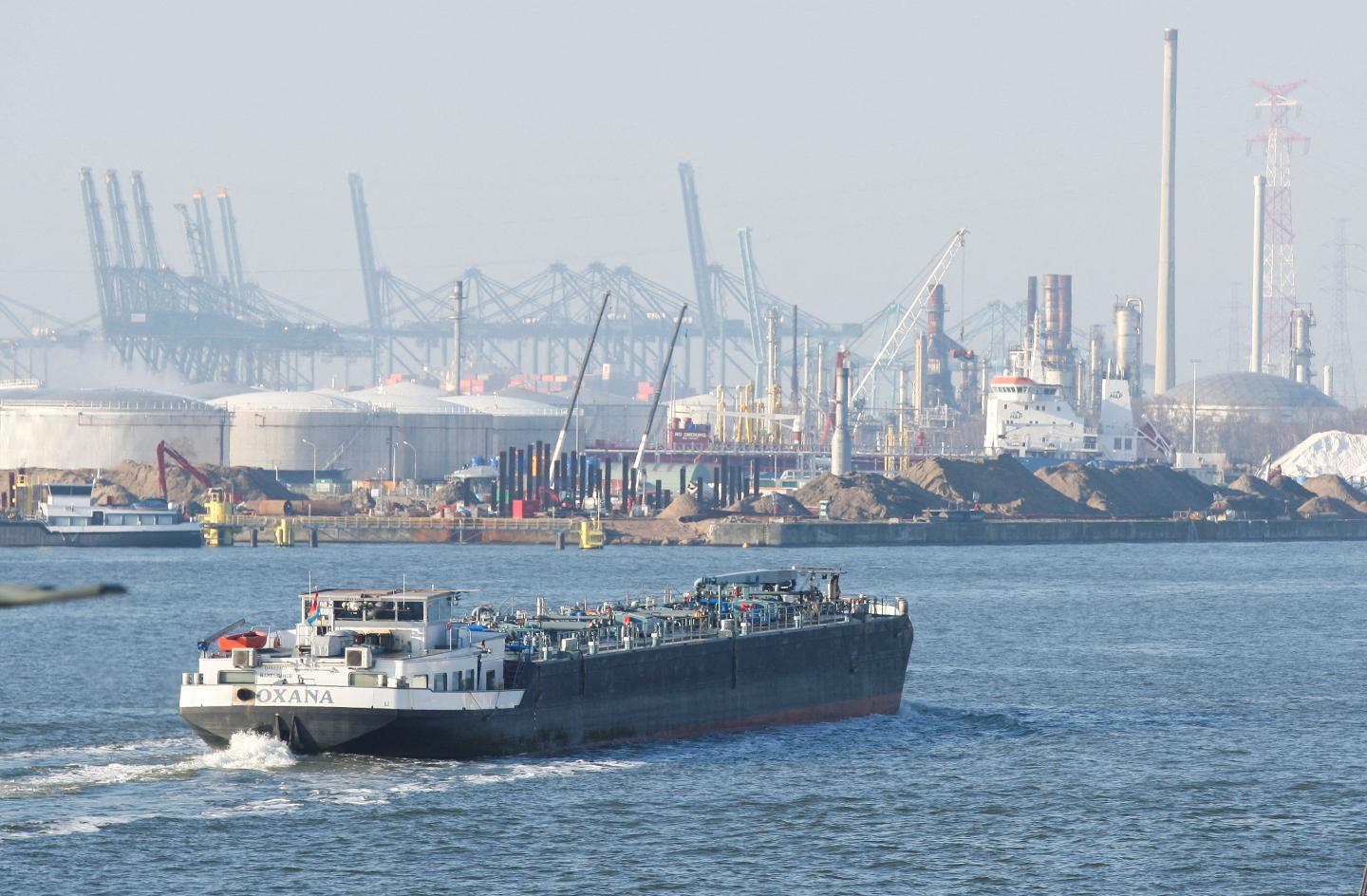
BRUSSELS, June 7 (Reuters) - Authorities at the port of Antwerp have closed a dock and are using drones to monitor the fallout from an oil spill that occurred while a ship was bunkering at one of its docks, a port spokesperson said on Friday. "We are doing everything we can to make sure the oil stays locally," the spokesperson said. Belgium's biggest port closed its Deurganck Dock as well as the Kieldrecht lock, the largest lock in the world when considering water volume, to prevent the spill's spread. The port spokesperson said 20 ships needed to be cleaned from the oil before they could leave the dock, as well as the dock's walls and water. She could not say how much oil spilt into the water during the incident or specify the type of ship that lost it. Sign up here. https://www.reuters.com/markets/commodities/antwerp-port-closes-dock-lock-due-oil-spill-2024-06-07/