2024-06-07 10:25
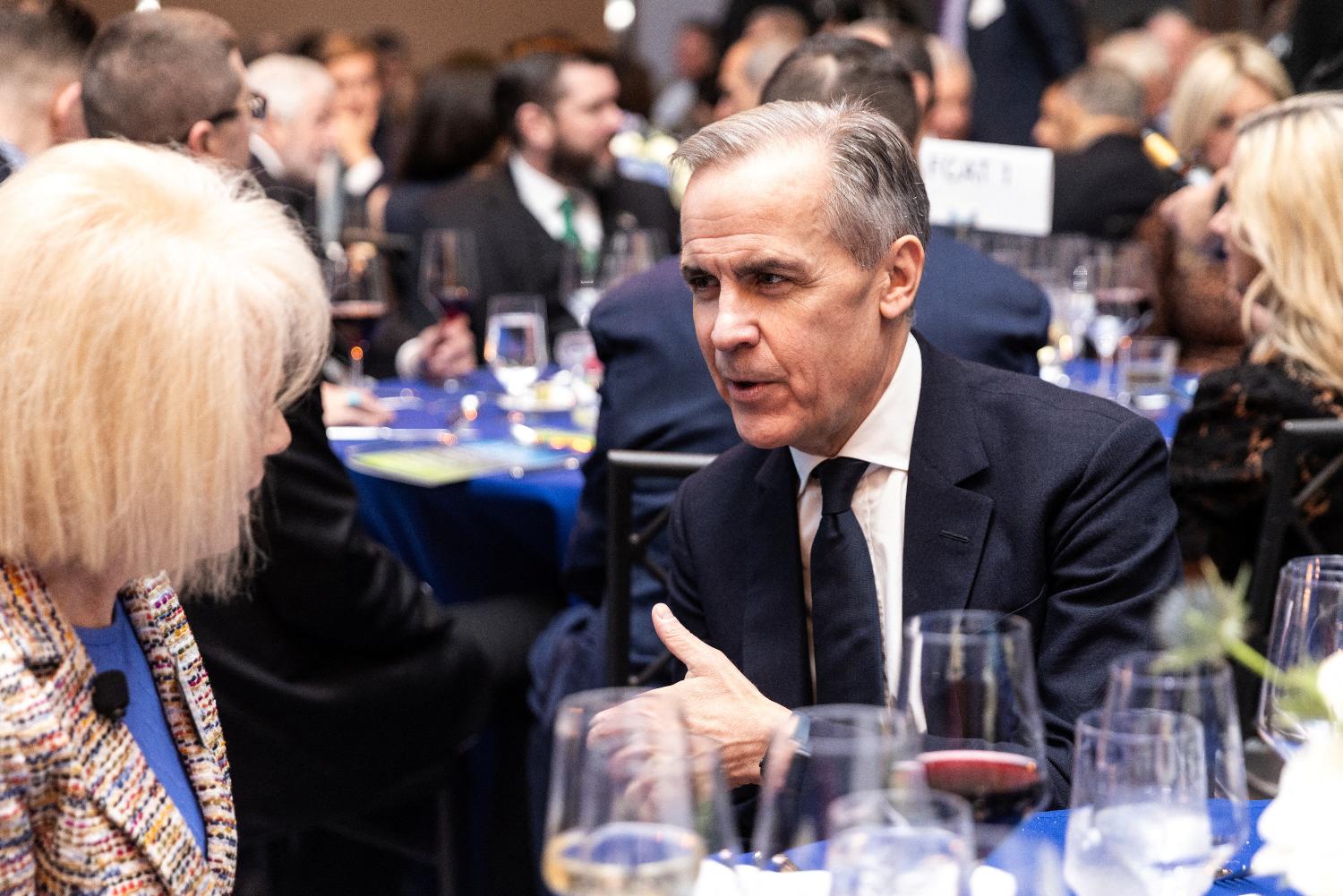
June 7 (Reuters) - A U.S. lawmakers' committee conducted interviews with two Glasgow Financial Alliance for Net Zero (GFANZ) leaders, former central bank governor Mark Carney and former U.S. Securities and Exchange Commission Mary Schapiro, in an escalation of their push against global coalitions to tackle climate change. The House of Representatives' judiciary committee, which is controlled by Republicans led by its chairman Jim Jordan, set up the interviews earlier this year out of concern that GFANZ "appears to facilitate collusion that may violate U.S. antitrust law," according to letters to GFANZ staff reviewed by Reuters and people familiar with the matter. Several Republican-controlled states have been already targeting Wall Street firms for entering into climate coalitions and marketing environmental, social and corporate governance (ESG)-focused investment products, fretting that these initiatives will harm jobs in the fossil fuel industry. This latest mobilization of Republicans at a federal level, however, marks a new phase in their war on ESG. While legislation is unlikely as long as Democrats control the White House and the Senate, any bill they propose could offer hints at what a new administration led by Republican Donald Trump, should he prevail in the election in November, could try to implement. The judiciary committee also asked to interview Michael Bloomberg, the majority owner of the eponymous financial data and news provider who helps fund GFANZ's secretariat, as well as GFANZ Patricia Hudson and Sara Simonds, according to the letters reviewed by Reuters. They have not yet made an appearance and Reuters could not learn if they plan to do so. Carney, Schapiro, Bloomberg, Hudson and Simonds could not be reached for comment, and a GFANZ spokesperson declined to comment on their behalf as well as on behalf of the organization. Spearheaded by Carney and backed by the United Nations, GFANZ was launched in 2021 for financial firms to liaise on efforts to curb greenhouse gas emissions. It now has more than 650 members, including banks, insurers, asset managers, financial service providers and investment consultants. Schapiro and Carney were interviewed for several hours by the judiciary committee on Feb. 14 and April 17, respectively, the sources familiar with the matter said. Lawyers working for Republicans and Democrats on the committee asked the questions, and Schapiro and Carney were not required to take an oath, the sources added, requesting anonymity because the matter is not public. In the interviews, Schapiro and Carney were asked about their communications with other Wall Street leaders, including BlackRock (BLK.N) New Tab, opens new tab CEO Larry Fink, the sources said. A BlackRock spokesperson did not immediately respond to a request for comment. The judiciary committee has scheduled a hearing on June 12 to further investigate collusion in ESG investing, according to a notice it has circulated. Investor groups focused on tackling climate change are expected to appear. NO PRECEDENT No antitrust lawsuit has so far been brought against any climate coalition of companies. Yet fear of being accused of colluding has driven some financial firms out of such coalitions or has pushed them to reduce their level of co-ordination. In the most prominent of such cases, the Net Zero Insurance Alliance, a coalition of insurers backed by GFANZ, was dissolved earlier this year after many of its members fled fearing an antitrust crackdown in states in which they are regulated, such as Iowa. This grouping was replaced by the Forum for Insurance Transition to Net Zero, which has looser membership requirements. Climate coalitions have also suffered from lack of enough action among their members. Prospects of bringing global emissions down to zero on a net basis, a target born out of a 200-country pact struck in Paris in 2015 to limit global warming to 2 degrees Celsius (3.6 degrees Fahrenheit) above preindustrial times, have dwindled. BlackRock, the world's largest asset manager, has been at the forefront of scrutiny in some Republican-run states over its ESG policies. Fink said last year BlackRock lost around $4 billion in assets under management as a result of controversy. He has stopped using the term ESG, arguing it has become too politicized. Sign up here. https://www.reuters.com/sustainability/boards-policy-regulation/us-house-committee-grills-carney-schapiro-push-against-climate-coalitions-2024-06-07/
2024-06-07 10:05
A look at the day ahead in U.S. and global markets from Mike Dolan After a frenetic week of G7 interest rate cuts, new records for stocks, another scramble for AI and a wave of elections, world markets have frozen awaiting the U.S. employment report. The May payrolls report comes just ahead of next week's Federal Reserve meeting and most of the labor market updates in recent days have indicated a gradual cooling in employment. For the record, consensus forecasts indicate non-farm payrolls growth picked up a touch last month to 185,000 from 175,000 in April - and the monthly rise in average earnings also ticked higher to 0.3%. But the unemployment rate is set to remain at 3.9% and if that holds, Deutsche Bank strategists point out, it will mark the 28th month below 4% - the longest such stretch since the 1950s. It would have to be a shocker for recession alarm bells to sound and would need to jump as high as 4.3% to trigger the oft-cited "Sahm rule". Developed by former Fed economist Claudia Sahm, it suggests a recession red flag if the rolling three-month average jobless rate rises half a point above the low of the prior 12 months. But the cooler labor market seen this week in weekly unemployment claims, falling vacancies and a contracting service sector jobs components has already seen Fed rate cut expectations revived to two quarter-point moves this year, starting in September. And 10-year Treasury yields MSCI's world share index (.MIWO00000PUS) New Tab, opens new tab stalled in advance of the report after touching an all-time high on Thursday and Wall Street stock futures were flat ahead of the bell. Oil steadied as OPEC+ members Saudi Arabia and Russia indicated readiness to pause or reverse oil output increases, but crude was still headed for its third straight weekly loss on demand concerns. China's stocks (.CSI300) New Tab, opens new tab were once again in downbeat mood and a notable underperformer in Asia even though the country's May export numbers beat forecasts. But against global concerns about a fresh Chinese export push to flatter an economy suffering from still-fragile domestic consumption, the big concern import growth slowing much more than expected to just 1.8% from a 8.4% jump in the previous month. Chinese stocks were also hit by a report that U.S. lawmakers pushed to ban Chinese battery firms with ties to Ford and Volkswagen from exporting to the United States. In Europe, stock markets slipped back and the euro was slightly firmer after the European Central Bank on Thursday delivered its long-telegraphed first rate cut - but sowed some doubts about the extent and speed of further easing from here. Markets don't see another cut before September. And after the artificial intelligence boom re-ignited again this week, with Nvidia (NVDA.O) New Tab, opens new tab hitting new highs and topping a $3 trillion market cap, attention was now on how the firm's shares would react to today's pre-announced stock split. Nvidia fell back 1% on Thursday, back to being the world's third most valuable company the day after it jumped ahead of Apple (AAPL.O) New Tab, opens new tab to take second place. Key diary items that may provide direction to U.S. markets later on Friday: * US May employment report, April consumer credit; Canada May employment report * European Central Bank President Christine Lagarde speaks Sign up here. https://www.reuters.com/markets/us/global-markets-view-usa-pix-graphics-2024-06-07/

2024-06-07 09:56
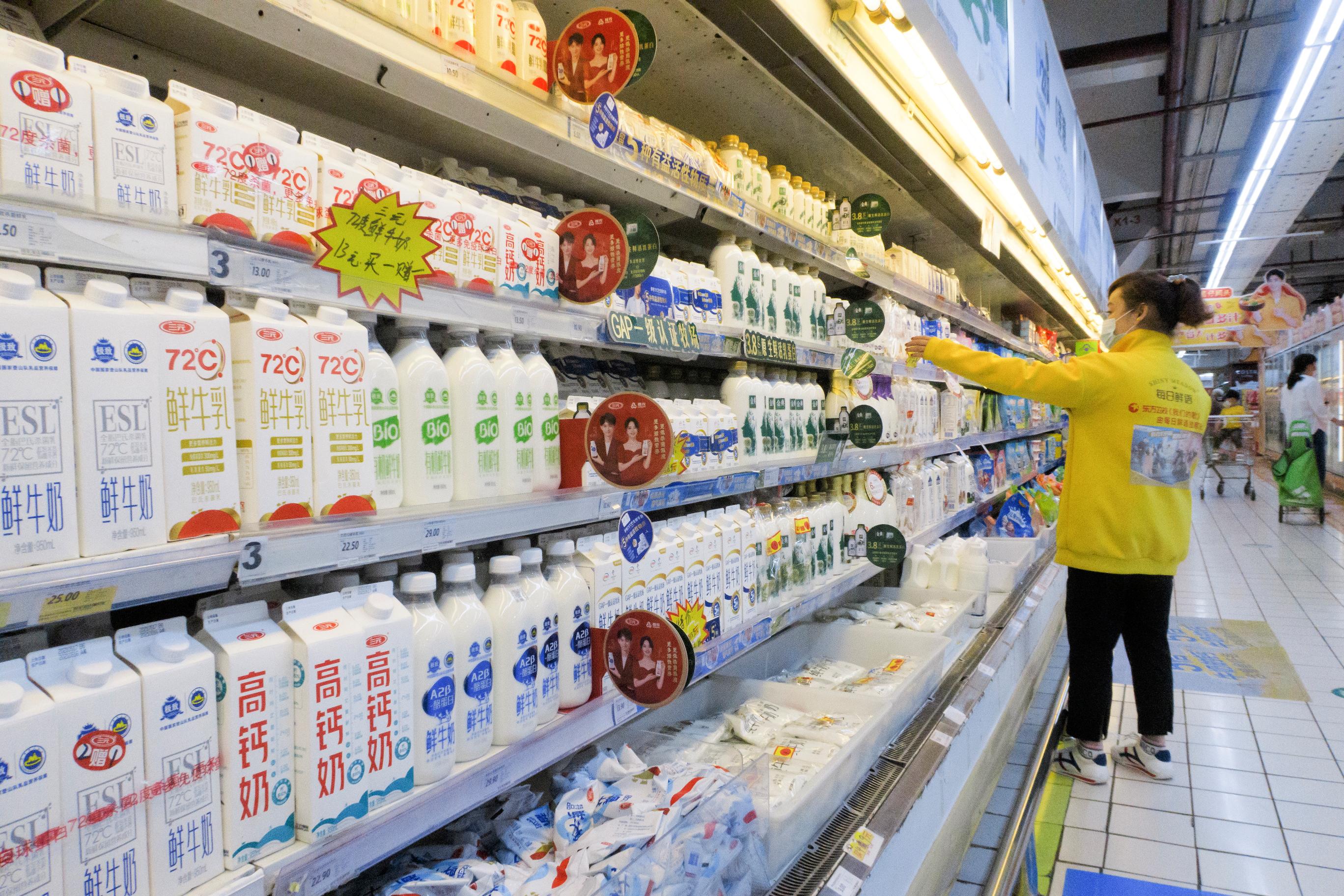
LONDON, June 7 (Reuters) - The United Nations world food price index rose for a third consecutive month in May, as higher cereals and dairy product prices outweighed drops in prices for sugar and vegetable oils. The U.N. Food and Agriculture Organization's price index, which tracks the most globally traded food commodities, averaged 120.4 points in May, up 0.9% from its revised April level, the FAO said on Friday. The May reading was nonetheless 3.4% below the level seen a year earlier. The FAO index hit a three-year low in February as food prices continued to ease off from a record peak set in March 2022, following Russia's invasion of fellow crop export major Ukraine. The uptick in May was supported by cereal prices rising 6.3% month-on-month amid growing concerns about unfavourable crop conditions curbing 2024 harvests in key producing areas like northern America, Europe and the Black Sea region. Dairy prices increased 1.8% in May from April, the FAO said, underpinned by increased product demand ahead of the summer holidays amid worries that milk production in western Europe may fall. The FAO's May sugar index fell sharply, decreasing 7.5% on a monthly basis, as a good start to the new harvest in top producer Brazil got underway. Vegetable oil prices declined 2.4% for the month, as palm oil quotations fell amid rising seasonal output. In a separate report on cereals supply and demand, the FAO forecast 2024/25 world cereal production at 2.846 billion metric tons, roughly on a par with 2023/24's record output, as barley, rice and sorghum output is seen increasing, offsetting declines in maize and wheat. The FAO warned, however, that the "recent adverse weather conditions in the Black Sea region will likely result in a downgrade in world wheat production, a possibility not yet reflected in the forecast". World cereal utilisation in 2024/25 was seen increasing 0.5% year-on-year to a new record high of 2.851 billion tons, the FAO said. World cereal stocks will likely increase 1.5% from their opening levels to a record 897 million tons, it added. Sign up here. https://www.reuters.com/world/world-food-prices-up-may-third-consecutive-month-un-agency-says-2024-06-07/
2024-06-07 09:41
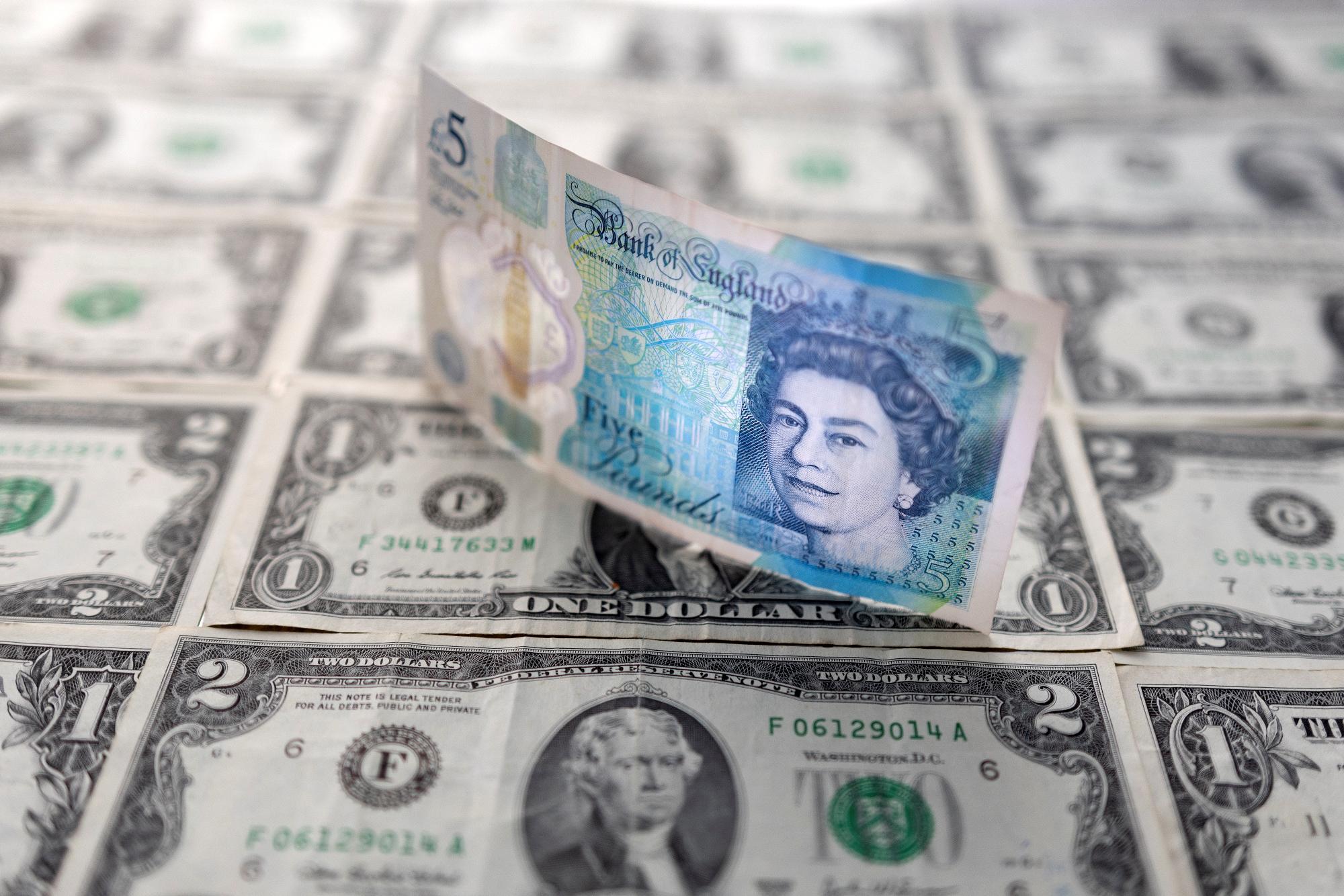
LONDON, June 7 (Reuters) - The pound was headed for a fourth consecutive weekly gain against the dollar on Friday, its longest rally since March last year, as investors prepared for data on the health of the U.S. labour market that could shape the outlook for U.S. rates. Sterling was unchanged at $1.2789 at 0915 GMT. On a weekly basis, sterling is set for a rise of 0.4% and is around its highest since March, having topped $1.28 earlier in the week. But much of that rally has been the result of dollar weakness, rather than pound strength. Against the euro , sterling has performed far more modestly recently. It is roughly flat against the single European currency, a day after the European Central Bank delivered its first rate cut in five years. That said, the pound is not far off its strongest against the euro since October 2023, largely down to the expectation among investors that the Bank of England will not lower interest rates until later this year. Money markets show traders currently believe UK rates could fall to around 4.82% by December, from 5.25% right now. ECB rates are now at 3.75% and are expected to fall by at least another quarter point, and possibly by half a point, by year-end. , Friday's session will be dominated by U.S. non-farm payrolls, which economists expect to have risen by 185,000 in May. Traders are currently pricing in two quarter-point rate cuts from the Federal Reserve this year, with the first most likely in September. There is a slimmer chance of two UK rates this year, given that some metrics, such as wage growth and service-sector price pressures, are still well above the Bank of England's comfort zone, even if headline inflation has slowed substantially. Next week brings data on UK economic growth and employment, which could offer investors a steer on what to expect from the BoE in the coming weeks. Bad weather over April and May has weighed on metrics such as consumer spending, but other data points, such as business activity, are showing signs of weakness too. "Of late much has been made of the wet weather, but for us the continued use of this ‘explanation’ is starting to wear thin, with signs of genuine weakness in demand here rather than merely attributable to the weather," Santander UK economist Gabriella Willis said. "A quarter of tepid growth would probably be perfect for the BoE right now, 'not too hot, nor too cold', giving the BoE time without a sharp contraction in activity forcing its hand with early cuts and without strong demand reigniting more robust price-setting behaviour," she said. Sign up here. https://www.reuters.com/markets/currencies/sterling-set-fourth-weekly-rally-ahead-us-payrolls-2024-06-07/
2024-06-07 09:37
TOKYO, June 7 (Reuters) - Japanese Prime Minister Fumio Kishida's advisory panel tasked with growth strategies called on Friday for the government and the Bank of Japan (BOJ) to be vigilant to the impact of the yen's depreciation. The call reflects the government's growing concerns about a weak yen, a headache for Kishida's administration as the currency's decline pushes up households' cost of living by inflating the price of imported food and fuel. "The yen has weakened by about 10% to the dollar since the beginning of this year, and the impact of this depreciation may be reflected in inflation over the next six months to a year," the panel said in its draft action plan on Kishida's "new capitalism" programme of driving growth. The government and the Bank of Japan should work closely to achieve the 2% inflation target in a sustainable and stable manner through flexible policy management, the draft said. "The impact of the yen's depreciation on prices should be closely monitored as such impact will eventually be reflected," it said. The reference to the weak yen's impact also figured in a draft of this year's long-term economic policy roadmap, keeping the BOJ under pressure to raise interest rates or slow its huge bond buying, moves some analysts believe could slow the currency's declines. BOJ Governor Kazuo Ueda has ruled out using monetary policy to directly influence exchange-rate moves, but signalled the chance of raising rates if the weak yen pushes up inflation more than expected. Kishida's cabinet is expected to approve both the action plan and economic policy roadmap later this month. The draft also called for more government support to help global expansion of Japan's entertainment content businesses, such as animation, manga, films and gaming. "Overseas sales of Japanese (entertainment) content are larger than Japan's steel exports in terms of value," it said, adding that the entertainment content represents "assets that Japan should be proud of". Sign up here. https://www.reuters.com/markets/currencies/japan-growth-strategy-panel-calls-vigilance-weak-yen-impact-2024-06-07/

2024-06-07 07:42
LONDON, June 9 (Reuters) - U.S. Federal Reserve and Bank of Japan meetings, a G7 gathering, plus key U.S. inflation and UK jobs data are all coming up in the week ahead - and that's not all. Markets are digesting results from the June 6-9 European Parliament election and a shock decision from France to hold a snap election, while Britain's Labour Party is expected to unveil its policy plans before a July 4 election it is tipped to win. Here's the lowdown on the week ahead in world markets from Lewis Krauskopf and Ira Iosebashvili in New York, Kevin Buckland in Tokyo, and Karin Strohecker, Dhara Ranasinghe and David Milliken in London: 1/ DOUBLE TROUBLE The Fed looks certain to hold rates steady when it ends a two-day meeting on June 12. Inflation has cooled after aggressive rate hikes starting in 2022 but has not yet fallen to its 2% target. May inflation figures are released just hours before the Fed statement. Further signs of inflation easing could cement expectations for rate cuts, especially given signs of economic weakness. Wall Street, boosted by cooling inflation, will be watching closely. Traders continue to price in some monetary easing this year, although bets for a September move were slashed after Friday's robust jobs numbers. A bad inflation miss could spook investors and bring back recession fears that have laid dormant for months. No doubt, the data could fire markets up ahead of Fed Chair Jerome Powell's post-meeting press conference. 2/ TALE OF THE TAPER Bank of Japan Governor Kazuo Ueda has already dropped a strong hint of what to expect at June's meeting. He said on Thursday that it would be appropriate to reduce still-massive bond purchases as the BOJ exits decades of stimulus, stressing policymakers will move "cautiously" on rate hikes after delivering its first rise since 2007 in March. A consensus is building for some kind of taper of long-running quantitative easing when the BOJ concludes its two-day gathering on June 14. Mizuho Securities sees a good chance of a 1 trillion yen ($6.4 billion) cut in monthly purchases to roughly 5 trillion yen per month, which could be weathered by bond markets. Whether that supports the battered yen is a separate matter, with the BOJ and government concerned a weak currency could derail a hoped-for cycle of mild inflation and steady wage gains. 3/ PUSHING FOR UKRAINE Leaders of the Group of Seven are pushing for progress on how to funnel urgently needed funds to Ukraine at a June 13-15 meeting in Bari, Italy, before they head to Switzerland for the peace summit on June 15-16. The push follows a recent EU decision to use the annual flow of windfall profits earned on immobilized Russian assets. A loan backed by the income from frozen assets could provide Kyiv with as much as $50 billion in near-term funding and has emerged as one top option. Concerns by G7 policymakers over China's growing export strength, dubbed "industrial overcapacity", particularly regarding new energy vehicles, is also in focus. The G7 meets just after EU elections and key EU figures get the chance to discuss the outcome as well as the fallout from French President Emmanuel Macron's decision to call a snap election after being trounced in the EU vote by the far right. 4/ PAY DAY Labour market data on Tuesday is in focus for UK investors assessing whether wage pressures are easing fast enough to make a Bank of England rate cut a near-term prospect. Average weekly earnings, excluding bonuses, rose by an annual 6% in the three months to March, and April's 9.8% increase to Britain's minimum wage may push that growth rate higher. Until recently, economists expected a June rate cut but persistent inflation pressures mean markets do not fully price in a move until November. Wednesday's April GDP data is likely to show growth softened after a robust 0.6% expansion in Q1. S&P says PMI data points to 0.3% growth for Q2 overall. And the opposition Labour Party launches its manifesto ahead of the July 4 election. While polls suggest Labour will hammer Prime Minister Rishi Sunak's Conservatives, some business leaders doubt Labour can turn around Britain's recent weak growth performance. 5/ THE TAYLOR RULE It's Europe's turn to benefit from music superstar Taylor Swift's Eras Tour, hitting Britain, then the Netherlands and Switzerland. Barclays reckons the tour could provide an almost one billion pound boost to Britain's economy, with spending by ticket holders more than 12 times the average cost of a UK night out. The Bank of America Institute says the tour's opening leg in Paris sparked a 22% year-on-year jump in international BofA card spending in the French capital May 9-13. The spending boost, even if temporary, suggests service-sector inflation could remain sticky for longer. Some reckon the real winner is Swift: the Eras tour made her a billionaire in October, Time magazine reported. And this won't be the last time economists debate "Swiftflation" and "Swiftonomics". Sign up here. https://www.reuters.com/business/take-five/global-markets-themes-takealook-2024-06-07/