2024-06-06 12:09
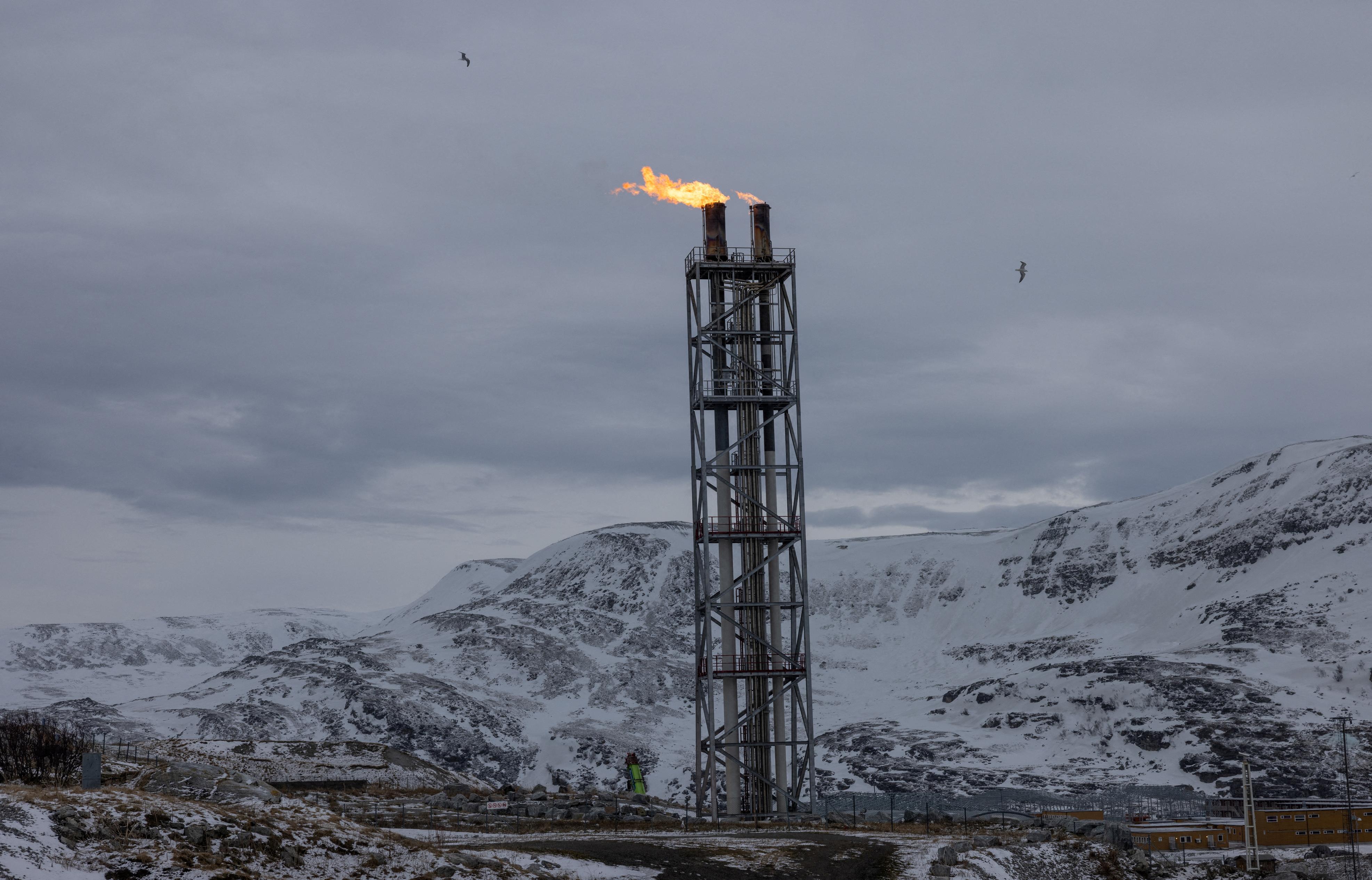
OSLO, June 6 (Reuters) - The resumption on Friday of Norwegian gas exports to Britain via the Langeled pipeline will progress at a faster pace than initially planned, Norwegian system operator Gassco said on Thursday. The ramp-up plan will see an available volume of 45 million cubic metres (mcm) of gas per day on Friday from Norway's Nyhamna processing plant, up from 35 mcm projected on Wednesday, according to a message on Gassco's transparency page. Nyhamna, which processes gas for the Langeled pipeline, has a capacity of 79.8 mcm per day when fully operational. Sunday's outage drove European gas prices on Monday to 38.56 euros per megawatt hour (MWh), their highest since December. Gassco attributed the incident to a crack in a two-inch pipeline onboard Equinor's offshore Sleipner Riser platform. Europe's benchmark gas price traded at 33.5 euros per MWh at 1202 GMT, up 0.4% from the previous day. Norway in 2022 overtook Russia as Europe's biggest gas supplier after Moscow's invasion of Ukraine, meeting roughly a quarter of the continent's demand and making any outages at Norwegian fields a possible trigger for higher prices. The outage earlier this week drove up prices in the United States and Asia too, on concerns it could tighten supply at a time of worries over remaining Russian volumes and an Asian heatwave increasing competition for liquefied natural gas (LNG). The United States is a main exporter of LNG and supply outages elsewhere increases demand for U.S. exports and in turn lifts domestic gas prices. Sign up here. https://www.reuters.com/business/energy/norway-eyes-faster-ramp-up-gas-export-britain-friday-2024-06-06/
2024-06-06 12:06
June 6 (Reuters) - (This June 6 story has been refiled to clarify the report was produced, not written, by Axelar and Metrika in paragraphs 4 and 6, and adds the name of the writer in paragraph 11) Trading stocks and bonds on blockchains at scale will remain a dream unless a global standard for cross-border activity is established that allows assets to move seamlessly across blockchains, according to a report published on Thursday. So-called tokenised assets - which represent the underlying assets - are exchanged on distributed ledger technology (DLT) that are also used for cryptocurrencies. Banks hope tokenised asset trading takes off as a way to make trading faster, cheaper and more transparent. However, a lack of cohesive global regulation is keeping assets from moving smoothly across different blockchains. Industry executives at an event in Amsterdam this week said progress on tokenising assets was moving slowly, and take-up so far is limited. Client and compliance requirements vary too widely across the globe for a single, fixed solution to meet everyone's needs, said Georgios Vlachos, co-founder of blockchain interoperability firm Axelar, which co-produced the report New Tab, opens new tab. "At the current state of things, different regulatory jurisdictions are progressing at different pace and have different focus areas," Vlachos said. The report on blockchain-based trading was produced by the Axelar Foundation and digital assets risk assessment firm Metrika, with contributions from Citi, Deutsche Bank, Mastercard and Northern Trust. Deutsche Bank said in the report that it was essential to have industry-accepted approaches for risk assessments needed to facilitate adoption. However, "standards developed too prematurely can deprive the industry of better developed solutions or become irrelevant," said Boon Hiong Chan, Deutsche Bank's Asia Pacific head of Securities & Technology Advocacy. Northern Trust expects that by 2030 the size of its digital assets market will grow to between 5% and 10% of the $13 trillion of assets it holds under custody. Currently about $85.12 billion worth of assets including government securities, fiat-back stablecoins and commodities are tokenised, according to data from 21.co New Tab, opens new tab dashboard on Dune Analytics. The report was written by independent writer Emily Parker. Sign up here. https://www.reuters.com/technology/global-rules-needed-spur-blockchain-trading-assets-report-says-2024-06-06/

2024-06-06 12:04
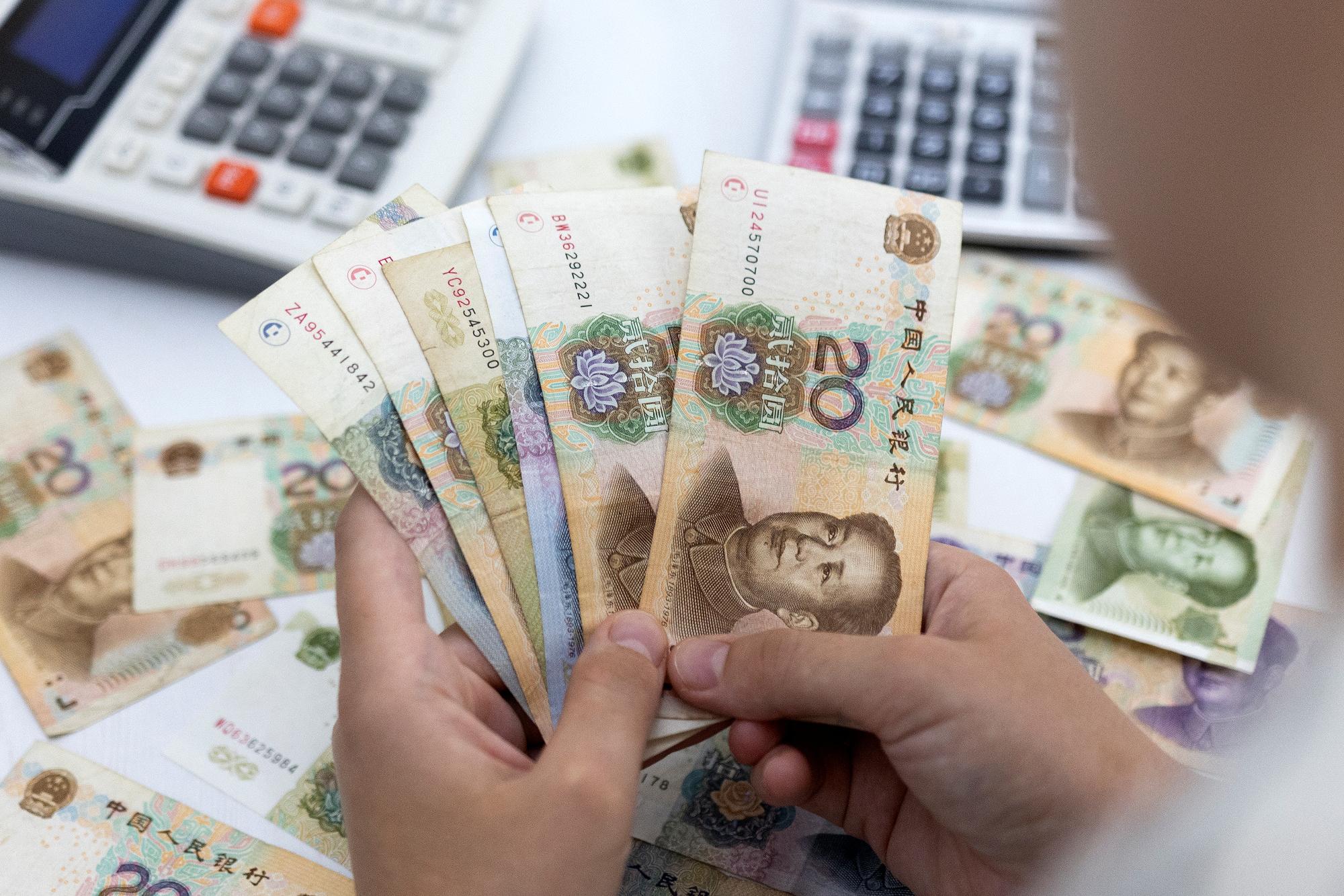
NEW YORK, June 6 (Reuters) - Emerging markets attracted foreign portfolio inflows for a seventh straight month in May thanks to investors pouring money into bonds, but persistently high U.S. interest rates are dimming the outlook, a report from a banking trade group showed. The Institute of International Finance (IIF) said net non-resident portfolio flows into emerging markets came in at $5.5 billion in May compared to a revised $8.2 billion inflow in April, IIF data show. The gains came as inflows into fixed income, at $11.5 billion, more than offset outflows of $6.0 billion from stocks -with both China and ex-China suffering. Notwithstanding the seven month-long monthly streak of inflows, "we see a diminishing trend on the level of flows, mainly attributed to the perspective of a 'higher for longer' (Federal Reserve rate) and greater volatility on markets," according to IIF economist Jonathan Fortun. U.S. inflation has remained sticky, but the U.S. economy also grew more slowly in the first quarter than previously estimated, rekindling expectations for two 25-basis point rate cuts from the Fed before the year-end. Yet a Reuters poll also showed over one-in-four participants still think the Fed could opt for only one cut this year - or none at all. June didn't start well for some of the largest emerging markets as India, Mexico and South Africa saw spikes in volatility and sell-offs across various asset classes as unexpected electoral results sent markets reeling New Tab, opens new tab. Chinese equities lost $0.7 billion in May, though there might be a change on the cards, the report said. "We see China’s stocks gaining momentum, especially if stimulus policies meet market expectations," said Fortun. Looking ahead to overall emerging market bond sales, narrowing spreads and off-shore demand could be driving fresh issuance of debt to record levels, Fortun said. "Market appetite for local currency debt across the EM complex is still supporting the overall figure." Regionally, Emerging Europe portfolios led inflows with some $6.2 billion last month, while Latin America funneled in $1.6 billion. Africa and the Middle East, and emerging Asia, saw outflows close to a billion dollars each. Sign up here. https://www.reuters.com/markets/emerging/em-portfolios-see-foreign-inflows-seventh-straight-month-may-iif-2024-06-06/
2024-06-06 12:00
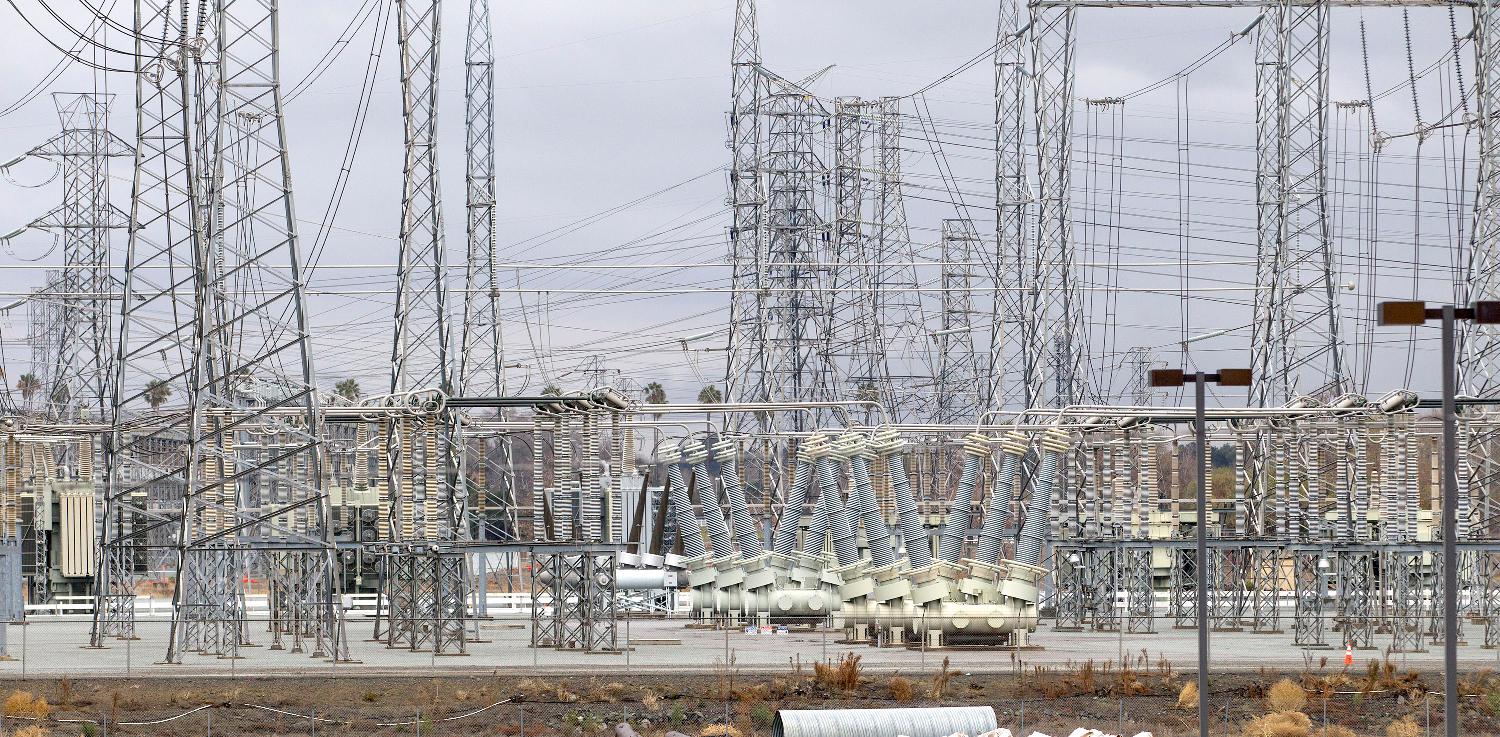
LITTLETON, Colorado, June 6 (Reuters) - Scorching temperature forecasts for the western U.S. over the coming days look set to kick-start the high season for natural gas use in the California power system, when the fossil fuel is used to feed demand from power-hungry air conditioners. July and August are historically the top months for gas-fired power generation in the California Independent System Operator (CAISO) power network, as temperatures typically peak around those months and spur higher energy demand for cooling. But forecasts for temperatures above 100 degrees Fahrenheit (38 degrees Celsius) this week look set to result in earlier-than-usual cranking of air conditioner units this year, and sharply higher gas-fired output to sustain power supply needs. More natural gas use in power generation will in turn yield higher power sector emissions, which peaked at over 6 million metric tons of carbon dioxide (CO2) a month during last summer's cooling season, according to think tank Ember. GAS FIX During the June through August period, total CAISO power demand can be roughly 25% to 30% greater than the previous and following three-month windows, CAISO load data shows, largely due to higher demand for cooling. And while power providers are steadily increasing the amount of renewable power in the CAISO system, network operators have historically lifted output from natural gas by more than other key power sources to plug potential supply shortfalls. The responsive and reliable nature of gas-fired power means that power suppliers can depend on it to plug both unexpected short-term shortfalls and longer-term system imbalances such as when demand jumps above normal for weeks at a time. Between 2021 and 2023, CAISO operators boosted gas-fired power output by an average of 72% during the June to August window from the average levels of the preceding three months. In 2024, the increase to gas use could be even higher after CAISO generators were able to cut natural gas generation in May to multi-year lows thanks to greater generation from cleaner power sources within CAISO last month. RENEWABLE GROWTH Rapid growth in renewable energy generation has helped CAISO power suppliers cut back on fossil fuel use in recent years. CAISO solar production has grown particularly quickly, increasing by 20% from 2021 to 2023, according to LSEG data. From January to May 2024, CAISO solar output was a record 771,000 megawatt hours (MWh), up 27% from the same period in 2023. Such a steep climb in solar output means solar has overtaken natural gas to emerge as the primary source of CAISO power since March. CAISO wind power generation also exceeded natural gas generation in May 2024, and along with solar output accounted for a record 51.2% share of CAISO's total power output that month, LSEG data shows. RELIABILITY ISSUES Clean power's share of the CAISO mix could expand even further over the near term as solar farms boost output over the sunniest months of the year. But the intermittent nature of renewable generation means CAISO operators must keep gas production assets primed for use. Solar production assets can provide more than 70% of total CAISO power supplies during the sunniest times of the day, but then reliably drop to generating zero power at night. Wind farms historically hit their annual high point for generation in May and early June, but then tend to steadily decrease output in July and August due to low wind speeds at turbine level during summer. To cushion power markets from the impact of such volatile swings in clean generation, CAISO operators are likely to deploy growing volumes of gas-fired power over the next several weeks. In 2023, CAISO gas-fired generation jumped from just under 150,000 MWh in May to 200,000 MWh in June to more than 400,000 MWH of output in both July and August, LSEG data shows. During July and August 2023, gas supplied over 40% of total CAISO power - far more than any other single energy source - and spewed out the highest monthly CAISO emissions tolls that year in the process. If generation trends follow the same pattern in 2024, gas production levels will have to be cranked potentially four-fold by July from less than 100,000 MWh in May. Such an upswing in gas-fired generation could yield a similar climb in power pollution, which in turn may further accelerate the warming trends that are driving up power use in the first place. But until CAISO operators can build up reliable means to discharge clean power when the sun stops shining and wind speeds slow, including through batteries and other storage means, top-ups from gas-fired plants will remain the main way CAISO keeps California cool. Sign up here. https://www.reuters.com/markets/commodities/california-set-crank-gas-power-emissions-keep-cool-2024-06-06/
2024-06-06 11:58
June 6 (Reuters) - Trading platform Robinhood Markets (HOOD.O) New Tab, opens new tab said on Thursday it has agreed to buy crypto exchange Bitstamp for about $200 million in cash, speeding up a broader push into digital assets with its biggest-ever deal. Robinhood, whose shares were up 3.4% before the bell, has been looking to expand its product offerings to become a full-fledged financial services provider. The acquisition of Bitstamp, which was founded in 2011 and holds 50 active licenses and registrations globally, puts Robinhood in direct competition with industry giants such as Binance and Coinbase (COIN.O) New Tab, opens new tab. Bitstamp's core spot exchange, popular in Europe and Asia, has over 85 tradable assets, and the deal is expected to power the growth of Robinhood Crypto. "We are in our early days in the EU and we are excited to keep expanding there and beyond. The acquisition of Bitstamp will accelerate our global expansion," Johann Kerbrat, vice president and general manager of Robinhood Crypto, told Reuters. The deal, expected to close in the first half of 2025, comes at a time when Robinhood's crypto business is seeing rapid growth but also facing regulatory hurdles in the United States. Kerbrat said the company intends to keep communicating with regulators as it moves forward. Robinhood's crypto business was the driving force behind a massive first-quarter earnings beat in May, but that same week, it also disclosed that it received a so-called Wells notice from the U.S. Securities and Exchange Commission over tokens traded on its platform. The notice is issued when the regulator plans to bring enforcement action against a company. The markets regulator has argued that crypto tokens should be considered securities and subject to its registration rules. Crypto firms, on the other hand, have accused the SEC of overreach. Robinhood's stock has surged 69% this year after saying it plans to focus on "profitable growth". Analysts expect it is primed for more gains amid a resurgence of retail trading and increasing crypto adoption. Barclays Capital and Galaxy Digital were the exclusive financial advisers to Robinhood and Bitstamp, respectively. Sign up here. https://www.reuters.com/markets/deals/robinhood-bets-big-crypto-with-200-million-deal-bitstamp-2024-06-06/

2024-06-06 11:52
Russia defends OPEC+ oil pact, but ready to react UAE minister calls countries making voluntary cuts the 'Great 8' OPEC head rejects criticism over oil deal, says demand is good ST PETERSBURG, June 6 (Reuters) - OPEC+ could tweak its latest oil output agreement which calls for some output cuts to be reversed later this year if needed to support the market, top OPEC+ ministers said on Thursday after a bearish market reaction to the complex deal. Top ministers and officials from OPEC+, which groups the Organization of the Petroleum Exporting Countries and allies led by Russia, at an economic forum at St Petersburg also praised the agreement and said the oil demand outlook was positive. Some OPEC+ members, including Russia, agreed on Sunday to phase out voluntary cuts of 2.2 million barrels per day over a year beginning from October. OPEC+ also agreed to maintain other cutbacks amounting to 3.66 million bpd until end-2025. Oil has dropped this week, with benchmark Brent crude touching a four-month low below $77 a barrel on Tuesday, pressured by skepticism about the impact of boosting supply at a time of rising output outside OPEC+ and doubts about demand. "It's a year and a half agreement, it has all the mechanics, some of the mechanics are not new, we have also exercised it before," Saudi Energy Minister Prince Abdulaziz bin Salman said. "Especially this issue of pausing or reversing." Russian Deputy Prime Minister Alexander Novak said the current OPEC+ agreement is helping to balance supply and demand and provides certainty for energy markets, adding that the group might adjust it if necessary. "However, we are ready to react quickly to market uncertainties," Novak, sitting alongside the Saudi energy minister and other guests, told the forum. On Thursday Brent was trading above $78, finding support from growing expectations of an interest rate cut from the U.S. Federal Reserve. STRONG DEMAND OPEC Secretary General Haitham Al Ghais, also in St Petersburg, defended the OPEC+ agreement, calling it a success and expressed optimism about continued strong oil demand, citing a rebound in travel. OPEC+, which groups 22 nations, is currently cutting production by 5.86 million bpd, or about 5.7% of global demand, to bolster the market. Sunday's meeting was notable for the fact that the eight OPEC+ members which have been making the extra cut of 2.2 million bpd met in person in Riyadh, while other members joined the talks online. "I would call them the 'Great 8'," UAE Energy Minister Suhail Al Mazrouei said at the forum, referring to the group which also includes Saudi Arabia, Russia, Algeria, Kazakhstan, Kuwait, Oman and Iraq. The UAE received a higher output target as part of Sunday's agreement to reflect its efforts to boost production capacity. The issue of quotas is controversial for OPEC+ and last year prompted Angola to leave the group. The UAE has been committed to OPEC+, consumers and the market despite some media reports suggesting otherwise, the minister added. He has previously said the UAE's plans to boost capacity do not mean the country was going to leave OPEC. Speaking to reporters, Novak said Russia was working on establishing its oil production capacity by autumn 2025. OPEC+ on Sunday postponed discussions on output capacity until November 2025. To try to defuse disagreements, the group has tasked three independent consultancies - IHS, Wood Mackenzie and Rystad - to assess member capacity. "It's a difficult issue," Novak said. Sign up here. https://www.reuters.com/markets/commodities/opec-could-tweak-oil-pact-if-needed-ministers-say-2024-06-06/