2024-06-05 08:09
MUMBAI, June 5 (Reuters) - India's government bonds will continue to attract foreign flows even as a narrower-than-expected victory margin for Prime Minister Narendra Modi-led alliance could prompt a shift in policy, fund managers said. Foreign investors have piled on bonds this year and remained on the buying side on Tuesday, despite the unexpected election outcome hitting stocks, bonds and the rupee on concerns over populist spending and a stalling of reforms. "The knee-jerk response of higher yields and some currency weakness could indeed be an attractive opportunity to add risk," Kenneth Akintewe, head of Asian sovereign debt at abrdn, said. In spite of a risk of more populist policies, the fiscal "starting point is much stronger than expected" and the election results do not do much to derail the positive outlook for bonds, Akintewe said. Expectations of a burst of populist spending soon after the elections may be unfounded, Adarsh Sinha, co-head, Asia FX & rates strategy at Bank of America, said. "For the government, what would be the incentive to splurge after the election in the near term?" India's fiscal deficit for the current financial year should settle around 5% of GDP against a budget target of 5.1%, Sinha said, pegging the benchmark 10-year bond yield to ease to 7% by the end of 2024. Demand from overseas investors and long-term domestic buyers had pushed bond yields down until Monday. Indian bonds are also set to be added to JPMorgan's emerging market debt index later this month, which should help stabilise yields. Bank of America's Sinha expects passive inflows of $21 billion into Indian bonds until March 2025. "Despite potential near-term outflows, India's long-term growth trajectory remains compelling, which is likely to attract inflows into government bonds over the medium term," Manish Bhargava, a fund manager at Straits Investment Management, said. Sign up here. https://www.reuters.com/markets/asia/india-bonds-still-buy-foreign-investors-despite-post-election-policy-uncertainty-2024-06-05/

2024-06-05 07:59
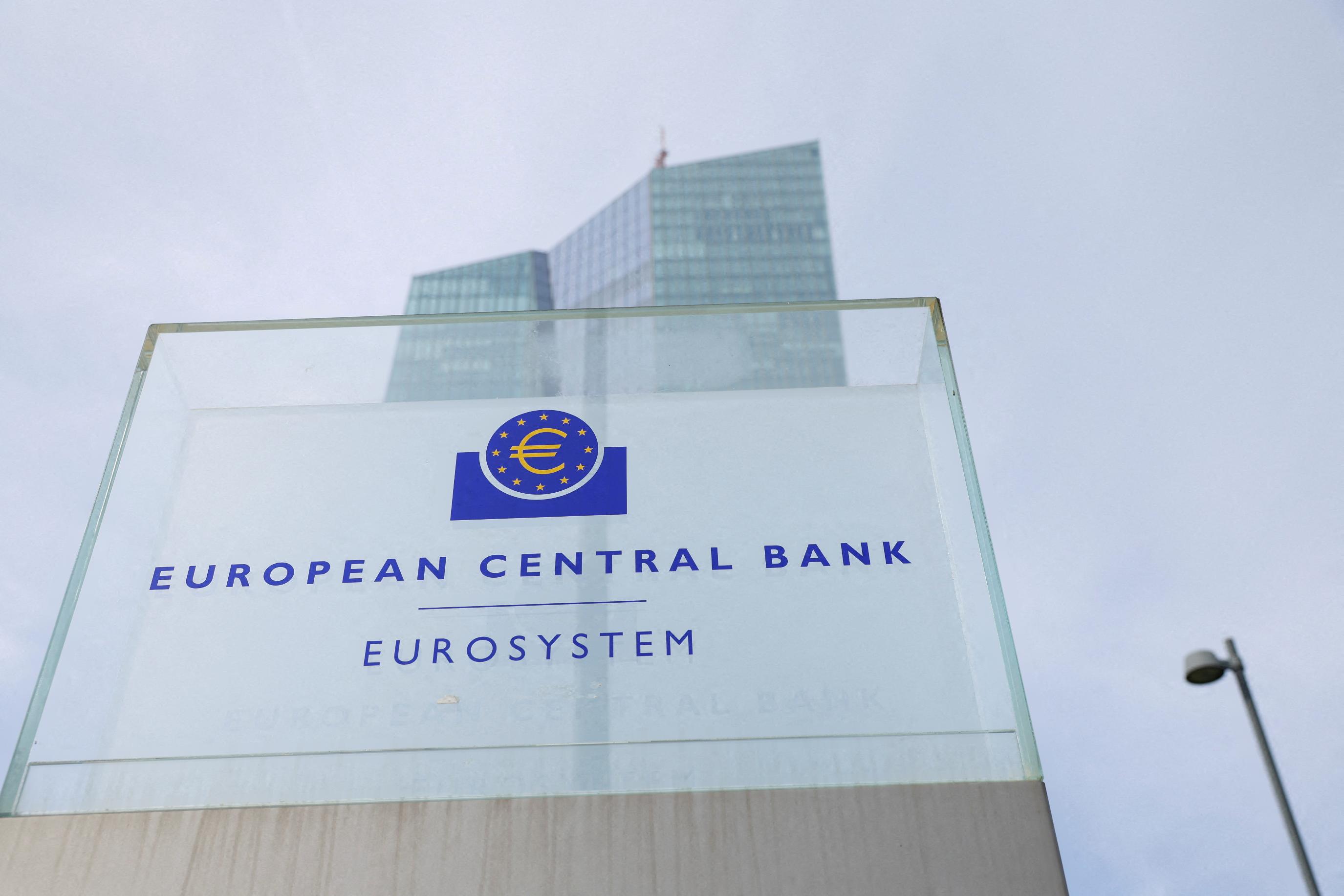
FRANKFURT, June 5 (Reuters) - Some euro zone banks have fallen short of the European Central Bank's climate-related goals and may face fines, a senior ECB supervisor said in an interview published on Wednesday. The ECB has handed banks a list of deadlines for factoring in risks relating to climate change, from floods and droughts to a transition to new energy sources, into the way they do business. But some banks have fallen behind schedule, Kerstin af Jochnick, a member of the ECB's Supervisory Board, told Spanish newspaper Cinco Dias. "We have notified a few banks that, based on our current assessment, they have not met the interim milestones, which means they face the prospect of having to pay a so-called pecuniary penalty," af Jochnick said. The ECB can fine banks up to 5% of their daily turnover until the issue is resolved or for up to six months. Banks have the right to be heard before any fine, known as "periodic penalty payment" in ECB speak, is enforced. "Supervisors will need to assess the documents that banks submit and the total number of days that they might have failed to comply past the deadlines we gave them," af Jochnick said. "This will form the basis for any potential penalty, which would need to be decided upon by the Supervisory Board. So it’s a process that is not over yet." The ECB has been putting pressure on laggards for over a year- to some effect. The ECB's top supervisor, Claudia Buch, said on Tuesday "almost all banks" had acknowledged they faced material financial risks from climate change and were "adjusting their risk management step by step". The ECB, which oversees euro zone's large banks and sets monetary policy for the area is widely expected to start cutting interest rates on Thursday, in a sign that it its battle against high inflation is nearing an end. Sign up here. https://www.reuters.com/sustainability/sustainable-finance-reporting/some-euro-zone-banks-may-be-fined-after-missing-ecb-climate-goal-2024-06-05/
2024-06-05 07:35
LONDON, June 5 (Reuters) - (This June 5 story has been corrected to change the month to May, from April, in paragraph 16) A group of 10 West African countries has weighed into a debate over whether companies around the world should be allowed to use carbon offsets to cut emissions, arguing they are critical to attracting financing for climate and conservation efforts. While some scientists and technical advisers have criticised offsets as undermining efforts to rein in climate change by permitting continued greenhouse gas emissions, others see them as a necessary tool to boost crucial finance. In a letter to the Science-Based Targets initiative (SBTi), the world's top corporate climate-target verifier, the 10 countries called on its trustees to ensure offsetting is included within net-zero guidance to companies. The letter, signed by Burkina Faso, Cape Verde, Ivory Coast, Gambia, Guinea-Bissau, Guinea, Liberia, Mali, Senegal and Togo, said recent reports questioning the validity of offsetting emissions were the work of "misguided activists". There is growing debate over the ethics and efficacy of offsets, also called carbon credits, to excuse some corporate emissions. Offsets are generated by investing in projects that lower or prevent carbon emissions and can be traded. On Wednesday, U.N. Secretary-General Antonio Guterres weighed into the fray, warning about "dubious carbon offsets that erode public trust while doing little or nothing to help the climate." "We need high integrity carbon markets that are credible and with rules consistent with limiting warming to 1.5 degrees. I also encourage scientists and engineers to focus urgently on carbon dioxide removal and storage – to deal safely and sustainably with final emissions from the heavy industries hardest to clean." The letter's main author told Reuters that the lack of certainty in the SBTi's guidance was damaging corporate confidence and slowing financing. "The SBTi is, rightly or wrongly, the gatekeeper that can unlock finance from corporations around the world that wish to contribute to climate action ... at the same time as (and not instead of) taking action to decarbonise their valuation," said Ousmane Fall Sarr, coordinator of the West African Alliance on Carbon Markets and Climate Finance. The SBTi's current guidance only allows very limited use of renewable energy certificates which a company can use to reduce so-called Scope 2 emissions, those related directly to the energy it uses. But SBTi's board of trustees said on April 9 that, subject to certain rules and guidance, it would allow them for Scope 3 emissions, those associated with their supply chains, distribution and product use. This was welcomed by both companies and developing countries that are relying on carbon offset projects to generate cash. Uncertainty remained, however, because the board had not followed SBTi's normal procedure for policy-setting. SBTi has said it is reviewing the scientific research and debating the issue before making a final call. In a statement to Reuters, it said it welcomed feedback from all stakeholders, and would open a public consultation once its research was complete. 'NO ALTERNATIVE' The SBTi, formed by a coalition of non-profit organisations, is seen as a key player in global efforts to scale up the market for voluntary carbon credits by addressing quality concerns and ensuring they deliver the benefits they claim. The United States added momentum on May 28 by unveiling its own guidelines for voluntary carbon credits. In their May 24 letter, the West African countries reminded the SBTi board of its pledge in April, which is still on its website. "To us, carbon markets is climate finance," the letter said. "There is no alternative. We are at a pivotal moment." With climate financing still far below needed levels, the letter said offset revenues were crucial to supporting poor communities, encouraging conservation, making the transition to clean energy and adapting to the conditions of a warmer world. The OECD has said poor nations' actual climate investment needs could total $1 trillion per year by 2025. Ousmane said the lack of clarity on offsets would also hold up country efforts to calculate and update their national climate plans ahead of the COP29 United Nations climate summit in November in Baku, Azerbaijan. Countries must update these "nationally determined contributions" before next year's COP30 summit in Brazil, but are being encouraged to submit them this year. Sign up here. https://www.reuters.com/sustainability/climate-energy/west-african-nations-call-firms-be-able-offset-carbon-2024-06-05/

2024-06-05 06:52
JAKARTA, June 5 (Reuters) - Indonesia's central bank will continue to intervene in the foreign exchange market to stabilise the rupiah , its governor said on Wednesday, adding that the currency would strengthen next year. The rupiah recouped some of its losses on Wednesday to stand at 16,265 a dollar by 0603 GMT, after having weakened as much as 0.46% to a four-year low of 16,290. Governor Perry Warjiyo's comments came in a parliament meeting to discuss economic assumptions for next year that will be used to prepare the budget for 2025. "Amid global turbulence, we continue our efforts to maintain the rupiah exchange rate by intervention in the foreign exchange market as well as when we raised the central bank rate to prevent foreign outflows," Warjiyo said. Warjiyo reiterated a projection for the rupiah to trade in a range of 15,700 to 16,100 a dollar this year, while expecting it to strengthen further next year to between 15,300 and 15,700 as the U.S. Federal Reserve's rate cut intentions become clearer. The central bank forecast the U.S Fed will start cutting its key policy rate by 25 basis points at year-end, followed by a total of 50 basis points in the first half of 2025, Warjiyo added. In April, Bank Indonesia (BI) delivered a surprise hike in interest rates to support the rupiah, but kept rates steady last month as inflation was in check and the rupiah had stabilised. Its board of governors next meets to discuss rate policy on June 19 and 20. The central bank will keep up its close co-ordination with the government to control inflation, Warjiyo added. Fiscal and monetary policies must be synchronised to respond to market volatility, Finance Minister Sri Mulyani told the meeeting. "The central bank governor and I both see that we need to continue to calibrate and synchronise the fiscal and monetary policies because the trade-off policy challenges become very tight," Sri Mulyani said. The measures taken aimed to support economic growth and manage financial stability, she added. The government has proposed an economic growth target of 5.1% to 5.5% for 2025. For 2024, the target was 5.2%. Sign up here. https://www.reuters.com/markets/currencies/indonesia-cbank-continue-intervention-stabilise-rupiah-2024-06-05/

2024-06-05 06:43
CANBERRA, June 5 (Reuters) - A highly pathogenic strain of avian influenza has been found on a fourth poultry farm near Melbourne near two other properties where the virus had already been detected, the government of Australia's Victoria state said on Wednesday. "Avian influenza virus has been confirmed at a fourth Victorian poultry farm," the government said in a statement. The H7N3 strain of the virus has been detected at the farm, it said, which is not the same as the H5N1 strain that has spread globally through bird and mammal populations and even into humans. H7N3 has now been found at three farms near the town of Meredith and an H7N9 strain has infected another farm near Terang, an hour and half's drive east. The state government said all the poultry at the farms would be killed and disposed of. That adds up to hundreds of thousands of birds, a small fraction of Australia's total. Affected farms have been placed in quarantine with curbs on movement in surrounding areas. Local bird owners must keep their birds enclosed to minimise contact with wild birds that could spread the virus. Before the latest bird flu cases, Australia has seen nine outbreaks of highly pathogenic avian influenza since 1976, all of which were contained and eradicated, according to the government. Officials say there is no risk to the public from eating eggs and poultry meat. Sign up here. https://www.reuters.com/world/asia-pacific/highly-pathogenic-h7-bird-flu-found-fourth-poultry-farm-australia-2024-06-05/

2024-06-05 06:28
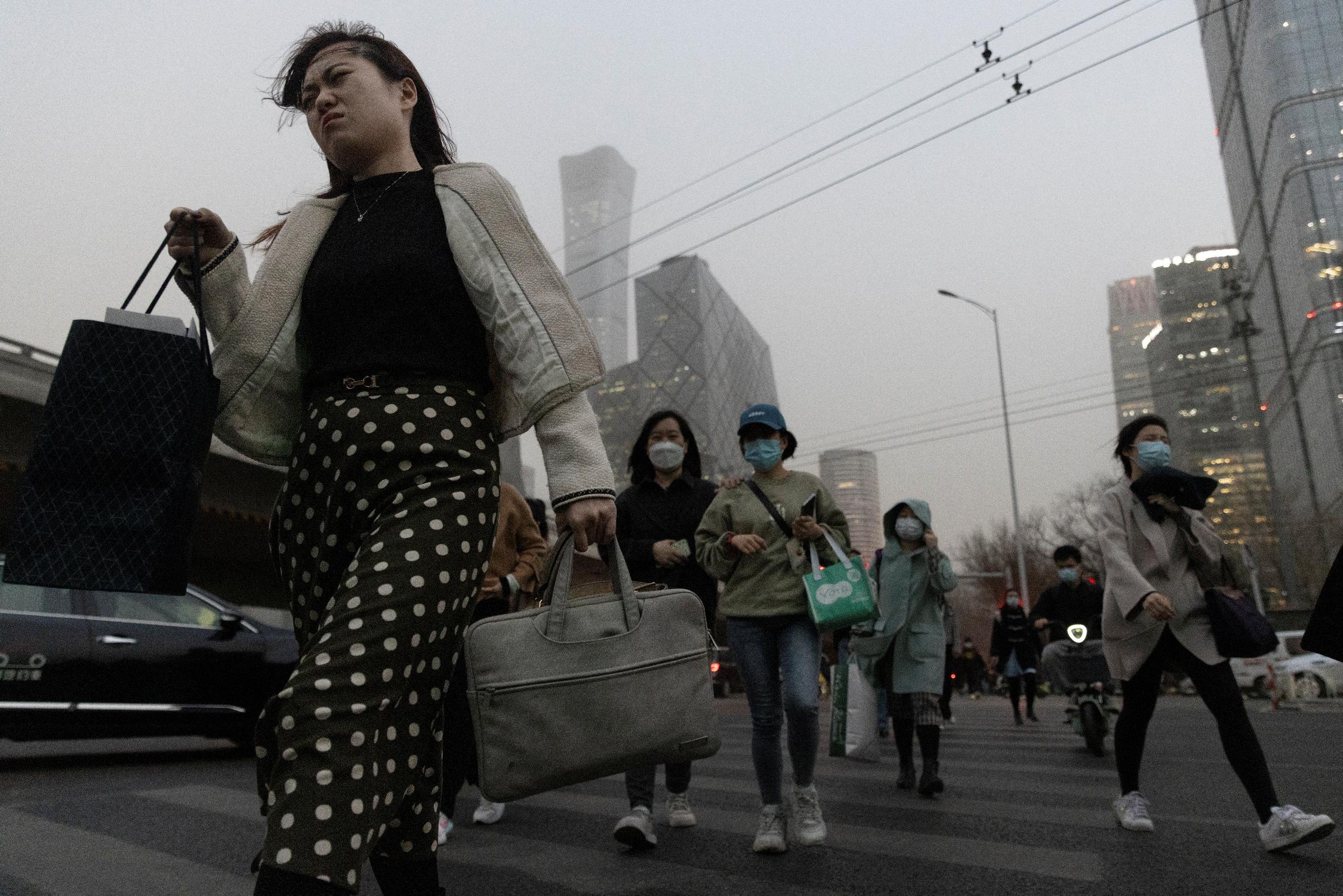
BEIJING/SINGAPORE, June 5 (Reuters) - China aims to establish an initial carbon footprint management system by 2027, it said on Wednesday, a move that would create a more comprehensive and unified system of standards to measure carbon emissions. The system is meant to push toward China's carbon-neutral goal, according to a plan issued by the Ministry of Ecology and Environment and other relevant government bodies. It aims to release carbon footprint calculation standards for about 100 major products by 2027, and increase that number to 200 by 2030. It will prioritise the calculation standard releases for products including coal, steel, natural gas, aluminium, lithium batteries and new energy vehicles. The world's top carbon emitter plans to expand carbon trading to sectors such as steel and cement, and head off the impact of Europe's carbon border adjustment mechanism (CBAM), which will impose tariffs on high-carbon imports. Key enterprises, including those involved in foreign trade, should take the lead. Chinese officials have expressed concern that CBAM unfairly penalises China's exporters and doesn't fully take into account the efforts China has made to reduce emissions. The plan announced Wednesday said China would pay close attention to carbon-related trade policies around the world, build mutual trust and promote the international alignment of carbon footprint standards. It also said it would use the new standards to encourage low-carbon consumption, with local governments urged to develop pilot programmes and new policies that could encourage enterprises and individuals to buy cleaner products China last week released a separate plan to reduce the carbon dioxide emissions of key industries by an amount equivalent to about 1% of the 2023 national total through efficiency gains in everything from steel production to transportation. Sign up here. https://www.reuters.com/business/environment/china-establish-carbon-footprint-management-system-by-2027-2024-06-05/