2024-06-04 09:31
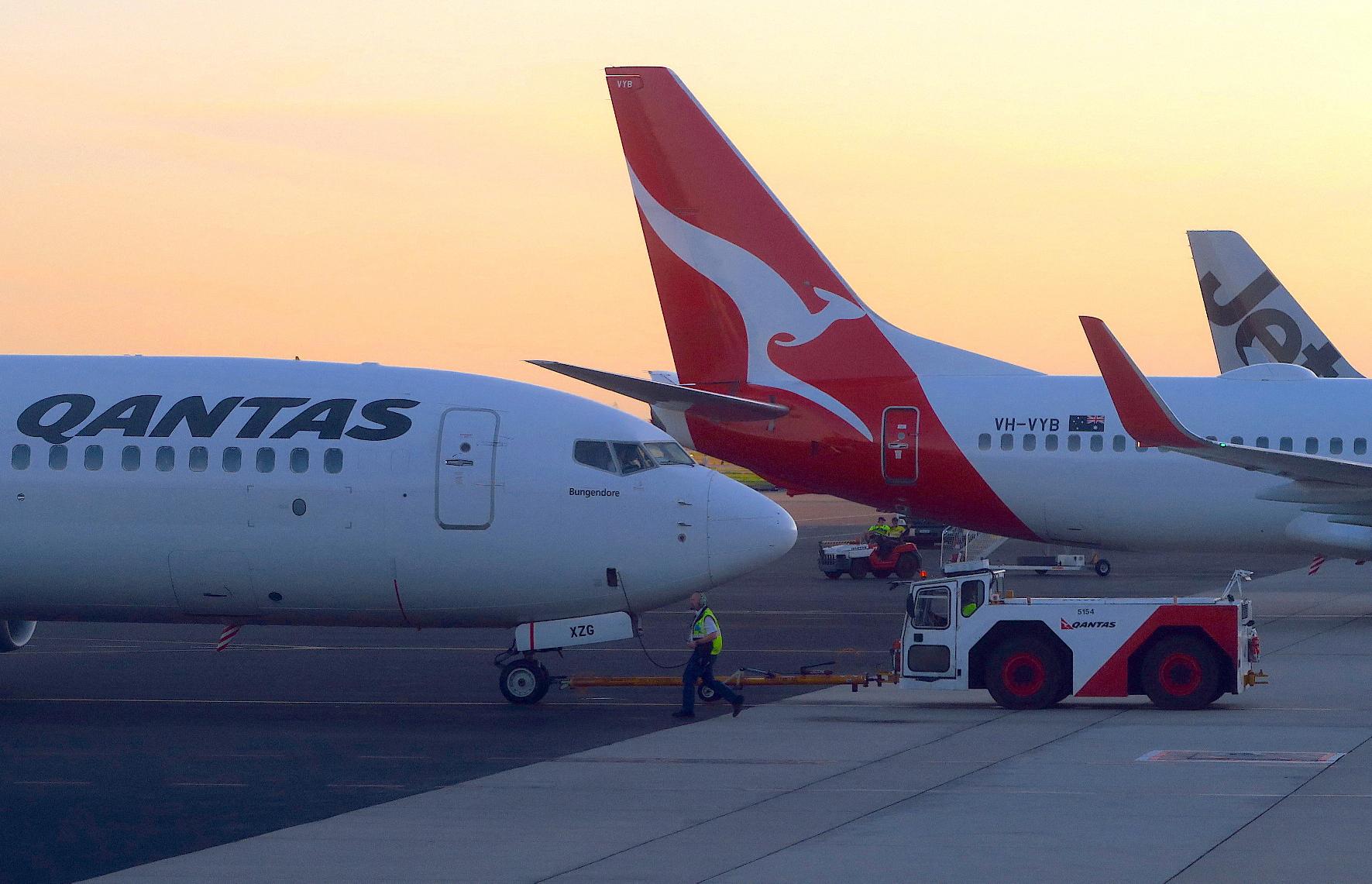
DUBAI, June 4 (Reuters) - Australian airline Qantas (QAN.AX) New Tab, opens new tab on Tuesday backed Boeing to bounce back from an unprecedented crisis that has led to an overhaul of the American planemaker's management and drawn scrutiny and criticism from some of its biggest customers. Boeing is searching for a new chief executive after announcing that Dave Calhoun would step down by the end of the year following back-to-back crises that were exacerbated by the blowout of the a loose door plug on a Boeing plane in January. "Aviation needs a strong Boeing," Qantas Chief Executive Vanessa Hudson told reporters at an airline summit in Dubai. Hudson, who took over as the head of Australia's biggest airline last year, said she had spoken with Boeing management and was confident they are focused on addressing quality issues. "Everything that we've heard from Boeing gives me the sense that they will get on top of it," she said. Asked about what qualities Boeing's next CEO should have, Hudson said any chief executive should be connected with frontline employees, customers and key stakeholders. "I would suggest that for Boeing, that they are important qualities to really understand how a basic organisation operates," she said. Sign up here. https://www.reuters.com/business/aerospace-defense/qantas-ceo-confident-boeing-will-address-quality-issues-2024-06-04/
2024-06-04 08:54
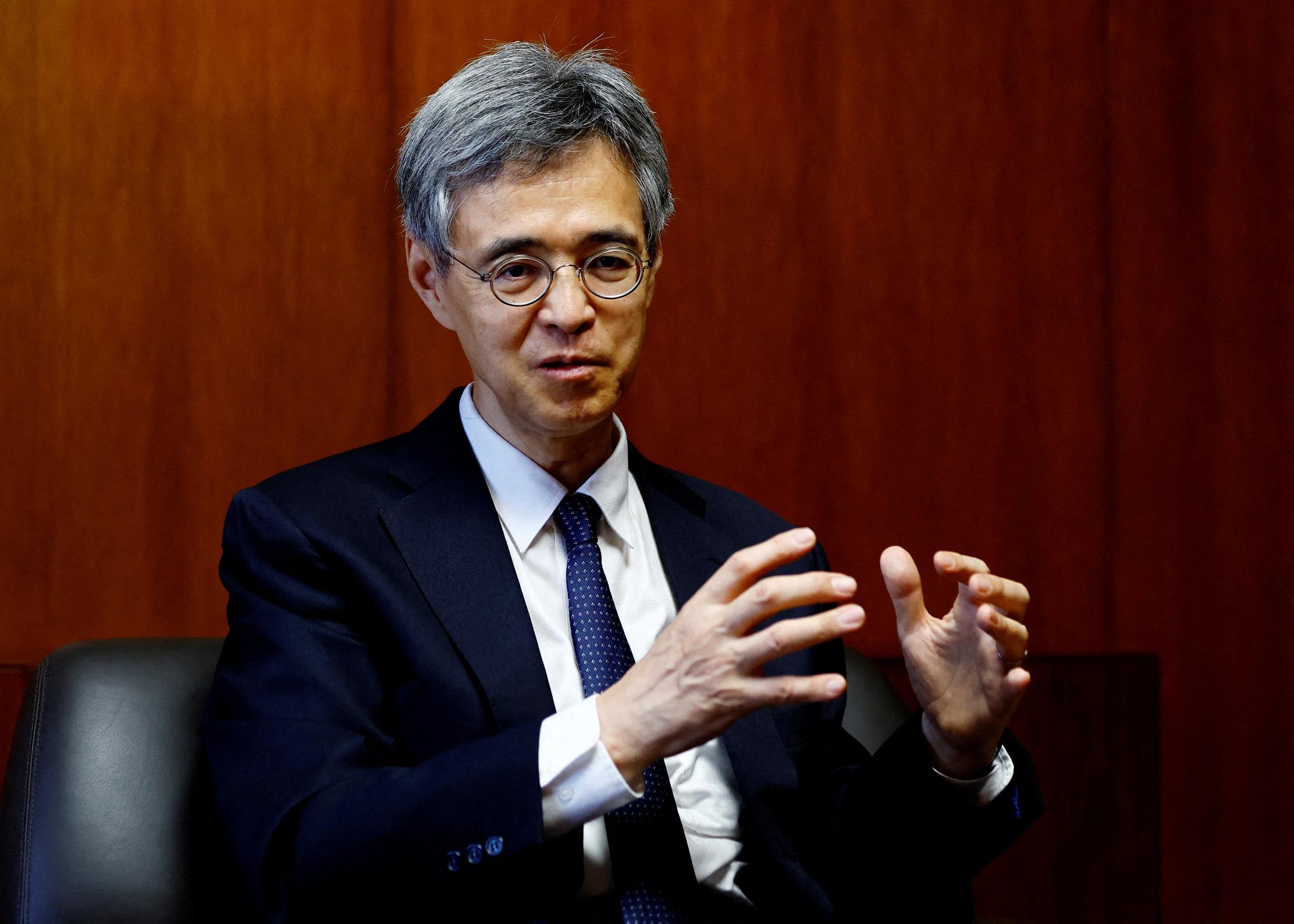
Currency fluctuations affect inflation in sustained way BOJ shouldn't automatically set rates in response to yen moves Bond tapering decision will focus on impact on economy TOKYO, June 4 (Reuters) - Bank of Japan Deputy Governor Ryozo Himino said the central bank must be "very vigilant" to the impact the yen's moves could have on the economy, suggesting the currency's weakness will be among factors affecting the timing of its next interest rate hike. However, he said it was inappropriate for central banks to directly target exchange rates in setting monetary policy, as other factors needed to be considered as well. "Exchange-rate fluctuations affect economic activity in various ways. It also affects inflation in a broad-based and sustained way, beyond the direct impact on import prices," Himino said on Tuesday. "That's why we obviously need to be very vigilant to, and analyse very closely, the impact of exchange-rate volatility on the economy, prices and their outlook," he said in a panel session hosted by Columbia University in Tokyo. The BOJ shouldn't automatically respond to exchange-rate moves in setting interest rates, though, as there were "other aspects" that need to be taken into account such as the economic and price outlook, he added. A weak yen has become a headache for Prime Minister Fumio Kishida's administration, which has seen its approval ratings slump as the currency's decline pushed up households' cost of living by inflating the price of importing food and fuel. BOJ Governor Kazuo Ueda has ruled out using monetary policy to directly influence exchange-rate moves, but signalled the chance of raising rates if the weak yen pushes up inflation more than expected. Many market players expect the BOJ to raise interest rates from current near-zero levels this year with some expecting a move as early as July, partly to slow the yen's persistent decline. Asked what the central bank would do with its huge balance sheet, Himino said the BOJ would make a decision focusing on how it would affect the economy, prices and its goal of sustainably achieving its 2% inflation target. "It's desirable for markets to set long-term interest rates. On the other hand, the BOJ has been deeply involved in the bond market up till very recently and our presence remains very large. We need to avoid causing discontinuity or any unintended moves in the market," Himino said. The remarks underscore the tricky balancing act the BOJ faces in allowing market forces to drive long-term interest rates higher, while avoiding an abrupt spike in bond yields. In March, the BOJ ended eight years of negative interest rates and a policy capping long-term borrowing costs around zero dubbed yield curve control (YCC). The decision was partly aimed at breathing life back to a market made dormant by the BOJ's huge presence, and allowing market forces to drive yield moves. Markets are focusing on whether the BOJ, at its next policy meeting on June 13-14, will move to a full-fledged reduction in its huge bond purchases. The 10-year government bond yield briefly jumped to 1.1% last week, the highest level since July 2011, on growing expectations of a near-term interest rate hike. Sign up here. https://www.reuters.com/markets/asia/boj-must-be-vigilant-yens-impact-economy-says-deputy-governor-himino-2024-06-04/
2024-06-04 07:36
CANBERRA, June 4 (Reuters) - Workers at Australia's largest sugar producer will temporarily halt industrial action after the company threatened to bar those who took part in work stoppages from its mills and stop paying them, a union representative said. Wilmar Sugar and Renewables is locked in a pay dispute with workers that has that seen several walk-outs in recent weeks and delayed the start of sugar production. A suspension of industrial action should allow unionised employees to keep working until a vote on a company pay offer next week that unions say is too low and will be rejected, potentially leading to a resumption of strikes. "Today, Wilmar Sugar and Renewables advised more than 1,200 wages employees that anyone participating in industrial action from start of shifts tomorrow morning (Wednesday 5 June) will be locked out until further notice," the company said on Tuesday. Locked-out workers would not be able to enter Wilmar's facilities and would not be paid until the measure was lifted, it said. Wilmar Sugar and Renewables has eight mills on Australia's northeast coast that produce more than half of the country's sugar during the cane crushing season that runs from June to November. It is owned by Singapore-based Wilmar International Ltd (WLIL.SI) New Tab, opens new tab. The company has delayed the start of cane processing at its mills by between two and nine days after strikes disrupted preparations. Australia is the world's fourth-largest sugar exporter. A long delay to crushing could damage cane growers and reduce production. Wage negotiations are paused until the vote on a pay offer on June 10 and 11. Rolling work stoppages and bans on performing certain jobs and overtime were planned in the run-up to the ballot. "Our delegates have resolved to lift the industrial action and focus on getting Wilmar's substandard offer voted down," Australian Workers' Union official Jim Wilson told Reuters. The union also said workers at Tully Sugar, a mill in northeast Australia owned by Chinese conglomerate COFCO, had issued striking workers with a lock-out notice on Tuesday. As with Wilmar, workers at Tully are seeking a larger pay rise and industrial action has delayed the start of its cane crush, the union said. Tully, COFCO and COFCO Sugar did not respond to requests for comment. Union officials described the lock-out notices as bullying and intimidation and company pay offers as unfair. A Wilmar spokesman said: "We respect employee rights to union membership and their right to take lawful industrial action," but added that the company had tried to negotiate and had the right under employment law to protect its interests. Sign up here. https://www.reuters.com/world/asia-pacific/striking-workers-be-barred-wilmars-australian-sugar-mills-2024-06-04/

2024-06-04 07:27
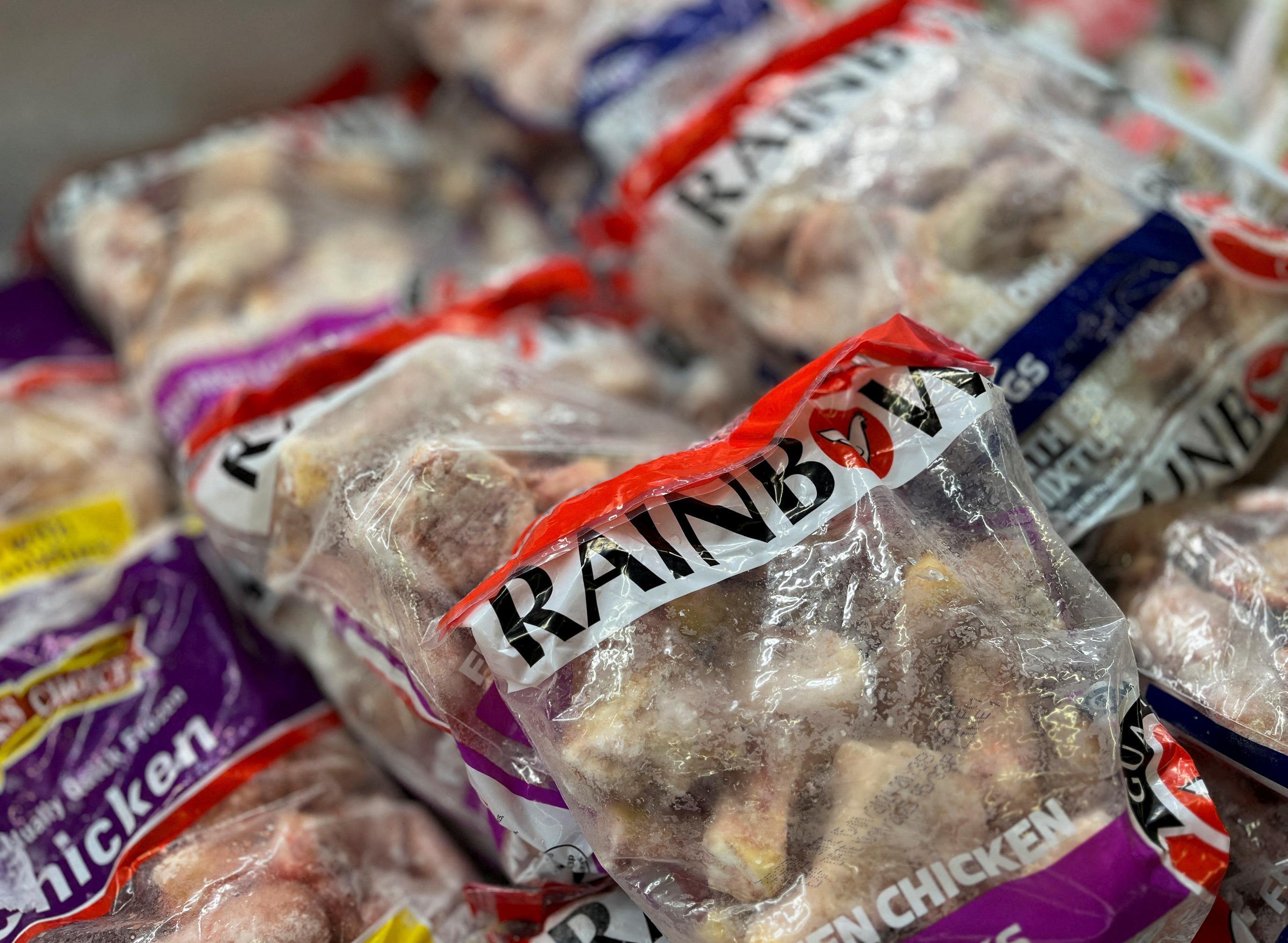
June 4 (Reuters) - The board of South Africa's RCL Foods (RCLJ.J) New Tab, opens new tab has approved the separate listing of its poultry unit on the Johannesburg Stock Exchange (JSE), the company said on Tuesday. RCL, whose brands include Selati sugar, Ouma rusks and Yum Yum peanut butter, says it is restructuring its portfolio to deliver sustainable earnings. The chicken business is one of the biggest poultry producers in South Africa, processing 4.1 million chickens a week. The separation of Rainbow Chicken Limited, announced in March, will be carried out by distributing shares to RCL shareholders on a one-for-one basis. The new entity will be listed on the JSE on June 29, RCL said in a statement. Rainbow’s revenue increased 11% to 7.29 billion rand ($391.97 million) in the six months to December 2023. Its underlying earnings before interest, taxes, depreciation and amortisation (EBITDA) increased by 365% to 287 million rand due to a better agricultural performance, improved volumes and margins, and sound cost control. ($1 = 18.5982 rand) Sign up here. https://www.reuters.com/markets/commodities/safricas-rcl-foods-edges-closer-spinning-off-poultry-business-2024-06-04/
2024-06-04 07:07
COPENHAGEN, June 4 (Reuters) - Danish energy trader InCommodities, backed by Goldman Sachs, on Tuesday reported a plunge in its pre-tax profit for 2023 to 136 million euros, just 10% of its record profit seen a year earlier, as energy markets returned to calmer waters. In 2022, the Aarhus-based company, which trades power and gas in Europe, the United States and Asia, had recorded a profit before tax of 1.4 billion euros ($1.52 billion). Goldman Sachs and selected investors own a 15% stake in the company while its four founders and employees own the rest, according to its annual report. "There's no doubt that 2023 was a return to more normal risk levels in the market in contrast to 2022, where obviously gas prices and fuel prices in general sparked a fury in the market," CEO Jesper Johansen told Reuters. In 2022, Energy traders benefited massively from the volatility in the wake of the war in Ukraine and the need to replace high volumes of lost Russian gas but have since seen earnings drop as markets have normalized. Gas trading volumes at InCommodities fell to 947.7 terawatt hours (TWh) from 1,569 TWh in 2022, while power trading volumes fell to 213.7 TWh from 237.0 TWh. InCommodities said it has allocated a significant portion of its profits towards strengthening its equity position, to ensure it can handle financial risks as those seen in 2022 more effectively. The turmoil in the energy markets in 2022 led to increased margin calls that required substantial capital buffers and even saw some bankruptcies among energy traders. "There's a new geopolitical situation after 2021-22 and that's completely reshaped the global energy landscape. It's become more unpredictable," Johansen said. For Europe, dependency on other regions of the world in terms of energy supply poses a risk that is likely to persist in the coming years and decades, he added. The company is also focusing on finding other opportunities in renewable energy trading, Johansen said. InCommodities launched its Renewables Asset Management unit specialising in power purchase agreements for renewable energy in 2023. By the end of the year, its activities in Germany had risen to 1,210 megawatts (MW), from 410 MW at the launch, and there are plans to expand the business to the Nordics, Japan and Australia this year, the company said. ($1 = 0.9217 euros) Sign up here. https://www.reuters.com/markets/commodities/goldman-sachs-backed-danish-energy-trader-sees-profit-plunge-2024-06-04/
2024-06-04 07:03
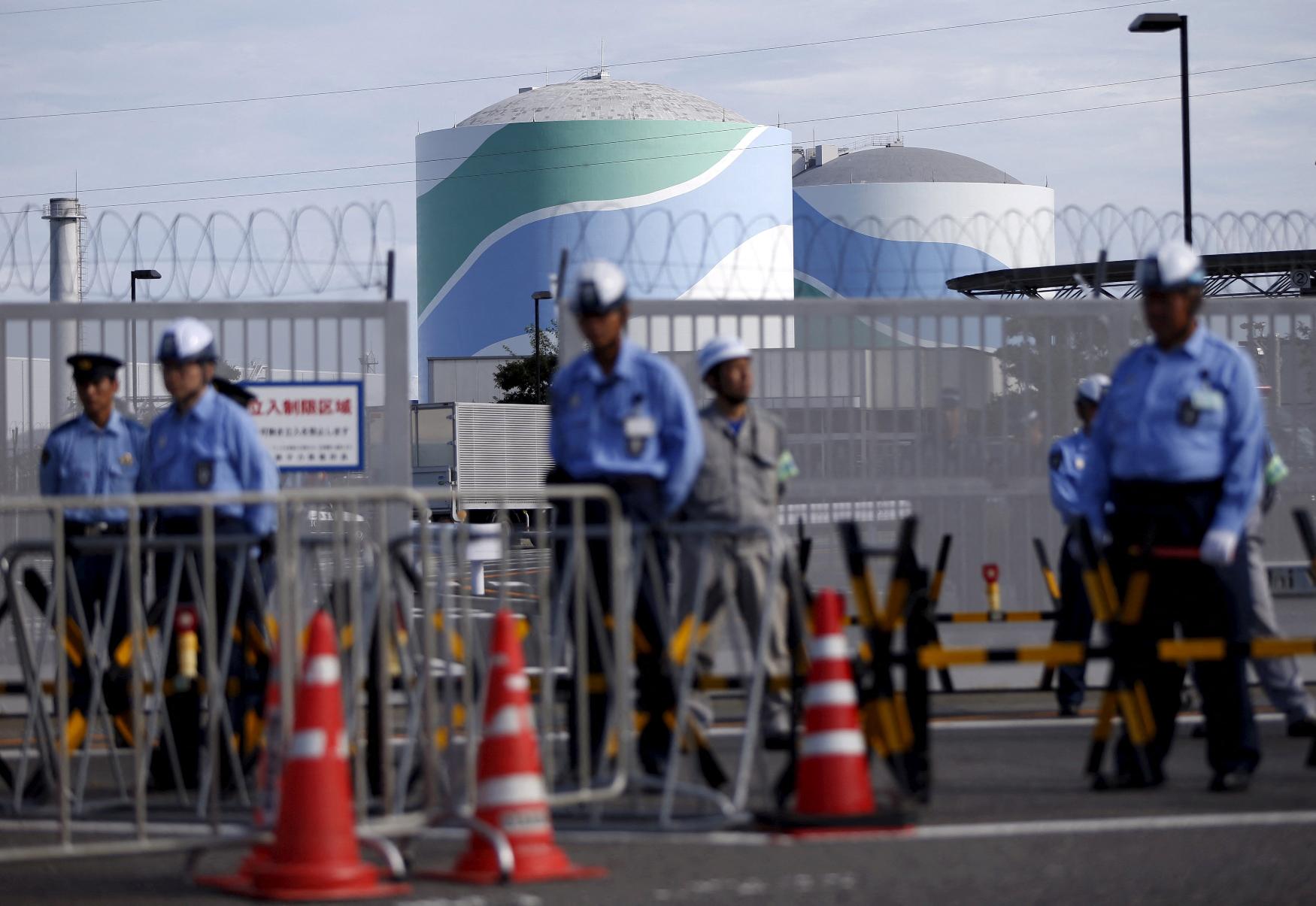
Discussions kick off to revise energy policy toward 2040 Nuclear power preferred for energy security, zero emissions Focus also on phase-out plan for coal-fired power Targets hard to achieve amid slow nuclear approvals TOKYO, June 4 (Reuters) - Japan is set to push for more nuclear power in an energy policy update due next year, seeking stable electricity supply in face of growing demand and heightening geopolitical risks, but is likely to struggle to meet its targets, industry experts say. The country slashed reliance on nuclear power after the Fukushima disaster in 2011 and increased use of fossil fuels to generate 70% of its electricity, even as it set out to cut carbon emissions to net zero by 2050. But having faced coal and gas price spikes and supply disruptions in 2022 due to Russia's war on Ukraine, the government wants to lock in greater use of nuclear energy, along with wind and solar power, to secure stable energy supply. "The emphasis has moved away from carbon emissions to energy security. Energy security has always been important for Japan, but even more so now because there were so many challenges with the lack of liquefied natural gas, expensive LNG, lack of supply," said Alex Whitworth, vice president at consultants Wood Mackenzie. Any shift to boost nuclear power by the world's second-biggest importer of LNG and a major buyer of thermal coal will hit exporters of those fossil fuels, including Australia, Qatar, the U.S. and Indonesia. Discussions on Japan's energy policy, which is revised every three years, began last month. This is the first revision since Prime Minister Fumio Kishida shifted the country's stance to favour nuclear power in 2022. "The overwhelming majority of the members of the panel that debates the policy are pro-nuclear, and the new policy may include building new reactors," said Takeo Kikkawa, president of International University of Japan. It is unclear how the 2030 energy mix target of 20%-22% nuclear will change for the next target year, likely 2040. But energy companies and industry are increasingly calling for greater use of nuclear power as geopolitical tensions raise the risk of energy supply disruptions and power price hikes. "We seek clarification in the next energy plan on maximising nuclear power use for energy security and decarbonisation, and on the need to replace and build new reactors to meet rising electricity demand," said Kansai Electric Power (9503.T) New Tab, opens new tab, Japan's biggest operator of nuclear energy. The government has said the country may have to expand power output by up to 50% by 2050 as demand rises from semiconductor manufacturing plants and data centres. TOUGH TASK Meeting growing electricity demand with nuclear power will be challenging, due to regulatory hurdles, public opposition, high costs, severe earthquakes and long development timeframes, academics and energy analysts said. The country is likely to fall short of its 2030 target for nuclear power, reaching only 15% due to resistance from local residents and slow approvals by regulators for restarting existing reactors, Kikkawa said. Adding new nuclear capacity could be difficult even by 2050, he said, given that in the past it has taken decades to build nuclear plants. Thermal power would likely have to fill the supply gap, he and WoodMac's Whitworth said, contrary to the government's aim to cut coal- and LNG-fired generation to a combined 39% of the mix by 2030. "The nuclear power target is the most unrealistic because it's actually outside of the government's control to be able to reach that target due to the need for getting local consent for restarts ... So there's a big upside for coal and gas," Whitworth said. While revising energy policy, Japan plans to set a greenhouse gas emissions reduction target for 2035 or later and formulate a decarbonisation strategy for 2040 by early next year. Accelerating renewables growth and reducing fossil fuel generation will help achieve those goals and lower prices. "The Japanese economy has been hit hard by fossil fuel prices over the past two years," said Yukari Takamura, professor at the University of Tokyo's Institute for Future Initiatives. Takamura, a member of the government's energy policy panel, says Japan should lay out a roadmap on how to phase out unabated coal-fired power plants. "It's in the national interest to promote domestic production of energy with renewable energy," she said, adding it would improve the competitiveness of Japanese companies that are being measured on decarbonisation factors. Sign up here. https://www.reuters.com/business/energy/japan-energy-security-fears-put-nuclear-back-favour-2040-plan-2024-06-04/