2024-05-31 12:12
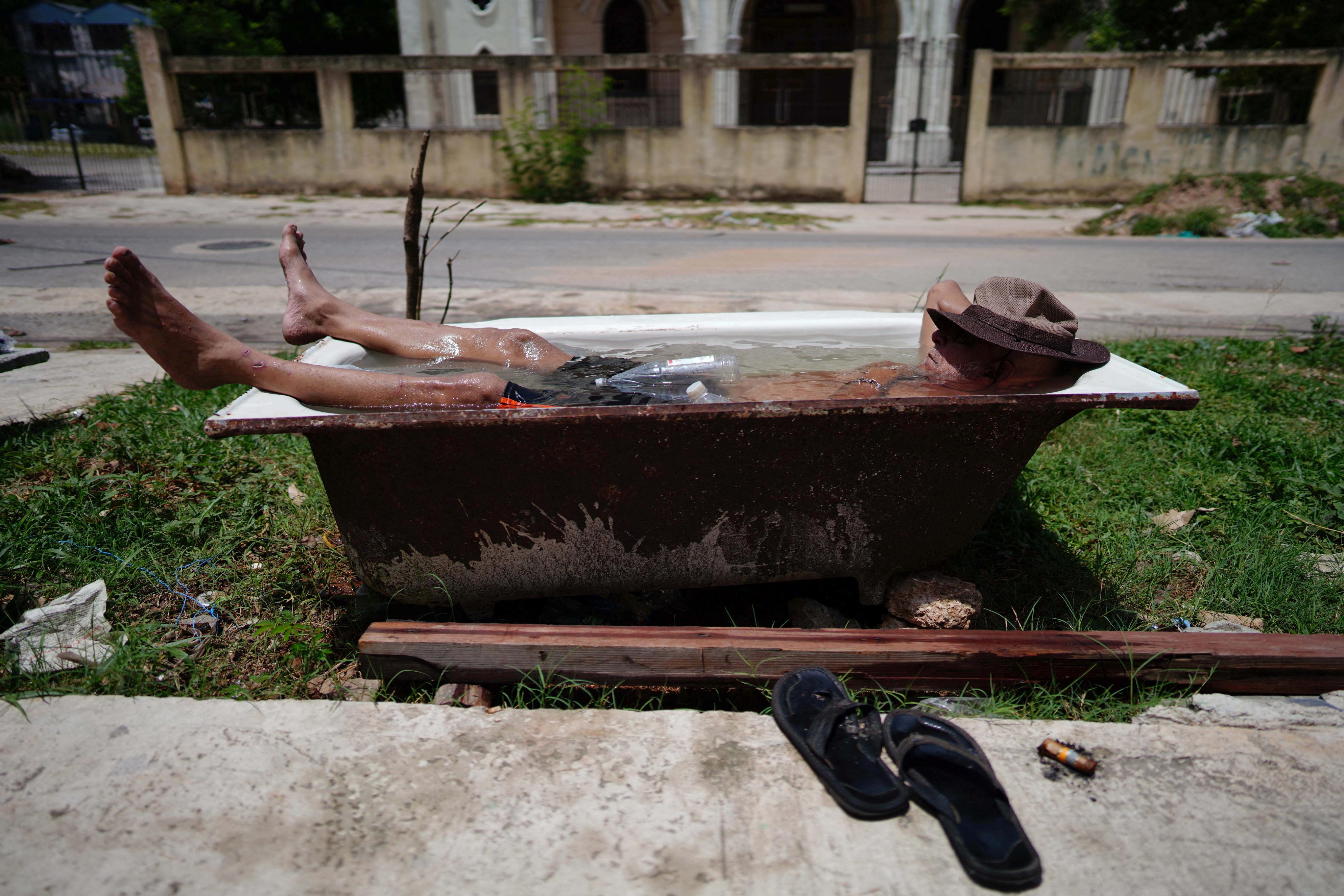
HAVANA, May 31 (Reuters) - If May is any indication, Cuba is in for a long, hot summer, says Havana horse and buggy driver Osmel Valdes. The 52-year-old Havana resident runs a transport service through the Cuban capital's sweltering streets. Shade is hard to come by so he lays a piece of scrap cardboard atop his horse between rides to give it respite. "This month the heat has been terrible," he says. Across the island nation, summer temperatures arrived nearly two months early, made worse by hours-long blackouts amid fuel shortages and power-plant failures. With night-time temperatures reaching 27 degrees Celsius (80 degrees Fahrenheit) and daytime temperatures soaring to 35 C, there is no escape, local residents say. Meteorologist Ramon Perez, who works for Cuba's Climate Center, says May looks to be the warmest on the Caribbean island since 1951, when record-keeping began here. "Cuba's climate is gradually becoming hotter and hotter, and especially our summers," Perez told Reuters. Last summer was the hottest on record and this one is on track for similarly sweltering temperatures, a phenomenon the meteorologist attributes to global warming. The growing frequency and intensity of severe weather - both on land and in oceans - is symptomatic of global, human-driven climate change that is fueling extremes, experts say. The El Nino weather pattern, which began to weaken in March, has also fueled above-average land and sea temperatures across the globe. Those conditions have left Cuba, which lies at the stormy intersection of the Atlantic Ocean, the Gulf of Mexico and the Caribbean Sea, exceptionally exposed to a hurricane season predicted to be among the worst ever. Cuba's Climate Center says there's an 80% chance at least one hurricane will strike the island this season. U.S. government forecasters said last week up to seven major hurricanes may form in an "extraordinary" 2024 Atlantic hurricane season beginning June 1. The sultry temperatures combine in Cuba with a devastating economic crisis. The one-two punch has already exhausted Cubans like Nelson Jadier, a sweat-drenched 28-year-old who works for a restaurant wooing clients from the sidewalk. "May has been quite a month for those of us who have to work on the street to put food on the table," Jadier said. Sign up here. https://www.reuters.com/world/americas/heat-hurricanes-blackouts-cubans-brace-long-summer-after-scorching-may-2024-05-31/
2024-05-31 12:09
June 10 (Reuters) - Chipmakers across the globe are pouring billions of dollars into new plants, encouraged by the rising use of semiconductors in everyday devices and generous subsidies from the United States and the EU aimed at keeping the West ahead of China in the race for cutting-edge technology. The European Commission has earmarked 15 billion euros New Tab, opens new tab for public and private semiconductor projects by 2030, while U.S. President Joe Biden's administration passed the CHIPS Act last year to provide more than $52 billion in subsidies to the American semiconductor industry. The Act deters companies using U.S. funds from undertaking any big expansion of overseas semiconductor manufacturing facilities in "countries of concern" such as China for 10 years, with some exceptions. India, Taiwan and South Korea have also offered incentives such as tax breaks to boost domestic chip production. Below are some of the chipmakers' plans for factories in Europe, North America and Asia: NORTH AMERICA EUROPE ASIA ($1 = 1,373.0800 won) ($1 = 0.9314 euros) Sign up here. https://www.reuters.com/technology/chipmakers-plans-factories-europe-2023-02-16/
2024-05-31 12:04
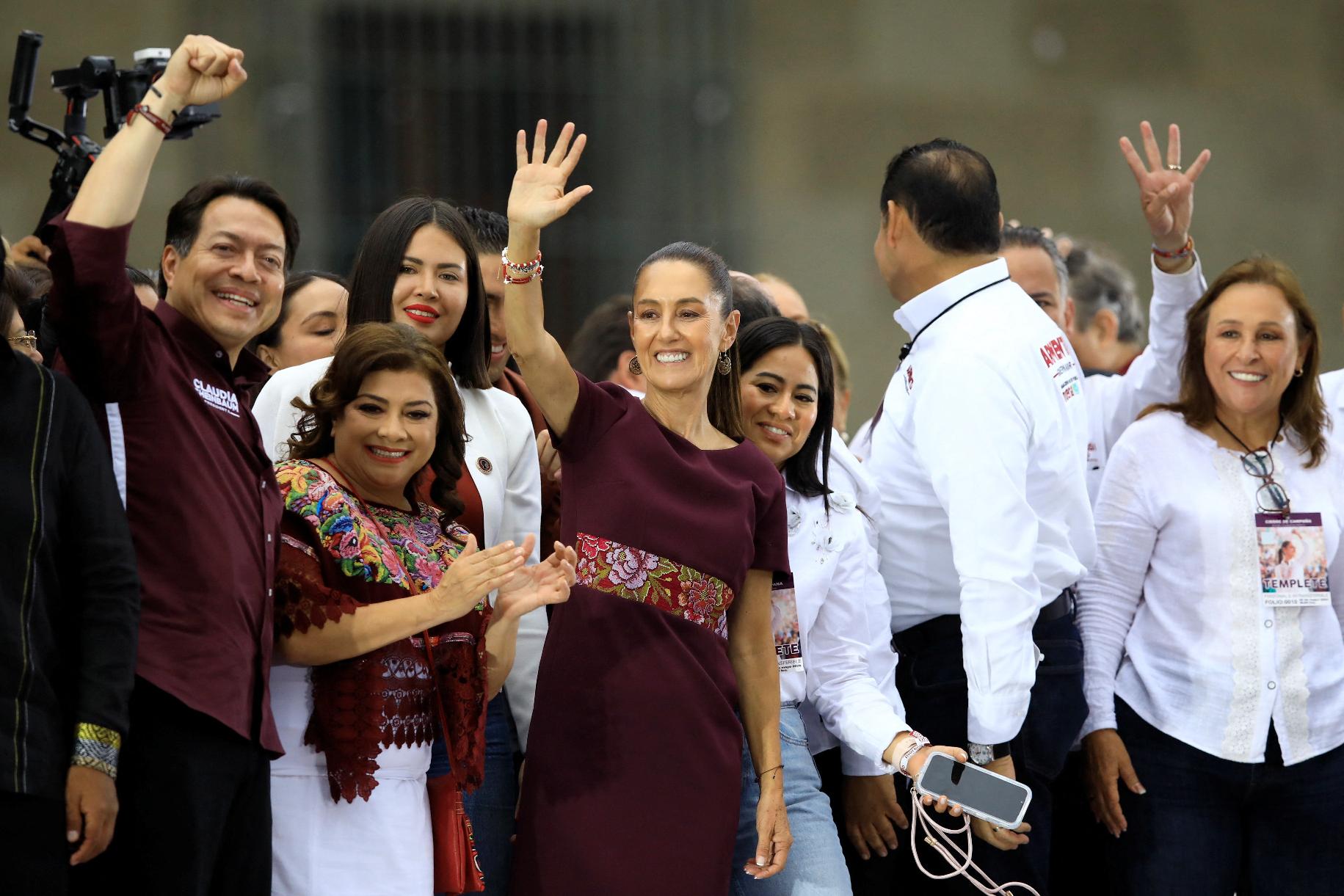
MEXICO CITY, May 31 (Reuters) - When Claudia Sheinbaum - the frontrunner to become Mexico's next president - was just six years old, her parents were active participants in protests during one of the darkest periods of the country's modern history. It was 1968, the Institutional Revolutionary Party had governed Mexico with an iron fist for decades and the country was swept by large demonstrations pressing for democratic change. In one horrific incident, as many as 400 students at a protest were killed by soldiers and paramilitary forces. The tragedy only galvanized her parents and Sheinbaum grew up in a family steeped in activism. Now the clear favorite to succeed popular President Andres Manuel Lopez Obrador in Sunday's election and likely make history as Mexico's first female president, Sheinbaum, 61, says she owes much to her chemical engineer father and cellular biologist mother. They bestowed a passion for politics, a love for nature and a deep interest in science, she said in a biopic released last year that was directed by her son. "I grew up with that duality - a belief that politics can transform the world alongside an academic and scientific mindset," reflected Sheinbaum. Looking back, it seems only natural that she would go on to be a student protester, a climate scientist and a politician. Sheinbaum's values aligned with Lopez Obrador's policies which she has pledged to continue. She wants to assume his mantle as a defender of the state, cement public control of natural resources, as well as strengthen his welfare programs and flagship infrastructure projects. In a slight departure, she has called for a greater emphasis on renewable energy usage. FROM PROTESTS TO POLITICS The second of three children, Sheinbaum hails from a Jewish family, including her mother's parents who migrated to Mexico from Bulgaria as they fled Nazi aggression in the 1930s. Growing up in Mexico City, Sheinbaum learned to play the guitar and studied ballet, details that her critics have used to paint her as elitist and out of touch with ordinary Mexicans. Her activism started early. At 15, she volunteered to help groups of mothers searching for their missing children, a long-standing plight in a country with a history of raging gangland violence. Around that time she met leading human rights activist and leftist politician Rosario Ibarra, who would later be the first woman to run for president in 1982. Sheinbaum later would go to say that her ruling left-wing MORENA party had taken on Ibarra's struggles. Sheinbaum became an active participant in student movements during the 1980s, joining protests against state intervention in education policies. In 1995, she earned her doctorate in energy engineering from the National Autonomous University of Mexico. As she prepared her doctoral thesis, she spent time at the University of California at Berkeley in the United States, where she polished her fluent English. Sheinbaum pursued a teaching and academic career in the years that followed, including a stint on the U.N.'s Intergovernmental Panel on Climate Change (IPCC), which would later share a Nobel Peace Prize with former U.S. Vice President Al Gore. Her political career kicked off in 2000, when Lopez Obrador, then-Mexico City's newly elected mayor, tapped her to be his environment chief. He had only recently met her, but was clear he wanted a scientist with progressive values to help deal with the megacity's acute pollution and transportation snarls. She left City Hall to take on the role of chief spokesperson for Lopez Obrador's first campaign for president in 2006 which he narrowly lost. In 2015, she was elected to run Mexico City's largest borough, Tlalpan. In that post, she faced allegations of poor management after a 2017 earthquake caused the collapse of an elementary school, killing 19 children. The school had only recently been expanded with an extra floor. But that did not stop her from notching up a historic election victory as the capital's first woman mayor in 2018, the same year that Lopez Obrador's third run for the presidency proved successful in a landslide win. During her tenure, she won plaudits for improving security with the capital's murder rate falling 50%. But she was also criticized for a 2021 subway accident that left 26 dead, an incident that was later blamed in part on insufficient safety inspections and deferred maintenance on her watch. Sheinbaum denied maintenance was to blame. Sign up here. https://www.reuters.com/world/americas/mexicos-sheinbaum-activist-climate-scientist-presidential-frontrunner-2024-05-31/
2024-05-31 11:53
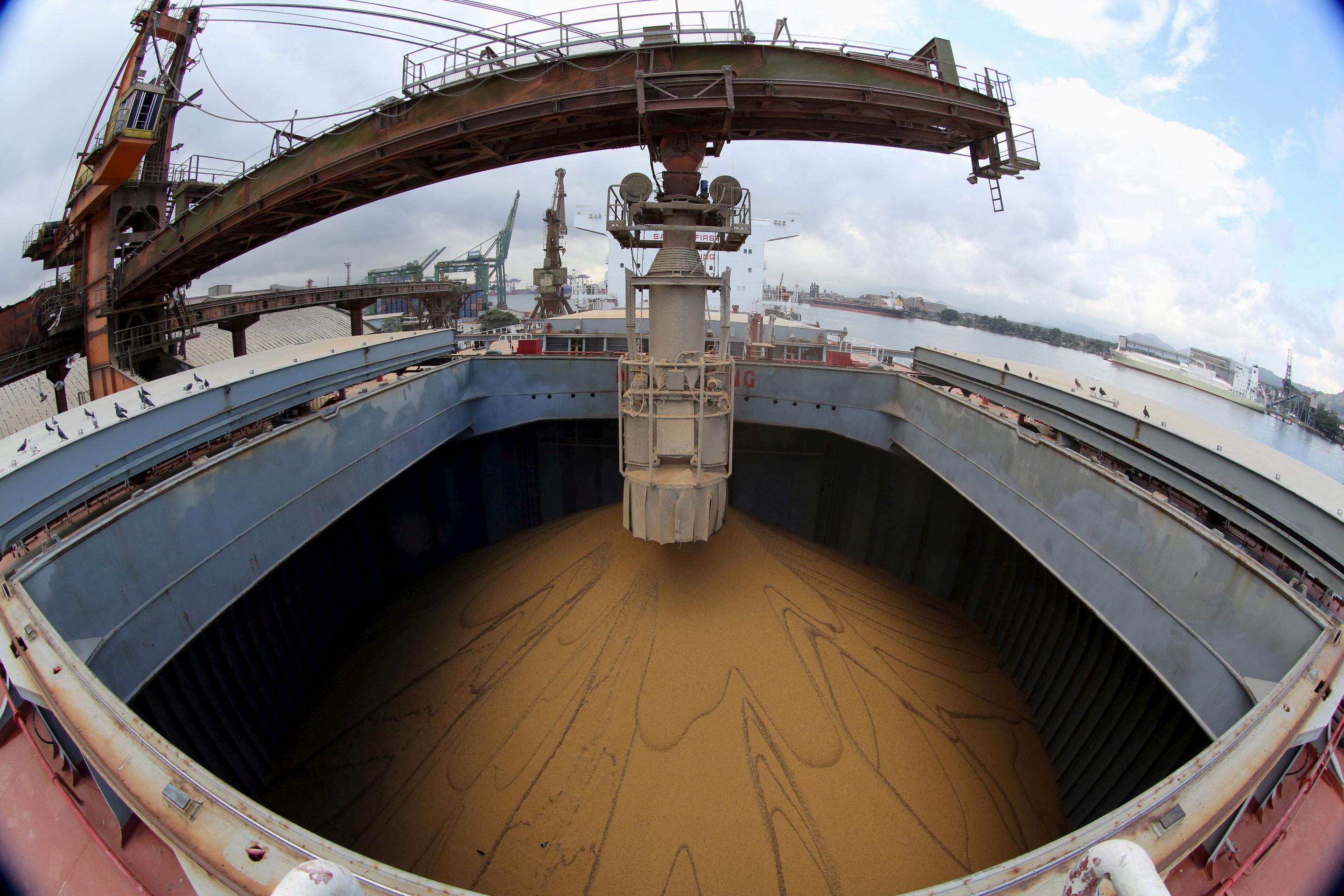
BEIJING, May 31 (Reuters) - China's flagship food group COFCO International landed its first cargo of deforestation-free soybeans for domestic use on Friday, marking what industry players say is a milestone for a country that has prioritised price over sustainability in its farm imports. China is a top buyer of agricultural goods, including soybeans and beef, which are drivers of global deforestation, but has lagged western peers in demanding that produce including palm oil not be sourced from land linked to deforestation or conversion of natural habitats. That is slowly changing, with state-run COFCO International as well as China Mengniu Dairy Company (2319.HK) New Tab, opens new tab and Inner Mongolia Yili Industrial Group Co Ltd (600887.SS) New Tab, opens new tab in the past year asking suppliers and consultants for sustainable soybeans, traders and sustainability experts told Reuters. The volumes are tiny in the context of China's overall buying but the implications of the greener sourcing are significant, given China's voracious appetite for agricultural goods, even as it seeks to cut its dependence on imports. The participation of COFCO, which brought in Friday's cargo at Tianjin port for Mengniu's subsidiary Modern Farming Group, also sends a signal to other buyers of Beijing's intent. "There is a noticeable shift in buying trends among Chinese buyers towards more sustainable and environmentally friendly products,” a Singapore-based broker said, declining to be named due to business confidentiality. Some Chinese companies have been "aggressively" asking for deforestation-free soybeans and carbon-neutral vegetable oil since last year, a manager with a global trading firm said. Friday's 50,000 metric ton cargo of Brazilian soybeans worth $30 million had a deforestation and conversion-free (DCF) clause for the first time for an order of the oilseed from China. "Our industry must take action to help strengthen our food systems (and) promote sustainable agriculture practices that protect our climate and environment," COFCO International Chief Executive Wei Dong said in a statement. The shipment is a pilot project driven by the World Economic Forum's Tropical Rainforest Alliance to curb commodity export-driven deforestation. Its executive director, Jack Hurd, said COFCO's participation will stimulate more Chinese demand for sustainable products. POLICY PUSH While sustainability efforts in the West have often been consumer driven, China's shift is triggered by policy signals as well as investor pressure. In 2020, President Xi Jinping pledged that China, the world's biggest polluter, will achieve peak emissions by 2030 and carbon neutrality by 2060. In an agreement last year, China and the United States said they will cooperate to curb forest loss. New domestic stock exchange rules requiring companies to disclose ESG (environmental, social and governance) information from 2026 have added pressure, while the upcoming European Union Regulation on Deforestation-Free Products (EUDR) provides extra impetus, analysts said. Mengniu in 2023 committed to a zero-deforestation supply chain by 2030 and joined industry group the Roundtable on Sustainable Palm Oil (RSPO) this year. Yili has a similar target for soy, palm oil, pulp and paper supply, and has said it will raise annual purchases of RSPO-certified palm oil by 50 metric tons from 2024 to achieve 650 metric tons by 2030. A palm oil producer in Indonesia said selling to China will soon require higher standards. "They are paying more attention to sustainability ... unlike in the past when price was the only factor." COFCO, meanwhile, has a 2025 target for a zero-deforestation soybean supply chain in ecologically sensitive areas in Latin America, including the Amazon, and has plans for sustainable palm oil and coffee supply chains. In January, COFCO International signed a memorandum of understanding with COFCO Group's China Shengmu Organic Milk Ltd to supply 12,000 tons of DCF soybeans from Brazil, with an agreement to gradually increase the volume. RSPO China's head, Fang Lifeng, said China's demand for certified sustainable palm oil, originally driven by multinationals such as L'Oreal (OREP.PA) New Tab, opens new tab and Unilever (ULVR.L) New Tab, opens new tab, are now being led by local firms. Still, the demand is a small fraction of China's imports, which last year included 4.3 million tons of palm oil and 99.4 million tons of soybeans. Cost remains a deterrent. DCF soybeans can cost $2-$10 more per ton, while RSPO-certified oil can cost upwards of $15 more. A Singapore-based trader at an international trading company that runs soybean processing plants in China said volumes will not even account for 1% of imports. "We don't see significant volumes coming in," the trader said, adding that pressure from trade financiers could help the push towards sustainable sourcing. Sign up here. https://www.reuters.com/sustainability/land-use-biodiversity/china-takes-nascent-steps-towards-sourcing-sustainable-farm-products-2024-05-31/
2024-05-31 11:52
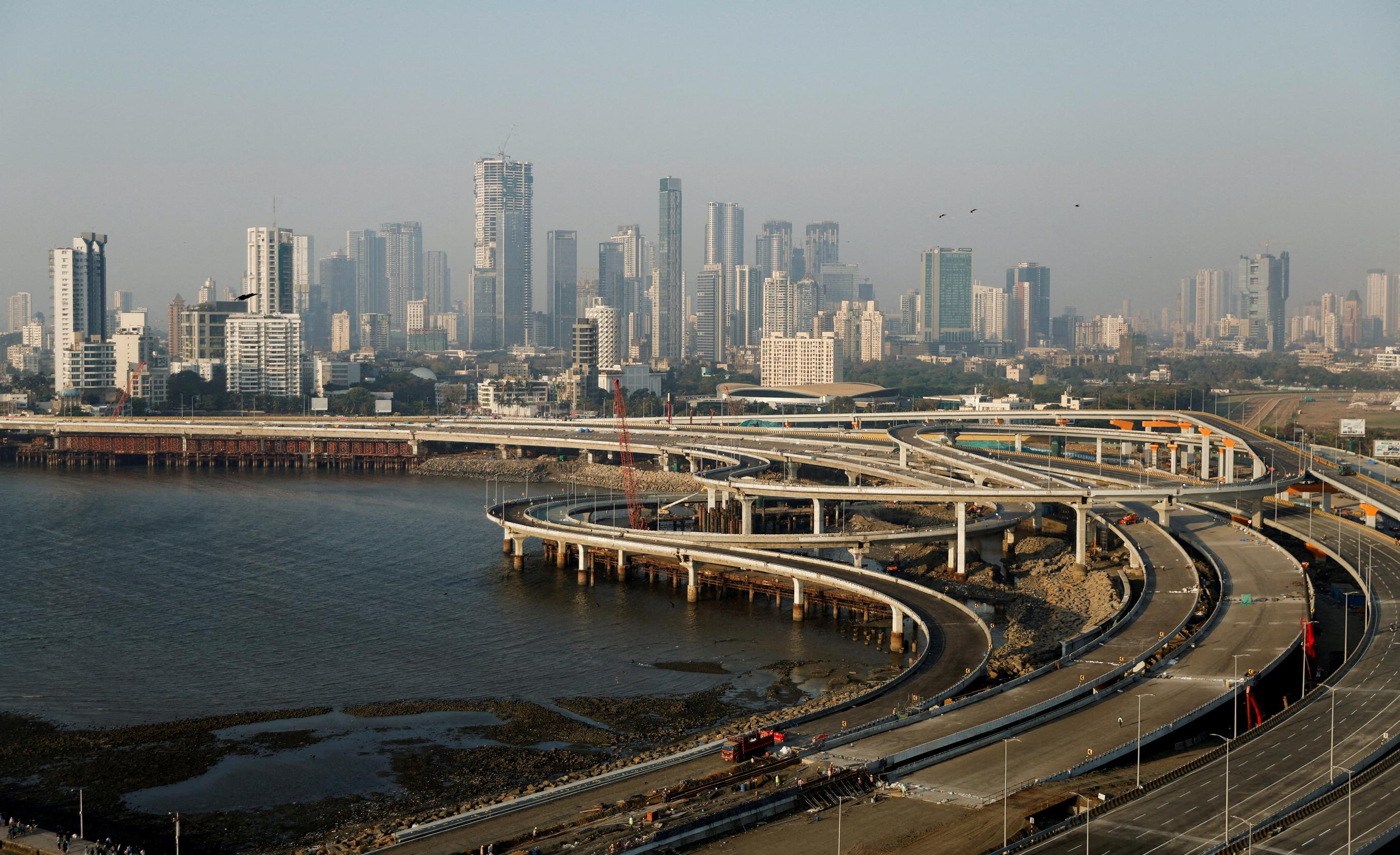
NEW DELHI, May 31 (Reuters) - India's infrastructure output (ININFR=ECI) New Tab, opens new tab in April rose 6.2% year-on-year, compared with a revised 6% growth in March, government data showed on Friday, backed by strong electricity and steel output. Infrastructure output, which accounts for 40% of industrial production, measures activity in eight sectors, including refinery products and electricity. Coal production grew 7.5%, while electricity generation rose 9.4%. In March, coal production rose 8.7% and electricity generation grew 8.6%. Steel production grew 7.1% year-on-year in March, against a 6.4% increase a month earlier. Natural gas output registered a growth of 8.6% in April, while it rose 6.3% in the previous month. Cement production rose 0.6% in April year-on-year, its growth slowing compared with March's 10.6% rise. Crude oil production rose 1.6% in April, compared with a 2% growth a month earlier. All sectors but fertilisers registered growth. Fertiliser production registered a fall of 0.8% in April, compared with a fall of 1.3% in March, while refinery products rose 3.9%, against a 1.5% rise in the previous month. Sign up here. https://www.reuters.com/world/india/indias-april-infrastructure-output-rises-62-yy-2024-05-31/
2024-05-31 11:47
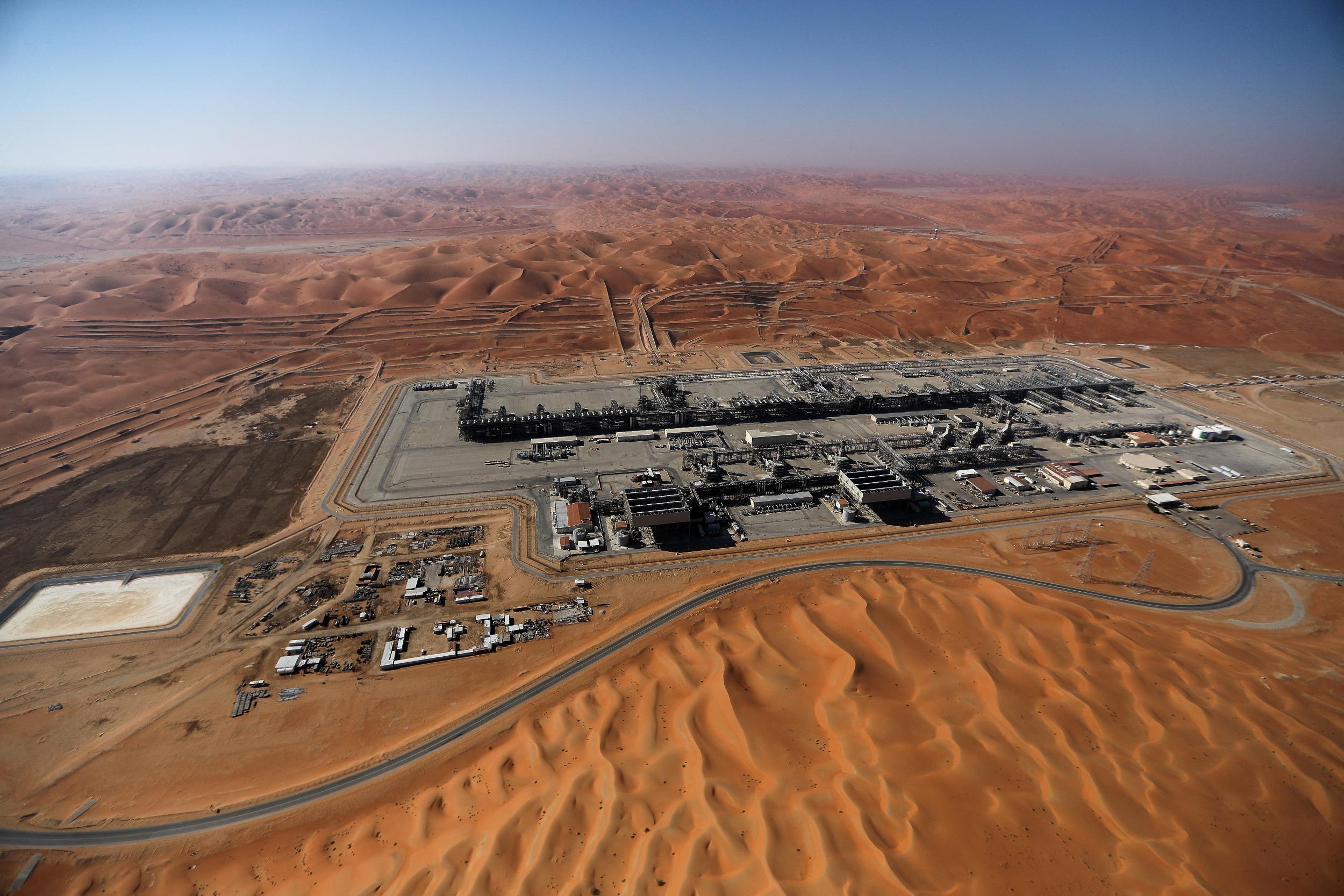
DUBAI, May 31 (Reuters) - Saudi Arabia and its bankers will on Sunday morning start taking orders for as much as $13.1 billion worth of shares in its energy giant Aramco (2222.SE) New Tab, opens new tab, in a major test of international investor interest in its market. In a long-anticipated announcement on Thursday, the kingdom and Aramco detailed plans to sell up to a 0.7% in the state-controlled oil company, with 10% of the offering reserved for retail investors, based on demand. Order-taking will run through June 6 and the deal will price on June 7. The offering - codenamed Project Bond according to sources - has been trailed for months as a key step in diversifying the company's investor base since its record-breaking initial public offering (IPO) in 2019, as well as for its potential to further fuel the kingdom's massive economic diversification programme. It also marks a test of interest in Saudi markets after lukewarm interest from international investors in the 2019 flotation amid concerns about a high valuation, Saudi government control and the energy transition away from hydrocarbons. International investors have been similarly reticent about the kingdom's mega-projects, from beach resorts to new cities. Investors buying into Aramco will need to weigh environmental concerns against its rich payouts. "Since the IPO, higher expectations on dividend payout and oil price have outweighed lower expectations on output," said Hasnain Malik, head of equity research, at Dubai-based Tellimer. "That improvement in the cash flow available for shareholders may not be enough to entice those foreign investors that did not participate in the IPO because of environmental concern on fossil fuels or governance concern on the priorities of the dominant sovereign shareholder." When asked about whether there had been any interest from so-called anchor investors to take a major chunk of the offering, Aramco Chief Financial Officer Ziad Al-Murshed gave little away. He noted the shares are on sale above the IPO price - within a range of 26.7 riyals ($7.12) to 29 riyals, after they closed at 29.1 riyals on Thursday, valuing the company at $1.87 trillion. Aramco's IPO valued it at $1.7 trillion. The sale comes as stock offerings globally have reached $247.4 billion in the year to date, the highest level since 2021, according to Dealogic data. It will be one of the biggest share sales in the last decade. 'SELF-FUNDING' Saudi Arabia's de facto ruler Crown Prince Mohammed bin Salman, known as MbS, has poured hundreds of billions of dollars through the kingdom's sovereign Public Investment Fund (PIF) into massive projects, and everything from electric vehicles to sports and a new airline, to diversify the economy away from hydrocarbons and create jobs. Selling Aramco shares is "not the only way to fund (MbS') Vision 2030, but it's one of the easier options now that it's clear foreign investors aren't interested in buying stakes in Saudi gigaprojects," said Jim Krane Research fellow, Rice University's Baker Institute Houston. "The Saudis have not been able to attract enough foreign investment to cover much of the cost of building the Vision 2030 gigaprojects, like the massive beach resorts and futuristic cities. It's not for lack of trying." Krane expects most of the buyers of the offering will be Saudis. "So, it's an indirect form of self-funding by Saudi investors who receive shares of Saudi Aramco instead of a piece of Neom or the New Murabba," he said, referring to two of the mammoth projects being spearheaded by the PIF. Selling on the Saudi Exchange also offers lighter regulatory and transparency requirements, he added. The kingdom is supported by a familiar phalanx of advisers, as for the Aramco IPO. Wall Street dealmaker Michael Klein's firm Klein & Co and U.S. boutique firm Moelis & Co are acting as independent advisers on the deal, according to a filing with the Saudi Exchange Thursday. Saudi National Bank's investment banking arm SNB Capital is acting as lead manager in addition to its role as joint global coordinator alongside Morgan Stanley, Citi, Goldman Sachs, HSBC, Bank of America and JPMorgan. Aramco CEO Amin Nasser told reporters the sale was an opportunity for current and new investors to build a sizeable position in the company, and for Aramco to broaden its shareholder base and boost the liquidity of its shares. ($1 = 3.7506 riyals) Sign up here. https://www.reuters.com/markets/commodities/saudi-arabia-sets-new-test-international-interest-with-131-bln-aramco-sale-2024-05-31/