2024-05-31 11:18
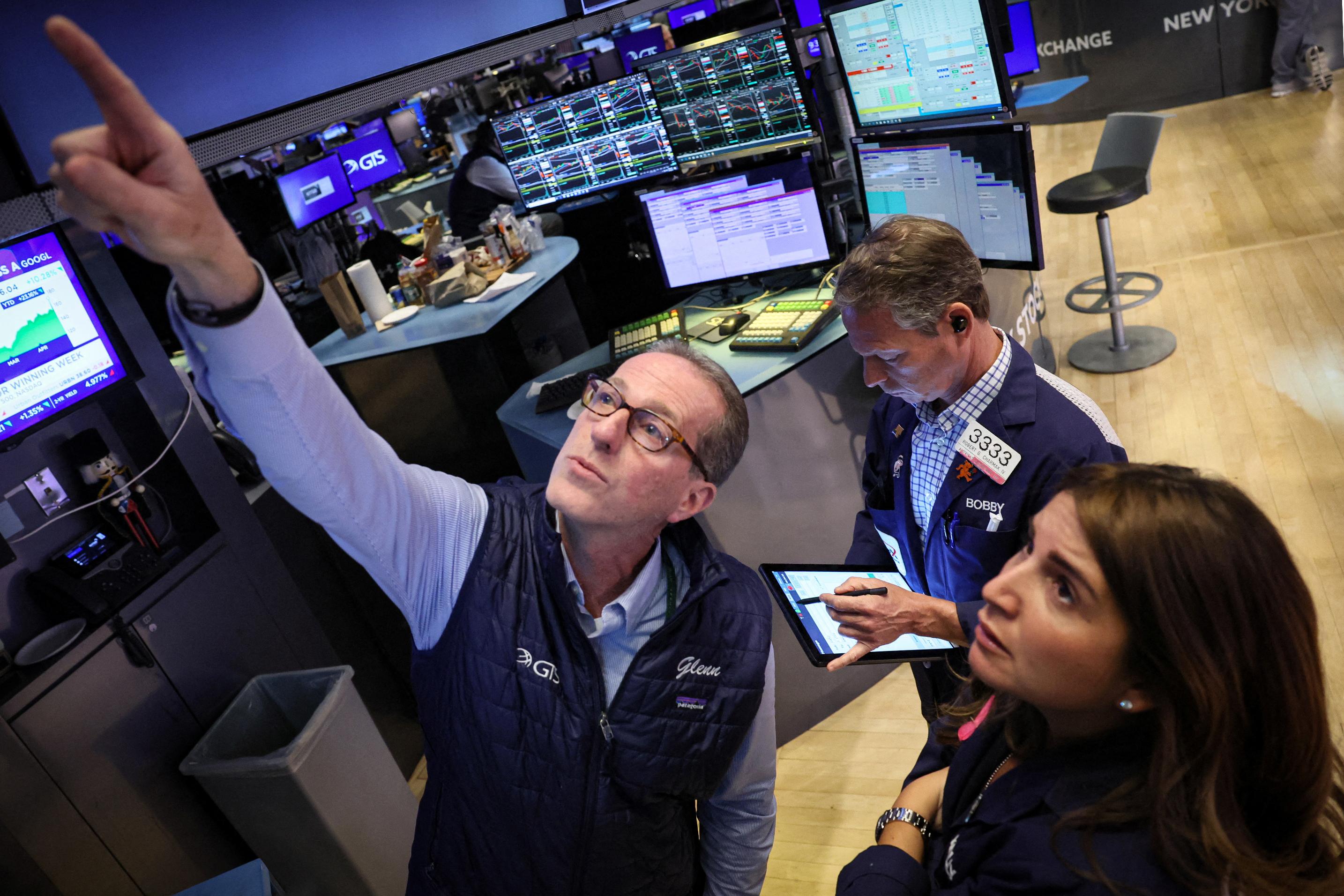
May 31 (Reuters) - Prices of antimony, a strategic metal used in flame-retardants, batteries and munitions, are rising to record highs as solar sector demand outstrips supply, causing a wide deficit with little sign of easing, smelters and analysts say. The surge in prices, which industry participants expect to persist, underscores the West's vulnerability in relying on top producer China for key minerals and could also force end-users to find alternatives for some applications. Antimony ingot in China climbed to a record 127,500 yuan ($17,588.88) per metric ton on May 29, up 56% in 2024, data from the Shanghai Metals Exchange showed. European prices have also climbed to a record $21,000 a ton, up 75% this year, Fastmarkets data showed. Globally, declining ore grades and depleting mines are squeezing antimony supply, Chinese investment bank CICC said in a report. "The surge has been almost entirely supply driven. It is not clear when the supply constraints will improve," said CRU analyst Chetan Soni, citing various supply disruptions in Myanmar, Oman, Tajikistan and Vietnam. China, one of the world's top antimony producers and users for more than a century, accounted for 48% of global antimony mine production last year, U.S. Geological Survey data showed, although its reserves fell to 640,000 tons, down from 950,000 tons in 2012. Antimony supplies from Russia, the world's fifth-largest producer, have been disrupted by Western sanctions over Moscow's invasion of Ukraine, producers, traders and analysts said. Russia accounted for 24% of China's antimony supply last year, but Chinese customs data shows there were no shipments in March and April. A sales manager at Chinese smelter who declined to be identified said that producers of finished atimony who don't have their own ore supplies and must procure from elsewhere are operating at just 25% capacity. "The problem is there is not sufficient ore", said a sales manager at a second Chinese smelter. Increasing demand for arms and ammunition due to wars and geopolitical tensions is likely to see tightening control and stockpiling of antimony ore, analysts at China Securities said in a note. Christopher Ecclestone, principal and mining strategist at Hallgarten & Co, said "clandestine" western military buying is also driving antimony demand. "The supply crisis is not going away and the military have bottomless pockets," he said. China Merchants Securities forecasts antimony demand from the photovoltaic sector, where the metal is used to improve the performance of solar cells, will increase to 68,000 tons in 2026 from 16,000 tons in 2021, with the sector's share in total consumption rising to 39% from 11%. It expects the supply gap will expand to 21,000 tons by 2026 from 8,000 tons last year. "It's basically difficult to see a quick ramp up in supply, but the market at the moment probably needs in excess of 10,000 tons of material to cut the deficits," said Nils Backeberg, an analyst at consultancy Project Blue, who said he does not expect prices to be maintained at $20,000 per ton over the longer term, but expects long-term levels in the $12,000-$14,000 range. "At the current prices, we will see impacts to the demand market," he said. "There will be substitutions, there will be alternatives being used, but there will be some time in getting those alternatives." Rising antimony prices have pushed the share prices of Chinese producers including Hunan Gold (002155.SZ) New Tab, opens new tab, Tibet Huayu Mining (601020.SS) New Tab, opens new tab and Guangxi Huaxi Non-Ferrous (600301.SS) New Tab, opens new tab up between 66% and 95% in 2024. More supply takes years to reach fruition, though governments are making efforts to find new sources. In April, Perpetua Resources Corp (PPTA.O) New Tab, opens new tab received a letter of interest from the U.S. Export-Import Bank for a loan up to $1.8 billion to develop an antimony and gold mine in Idaho, part of Washington's efforts to offset China's critical minerals dominance. Perpetua's Stibnite mine would be the only U.S. antimony source and according to the company could meet 35% of U.S. demand in its first six years. The Department of Defense has committed nearly $60 million to fund its permitting process, which has lasted eight years, to boost U.S. production for bullets and other weaponry. ($1 = 7.2489 Chinese yuan) Sign up here. https://www.reuters.com/markets/commodities/tight-supply-solar-demand-drive-antimony-prices-record-high-2024-05-31/

2024-05-31 11:18
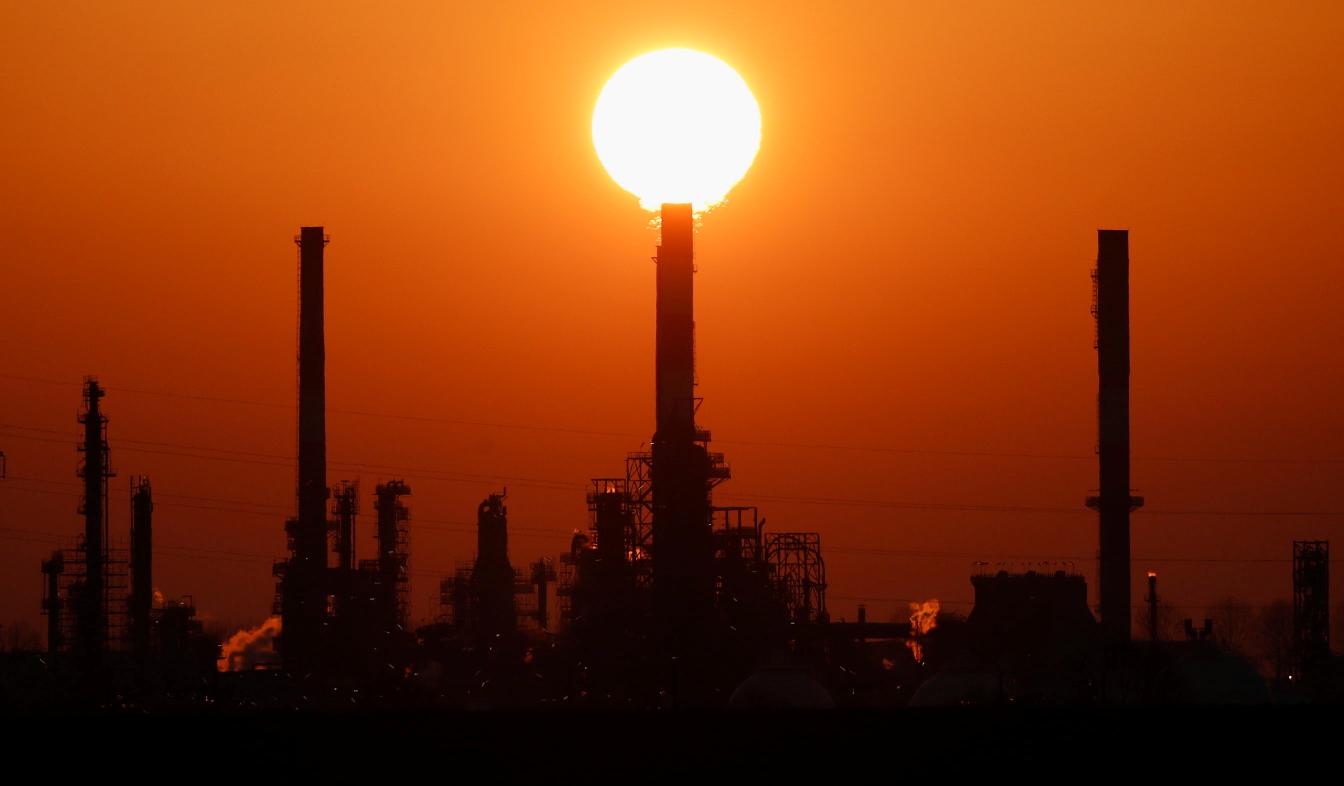
LONDON, May 31 (Reuters) - OPEC+ is working on a complex deal to be agreed at its meeting on Sunday that will allow the group to extend some of its deep oil production cuts into 2025, three sources familiar with OPEC+ discussions said on Thursday. OPEC+ has made a series of cuts since late 2022 amid rising output from the United States and other non-members, and worries over the demand outlook as major economies grapple with high interest rates to tame inflation. The Organization of the Petroleum Exporting Countries led by Saudi Arabia and allies led by Russia, known as OPEC+, is currently cutting output by a total of 5.86 million barrels per day, equal to about 5.7% of global demand. The cuts include 3.66 million bpd by OPEC+ members valid through to the end of 2024, and 2.2 million bpd of voluntary cuts by some members which expire at the end of June. The deal on Sunday could include extending some or all of the cuts of 3.66 million bpd into 2025 and some or all of the voluntary cuts of 2.2 million bpd into the third or fourth quarter of 2024, the three sources said. "A decision for 2025 is possible," one of them said. "We'll learn more in the next few days." The extension of some cuts into 2025 will likely be made conditional on OPEC+ agreeing new individual member output capacity figures later in 2024, two of the sources said. A fourth source, an OPEC+ delegate, when asked on Friday if Sunday's meeting would make decisions on 2025, said: "Part of it, yes." OPEC+ will begin a series of online meetings at 1100 GMT on Sunday. The group is trying to agree new oil production capacity for its member countries by the end of 2024, an issue that has created tensions in the past because each nation's output target is calculated based on its notional capacity. "If the cuts are indeed extended into 2025 that will also raise the issue of the group's planned capacity audit and baseline reset, which likely won't be settled until later this year," said Rory Johnston, founder of oil research service Commodity Context. The countries which have made voluntary cuts that are deeper than those agreed with the wider group are Algeria, Iraq, Kazakhstan, Kuwait, Oman, Russia, Saudi Arabia and the United Arab Emirates. "We would not entirely rule out a plot twist - in the form of a deeper cut - given (Saudi energy minister) Prince Abdulaziz's (bin Salman) penchant for Hollywood twist endings," said Helima Croft from RBC Capital Markets. Prince Abdulaziz has repeatedly said he likes keeping the oil market on its toes and has promised to punish speculators. The OPEC+ meeting coincides with a sale by Saudi Arabia of a new stake in state oil giant Aramco (2222.SE) New Tab, opens new tab. The Saudi government on Thursday filed papers to sell a stake that could raise as much as $13.1 billion to help fund Crown Prince Mohammed bin Salman's plan to diversify the economy. Sign up here. https://www.reuters.com/markets/commodities/opec-working-complex-oil-cut-extension-deal-2024-2025-sources-say-2024-05-30/
2024-05-31 10:38
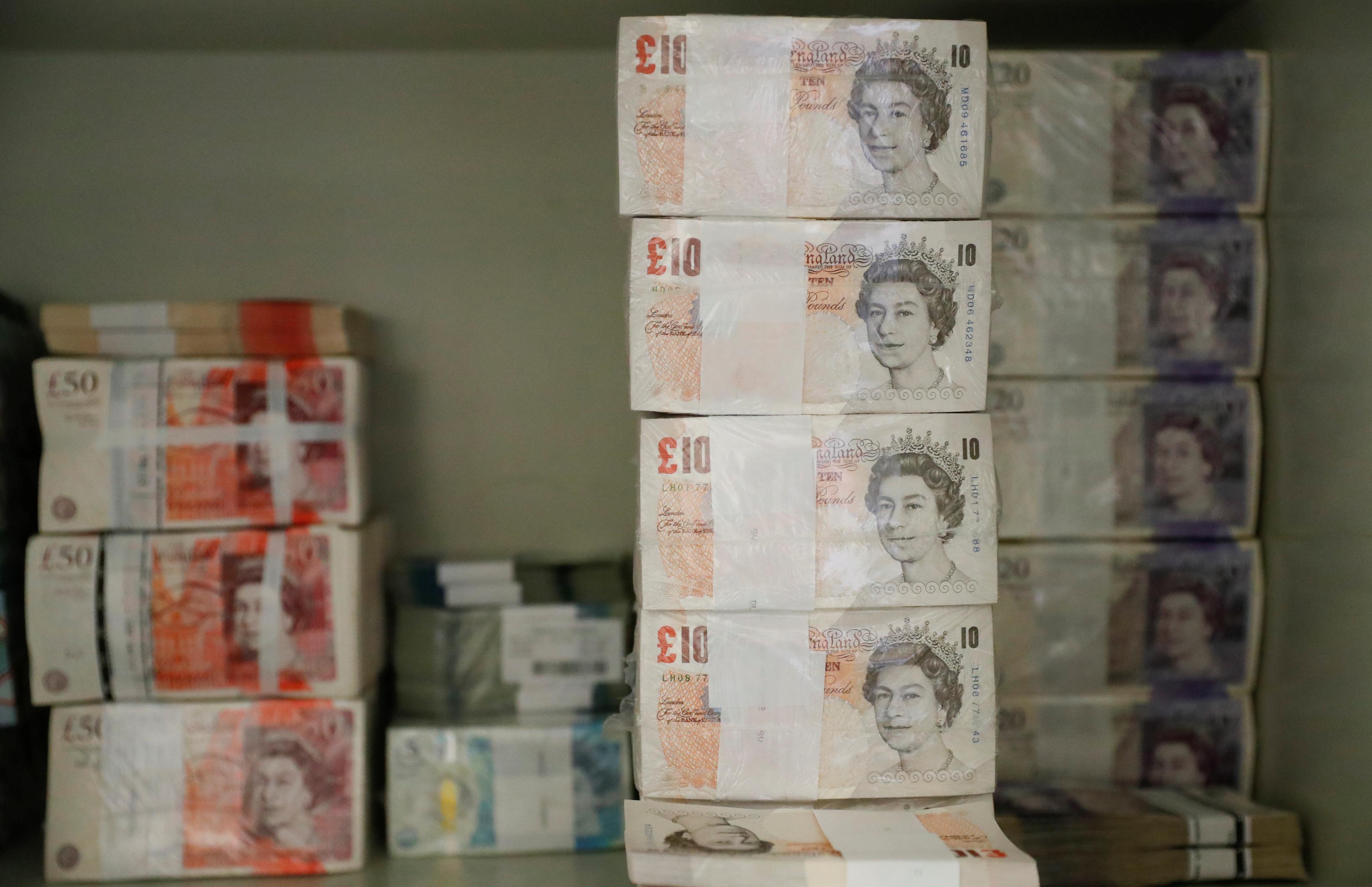
LONDON, May 31 (Reuters) - The pound headed on Friday for its best monthly performance against the dollar this year, driven by expectations that the Bank of England may need to keep UK interest rates higher for longer as inflation persists. Data on Friday showed UK house prices rose in May after two months of declines, although a separate report later in the day on U.S. inflation could prove a bigger driver for currencies. Sterling was down 0.12% on the day at $1.2717, but was headed for a rise of 1.7% in May, which would be its largest monthly increase since November's 3.9% gain. The pound hit a two-month high of $1.2801 on Monday and has drifted since then to a low around $1.268. But analysts say any further declines should remain relatively contained. "While these levels underpin (sterling), further range-trading is likely to be witnessed. A drop below these lows would engage the April-to-May tentative uptrend line at $1.2628," IG senior financial analyst Axel Rudolph said. Traders expect one rate cut this year from the Bank of England, but the jury is out on whether there is scope for a second. Interest-rate futures show roughly 32.5 basis points' worth of cuts are priced in by December, down from just over 50 bps a week ago . Investors tend to watch how sterling performs against the euro for a more accurate reflection of sentiment towards the UK economy and its markets. The euro headed for its largest daily jump against the pound on Friday since early May, after data showed euro zone inflation picked up more than forecast, with less than a week to go until the European Central Bank is expected to deliver a rate cut. The euro was last up 0.22% at 85.23 pence, but was still on course for a third successive monthly decline against sterling and for a yearly drop of 1.6%. Later in the day, data is expected to show the U.S. personal consumption expenditures (PCE) index, excluding food and energy prices, rose 2.8% in April, matching the increase in March. Month-on-month, core PCE is expected to have risen 0.3%, according to a Reuters poll. Sign up here. https://www.reuters.com/markets/currencies/pound-heads-best-monthly-gain-2024-ahead-us-inflation-2024-05-31/
2024-05-31 10:30
ROME, May 31 (Reuters) - The European Central Bank is set to ease monetary policy over coming months if data confirms its forecasts, and even after several rate cuts its monetary stance would remain restrictive, governing council member Fabio Panetta said on Friday. Panetta, the governor of the Bank of Italy, delivered a dovish message at his annual keynote speech in Rome, saying euro zone inflation is expected to continue to ease, and salary rises to slow. "Over the coming months, if the data confirms our current forecasts, we can expect an easing of monetary policy," he told the gathering of bankers and politicians. He added that the policy stance would remain restrictive "even after several official rate cuts." Numerous ECB policymakers have flagged an interest rate cut for June, a first step in bringing down the record high rate of 4% it currently pays on bank deposits. There is more uncertainty over how the bank proceeds in the following months. "We must avoid monetary policy becoming too restrictive, which would push inflation below the ECB's symmetrical (2%) target," Panetta said. Euro zone inflation rose for the first time this year to 2.6% in May from 2.4% the month before, according to a flash estimate on Friday by the blocs statistics bureau Eurostat, slightly above the forecast in a Reuters' survey of analysts. Panetta told reporters after his speech that the data was expected, and was "neither good nor bad." In his speech, the Bank of Italy chief noted that the coming decline in interest rates will be accompanied by a reduction in the ECB's balance sheet. He said it was "fundamental" that this should not interfere with the ECB's policy stance or be allowed to create a lack of liquidity or fragmentation in the impact of monetary policy. Panetta, who sat on the ECB's executive board in Frankfurt before taking over as Bank of Italy chief in November last year, said the ECB should waste no time in cutting rates. "We should consider that early and gradual moves will allow us to contain macroeconomic volatility better than late and sudden ones," he said. Turning to Italy, the central bank governor said the country's banks need to invest more in technology to keep up with their European peers, and warned about the economic impact of a fast-declining birth rate. If current trends continue, the decline in the working-age population will result in a 13% drop in Italy's economic output by 2040, he said. Sign up here. https://www.reuters.com/world/europe/panetta-says-several-ecb-cuts-would-still-leave-policy-restrictive-2024-05-31/

2024-05-31 10:07
Headline and core inflation rise more than expected Services inflation rebounds Panetta insists data neither good nor bad FRANKFURT, May 31 (Reuters) - Euro zone inflation rose in May, data showed on Friday, in a sign the European Central Bank still faces a slow and uncertain journey to reach its goal of fully reining in prices. The bigger-than-expected increase in inflation was unlikely to stop the ECB from lowering borrowing costs from a record high next week, but may cement the case for a pause in July and a slower pace of interest rate reductions in the coming months. "These numbers strengthen the hands of those who say we need to be cautious," Dirk Schumacher, an economist at Natixis, said. Consumer prices in the 20 countries that share the euro rose by 2.6% year on year in May, inching away from the ECB's 2% target after increases of 2.4% in the previous two months, according to Eurostat's flash estimate. Economists polled by Reuters had anticipated inflation would rise to 2.5%, fuelled in part by an unfavourable comparison to last year when Germany had subsidised rail travel, among other one-off factors. ECB policymaker Fabio Panetta, the governor of the Bank of Italy, said the latest reading was neither good nor bad as he reaffirmed his view that the central bank could cut rates several times and still keep the brakes on the economy. More significantly, a closely watched measure of underlying inflation that excludes food, energy, alcohol and tobacco came in at 2.9% from 2.7% in April. Prices in the services sector, which some policymakers have singled out as especially relevant because they reflect domestic demand, rebounded to 4.1% from 3.7%. This was likely to mirror larger-than-expected increases in wages in the first quarter of the year, which have boosted consumers' battered disposable income after years of below-inflation pay hikes. The ECB's biggest ever streak of rate hikes has helped bring down inflation, which reached from 10% in late 2022 due to the surge in energy prices in the wake of Russia's invasion of Ukraine. The hikes have stabilised consumer inflation expectations but also choked off credit. This meant that policymakers meeting next week were likely to stick to well-telegraphed plans to cut rates despite growing market doubts about a global narrative of falling inflation. "We think that the latest inflation and wage figures decrease the likelihood of back-to-back interest rate cuts in July, but we see the ECB cutting rates twice more before the end of the year if the downward trend in inflation resumes during the third quarter as expected," said Diego Iscaro, head of European economics at S&P Global Market Intelligence. German government bond yields - the benchmark for euro zone borrowing costs - reached their highest in over six months after inflation data was released. Markets are currently pricing around 57 basis points of ECB rate cuts in 2024, and are indicating a 25 basis point cut in June, and one more by year end. In recent weeks, however, they have been gradually paring back expectations of a third cut this year. Sign up here. https://www.reuters.com/markets/europe/euro-zone-inflation-rises-just-ecb-prepares-cut-rates-2024-05-31/

2024-05-31 10:05
A look at the day ahead in U.S. and global markets from Mike Dolan Wall Street looks set to end the shortened week slightly punch drunk, with Friday's May inflation update set to be a decider after a slew of conflicting economic data signals and the latest election twist. The Federal Reserve's favored PCE inflation gauge is due out early on Friday. Consensus forecasts for a 0.3% monthly increase in the core measure and annual rate stuck at 2.8% are still likely too high for Fed officials to give a green light on easing interest rates. Still, a rough week for bonds calmed down a bit on Thursday after news that U.S. first quarter GDP and inflation readings were revised down a touch, home sales plunged in April and jobless claims ticked higher. The latest sweep of Fed speakers also sounded more sanguine about the hopes for continued disinflation. Without signalling any urgency in cutting rates, New York Fed boss John Williams said rates would be cut "at some point". Dallas Fed chief Lorie Logan reiterated that it was still "too soon" to be thinking about easing. However, the better bond market mood did little to lift stocks. The S&P500 (.SPX) New Tab, opens new tab lost 0.6% on Thursday and, dragged down by a near 20% post-earnings swoon in Salesforce (CRM.N) New Tab, opens new tab shares, the Nasdaq (.IXIC) New Tab, opens new tab lost more than 1%. Futures stayed in the red before Friday's bell and the VIX volatility index stayed elevated at about 14.5. There was no obvious market reaction to the potentially seismic political news overnight that Donald Trump became the first U.S. president to be convicted of a crime. A New York jury found him guilty of falsifying documents to cover up a payment to silence a porn star ahead of the 2016 election. Although polling shows most voters see the conviction as 'serious', markets seem wary of reading any implications for November's presidential election race - not least because they have yet to fix on what a Trump return to the White House would mean for asset markets and economy anyhow. And much has yet to play out in terms of sentencing, appeals and what it means for Trump's candidacy within the Republican party. Even in the unlikely event he faced prison, he would still not be constitutionally barred from becoming president. Overseas markets remained in thrall to the U.S. inflation and Fed picture for the most part. The dollar was steady for the most part, although the euro nudged higher after euro zone May inflation came in slightly above forecasts - even if still below 3%. While the update is unlikely to cut across the European Central Bank's expected quarter-point interest rate cut next week, full-year ECB easing expectations slipped back further to 55 basis points. Euro zone bond markets now look ahead to sovereign credit rating reviews for Italy, France, Greece and Ireland later on Friday. China's manufacturing activity unexpectedly fell in May, keeping alive calls for fresh stimulus as a protracted property crisis in the world's second-largest economy continues to weigh on business, consumer and investor confidence. Elsewhere, South Africa's rand fell to a five-week low as results from this week's election showed the African National Congress had fallen short of a majority - setting up an uncertain period of coalition building ahead. Mexico's peso was also on the backfoot ahead of the weekend presidential elections there. Oil prices held steady ahead of Sunday's OPEC+ meeting, with the producer group working on a complex deal that would allow it to extend some of its deep oil production cuts into 2025. In other news, the Wall Street Journal reported that Bill Ackman is considering selling a stake his Pershing Square firm that would value the company at about $10.5 billion. Key diary items that may provide direction to U.S. markets later on Friday: * US April personal income and consumption and 'core' PCE inflation readings for the month, Chicago May business survey; Canada Q1 GDP revision * Atlanta Federal Reserve President Raphael Bostic speaks Sign up here. https://www.reuters.com/markets/us/global-markets-view-usa-2024-05-31/