2024-05-31 00:35
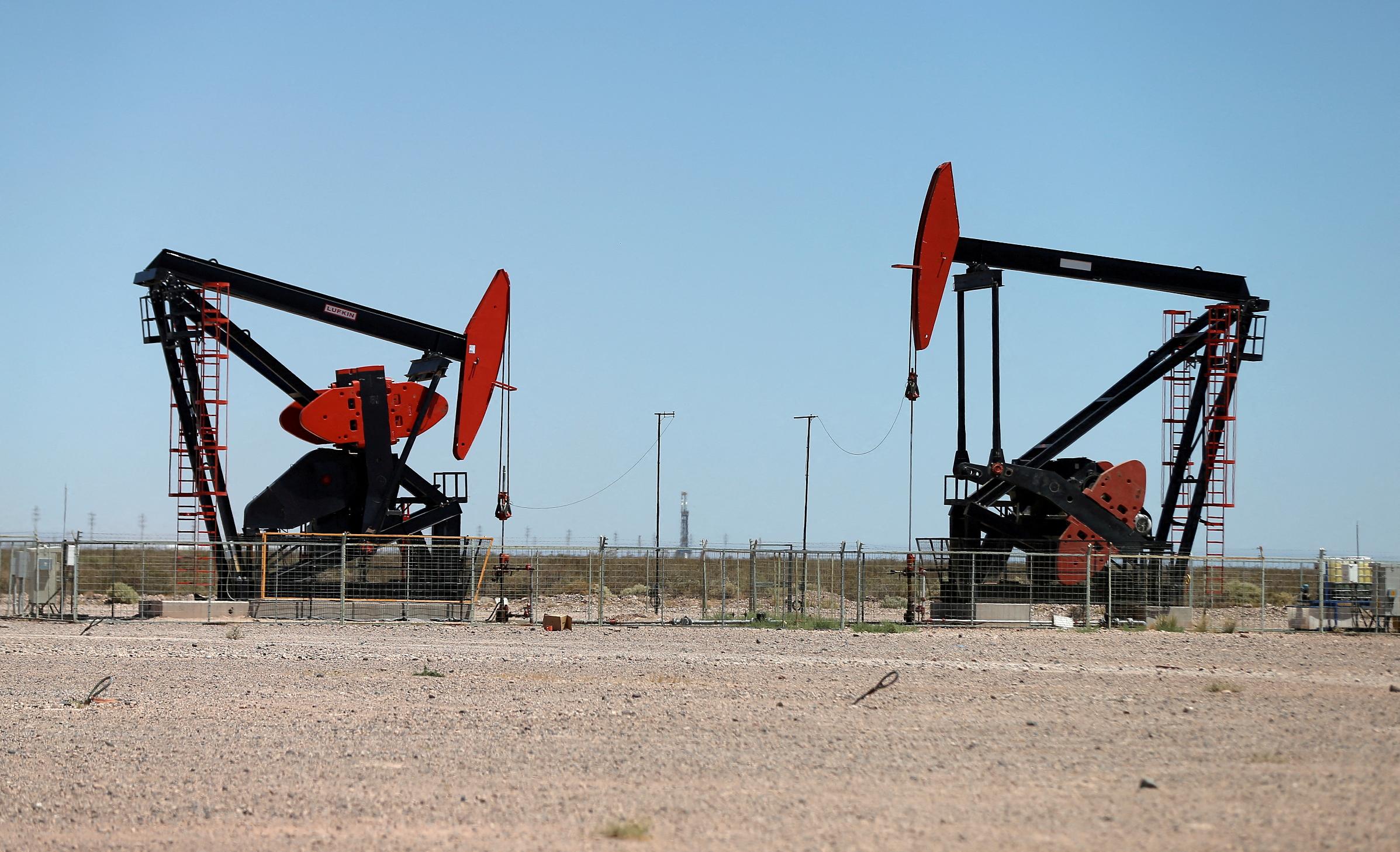
EIA: U.S. crude output in March at highest level in 2024 U.S. inflation tracks sideways in April OPEC+ eyes deal to extend production cuts, sources say NEW YORK, May 31 (Reuters) - Oil prices fell on Friday and posted a weekly loss as investors awaited an OPEC+ meeting on Sunday that will determine the fate of the producer group's output cuts. Brent futures for July delivery were down 24 cents, or 0.3%, to $81.62 a barrel, while the more liquid August contract was down 77 cents, or 0.8%, at $81.11. U.S. West Texas Intermediate (WTI) crude futures fell 92 cents, or 1.2%, at $76.99. For the week, Brent settled down 0.6%, with WTI posted a 1% loss. "It's the trepidation ahead of the OPEC meeting over the weekend," said Matt Smith, lead analyst at Kpler, referencing the potential for the group to do something unexpected. "It's widely expected that they'll roll over the cuts," he added. Markets are awaiting the OPEC+ meeting on Sunday, with the producer group working on a complex deal that would allow it to extend some of its deep oil production cuts into 2025, sources told Reuters. Saudi Arabia invited ministers to gather in person in Riyadt for the June meeting in a last minute change of plans, sources said on Friday. The gathering is still officially scheduled as an online meeting. U.S. crude production rose in March to its highest level this year, data from the U.S. Energy Information Administration (EIA) showed on Friday, while fuel product supplied, a proxy for demand, fell 0.4% to 19.9 million barrels per day. The oil market has been under pressure in recent weeks over the prospect of U.S. borrowing costs staying higher for longer, which ties down funds and can curb oil demand. Both oil benchmarks were on course for their biggest monthly declines since December after dropping in the previous session on a surprise build in U.S. fuel inventories. "U.S. summer travel season kicked off with Memorial Day weekend, with initial indications showing strong driving and flying activity — but fuel use looks more muted, implying efficiency gains," Citi analysts wrote in a note. Oil prices rose briefly after U.S. government data showed inflation tracked sideways in April, strengthening traders' bets that the Fed would deliver a long-awaited rate cut in September. Euro zone inflation rose more than expected in May, Eurostat data showed. The increase is unlikely to deter the European Central Bank from cutting borrowing costs next week, but it could slow the rate cutting cycle. U.S. energy firms held oil and gas rig count - an early indicator of future output - steady at 600 in the week to May 31, energy services firm Baker Hughes (BKR.O) New Tab, opens new tab said in its closely followed report on Friday. Oil rigs fell by one to 496 this week, while gas rigs rose by one to 100. However, the total rig count fell for the third month in a row in May, dropping by 13, the most in a month since August. Money managers raised their net long U.S. crude futures and options positions in the week to May 28, the U.S. Commodity Futures Trading Commission (CFTC) said on Friday. Sign up here. https://www.reuters.com/business/energy/oil-falls-fed-policymakers-look-maintain-rate-cuts-gasoline-stocks-rise-2024-05-31/
2024-05-31 00:05
COTONOU, May 30 (Reuters) - Benin President Patrice Talon said Niger has not responded to his country's concerns and his Nigerien counterpart did not meet with Benin's mining minister on a visit this week amid a dispute over exports of crude oil from Niger via a port in Benin. Relations between the West African neighbours have been strained since a July 2023 coup in Niger led the regional bloc ECOWAS to impose strict sanctions for more than six months. Trade flows in the region were expected to normalise after the bloc lifted sanctions, but Niger has kept its borders closed to goods from Benin. In a televised address on Thursday, Talon said that during meetings in Niamey earlier this week, Benin reiterated its customs agency was ready to cooperate with its counterpart in Niger to allow regular shipments of Nigerien oil through its port terminal. But, he said, that would only be possible if the border was formally opened, at least to oil shipments. He said the Nigerien delegation did not make any response to the concerns his mines minister, Samou Seidou Adambi, raised in Niamey. "As I speak, I have not received any clarification or information from our Nigerien brothers along the lines expected by everyone," Talon said. On May 15, Benin provisionally reversed a decision to block exports of Nigerien oil via its port and agreed to hold a meeting between the two countries, Adambi said at the time. But a long-term solution has not yet been agreed. Talon said he wrote a "letter of appeasement" to junta leader Abdourahamane Tchiani and asked Adambi to deliver it in person, but that Tchiani did not receive the minister. "I go around the world asking people to come and invest in Africa ... and here I am, witnessing what makes investors reluctant," Talon said in the televised address. "But I remain hopeful that the calming of relations between Niger and Benin will not be delayed any longer, because there is no reason to justify the distrust and attitude of our brothers in Niger; the time of protest and sanctions due to the coup that took place in Niger has passed." The nearly 2,000 km (1,243-mile) PetroChina (601857.SS) New Tab, opens new tab -backed pipeline was officially launched in November linking Niger's Agadem oilfield to the Benin port of Cotonou. Sign up here. https://www.reuters.com/world/africa/no-reason-justify-distrust-attitude-niger-benin-president-says-2024-05-31/

2024-05-30 23:46
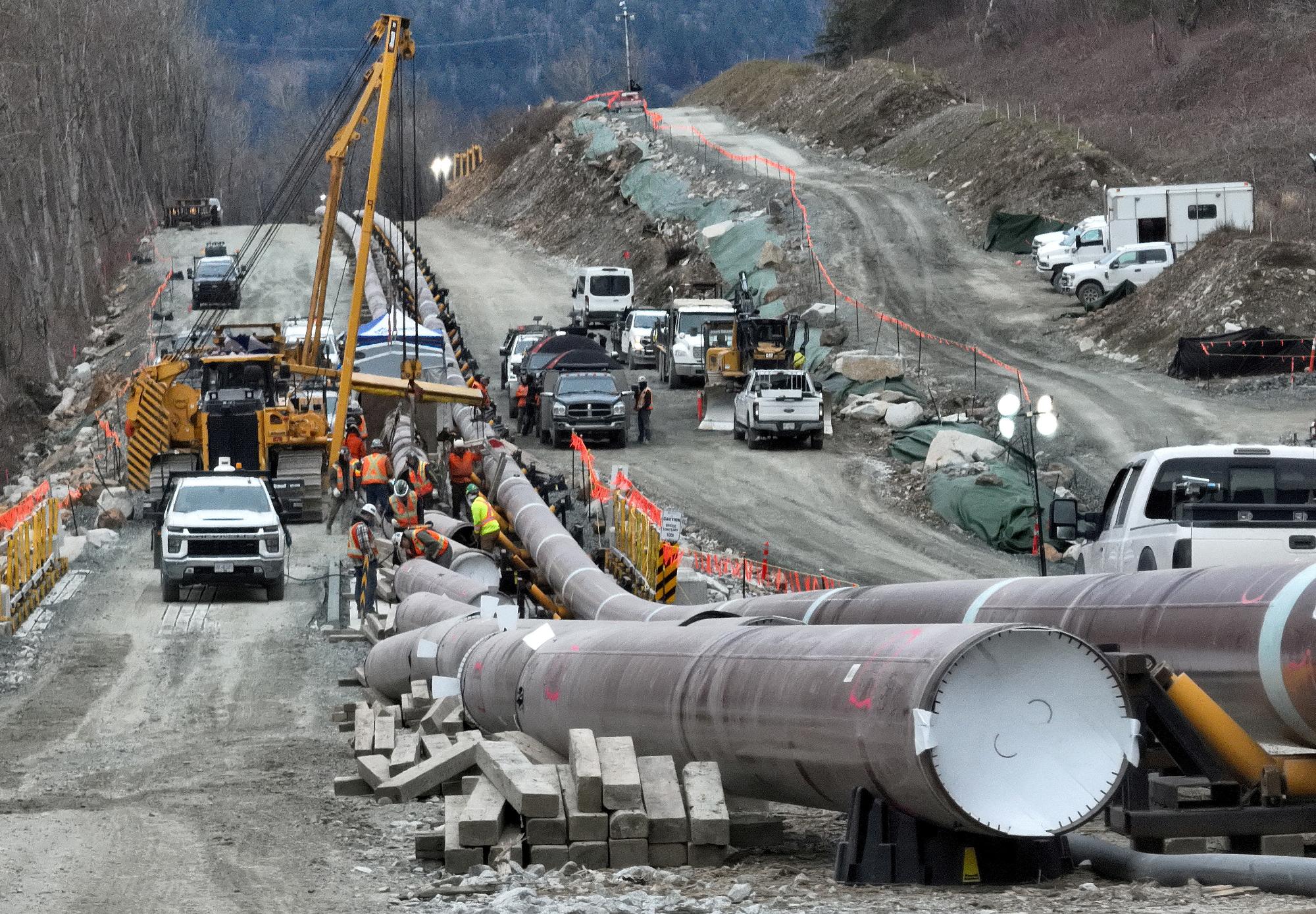
May 30 (Reuters) - The Canadian government has guaranteed another C$1 billion ($731 million) in commercial loans for the Trans Mountain pipeline expansion, taking the total government-backed loan facility to C$19 billion, Trans Mountain's quarterly earnings statement showed on Thursday. The expansion project, which has so far cost C$34 billion, nearly triples capacity to ship oil from Alberta to Canada's Pacific coast to 890,000 barrels per day. It started commercial operations on May 1 after years of delay. While the oil industry in Canada, the world's fourth-largest producer, has welcomed expanded access to overseas markets, opponents of the project are critical of the cost to Canadian taxpayers and its environmental impact. "We've basically written a blank cheque to this project," said Keith Stewart, senior energy strategist at Greenpeace Canada. "This money could have been so much better spent getting off oil and fighting climate change." Prime Minister Justin Trudeau's Liberal government bought Trans Mountain from Kinder Morgan Inc (KMI.N) New Tab, opens new tab in 2018 to ensure the expansion went ahead but in 2022, as costs soared, said it would no longer finance the project with public money. However, the government did provide a loan guarantee to Trans Mountain Corp (TMC), which helped the crown corporation secure a C$10 billion credit agreement with a syndicate of commercial lenders. The credit available to TMC from the syndicate increased to C$19 billion on May 17 and the maturity date was extended to August 2026, TMC said in its first-quarter results statement. At the end of 2023, TMC had total available credit of C$18 billion that matured in March 2025 but said additional funding was required, which resulted in "material uncertainty that cast substantial doubt" on TMC's ability to continue as a going concern. "The increase to the facility included a corresponding increase to the guarantee provided from the Government of Canada," TMC's statement said. TMC has not disclosed the interest rate on the commercial loans but its financial statement showed interest expenses jumped 431% to C$143 million in the first quarter of 2024, up from $27 million in the same period a year earlier. The corporation said the increase was partly due to higher interest rates on its syndicated facility. ($1 = 1.3679 Canadian dollars) Sign up here. https://www.reuters.com/markets/commodities/canada-increases-loan-guarantees-trans-mountain-c19-billion-2024-05-30/
2024-05-30 23:45
Tokyo May CPI up 1.9% yr/yr, matches forecast Inflation lest fuel slows to 1.7% in May from 1.6% in April Factory output unexpectedly slips in April TOKYO, May 31 (Reuters) - Core consumer inflation in Japan's capital accelerated in May on rising electricity bills but price growth excluding the effect of fuel eased, data showed on Friday, heightening uncertainty on the timing of the central bank's next interest rate hike. Separate data showed factory output unexpectedly fell in April, underscoring the fragile state of Japan's economic recovery and dashing policymakers' hope that strong corporate activity will offset the weakness in household spending. The core consumer price index (CPI) in Tokyo, a leading indicator of nationwide figures, rose 1.9% in May from a year earlier, matching a median market forecast and accelerating from a 1.6% increase in April. But the uptick was driven mostly by rising electricity bills, which could hurt already weak consumption and heighten uncertainty about the outlook for Japan's economy. A separate index that excludes the effect of both fresh food and fuel costs, closely watched by the Bank of Japan (BOJ) as a broader price trend indicator, rose 1.7% in May from a year earlier, slowing from the previous month's 1.8% gain. Private-sector service inflation also slowed to 1.4% in May from 1.6% in the previous month, casting doubt on the BOJ's view that prospects of rising wages will prod more companies to charge extra for their services. Adding to uncertainty over the outlook, factory output fell 0.1% in April from the previous month, confounding market expectations for a 0.9% increase, government data showed. Manufacturers surveyed by the government expect output to rise 6.9% in May before falling 5.6% in June, the data showed. Japan's economy shrank an annualised 2.0% in the first quarter as companies and households reduced spending, casting doubt on the central bank's view of a moderate recovery. While analysts expect growth to rebound in the current quarter, a weak yen is weighing on household sentiment by pushing up the cost of imports for fuel and food. The BOJ ended eight years of negative interest rates and other remnants of its radical monetary stimulus in March as it judged that sustained achievement of its 2% inflation target has come into sight. BOJ Governor Kazuo Ueda has said the central bank will raise interest rates from current near-zero levels if underlying inflation, which takes into account CPI and broader price gauges, accelerates toward 2% as it currently projects. The central bank expects rising wages to push up service inflation and keep inflation durably around 2%, a condition it set as a prerequisite to further phase out monetary stimulus. Sign up here. https://www.reuters.com/markets/asia/core-inflation-japans-capital-accelerates-keeps-boj-rate-hike-view-alive-2024-05-30/

2024-05-30 23:32
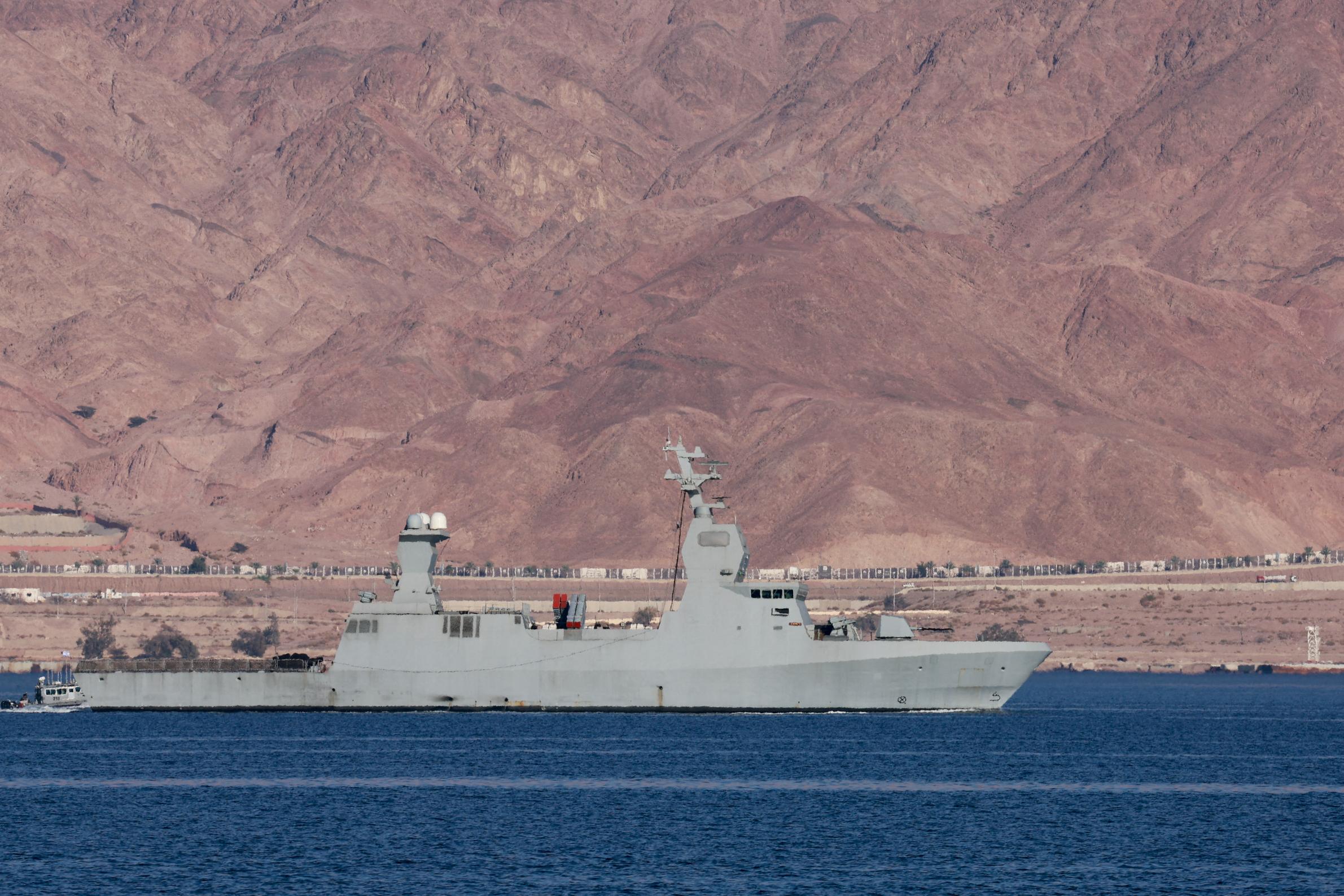
Govt considers easing limits that blocked Gulf oil deal-report State-owned company wants more tankers at its oil terminal Stress on Eilat port endangers coral reef and tourism Environmental regulator, Eilat warn of potential catastrophe JERUSALEM, May 30 (Reuters) - Israel plans to allow more oil tankers to dock at a Red Sea port in Eilat despite environmental risks, as it strives to maintain energy security amid conflict on multiple fronts, according to Israeli officials and government documents. Prime Minister Benjamin Netanyahu's office wants to revoke restrictions on the amount of oil that can be unloaded at a jetty in the city, which sits in the middle of a string of resorts and beaches and is adjacent to a fragile coral reef. The curbs imposed in 2021 by the Environmental Protection Ministry and which effectively halted an oil supply deal with the United Arab Emirates, were eased temporarily late last year at the start of the Gaza war. The jetty belongs to state-owned Europe Asia Pipeline Co (EAPC), which operates a pipeline across Israel connecting the Red and Mediterranean seas as an alternative for tankers crossing the Suez Canal. EAPC wants to receive more oil but environmental regulators and Eilat's mayor oppose the plan. With the war against Hamas setting off fighting with Hezbollah in Lebanon and drawing attacks from other Iranian proxies in Yemen, Iraq and even by Iran itself, Israel is pushing to ensure it can keep its economy running smoothly. When its main energy source, the offshore Tamar gas field, was briefly shut at the outset of the war with Hamas, the country turned to supplies earmarked for export. With Yemeni Houthis disrupting trade in the Red Sea, ships have diverted to Mediterranean ports. Utilities have built their own backup networks. EAPC signed a deal to transfer large amounts of oil from the UAE to Europe through its pipeline in 2020, shortly after Israel and the UAE normalized ties, in one of the most significant partnerships to emerge from the U.S.-brokered Abraham Accords. The deal was forecast to transfer tens of millions of tons of oil, meaning about 50 tankers docking at the crowded Eilat shoreline annually, the Environmental Protection Ministry said. The prior average was two. The environment ministry took a hardline policy of "no additional risk" and set a limit of two million tons of oil, effectively blocking the deal. Eilat's coral reef is unique in having proved more resilient to climate change, when many reefs around the globe are dying. It is also a big tourism draw. Its proximity to the jetty leaves it vulnerable to even the smallest leak from one tanker. Despite those risks, Netanyahu's office recommended this month that the easing of restrictions be extended and broadened to include fuel for trade as well as domestic use, and even for capacity to unload oil products in Eilat to be expanded, an internal report seen by Reuters showed. "The government of Israel does not take an approach of complete risk avoidance - not in security, not in energy and not in the environment," a ministerial committee formed by Yossi Shelley, director general of Netanyahu's office, said in the report which has not been made public. "Not canceling the limitation of the 'no additional risk' policy, without managing the risk, and not expanding the distillates port might lead to the closure of the Eilat terminal and not allow the required response in times of emergency." The committee instructed the environment ministry to come up with a plan to minimize risks from more oil deliveries. The Environmental Protection Ministry wrote to Netanyahu's office on April 16 after receiving the report, and in its letter seen by Reuters said its concerns were ignored, the report's recommendations were unacceptable, and that it did not have the resources to regulate the proposed increase in deliveries. In arguing its case, the ministry has cited past mishaps, like in 2014 when EAPC's pipeline burst, spilling millions of litres of oil into a nature preserve. It was unclear whether removing the Eilat limitations would revive the UAE oil deal. Petromal, a unit of Abu Dhabi-based National Holding and one of the owners of the company that signed the deal with EAPC, did not immediately respond to a Reuters request for comment. KEEPING THE OIL FLOWING EAPC Chairman Erez Halfon welcomed the government's U-turn in a statement in which he said the war has made clear "the strategic, security and energy importance of EAPC's facility in Eilat." Without constant oil deliveries, the Eilat facility will degenerate and become unreliable, EAPC said. Nearly all Israel's trade, including energy deliveries, is seaborne and most happens along the Mediterranean coast in ports at Haifa, Ashdod and Ashkelon. In 2023 Israel imported 267,000 barrels per day of crude oil, according to data from shipping analytics firm Kpler, mostly from Kazakhstan, Azerbaijan and Kurdistan. The Emirati oil deal could be worth about $50 million a year for EAPC, according to the internal report. Israel's Energy Ministry told Reuters that oil deliveries should be enough to economically sustain the terminal but need to be handled properly vis a vis the environment. One government official dismissed an argument by the director general of the Environmental Protection Ministry that there were other ways to keep the jetty functioning. "The professional position was clearly stated that any means other than operational activity will not be sufficient to keep that channel functioning," the official told Reuters. The committee, the official emphasized, did not tell the Environmental Protection Ministry exactly how much oil should be permitted or how to conduct the survey, only that it be carried out. It gave the ministry three months to comply. Sign up here. https://www.reuters.com/sustainability/climate-energy/israel-aims-boost-red-sea-oil-deliveries-despite-environmental-risks-2024-05-30/
2024-05-30 23:07
May 30 (Reuters) - A Trinidad and Tobago court order has granted ConocoPhillips (COP.N) New Tab, opens new tab the right to enforce a $1.33 billion claim against Venezuela for past expropriations, a decision that could complicate proposed offshore gas ventures between Trinidad and Venezuela. The decision on Wednesday gave the U.S. oil company the right to seize any compensation to Venezuela from joint gas projects with Trinidad. The countries and energy companies NGC, Shell (SHEL.L) New Tab, opens new tab and BP (BP.L) New Tab, opens new tab are looking to develop major offshore gas fields. Since winning arbitration awards against Venezuela and its state oil company PDVSA, Conoco has sought to enforce the rulings in different courts, including in the U.S. and the Caribbean. "The order gives to the claimant a green light to be able to enforce the judgment in Trinidad if they can establish there are assets held by the defendants or there is money which is owed to the defendant by entities in Trinidad and Tobago," High Court Judge Frank Seepersad told Reuters in an phone interview. Conoco declined to comment. PDVSA, Shell and BP did not immediately reply to requests for comment. Trinidad's NGC gas company has not been served with documents related to this matter, and continues with its partners and stakeholders to progress work on a gas project, spokesperson Lisa Burkett said. PDVSA paid Conoco about $700 million through a settlement agreement, but ceased payments in late 2019. Conoco is the largest claimant in a Delaware case that will auction shares in the parent of Venezuela-owned refiner Citgo Petroleum to pay creditors seeking more than $20 billion in compensations. Ryan Lance, Conoco's CEO, this month told Wall Street analysts the company is involved in the Citgo court case "to get the money that they owe us for the judgments that we have against the Venezuelan government for the expropriation of our assets." This week, the U.S. Treasury Department granted a license to BP and NGC to develop the Cocuina-Manakin gas fields in the maritime border between the two countries. Another license for a larger gas project, called Dragon, which lies in Venezuela's waters, was issued by Washington last year. None of the projects have declared financial viability or started operations, but negotiations between the two nations have progressed to compensate PDVSA for pasts investment in the fields. Conoco, whose arbitration case against PDVSA before the International Chamber of Commerce gave the company the right to recoup up to $1.89 billion plus interest for the expropriation of its oil assets in Venezuela, said in its request to Trinidad's High Court that it would try to attach any reimbursement paid to PDVSA. "By this application, the claimants seek... recognition of the award; judgment in the terms of the award set forth in the draft order accompanying the application; and permission to enforce the award," the document said. The court order provides PDVSA seven days to challenge the decision favoring Conoco, according to the court documents. Sign up here. https://www.reuters.com/world/americas/trinidad-court-recognizes-conocophillips-13-billion-claim-against-venezuela-2024-05-30/