2024-05-30 07:02
Brookfield partners Brookfield Renewable, Temasek for the deal Offer price is almost 27% higher than Neoen's last closing price Investment comes in a context of accelerating clean power demand May 30 (Reuters) - Canada's Brookfield (BN.TO) New Tab, opens new tab said on Thursday that together with Brookfield Renewable Partners and Singapore's Temasek Holdings it has entered into exclusive talks to buy a majority stake in French renewable power producer Neoen (NEOEN.PA) New Tab, opens new tab, valuing it at around 6.1 billion euros ($6.6 billion). The deal marks one of the biggest take private deals in Europe this year and comes amid strong investor interest in renewable energy assets. Asset manager Brookfield said it is in discussions to acquire a 53.32% stake for 39.85 euros per share from Neoen's main shareholders, and then the remainder of the company at the same price, according to a joint statement by the companies. The offer price was almost 27% higher than Neoen's last closing price. Shares of Neoen closed at 31.40 euros on Wednesday, giving the company a market cap of about 4.8 billion euros. "Brookfield's offer implies an equity value for 100% of the shares of 6.1 billion euros," Neoen said in a statement. Brookfield and partners will buy a 42% stake in Neoen owned by French billionaire Jacques Veyrat's Impala SAS and the balance from other shareholders of Neoen, an independent producer of renewable energy operating in 16 countries. Brookfield plans to make an all cash tender offer for the rest of Neoen at the same price and take it private once the majority stake purchase was completed, according to the statement. "Our Board of Directors fully welcomes the transaction," said Xavier Barbaro, Neoen’s chairman and CEO, in the statement. Investors are looking to acquire renewable energy assets amid a global push for energy transition. In March, U.S investment firm KKR & Co (KKR.N) New Tab, opens new tab launched a 2.8 billion euro takeover offer for German electricity and energy producer Encavis (ECVG.DE) New Tab, opens new tab. On Tuesday, Energy Capital Partners agreed to buy utility company Atlantica Sustainable Infrastructure Plc (AY.O) New Tab, opens new tab for about $2.56 billion in cash. The amount of renewable energy capacity added globally in 2023 grew by 50% to almost 510 gigawatts (GW), according to the International Energy Agency, which expects further growth to 710 GW by 2028. Brookfield sees the investment in Neoen as an opportunity to scale Neoen’s portfolio of diverse high quality assets in a context of accelerating clean power demand, according to the statement. The deal also comes after Singapore state investment firm Temasek opened its Paris office in April. Temasek plans to invest S$20 billion to S$25 billion ($18.49 billion) in the EMEA region over the next five years, a spokesperson said during the Paris office opening. Founded in 2008, Neoen is one of the world's biggest pure players in renewable energy with 8 gigawatts of solar power, wind power and storage projects in operation or under construction across France, Australia, Ireland, Finland and Sweden, according to its website. It reported revenue of 524.4 million euros in 2023 and an adjusted net income of 80.4 million euros. It is targeting 10GW of capacity in operation or under construction by 2025. ($1 = 0.9263 euros) ($1 = 1.3523 Singapore dollars) Sign up here. https://www.reuters.com/markets/deals/brookfield-nears-deal-buy-frances-neoen-66-bln-2024-05-30/

2024-05-30 06:49
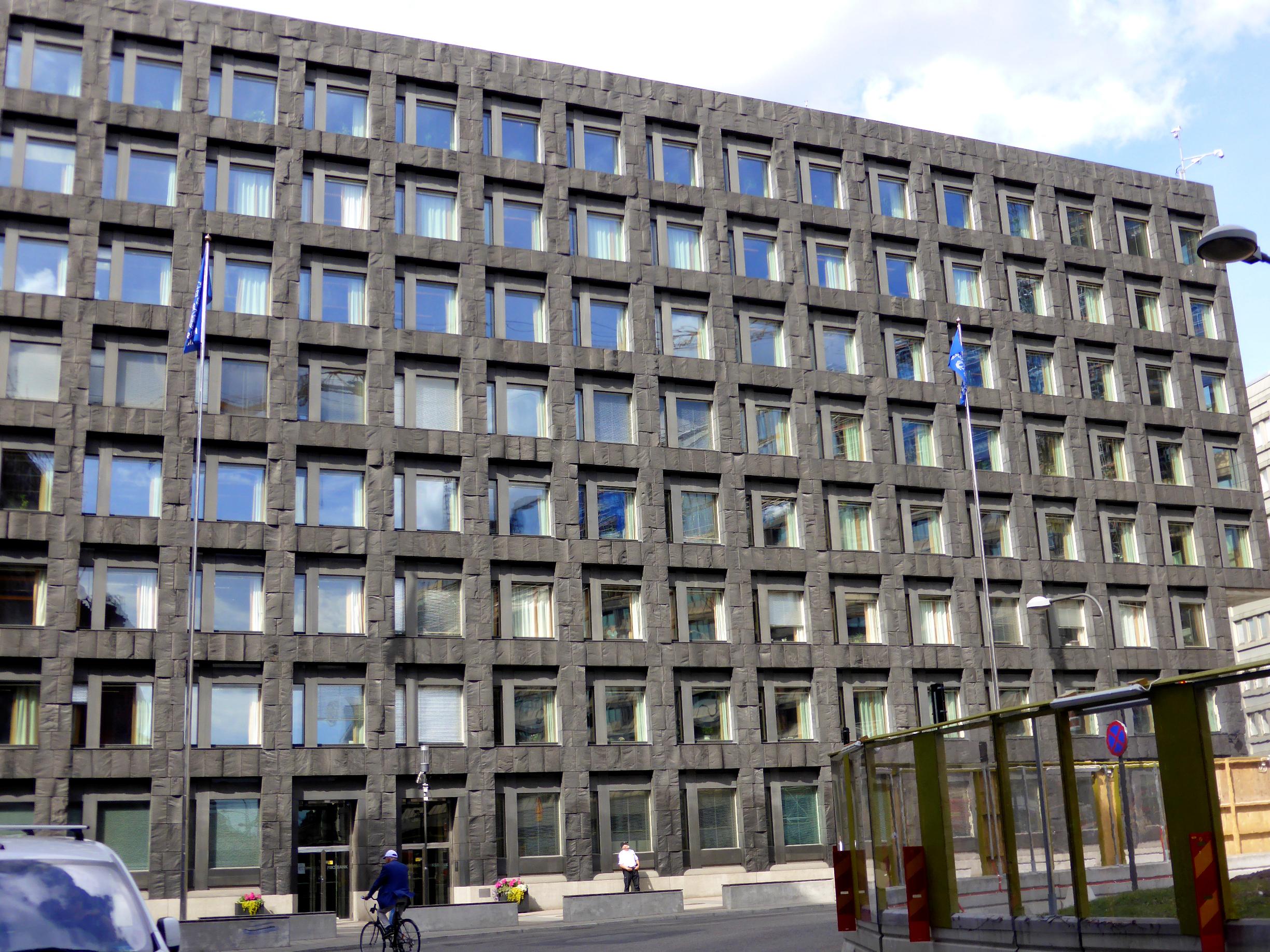
STOCKHOLM, May 29 (Reuters) - While much of Europe faces tough choices about how to cut budgets to bring down soaring debt, thrifty Sweden has a more enviable dilemma: how to use its strong public finances to face up to the mounting challenges ahead. Decades of prudence have left Sweden with public finances the envy of the continent, prompting a debate about whether strict budget rules - credited with rescuing Sweden after a domestic financial crisis in the early 1990s - can be loosened. Back then, the government slashed spending by around 8% of GDP and increased taxes after a real estate bubble burst. The cost was heavy: 200,000 public sector job cuts as the welfare state was downsized and the economy shrank three years in a row. Memories of that pain have kept finance ministers' budgets in check ever since - to the point that the question now is whether the Nordic country needs to start loosening its belt. With debt now around 30% of GDP - the average in Europe is around 90% - calls are increasing for a rethink to support a "green" industrial revolution that could be held back by a lack of clean electricity, housing and poor roads and railways. "If we don't do it now, we won't just miss out on being at the cutting edge of green industrial development," Fredrik Lundh Sammeli, an opposition Social Democrat member of parliament, said. "It will be a threat to ... Sweden as an industrial nation." A government commission due to report this autumn is looking at whether to ease the current budget surplus target of 0.33% of GDP to free up extra cash. Even the International Monetary Fund, a devotee of fiscal probity, said in its March report on Sweden a "small deviation" from the surplus target would help public investment and social spending needs. Few doubt that more investment would be welcome. Some of the 200 billion Swedish crowns ($19 billion) of new private investment planned in the far north of Sweden - enough to boost GDP by 2-3% - is at risk if the government doesn't stump up 60-80 billion crowns for infrastructure, a report in May by consultants McKinsey said. Steel firm SSAB's planned fossil-free plant in Lulea, Norbotten will reduce the nation's total CO2 emissions by 7%. For iron ore miner LKAB, the choice is between planning for fossil-free production or "planning for a shutdown", Niklas Johansson, head of communications, said. MUCH TO DO Other priorities are stacking up. The IMF said more money was needed in education, training, integration and to solve Sweden's housing woes. The defence budget will have to increase after joining NATO. Tougher anti-gang measures mean Sweden needs thousands of new prison places. Deputy Prime Minister Ebba Busch has proposed a deficit of around 0.5% until debt reaches around 45% of GDP, boosting the budget by 50 billion crowns a year. Debt could rise to as much as 50% of GDP, a recent government-commissioned report said. "That would still give us a large safety margin if we were to find ourselves in a deep crisis," Lars Calmfors, Professor of Economics at Stockholm University and one of the authors, said. IF IT AIN'T BROKE Others - including within Sweden's governing coalition - are sceptical, both about running deficits and whether extra spending would bring the desired results. Finance Minister Elisabeth Svantesson, from the pro-business Moderate Party, said income tax cuts and benefit reform would be a better way to boost tax revenues and long-term growth than watering down fiscal rules. "Some are saying that we should have a deficit long into the future. That would just leave our debts to the next generation," she said. There is also a risk spending would become permanent, reducing buffers to cope with a future crisis, the Debt Office has warned. The pandemic and the recent global bout of inflation - which topped 10% in Sweden- also show why being able to call on big fiscal buffers is good. "It saved companies, it saved jobs and it meant we could bounce back quickly," Nordea chief economist Annika Winsth said. Several European nations are facing painful budget cuts having allowed deficits and debt levels to surge in recent years - a fate Sweden is anxious not to experience again. "I believe that we will probably end up with a balanced-budget target," said Mattias Persson, chief economist at Swedbank, an outcome that would increase spending from current levels. "But we can't just pour out money on things that won't generate value for future generations," he said. ($1 = 10.5978 Swedish crowns) Sign up here. https://www.reuters.com/markets/europe/europe-struggles-cut-debt-sweden-eyes-more-spending-2024-05-29/
2024-05-30 06:39
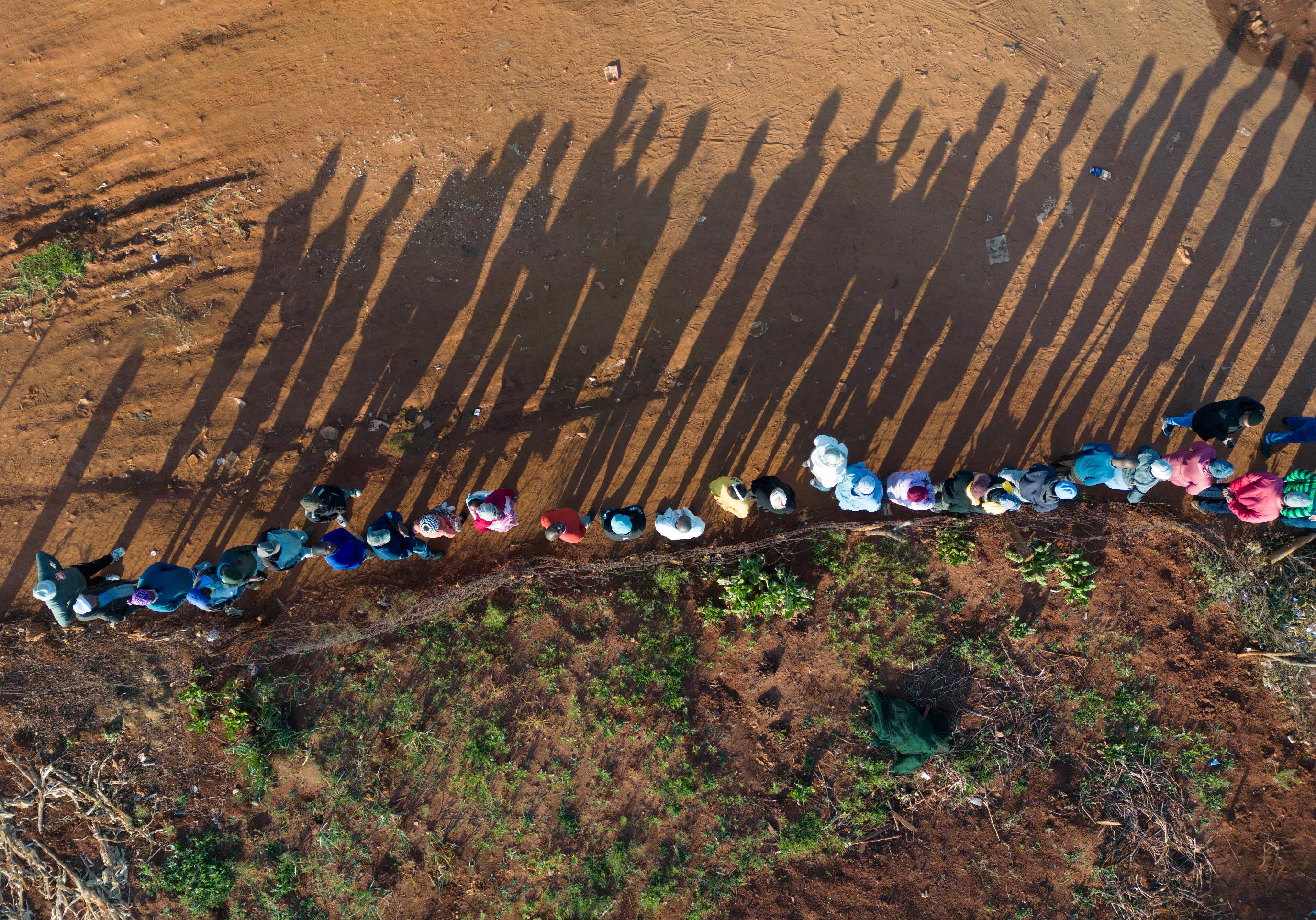
South Africans voted on Wednesday for new parliament Early results: ANC biggest party but no majority New parliament will elect president Ex-president Zuma's party erodes support for ANC MIDRAND, South Africa, May 30 (Reuters) - The African National Congress looked set to lose the parliamentary majority it has held for 30 years, partial election results New Tab, opens new tab on Thursday showed, as voters punished the former liberation movement for years of decline in South Africa. While the party of the late Nelson Mandela looked likely to remain the largest political force, such an outcome would push it into a coalition with other parties for the first time in the country's post-apartheid history. With results in from 42.1% of polling stations, the ANC had garnered 42.7% of votes in Wednesday's poll. It won 57.5% of votes in the previous election in 2019. Were that trend to hold, the ANC would likely struggle to cobble together a majority through alliances with small parties, leaving it a potential choice between three bitter rivals. "The ANC is in a trilemma," said political analyst Sizwe Mpofu-Walsh. The partial results released by the electoral commission put the pro-business Democratic Alliance (DA) in second place on 23.6%. uMkhonto we Sizwe (MK), a new party led by former president Jacob Zuma, was at 10% and eating into ANC support, particularly in KwaZulu-Natal - his home province and a traditional stronghold of the ruling party. MK had also overtaken the radical left Economic Freedom Fighters (EFF), currently the third biggest party in parliament, on 9.5%. Zuma was forced to quit as president in 2018 after a string of scandals. He has since thrown his weight behind MK - named after the ANC's armed wing from the apartheid era - but he was barred from standing for a seat in parliament due to a prison sentence. "MK is the reason why the ANC is getting less than 50%," Oscar Van Heerden, senior research fellow at the Centre for African Diplomacy and Leadership at the University of Johannesburg, told Reuters. The ANC has won every national election since a landmark 1994 vote ended white minority rule and brought Mandela to power. But the last decade has seen the ANC wracked by repeated corruption scandals while South Africans have watched the economy stagnate, unemployment and poverty climb and infrastructure crumble, leading to regular power outages. 'DISASTER FOR SOUTH AFRICA' Pollsters and two of the country's three main broadcasters predicted that the final results would confirm that the ANC had lost its majority. Mosotho Moepya, the chairperson of the Independent Electoral Commission, warned against reading too much into the early results, however. "At the moment we are trying to deal with a picture that is half-baked, maybe not even half-baked. It's still in the oven," he told a news briefing at the national counting centre. Under South Africa's proportional voting system, parties' shares of the vote determine the number of seats they get in the National Assembly, which then elects the next president. That could still be the ANC's leader, incumbent President Cyril Ramaphosa. However, an embarrassing showing at the polls risks fuelling a leadership challenge. Investors and the business community have voiced concern over the prospect of a coalition with the EFF, which is calling for the seizure of white-owned land and the nationalisation of mines and banks, or with Zuma's MK. The ANC shares some policy stances with the EFF and MK. Both Zuma and EFF leader Julius Malema are former ANC members who fell out with its leadership. Though the DA has vowed to oust the ruling party, its leader John Steenhuisen has not ruled out a partnership to block what he has called a "doomsday coalition" with the ANC bringing the EFF or MK into government. "That would spook investors. It would tank the economy. It would be a disaster for South Africa," Helen Zille, chairperson of the DA's federal council, told Reuters. But she added that the DA had not entered coalition talks with any parties. The rand fell more than 1% against the U.S. dollar on Thursday while the wider equity index (.JTOPI) New Tab, opens new tab dropped almost 1.9%. Local and international bonds also came under pressure. Speaking to Reuters, ANC Deputy Secretary-General Nomvula Mokonyane said she had been surprised by the results in KwaZulu-Natal, where MK was running well ahead of the ANC. "It's still early, we want to give ourselves the space to reflect. The race is not yet over," she said. In contrast, the MK party was triumphant, slamming what it called "Ramaphosa's dismal regime". By law, the electoral commission has seven days to declare full results, but in practice it is usually faster than that. The new parliament must convene within 14 days of final results being declared and its first act must be to elect the nation's president. Sign up here. https://www.reuters.com/world/africa/south-african-election-results-trickle-after-wide-open-vote-2024-05-30/
2024-05-30 06:34
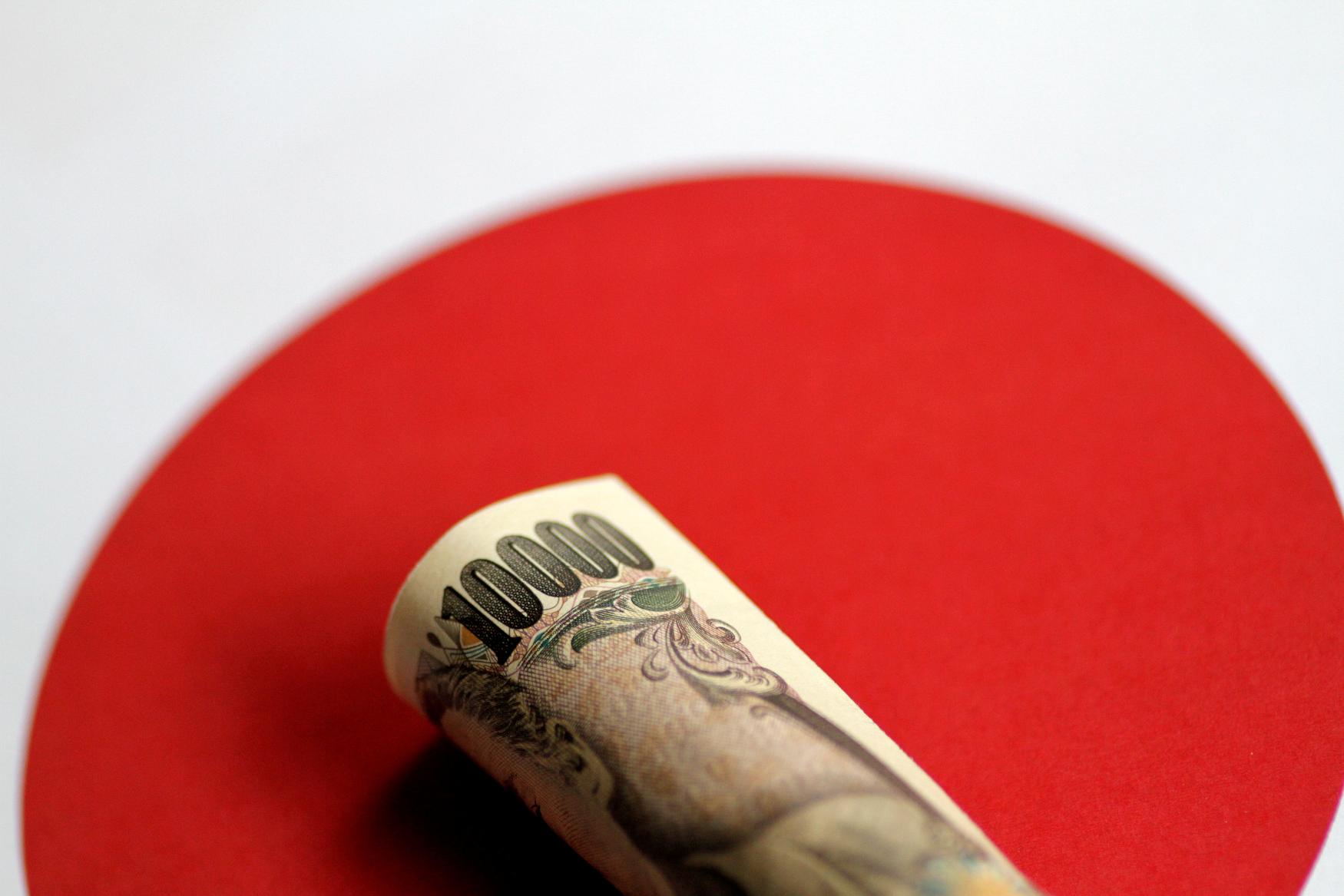
TOKYO, May 30 (Reuters) - Japanese policymakers are turning their attention to more structural economic factors behind persistent yen declines, convinced that market intervention is limited in its ability to reverse the currency's broader slide. Data due out on Friday is likely to show Japan spent roughly 9 trillion yen late April through early May to slow the decline in the yen, which hit a 34-year low below 160 to the dollar. While the wide U.S.-Japan interest rate gap is typically blamed for the yen's declines, the currency's persistent weakness has alerted policymakers to other more fundamental drivers such as Japan's dwindling global competitiveness. Spear-headed by Japan's top currency diplomat Masato Kanda, the Ministry of Finance (MOF) set up a panel of 20 academics and economists this year to drill into the country's current account for reasons behind the structural issues. However, Kanda has said foreign exchange itself is not within the scope of the panel's discussion. During its four meetings since March, the panel discussed measures to strengthen Japan's global competitiveness and divert profits earned overseas to boost domestic growth, according to presentation materials and minutes released by the ministry. "The Japanese themselves are no longer investing in Japan. Profits earned overseas are not returning home and reinvested aboard, while inbound foreign direct investment remains small," a senior government official said. "This issue needs to be addressed with structural reform," said the official, who spoke on condition of anonymity. Structural economic reform has remained the most elusive part of former Japanese Prime Minister Shinzo Abe's signature "Abenomics" strategy, launched a decade ago, as ultra-easy monetary policy kept uncompetitive companies alive. "Essentially, Japan's economic fundamentals must change for the currency's relative value to change," another government official said. Exchange-rate intervention can hamper speculative moves but cannot reverse the yen's long-term weakness, nor is it designed to do so, the official said. REAL DEFICIT Japan ran a current account surplus around 21 trillion yen ($134 billion) last year, MOF data showed, a sign the country still earns more money than it spends overseas. But the composition of the surplus has undergone major changes over the last decade that may be weighing on the yen. Trade no longer generates a surplus, reflecting a surge in the cost of energy imports and an increase in offshore production. Japanese manufacturers with overseas operations now produce roughly 40% of its goods outside the country, according to a survey by the trade ministry. Japan now offsets the trade deficit with an increase in surplus in primary income from securities and direct investment overseas, as more firms embark on acquisitions of foreign firms in pursuit of growth abroad. But the bulk of such income earned overseas is re-invested abroad instead of being converted into yen and repatriated home, which may be keeping the currency weak, analysts say. Daisuke Karakama, chief market economist at Mizuho Bank, estimates that only about a third of the 35 trillion yen in primary income surplus last year may have returned home. In cash flow terms, Japan might have suffered a current account deficit last year as its primary income surplus likely was not enough to offset payments for trade and services, he said. "Demand for yen may not be as strong as the 20-trillion-yen current account surplus suggests," said Karakama, who is a member of the MOF panel. The panel is due to compile its proposals around June. Japan could face more trouble if households lose faith in the yen and shift their 1,100-trillion-yen worth of cash and deposits overseas, says Tohru Sasaki, another panel member who is chief strategist of Fukuoka Financial Group. "There are already some signs," he said, such as the popularity of foreign stocks under Japan's tax-free stock investment programme. ($1 = 157.1800 yen) Sign up here. https://www.reuters.com/markets/currencies/yens-relentless-slide-revives-japans-interest-structural-reforms-2024-05-30/
2024-05-30 06:32
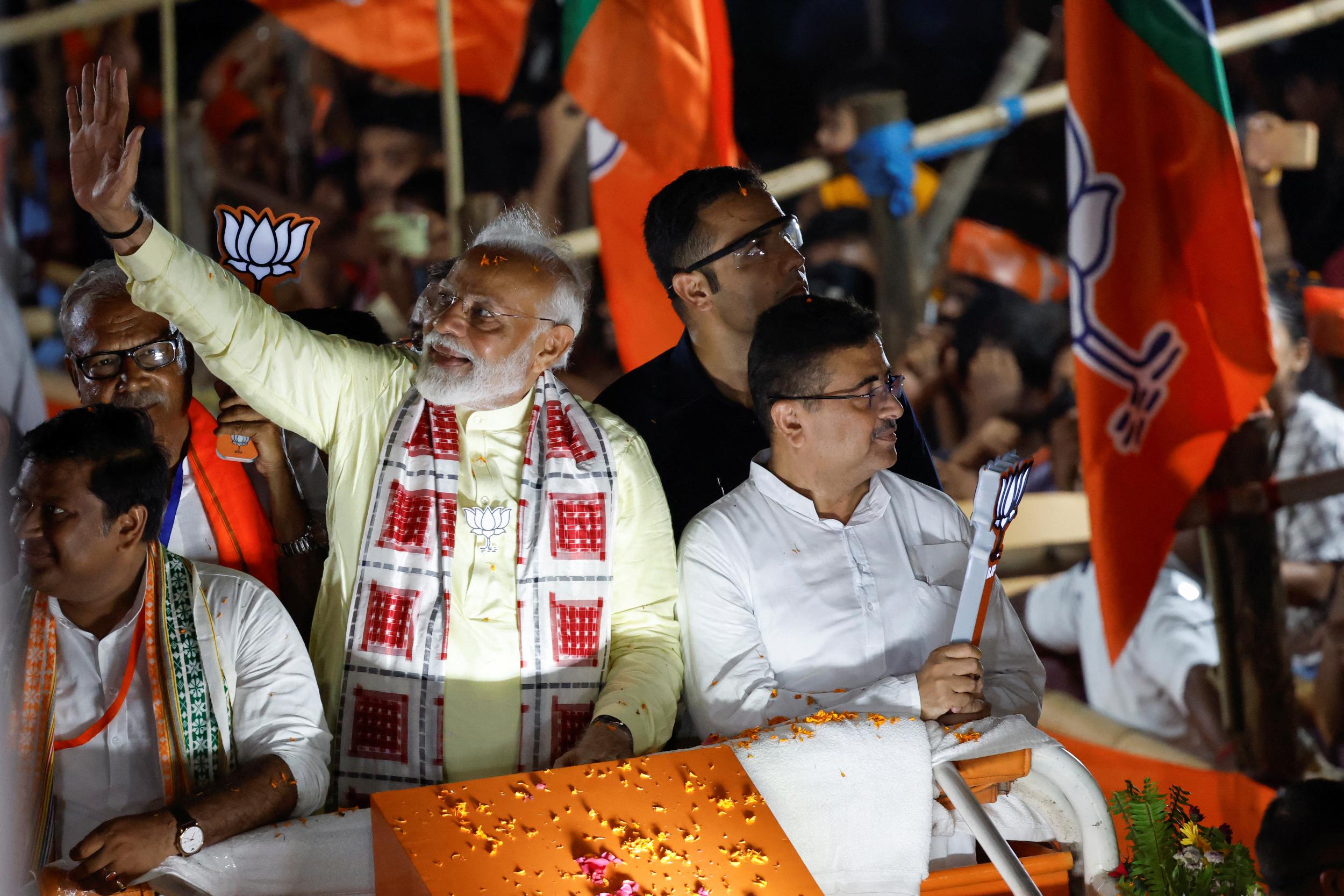
June 9 (Reuters) - India's Narendra Modi is set to be sworn in as prime minister on Sunday for a third straight term, a rare feat that will also come with new challenges as the populist leader is forced to rely on allies to form a government. Here are some key issues Modi will need to tackle in office. FUNDS, SPECIAL STATUS FOR ALLIES In the near term, Modi's government may need to spend more to meet the demands of allies that helped him secure a majority in parliament, testing the government's purse. Regional parties in Modi's alliance have already demanded more funds for their states and federal cabinet positions during negotiations on forming a new coalition government. Andhra Pradesh state's Telugu Desam Party and Bihar's Janata Dal (United) are also pushing longstanding demands to grant special status to their states, which would allow the states to receive more federal development funds on simpler terms. ECONOMIC DISPARITY India's economy grew by 8.2% in the last fiscal year, one of the fastest rates among major economies, but voters have pointed to disparities on the ground, with growth more visible in cities than in the vast hinterland. The economy has jumped five places to be the fifth-largest in the world in the past decade under Modi's rule and he has said he will lift it to the third position. But the country's per capita income still remains the lowest among G20 nations. Nevertheless, S&P Global Ratings in late May raised India's sovereign rating outlook to 'positive' from 'stable' while retaining the rating at 'BBB-', saying the country's robust economic expansion was having a constructive impact on its credit metrics. "Middle class is the driving force of the country," Modi said at an alliance meeting on Friday. "In the coming days we will work on increasing middle class savings, improving their quality of life, and seeing what needs to be changed in our rules to achieve that." INFLATION ABOVE C.BANK TARGET Annual retail inflation (INCPIY=ECI) New Tab, opens new tab in April stood at 4.83%, slightly lower than March, but still above the central bank's 4% target. Food inflation, which accounts for nearly half of the overall consumer price basket, was an annual 8.70% in April, compared with a 8.52% rise in the previous month. Food inflation has been at more than 8% year-on-year since November 2023. For the current year, the Reserve Bank of India has projected headline inflation at 4.5% while raising outlook for economic growth to 7.2%. Modi has banned exports of wheat and rice to contain domestic inflation. UNEMPLOYMENT Unemployment in India has also been one of the main issues in the election campaign with Congress accusing the Modi government of doing little to provide jobs for the youth. Modi's Bharatiya Janata Party (BJP) lost a third of the seats it held in rural constituencies, an analysis of voting data showed, reflecting discontent in the countryside over lack of jobs and inflation. The unemployment rate New Tab, opens new tab in India rose to 8.1% in April from 7.4% in March, according to the private think-tank Centre for Monitoring Indian Economy. Government estimates for the latest January-March quarter show that the urban unemployment rate New Tab, opens new tab in the 15-29 age group ticked higher to 17% from 16.5% in the prior quarter. The overall urban unemployment rate in the January-March quarter stood at 6.7%, compared to 6.5% in the previous quarter, according to government data. The Indian government does not release quarterly unemployment figures for rural India. FOREIGN RELATIONS India's rising world stature and assertive foreign policy have been touted as major recent achievements by Modi's administration. A key diplomatic strain, however, remains with China which was spurred by a 2020 border clash that left 20 Indian and four Chinese soldiers dead. Modi said last month the countries should address the "prolonged situation" on their border. Modi's government has been trying to attract foreign companies to diversify supply chains beyond China. Relations with Canada have also been strained after Ottawa and Washington accused an Indian official of directing the plot in the attempted murder of Gurpatwant Singh Pannun, a Sikh separatist and dual citizen of the United States and Canada. In May, Canadian police arrested and charged three Indian men with the murder of Sikh separatist leader Hardeep Singh Nijjar last year and said they were probing whether the men had ties to the Indian government. TAXES An industry lobby group this year called for a tax exemption limit for individuals to be increased and linked with inflation to help boost consumption. The Confederation of Indian Industry also asked that the government review its capital gains tax structure by bringing consistency in tax rates for different asset classes such as debt, equity and immovable assets. Modi in his third term could be forced to look at lowering taxes for individuals to boost consumption, which has been the weak link in an otherwise fast-growing economy. FARMERS Stagnant farm income is a major sign of widening inequality between urban and rural India that has led to widespread protests. The BJP had promised to double farm income by 2022 in its manifesto for the last election, but has failed to do so. Despite that, Modi has set a new goal to lift rural per-capita income by 50% by 2030 but farmers remain sceptical of such plans, Reuters reported earlier. LAND, LABOUR REFORMS In February, a BJP spokesperson said Modi could make labour reforms a priority if he wins the general election. But with the pressures of a coalition government and a stronger opposition, Modi may have to delay such reforms. New labour codes, which would make it easier for firms to hire and fire workers and impose operating restrictions on unions, were approved by parliament in 2020, but they have yet to be implemented following resistance from workers and states. In his first term as prime minister, Modi tried to push through legislation that would have made it easier to buy land for industrial corridors, rural housing and electrification, and for defence purposes. However, the plan was put on the backburner amid stiff resistance from the opposition. Sign up here. https://www.reuters.com/world/india/india-election-2024-what-lies-ahead-new-government-2024-05-30/
2024-05-30 06:03
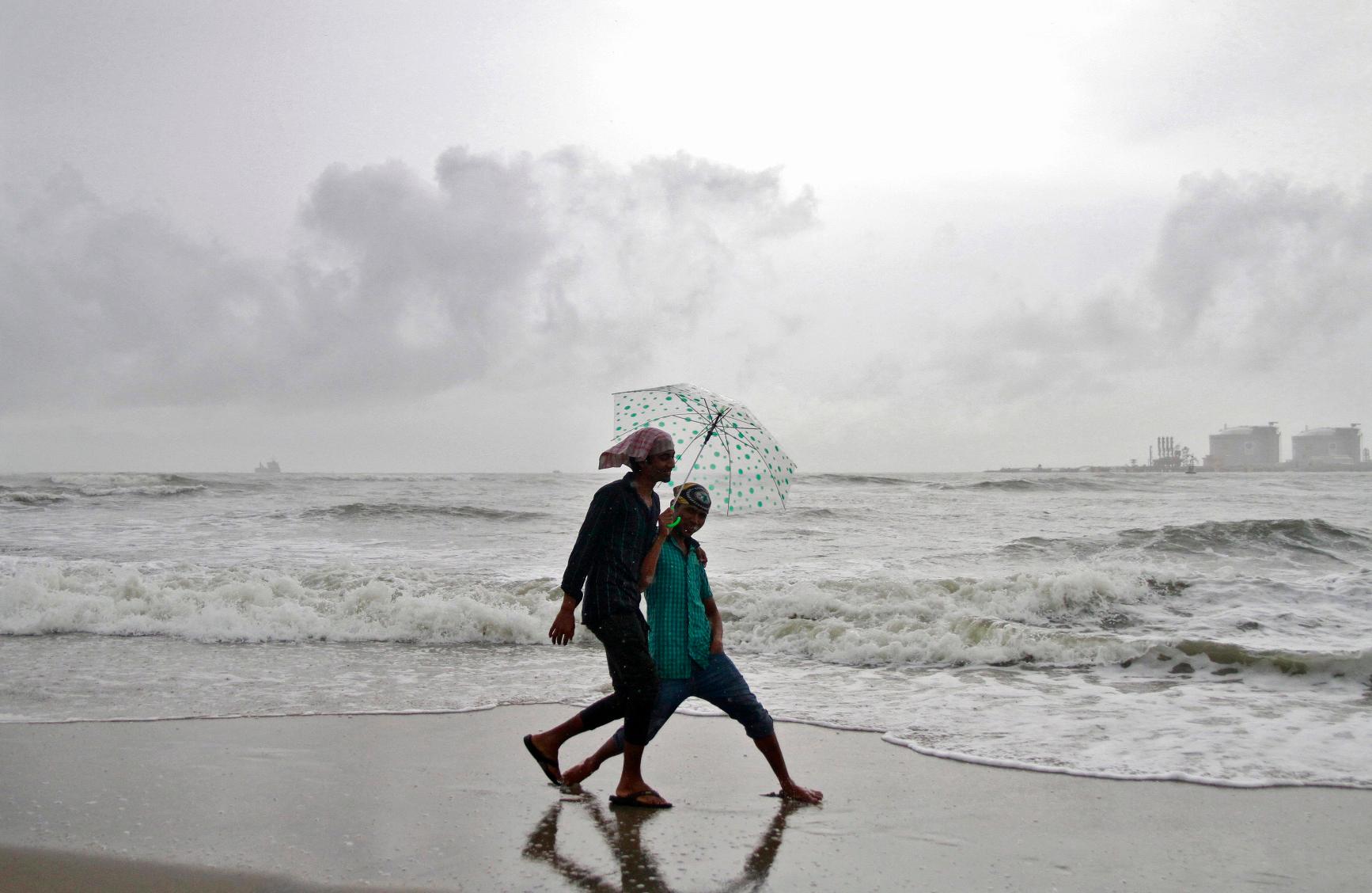
MUMBAI/NEW DELHI, May 30 (Reuters) - Monsoon rains hit the coast of India's southernmost state of Kerala on Thursday, two days sooner than expected, weather officials said, offering respite from a gruelling heat wave while boosting prospects for bumper harvests. Summer rains, critical to spur economic growth in Asia's third-largest economy, usually begin to lash Kerala around June 1 before spreading nationwide by mid-July, allowing farmers to plant crops such as rice, corn, cotton, soybeans and sugarcane. The monsoon has covered nearly all of Kerala and most northeastern states, the state-run India Meteorological Department (IMD) said in a statement. Conditions favoured its spread to the neighbouring states of Tamil Nadu, Karnataka, and the northeastern state of Assam during the next two to three days, it added. That spells relief from a stifling heat wave that has driven maximum temperatures above 50 degrees Celsius (122 degrees Fahrenheit) in some northern and western regions. The monsoon, the lifeblood of the nearly $3.5-trillion economy, brings nearly 70% of the rain India needs to water farms and recharge reservoirs and aquifers. In the absence of irrigation, nearly half the farmland in the world's second-biggest producer of rice, wheat and sugar depends on the annual rains that usually run from June to September. India is likely to receive an average amount of rain in June, although maximum temperatures are likely to stay above normal, the IMD said, with the monsoon this year expected to be 106% of the long-term average. In 2023, below-average rainfall depleted reservoirs, hitting food output, prompting government curbs on exports of commodities such as rice, wheat, sugar and onions. Resumption of exports depends on how quickly production recovers in 2024, which hinges on a plentiful monsoon. That in turn could help rein in food inflation, which is still too high for the central bank's comfort. The La Nina weather phenomenon, which increases rainfall in India, is expected to set in during July and September. Sign up here. https://www.reuters.com/world/india/indias-critical-monsoon-rains-hit-mainland-early-2024-05-30/