2024-05-29 21:03
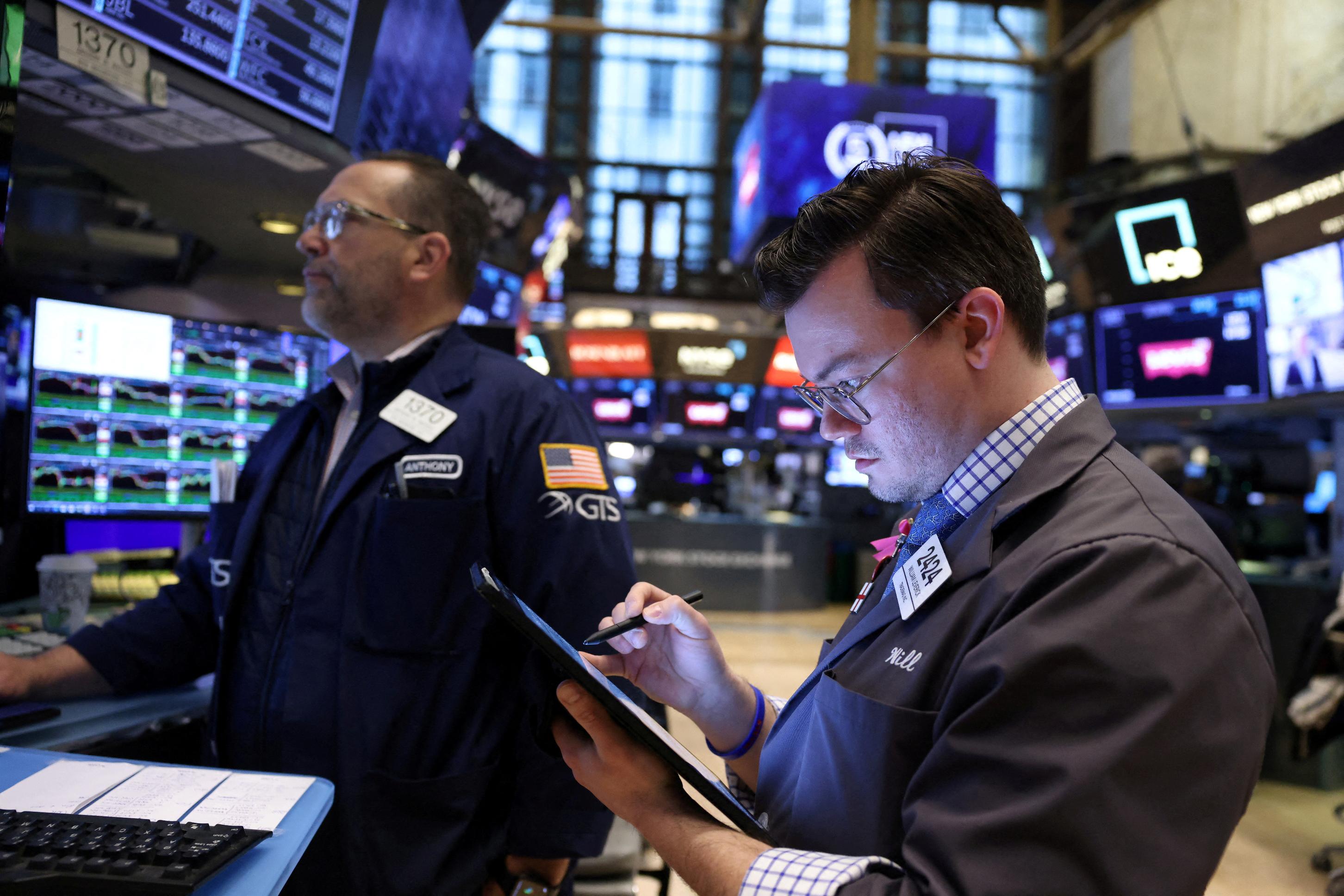
NEW YORK, May 29 (Reuters) - The transition to faster trade settlements for securities in the U.S. has faced processing bumps although the switch has mainly been smooth, market participants said on Wednesday. On Tuesday, U.S. trading of equities, corporate and municipal bonds and other securities moved to a one-day settlement cycle (T+1) from two days (T+2), to comply with a rule change adopted in February by the U.S. Securities and Exchange Commission. Canada, Mexico, Argentina and Jamaica implemented T+1 on Monday. The shift in the world's largest financial market is aimed at making market infrastructure more resilient, but investors and regulators braced for increased trade failures and other hiccups. The Securities Industry and Financial Markets Association (Sifma) said it was optimistic about the progress of the transition. "All T+1 implementation activities have been completed and appear to be operating normally," the Investment Company Institute said in a statement. "The first day of trading under T+1 settlement went smoothly," said William Coleman, head of U.S. ETF Capital Markets at Vanguard. "While there may be some increased risk of failed trades as firms continue to adjust to the new settlement regime, we expect most trades will settle successfully today." An early indication came from data on trade affirmations, in which participants verify and agree on the trade details. The Depository Trust and Clearing Corporation said that as of Tuesday evening the rate of total trades affirmed was 92.76%, higher than Friday's 89.59%. The higher the affirmation rate, the more likely trades are to be successfully settled. Settlement is the process of transferring securities or funds from one party to another after a trade agreement. It follows clearing and is handled by the Depository Trust Company, a subsidiary of DTCC. In Mexico, an executive from the main stock exchange BMV said the move would help boost transaction volumes. "The fact that the trade settlement period has been shortened by one day reduces the exposure of portfolios and generates collateral resources that brokerage firms can use," BMV executive Jiyouji Ueda said. Stephane Ritz, a managing principal at consultancy Capco, cited delays overnight in processing and preparing some trades for settlement at the National Securities Clearing Corporation, a DTCC subsidiary. The issue has been addressed in a "very timely fashion" and orders have been caught up with, Ritz added. The delays caused a lot of apprehension, said John Oleon, managing director at prime broker Clear Street. "Now that we've had that issue last night people are going to be sitting on the edge of their seat." DTCC cited some processing delays overnight which have been resolved. "We are processing transactions normally," a spokesperson said in a statement. Wednesday was the first big test for Wall Street as trades executed Friday, when T+2 was still in place, and trades from Tuesday, the first day of T+1, were being settled, which was expected to lead to a rise in volume. Market participants expect more trade failures as the industry adjusts to the faster cycle. Research firm ValueExchange said on average market participants expect the fail rate to increase New Tab, opens new tab to 4.1% after T+1 implementation, from 2.9%. In Canada, T+1 changes were implemented successfully and are functioning as expected, despite some isolated delays, which were addressed, a spokesperson for TMX, owner of the Canadian Depository for Securities, said in an email. "In an era where everything is marked by immediacy, it no longer made much sense to continue with settlement mechanisms from the last century," said Alejandro Felix from Mexico's main association of stock exchange entities. Sign up here. https://www.reuters.com/markets/us/financial-markets-association-pleased-with-shift-faster-trade-settlement-2024-05-29/
2024-05-29 20:59
DUBAI/LONDON, May 29 (Reuters) - Yemen's Houthis launched attacks on six ships in three different seas, the Iran-backed group said on Wednesday, including the Marshall Islands-flagged bulk carrier Laax that was damaged after reporting a missile strike off the Yemeni coast. Security and shipping sources confirmed the Houthis hit the Laax in a barrage of attacks on Tuesday. In a televised speech, the group also said it targeted the Morea and Sealady in the Red Sea, the Alba and Maersk Hartford in the Arabian Sea and the Minerva Antonia in the Mediterranean. The U.S.-flagged Maersk Hartford container ship was not the subject of a drone or missile attack, said Ed Hanley, chief operating officer of U.S.-based Maersk Line, which owns the vessel. "I can't speak to the other five ships, but the Hartford is fine," Hanley said in a telephone interview. "Nothing happened." Reuters was not immediately able to reach the registered owners of the other vessels for comment. The Houthis, who describe their attacks as acts of solidarity with Palestinians in Israel's war in Gaza, have launched repeated drone and missile strikes in the Red Sea region since November. They have since expanded attacks to other busy waterways. Tuesday's Houthi attacks came as Israeli tanks moved into the heart of Rafah for the first time - despite an order from the International Court of Justice to end its attacks on the city, where many Palestinians had taken refuge from bombardment elsewhere. Five missiles fired from Yemen struck the Laax, which was carrying grain, but the vessel was still able to sail to its destination and the crew were safe, the ship's security company, LSS-SAPU, told Reuters on Wednesday. "The vessel has sustained damage, she is not taking water, she is not tilting and there are no wounded onboard," a LSS-SAPU spokesperson said. "She is proceeding to her destination with a normal speed." The spokesperson with LSS-SAPU, which was responsible for evacuating the crew from the Rubymar ship which sank after being hit by a Houthi missile earlier this year, said Laax's Greece-based owner had no connection with Israel or the United States. The vessel last reported its position on May 28 with a destination of Bandar Imam Khomeini in Iran, LSEG shipping data showed. The Houthis have promised to attack any ships sailing toward Israeli ports, even in the Mediterranean. They also have identified U.S. and UK-affiliated vessels as targets. The Houthi campaign has sunk one ship, the Rubymar, and included the seizure of another vessel and the killing of three crew members in yet another attack. It has disrupted global shipping by forcing vessels to avoid the nearby Suez Canal and reroute trade around Africa. Sign up here. https://www.reuters.com/world/middle-east/yemens-houthis-target-six-ships-three-seas-2024-05-29/

2024-05-29 20:57
May 29 (Reuters) - British oil major BP (BP.L) New Tab, opens new tab and Trinidad and Tobago's state energy firm NGC have received a two-year license from the U.S. Treasury Department to negotiate and develop the Cocuina-Manakin gas fields with Venezuela, Trinidad's energy minister said on Wednesday. Washington last month did not renew a broad license that had allowed Venezuela to freely export its oil and receive investment, but it has since issued individual authorizations to companies trying to do business in the sanctioned South American country. BP and NGC are now allowed to plan a project involving an offshore reservoir with about 1 trillion cubic feet (tcf) of gas reserves that extends from Venezuela to Trinidad, Minister Stuart Young said in a Port of Spain media briefing. The authorization is the second issued by the U.S. for energy projects between the two countries, following a license in 2023 to Shell (SHEL.L) New Tab, opens new tab and NGC for the Dragon gas field in Venezuela. That project will export gas to Trinidad under the license, recently extended through October 2025. "It's the same terms as Dragon, where we can pay in U.S. currency," Young said, referring to the new license, which would allow customers to pay for the gas in hard currency as an exemption to U.S. sanctions on Venezuela. A spokesperson for BP had said earlier this month that the company had suspended negotiations for Cocuina-Manakin, which on Venezuela's side belongs to the Plataforma Deltana project, until receiving a U.S. authorization. The company did not immediately reply to a request for comment. France's Maurel & Prom (MAUP.PA) New Tab, opens new tab, Spain's Repsol (REP.MC) New Tab, opens new tab and the Caribbean island of Aruba have also received U.S. licenses in recent days to do business with Venezuela. The authorization to Aruba is for importing Venezuelan fuel oil for domestic use, Prime Minister Glenbert Croes said this week. Venezuela wants to start gas exports to secure another source of revenue for the oil-producing country, which remains under sanctions since 2019. Meanwhile, Trinidad needs the gas to feed its petrochemical and liquefied natural gas plants as its own productions dwindles. Venezuela and Trinidad expect a third project involving gas reserves in both countries' waters, the Loran-Manatee fields, to also be jointly developed, officials have said. Shell, which operates the area on Trinidad's side, has not made a final investment decision to give the financial go-ahead to Manatee. The Loran-Manatee fields hold some 10 tcf of gas. "The last time I met with President Nicolas Maduro, him and I did discuss Loran, and so obviously that is something on our radar," Young said. "But you do it focused with a strategy, one by one." Sign up here. https://www.reuters.com/business/energy/bp-trinidads-ngc-receive-us-license-gas-development-with-venezuela-2024-05-29/
2024-05-29 20:40
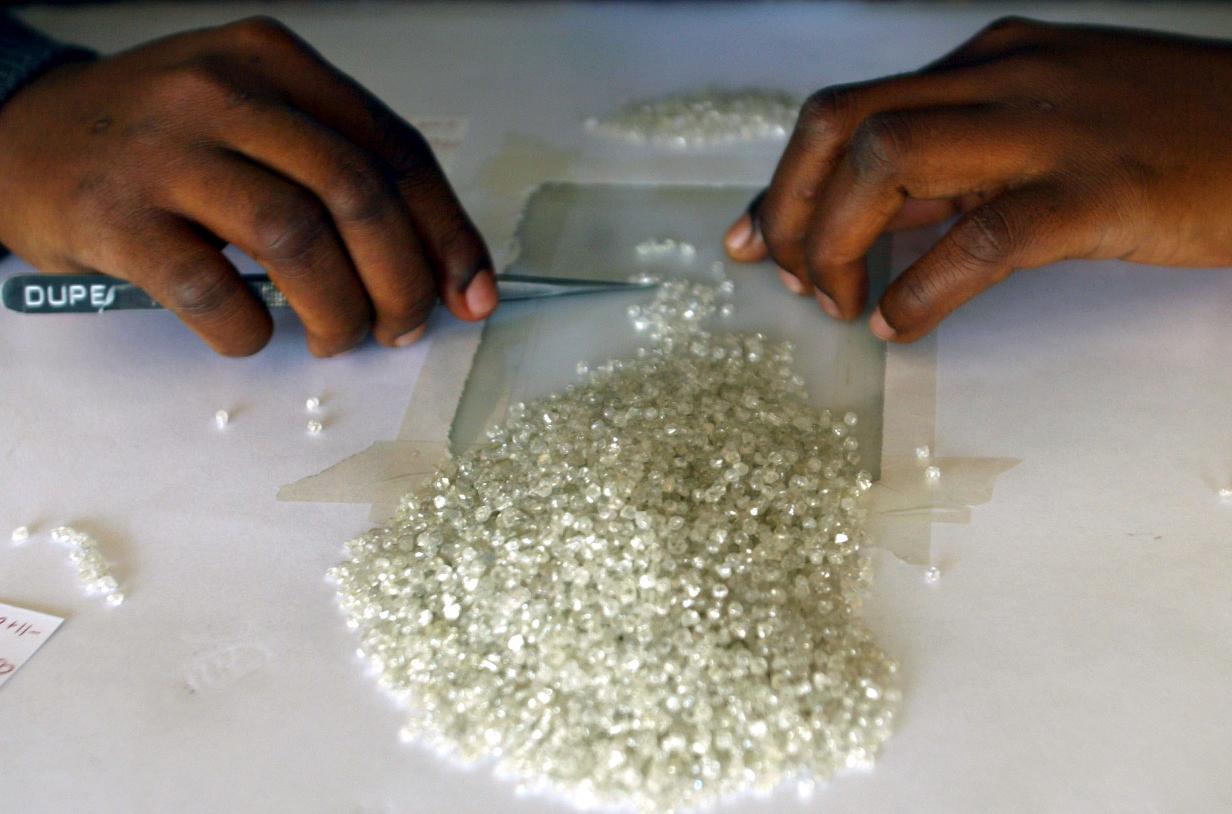
GABORONE, May 29 (Reuters) - Botswana’s President Mokgweetsi Masisi on Wednesday called synthetic gems a threat to the country's economic lifeblood, as the government readies to launch a $6 billion project to extend the life of its flagship Jwaneng diamond mine. The natural diamond market has struggled in the past two years due to rising consumer demand for cheaper lab-grown diamonds, coupled with global macroeconomic volatility. Masisi will participate this week at the JCK Show in Las Vegas, considered the world’s largest jewellery trade event, to promote Botswana as a leading producer of ethically and responsibly sourced diamonds as the country looks to safeguard its market share for natural diamonds. According to industry watchdog Kimberley Process Certification Scheme data, Botswana produced 20% of the world's total rough diamonds in 2022, behind Russia. The southern African country is, however, the world's top diamond producer by value. The gems contribute up to 40% of government revenue, 75% of its foreign exchange earnings and a third of national output. “If lab grown diamonds take our space, then you and I are finished," Masisi told reporters as he departed for the United States. He added he would wage "a peaceful assault against lab grown diamonds, to give confidence to our partners and dampen any attraction to lab growns.” Botswana and its partner De Beers, set to be spun off by parent company Anglo American, plan to launch the first phase of a $6 billion project on June 28 to extend the Jwaneng mine’s lifespan from the current 2032 horizon to 2054. The first phase, expected to cost $1 billion, will establish a drilling platform to make comprehensive sampling of diamond-bearing rock easier. It will also develop essential infrastructure to support further stages of the project. Jwaneng, in operation since 1982, produces an average 11 million carats per year, employing 2,100 permanent employees and 3200 contractors. At the show, Masisi also plans to lobby the United States against plans by the Group of Seven (G7) countries to ensure all diamonds entering the bloc pass first through Antwerp in Belgium for certification. The U.S., which consumes around 40% of the world's diamonds, is a leading member of the G7 bloc pushing for certification as part of sanctions imposed on diamonds from Russia following its invasion of Ukraine. (This story has been corrected to change the country to Belgium, not the Netherlands, in paragraph 11) Sign up here. https://www.reuters.com/markets/commodities/botswana-flags-synthetic-gem-threat-ahead-6-bln-diamond-project-launch-2024-05-29/
2024-05-29 20:26
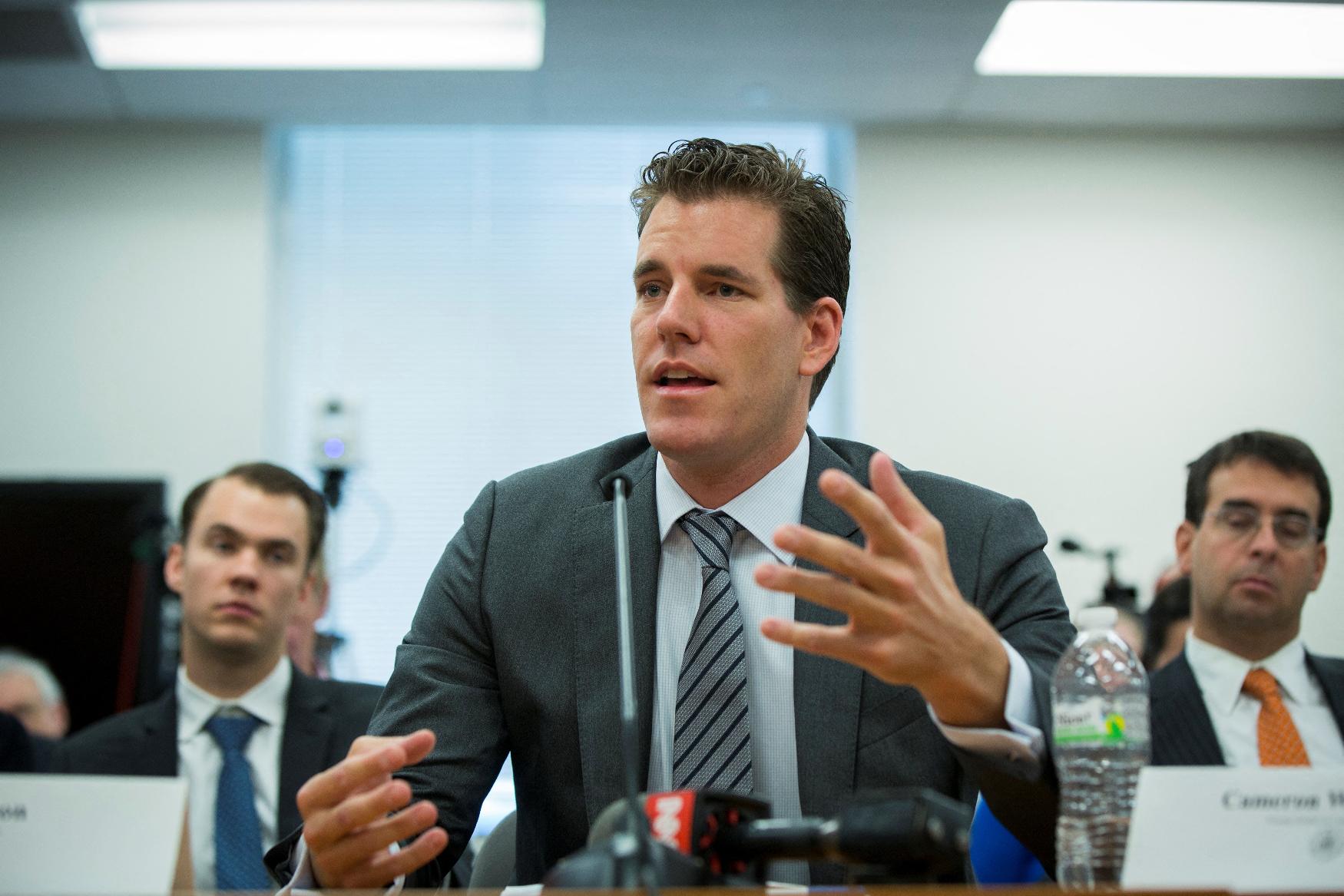
NEW YORK, May 28 (Reuters) - Bankrupt crypto lender Genesis and crypto exchange Gemini have returned over $2 billion in crypto to 232,000 retail customers in their jointly managed Gemini Earn program, giving customers a 242% return on assets locked up since January 2023, Gemini said on Wednesday. Unlike other crypto companies that went bankrupt after a 2022 market crash, Genesis was able to return customers' crypto to them rather than liquidating a limited pool of assets and paying them back in cash. Customers who loaned one bitcoin to Genesis will get one bitcoin back, benefiting from the coin's dramatic price increase since the date the company went bankrupt, Gemini said. The price of Bitcoin has more than tripled since January 2023, rising to over $67,000. "We are thrilled to have been able to achieve this recovery for our customers," Gemini co-founder Cameron Winklevoss said in a statement. "We recognize the hardship caused by this lengthy process and appreciate our customers' continued support and patience throughout." Gemini customers will receive about 97% of the repayment immediately and the remainder within 12 months. Genesis had previously estimated that its customers, including larger investors that were not part of the Earn program, would receive a 77% recovery in the bankruptcy. "We didn’t cap their claims at the petition date value," Genesis attorney Sean O'Neal said Wednesday. "Now we need to focus on making distributions to Genesis's remaining creditors." Gemini customers who participated in the Gemini Earn program loaned their crypto to Genesis and were paid interest on their loaned assets. The total value of the Gemini Earn assets was $940 million when Genesis froze customer accounts in November 2022, Gemini said. New York Attorney General Letitia James has alleged that the Gemini Earn program was a "scam" that misled investors, and she has sued Genesis, Gemini and Genesis's parent company Digital Currency Group over the program. James reached a settlement with Genesis in February that required Genesis to repay Earn customers before other creditors, including New York state and Digital Currency Group. "When investors suffer losses because of fraud and manipulation, they deserve to be made whole," James said in a statement. DCG had argued that Genesis's customers should be repaid based on what the crypto assets were worth in January 2023. Under that argument, which a judge overruled on May 17, DCG could have taken the "excess" value from the rise in crypto prices, rather than returning it to Genesis customers. James' lawsuit disrupted Genesis's efforts to re-start its business, pushing the company to pivot instead to a bankruptcy liquidation. Sign up here. https://www.reuters.com/technology/gemini-customers-get-back-over-2-billion-crypto-genesis-bankruptcy-2024-05-29/
2024-05-29 20:24
FRANKFURT/DUESSELDORF, May 29 (Reuters) - Thyssenkrupp (TKAG.DE) New Tab, opens new tab will merely contribute funding to its steel division should the German conglomerate agree on a 50:50 joint venture for the unit with Czech billionaire Daniel Kretinsky, it said on Wednesday. The German group plans to close a sale of 20% in the division to Kretinsky by the end of September while talks over the sale of an additional 30% in Thyssenkrupp Steel Europe (TKSE) continue. Thyssenkrupp said that it would continue to finance the steel division "for the time being" after the sale of the 20% stake in the steel to Kretinsky has been completed by the end of September. However, in the case of a 50:50 joint venture this would be pared back to "supporting contributions from both partners" to what Thyssenkrupp said would be an independent financing structure. The comments came in response to allegations by labour union IG Metall that Thyssenkrupp could ditch financial responsibility for TKSE as part of a partial sale that would entail the cancellation of a domination agreement. IG Metall, a major stakeholder in Thyssenkrupp's steel business, said the unit needed 4 billion euros ($4.3 billion) in funds for an independent future, adding lack of it would mean "certain death" for the business. In the latest sign of upheaval at the company, Thyssenkrupp late on Wednesday said that Arnd Koefler, TKSE's chief technology officer since May 2022, would leave the company effective June 30 for personal reasons. Koefler is in charge of TKSE's strategy and implementation of the transformation towards climate neutral steel production and will be succeeded by Dennis Grimm, part of the management team of HKM, itself a joint venture of TKSE (50%), Salzgitter (SZGG.DE) New Tab, opens new tab (30%) and Vallourec (VLLP.PA) New Tab, opens new tab (20%). ($1 = 0.9217 euros) Sign up here. https://www.reuters.com/markets/deals/thyssenkrupp-pare-back-funding-steel-unit-5050-jv-with-kretinsky-2024-05-29/