2024-05-25 14:10
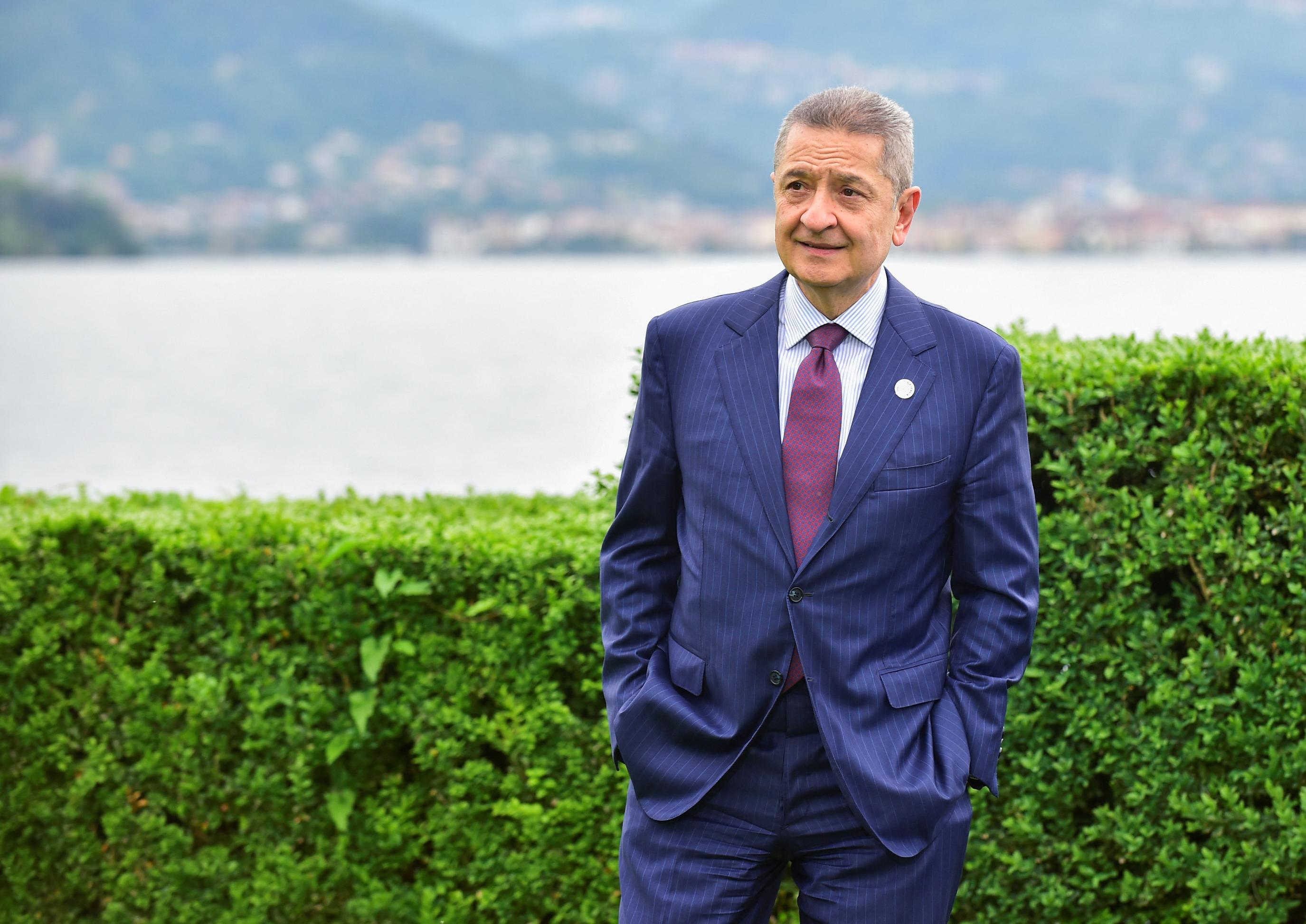
STRESA, Italy, May 25 (Reuters) - There is growing consensus within the European Central Bank over the need for a first rate cut as inflation is diminishing, creating the conditions to ease its monetary policy, ECB policymaker Fabio Panetta said on Saturday. "It seems to me that a fairly general consensus has emerged on the possibility of a rate cut," Panetta, the Bank of Italy governor, said during the press conference after the end of the G7 finance meeting in Stresa, northern Italy. Bundesbank President Joachim Nagel said on Friday the ECB should be in position to cut interest rates on June 6, as a pick up in negotiated wage growth across the 20 nation currency bloc was not particularly worrisome. Panetta has said inflation is showing a common underlying trend as it is declining in all major economic areas and that risks to financial stability have reduced. The G7 ministers and central bankers discussed a stress test in which the institutions of the major industrial democracies tested their performance in relation to cyber shocks, he said, adding the outcome was satisfactory. Sign up here. https://www.reuters.com/markets/europe/ecbs-panetta-says-consensus-growing-need-rate-cut-2024-05-25/
2024-05-25 12:43
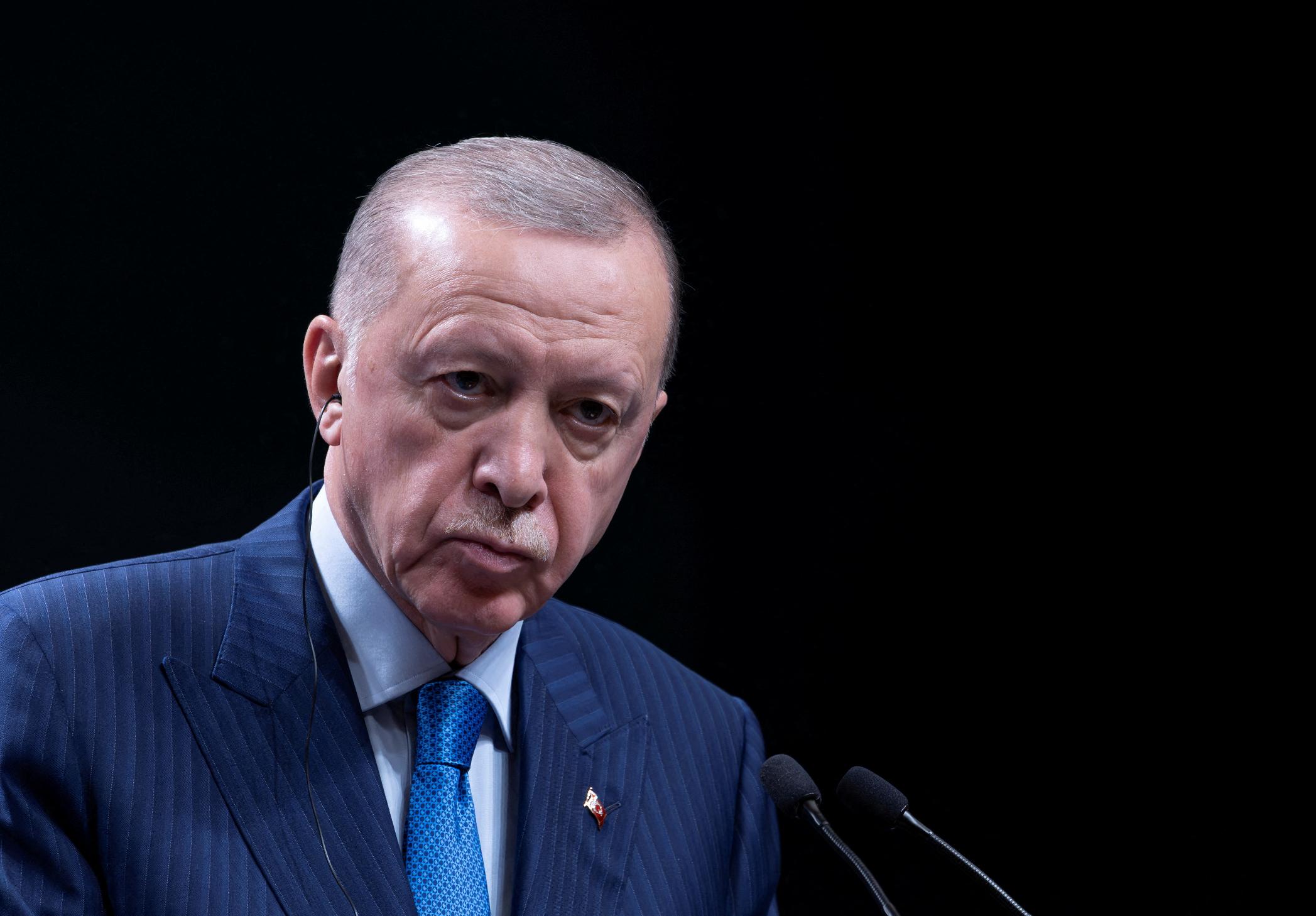
ISTANBUL, May 25 (Reuters) - Turkish fiscal policy will not add to inflationary pressure as the country begins to experience some disinflationary relief in the second half of the year, President Tayyip Erdogan said on Saturday. Addressing the Foreign Economic Relations Board, Erdogan said annual inflation should peak in May before cooling, echoing the forecasts of the central bank and offering his latest endorsement of the economic programme. "We will enter a disinflationary period in the second half of the year. We will not allow for inflationary pressures through fiscal policy," he said. The economic programme mainly aims to lower inflation to single digits, Erdogan added. "We are aiming for a sustained drop in inflation, not temporary relief." Annual consumer price inflation was near 70% in April and is expected to touch about 75% this month. The central bank has aggressively hiked interest rates to 50% since June last year, reversing a years-long easy-money policy under Erdogan. Sign up here. https://www.reuters.com/markets/turkeys-erdogan-says-fiscal-policy-will-not-stoke-inflation-2024-05-25/
2024-05-25 12:20
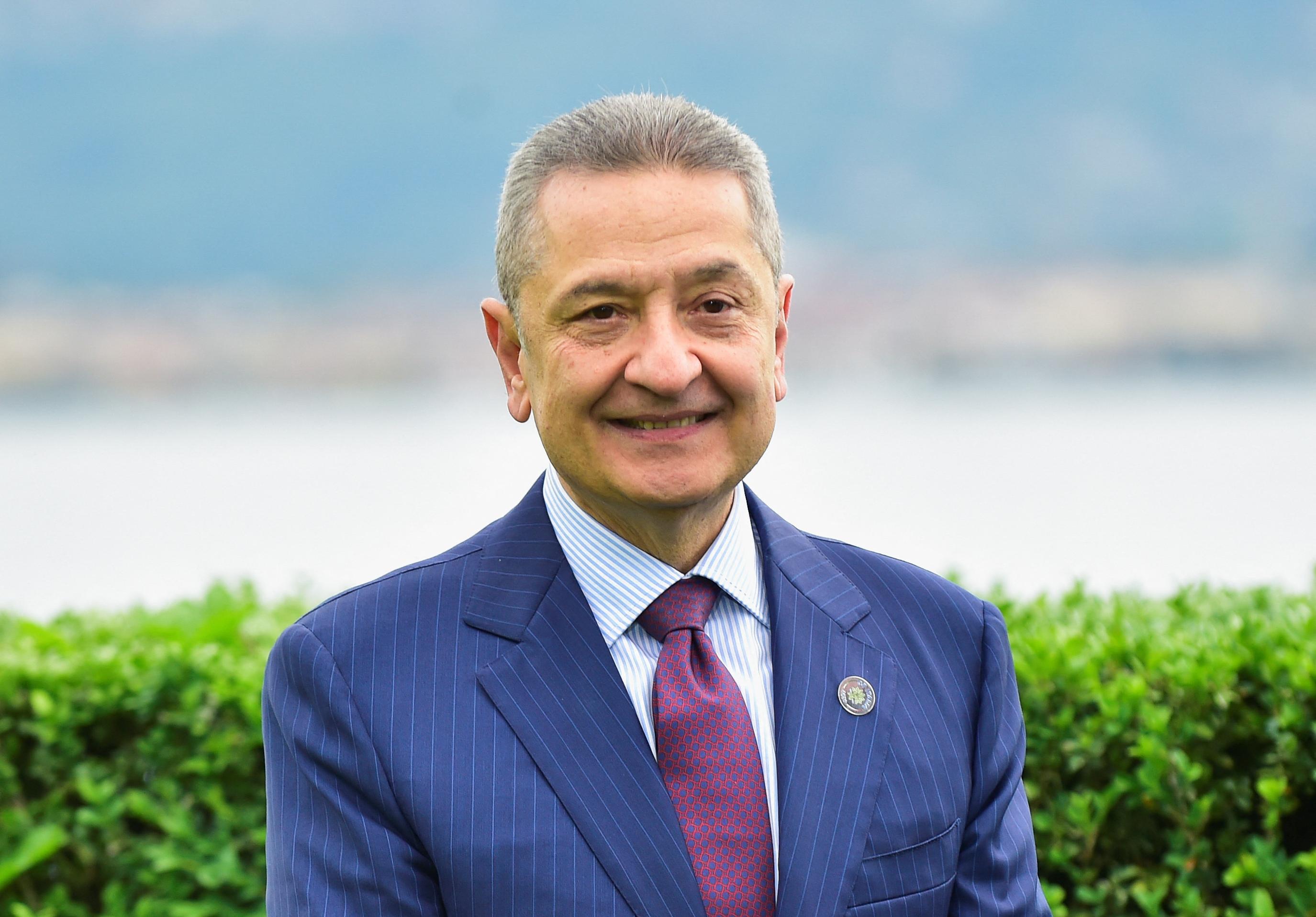
Staying in Russia brings reputational problems, Panetta says Intesa and Unicredit are still active in Russia Western sanctions reduce the number of potential buyers STRESA, Italy, May 25 (Reuters) - Italian banks must halt their business in Russia as staying in the country also brings a "reputational problem," European Central Bank policymaker Fabio Panetta said on Saturday. After Austria's Raiffeisen Bank International (RBIV.VI) New Tab, opens new tab, UniCredit (CRDI.MI) New Tab, opens new tab is the European bank with the largest exposure to Russia, while Intesa Sanpaolo (ISP.MI) New Tab, opens new tab is working to dispose of its business in the country. "From there (Russia) you have to get out," Panetta told reporters during the press conference after the end of the G7 finance meeting in Stresa, northern Italy. "There are objective difficulties because getting out of Russia is complicated, you have to find a buyer knowing that you are being forced, it can be expensive, however you have to get out because there is a reputational problem," added Panetta, the Bank of Italy governor. UniCredit's Russian arm was this month hit by the seizure of assets worth 463 million euros ($502.12 million) in relation to an aborted gas project for which the banking group had provided guarantees. Both Intesa and UniCredit have repeatedly said Western sanctions have shrunken the number of potential buyers, making it increasingly hard to leave. Intesa last year secured the presidential decree which is necessary for a foreign bank to dispose of its Russian business. However, Italy's biggest lender is still to finalise its exit, pending a green light from Russia's central bank and Italian authorities. UniCredit CEO Andrea Orcel has always said the bank's goal was to reduce exposure to Russia while minimising the hit for the lender. Orcel has said it would not be "morally correct ... writing off and gifting" the group's Russian unit. Both European banking supervisors and U.S. authorities in charge of enforcing sanctions are monitoring closely the activity of Western banks in Russia and their progress on exit plans, a person close to the matter said. In addition to the green light needed from Russian President Vladimir Putin and Russia's central bank, any transaction must be cleared by the ECB. To avoid the risk of sanctions following a deal, the U.S. Treasury Department's Office of Foreign Assets Control must also provide a comfort letter once informed of the identity of the prospective buyer, the person said. ($1 = 0.9221 euros) Sign up here. https://www.reuters.com/markets/europe/italian-banks-must-quit-russia-ecbs-panetta-says-2024-05-25/
2024-05-25 11:49
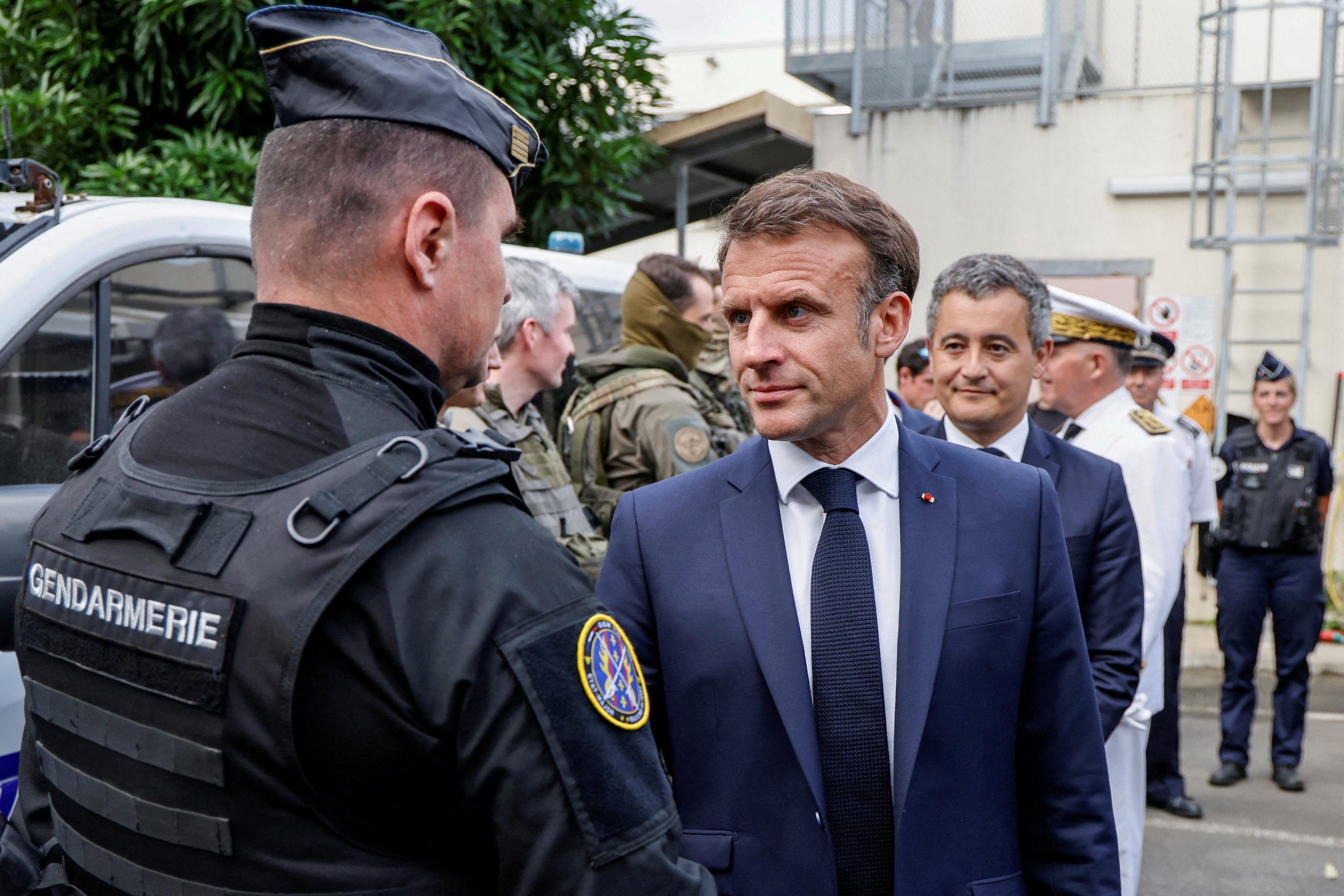
PARIS, May 25 (Reuters) - In 2018, a year after becoming France's president, Emmanuel Macron flew to the remote French-ruled Pacific island of New Caledonia to outline his latest foreign policy plan. With China's regional ambitions growing, a new Indo-Pacific strategy was needed to prevent it from becoming hegemonic, he said. New Caledonia would be a key French anchor of that plan. "I believe in the future of this territory, and I believe in the place that this territory occupies in a broader strategy," he said. "The Indo-Pacific is at the heart of the French project." Six years later, Macron's Indo-Pacific aspirations are facing their toughest test yet after days of deadly unrest on New Caledonia. At least seven people have died in protests against a constitutional amendment that would expand New Caledonia's electorate to include recent French arrivals. Some indigenous Kanaks believe the change will dilute their vote. Macron reacted with a firm hand, dispatching 3,000 security officers to quell unrest that he called "an unprecedented insurrection". Although he delayed ratifying the voting reform to reach a settlement, he said the measure has "democratic legitimacy". He also appeared to extinguish some islanders' hopes of independence, saying the results of a disputed 2021 referendum, in which an overwhelming majority on New Caledonia voted to remain French, were valid. Aides and experts said Macron's tough stance underlines his commitment to a doctrine that gives France a foothold in a geopolitically important region where the United States and China are jostling for power. New Caledonia "sustains France's role as a great power in the world," said Denise Fisher, Australia's former consul-general on the island. It is one of five French island territories across the Indo-Pacific, a "string of pearls" that bolsters Paris' claim to have the world's second largest exclusive economic zone, largely thanks to its maritime control of waters around those islands, Fisher said. Set in the warm waters of the southwest Pacific, some 1,500 km (930 miles) east of Australia, New Caledonia is home to 270,000 people, including 41% Melanesian Kanak and 24% of European origin, mostly French. The protests are the latest flashpoint in a decades-long tussle over France's role in the island. Named by British explorer Captain James Cook in 1774, New Caledonia was colonised by France in 1853 and became an overseas territory in 1946. Tensions between the indigenous Kanaks and Paris erupted into violent conflicts in the 1970s, and rumbled along until they were finally settled in the 1998 Noumea Accord, which outlined a path to gradual autonomy via three referendums. In all three, independence was rejected. However, many Kanaks refused to participate in the 2021 vote due to health concerns during the COVID pandemic, leaving lingering resentment over the result. This month's protests, which came as lawmakers in Paris passed the voting reform, have left a trail of burned buildings, barricaded roads and looted businesses. Brenda Wanabo, a spokeswoman for the Field Action Coordination Cell (CCAT) which helped organize the protests, said Paris was particularly interested in New Caledonia's nickel. The island is the world's No.3 miner of a metal used in electric vehicle batteries, but the sector has been struggling for years and required bailouts from the French government. She accused Macron of ramming through the 2021 referendum and criticized the planned change to voting eligibility as having been cooked up between Paris and local lawmakers. "We see that the state has become biased since Macron came to power," she said. Macron's office did not respond to a request for comment. FRANCE'S GLOBAL REACH France's Indo-Pacific territories give it bragging rights over its European Union peers. It is the only EU country to have territories in the Indo-Pacific, which are home to over 1.6 million French citizens and 7,000 soldiers. "This is something that others don't have," said a Macron aide. The importance of these territories rose after the 2021 collapse of a multi-billion-dollar submarine deal between France and Australia, experts said. Australia scrapped its French order in favour of a U.S.-UK deal, enraging Paris and triggering an unprecedented diplomatic crisis. The submarine deal, a cornerstone of Macron's 2018 Indo-Pacific strategy, would have deepened French military influence in the region. After its collapse, Paris sought to build deeper ties with Pacific nations. France and Japan agreed this month to start formal talks on a reciprocal troop access deal, which would create frameworks to facilitate military cooperation. Rene Dosiere, a former socialist lawmaker who was one of the architects of 1998 Noumea Accord, said that despite its geopolitical interest, Paris showed little day-to-day concern for the island. "I don't see the interest, apart from the fact that it's a former colony," he said. Macron's interest in New Caledonia, he said, stemmed from a "desire to have a territory that allows you to say, 'The sun never sets on the French empire.'" Sign up here. https://www.reuters.com/world/asia-pacific/restive-new-caledonia-macron-sees-pacific-power-influence-2024-05-25/
2024-05-25 09:34
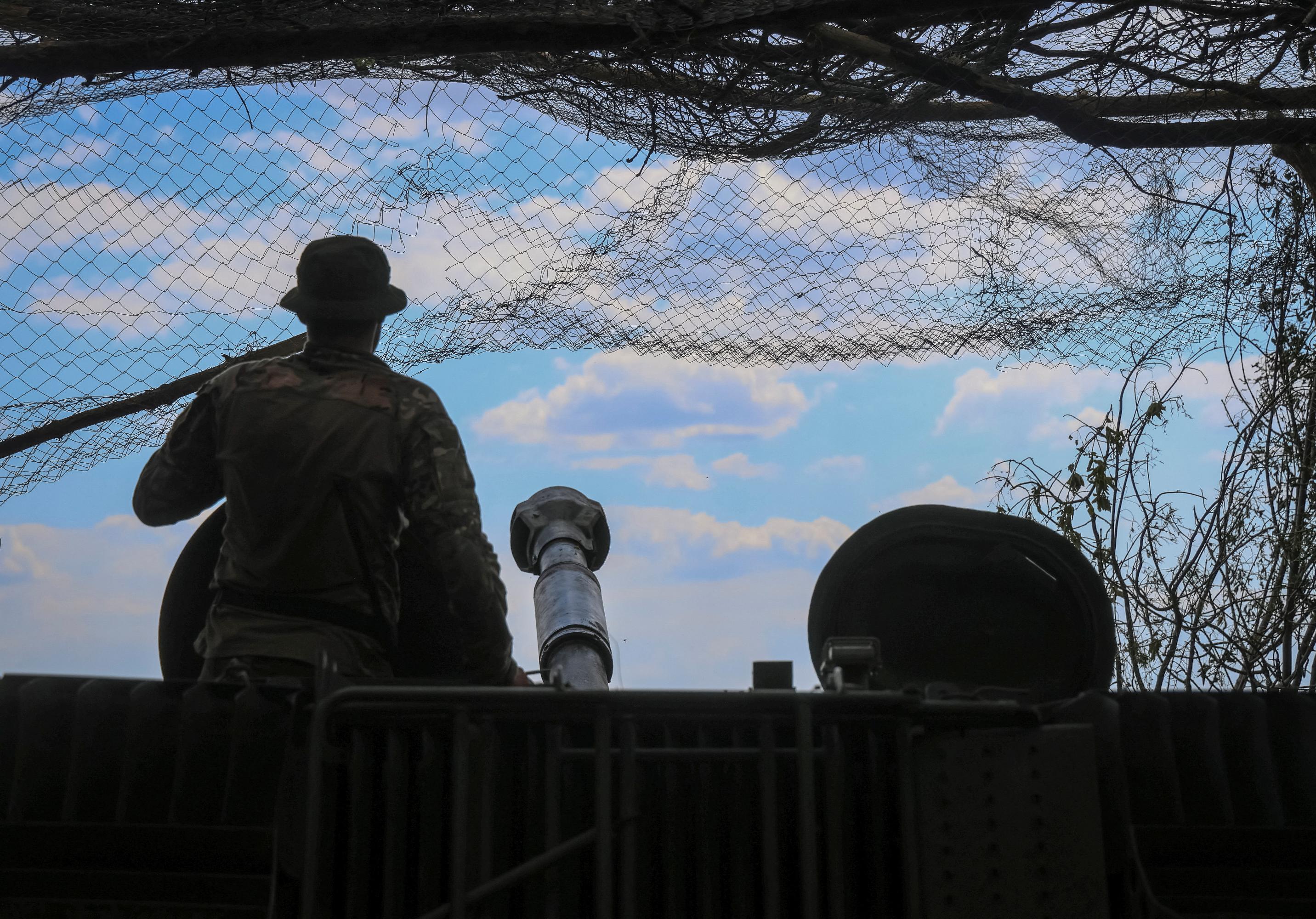
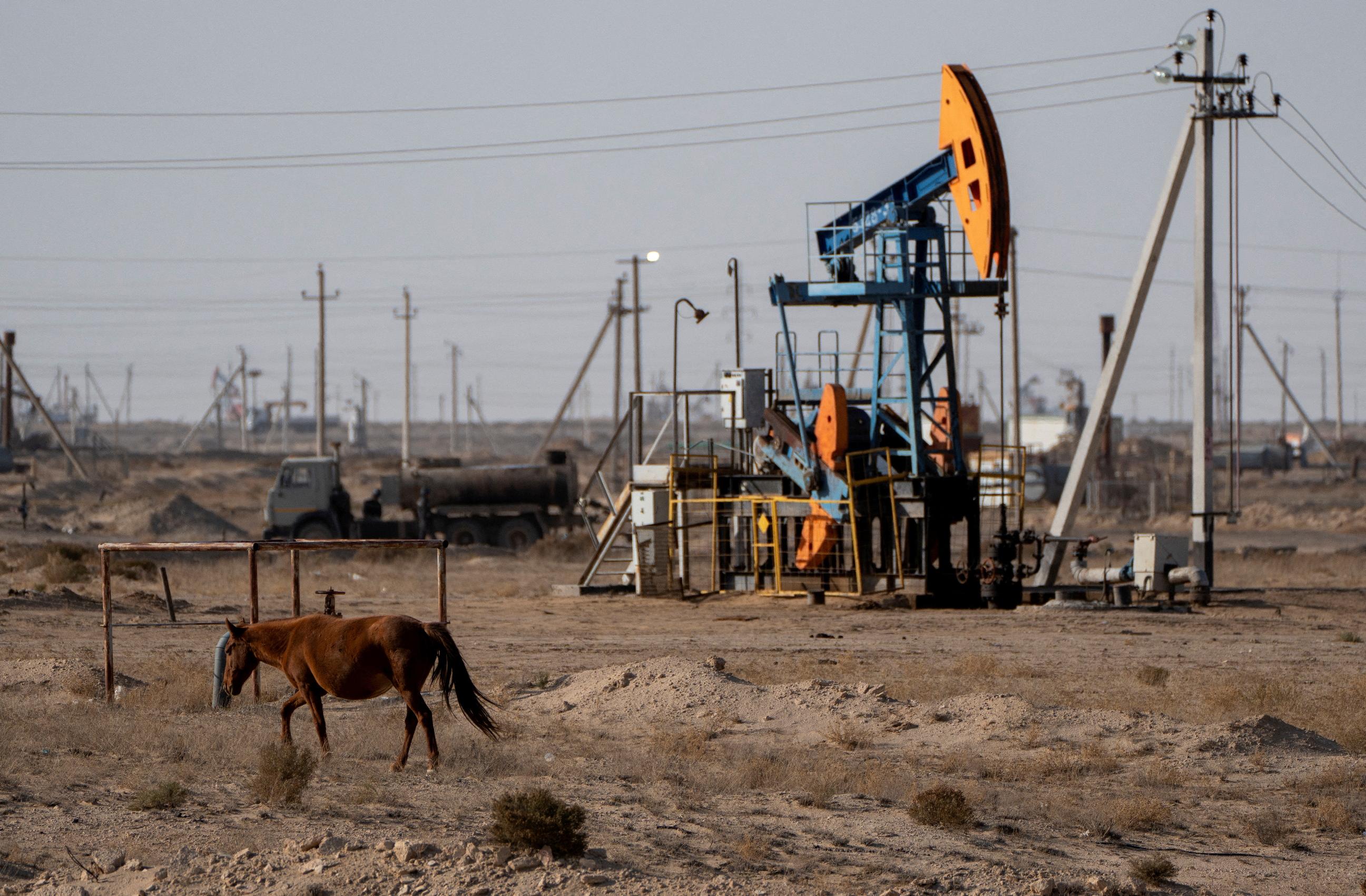
WARSAW, May 24 (Reuters) - Pipeline operators in Poland and Russia agreed on a solution that will allow Kazakh oil transit to Germany to continue, removing a risk that it would stop in June, sources familiar with the matter told Reuters. Transneft warned Kazakhstan in April that its oil transit to Germany could stop due to an impasse in certifying oil flow meters in Poland, required by June 5. Polish state-owned pipeline operator PERN had concerns it could breach Western sanctions against Russia, Polish sources familiar with the situation said earlier this year. PERN, Russia's state-controlled Transneft and Germany's PCK Schwedt refinery agreed that a non-Russian company will service the oil flow meters on the Polish part of the Druzhba pipeline, sources in Poland, Germany and Russia said. A Slovak company will provide metering servicing for the Polish portion, removing the sanctions exposure to PERN. The meters need to be certified periodically to meet Russian standards. Transneft's warning to Kazakhstan was a reminder of the landlocked country's reliance on Russia for its exports, with most of Kazakhstan's flow of 1.5 million barrels per day, or 1.5% of global supply, going via various Russian pipelines. Transneft operates the Druzhba oil pipeline, one of the world's largest, capable of carrying 2 million barrels per day. Flows through Druzhba have dropped sharply since Russia's invasion of Ukraine as the European Union refused to buy Russian oil. The northern leg of the Druzhba system, linking Germany via Poland and Belarus, is now used for Kazakhstan’s KEBCO oil exports for the Schwedt refinery, which supplies most of Berlin's fuel. While the flow is relatively small, expected at 1.2 million metric tons of oil this year, it has helped Germany to not rely on Russian oil, a pledge Berlin made in 2022 following Russia's invasion of Ukraine. Kazakhstan has extended the contract to supply the Schwedt refinery until the end of the year, the Kazakh state oil company KazMunayGaz (KMGZ.KZ) New Tab, opens new tab said on Tuesday. A PERN spokeswoman said the company was working with contractors to find a solution that will be in line with the existing laws. Kazakhstan pipeline operator Kaztransoil (KZTO.KZ) New Tab, opens new tab said that currently there are no limitations for shipping Kazakh crude oil to Adamowo base on the Polish section of the pipeline near Belarussian border. The Energy Ministry of Kazakhstan said in a written response to Reuters that "Kazakhstan and Russian parties have agreed to ship via Transneft and Druzhba trunk systems 1.2 mln tons of crude from Kazakhstan to Schwedt refinery". Transneft did not immediately respond to a request for comment. Germany's economy ministry declined to comment on company matters. A majority stake in the refinery has been under German government trusteeship since September 2022. Sign up here. https://www.reuters.com/business/energy/kazakh-oil-flow-germany-seen-intact-with-druzhba-issue-resolved-sources-say-2024-05-25/
2024-05-25 09:12
West froze $300 bln of Russian assets in 2022 G7 statement on use of assets has no detail Aims to offer options to G7 leaders in June G7 criticises China's "non-market" policies STRESA, Italy May 25 (Reuters) - The G7 will explore ways to use the future income from frozen Russian assets to boost funding for war-torn Ukraine, finance chiefs from the Group of Seven industrial democracies said on Saturday, but offered no details of how to do so. The G7 and its allies froze some $300 billion of Russian financial assets, such as major currencies and government bonds shortly after Moscow invaded its neighbour in February 2022. "We are making progress in our discussions on potential avenues to bring forward the extraordinary profits stemming from immobilized Russian sovereign assets to the benefit of Ukraine," the G7 said at the end of a two-day meeting in northern Italy. Financing for Ukraine and meeting China's growing export strength were the main themes addressed in comments from finance ministers during the gathering in the lakeside town of Stresa. The United States has been pushing its G7 partners - Japan, Germany, France, Britain, Italy and Canada - to back a loan that could provide Kyiv with as much as $50 billion in the near term. However, the cautious wording of the statement, containing no figures or details, reflects many legal and technical aspects which need hammering out before such a loan could be issued. The issue will now be discussed by G7 leaders at a summit in southern Italy in mid-June. "We are not yet ready to find further and clear measures to finance Ukraine, but this is now a topic of intensive work," German Finance Minister Christian Lindner told reporters. Russian Finance Minister Anton Siluanov said Moscow would reciprocate if the G7 went through with its threat. His government has already taken control of some Western businesses active in Russia. U.S. Treasury Secretary Janet Yellen said a loan to Kyiv was only "the main option" for G7 leaders to consider next month, but she didn't want to "take anything off the table as a future possibility." G7 negotiators have been discussing for weeks how to best exploit the assets, which are mostly held in European-based depositories, and all the European Union's 27 countries will have to sign off on any agreement. "It's not a given, so I'm not saying this is a totally done deal," Yellen said. UKRAINE'S "DESPERATE NEED" The G7 ministers and central bankers were joined on Saturday by Ukraine's Finance Minister Serhiy Marchenko, whose country is struggling to contain a Russian offensive in the north and the east, more than two years after Moscow first invaded. Italian Economy Minister Giancarlo Giorgetti, who hosted the Stresa meeting, told reporters a loan would aim to support Ukraine's budget for the next 2-3 years and would not be used for weapons as this was forbidden by Japan's constitution. He added that it could possibly be administered by the World Bank or else an ad hoc body. Giorgetti said Marchenko had told the gathering Ukraine had a "desperate need" of financing. "Consistent with our respective legal systems, Russia's sovereign assets in our jurisdictions will remain immobilized until Russia pays for the damage it has caused to Ukraine," the G7 statement said. The European Union on Tuesday finalised its own deal to help Ukraine using the "unexpected and extraordinary" profits earned by the Russian assets in Europe, expected to yield 15-20 billion euros ($16-22 billion) by 2027. The latest U.S. proposal is that Washington could provide a lump sum loan to Ukraine, to be paid back through the revenue stream from these assets, a G7 official said. CHINA CRITICISM China's growing export strength and what G7 ministers call its industrial "overcapacity" was a major issue in Stresa. "We express concerns about China's comprehensive use of non-market policies and practices that undermines our workers, industries, and economic resilience," the statement said. "We will continue to monitor the potential negative impacts of overcapacity and will consider taking steps to ensure a level playing field, in line with World Trade Organization (WTO) principles." The United States last week unveiled steep tariff hikes on an array of Chinese imports including electric vehicle batteries, computer chips and medical products. Washington has not called on its allies to take similar steps but Yellen said this week she wanted the G7 to express a "wall of opposition" to China's industrial and trade policies. Giorgetti said EU countries now had to decide whether to follow the U.S.' lead in using tariffs to curb Chinese imports. There are "different points of view" on the issue, he noted. On taxation, the 13-page G7 statement also said the G7 aimed to sign off on the first pillar of an accord on a global minimum tax rate for multinationals by the end of next month, but Giorgetti said this was all but impossible. Hopes of a deal within the planned time scale were "almost dead," he said. This first pillar aims to reallocate the taxing right on mainly U.S.-based digital giants, allowing about $200 billion of corporate profits to be taxed in the countries where the companies do business. The G7 finance leaders also reaffirmed their exchange-rate commitment warning against excessively volatile and disorderly currency moves, nodding to a request by Japan. Tokyo has argued this G7 agreement gives it freedom to intervene in the currency market to counter excessive yen moves. The G7 also called on Israel to maintain correspondent banking links between Israeli and Palestinian banks to allow vital transactions, trade and services to continue, according to the draft. Sign up here. https://www.reuters.com/world/g7-will-try-use-frozen-russian-assets-help-ukraine-2024-05-25/