2024-05-24 00:43
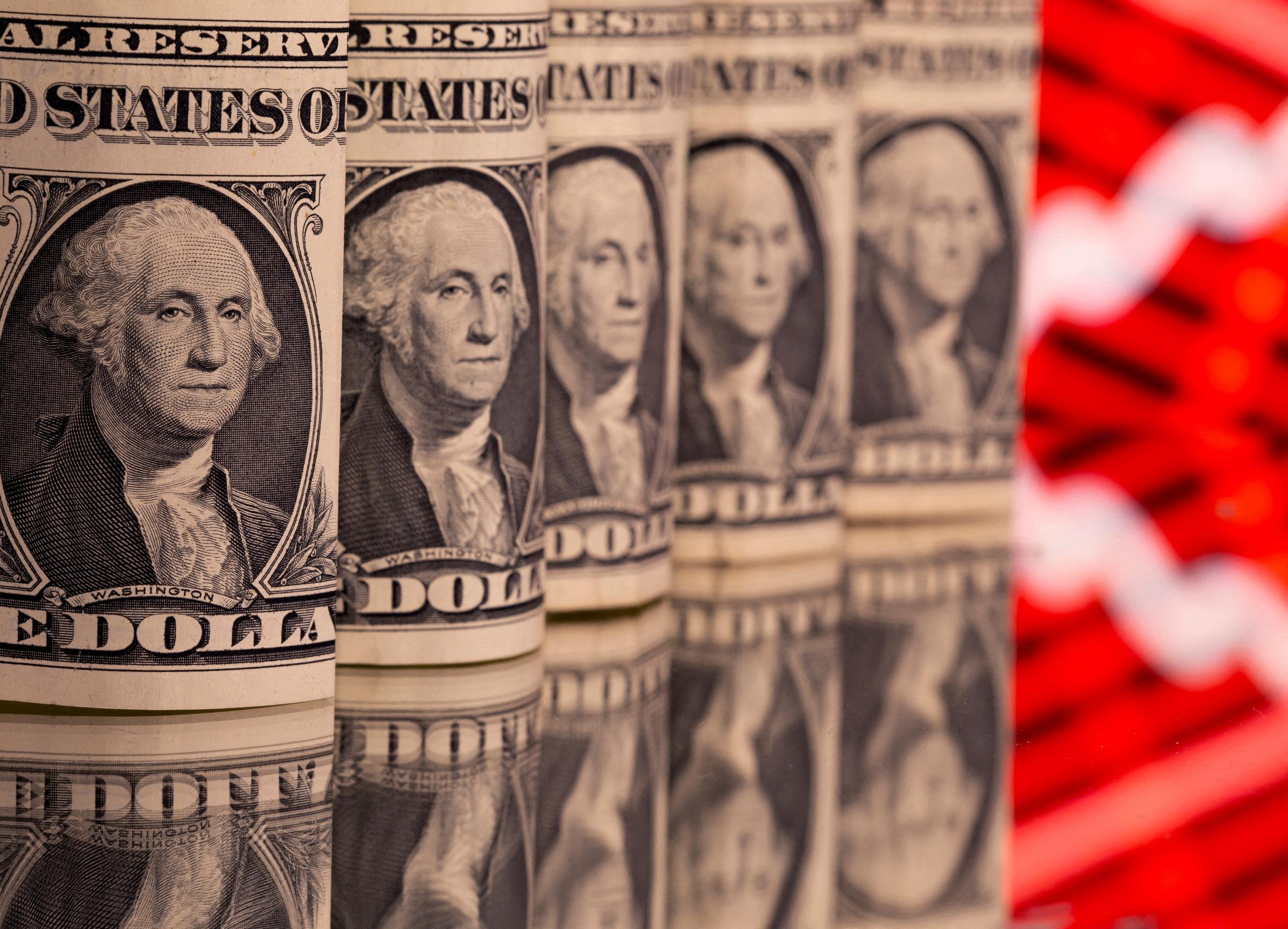
NEW YORK, May 24 (Reuters) - The dollar slipped against most major currencies on Friday as traders booked profits after recent gains but the U.S. currency remained well-placed for further advances, supported by strong U.S. economic data that has prompted markets to dial back expectations for interest rate cuts. Data on Friday showed new orders for key U.S.-manufactured capital goods rebounded more than expected in April and shipments of these goods also increased, suggesting a pickup in business spending on equipment early in the second quarter. This follows Thursday's data that showed U.S. business activity in May accelerated to the highest level in just over two years and manufacturers reported surging input prices. Minutes from the Federal Reserve's last meeting published this week showed a lively debate among policymakers as to whether current rates were sufficiently restrictive to cool inflation. The dollar was down 0.3% at 104.72 against a basket of currencies on Friday, after advancing in five of the last six trading sessions. For the week the index was up 0.2%. The euro was up 0.3% at $1.08495 late on Friday. "Investors are just now taking the opportunity to reflect back on the week and take some profits ... it's really purely a positioning play," said Boris Kovacevic, global market strategist at payments company Convera in Vienna. While stronger-than-expected U.S. economic data has led traders to push out the timing of the first Fed rate cut to September, expectations for rate cuts by other central banks have also slipped. "For as much as expectations of easing from the Federal Reserve have cooled off over the last week, it's a similar story for central bankers around the world - ECB rate cut changes have also downshifted after lots of official commentary since Monday," said Helen Given, FX trader at Monex USA in Washington. Despite Friday's retreat, the near-term outlook for the dollar was upbeat, analysts said. "This theme of the U.S. exceptionalism is still playing out," Convera's Kovacevic said. The dollar is up almost 1% this week on the Japanese yen to 156.95 yen, even though Japanese government bond yields have climbed too, scaling decade highs and clearing 1% at the 10-year tenor . Japan's core inflation slowed for a second straight month in April, meeting market expectations - and staying above the central bank's target - at 2.2%. "It's having very little effect on the yen," said Martin Whetton, head of financial markets strategy at Westpac in Sydney. "The carry of holding dollars is far juicier," he said, while policymakers' rhetoric has also made traders nervous about inflation and the risk rate cuts would be distant or small. The pound rose 0.3% to $1.27365 on Friday. Data showed wet weather hit UK consumer spending far more than expected in April, but evidence of sticky inflation, and the surprise announcement this week of a July general election kept sterling near two-month highs. China started a second day of war games around Taiwan. China's yuan held steady in the offshore market around 7.2627. The New Zealand dollar was up 0.4% at $0.61225, underpinned by a hawkish shift in outlook from the Reserve Bank of New Zealand. Among cryptocurrencies, ether was about flat at $3,735.90, on Friday, a day after the U.S. Securities and Exchange Commission approved applications from Nasdaq, CBOE and NYSE to list exchange-traded funds (ETFs) tied to the price of ether, potentially paving the way for the products to begin trading later this year. For the week, ether is up about 20%. Sign up here. https://www.reuters.com/markets/currencies/dollar-set-weekly-gain-rate-cut-bets-ebb-2024-05-24/
2024-05-24 00:38
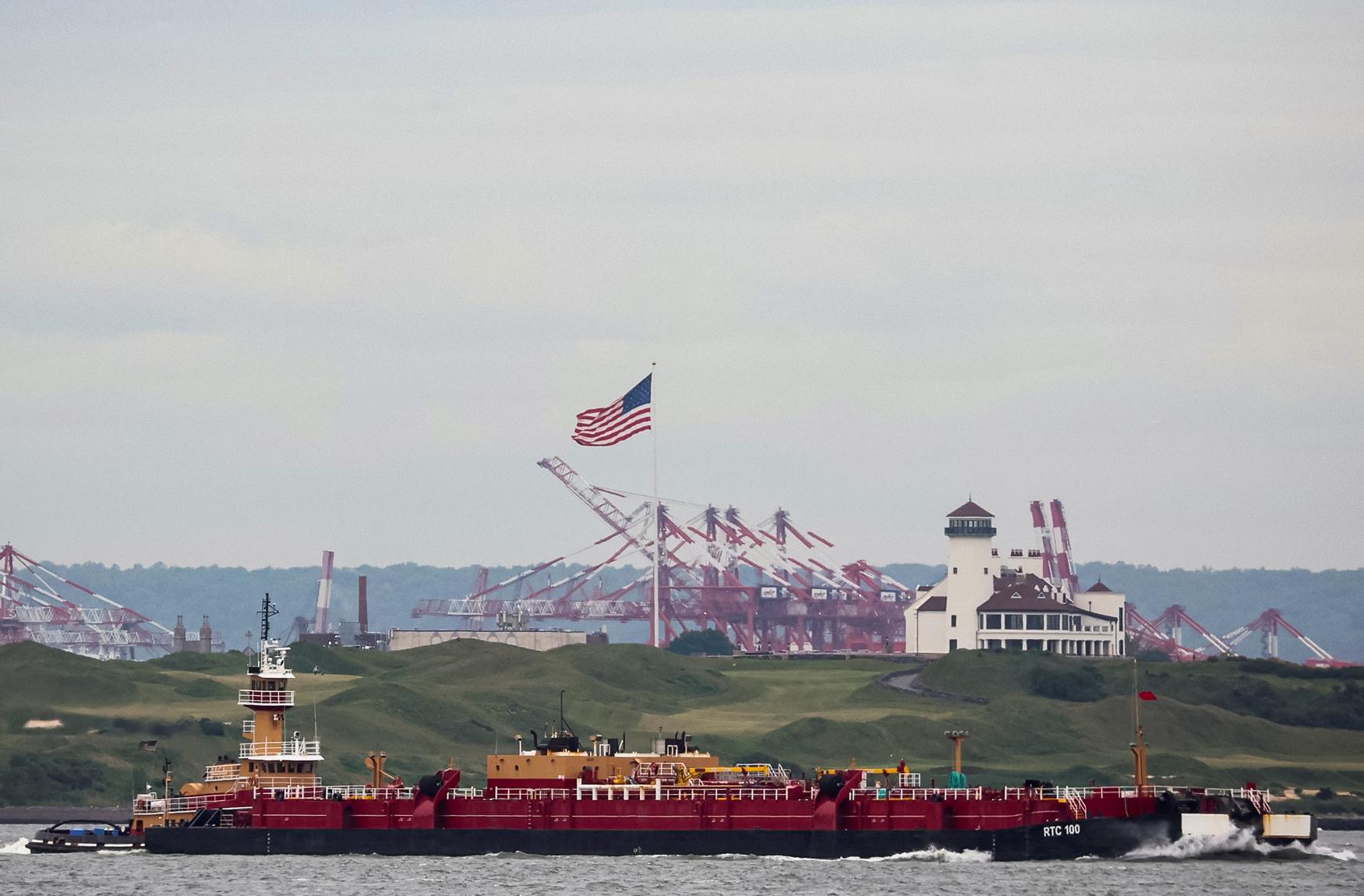
Brent settles 2.1% lower for the week Interest rate policy, rise in crude oil stocks weigh Oil rig count unchanged, Baker Hughes data Market awaits OPEC+ June 2 online meeting HOUSTON, May 24 (Reuters) - Oil prices rose about 1% on Friday, but fell for the week on worries that strong U.S. economic data would keep interest rates elevated for a longer period, curbing fuel demand. The Brent crude July contract rose 76 cents to $82.12 a barrel. The more-active August contract closed up 73 cents at $81.84. U.S. West Texas Intermediate (WTI) crude futures settled 85 cents, or 1.1%, higher to $77.72. On Thursday, Brent closed at its weakest since Feb. 7 and U.S. WTI futures at their lowest since Feb. 23. Summer demand in the United States is expected to pick up starting this weekend, and some investors are wondering if the selloff was exaggerated, said Dennis Kissler, senior vice president of trading at BOK Financial. Brent closed down 2.1% for the week. It declined for four straight sessions this week, its longest losing streak since Jan 2. WTI settled down 2.8% for the week. Worries over Federal Reserve interest rate policy and last week's bump in US crude oil inventories weighed on market sentiment, said Tim Evans, an independent energy analyst. Minutes of the Fed's latest policy meeting released on Wednesday showed policymakers questioning whether interest rates were high enough to tame stubborn inflation. Some officials were willing to raise borrowing costs again if inflation surged. Fed Chair Jerome Powell and other policymakers have since said they feel further increases are unlikely. Higher interest rates increase the cost of borrowing, which can slow economic activity and dampen demand for oil. Consumer sentiment also fell to a five-month low on mounting fears about borrowing costs staying high. At face value, pessimism among households would imply slower consumer spending, though the relationship between the two has been weak. Oil demand is still robust from a broader perspective, analysts at Morgan Stanley wrote in a note, adding they expect total oil liquids consumption to increase by about 1.5 million barrels per day this year. Soft U.S. gasoline demand has been offset by global demand, which surprised to the upside, especially in the early parts of the year, the analysts said. U.S. gasoline product supplied, a proxy for demand, reached its highest level since November in the week to May 17, the Energy Information Administration (EIA) said on Wednesday. On the supply side, the oil rig count, an early indicator of future output, was unchanged at 497 this week, energy services firm Baker Hughes (BKR.O) New Tab, opens new tab said. Meanwhile, the market is awaiting a June 2 online meeting of the OPEC+ producer group comprising the Organization of the Petroleum Exporting Countries and its allies to discuss whether to extend voluntary oil output cuts of 2.2 million barrels per day. Analysts largely anticipate that current production cuts will be extended at least to the end of September. Russia, in a rare admission of oil overproduction, said this week it exceeded its OPEC+ production quota in April for "technical reasons," a surprise that analysts and industry sources say shows Moscow's challenges in curbing output. Venezuela aims to produce 1.23 million barrels per day (bpd) of oil in December, adding about 290,000 bpd compared to the start of the year, following the addition of drilling rigs, oil minister Pedro Tellechea said. Money managers raised their net long U.S. crude futures and options positions in the week to May 21, the U.S. Commodity Futures Trading Commission (CFTC) said on Friday. Sign up here. https://www.reuters.com/business/energy/oil-flat-firming-us-gasoline-demand-offsets-rate-jitters-2024-05-24/
2024-05-23 23:41
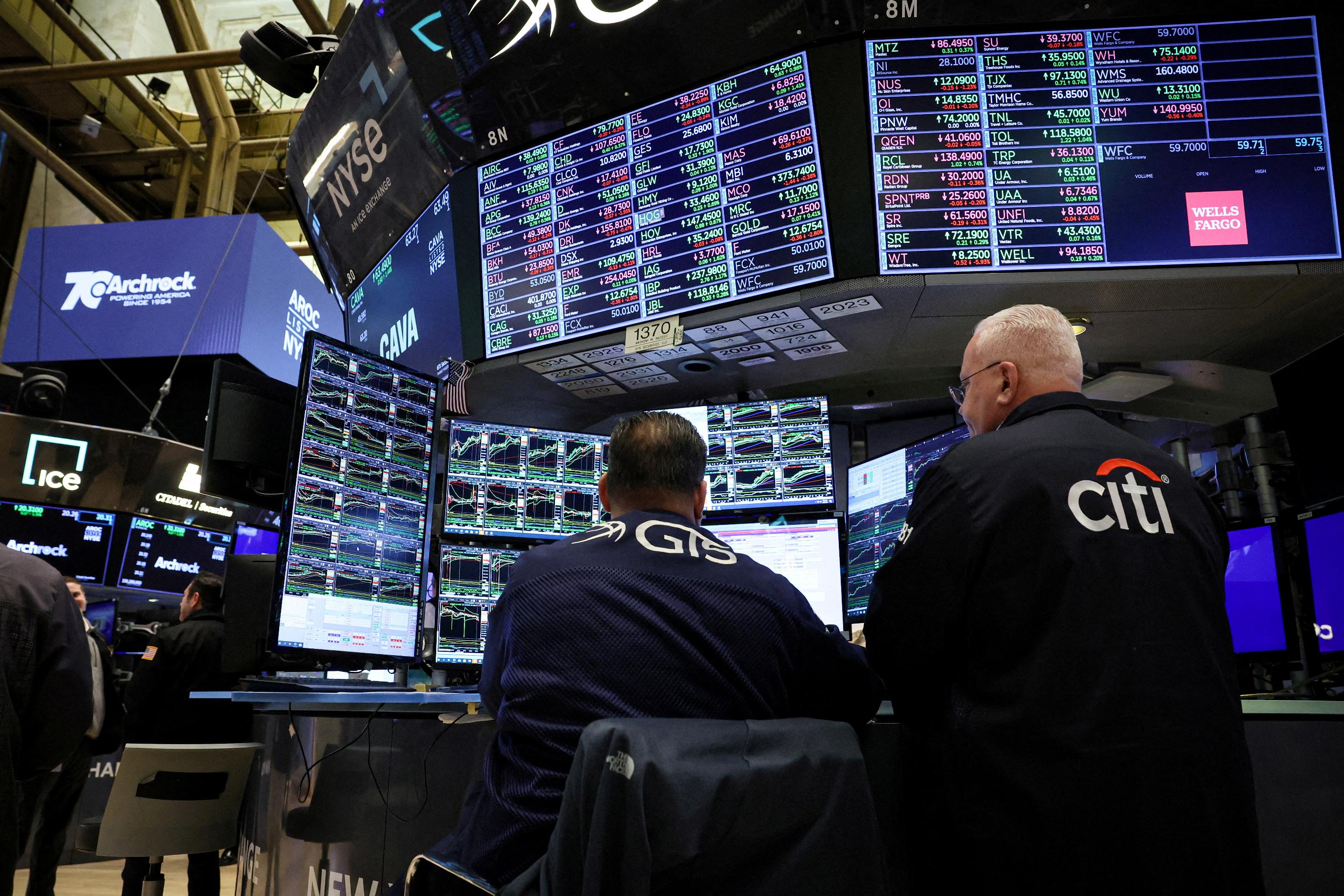
SINGAPORE, May 24 (Reuters) - A shortening of U.S. stock settlement window next week is expected to upend trading for Asian money managers, pushing some to secure funds in the early hours of their mornings when currency markets are at their thinnest and most jumpy. From May 28, investors from Singapore, Tokyo or Seoul who buy U.S. shares during the Wall Street day will have just 24 hours to validate their trades and convert their funds into dollars to complete the deals, down from two days previously. While the new U.S. rules are designed to reduce counterparty risks, dealers and regulators are watching to see if the changes ruffle prices or flows in the $7.5-trillion-a-day forex market. In Asia, traders are all too familiar with the sudden moves that happen when big trades hit in low liquidity hours of their mornings, such as dives in sterling in 2016 or dollar/yen in 2019, which created global market ripples. "That New York 5 p.m. to Tokyo, say, seven or eight, is usually what we refer to as a twilight zone," said Bart Wakabayashi, Tokyo branch manager at State Street, a custodian bank involved in settling U.S. stock trades. "There's not a lot of clients trading at that time...(and) not a lot of banks supplying liquidity," he said. "So if there's an imbalance, there could be an adverse impact on markets...bigger swings than traditionally." Under the changes, the deadline for affirming trades, where brokers, investors and custodians check and agree on all the details, moves from 12.30 p.m. New York time on the day after a trade to 9 p.m. on the day of the trade, according to the Depository Trust & Clearing Corporation (DTCC), which provides clearing and settlement for U.S. securities. That's 9 a.m. in Hong Kong and means investors there need to be available well before then to fix problems, or risk failed trades and higher processing fees. Gerard Walsh, head of client solutions for banking and markets at Northern Trust, said tighter timetables could mean a shift in FX flows towards early opening times in Asia's financial centres. "That's one of the many permutations that we think might happen...this needs careful attention for what could be years, until markets are in sync again," Walsh said. MONEY MOVING Investors and their broker-dealers have been preparing for the change by planning for increased staffing, automation, extra cash buffers and, in some cases, pre-funding trades. Most of that adds cost, ultimately borne by the investor. "When you do T+2 or T+1 or same day FX, the liquidity conditions can vary quite significantly based on the currency and time of day of execution, which can have an impact to the overall transaction cost," said Phillip Van Dine, head of banks and market infrastructure sales for Citi Securities Services in Asia. Ironically, settlement risks could also rise in currency trade as a cut-off for submitting trades to CLS, a large settlement platform run by big banks, is not moving from midnight Central European Time (6 a.m. in Hong Kong). The changes will also leave the U.S. out of step with most other currency and global stock markets, which settle in two days. That means an investor selling, for example, an Australian stock to fund a U.S. purchase will need either a line of credit or to carefully manage cash and currency flows, since it will take two business days for the Australian dollars to arrive. The juggling act will be even more acute over weekends or market holidays, and in markets such as South Korea where currency trading stops on holidays. Retail brokers must also position for unpredictable client demand for currencies. "(Fund managers) can anticipate the demand beforehand and purchase dollars on Friday to have them ready," said Cho Jung-oh, digital innovation department head of Mirae Asset Global Investment. "However, for securities firms, it's challenging to predict how much individuals will buy, making it difficult to secure dollars in advance." To be sure, most participants welcome shorter settlement and believe uncertainties can be mitigated. Trades that miss the CLS cut-off can still be submitted as late as 6.30 am CET, or settled outside CLS. Singapore's central bank and other market participants noted increased morning trade should also deepen the market. Large banks and custodians such as Citi, State Street, J.P. Morgan and BNY Mellon, among others, say they are able to automate much of the process, including foreign exchange, to ensure Asia-based investors get dollars in time. It's also not the first time this has happened. The U.S. settlement cycle has shrunk over the years from five days in 1987, without incident. India moved smoothly to T+1 in 2023. Still, the shift highlights some of the inflexibility in the cumbersome infrastructure that underpins global markets and moves trillions daily. "We have a transaction bank that expects money moving 24/7 and we have a foreign exchange market that only works 5-1/2 days a week, with cut-off times," said Paul van Sint Fiet, head of cross-currency solutions for Asia at J.P. Morgan. Sign up here. https://www.reuters.com/markets/currencies/us-stock-changes-push-fx-trades-into-asias-twilight-zone-2024-05-23/
2024-05-23 23:35
May 23 (Reuters) - Elon Musk's SpaceX has initiated discussions about selling existing shares in a deal that could value the company at roughly $200 billion, Bloomberg News reported New Tab, opens new tab on Thursday, citing people familiar with the matter. The valuation would be higher than the $180 billion it had fetched in its previous tender offer, the report said, adding that the shares could be sold at a price ranging from $108 to $110. SpaceX did not immediately respond to a Reuters request for comment. "SpaceX has no need for additional capital and will actually be buying back shares," Musk said in a post New Tab, opens new tab on X. One of the most profitable startups in the world, SpaceX is employing a tactic common among high-profile private companies. Tender offers allow insiders or employees to sell their shares without the company having to file for an initial public offering. They can allow the company to strengthen its financials further before it decides to test its fate in the public markets. Sign up here. https://www.reuters.com/markets/deals/spacex-mulling-tender-offer-200-bln-valuation-bloomberg-news-reports-2024-05-23/

2024-05-23 22:50
CHERGANOVO, Bulgaria, May 23 (Reuters) - Bulgarian farmers were busy harvesting rose petals for their renowned oil this week, about a month earlier than the historical norm due to climate change that has ushered in warmer and more humid springs. Bulgaria, a European Union member country in the southeastern Balkans, is one of the top global producers of fragrant rose oil that is also used in the cosmetics industry. The best rose oil is produced in its central Rose Valley where, historians say, the flowers have been cultivated as crops since the ancient kingdom of Thrace in the 5th-3rd centuries BC. The first oil factory was opened in 1820 in the nearby town of Kazanlak. The process of making the 2 to 3.5 tons of rose oil produced in Bulgaria annually is not easy. For one gram of rose oil, more than 1,000 rose petals must be plucked by hand in the early morning as essential oil content is highest around 7 a.m. "Condensation forms each evening and clings to the rose, allowing the oil in the blossom to be at its best," said Miroslav Terziev, a rose farmer in the village of Cherganovo. Petals are also used for products including rose water, rose jam, rose tea and even rose brandy. The quality of the petals and oil is heavily dependent on weather conditions, with a combination of heat and humidity crucial, said Todor Nikolaev, chief technologist at the Terra Roza distillery. He noted that with the recent mild winter and a very warm March, the roses began to bloom earlier this year and the picking season started about three weeks ahead of normal. "The month of May is quite rainy, so the flowers do not bloom all at once, which allows for a good picking of the gardens. Low temperatures prevent the evaporation of oil - the season is favourable for everyone in the production system." Scientists say climate change over recent decades has caused plants to start blooming weeks earlier than previously. "We checked our archive from 1987 and found that the active, mass onset of flowering of rosebushes was between June 10 and 20. And we have roses today that start blooming a month earlier," said Valentin Kazandjiev, an agro-meteorologist at the National Institute of Meteorology and Hydrology in Sofia. Kazandjiev said farmers facing climate change should focus on technologies that mitigate its impact, while scientists should recommend different geographical zones for different crops every decade. Sign up here. https://www.reuters.com/business/environment/climate-change-spurs-early-blooms-bulgarias-historic-rose-industry-2024-05-23/

2024-05-23 22:50
May 23 (Reuters) - The U.S. Centers for Disease Control and Prevention said on Thursday that public health officials are investigating multi-state outbreaks of salmonella linked to contact with backyard poultry. The CDC said that 109 people from 29 states have gotten sick from salmonella after touching or caring for backyard poultry such as chickens and ducks. The states with the highest number of cases are Missouri, Texas and Oklahoma. No deaths have been reported while 33 people have been hospitalized. The true number of sick people is likely much higher than the number reported because many recover without medical care and are not tested for salmonella, the CDC said. In this outbreak, 43% of those infected are under 5 years old, the CDC said. Symptoms for salmonella include diarrhea, fever and stomach cramps, but children under age 5 may experience more severe illnesses that require medical treatment or hospitalization. The health agency advised people to wash their hands with soap and water immediately after touching backyard poultry, their eggs, or anything in the area where they live and roam. The CDC also advised stores selling backyard poultry to clean and sanitize poultry display areas and source them from hatcheries that take steps to reduce salmonella contamination. Sign up here. https://www.reuters.com/world/us/us-cdc-warns-multi-state-salmonella-outbreak-linked-backyard-poultry-2024-05-23/